
Michelin Plate
Our verdict
The menu holds classic French bistro anchors alongside South African-inflected dishes from chef Jan Hendrik, making it one of the more considered neighbourhood tables in the city's Vieux-Nice quarter.

Pearl is the En Primeur Club membership app, where members save venues, book tables and use the concierge.
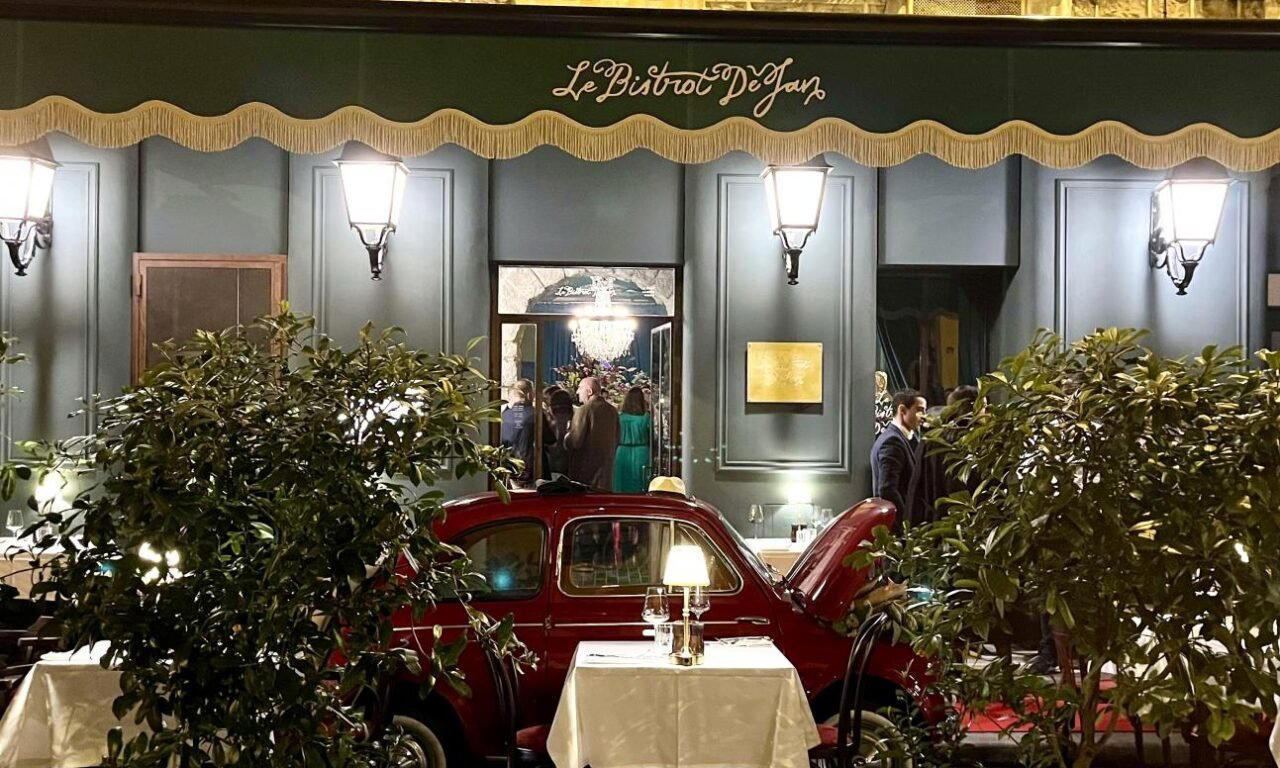
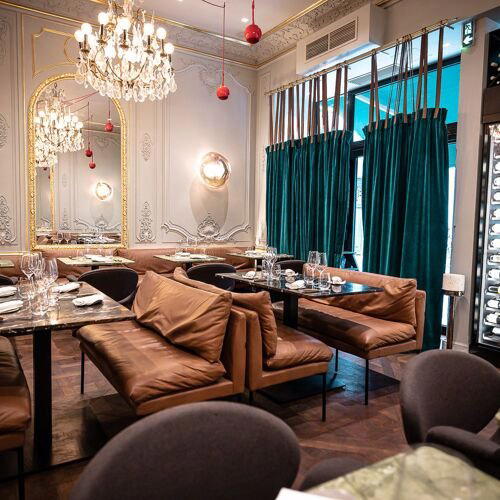
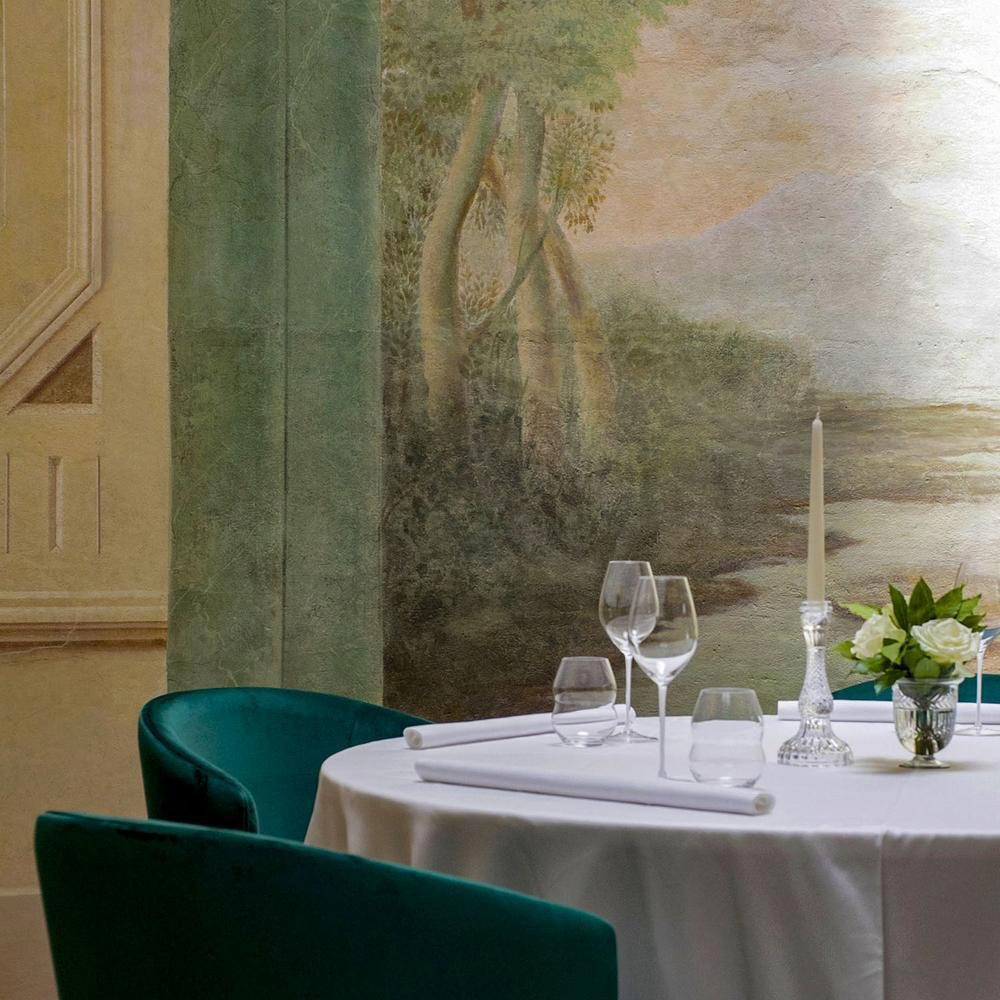
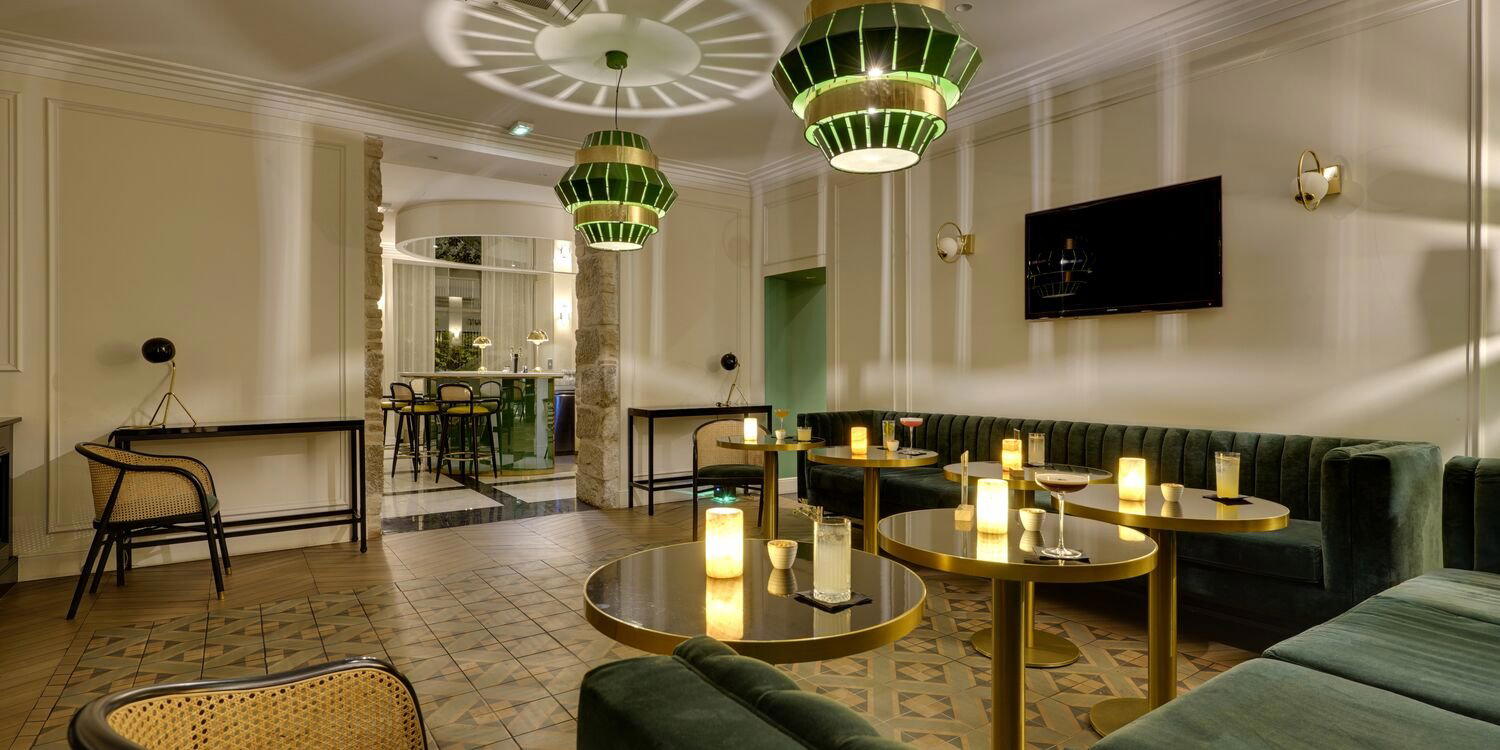
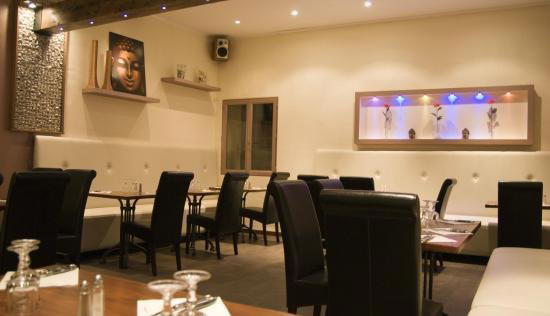
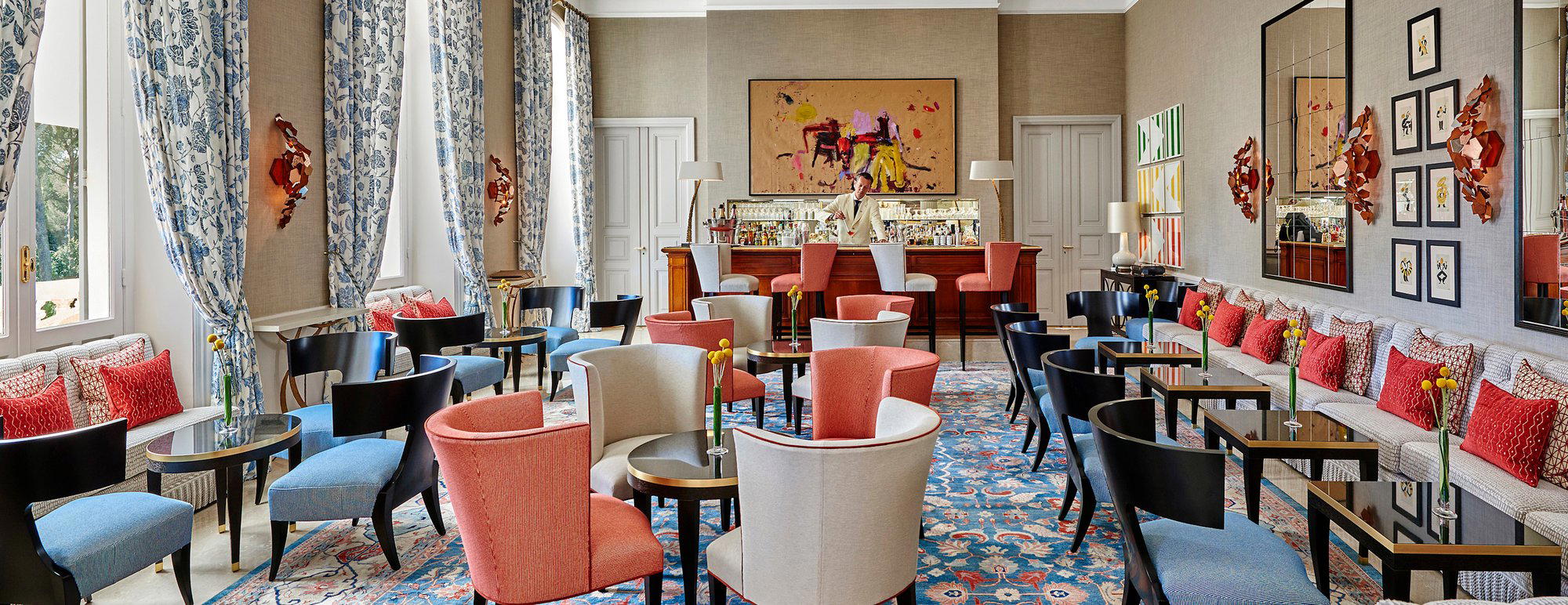
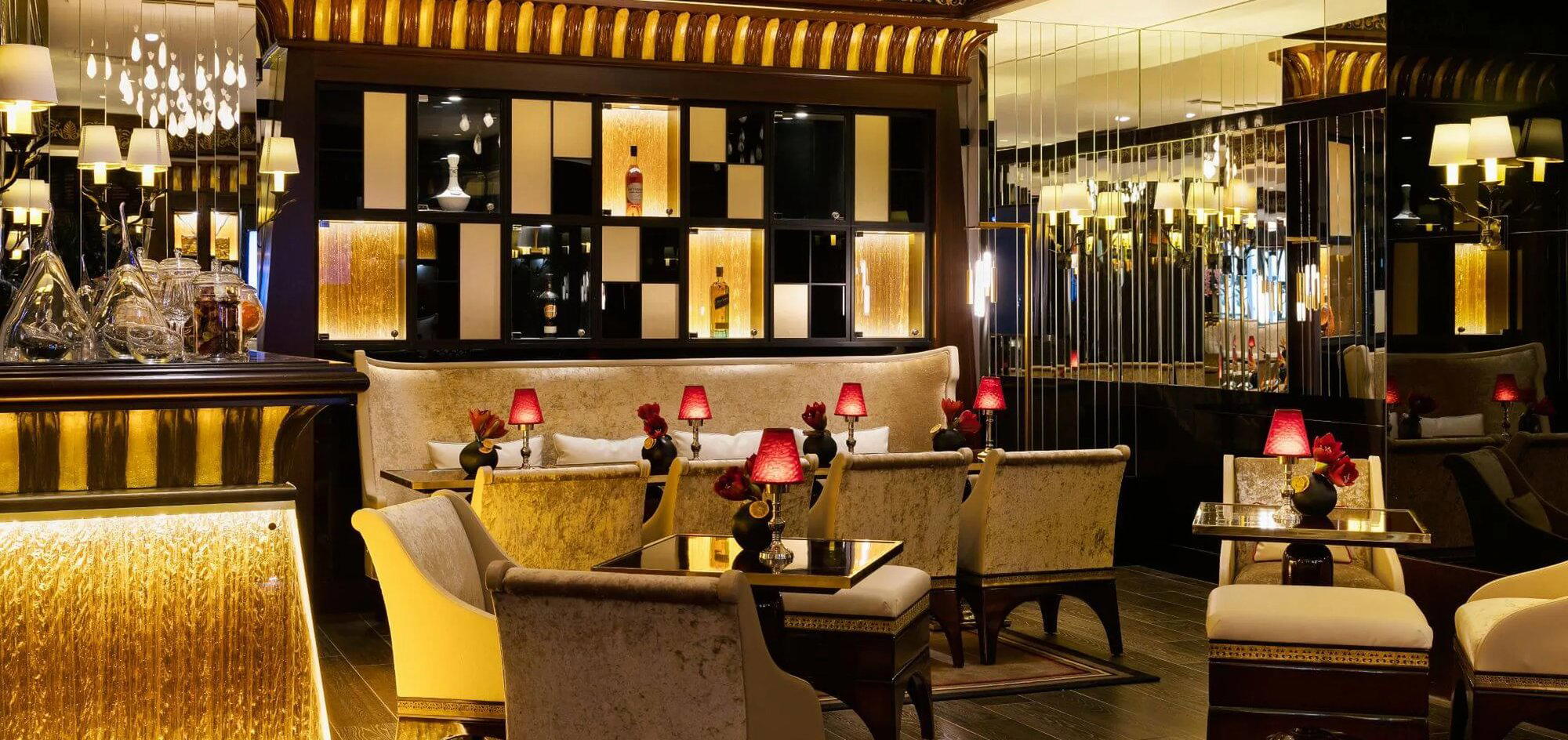
The bistro format is one of French dining culture's most durable inventions, and also one of its most abused. When it works, it delivers a specific combination of conviviality, classical cooking, and affordable luxury that no tasting-menu format can replicate. Le Bistrot de Jan sits firmly in the working version of that category. Emerald-green walls, crystal chandeliers, exposed stone pillars, and carefully composed floral arrangements create an interior that signals bistro without apologising for being beautiful. The glamour is not incidental, it reflects Old Town's own tendency toward faded aristocratic beauty rather than deliberate minimalism.
A Menu That Knows What a Bistro Should Do
The most instructive thing about the menu here is the balance it strikes. Rossini tournedos, sole meunière, and tarte Tatin are not nostalgic gestures, they are the load-bearing pillars of the French bistro canon, and they appear here because they belong, not because a kitchen is playing to tourists on autopilot. These dishes have a culinary logic that holds across generations, and a bistro that executes them with care operates in a different tier from one that treats them as background music.
What makes this menu genuinely interesting is what sits alongside those anchors. Lentil bobotie and malva pudding with house-made vanilla ice cream represent a confident interpolation of South African cooking into a French bistro context. This is not fusion in the sense of arbitrary combination; it is the natural output of a kitchen where the chef's own formation carries weight. The bobotie, a spiced, egg-capped meat dish central to Cape Malay cooking, translates the aromatic register of South African home food into the pacing and portioning that a French dinner expects. The malva pudding, a sticky baked dessert common across South Africa, arrives with house-made vanilla ice cream that grounds it in a familiar register. For diners who know the original, the context is a pleasant shift; for those encountering it for the first time, the dish works on its own terms without requiring any prior knowledge.
Vegetarian options are present and framed with the same cosmopolitan approach, which is worth noting in a bistro category that has historically been carnivore-centric. The inclusion reflects the broader shift in Nice's dining scene, where even traditional formats have had to account for a more varied clientele without compromising the kitchen's actual identity.
Where Le Bistrot de Jan Sits in Nice's Dining Picture
Nice's restaurant scene has developed a clear stratification over the past decade. At the upper end, places like Flaveur, L'Aromate, Le Chantecler, Les Agitateurs, and ONICE operate in the creative and modern cuisine tier, where tasting menus and strong personal vision dominate. Below that, the bistro and neighbourhood-trattoria level is well-populated but inconsistent in quality. Le Bistrot de Jan occupies a specific and relatively rare position: a bistro with genuine classical French cooking, a clear additional identity from its South African influences, and the institutional weight of a Michelin-starred sibling next door that raises the bar on what the kitchen takes seriously.
The comparison to La Merenda is instructive. That address, also in Vieux-Nice, runs a deliberately stripped-back Niçoise and Provençal program with no reservations and no phone, positioning itself as an anti-glamour traditional table. Le Bistrot de Jan makes different choices: the interior is deliberately refined, the menu is more international in its ambitions, and the lunch set menu at a reasonable price point opens it to a different kind of visit. These are not competing venues so much as different expressions of what a neighbourhood restaurant can be in the same postal district.
Within the broader French dining context, the bistro-with-a-starred-sibling model has precedent in Paris and Lyon, where chefs with serious Michelin credentials have opened more accessible secondary addresses that still carry the kitchen discipline of the mother ship. The format works when the secondary address has its own distinct identity rather than functioning as overflow. Le Bistrot de Jan's South African inflection gives it exactly that separateness.
For those exploring the wider region and country, the French fine dining tradition that informs Jan Hendrik's cooking connects outward to rooms like Mirazur in Menton, Flocons de Sel in Megève, and further afield to Alléno Paris au Pavillon Ledoyen, Troisgros in Ouches, Auberge de l'Ill in Illhaeusern, and Bras in Laguiole. And for those interested in how French technique travels internationally, Le Bernardin in New York and Emeril's in New Orleans illustrate how the tradition adapts under different geographic pressures. The address sits inside the old town's pedestrianised network, which means arriving on foot from Place Garibaldi or the Cours Saleya is more practical than approaching by car. A lunch set menu at a reasonably accessible price point makes this a viable midday stop without the commitment of a full evening meal, and it is the most efficient entry point for first-time visitors who want to understand the kitchen's range without the full bistro dinner format. Evening reservations, given the address's profile and the finite size of the room, are advisable rather than optional. For a comprehensive view of what else is available in the city, our full Nice restaurants guide maps the wider picture, and our Nice hotels guide, bars guide, wineries guide, and experiences guide cover the rest of the city's offer in the same depth.
Frequently asked questions
Is Le Bistrot de Jan award-winning?
Le Bistrot de Jan has received recognition including: Next door to its MICHELIN-starred counterpart JAN, the laid-back yet elegant little brother has plenty of panache. With emerald-green walls and floors, crystal chandeliers, exposed stone pillars and floral arrangements, a bistro atmosphere ….
What's Le Bistrot de Jan's location?
Le Bistrot de Jan is located at 12 rue Lascaris, Nice.
What should I order at Le Bistrot de Jan?
The menu is built around French bistro anchors: Rossini tournedos, sole meunière, and tarte Tatin. Chef Jan Hendrik also works in South African childhood references, lentil bobotie and malva pudding with house-made vanilla ice cream, which are worth ordering if you want to understand what separates this room from a standard Vieux-Nice bistro.
Do they take walk-ins at Le Bistrot de Jan?
Walk-in availability isn't documented, but the venue does offer a set lunch menu at a more accessible price point, which suggests midday is the lower-pressure window. For dinner, booking ahead is the safer approach given the restaurant's proximity and relationship to the Michelin-starred JAN next door.
What is Le Bistrot de Jan known for?
Le Bistrot de Jan is the laid-back sibling of the Michelin-starred JAN, occupying the same address block on rue Lascaris in Vieux-Nice. It is recognised by the Michelin Guide in its own right, and its reputation turns on the way Jan Hendrik threads South African influences, bobotie, malva pudding, through a classical French bistro framework, inside a room of emerald walls, crystal chandeliers, and exposed stone pillars.
Can Le Bistrot de Jan handle vegetarian requests?
Yes. The menu explicitly includes vegetarian options, described as carrying a cosmopolitan twist rather than functioning as afterthoughts. They sit alongside the classical French dishes and South African references that shape the rest of the menu.
A Lean Comparison
Comparable venues nearby, for context on price, style, and recognition.
| Venue | Cuisine | Price | Awards | Notes |
|---|---|---|---|---|
| Le Bistrot de JanThis venue (the venue you are viewing) | French Bistro with South African Fusion | $50–100 | Michelin Plate | Not listed |
| Épicentre | Modern French with Global Spices | $100–150 | 1 Michelin Star | Nice Historique, Modern French with Global Spices |
| Taulissa | Modern Provençal Mediterranean | $50–100 | Michelin Plate | Cœur de Nice, Modern Provençal Mediterranean |
| Apopino | Mediterranean Bistro with Italian Influences | $30–50 | Michelin Plate | Cœur de Nice, Mediterranean Bistro with Italian Influences |
| Bar des Oiseaux | Modern French Bistro with Artisanal Pasta | $30–50 | Michelin Plate | Nice Historique, Modern French Bistro with Artisanal Pasta |
| Le Boudoir | Modern French Bistronomique | $30–50 | Not listed | Cœur de Nice, Modern French Bistronomique |
Recognition history
Dated appearances from independent guides and award organizations, with the underlying list record or original source where available.
Michelin Plate
Michelin
Continue exploring
More in Nice
Restaurants in Nice
All restaurants in Nice →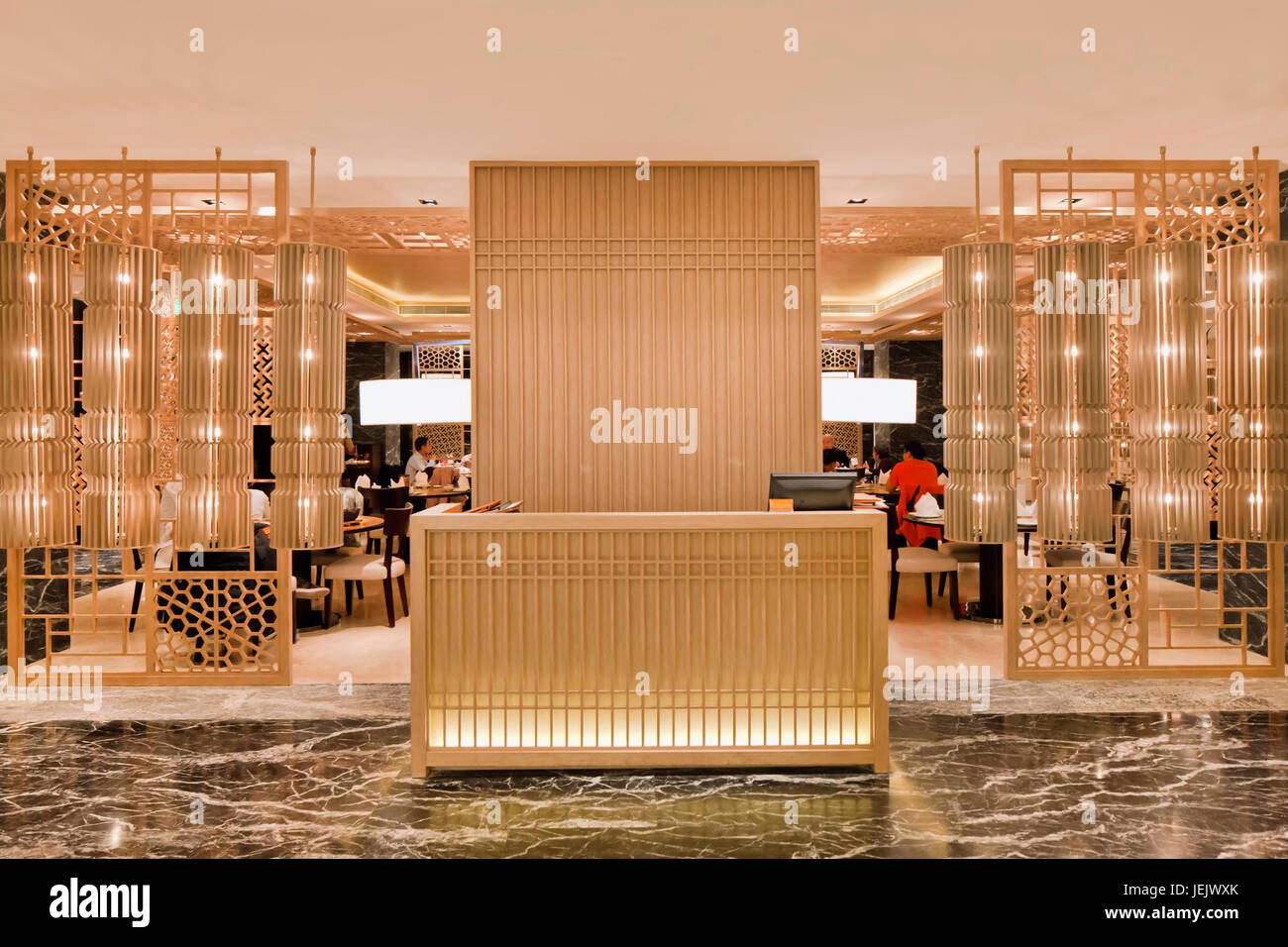
Details
- Elegant
- Cozy
- Romantic
- Sophisticated
- Date Night
- Special Occasion
- Open Kitchen
- Extensive Wine List
- A La Carte
- Set Menu
- Vegetarian Friendly
Current opening hours
- Monday
- Closed
- Tuesday
- 12–3 PM, 7 PM–12:30 AM
- Wednesday
- 12–3 PM, 7 PM–12:30 AM
- Thursday
- 12–3 PM, 7 PM–12:30 AM
- Friday
- 12–3 PM, 7 PM–12:30 AM
- Saturday
- 12–3 PM, 7 PM–12:30 AM
- Sunday
- 12–3 PM
Hours can change for holidays and private events. Hours as of .
Emerald-green walls, crystal chandeliers, exposed stone pillars, and floral arrangements create a glamorous, refined bistro atmosphere.