
On Avenue de Suède, Taulissa holds a 2025 Michelin Plate for Mediterranean cooking that reads the Côte d'Azur's pantry with precision. Sitting in Nice's mid-to-upper price tier alongside a handful of similarly credentialled addresses, it earns a 4.6 on Google across 144 reviews. The wine programme leans into the southern French and Italian varietals that define this stretch of coastline.
Pearl is the En Primeur Club membership app — saves, bookings, and concierge access live there. Same editors, same standards.
- Address
- 6 Av. de Suède, 06000 Nice, France
- Phone
- +33 4 22 70 08 04
- Website
- restaurant-taulissa.com
- Directions
- Get directions
 Saves & bookings on Pearl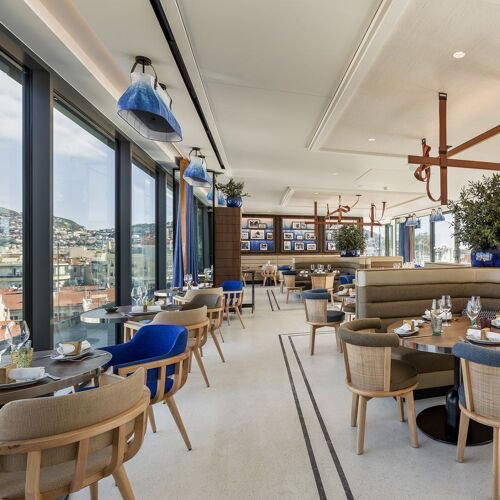
Avenue de Suède and the Mediterranean Table
Avenue de Suède runs parallel to the Promenade des Anglais, one block back from the sea, and the restaurants along it tend to serve a clientele that knows the difference between a menu turistique and a kitchen with a point of view. Taulissa, at number six, sits in that second category. The address is calm rather than theatrical: no queue management rope, no doorman performance. What signals seriousness here is the kind that comes from a room settled into its own identity, where the cooking does the talking and the front-of-house calibrates accordingly.
Nice's restaurant scene has sharpened considerably over the past decade. The city has always had its fixed reference points, the socca stalls of the old town, the daube de boeuf that anchors the Niçoise canon, but a new layer of mid-to-upper addresses has emerged that take Mediterranean cuisine as a serious, evolving discipline rather than a backdrop for tourist spending. Taulissa carries a 2025 Michelin Plate, the guide's signal that cooking is good enough to warrant attention without yet carrying star weight. In Nice's current spread, that puts it in a competitive tier alongside addresses like Apopino and Rouge, and distinctly below the starred bracket occupied by Flaveur (Modern French, Creative) at €€€€.
What Mediterranean Means Here
Mediterranean cuisine is a category that can mean almost anything, from a bowl of hummus to a twelve-course dégustation built around olive oil provenance. In the context of a Michelin Plate holder on the French Riviera, it tends to mean something more specific: produce sourced from the arc between Liguria and Provence, cooking techniques that respect the ingredient's character, and a flavour register that runs on acidity, freshness, and the occasional hit of something fermented or cured. The cuisine tradition here draws on the same larder that defines the cooking at Mirazur in Menton, roughly thirty kilometres east along the coast, though Mirazur operates at the three-star level and represents an entirely different tier of investment and ambition.
For a useful regional parallel at the same general price register, La Brezza in Ascona also works in Mediterranean Cuisine across the Swiss-Italian border, and the comparison is instructive: both addresses are working within a shared ingredient vocabulary, but the French Riviera version carries the specific terroir weight of Provence's olives, anchovies, and stone fruits that Swiss iterations rarely replicate with the same urgency.
The Wine Angle: Southern Varietals and the Riviera's Cellar Logic
Any serious Mediterranean table on the Côte d'Azur is, implicitly, also a wine argument. The question is whether the programme follows tourist expectation (Provence rosé by default, Bordeaux for the expense-account table) or takes a position on the indigenous and near-indigenous varietals that actually belong to this stretch of the coast. Bellet, the appellation that sits within the city limits of Nice itself, produces Rolle-based whites and Braquet-driven rosés that almost never travel beyond the region and are priced accordingly on local lists. A kitchen working with genuine Mediterranean conviction tends to treat Bellet and its neighbours, Bandol, Cassis, the Ligurian Pigato just across the Italian border, as primary references rather than novelties.
This matters in the context of Taulissa's €€€ positioning. At that price tier, a wine list built around imported prestige labels would read as lazy; one anchored in southern French and northern Italian varietals reads as coherent. The proximity to the Italian border adds a productive complication: the Vermentino grown in Sardinia, Corsica, and the Ligurian hinterland travels well with the same seafood and vegetables that define Niçoise cooking, and the better Mediterranean tables in this city have started treating that cross-border grape as a house idiom rather than an occasional addition.
Placing Taulissa in the Nice Hierarchy
Nice's restaurant grid has several distinct layers. At the leading, starred addresses like Flaveur operate at €€€€ with tasting menus that require planning and commitment. At the other end, the old-town addresses running traditional Niçoise cooking at €€, such as La Merenda, operate on cash-only, no-reservation terms that reflect a different kind of institutional confidence. The middle tier, where Taulissa operates at €€€ with a Michelin Plate, is the city's most dynamic at the moment: these are kitchens with enough ambition to seek recognition but enough pragmatism to remain accessible without a tasting menu mandate.
It does not indicate a cult following or a room that fills on reputation alone, but it does suggest a kitchen that does not have off nights in ways that damage trust. Compare that to the scene at MARMAR or La Rotonde, also in the mid-to-upper Nice register, and the positioning becomes clearer: these are all addresses where the cooking is the draw, not the room design or the celebrity association.
For anyone cross-referencing Nice against the broader southern French fine-dining circuit, the starred addresses further afield include Arnaud Donckele & Maxime Frédéric at Louis Vuitton in Saint-Tropez at the ultra-luxury end, and further north, reference points like Flocons de Sel in Megève or the Parisian benchmark of Alléno Paris au Pavillon Ledoyen. At the foundational level of French culinary history, addresses like Paul Bocuse, Troisgros, and Bras in Laguiole define the national tradition against which regional cooking like Taulissa's is always implicitly measured.
Planning Your Visit
Taulissa is at 6 Avenue de Suède, 06000 Nice, a ten-minute walk from the old town and directly accessible from the Promenade des Anglais. The €€€ price range places a meal here in the same general bracket as a mid-tier wine dinner rather than a celebration blowout: expect to spend meaningfully but not extravagantly. Spring and early autumn are the periods when Mediterranean cuisine at this level performs at its clearest, when the Provençal market supply is at peak variety and the room is not overwhelmed by summer tourism.
City Peers
Comparable venues nearby, for context on price, style, and recognition.
| Venue | Cuisine | Price | Notes |
|---|---|---|---|
| TaulissaThis venue — the venue you are viewing | Modern Provençal Mediterranean | $$$ | Not listed |
| Les Deux Canailles | French-Japanese Fusion | $$$ | Cœur de Nice |
| Épicentre | Modern French with Global Spices | $$$ | Nice Historique |
| Café des Musiciens | Modern French Bistro | $$ | Cœur de Nice |
| Les Sens | Modern French Mediterranean | $$$ | Cœur de Nice |
| Le Canon | Seasonal French Bistro | $$$ | Cœur de Nice |
Recognition history
Dated appearances from independent guides and award organizations, with the underlying list record or original source where available.
Michelin Plate
Michelin
Michelin Plate
Michelin

At a Glance
- Elegant
- Scenic
- Lively
- Sophisticated
- Date Night
- Group Dining
- Celebration
- Special Occasion
- Rooftop
- Terrace
- Panoramic View
- Open Kitchen
- Craft Cocktails
- Extensive Wine List
- Local Sourcing
- Skyline
- Waterfront
- Street Scene
Current opening hours
- Monday
- 12–2:30 PM, 7–10:30 PM
- Tuesday
- 12–2:30 PM, 7–10:30 PM
- Wednesday
- 12–2:30 PM, 7–10:30 PM
- Thursday
- 12–2:30 PM, 7–10:30 PM
- Friday
- 12–2:30 PM, 7–10:30 PM
- Saturday
- 12–2:30 PM, 7–10:30 PM
- Sunday
- 12–2:30 PM, 7–10:30 PM
Hours can change for holidays and private events. Last verified .
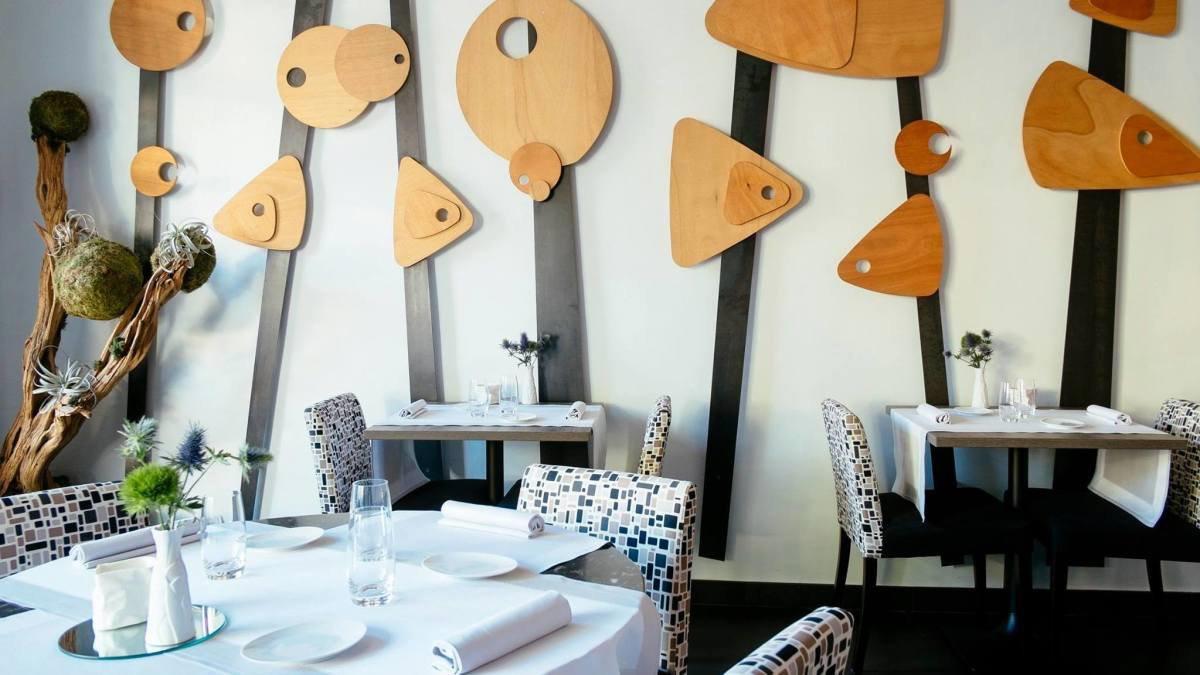
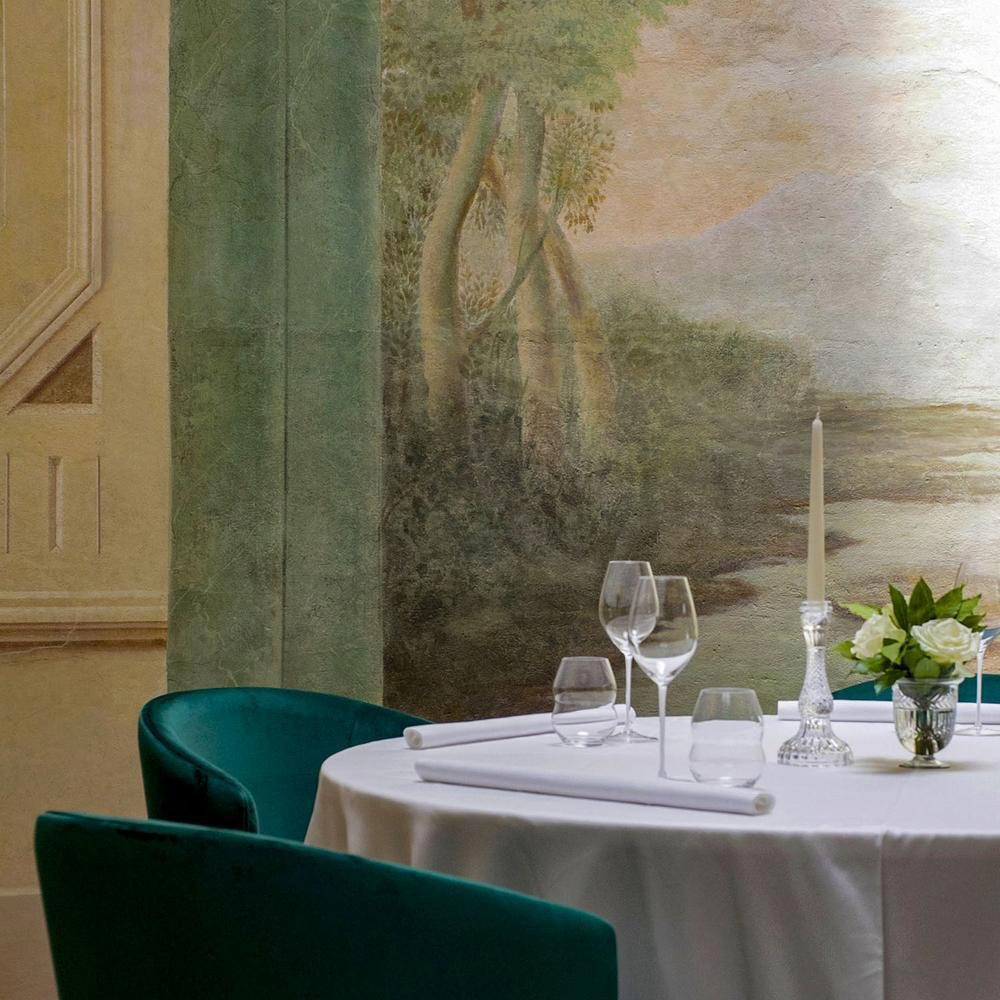
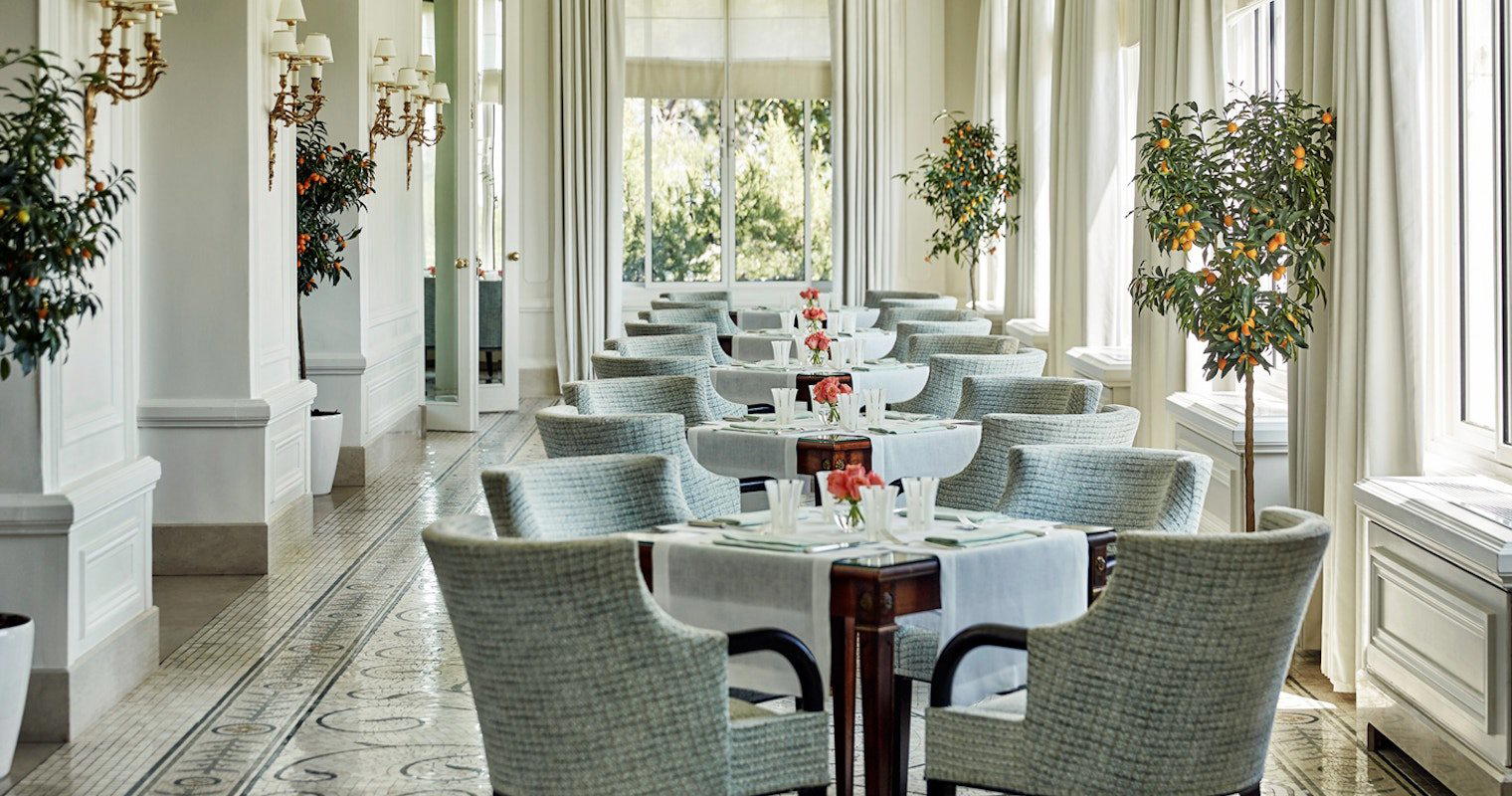
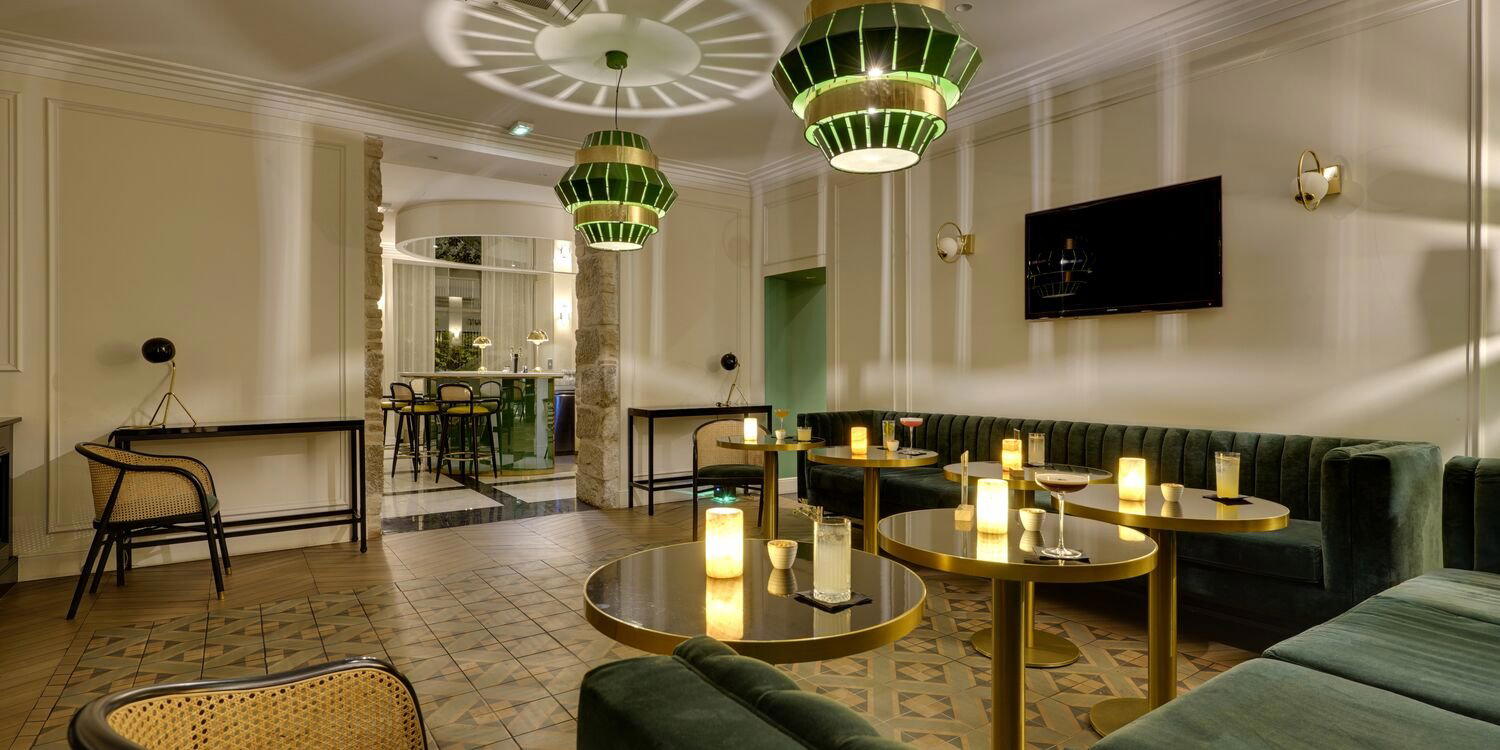
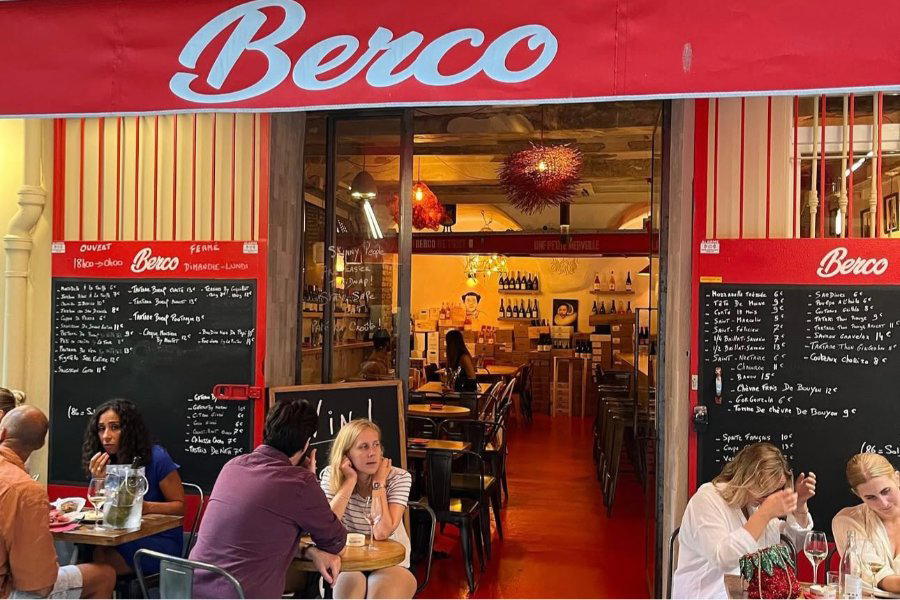
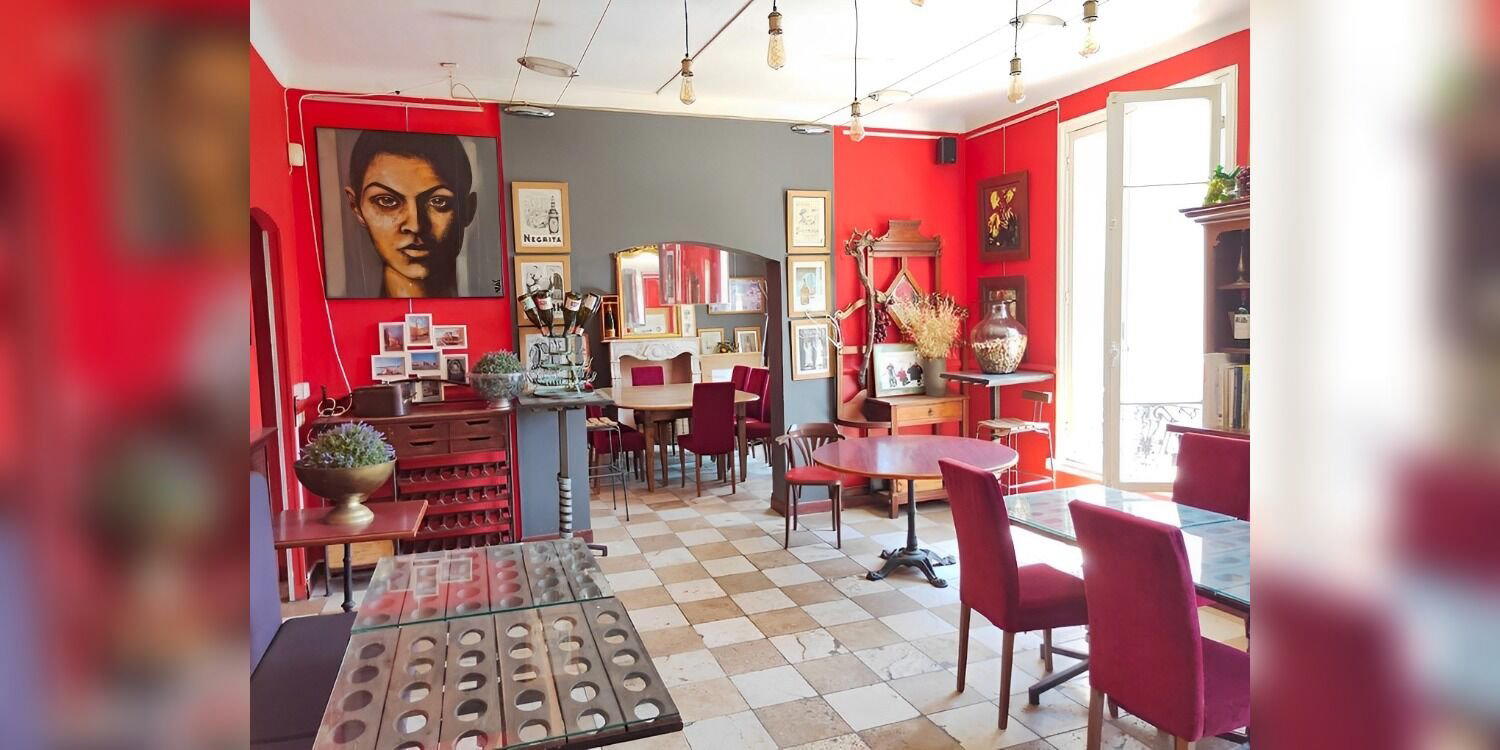
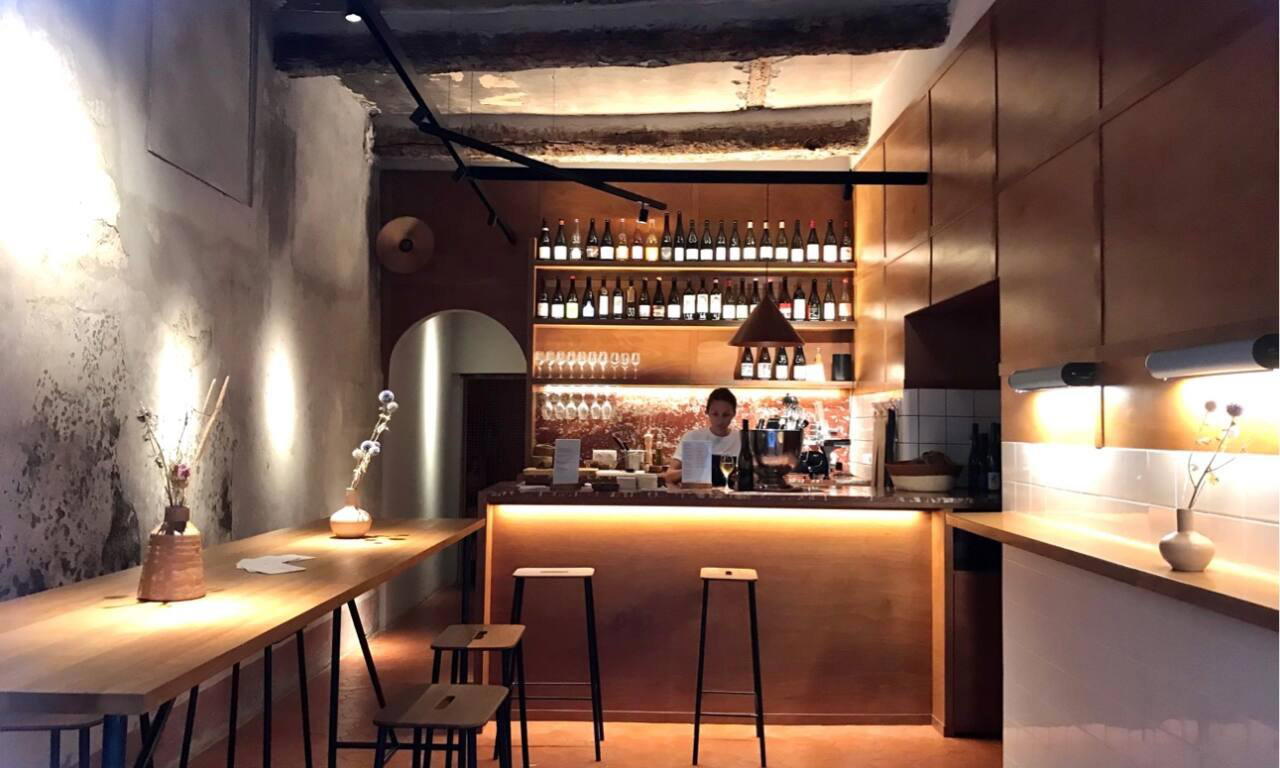
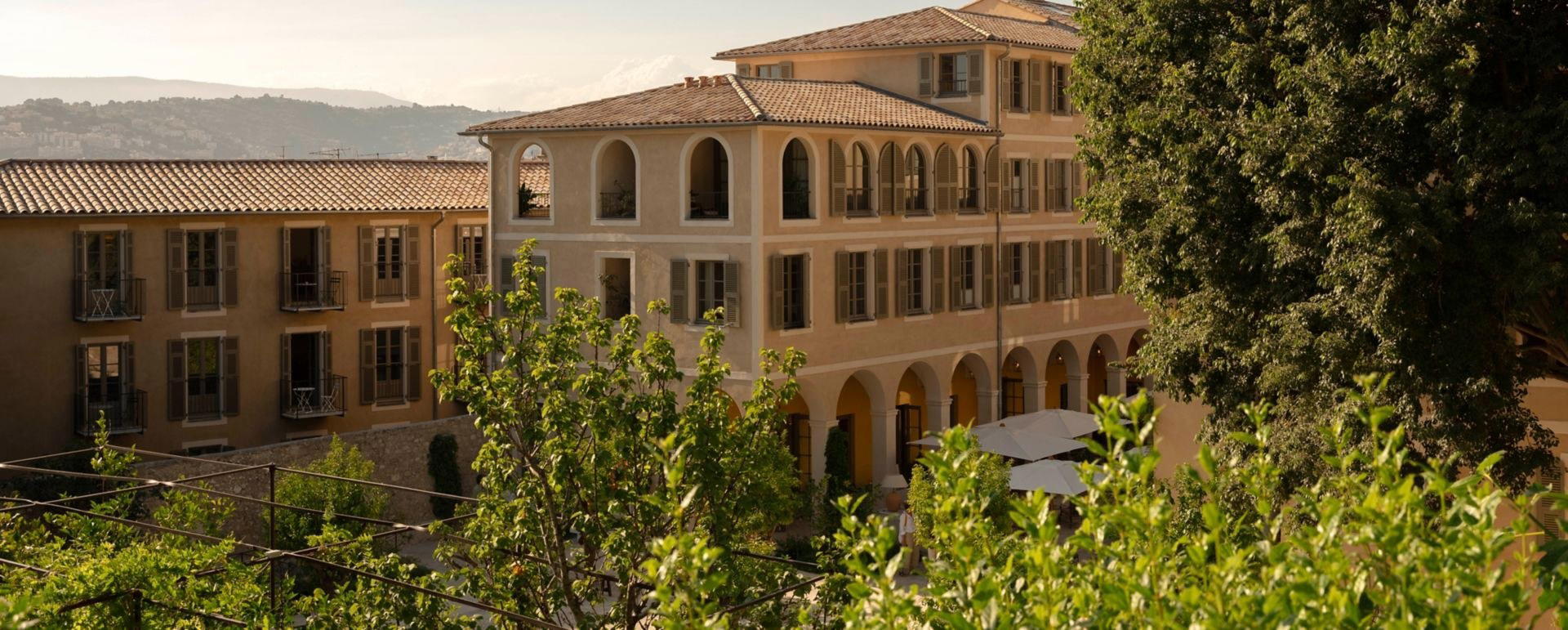
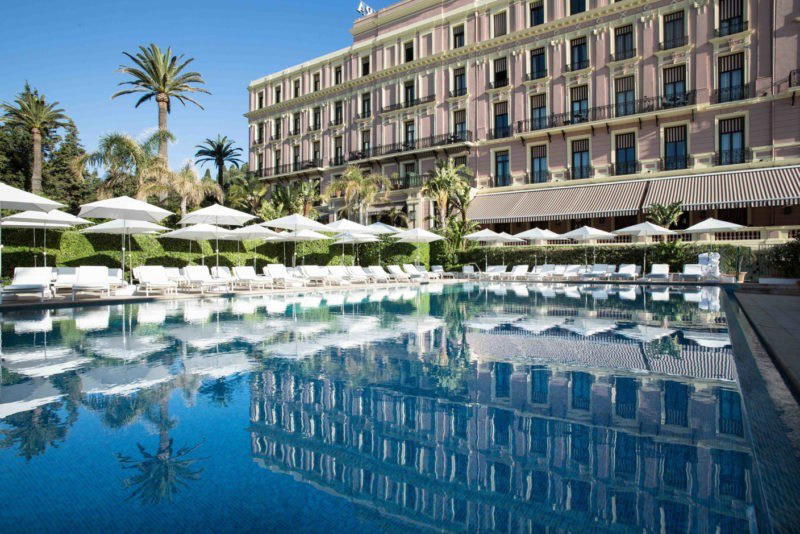
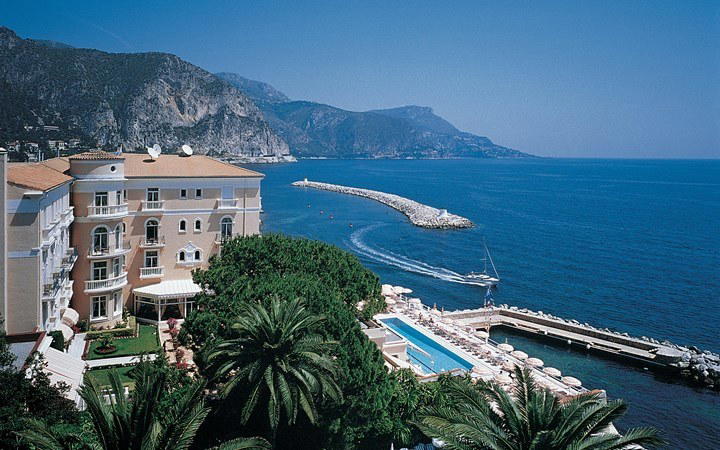
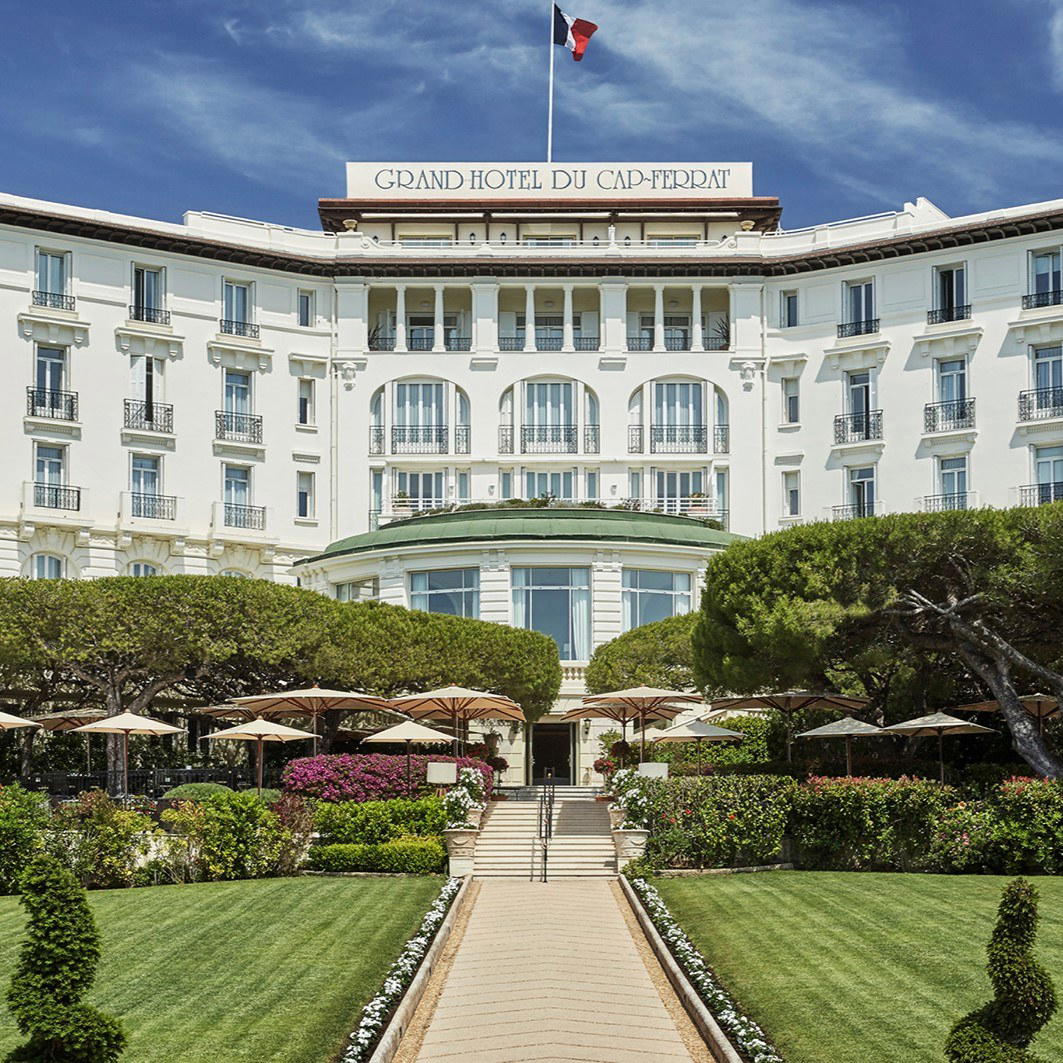
Elegant, light-filled space with maritime details, festive lounge atmosphere enhanced by DJ sets, relaxed chic vibe, and warm, convivial lighting on the sun-drenched terrace.