
Michelin Plate
Our verdict
A Michelin Plate-recognised address on Rue Gioffredo, L'Atelier works within Nice's regional cuisine tradition at a price point below the city's starred tier. For travellers exploring the Côte d'Azur's food scene, it occupies a useful middle ground between neighbourhood trattoria and full tasting-menu restaurant.

Pearl is the En Primeur Club membership app, where members save venues, book tables and use the concierge.
The menu
What to order
- Revisited Socca
- Rabbit
- Duck
- Veal with Gnocchi
- Strawberry Dessert
- Lemon Dessert
Rue Gioffredo and the Mid-Tier Regional Table
Nice's restaurant map has a clear hierarchy. At the leading sit the tasting-menu addresses, places like Flaveur (Modern French, Creative) at €€€€ with two Michelin stars, or L'Aromate (Modern Cuisine), similarly priced and starred. Below that tier sits a broader, more interesting category: restaurants that work within the regional tradition, price accessibly, and earn enough sustained recognition to attract a repeat local clientele. L'Atelier, on Rue Gioffredo in the old-city-adjacent part of central Nice, occupies that middle band.
The street itself runs from the Promenade du Paillon northward toward the old town, a corridor that mixes resident life with visitor traffic. It is not the most photographed part of Nice, which in practical terms means it functions as a neighbourhood address before it functions as a destination. That context matters when reading the room: this is a table frequented by people who know it, not an address propped up by tourist foot traffic alone.
What Regional Cuisine Means on the Côte d'Azur
French regional cuisine in Nice has a more specific identity than the phrase implies elsewhere. The city sits at the intersection of Ligurian and Provençal traditions, with olive oil, anchovies, slow-cooked vegetables, and chickpea flour appearing in ways that separate the local table from the butter-and-cream cooking of northern France. Socca, pissaladière, daube niçoise, these are the structural pillars of what the city has long eaten. A restaurant categorised as regional cuisine in this city is, implicitly, working with that inheritance, however loosely.
The category places L'Atelier in a different competitive set from the city's creative modern-French kitchens like Les Agitateurs (Creative) or Le Chantecler (Modern Cuisine). It also differs from the stripped-back, cash-only authenticity of a place like La Merenda, where Niçoise tradition is served without concession. L'Atelier's €€€ price point positions it as a more composed, service-attentive version of regional cooking, the category that draws diners who want recognisable local flavours in a setting with some deliberateness around them.
For broader regional context on the Côte d'Azur, Mirazur in Menton represents the apex of what location-rooted Mediterranean cooking can reach. At the other extreme of France's regional landscape, addresses like Bras in Laguiole or Auberge de l'Ill in Illhaeusern demonstrate how deeply a restaurant can embed itself in a specific territory. L'Atelier does not operate at those registers, but it shares the same underlying commitment: cooking from a defined place rather than from a generic European fine-dining template.
The Wine Question at a €€€ Regional Table
A Michelin Plate restaurant in this price range in Nice faces a specific wine challenge. The Côte d'Azur is not a celebrated wine-producing region in the way Burgundy or the Rhône is, but Provence sits immediately to the west and provides some of France's most food-compatible rosés and whites. A thoughtful wine programme at an address like L'Atelier would lean on that proximity: Bandol reds for the heavier regional preparations, dry Provence rosé alongside lighter vegetable-forward dishes, and perhaps a few bottles from further afield in the Languedoc or southern Rhône where value-to-quality ratios reward a careful buyer.
The wine editorial framing matters because at the €€€ tier, the list is often where a regional restaurant either confirms or undermines its positioning. A list populated exclusively with recognisable négociant bottles at sharp margins signals a kitchen-first operation that treats wine as a margin driver. A list that shows provenance awareness, with growers named and vintages considered, signals something more integrated. Without direct access to L'Atelier's current programme, the Michelin Plate designation at least implies a kitchen that has been assessed for coherence, which typically extends to how the table is set up for wine service. For comparison with how other European regional addresses handle the cellar question, Gannerhof in Innervillgraten and Fahr in Künten-Sulz both demonstrate how regional commitment can extend from the plate to the glass with equal rigour.
How L'Atelier Sits Within Nice's Current Scene
Nice's dining scene in 2025 is more differentiated than it was a decade ago. The city's growth as a year-round destination, rather than a purely summer one, has supported a mid-tier restaurant culture that runs on local patronage across multiple seasons. That kind of review distribution tends to indicate repeat customers and positive word-of-mouth from resident and semi-resident visitors rather than one-time tourist hits.
Within the broader French culinary reference frame, addresses like Flocons de Sel in Megève, Troisgros in Ouches, or Alléno Paris au Pavillon Ledoyen occupy the stratosphere. L'Atelier does not compete in that register and is not trying to. What it offers is a grounded regional table with third-party validation at a price that remains approachable relative to Nice's starred competition.
For travellers building a broader Nice itinerary, Olive & Artichaut represents another regional option worth comparing directly. The full picture of the city's dining options, from neighbourhood bistros to tasting-menu rooms, is covered in our full Nice restaurants guide. For planning beyond dinner, our Nice hotels guide, bars guide, wineries guide, and experiences guide cover the full scope of the city.
Planning Your Visit
L'Atelier is at 17 Rue Gioffredo, 06000 Nice, a walkable address from both the old town and the central tram network. At the €€€ price range it sits above the city's casual lunch trade but below the full tasting-menu outlay required by Nice's starred kitchens. Booking in advance is the sensible approach for any Michelin-recognised address in a city that runs at high tourist density through the summer months, though specific booking methods and current hours are best confirmed directly with the restaurant before travel.
Frequently asked questions
What's the price range at L'Atelier?
Pricing at L'Atelier is listed as €€€.
What's L'Atelier's location?
L'Atelier is located at 17 Rue Gioffredo, 06000 Nice, France, Nice.
Where It Fits
Comparable venues nearby, for context on price, style, and recognition.
| Venue | Cuisine | Price | Awards | Notes |
|---|---|---|---|---|
| L'AtelierThis venue (the venue you are viewing) | Modern French Bistro with Revisited Niçoise Specialties | $50–100 | Michelin Plate | Not listed |
| Le Bistrot de Jan | French Bistro with South African Fusion | $50–100 | Michelin Plate | Nice Historique |
| Le Bistrot des Docks | Seasonal French Bistro | $50–100 | Michelin Plate | Cœur de Nice |
| Rouge | Mediterranean Wine Bar Tapas | $30–50 | Michelin Plate | Nice Historique |
| Le Panier | Modern French Tasting Menus | $50–100 | Not listed | Nice Historique |
| SALETTE | French Bistronomique | $30–50 | Not listed | Nice Historique |
Recognition history
Dated appearances from independent guides and award organizations, with the underlying list record or original source where available.
Michelin Plate
Michelin
Full recognition history (2 entries)
Michelin Plate
Michelin
Continue exploring
More in Nice
Restaurants in Nice
All restaurants in Nice →
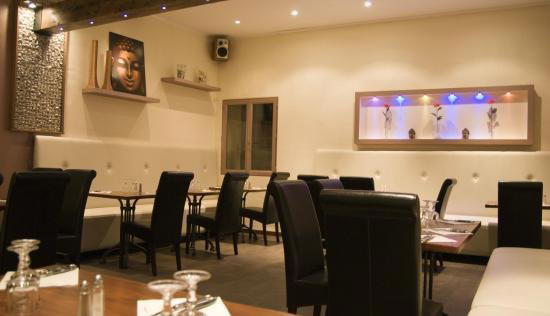
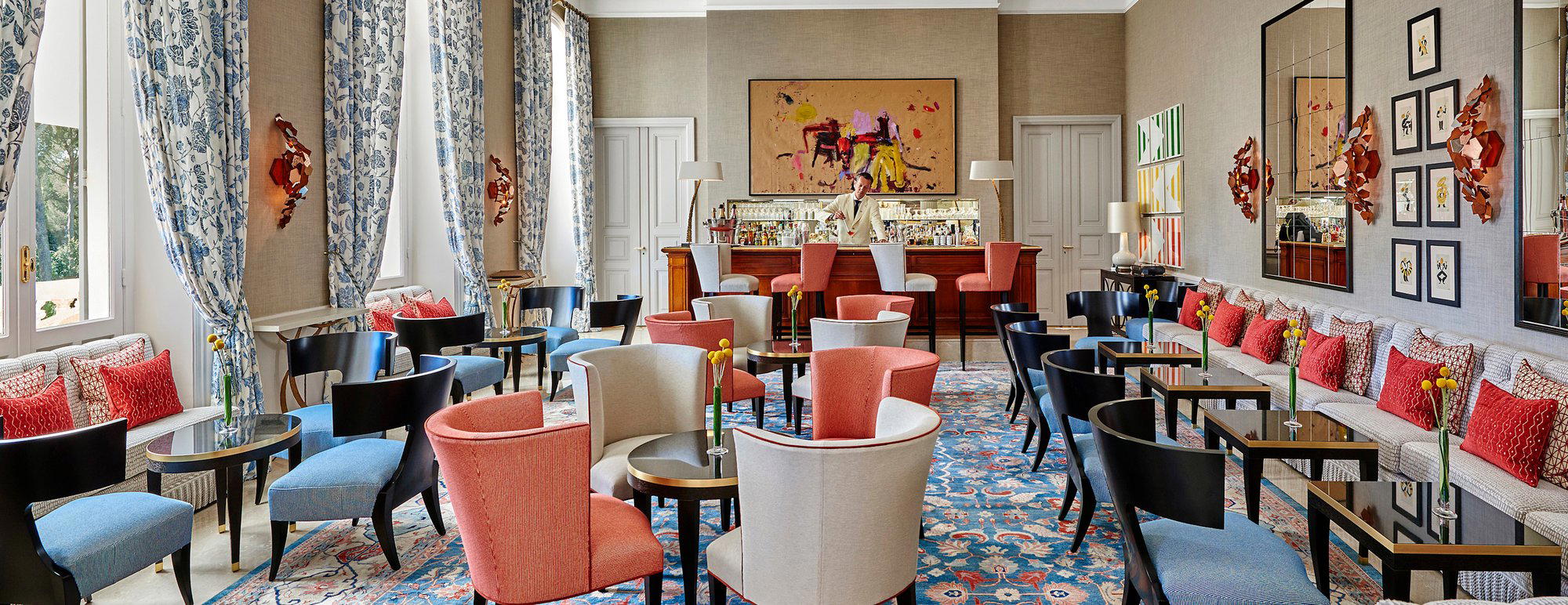
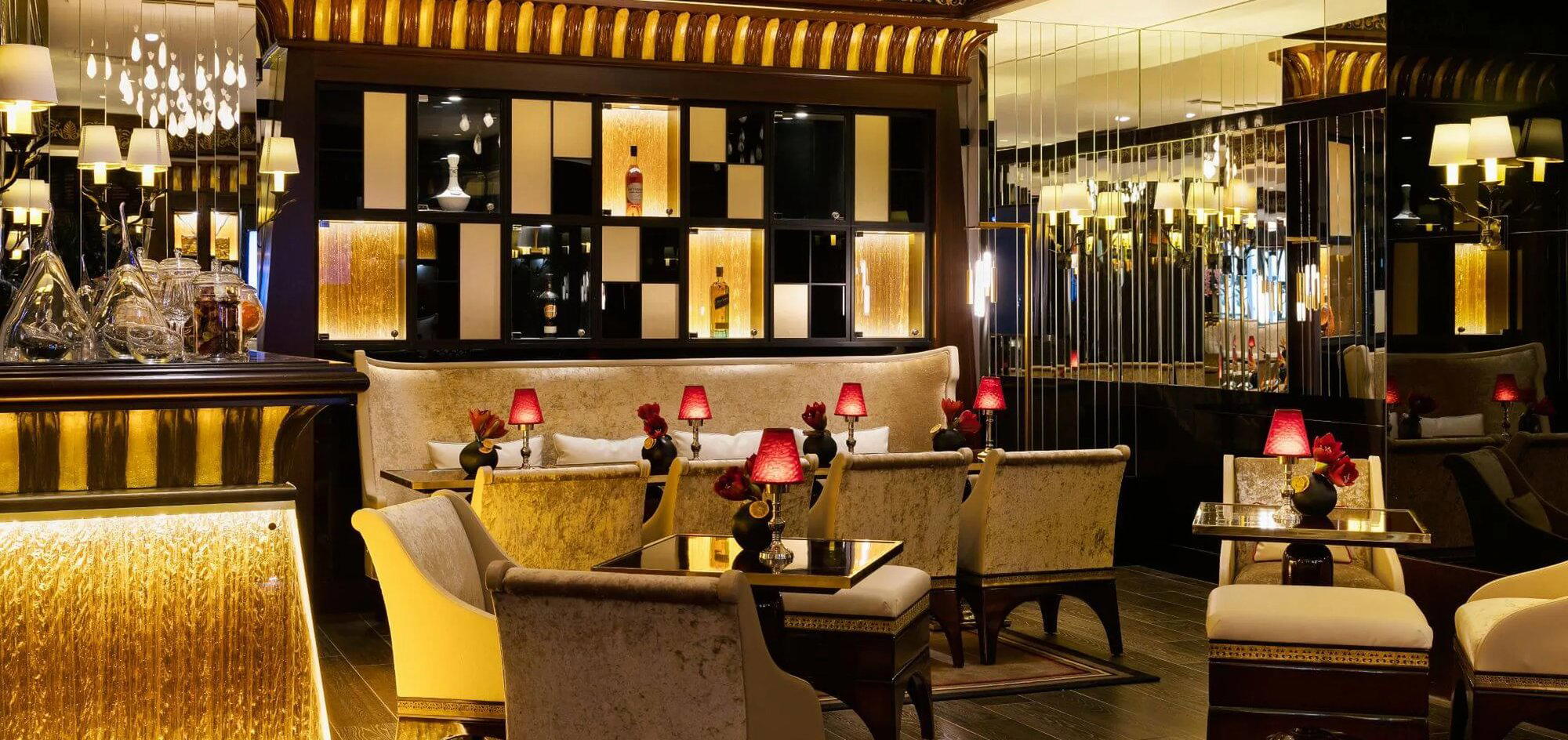
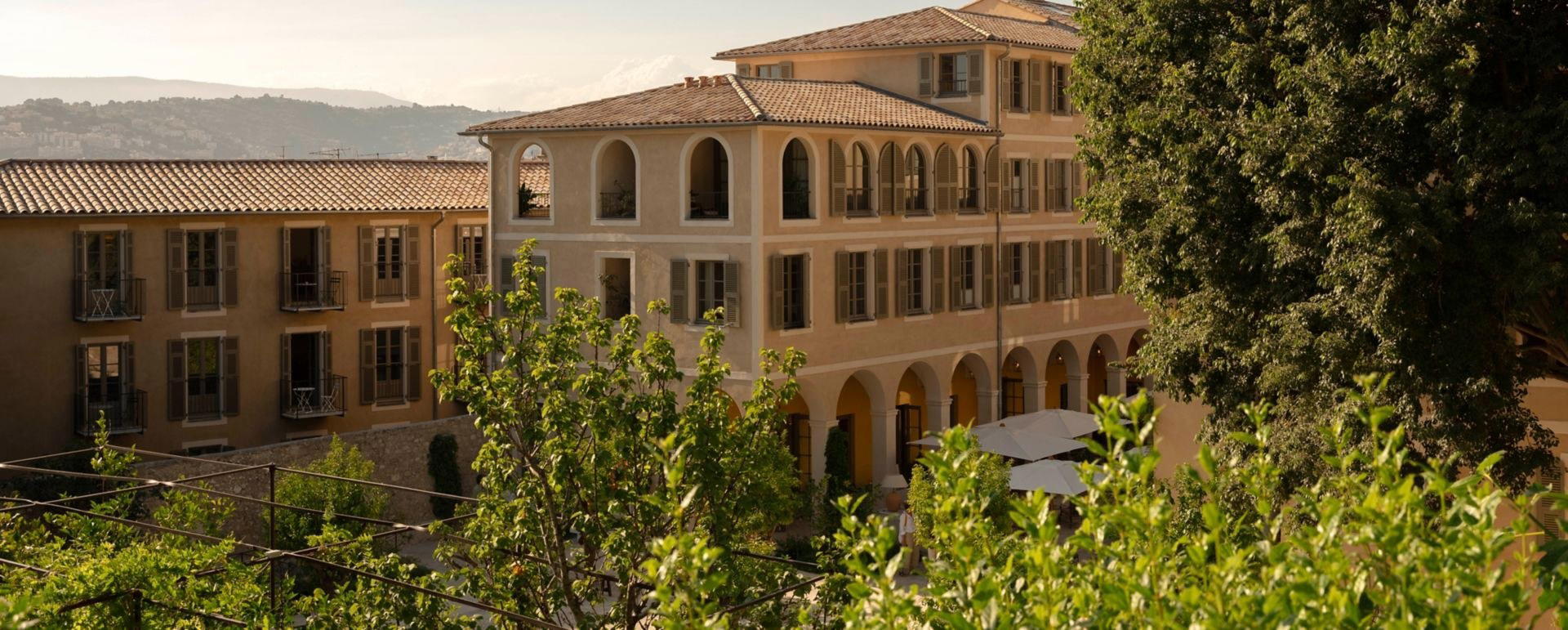
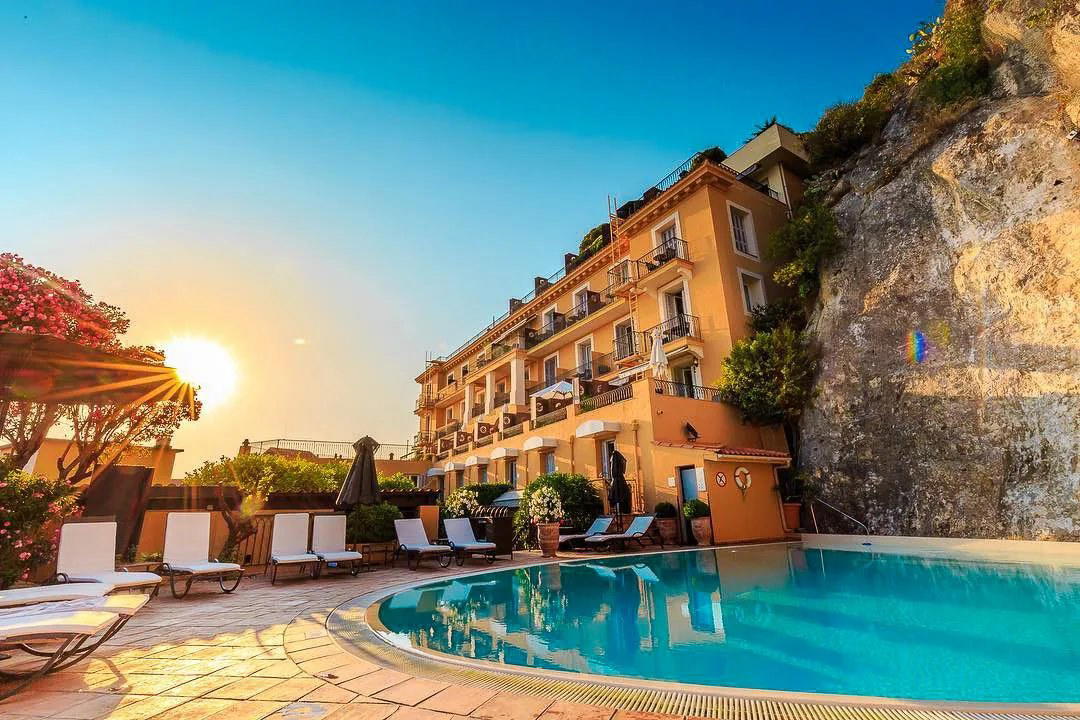
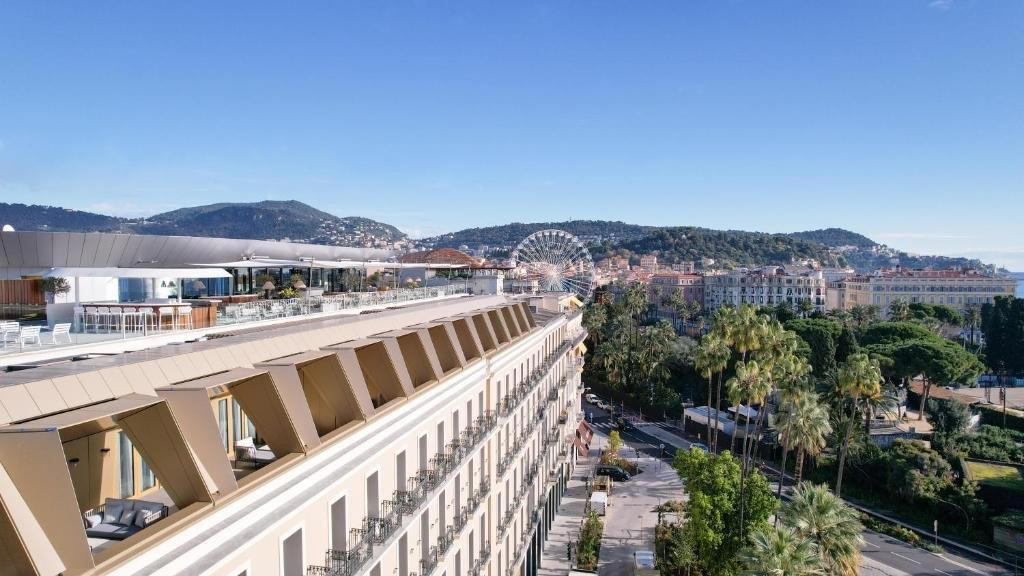
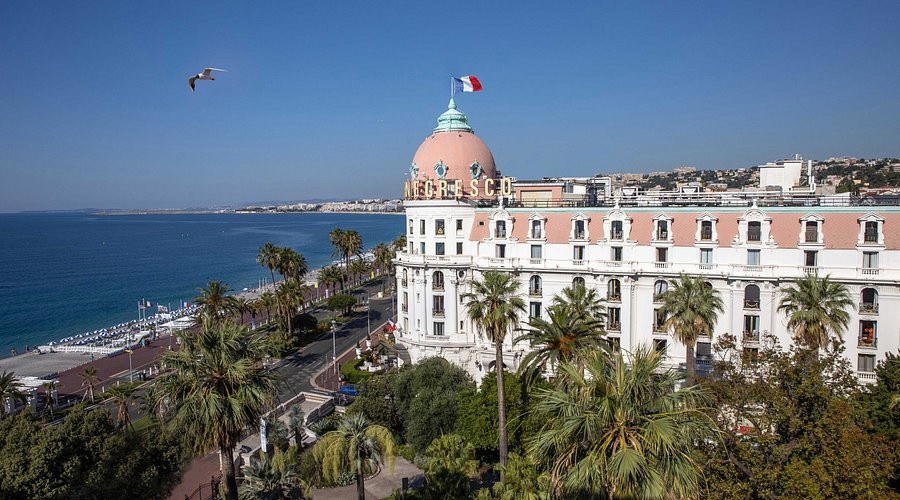
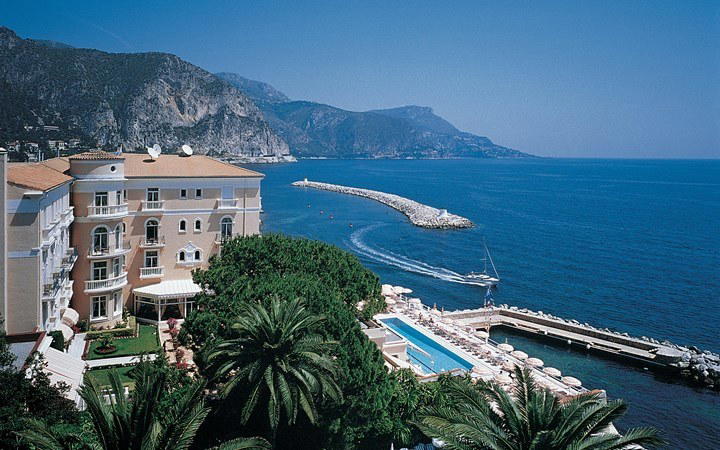
L'Atelier
The wine
- Wine program
- Deep wine list
- Extensive wine list
- Sommelier-led
- Natural wine
Details
- Intimate
- Elegant
- Sophisticated
- Date Night
- Special Occasion
- Celebration
- Open Kitchen
- Standalone
- Extensive Wine List
- Natural Wine
- Sommelier Led
- Biodynamic
- Local Sourcing
- A La Carte
- Prix Fixe
- Tasting Menu
- Biodynamic Wine
- Natural Wine
- Orange Wine
- Vegetarian Friendly
- Allergy Accommodating
Current opening hours
- Monday
- Closed
- Tuesday
- 12–2 PM, 7–10 PM
- Wednesday
- 12–2 PM, 7–10 PM
- Thursday
- 12–2 PM, 7–10 PM
- Friday
- 12–2 PM, 7–10 PM
- Saturday
- Closed
- Sunday
- Closed
Hours can change for holidays and private events. Hours as of .
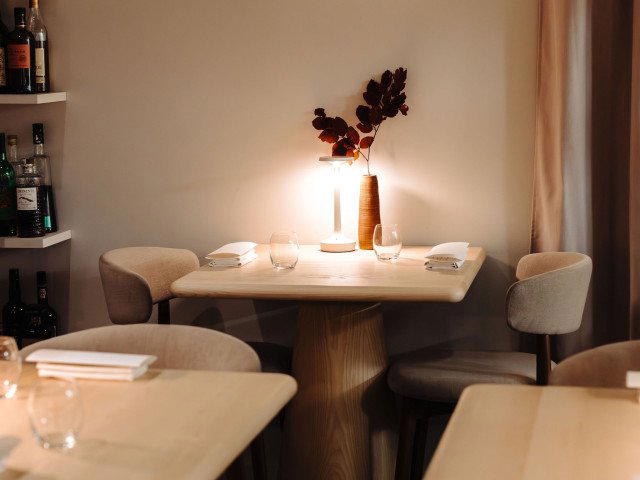
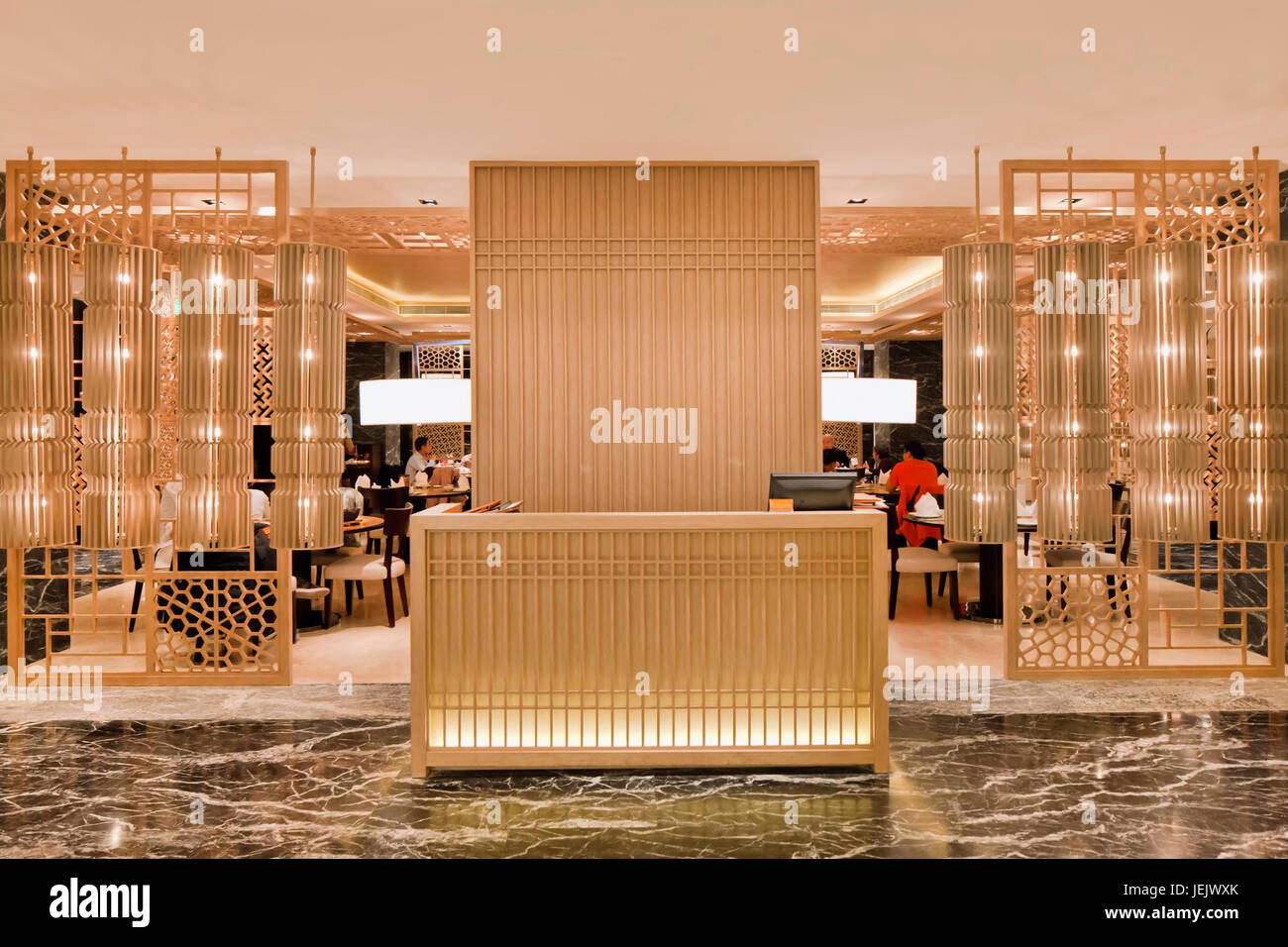
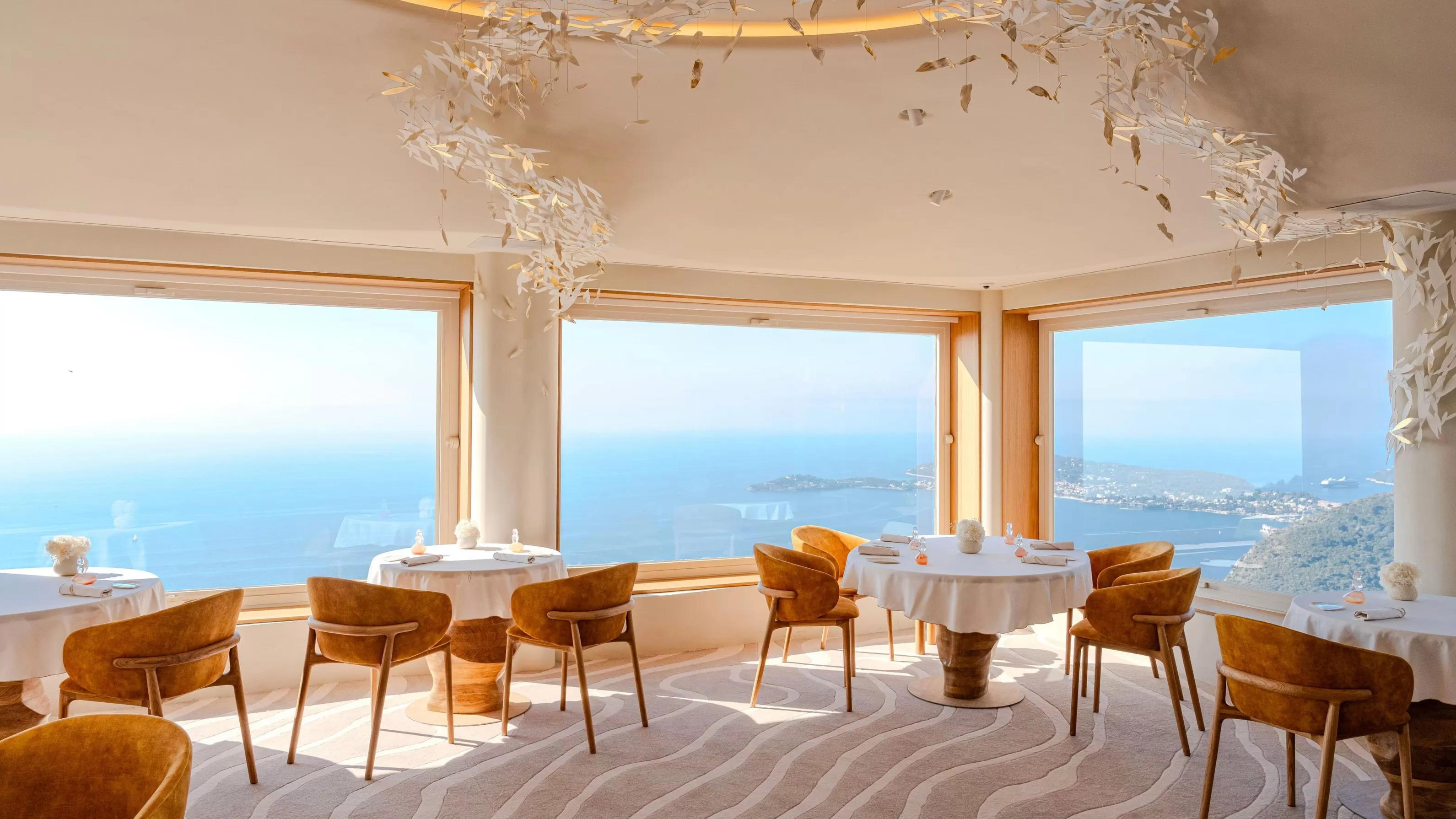
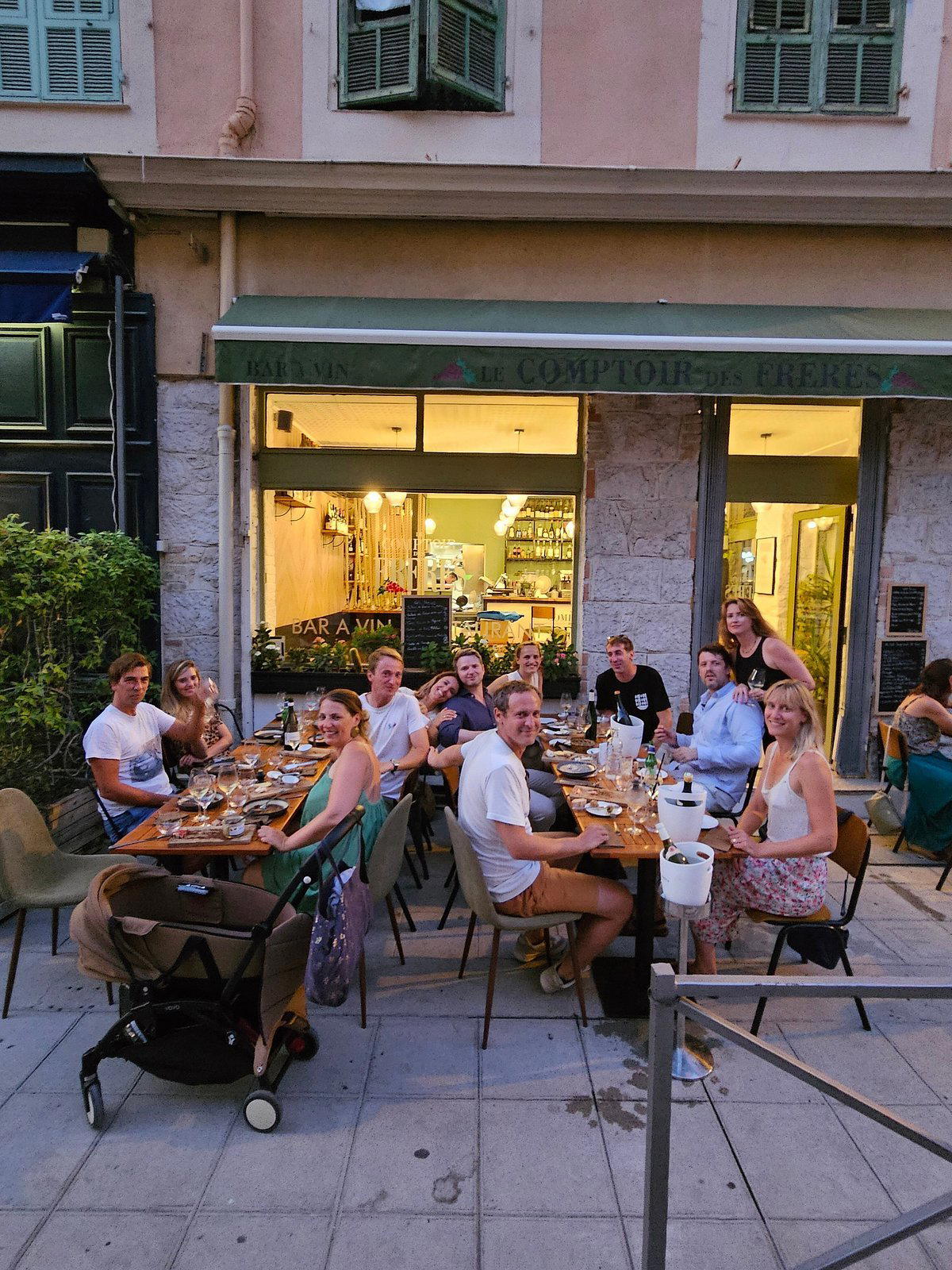
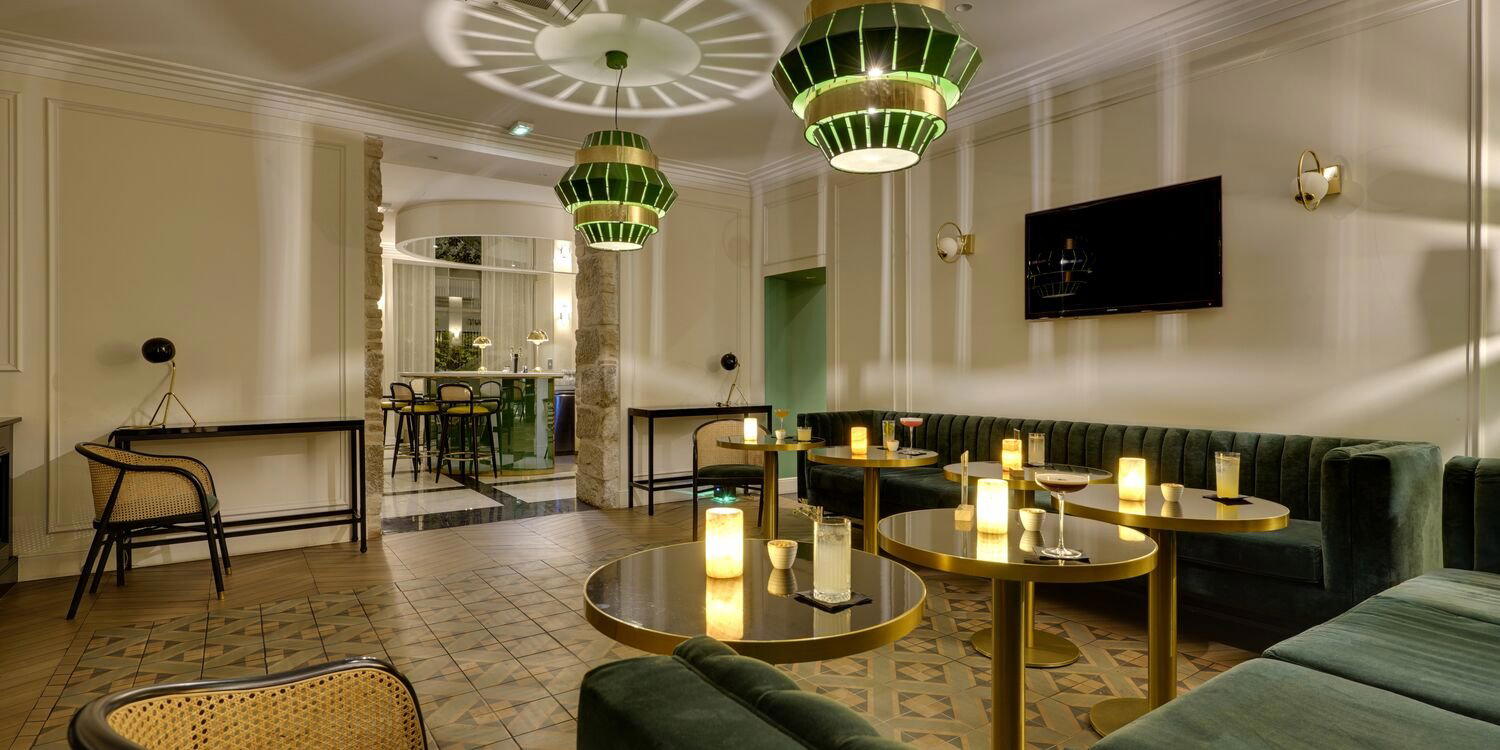
Modest, intimate venue with open kitchen visible from dining area; warm and welcoming atmosphere with minimal but professional service; described as a workshop-like setting with modest décor in a not-quite-gentrified neighborhood.