
Delano Cocktailbar in Nice serves Japanese Snacks and Cocktails at Hotel Roosevelt, with craft cocktails, a smart casual dress code, and a late-night focus.
Pearl is the En Primeur Club membership app — saves, bookings, and concierge access live there. Same editors, same standards.
- Address
- 16 Rue du Maréchal Joffre, 06000 Nice, France
- Phone
- +33493879471
- Website
- instagram.com
- Directions
- Get directions
 Saves & bookings on Pearl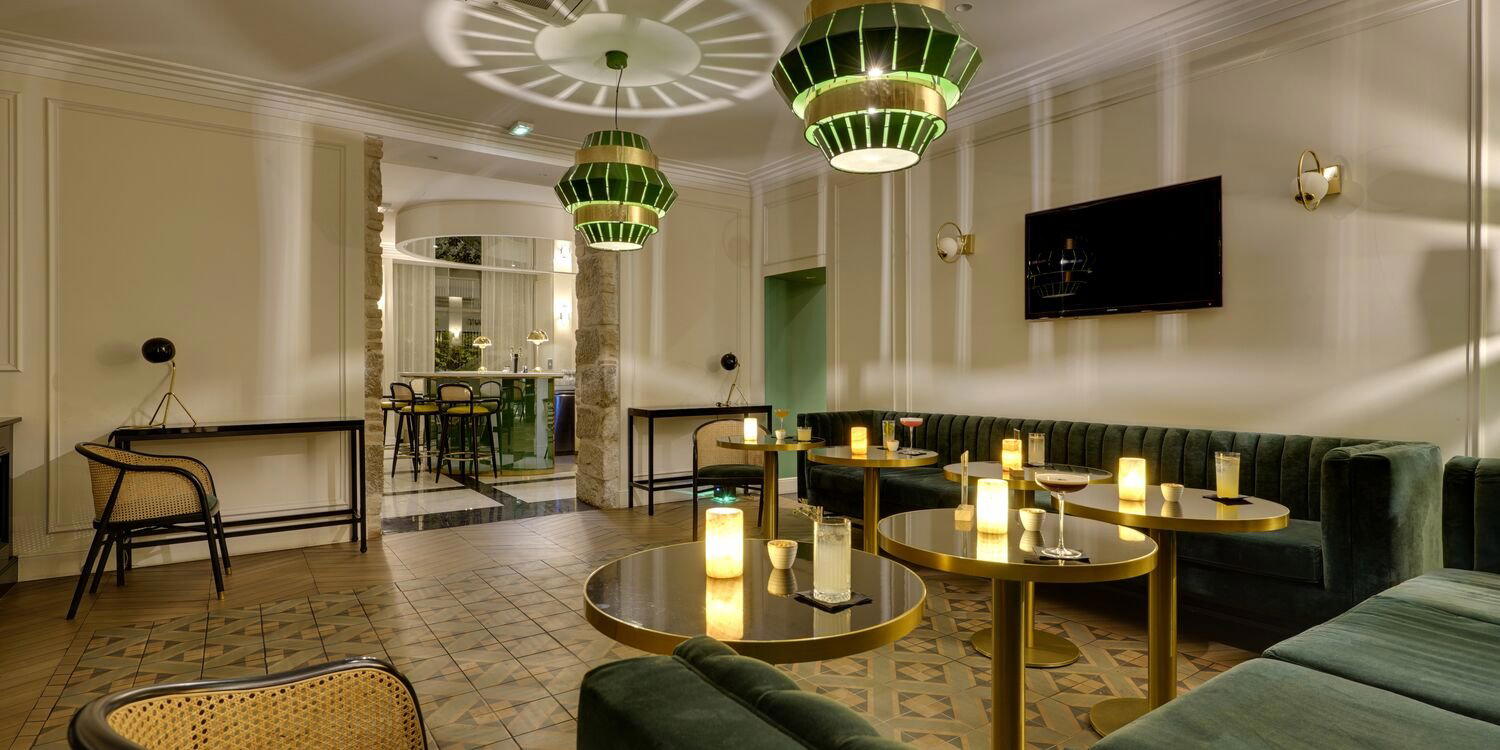
Rue du Maréchal Joffre After Dark
Delano Cocktailbar is a restaurant in Nice, France, serving Japanese Snacks and Cocktails; it has. There is a particular kind of street in Nice that the tourist maps tend to underserve. Rue du Maréchal Joffre, a few blocks inland from the Promenade des Anglais, sits in that zone where the city drops its resort-facing polish and settles into something more residential, more local, more genuinely itself. It is the kind of address where a cocktail bar can build a following on word of mouth rather than footfall from the seafront, and where the crowd arriving on a Thursday evening is more likely to include people who live nearby than visitors consulting a guidebook. Delano Cocktailbar, at number 16, occupies that position in the neighbourhood.
The Côte d'Azur Cocktail Scene in Context
Nice has historically sat in an awkward position in France's drinks culture. The city is wine country adjacent, with Bellet AOC vineyards practically within city limits, and Provence rosé omnipresent on every terrace. Cocktail bars have had to carve space against that dominant local habit, and the ones that survive tend to do so by offering something the wine list cannot: technical specificity, seasonal produce treated with the seriousness usually reserved for the kitchen, and a format that rewards returning customers. The bars that have built genuine reputations here tend to be compact in scale and deliberate in programme, operating closer to the model of a specialist atelier than a general drinks venue.
That shift mirrors what has happened in Paris and Lyon over the past decade, where the bar programme moved from an afterthought attached to restaurant service into a discipline with its own practitioners, competition circuit, and critical vocabulary. In Nice, that evolution arrived later and has developed within a specific Mediterranean frame: citrus from the arrière-pays, herbs from hillside markets, local spirits distilled from regional botanicals. The intersection of those indigenous ingredients with globally-trained technique is where the more interesting work in the city's cocktail scene gets done.
Local Ingredients, Global Method
The Alpes-Maritimes department provides a larder that most cocktail programmes elsewhere in France would struggle to replicate. Lemons from Menton, a town barely twenty kilometres along the coast that has also produced one of France's most decorated restaurant kitchens, carry a flavour profile distinct enough that chefs and bartenders alike treat them as a named ingredient rather than a generic citrus source. Olive oils from the Vallée des Baux, violet from Tourrettes-sur-Loup, and aromatic herbs that grow in the garrigue above the city all feed into a regional ingredient map that serious bar programmes here have begun to treat as systematically as the kitchens at Flaveur or L'Aromate treat their sourcing lists.
When imported technique meets that kind of ingredient density, the results tend to pull in a different direction from the clarified, monochrome aesthetic that defines cocktail bars in London or Copenhagen. Mediterranean bar work tends to be more aromatic, more herbaceous, and more structurally generous. It is less interested in minimalism for its own sake and more interested in what happens when you apply precision to something inherently exuberant. That tension between rigour and abundance is what makes the regional cocktail scene worth watching, and it is the frame through which Delano fits most naturally on Rue du Maréchal Joffre.
Seasonal Timing and the Case for Winter Visits
Nice in summer operates at full capacity. The Promenade fills, the restaurant queues lengthen, and the bars nearest the seafront run at volume. The more interesting time to visit the city's neighbourhood bars is between October and April, when the tourist infrastructure pulls back and the local clientele becomes the dominant audience. The arrière-pays markets shift to winter citrus, truffle from the Var region moves through the kitchen supply chain, and bar programmes that track the seasons find themselves working with a different palette. If the technical programmes at places like Delano follow the regional produce calendar as closely as the city's leading kitchens do, the autumn and winter menu would reflect that shift. It is the kind of seasonal intelligence that distinguishes a programme built around place from one that runs a fixed list year-round.
That seasonality argument applies broadly to Nice's food and drink scene. The restaurants that have earned sustained recognition, from Le Chantecler to Les Agitateurs to ONICE, have tended to be ones that treat the regional produce calendar as a structural constraint rather than an optional inspiration. A cocktail bar working within the same city and the same ingredient supply is subject to the same logic.
Nice in the Broader French Drinking Conversation
France's most celebrated dining addresses have tended to sit further north or inland: the multi-generational institution at Auberge de l'Ill, the philosophical rigour of Bras in Laguiole, the foundational weight of Paul Bocuse in the Rhône corridor, or the haute cuisine authority of Alléno Paris au Pavillon Ledoyen. The south has historically been framed as the ingredient source rather than the technical centre. That framing is becoming harder to sustain. Nice's restaurant scene has produced enough serious work in the past decade that the city now functions as a destination in its own right for food-focused travellers, and its bar scene is developing along a parallel track. The same Mediterranean specificity that makes Mirazur compelling as a dining experience translates, in different register, into what the more serious cocktail addresses in the city are attempting.
The reference points for technically ambitious European bar programmes have also expanded in the past decade to include American models, particularly the tasting-menu-aligned bar formats that Lazy Bear in San Francisco helped pioneer and the precision-cooking influence that has filtered into bar programmes from restaurants like Le Bernardin in New York. The cross-pollination of kitchen technique and bar programme is now a recognisable category, and Nice's position at a crossroads of European and Mediterranean influence makes it a plausible place for that conversation to develop.
Planning a Visit
Delano Cocktailbar sits at 16 Rue du Maréchal Joffre in the 06000 postal district, within walking distance of the city centre and the main tram network. Given the venue's neighbourhood character and compact likely scale, arriving without a reservation on a weekend evening carries some risk; contacting the bar directly in advance is advisable, particularly during the summer season when demand across the city's hospitality sector peaks. For a broader route through the region, the programmes at Flocons de Sel in Megève, Les Prés d'Eugénie in Eugénie-les-Bains, La Table du Castellet, Troisgros in Ouches, and Georges Blanc in Vonnas useful anchors for a route through the south and centre of France.
Comparable Venues
Comparable venues nearby, for context on price, style, and recognition.
| Venue | Cuisine | Price | Notes |
|---|---|---|---|
| Delano CocktailbarThis venue — the venue you are viewing | Japanese Snacks and Cocktails | $$$ | Not listed |
| Keisuke Matsuhima | Mediterranean-Japanese Fusion | $$$ | Cœur de Nice |
| La Petite Maison | Authentic Niçoise Mediterranean | $$$ | Nice Historique |
| Babel Babel | Modern Mediterranean with Levantine Influences | $$$ | Nice Historique |
| Le 3e Restaurant - Terrasse | Seasonal Mediterranean French | $$$ | Cœur de Nice |
| La Cantine de Mémé | French-Mediterranean Bistro | $$ | Cœur de Nice |
Recognition history
Dated appearances from independent guides and award organizations, with the underlying list record or original source where available.
Falstaff Bar - 95 Falstaff Points
Falstaff
Continue exploring
More in Nice
Restaurants in Nice
Browse all →
Bars in Nice
Browse all →
Hotels in Nice
Browse all →

At a Glance
- Elegant
- Cozy
- Sophisticated
- Date Night
- Casual Hangout
- After Work
- Hotel Restaurant
- Craft Cocktails
Current opening hours
- Monday
- 6 PM–12:30 AM
- Tuesday
- 6 PM–12:30 AM
- Wednesday
- 6 PM–12:30 AM
- Thursday
- 6 PM–12:30 AM
- Friday
- 6 PM–2 AM
- Saturday
- 6 PM–2 AM
- Sunday
- 6 PM–12:30 AM
Hours can change for holidays and private events. Last verified .
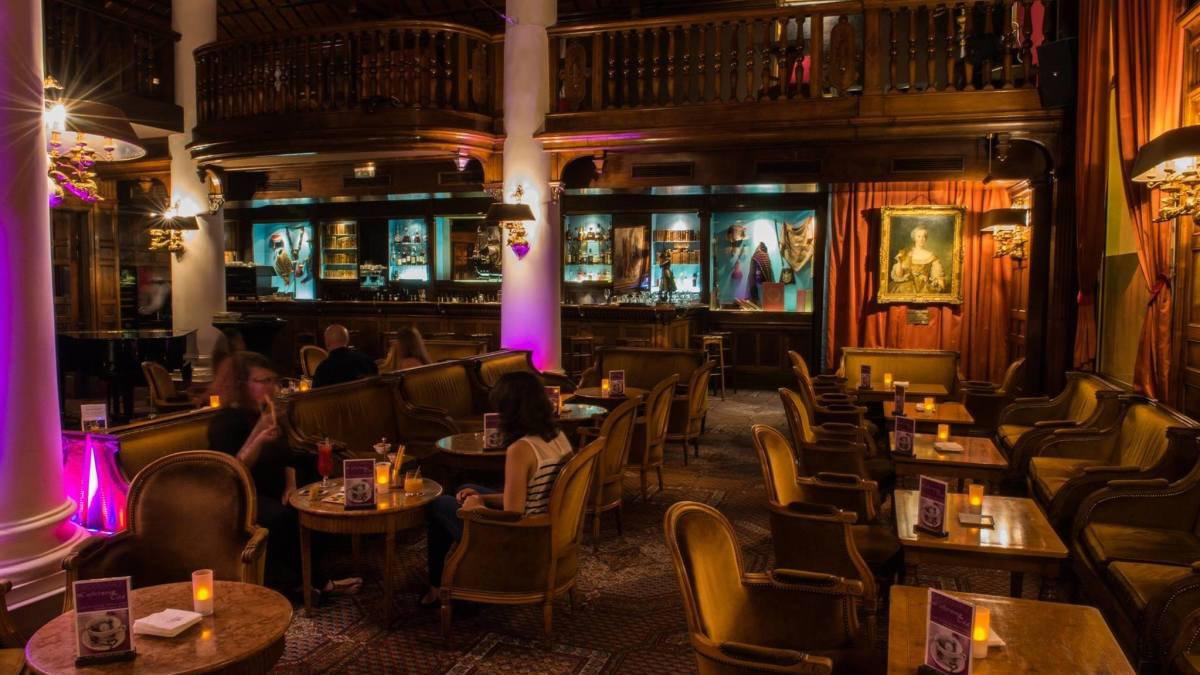
Cozy and chic art deco decor with green and gold setting and lounge soundtrack.