Pavyllon, un restaurant de Yannick Alléno, Monte-Carlo



Yannick Alléno's Michelin-starred counter restaurant occupies a considered position inside the Hermitage Hotel, bringing the plant-forward, low-sugar approach that earned recognition in Paris to Monaco's premium dining tier. Open seven days across lunch and dinner, the tasting counter and Mediterranean garden patio together frame a meal sequence built around seasonal produce, seafood, and the Côte d'Azur's own larder. Rated Notable by Michelin's 2024 guide.
Pearl is the En Primeur Club membership app — saves, bookings, and concierge access live there. Same editors, same standards.
- Address
- 1 Sq. Beaumarchais, 98000 Monaco
- Phone
- +377 98 06 98 98
- Website
- montecarlosbm.com
- Directions
- Get directions
 Saves & bookings on Pearl
A Counter Facing the Sea
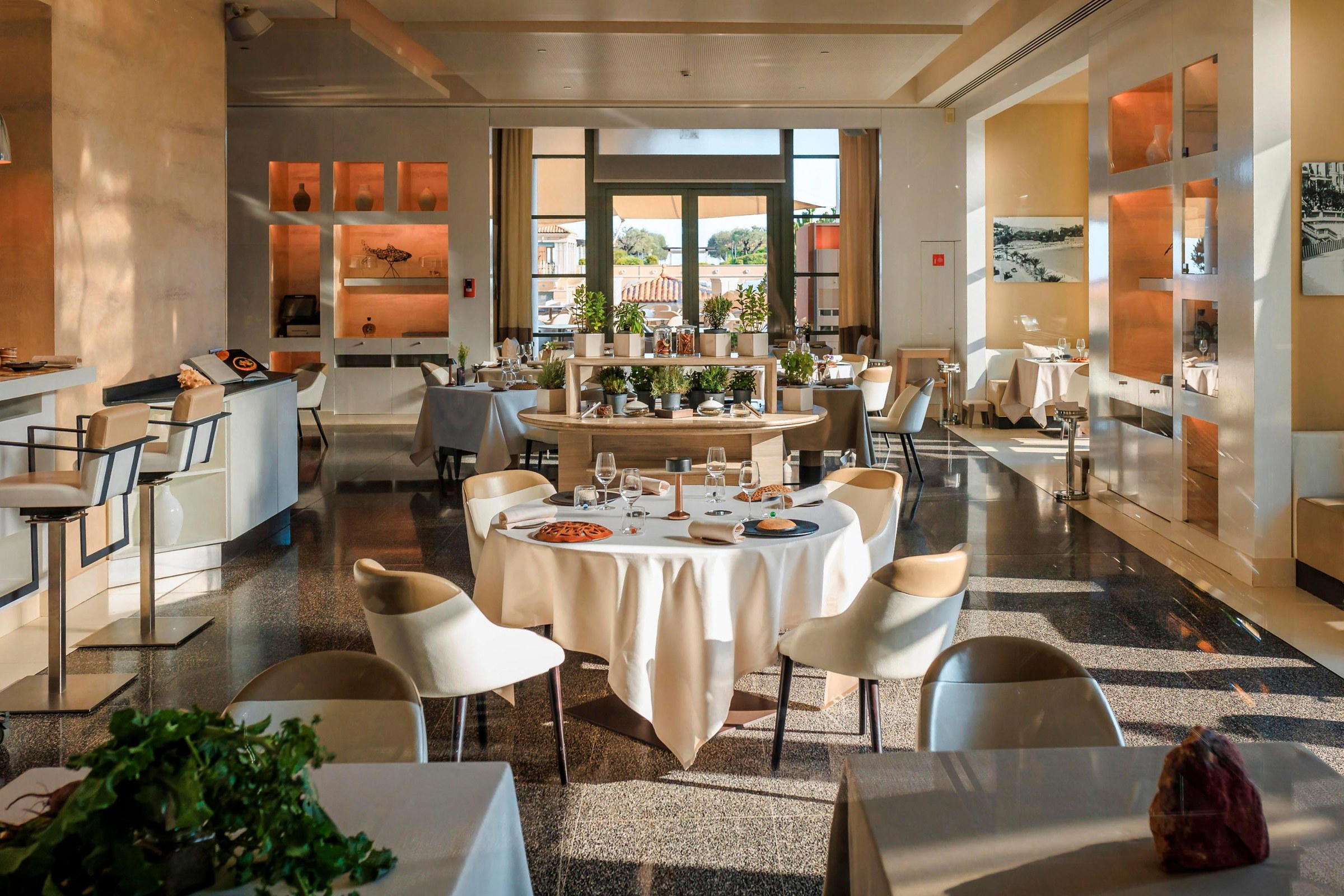
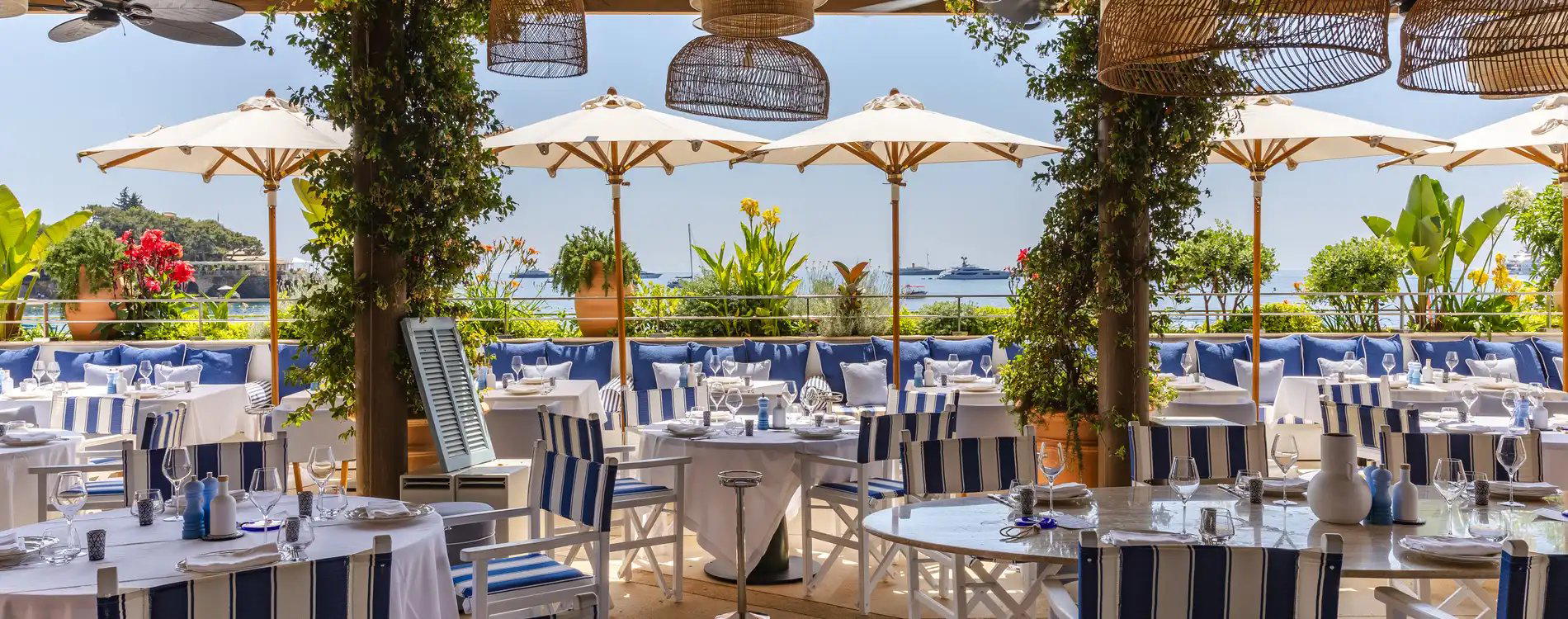
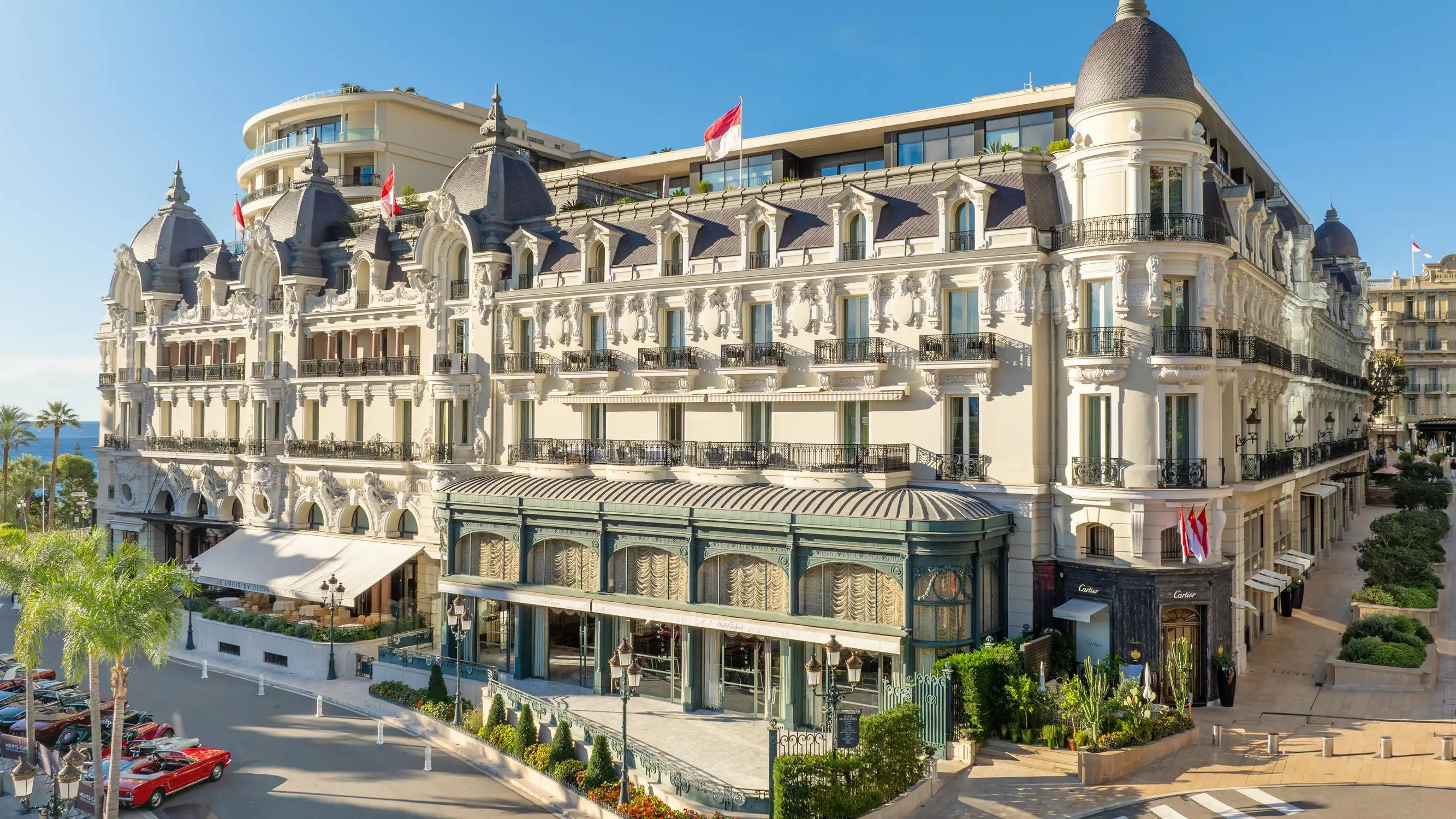
Arrive at Square Beaumarchais on a clear afternoon and the Hermitage Hotel's facade does something quietly effective: it separates you from the principality's traffic and money-market noise before you've stepped inside. The dining room at Pavyllon takes that separation further. The tasting counter in metallic wood, finished in a blue that references the Mediterranean visible through the terrace doors, is the kind of design decision that earns its keep. You're not looking at a wall of wine or a gallery of plated dishes; you're looking at an open kitchen, which means the sequencing of your meal is visible from the first moment you sit down.
That physical arrangement is not incidental. Counter dining at this tier in Monaco operates differently from a conventional table service room. The format positions each course as a discrete act rather than a background event, which suits the Pavyllon approach: plant-anchored, seafood-led, and structured around low-sugar desserts that close a meal with intention rather than sweetness for its own sake. When weather allows, service moves to a Mediterranean garden patio with a direct sightline to open water. The two settings represent meaningfully different experiences of the same menu.
Where Pavyllon Sits in Monaco's Fine Dining Tier
Monaco's leading table restaurants cluster around the grand hotels and have done so for decades. Alain Ducasse's Louis XV at the Hôtel de Paris remains the benchmark for French-Provençal cooking in the principality, three stars and three decades of presence. Pavyllon operates at one star (2024), which places it in a competitive group alongside Les Ambassadeurs by Christophe Cussac and Blue Bay Marcel Ravin, both of which also carry single stars and occupy the €€€€ price tier. The differentiation between these rooms is not primarily about price; it is about format and culinary direction. Pavyllon's counter model and its commitment to plant and seafood seasonality put it in a different register from Blue Bay's creative Caribbean-Mediterranean crossover or Les Ambassadeurs' more conventional French fine dining framing.
For guests whose reference point is the Pavyllon counter in Paris, the Monte Carlo version reproduces the core identity without significant dilution. The Hermitage Hotel address provides the expected level of service infrastructure; the kitchen philosophy remains consistent with its Parisian counterpart. That consistency matters in a city where high prices do not always guarantee culinary coherence.
Visitors interested in a wider survey of Monaco's fine dining options, including Japanese counter dining at L'Abysse Monte-Carlo or the Mediterranean garden cooking at Elsa, will find detailed coverage in our full Monte Carlo restaurants guide.
The Meal as Sequence: What to Expect Course by Course
The editorial angle on any Alléno-associated address is the architecture of extraction: the house method builds flavour through fermentation and sauce reductions that concentrate rather than mask. At Pavyllon, that methodology is channelled through a seasonal framework where the lightest, most textural elements arrive earliest and weight builds incrementally. The result is a meal that feels calibrated rather than accumulated.
The opening of the menu at this restaurant pivots on plant-based preparations, which function as palate orientation rather than mere garnish. Vegetables at this tier are not a concession to dietary preference; they carry the first third of the meal's flavour narrative before seafood arrives as the dominant protein. The Côte d'Azur has a short shelf between the kitchen and the table for certain fish and shellfish, and Pavyllon's proximity to Mediterranean waters is a genuine supply advantage over comparable counters in Paris or further north.
Mid-sequence is where the open kitchen format earns its role. Watching a sauce assembled at close range changes your relationship to what arrives on the plate; the time between preparation and service is compressed to almost nothing at a tasting counter, which means temperatures, textures, and aromatic intensity all arrive at their intended state. This is not possible to guarantee in a full dining room where plates travel longer routes from the pass.
Close of the meal at Pavyllon is its most distinctive structural move. Low-sugar desserts are not a marketing position; they require a different compositional logic, one that relies on acid, fat, and concentrated natural sugars rather than refined sweetness. Done correctly, this approach produces a final course that reads as a natural resolution of the savoury sequence rather than a tonal break from it. The meal ends where it began, in the same register, which is coherent in a way that conventional dessert courses rarely are.
Those seeking comparable modern cuisine counter formats beyond Monaco should look at what Frantzén in Stockholm or Maison Lameloise in Chagny do with multi-course progression; the structural ambitions are different but the discipline of sequencing is comparable. In the Dubai market, FZN by Björn Frantzén and 11 Woodfire represent parallel efforts to import a northern European counter ethos into a Mediterranean-adjacent climate. Further afield, Cracco in Galleria in Milan, Trescha in Buenos Aires, and Azafrán in Mendoza each approach modern cuisine with different regional ingredients but a similar belief in the meal as a structured arc.
The Côte d'Azur Context
Monaco's dining geography is small enough that positioning decisions matter more than in a city like Paris or London. The principality has a handful of rooms that genuinely belong in an international conversation, and Pavyllon is among them. The Hermitage Hotel address is a five-minute walk from the Casino Square, which places it at the geographic centre of the principality's luxury belt. For visitors arriving from Nice or Menton, the commute is manageable; for those based in the nearby hill villages, Hostellerie Jerome in La Turbie offers a different scale of fine dining with its own Michelin recognition, and it warrants consideration as part of the same trip itinerary.
The broader infrastructure around a Monaco dining visit, including where to stay and what to do before or after a dinner reservation, is covered in our Monte Carlo hotels guide, bars guide, and experiences guide. For those with a specific interest in wine, our Monte Carlo wineries guide covers the regional production context.
Planning the Visit
Pavyllon operates seven days a week, with lunch service running from noon to 3 PM and dinner from 7 PM to 10:30 PM. The price tier sits at €€€€, consistent with the Michelin one-star positioning and the Hermitage Hotel context. For terrace seats during summer, advance booking is advisable; Monaco's high season concentrates substantial demand into a short window, and the garden patio configuration is limited by the hotel's architecture.6 from 341 ratings suggests a consistent service record across both locals and visiting guests.
Budget Reality Check
Comparable venues nearby, for context on price, style, and recognition.
| Venue | Cuisine | Price | Awards | Notes |
|---|---|---|---|---|
| Pavyllon, un restaurant de Yannick Alléno, Monte-CarloThis venue — the venue you are viewing | Modern Cuisine | $$$$ | Michelin 1 Star | Not listed |
| Le Grill | Not listed | $$$$ | Michelin 1 Star | Place du Casino, Modern French Mediterranean Grill |
| Elsa | Not listed | $$$$ | Michelin 1 Star | Monte-Carlo Beach, Modern Mediterranean Marine Gastronomy |
| Yoshi | Japanese Fusion | $$$$ | Michelin 1 Star | Not listed |
| La Table d'Antonio Salvatore au Rampoldi | Monte-Carlo, New Monegasque Fine Dining | $$$$ | Michelin 1 Star | Not listed |
| Em Sherif | Not listed | $$$$ | Michelin Plate | Monte-Carlo, Authentic Lebanese Fine Dining |
Recognition history
Dated appearances from independent guides and award organizations, with the underlying list record or original source where available.
Michelin 1 Star
Michelin
Star Wine List
Star Wine List
Gault & Millau Remarkable Restaurant
Gault & Millau
Michelin 1 Star
Michelin
Michelin 1 Star
Michelin
Continue exploring
More in Monte Carlo
More from Chef Yannick Alléno
Browse all →
Restaurants in Monte Carlo
Browse all →
Bars in Monte Carlo
Browse all →
Hotels in Monte Carlo
Browse all →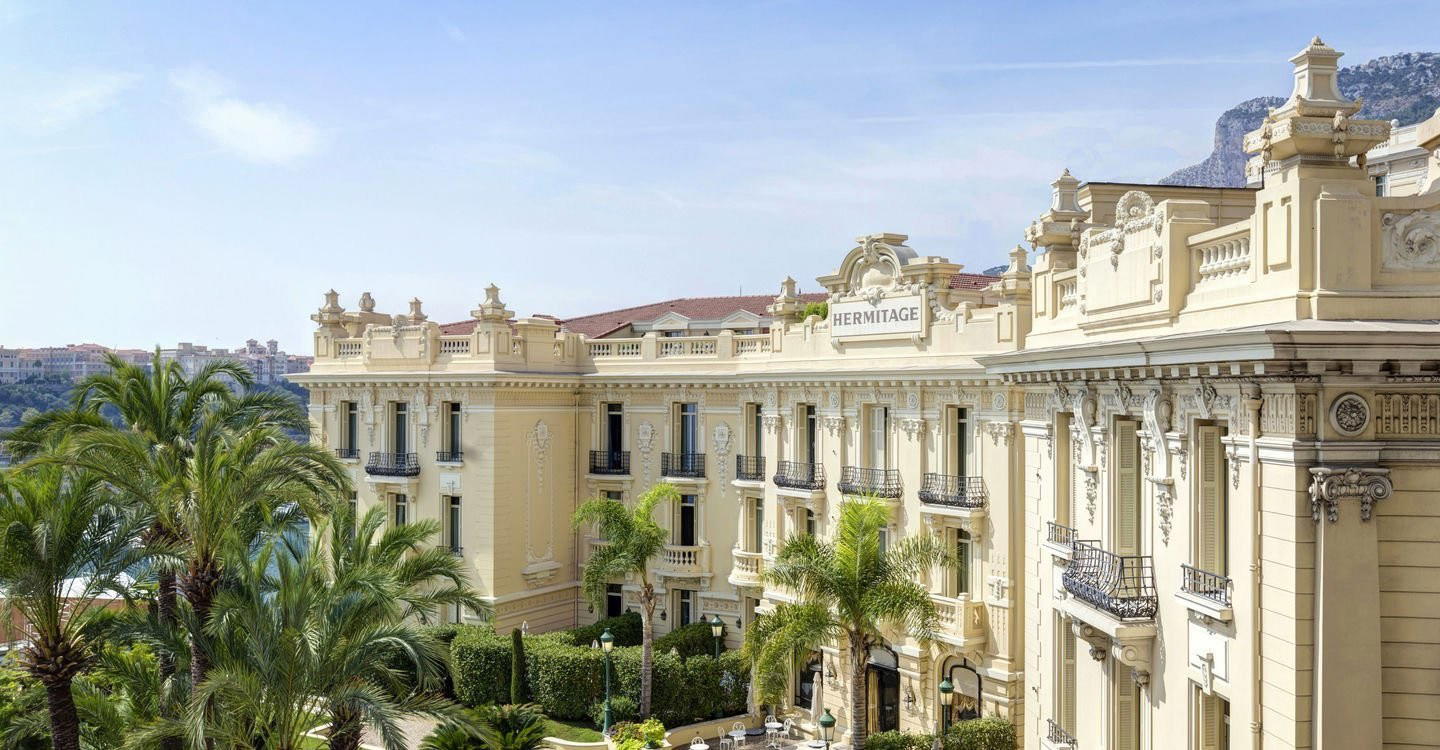
Wineries in Monte Carlo
Browse all →
At a Glance
- Elegant
- Modern
- Sophisticated
- Date Night
- Special Occasion
- Open Kitchen
- Terrace
- Hotel Restaurant
- Extensive Wine List
- Sommelier Led
- Local Sourcing
- Waterfront
Current opening hours
- Monday
- 12–2 PM, 7–10 PM
- Tuesday
- 12–2 PM, 7–10 PM
- Wednesday
- 12–2 PM, 7–10 PM
- Thursday
- 12–2 PM, 7–10 PM
- Friday
- 12–2 PM, 7–10 PM
- Saturday
- 12–2 PM, 7–10 PM
- Sunday
- 12–2 PM, 7–10 PM
Hours can change for holidays and private events. Last verified .
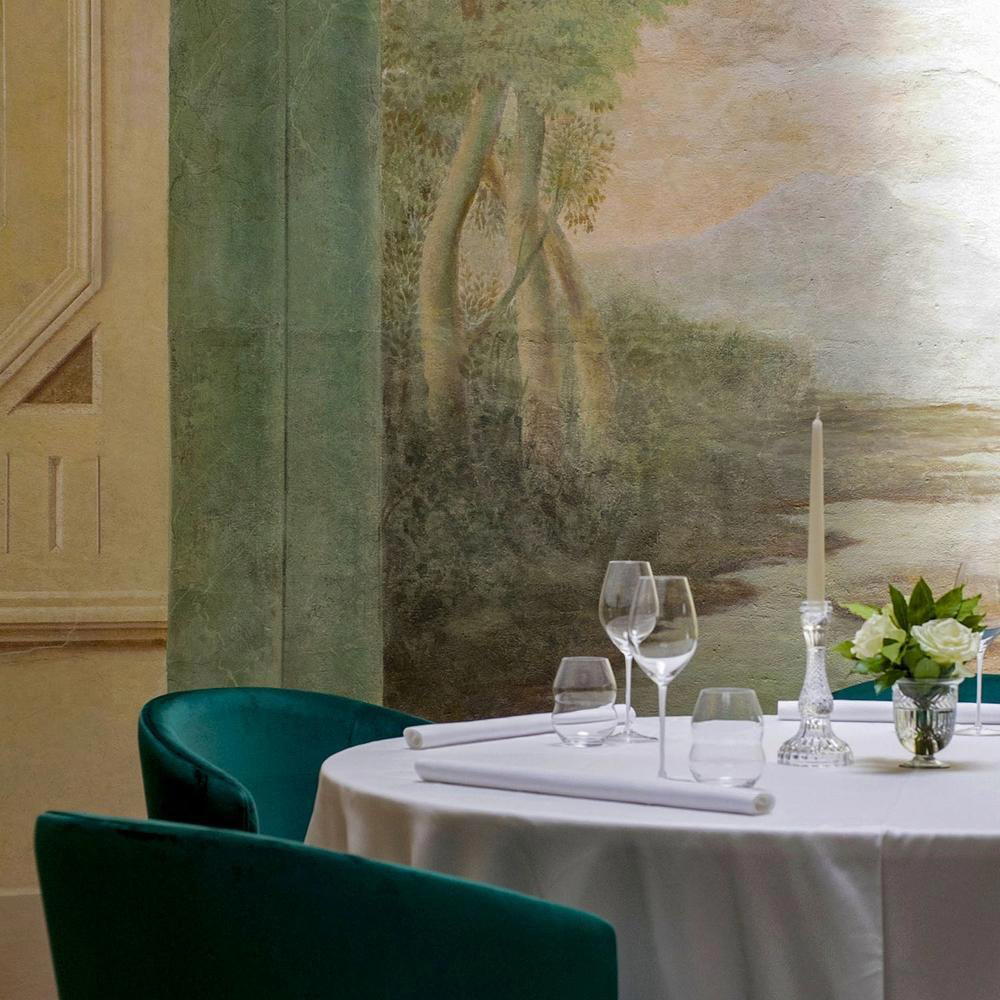
Cadre élégant et bleuté inspiré des variations chromatiques de la mer, avec cuisine ouverte et terrasse végétalisée face à la mer.