On Rue Racine in Le Havre's residential quarters, Le Grignot operates in a register that the city's more formal dining rooms don't. Where the port city's better-known tables lean toward occasion dining, this address functions as a neighbourhood fixture, the kind of place where the pace of the meal is set by the room, not the clock. A practical entry point into Le Havre's mid-range dining scene.
Pearl is the En Primeur Club membership app — saves, bookings, and concierge access live there. Same editors, same standards.
- Address
- 53 Rue Racine, 76600 Le Havre, France
- Phone
- +33235436207
- Website
- legrignot.fr
- Directions
- Get directions
 Saves & bookings on Pearl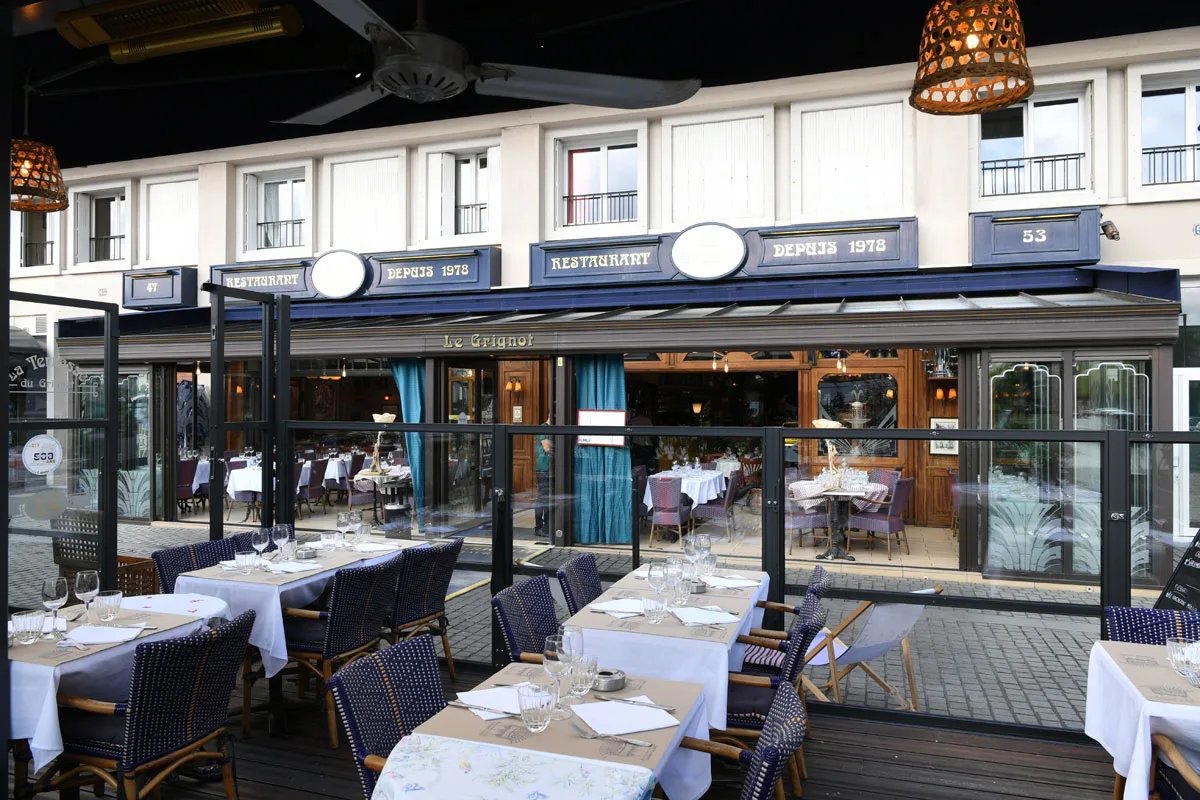
The Rhythm of a Rue Racine Lunch
There is a particular tempo to eating in the smaller French restaurant that no tasting menu can replicate. Dishes arrive when they're ready. Conversation is permitted to breathe. The server knows which table ordered the carafe first. Le Grignot, at 53 Rue Racine in Le Havre, belongs to that tradition, the mid-city neighbourhood table that structures its service around the meal as a social event rather than a choreographed sequence. In a port city more often associated with its rebuilt Auguste Perret architecture and its Channel crossings than with its restaurants, this address holds a different kind of local significance.
Le Havre's dining scene has been quietly reorganising around a few distinct tiers. At one end, Jean-Luc Tartarin (French, Creative) anchors the city's fine dining identity with a formal creative French offer at the €€€€ price point. At the other, a cluster of neighbourhood bistros and contemporary addresses fills the everyday register. Le Grignot positions somewhere in the middle of that local map, not competing with the occasion-dining rooms, but not purely casual either. It is the category of restaurant that French cities do better than almost anywhere else: the serious neighbourhood table that takes its food seriously without making the meal into a statement.
How the Meal Unfolds
The customs of the traditional French mid-market restaurant are more codified than they first appear. You arrive, you are seated, and the menu, typically a handwritten board or a short printed card, sets the parameters for the evening. Choices are limited by design. This is not a failure of ambition but an expression of it: a kitchen that knows what it does well enough to narrow the field. The French bistro ritual depends on this constraint. It is what separates a place with genuine culinary intention from one that simply offers volume.
At this type of address, the service pattern tends toward attentive informality. Wine comes by the glass or by the pot. Bread arrives without ceremony and is replenished without being asked. The pacing of courses is calibrated to the table's mood rather than to a fixed interval. This is the dining ritual that French gastronomy has exported everywhere but that still functions most naturally in its original context, a room where the clientele is partly local, the menu changes with the market, and the lunch service runs at a different register from dinner.
For readers familiar with the formal structures of Alléno Paris au Pavillon Ledoyen in Paris or the alpine precision of Flocons de Sel in Megève, the neighbourhood bistro register asks for a different mode of attention. The pleasure is cumulative and contextual rather than concentrated in individual techniques. It is closer in spirit to the long lunches at Auberge de l'Ill in Illhaeusern, where the room and the ritual carry as much weight as any single dish, than to the tasting counter format that now dominates international fine dining coverage.
Le Havre's Dining Context
Le Havre is not a city that appears frequently on French gastronomy shortlists. Its postwar rebuilding under Perret left it architecturally coherent and UNESCO-recognised, but the dining infrastructure that typically accumulates in historic city centres took longer to develop here. The city's port economy and its working-class residential character shaped a restaurant culture that prioritises value and directness over spectacle. That context matters when reading any individual address in the city.
The more recent diversification of the local scene has added contemporary formats alongside established bistro traditions. A Deux Pas d'Ici and BLACK PEARL each represent newer additions to the local offer, as does La Petite Brocante and La Singerie. Taken together, these addresses suggest a city building a more varied mid-market dining identity, even as it lacks the concentrated fine dining cluster found in Reims, where Assiette Champenoise anchors a more established culinary reputation, or in Strasbourg, where Au Crocodile gives the city a different kind of institutional weight.
Within Le Havre's local hierarchy, the neighbourhood bistro performs a specific function. It is where the city eats on a Tuesday, not just on a Friday. It is the address locals recommend to visiting family rather than to a journalist filing a travel piece. That positional distinction does not make it lesser; it makes it differently important.
For a broader map of where Le Grignot sits within the city's overall dining offer, the full Le Havre restaurants guide covers the range from Jean-Luc Tartarin's creative French kitchen through to the casual end of the local scene. France's regional restaurant culture, from the long-established family houses like Bras in Laguiole and Troisgros - Le Bois sans Feuilles in Ouches to the coastal ambition of Mirazur in Menton, remains structured around this kind of local anchoring. The neighbourhood table is the base layer on which everything else is built.
Planning Your Visit
The restaurant is located at 53 Rue Racine, in a residential quarter of Le Havre that is walkable from the city's Perret-designed centre. Reservations are recommended. Arriving without a reservation is possible at off-peak times, but for weekend lunch or Friday dinner, a call ahead is the practical approach.
Cuisine Context
Comparable venues nearby, for context on price, style, and recognition.
| Venue | Cuisine | Price | Notes |
|---|---|---|---|
| Le GrignotThis venue — the venue you are viewing | Traditional French Brasserie & Seafood | $$ | Not listed |
| Le Quint&Sens | Contemporary French Bistro with Blind Tasting Menu | $$ | Saint-Vincent / Gobelins |
| BLACK PEARL | Modern French Creperie | $$ | :null |
| La Singerie | French Brasserie with Seasonal and Vegetarian Options | $$ | Halles Centrales |
| La Tablée | Modern Healthy French | $$$ | Rue Guillemard |
| La Petite Brocante | Traditional French Brasserie | $$ | near Halles Centrale |
Continue exploring
More in Le Havre
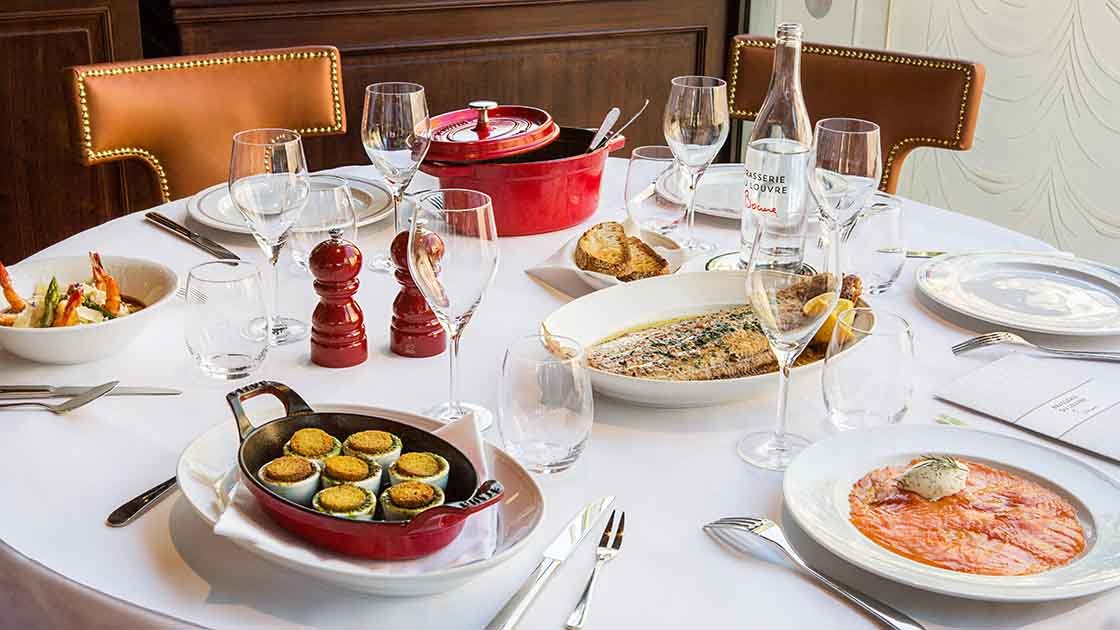
Restaurants in Le Havre
Browse all →
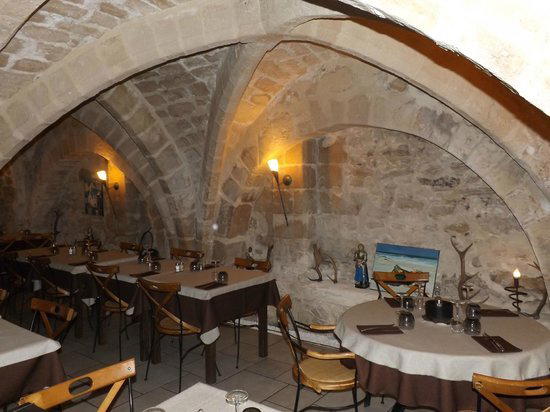
Bars in Le Havre
Browse all →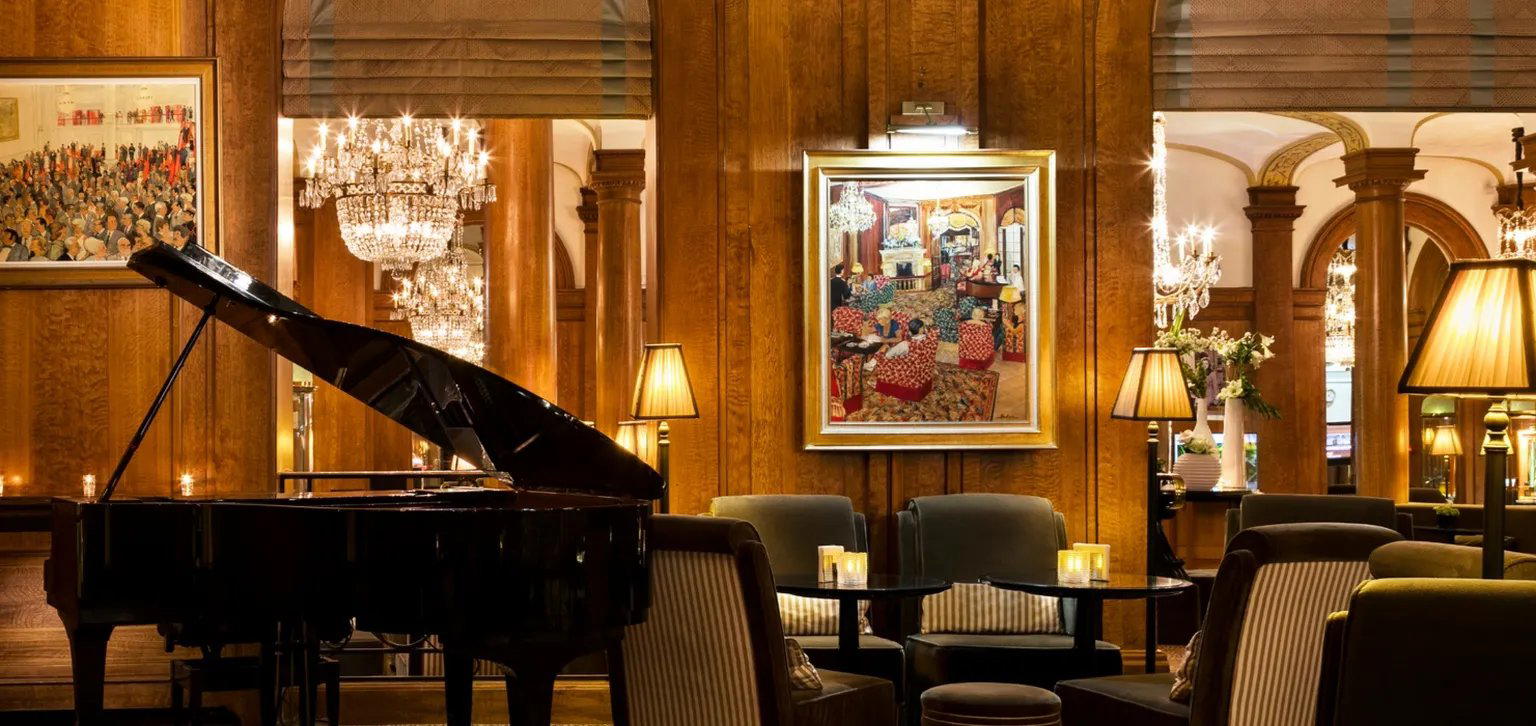

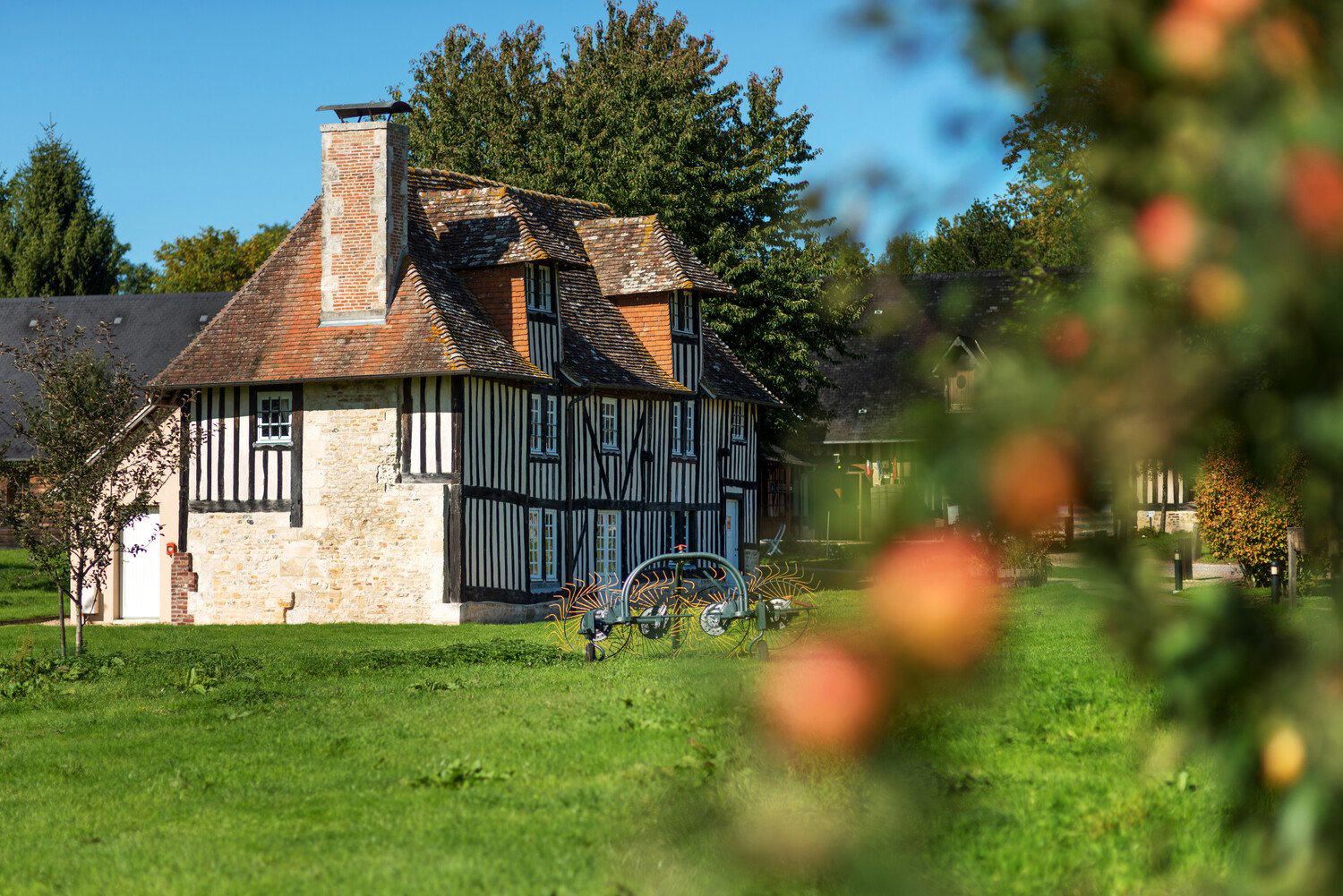
Hotels in Le Havre
Browse all →
At a Glance
- Classic
- Lively
- Well Known
- Rustic
- Business Dinner
- Date Night
- Group Dining
- Family
- Casual Hangout
- Terrace
- Open Kitchen
- Private Dining
- Standalone
- Beer Program
- Local Sourcing
- Organic
- Street Scene
Current opening hours
- Monday
- 12–2 PM, 7–11 PM
- Tuesday
- 12–2 PM, 7–11 PM
- Wednesday
- 12–2 PM, 7–11 PM
- Thursday
- 12–2 PM, 7–11 PM
- Friday
- 12–2 PM, 7–11 PM
- Saturday
- 12–2 PM, 7–11 PM
- Sunday
- Closed
Hours can change for holidays and private events. Last verified .
Warm, welcoming bistro atmosphere with recently renovated art deco-style decor, lively terrace overlooking Le Volcan theater, and open kitchen visible to diners.