Café de Luce occupies a corner address on Rue des Trois Frères in Montmartre, where the 18th arrondissement's working-neighbourhood character persists beneath the tourist surface. The address places it inside a Paris dining tier defined less by grand-room formality and more by ingredient focus and kitchen seriousness. For visitors oriented around sourcing-led cooking, it merits attention alongside the broader 18th's evolving restaurant scene.
Pearl is the En Primeur Club membership app — saves, bookings, and concierge access live there. Same editors, same standards.
- Address
- 2 Rue des Trois Frères, 75018 Paris, France
- Phone
- +33142580044
- Website
- cafedeluce.com
- Directions
- Get directions
 Saves & bookings on Pearl
Montmartre's Quieter Dining Register
Paris dining in the 18th arrondissement operates in two registers that rarely overlap. The first is the tourist circuit clustered around the Sacré-Cœur approach, where menus translate into six languages and the wine arrives fast. The second is the neighbourhood tier: smaller rooms, shorter menus, kitchens answering to local regulars more than to guidebook traffic. Rue des Trois Frères sits in that second category. The street descends from the Abbesses metro through a residential pocket where fromageries and cave à vins still outnumber souvenir shops, and where a café with a serious approach to its sourcing finds a more receptive audience than it would two arrondissements west.
Café de Luce at number 2 occupies this context. That tier has become one of the more closely watched in the city, as sourcing-led bistro cooking has drawn the same critical attention once reserved for three-star rooms.
The Sourcing Question in Paris
French restaurant culture has never been indifferent to provenance, but the way kitchens communicate that provenance has shifted sharply in the past decade. Where menus once listed a dish by its preparation, they now increasingly list the farm, the region, or the producer. That shift reflects both consumer demand and a genuine re-engagement with the supply chain that industrialised French food during the 1980s and 1990s. The restaurants that participate most credibly in this movement tend to share common traits: small menus that change with genuine frequency, direct supplier relationships rather than wholesale sourcing, and a kitchen scale that allows the cook to make daily decisions about what goes on the plate.
This pattern plays out across French fine dining at every price point. At the top of the register, addresses like Arpège have made kitchen-garden produce the organising philosophy of the entire menu, while Alléno Paris au Pavillon Ledoyen channels sourcing through a different lens: extraction and concentration techniques that argue for the intensification of French terroir. Further outside Paris, addresses like Bras in Laguiole built their entire identity around the Aubrac plateau's seasonal produce, and Mirazur in Menton organised its menu around a biodynamic garden overlooking the Ligurian coast. The sourcing conversation in French cooking is not new, but its reach into the neighbourhood bistro tier is relatively recent, and that is where an address like Café de Luce enters the picture.
The 18th as a Dining Neighbourhood
Montmartre's dining identity has historically lagged behind its cultural reputation. The neighbourhood produced painters and poets before it produced serious kitchens, and for most of the late twentieth century, eating well in the 18th meant knowing which three or four addresses to trust. That has changed. The Abbesses and Lamarck-Caulaincourt pockets now hold a denser concentration of kitchens oriented toward quality produce, natural wine, and compact menus than they did even five years ago. The dynamic echoes what happened in the 11th and 10th arrondissements a decade earlier: rising rents pushing serious young cooks into slightly peripheral neighbourhoods, which then develop a culinary identity of their own.
Rue des Trois Frères sits at the centre of this shift. The street's position between Abbesses and the lower slopes of the butte gives it a neighbourhood logic that the more tourist-facing streets above it lack. Regulars walk to dinner here. That changes the kitchen's relationship to its audience, and it tends to favour the kind of daily-market cooking that sourcing-led restaurants do well: the menu is smaller because the shopping happened that morning, not because ambition is limited.
Where Café de Luce Sits in the Paris Tier
Paris restaurants at the top of the formal hierarchy, addresses like L'Ambroisie on the Place des Vosges or Le Cinq at the Four Seasons George V, operate in a different competitive set entirely. Their menus, their room scale, and their price brackets are calibrated for a global visitor who books months in advance and treats the meal as an event. Kei, sitting in the 1st with its Franco-Japanese synthesis, occupies a different but equally formal register. These are reference points, not peers, for a neighbourhood address on Rue des Trois Frères.
The more relevant comparison set for Café de Luce is the cluster of sourcing-focused addresses operating in the €30 to €60 range in the 18th, 9th, and 11th arrondissements, where the cooking is serious without the ceremony, and where the wine list tends toward small producers over prestige labels. This is a growing tier in Paris, and it is increasingly where the city's most attentive dining is happening. The grand houses referenced above, alongside regional destinations like Flocons de Sel in Megève, Troisgros in Ouches, or the long-running Auberge de l'Ill in Illhaeusern, represent a different tradition: the destination restaurant where the room and the legacy are part of the proposition. Café de Luce operates without that framework, which is precisely why sourcing and kitchen discipline carry the weight they do at this address.
Other French institutions built on terroir specificity, including Paul Bocuse outside Lyon, Georges Blanc in Vonnas, Les Prés d'Eugénie in Eugénie-les-Bains, Auberge du Vieux Puits in Fontjoncouse, and La Table du Castellet, demonstrate how deeply sourcing identity can anchor a restaurant's reputation over decades. The neighbourhood bistro model that Café de Luce inhabits pursues the same principle at a different scale and price point. Internationally, sourcing-led formats at Le Bernardin in New York and collaborative tasting formats at Lazy Bear in San Francisco show how ingredient provenance has become a primary signal of kitchen seriousness across markets, not just in France.
See our full Paris restaurants guide for a broader map of the city's dining tiers.
Planning Your Visit
Café de Luce is located at 2 Rue des Trois Frères in the 18th arrondissement. The nearest metro stop is Abbesses on Line 12, a short walk down the hill. As a neighbourhood address in a part of Paris where evenings fill quickly, particularly on weekends, checking availability before arriving is advisable.
Quick reference: 2 Rue des Trois Frères, 75018 Paris. Metro: Abbesses (Line 12).
A Quick Peer Check
Comparable options at a glance, pulled from our tracked venues.
| Venue | Cuisine | Price | Awards |
|---|---|---|---|
| Café de LuceThis venue — the venue you are viewing | Not listed | Not listed | Not listed |
| Alléno Paris au Pavillon Ledoyen | Creative | €€€€ | Michelin 3 Star |
| Kei | Contemporary French, Modern Cuisine | €€€€ | Michelin 3 Star |
| L'Ambroisie | French, Classic Cuisine | €€€€ | Michelin 3 Star |
| Le Cinq - Four Seasons Hôtel George V | French, Modern Cuisine | €€€€ | Michelin 3 Star |
| Pierre Gagnaire | French, Creative | €€€€ | Michelin 3 Star |
At a Glance
- Classic
- Cozy
- Intimate
- Brunch
- Casual Hangout
- Family
- Terrace
- Extensive Wine List
- Local Sourcing
- Street Scene
Current opening hours
- Monday
- 12–3 PM, 6 PM–12 AM
- Tuesday
- 12–3 PM, 6 PM–12 AM
- Wednesday
- 12–3 PM, 6 PM–12 AM
- Thursday
- 12–3 PM, 6 PM–12 AM
- Friday
- 12–3 PM, 6 PM–12 AM
- Saturday
- 12–3 PM, 6 PM–12 AM
- Sunday
- 12–3 PM, 6 PM–2 AM
Hours can change for holidays and private events. Last verified .
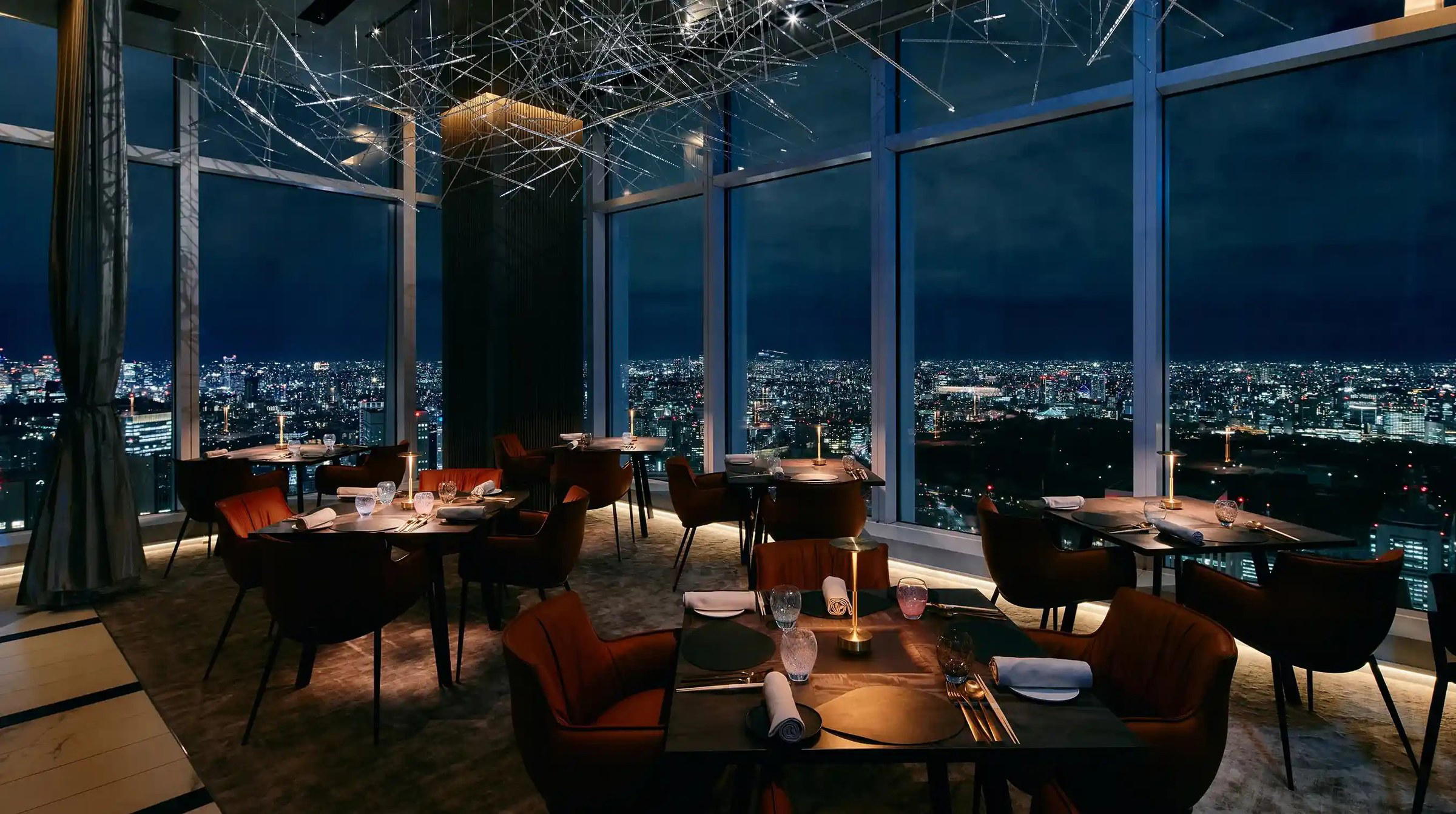
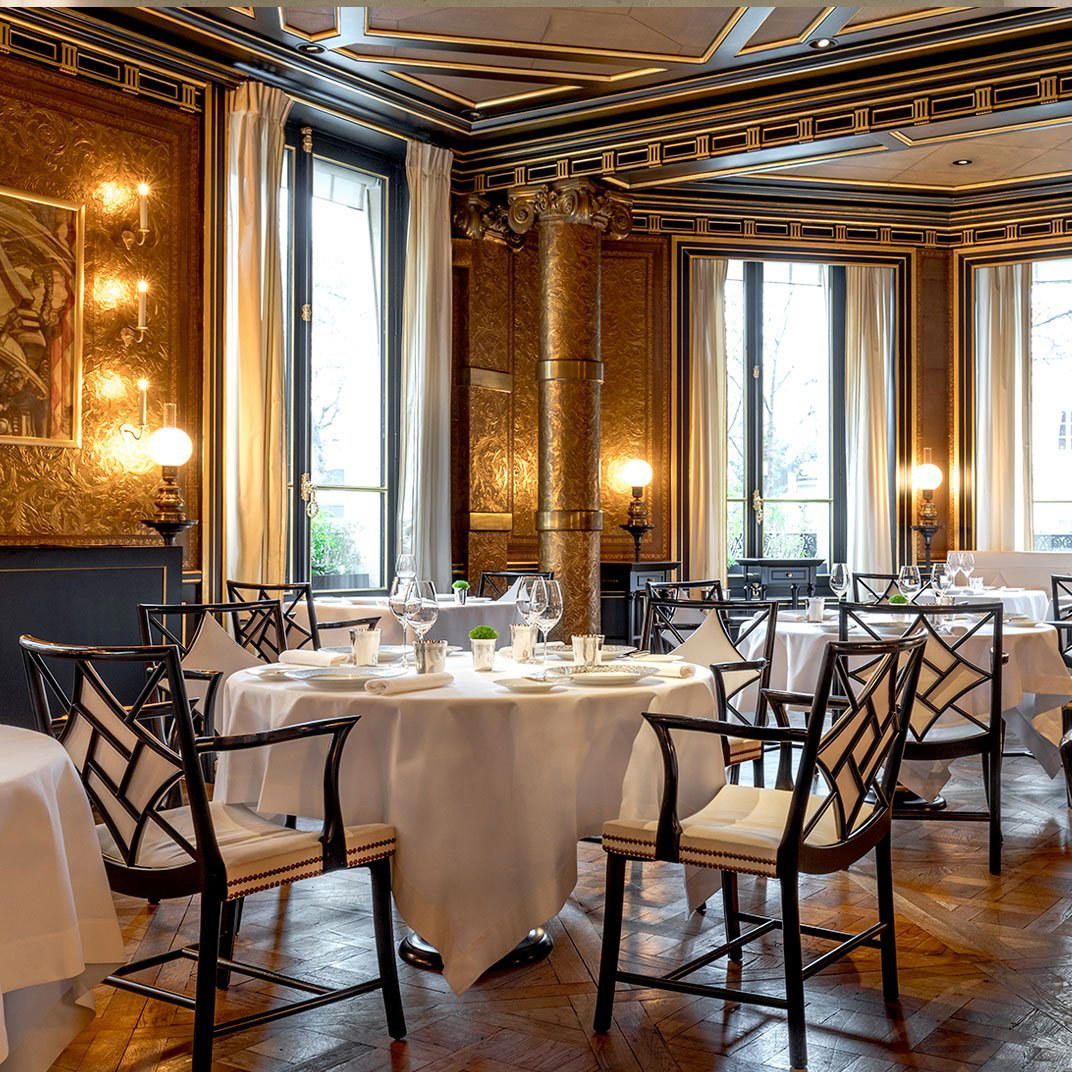
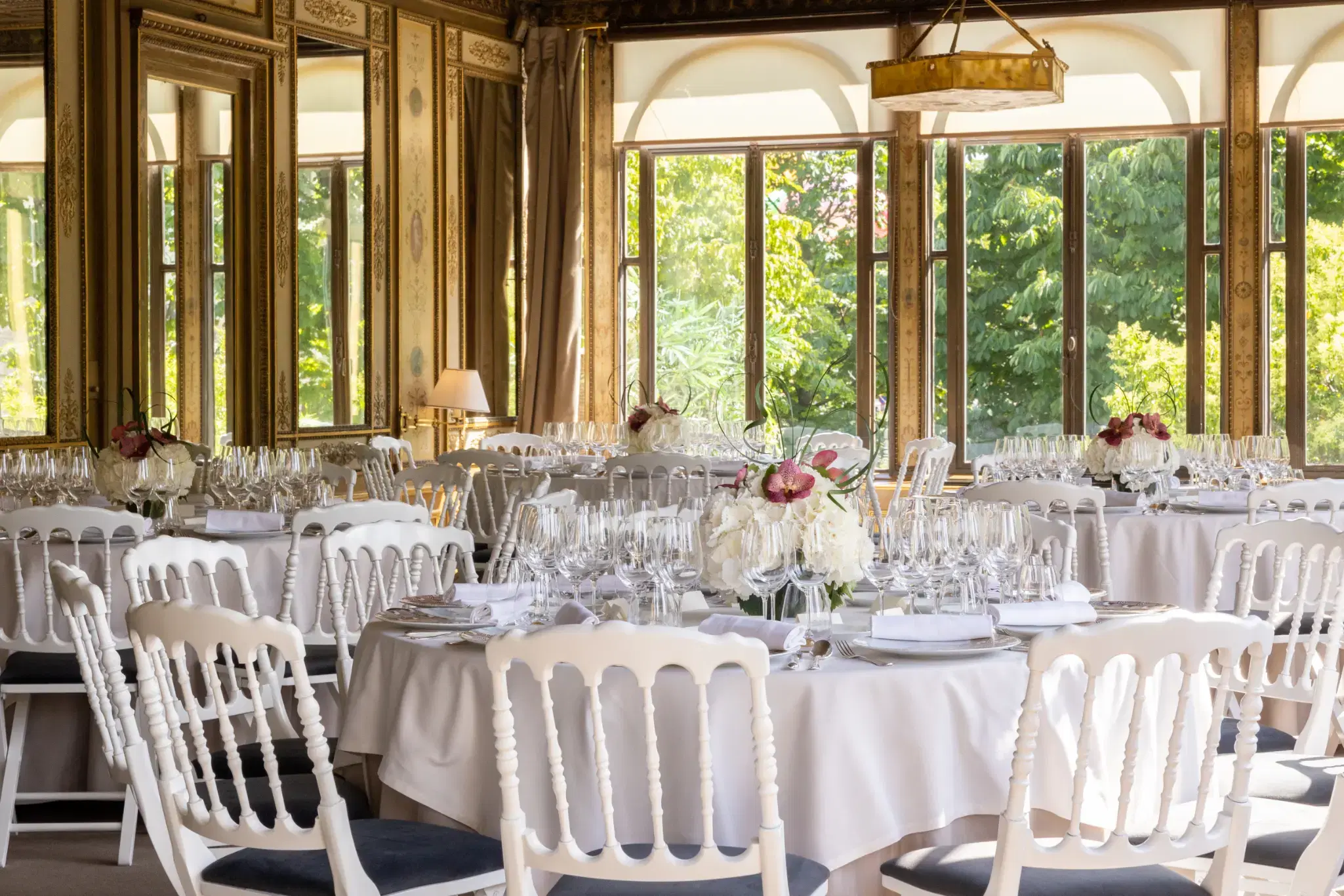
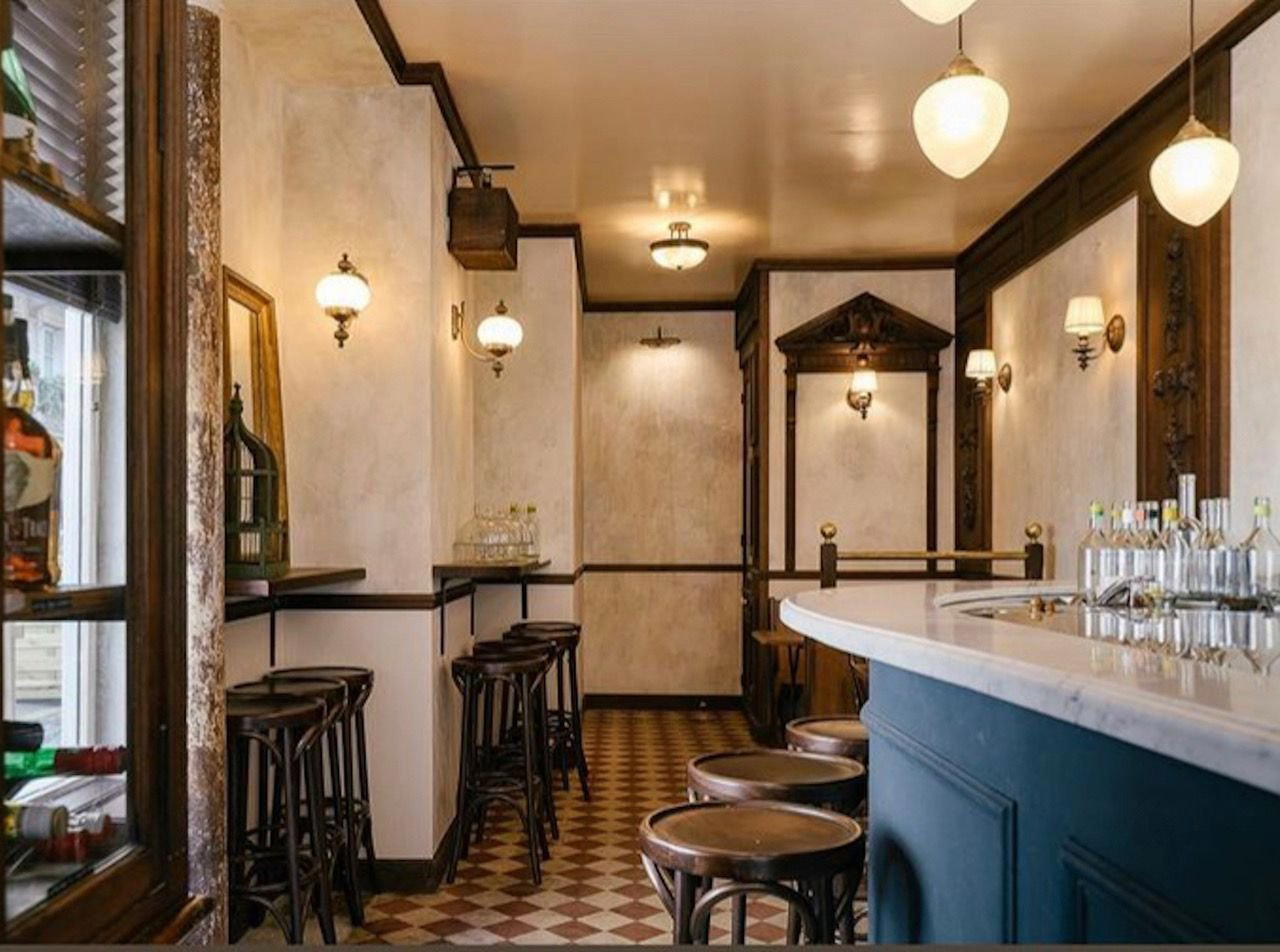
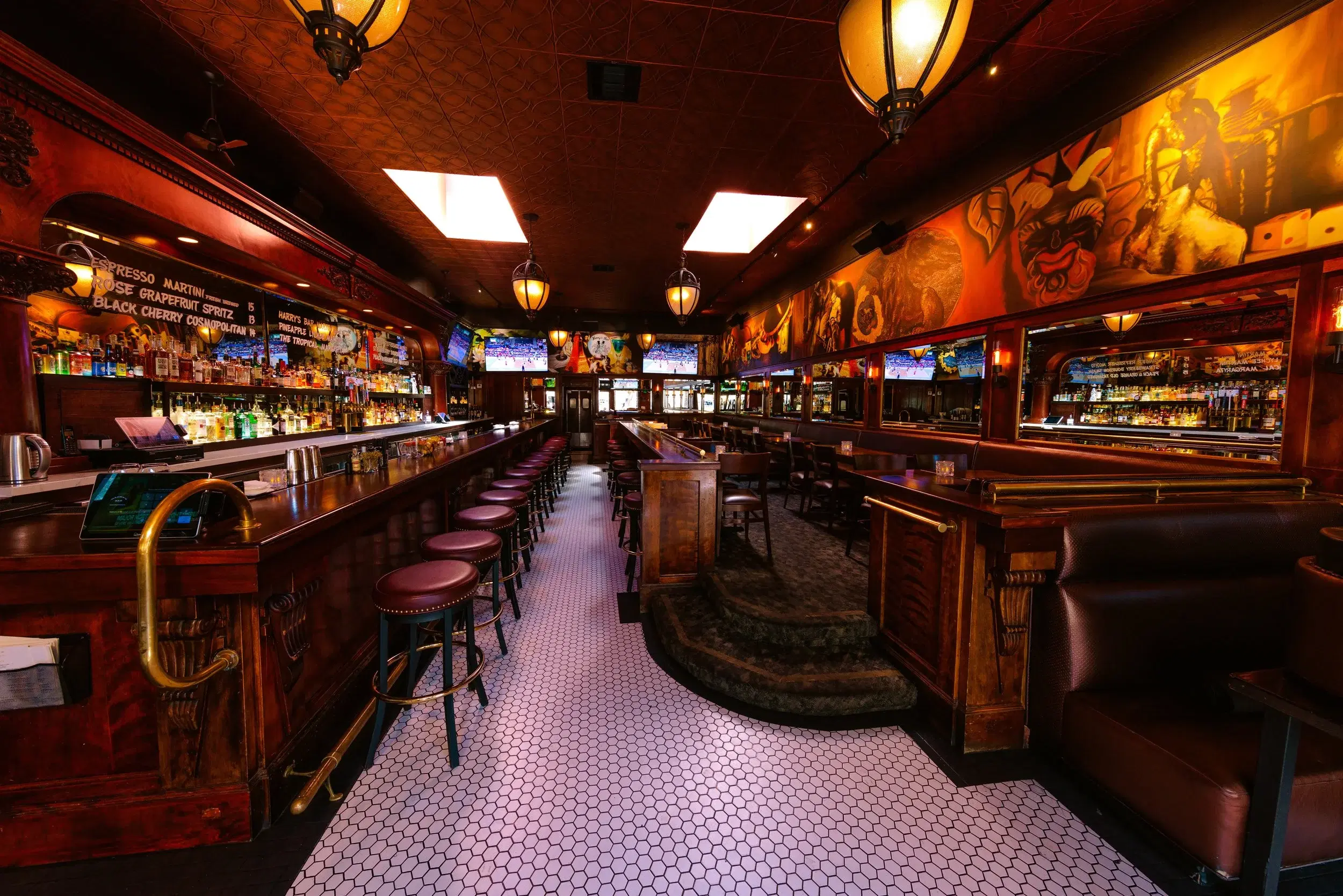
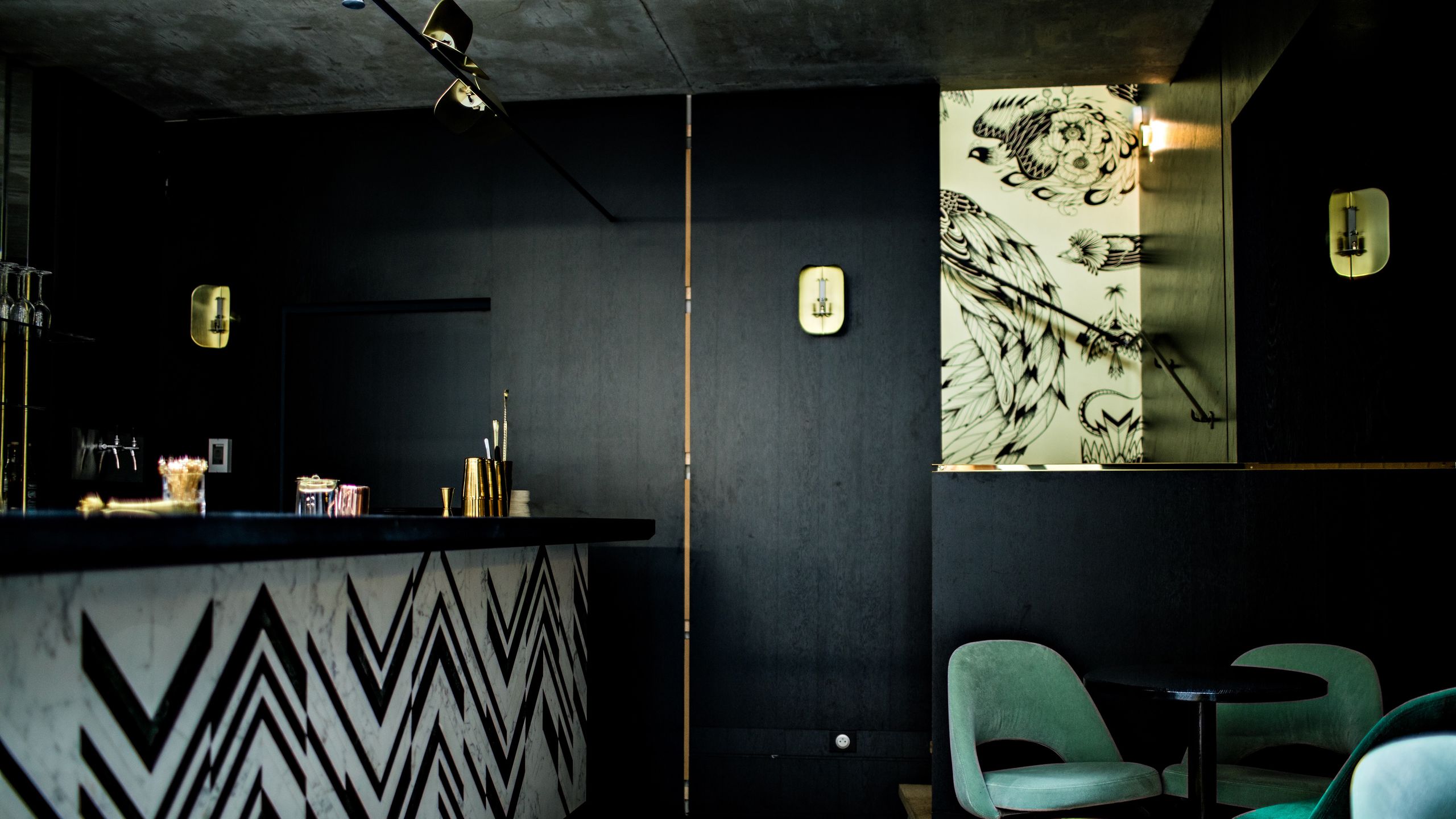
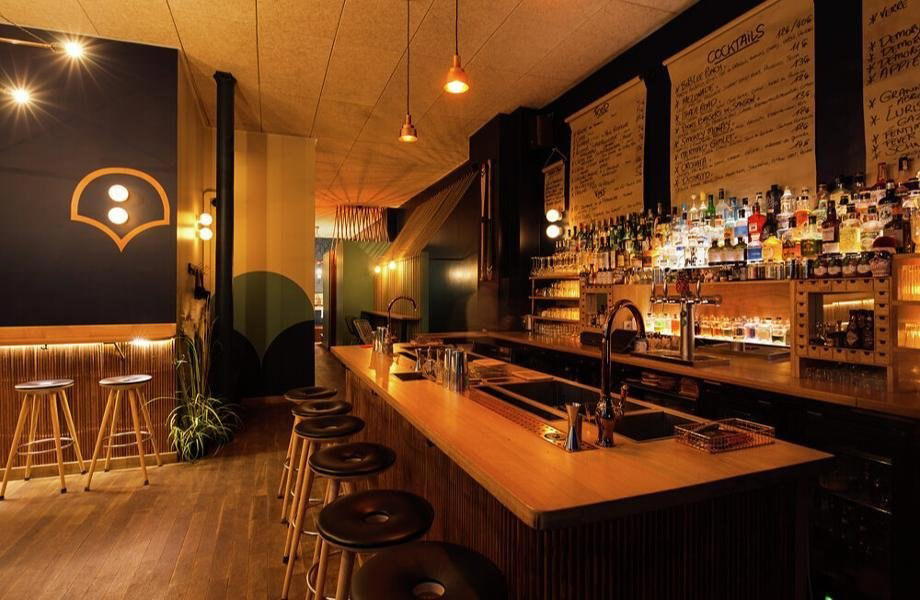
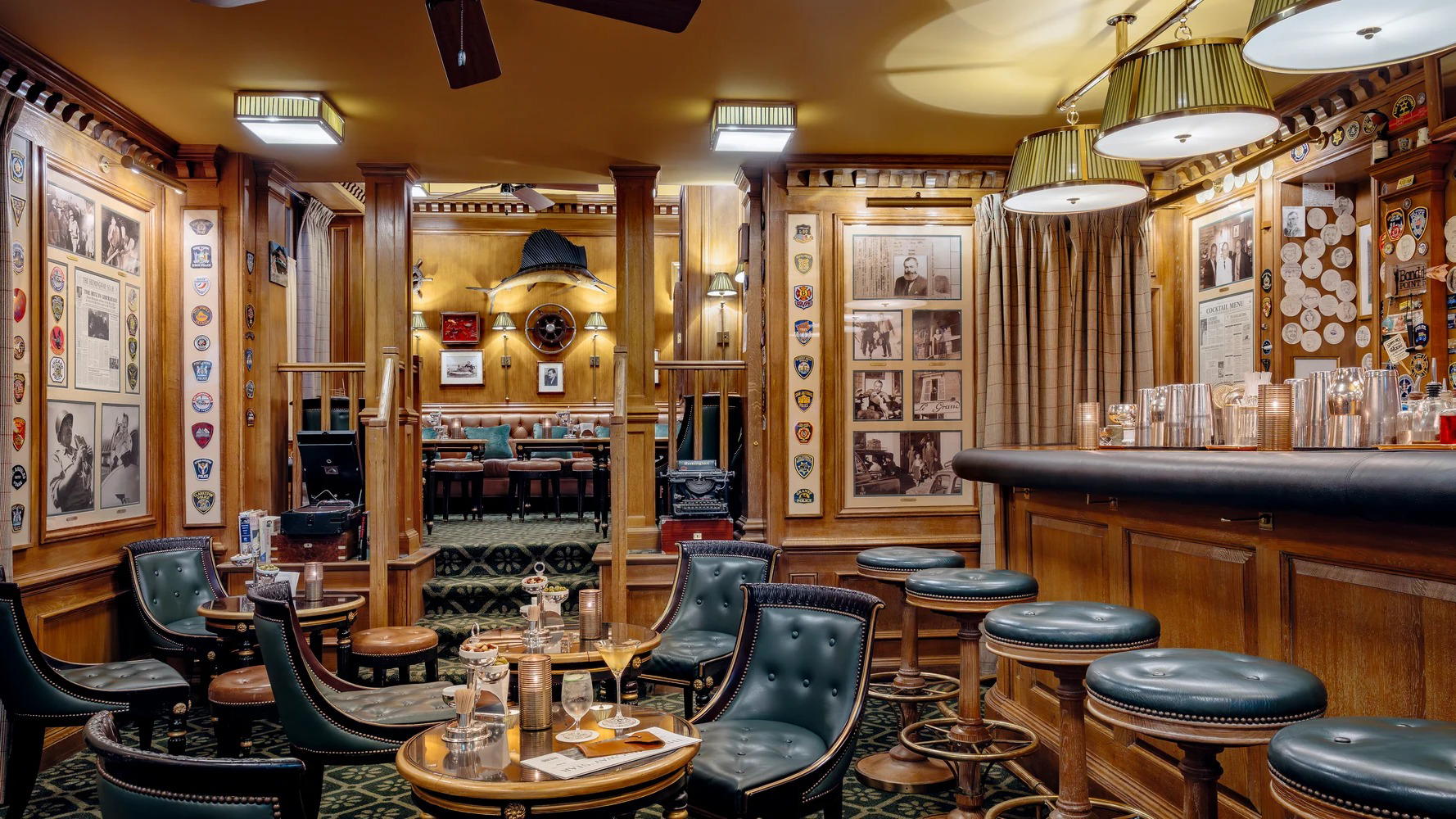
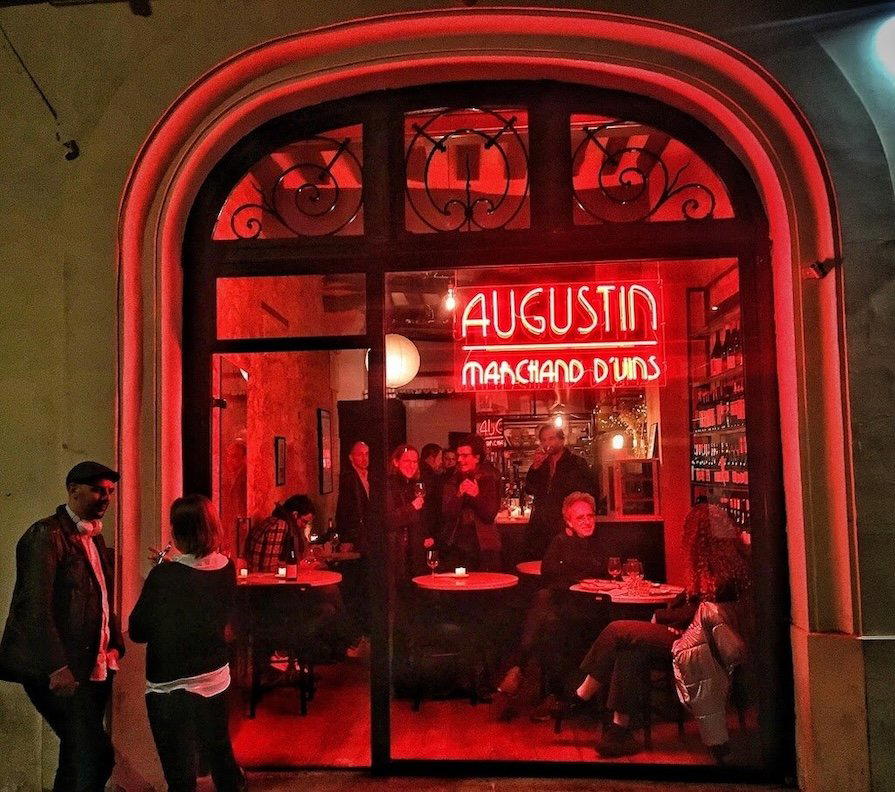
100% Parisian bistro atmosphere with rattan chairs, leather banquettes, and a convivial, modern touch on traditional vibes.
Know Before You Go
- Getting there
- 2 Rue des Trois Frères, 75018 Paris, France