Google: 4.7 · 685 reviews


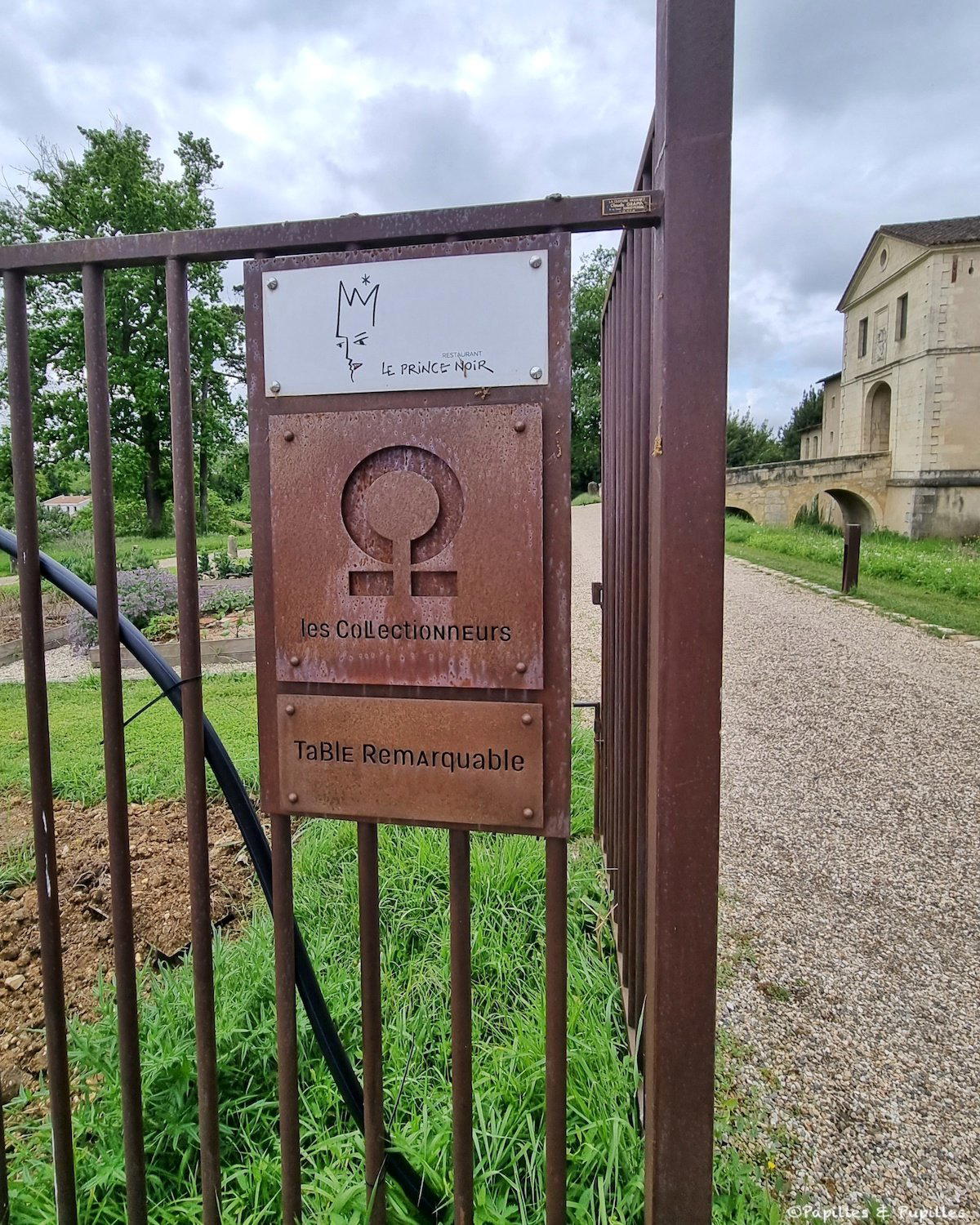
Housed in a château setting in Lormont, just east of Bordeaux, Le Prince Noir puts plant-based cooking and local sourcing at the centre of a menu shaped by classical French technique. Chef Vivien Durand earned a White Star recognition from Star Wine List in 2025, and the wine program matches the kitchen's commitment to the region. A serious address for anyone exploring the Bordeaux wine country beyond the châteaux circuit.
 Discover on Pearl
Pearl is the En Primeur Club membership app — saves, bookings, and concierge access live there. Same editors, same standards.
A Château Setting East of the River
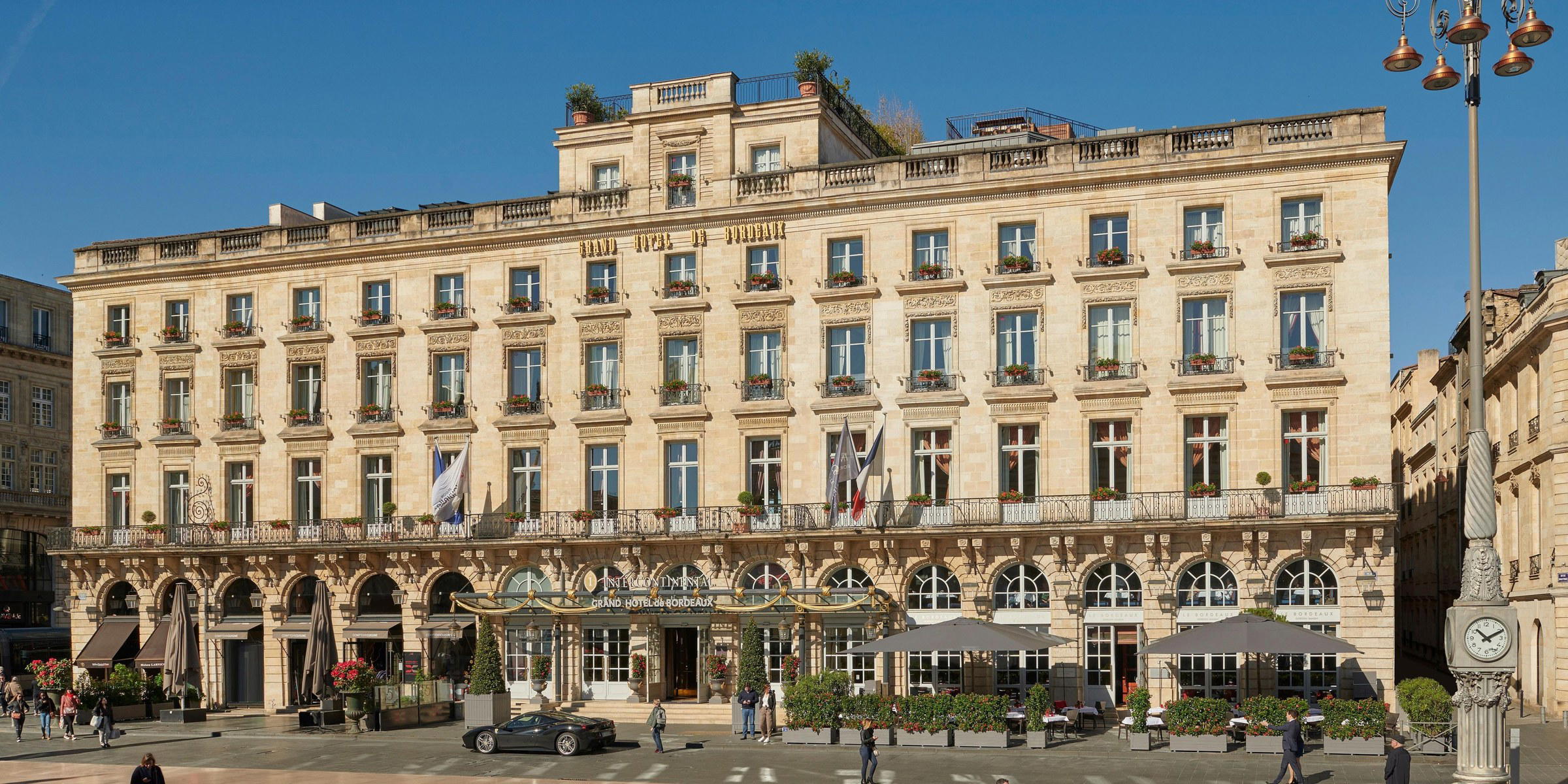
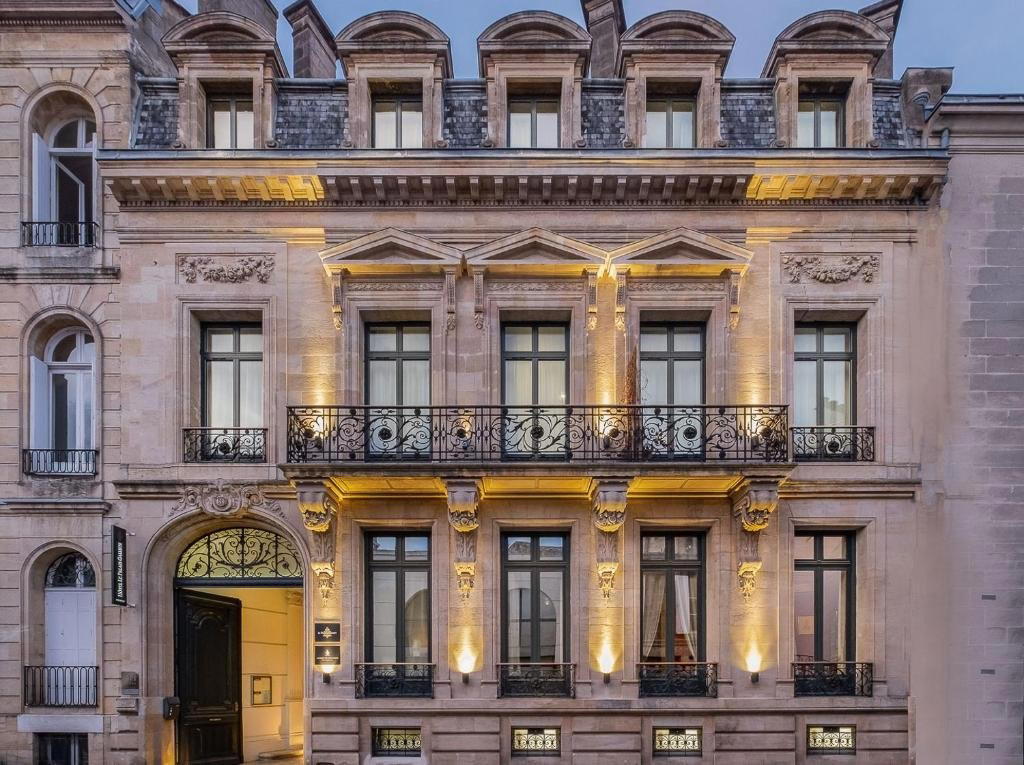
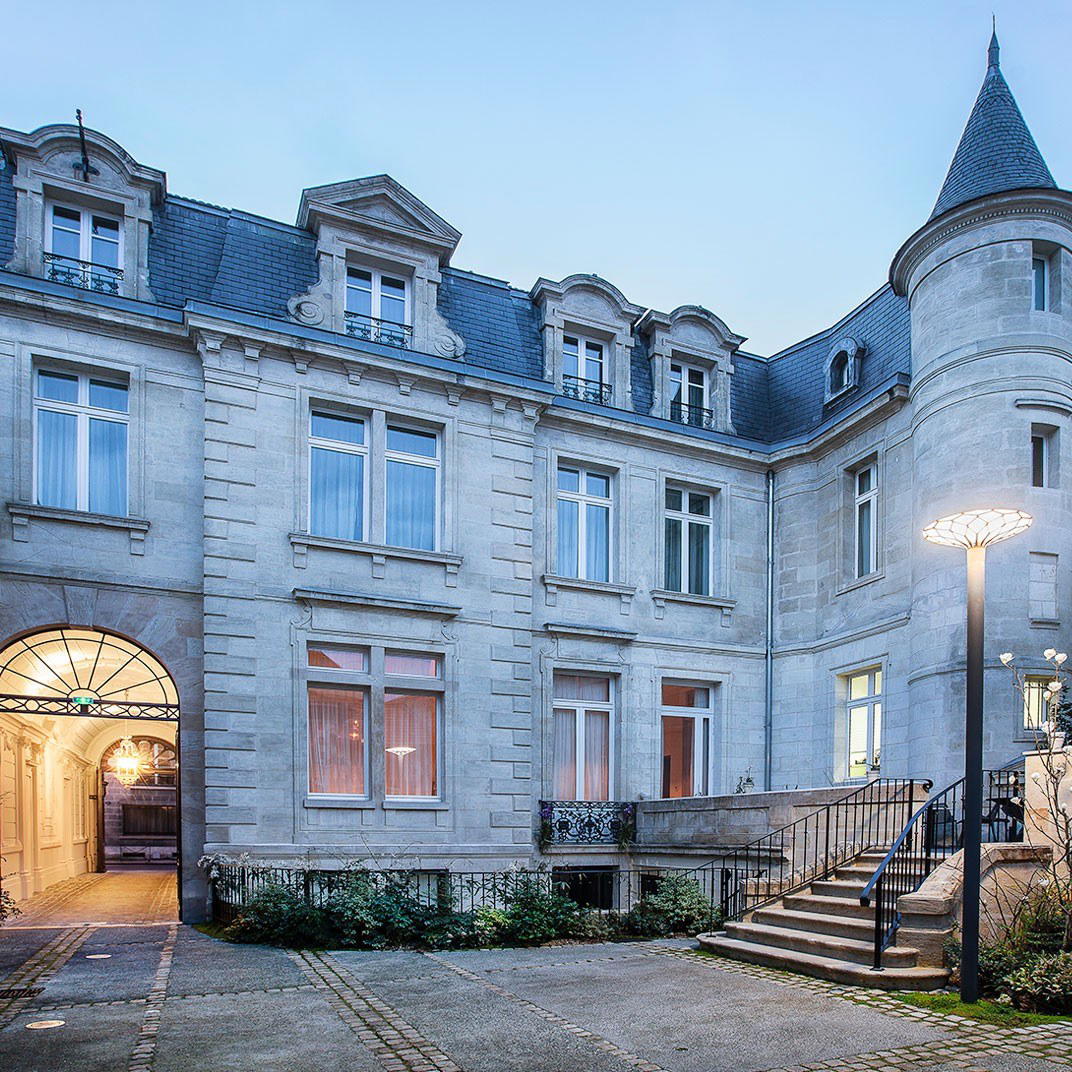
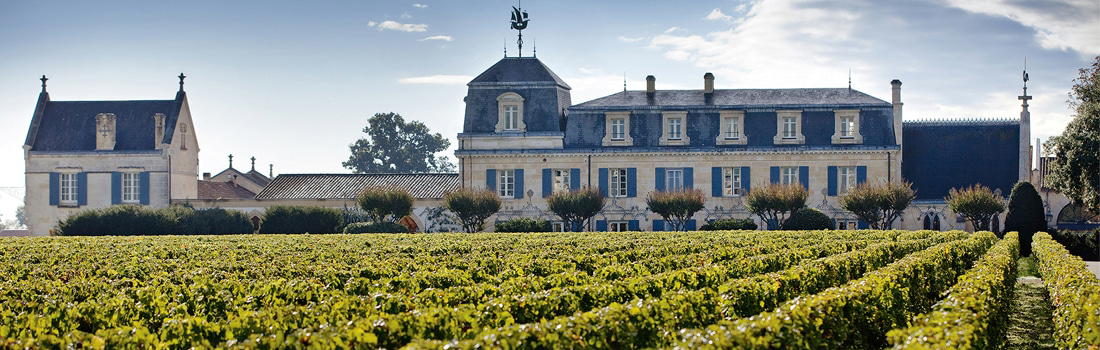
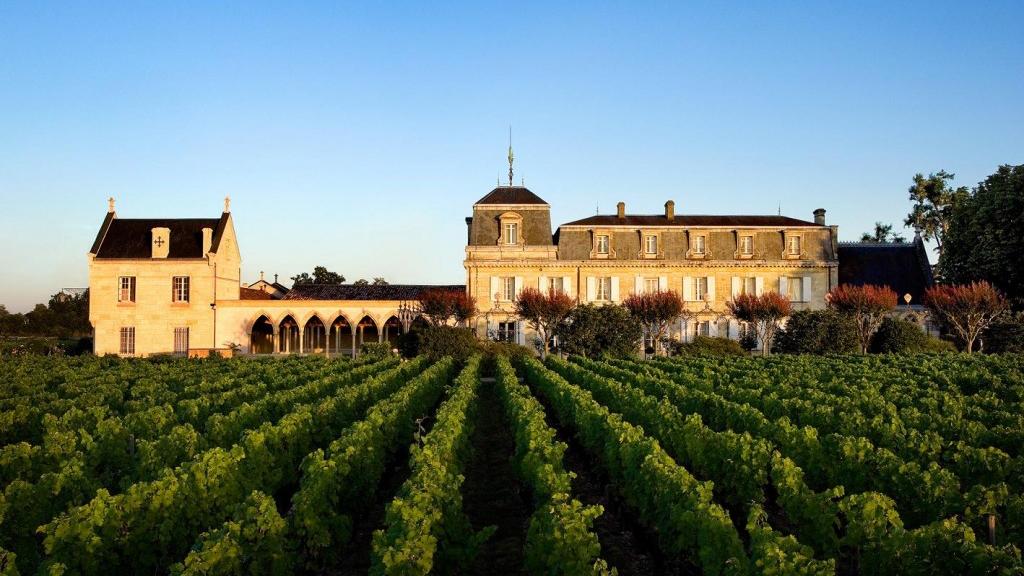
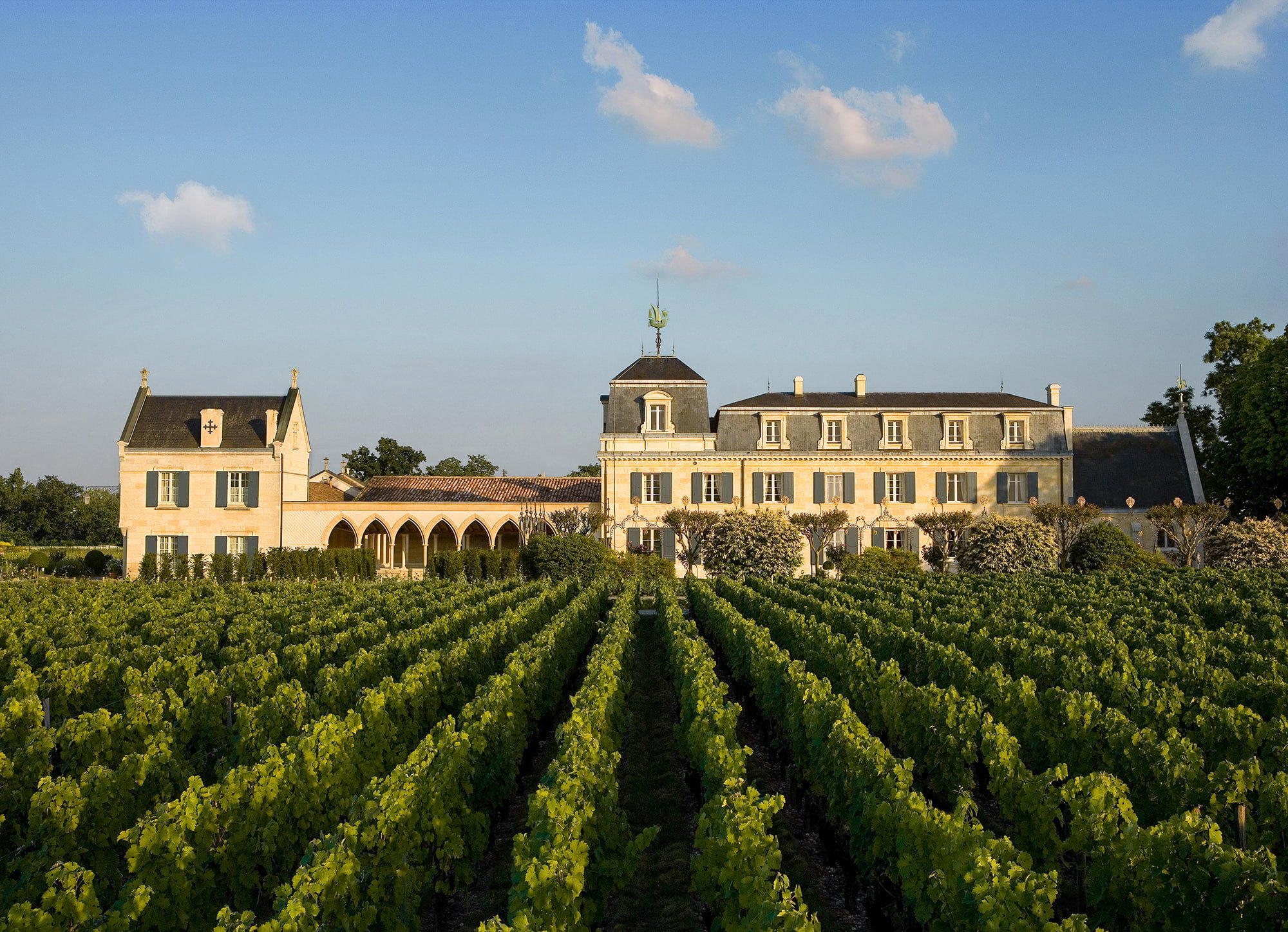
The right bank of the Garonne has long played second to Bordeaux's left-bank prestige, but Lormont sits close enough to the city to draw a dinner crowd and far enough to feel removed from it. Le Prince Noir occupies a château in that zone, and the physical context does real work before a plate arrives. Stone architecture, a setting defined by the Bordeaux wine region rather than the urban centre, and a room that reads as both historic and current: this is the kind of venue that France's provincial dining tradition produces when the chef and the building find each other at the right moment.
That combination of rooted setting and contemporary kitchen sensibility has become a recognisable format across France's non-Parisian fine dining scene. At Bras in Laguiole, the landscape feeds directly into the menu's logic. At Flocons de Sel in Megève, the Alpine environment shapes both ingredient sourcing and aesthetic register. Le Prince Noir sits inside that same tradition: the building and its surroundings are not backdrop but argument.
Where the Food Comes From
The sourcing logic at Le Prince Noir is the most instructive entry point into what the kitchen is doing. Chef Vivien Durand draws on local produce from the Bordeaux region, and plant-based cooking occupies a prominent position in the menu, which is a more deliberate stance than it might first appear. Plant-forward cooking at this level requires a tighter relationship with growers than a traditional protein-centred kitchen, because the ingredient itself carries more of the narrative. There is nowhere to hide behind a well-sourced cut of meat.
This discipline connects Le Prince Noir to a broader movement in French fine dining, where the sourcing chain has become an editorial statement rather than a logistical footnote. Kitchens at Mirazur in Menton have made provenance the organising principle of the menu, running their own gardens and structuring tasting menus around what is ready rather than what is expected. The approach at Le Prince Noir operates within the same intellectual framework, applied to the agricultural reality of Aquitaine.
The Bordeaux region is richer in vegetable and grain culture than its wine-dominated identity suggests. Market towns within easy reach of Lormont supply the kind of seasonal produce that makes a plant-forward kitchen credible rather than fashionable. When a restaurant commits to this kind of sourcing, the menu shifts with the season in ways that reward return visits across the year rather than a single reference meal.
Classical Foundations, Contemporary Execution
What keeps Le Prince Noir anchored is the classical French training evident in its approach. The kitchen does not abandon technique in favour of ideology. Plant-based does not mean stripped-down; it means that the same technical precision applied to a protein-led menu gets redirected toward vegetables, legumes, and grains. The result reads as hip in aesthetic presentation, but the foundations are orthodox.
This is a meaningful distinction in a country where classical training still defines the reference point for serious cooking. Compare the trajectory of kitchens at Alléno Paris au Pavillon Ledoyen or Assiette Champenoise in Reims, where classical rigour and contemporary vision coexist without either one subordinating the other. The French fine dining tradition, at its most interesting, does not require a choice between the two. Le Prince Noir operates in that space.
The White Star recognition from Star Wine List, awarded in September 2025, signals something specific about the wine program: it is curated with the same seriousness as the kitchen. In a region where wine is the primary cultural export, that matters. A restaurant in the Bordeaux wine country that earns recognition for its wine program is making a statement about curation rather than simply stocking the obvious regional labels.
The Wine Dimension
Star Wine List's White Star designation places Le Prince Noir in a category of restaurants where the wine program has been assessed as genuinely strong rather than merely adequate. The Bordeaux region offers an obvious inventory to draw from, but the more interesting question is how a kitchen focused on plant-based cooking pairs wine to food that does not follow conventional protein-and-sauce logic.
The pairing tradition for vegetable-forward menus has evolved considerably over the past decade, and the Bordeaux region's own diversity, spanning dry whites from Pessac-Léognan, sweet wines from Sauternes, and the full Merlot-to-Cabernet range of the right and left banks, gives a sommelier real latitude. The fact that the wine recognition and the local-sourcing kitchen exist in the same address is less a coincidence than a structural advantage of being located in one of France's most complete wine regions.
For readers who want to place Le Prince Noir within a broader understanding of serious French restaurant wine programs, addresses like Auberge de l'Ill in Illhaeusern and Troisgros in Ouches represent the standard the category holds itself to.
Planning Your Visit
Le Prince Noir is located at 1 Rue du Prince Noir, 33310 Lormont, on the right bank of the Garonne, a short drive from central Bordeaux and accessible by public transport from the city. The château setting and the restaurant's positioning within the Bordeaux wine region make it a natural anchor for a longer stay in the area, and accommodation options in Lormont are worth considering for those who want to avoid the drive back to the city after a full dinner. Given the wine program's depth, that is a practical rather than merely convenient consideration.
For a broader orientation to dining in the area, our full Lormont restaurants guide covers the local scene in more detail. Those wanting to extend beyond restaurants will find relevant listings in our Lormont bars guide, wineries guide, and experiences guide. Full details on Le Prince Noir, including current booking availability, are listed on the Le Prince Noir venue page.
Comparison Snapshot
These are the closest comparables we have in our database for quick context.
| Venue | Cuisine | Price | Awards | Notes |
|---|---|---|---|---|
| Le Prince Noir | Le Prince Noir is a restaurant in Lormont, France. It was published on Star Wine… | This venue | ||
| Alléno Paris au Pavillon Ledoyen | Creative | €€€€ | Michelin 3 Star | Creative, €€€€ |
| Kei | Contemporary French, Modern Cuisine | €€€€ | Michelin 3 Star | Contemporary French, Modern Cuisine, €€€€ |
| L'Ambroisie | French, Classic Cuisine | €€€€ | Michelin 3 Star | French, Classic Cuisine, €€€€ |
| Le Cinq - Four Seasons Hôtel George V | French, Modern Cuisine | €€€€ | Michelin 3 Star | French, Modern Cuisine, €€€€ |
| Mirazur | Modern French, Creative | €€€€ | Michelin 3 Star | Modern French, Creative, €€€€ |
Continue exploring
More in Lormont
Restaurants in Lormont
Browse all →
Bars in Lormont
Browse all →
Hotels in Lormont
Browse all →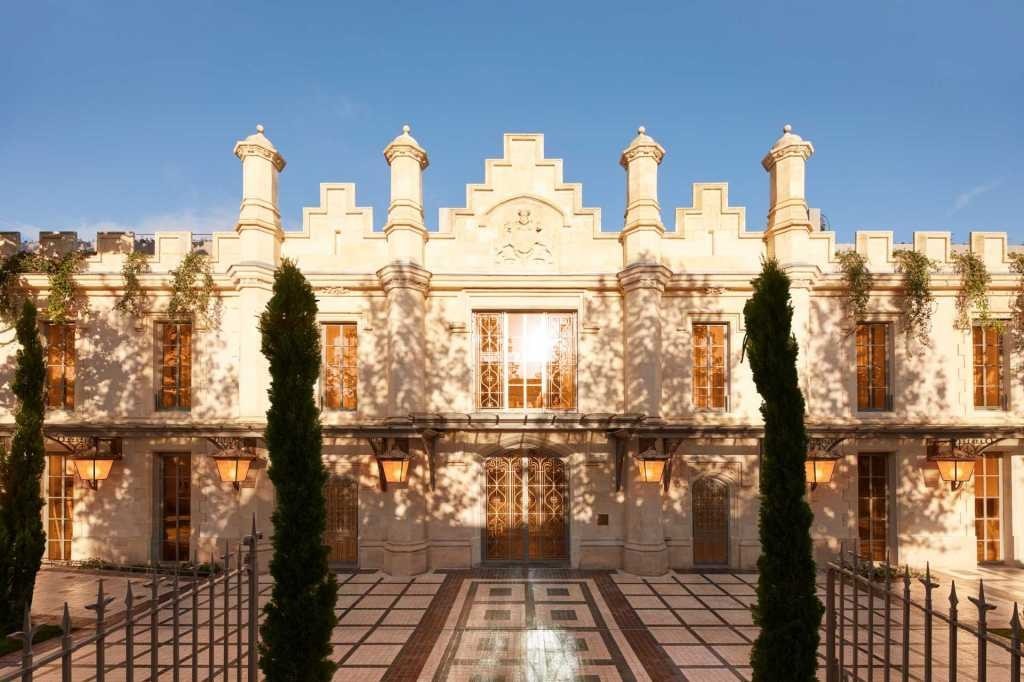
At a Glance
- Elegant
- Sophisticated
- Cozy
- Modern
- Intimate
- Date Night
- Special Occasion
- Business Dinner
- Historic Building
- Open Kitchen
- Terrace
- Extensive Wine List
- Local Sourcing
- Street Scene
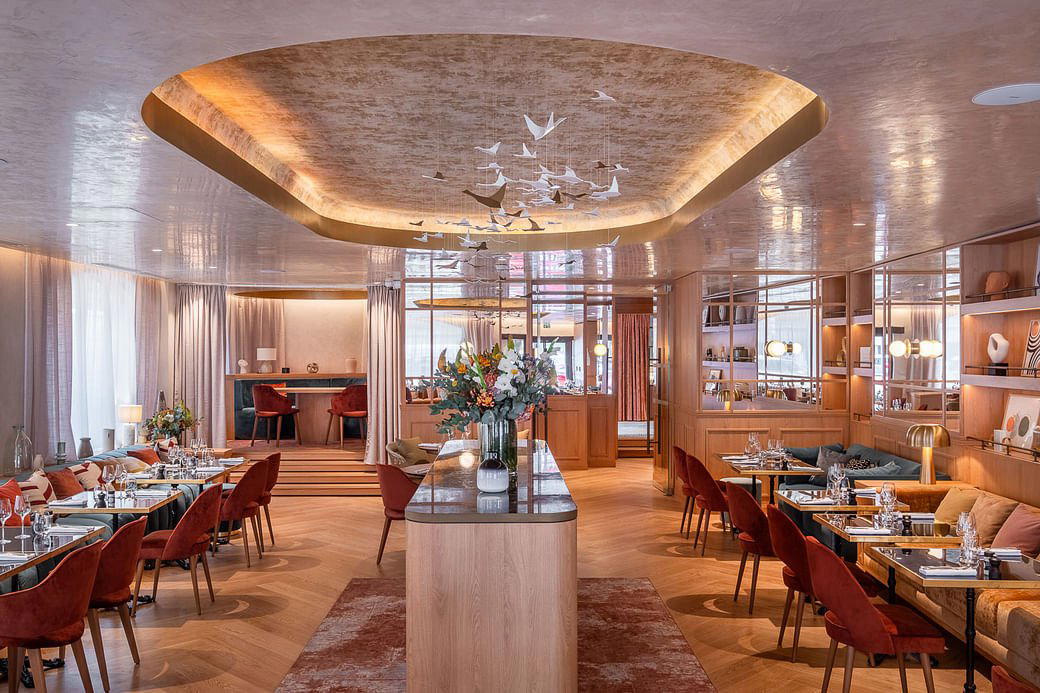
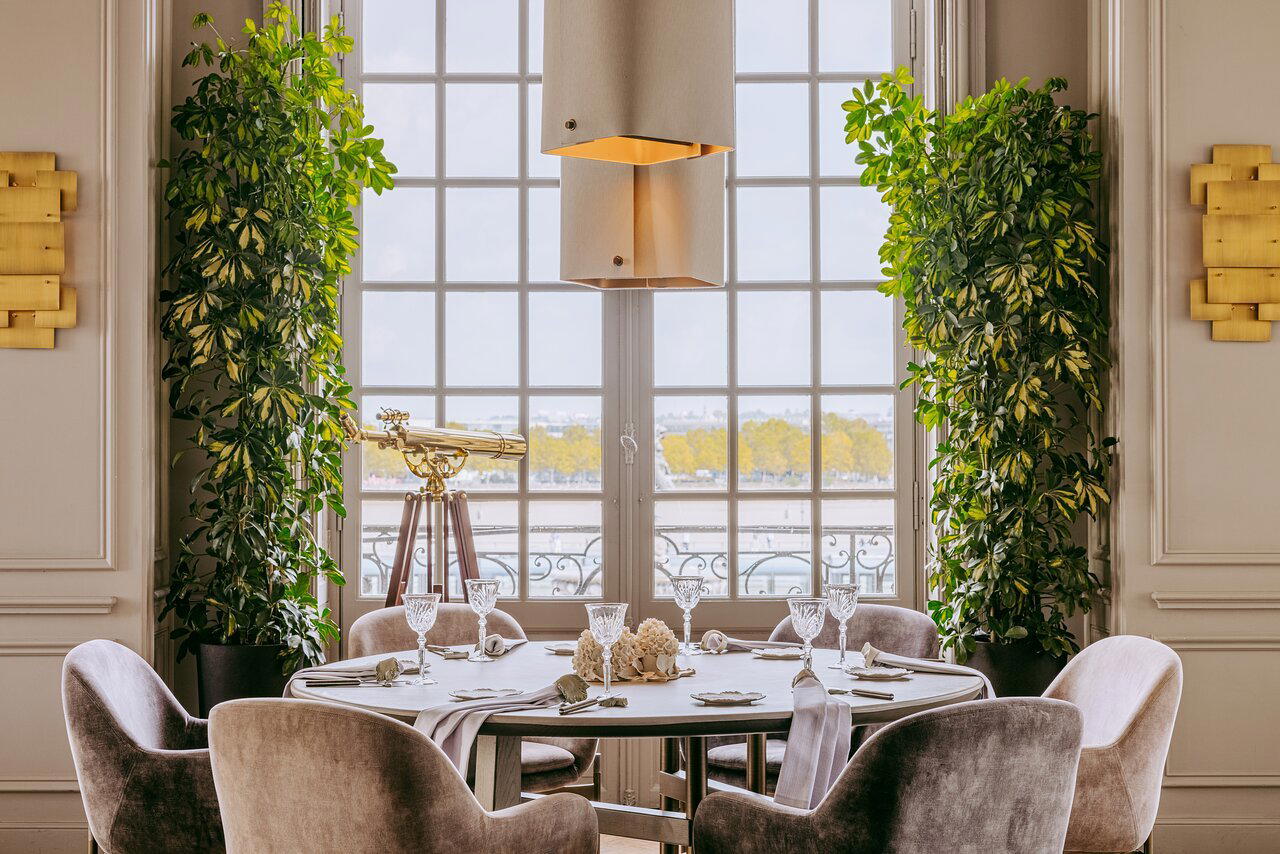
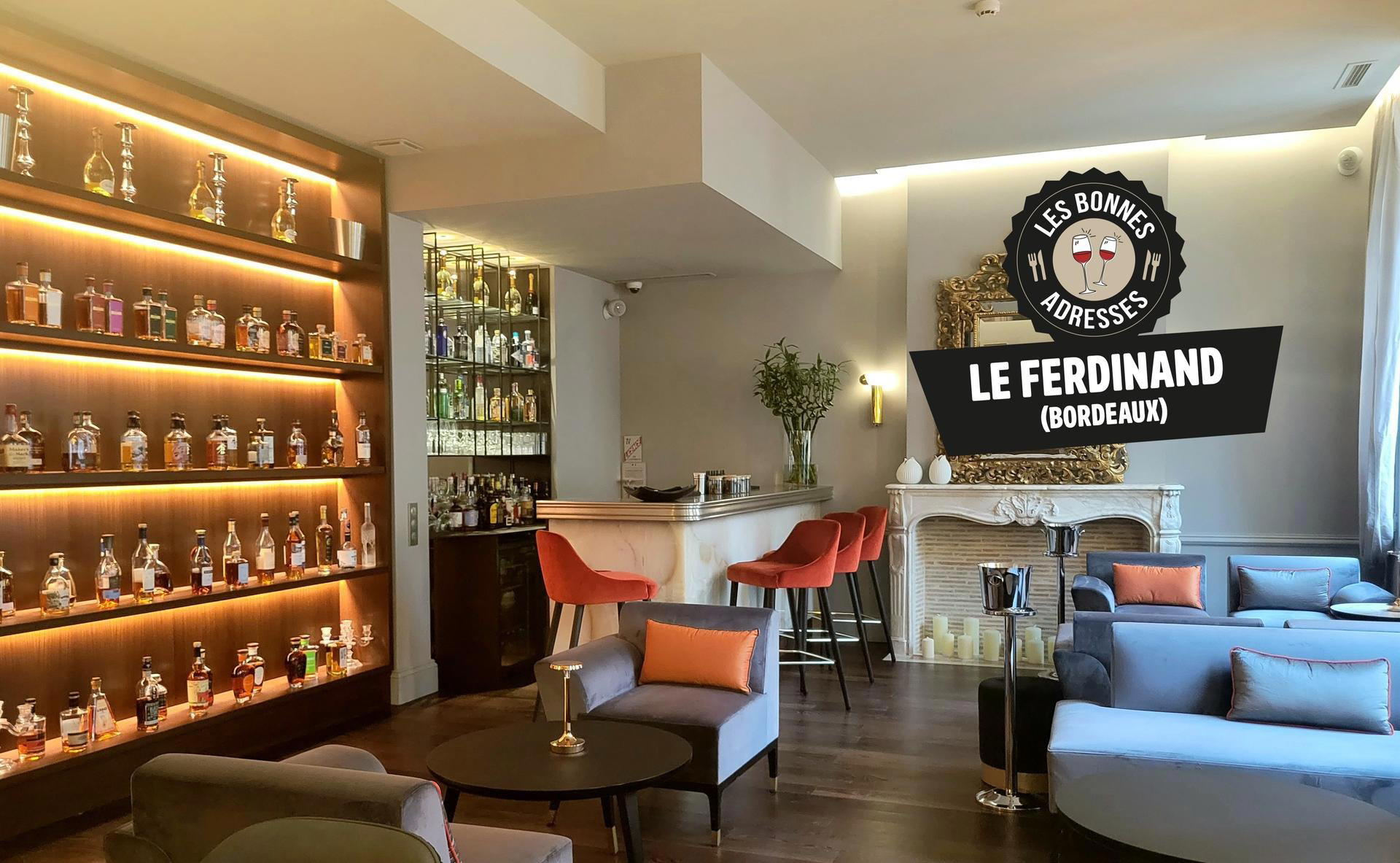
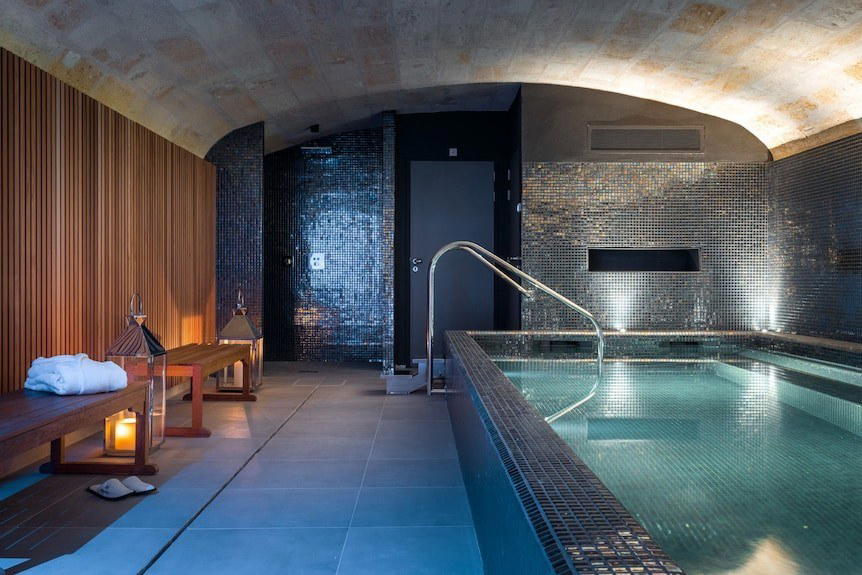
Contemporary and elegant with clean lines, indirect warm lighting, and large windows offering panoramic park and bridge views in a historic setting.