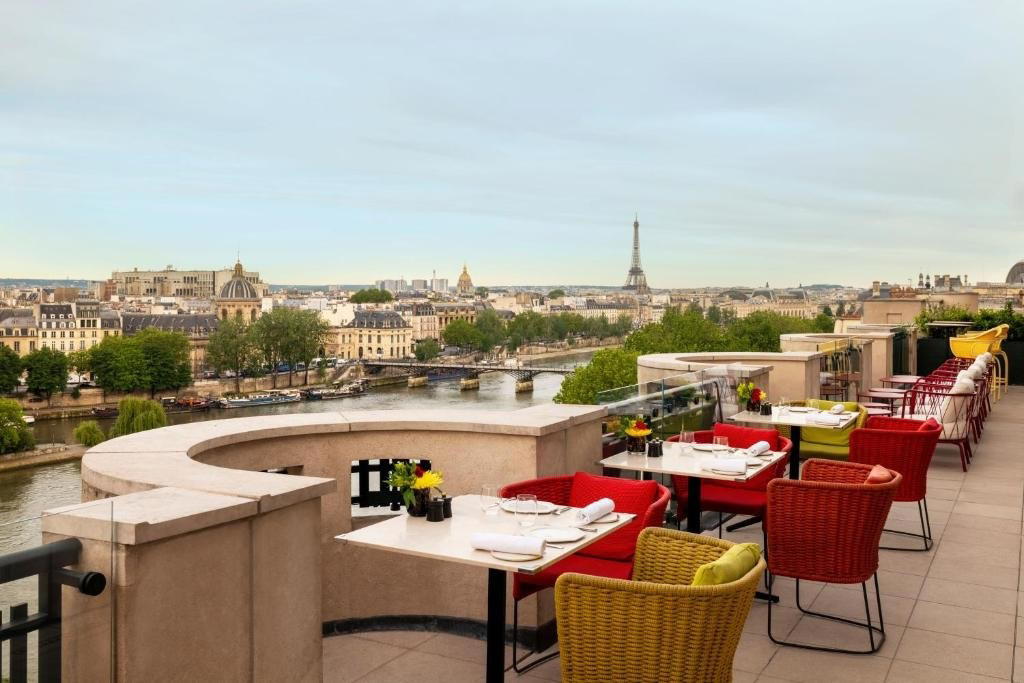
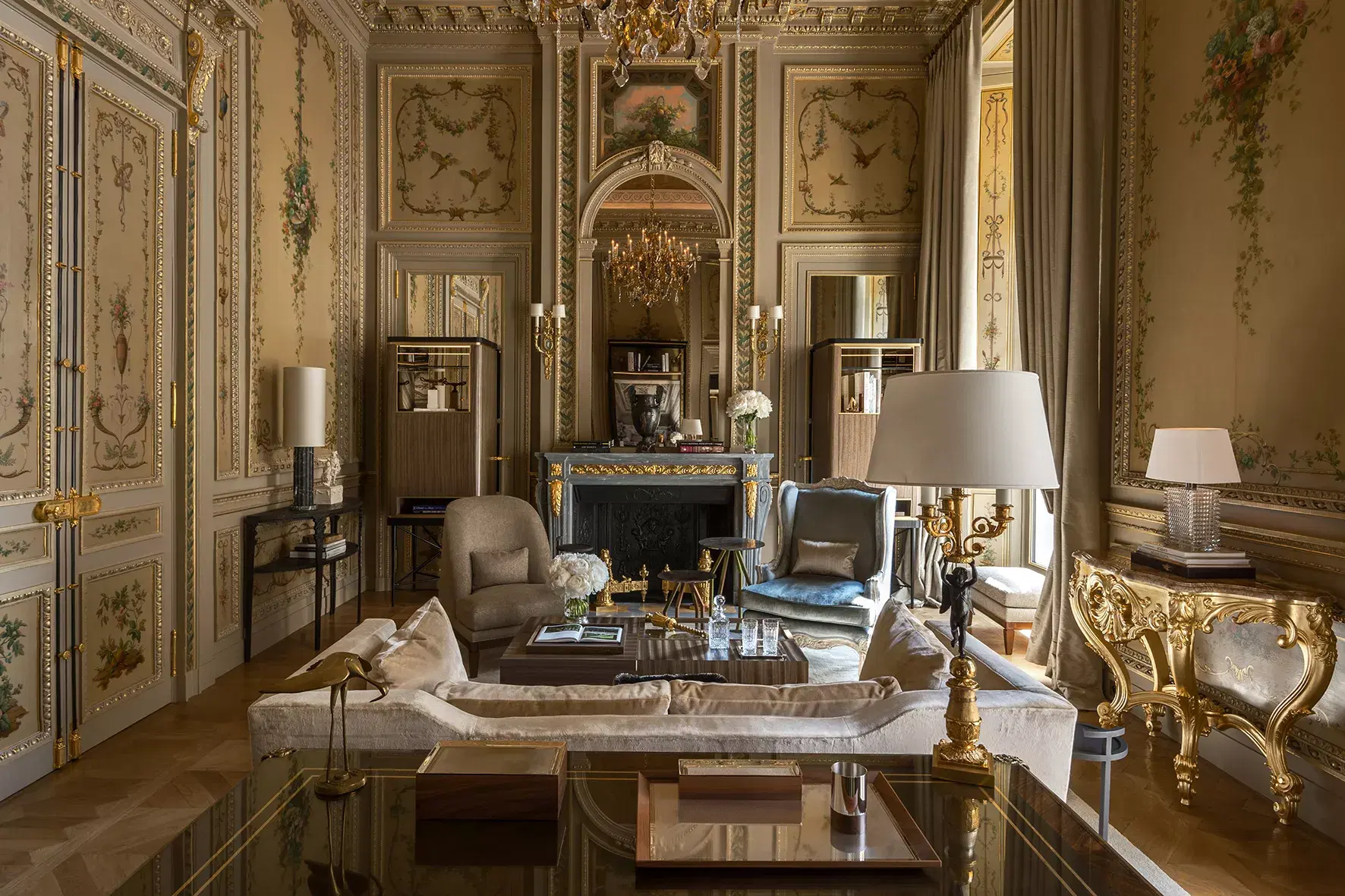
Vaudeville occupies a storied address at 29 Rue Vivienne in Paris's 2nd arrondissement, positioned within the historic Grands Boulevards corridor where brasserie tradition and financial-district energy have defined the neighbourhood's dining character for over a century. The room itself makes the case before a plate arrives: ornate Belle Époque detailing, the particular hum of a room that has absorbed decades of theatre-goers, traders, and journalists. It belongs to a category of Parisian dining rooms where the architecture does as much work as the kitchen.
Pearl is the En Primeur Club membership app — saves, bookings, and concierge access live there. Same editors, same standards.
- Address
- 29 Rue Vivienne, 75002 Paris, France
- Phone
- +33140200462
- Website
- vaudevilleparis.com
- Directions
- Get directions
 Saves & bookings on Pearl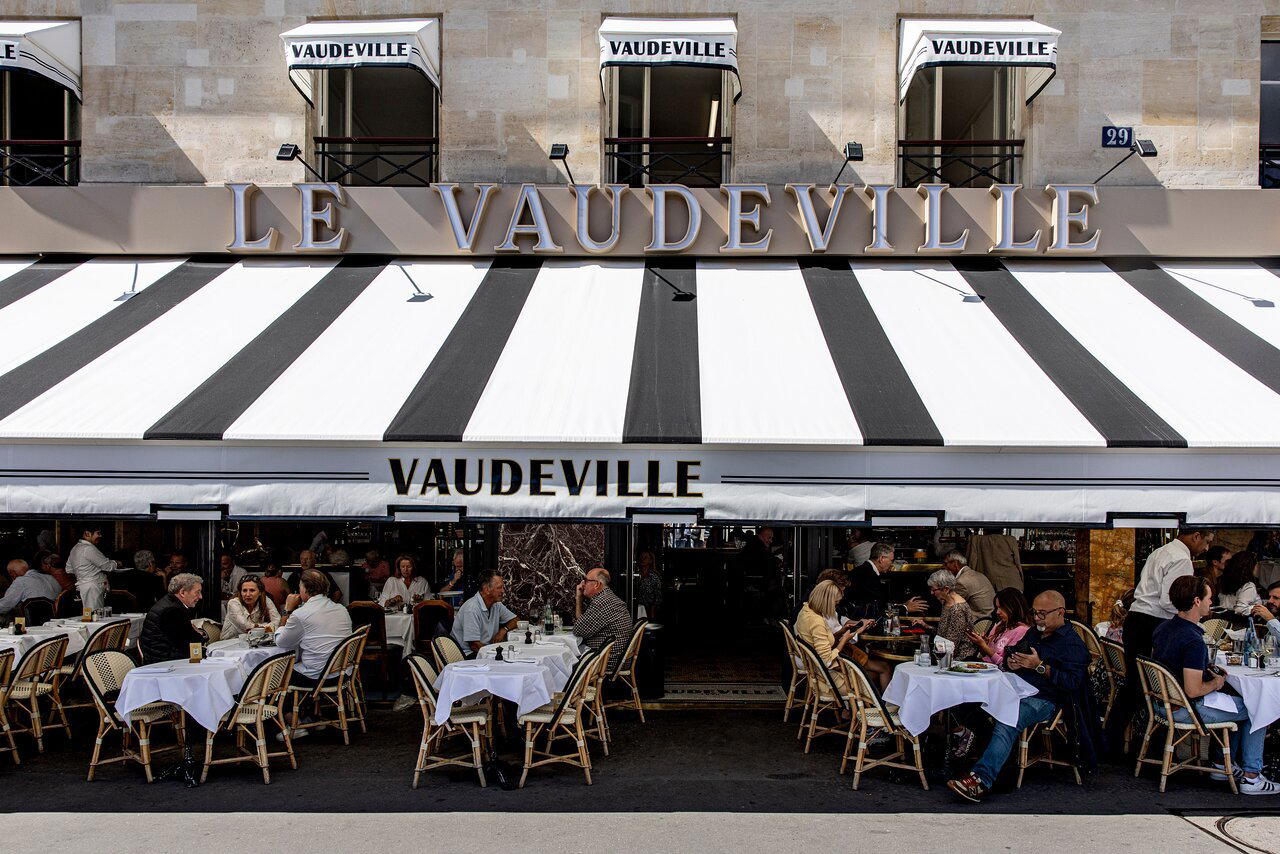
The Room Before the Meal: Rue Vivienne and the Brasserie Tradition
Vaudeville is a classic French brasserie at 29 Rue Vivienne, 75002 Paris, serving a smart casual, reservation-recommended dining room in Paris's 2nd arrondissement. The Grands Boulevards corridor, running east from the Palais-Royal through the old financial quarter, accumulated its restaurants and brasseries organically, driven by the rhythms of the Bourse, the press houses of Rue du Croissant, and the theatre crowds spilling out of the Opéra Comique. Vaudeville, at 29 Rue Vivienne, sits at the centre of that inheritance. Before the food becomes the subject, the building commands it: the kind of Belle Époque interior where the marble, the brass, and the high ceiling carry the weight of a hundred years of habitual dining. In a city that has watched many of its grand brasserie rooms stripped back or converted, rooms like this one preserve a particular Parisian form.
The Grands Boulevards brasserie category is distinct from both the small bistrot and the formal Michelin table. Venues like L'Ambroisie on Place des Vosges or Le Cinq at the Four Seasons George V operate in an entirely different register, their kitchens calibrated for technical precision and their rooms designed for ceremony. The grand brasserie is calibrated for something else: volume, continuity, and the sense that the room will be here tomorrow in roughly the same configuration. That continuity is its own form of credibility.
The Arc of a Meal: Sequencing and Tradition
The logic of the meal's progression in the brasserie tradition follows a different grammar than the tasting menu format favoured at places like Alléno Paris au Pavillon Ledoyen or Arpège. Where the latter constructs a narrative arc through a fixed sequence of courses, the brasserie asks the diner to build their own. The menu functions as a grid of established preparations, and the intelligence of the meal comes from how a diner assembles it.
Classic Parisian brasserie sequence has its own internal logic: a cold shellfish opening, a main course anchored by either a piece of protein or a fish preparation of genuine weight, a cheese course that in the better rooms reflects genuine affinage rather than a perfunctory selection, and a dessert that tends toward the classical rather than the experimental. At the higher end of this format, that sequence is executed with a consistency that the experimental kitchen cannot always guarantee. The repetition is the point. France's broader fine-dining circuit, from Troisgros in Ouches to Mirazur in Menton, operates at the frontier of what French cuisine can do technically. The brasserie operates at the frontier of what it can do reliably.
Shellfish in Paris follows the Atlantic supply chain: oysters from Cancale or Marennes-Oléron, langoustines from Breton waters, prawns from the Bay of Biscay. A room that takes its plateau de fruits de mer seriously is sourcing daily and displaying on ice what came in that morning. The quality floor is determined by the supplier relationship, not by the kitchen's technical ambition.
Where Vaudeville Sits in the Paris Brasserie Tier
Paris's surviving grand brasseries occupy a consolidated position in the city's dining landscape. The category lost several addresses over the past two decades to conversion or concept drift, which makes the ones that maintained their rooms and their format more significant as reference points. Within the 2nd arrondissement specifically, the Rue Vivienne address places Vaudeville near both the Galerie Vivienne, one of the city's best-preserved covered arcades, and the Bibliothèque nationale de France's original Richelieu site. The neighbourhood draws a consistent mix of local office workers at lunch and a more tourist-aware crowd in the evenings, which is a dynamic that the better brasseries manage through floor discipline and a menu that does not require explanation.
In comparison with the technical ambition of Kei in the 1st, where French classical structure meets Japanese precision, or the creative pressure of AM par Alexandre Mazzia in Marseille, Vaudeville positions itself around a different value proposition: the room, the hour, the rhythm of a meal that has not been engineered to surprise. That is not a lesser ambition in the Parisian context; it is a different one.
France's regional fine-dining circuit offers its own contrasts. Auberge de l'Ill in Illhaeusern, Bras in Laguiole, and Paul Bocuse's Auberge du Pont de Collonges each represent a specific regional identity, rooted in place and in a kitchen philosophy that took decades to form. Paris's grand brasseries represent something structurally different: a civic dining form, shaped by the city rather than by a single creative vision. The comparison clarifies what each format is doing and why both remain necessary to a complete picture of French restaurant culture.
Planning a Visit: Practical Context
The Grands Boulevards area is well-served by public transport, with Bourse station on Métro Line 3 within a short walk. Lunch service in the 2nd arrondissement moves quickly, driven by the office crowd, while evening service tends to run longer and at a more deliberate pace.
| Venue | Format | Price Tier | Booking Lead Time | Neighbourhood |
|---|---|---|---|---|
| Vaudeville | Grand Brasserie | Mid-range | Same-week to short notice typical for category | 2nd arr., Grands Boulevards |
| L'Ambroisie | Classic French | €€€€ | Several weeks ahead | 4th arr., Marais |
| Kei | Contemporary French-Japanese | €€€€ | Several weeks ahead | 1st arr., Louvre |
| Le Cinq | Modern French | €€€€ | Several weeks ahead | 8th arr., Golden Triangle |
For French fine dining outside the capital, Flocons de Sel in Megève, Assiette Champenoise in Reims, and Au Crocodile in Strasbourg provide useful calibration points for the range of what French restaurant culture looks like beyond Paris. For international reference, Le Bernardin in New York and Atomix show how French-informed technique travels. Auberge du Vieux Puits in Fontjoncouse rounds out the provincial picture at the three-star level.
- Gillardeau oysters
- steak tartare
- sole meunière
- calf's liver
- sauerkraut
- grilled entrecôte
- seafood platter
Style and Standing
Comparable venues nearby, for context on price, style, and recognition.
| Venue | Cuisine | Price | Notes |
|---|---|---|---|
| VaudevilleThis venue — the venue you are viewing | Classic French Brasserie | $$$ | Not listed |
| Le Trader's | Contemporary French Brasserie with Asian Fusion | $$$ | Bourse |
| Didon | Bistronomic French with Lebanese Accents | $$$ | Saint-Germain-des-Prés |
| Bistrot Des Tournelles | Classic French Bistro | $$$ | Le Marais |
| Chez Savy | Traditional French Brasserie | $$$ | 8th Arr. - Élysée |
| Pasco | Mediterranean-Influenced French Bistronomic | $$$ | Gros-Caillou |
Continue exploring
More in Paris
Restaurants in Paris
Browse all →
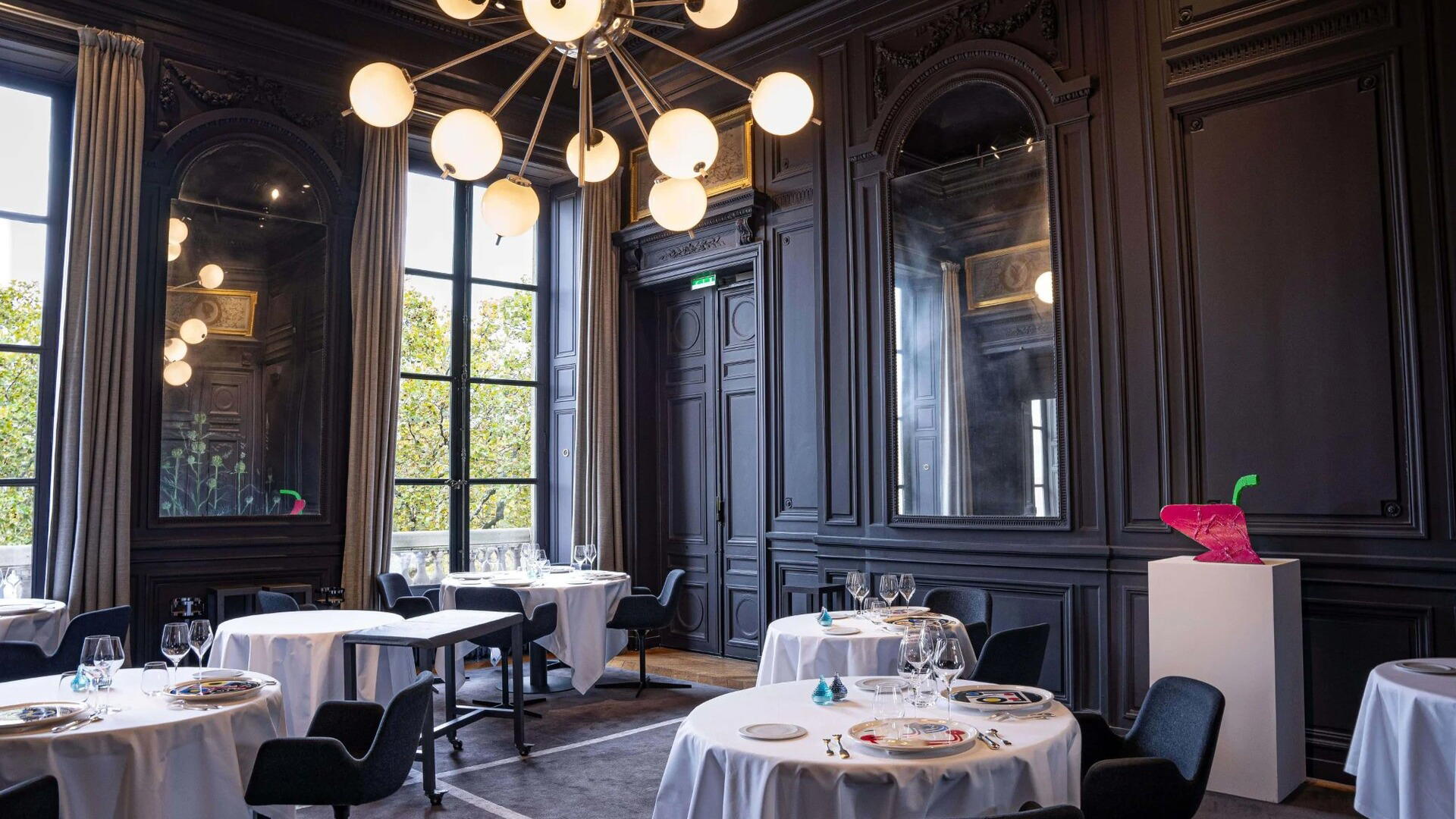
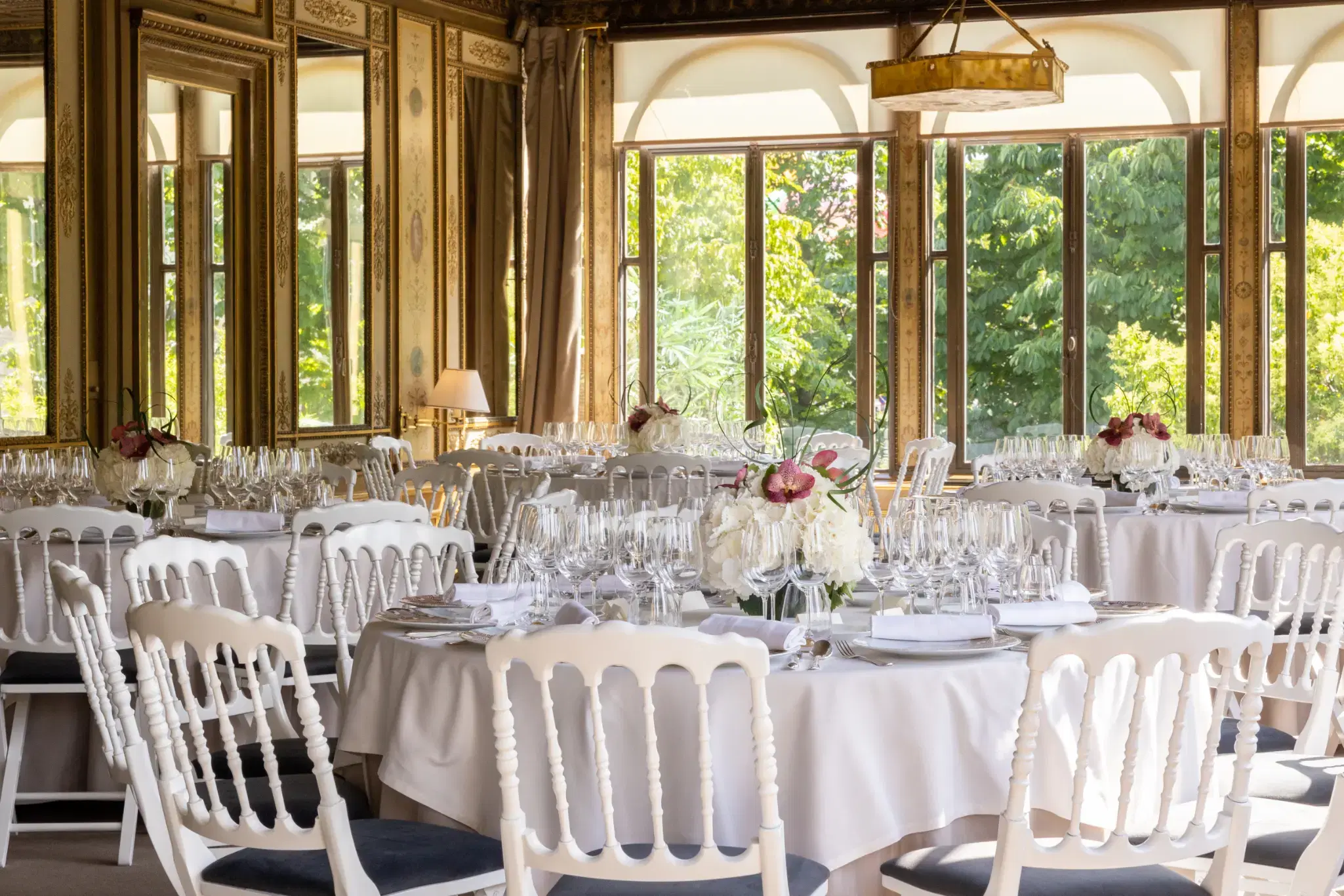
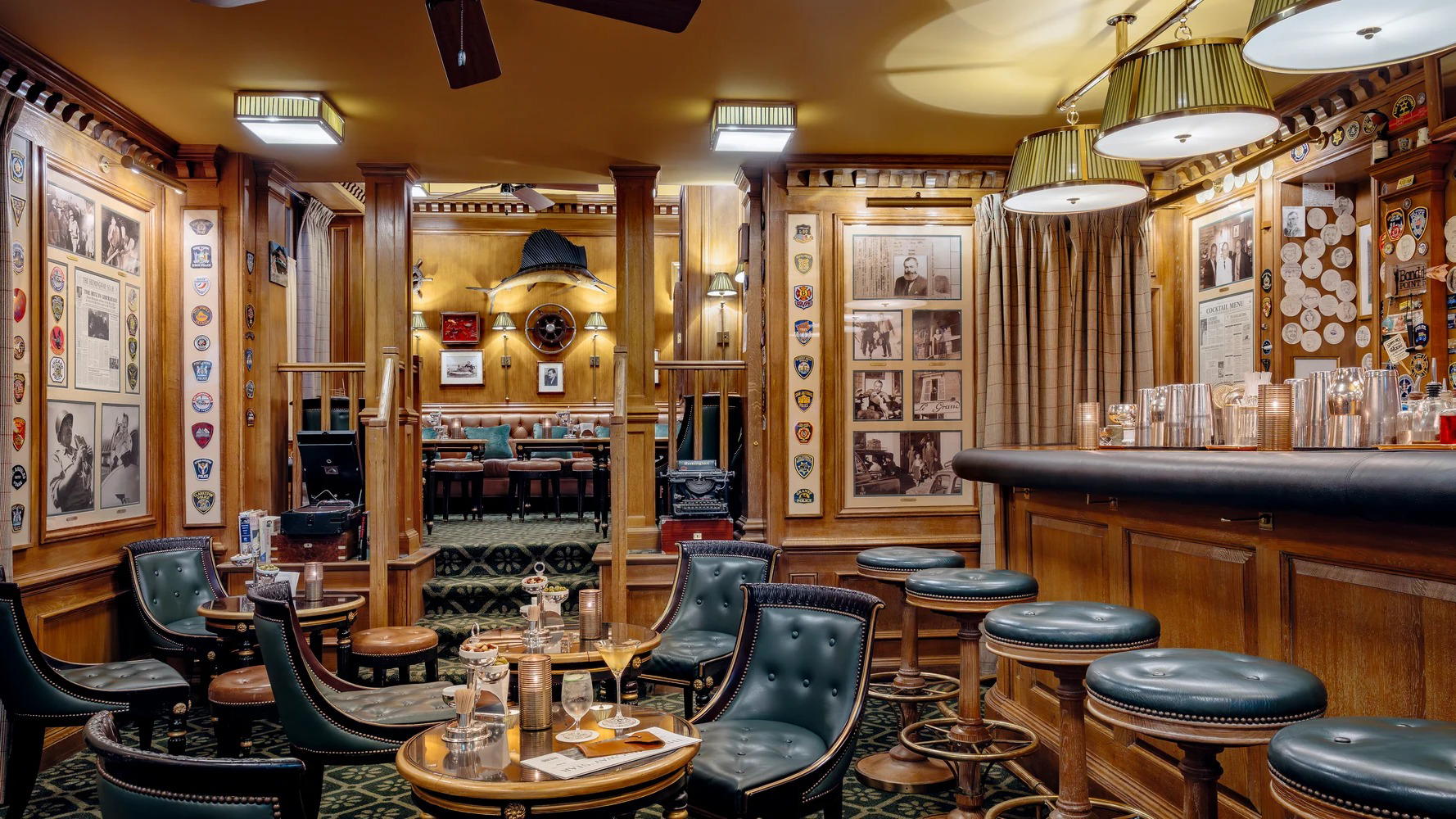
Bars in Paris
Browse all →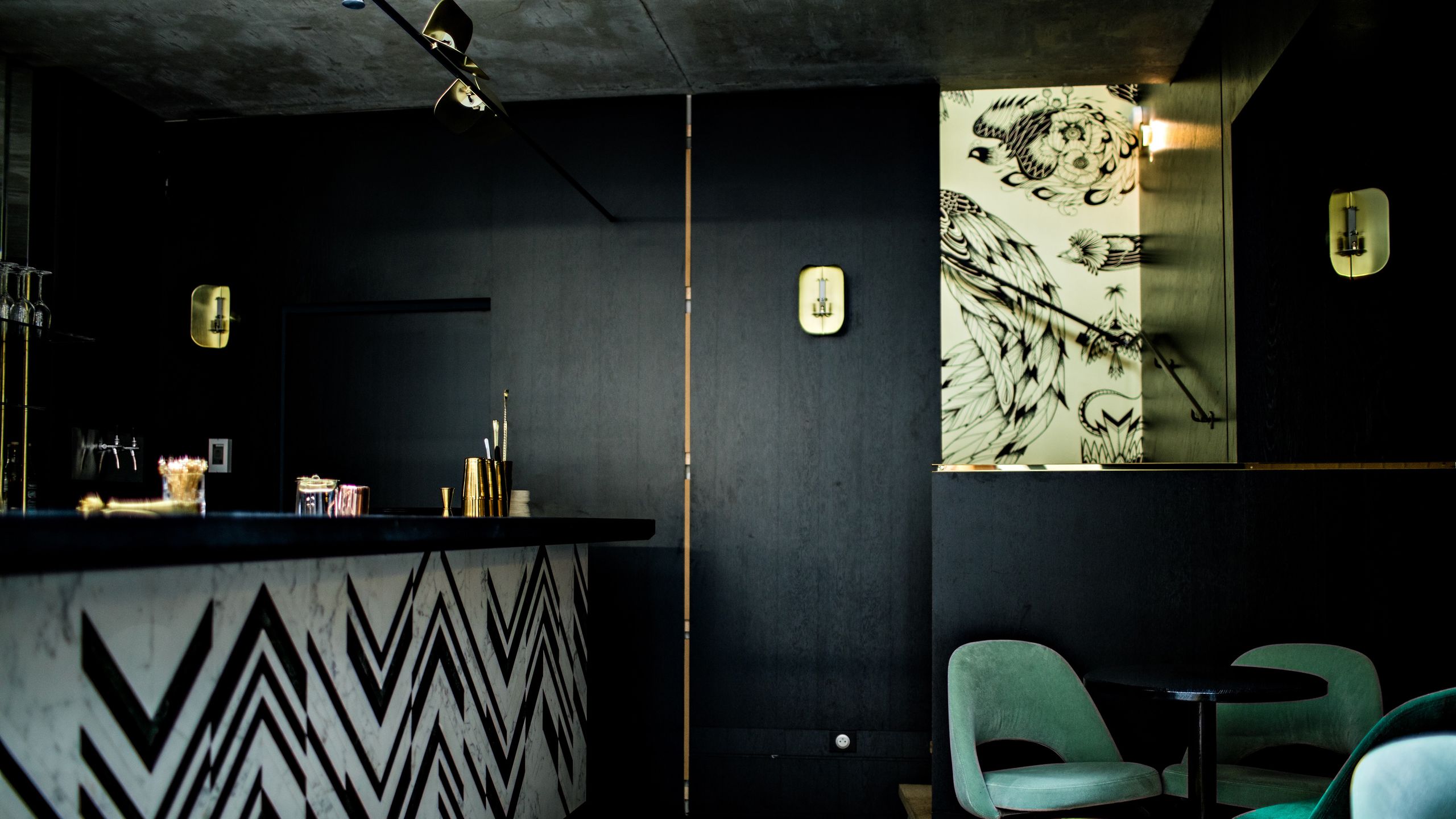

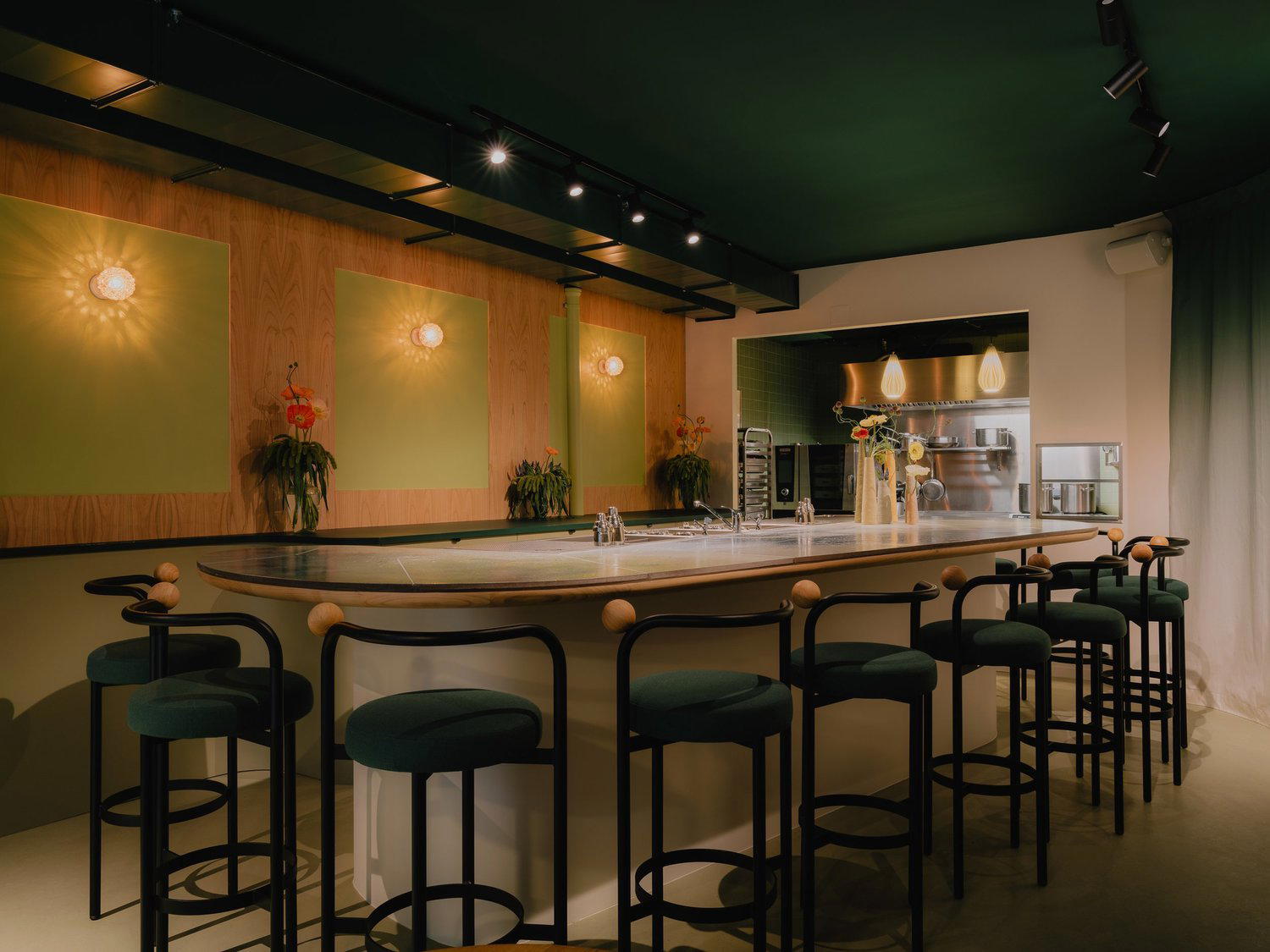
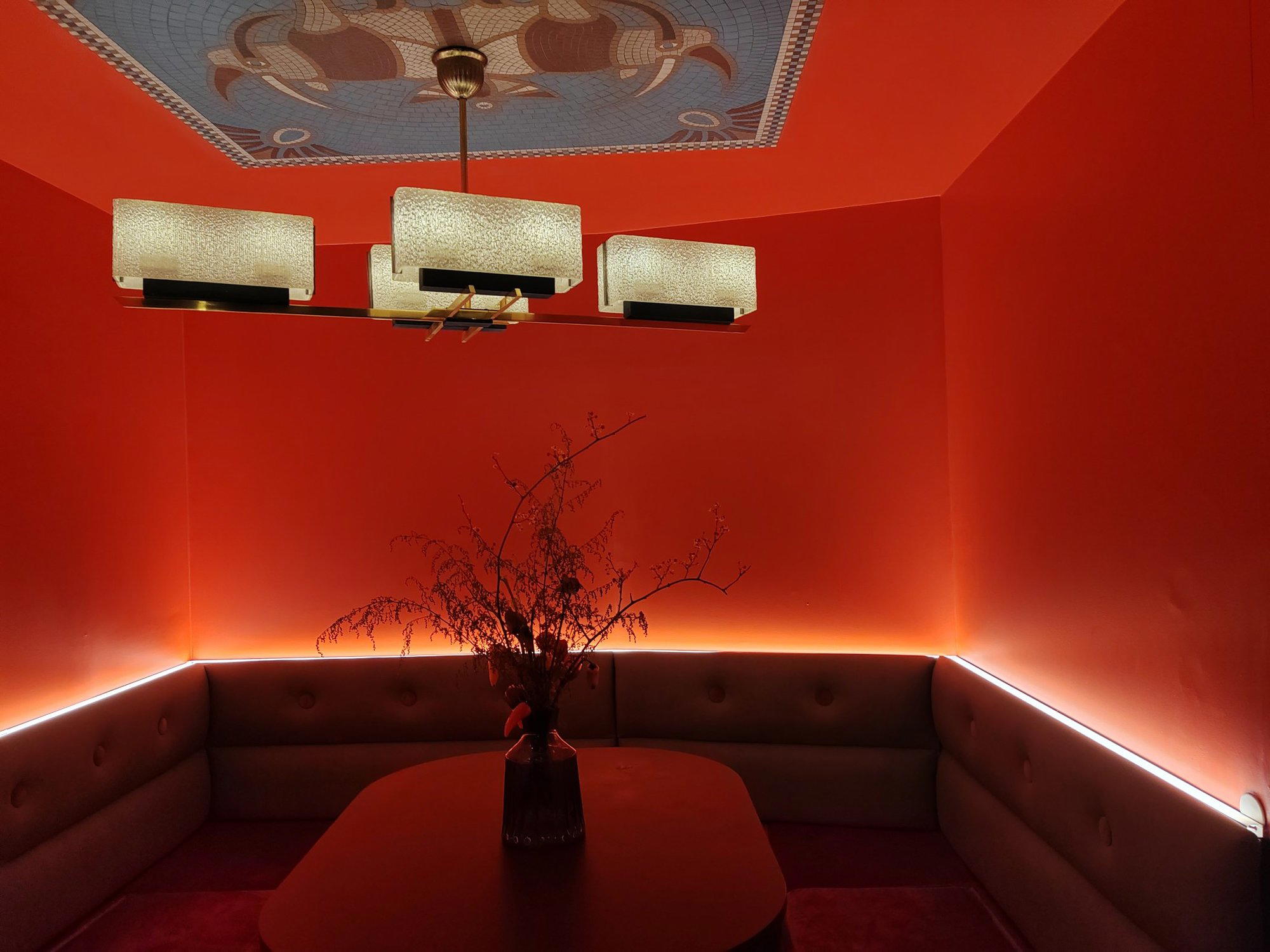
Hotels in Paris
Browse all →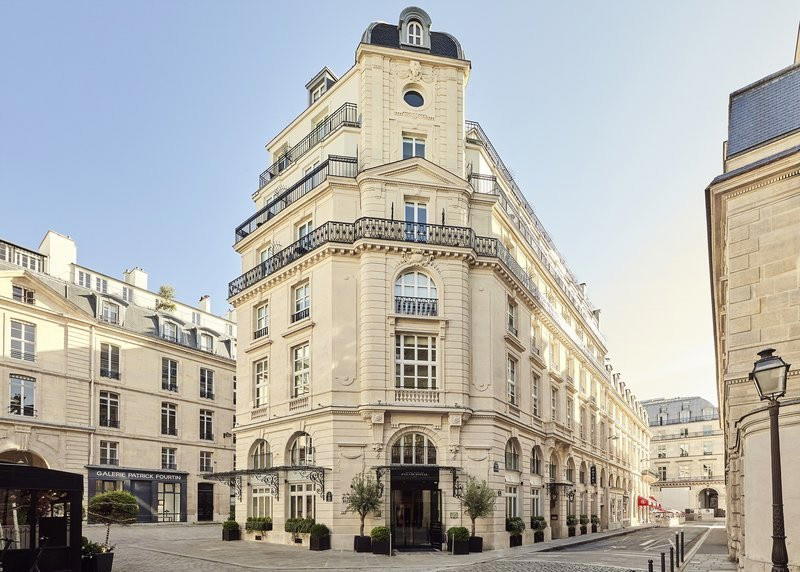




At a Glance
- Classic
- Elegant
- Well Known
- Lively
- Sophisticated
- Business Dinner
- Group Dining
- Celebration
- After Work
- Special Occasion
- Historic Building
- Terrace
- Standalone
- Extensive Wine List
- Beer Program
- Local Sourcing
- Sustainable Seafood
- Street Scene
Current opening hours
- Monday
- 8 AM–11 PM
- Tuesday
- 8 AM–12 AM
- Wednesday
- 8 AM–12 AM
- Thursday
- 8 AM–12 AM
- Friday
- 8 AM–12 AM
- Saturday
- 8 AM–12 AM
- Sunday
- 8 AM–11 PM
Hours can change for holidays and private events. Last verified .
Bright and elegant Art Deco interior with soft lighting, large leather banquettes, mirrors and brassware evoking the golden age of 20th-century brasseries; lively but refined atmosphere with white tablecloths and uniformed service.