Le Petit Provençal serves Provençal French bistro cooking at 6 Rue du Bon Repos in Manosque, with an extensive wine list, terrace and courtyard seating, and duck breast among the signatures.
Pearl is the En Primeur Club membership app — saves, bookings, and concierge access live there. Same editors, same standards.
- Address
- 6 Rue du Bon Repos, 04100 Manosque, France
- Phone
- +33492876380
- Directions
- Get directions
 Saves & bookings on Pearl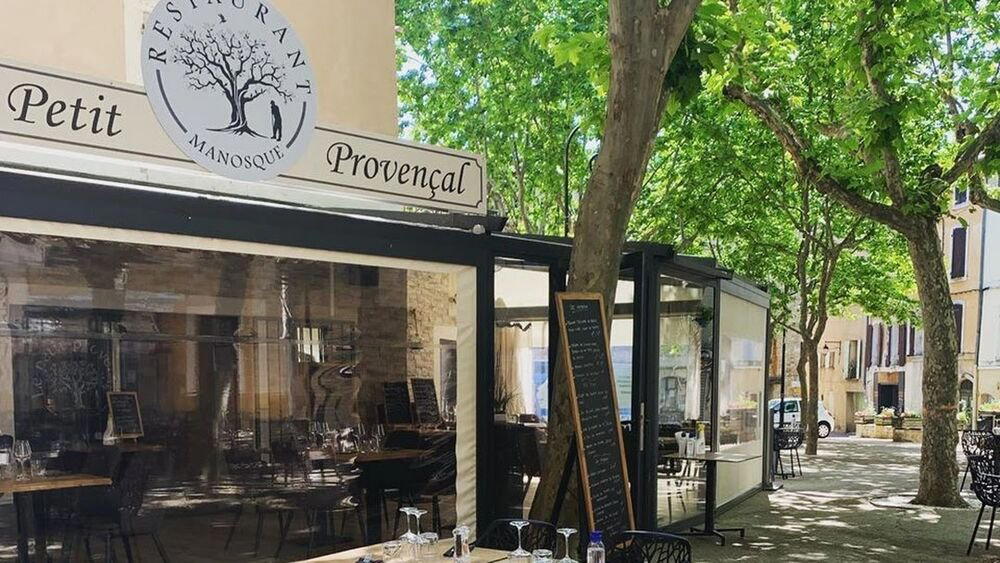
Rue du Bon Repos and the Provençal Table
Manosque sits at the northern edge of the Luberon, close to the Durance valley, and the markets here carry produce that suits Provençal cooking well. The street addresses in the old quarter tend to be quiet and residential, and Rue du Bon Repos is no exception: stone facades, shuttered windows, the particular afternoon stillness that characterises inland Provence at lunch. It is the kind of setting where a neighbourhood restaurant earns its place gradually, through the logic of its sourcing rather than through spectacle. Le Petit Provençal occupies that address, and the physical environment before you even enter sets expectations firmly in the register of genuine regional cooking rather than tourist recreation.
Manosque is not a major stop on the Provence circuit the way Aix-en-Provence or Gordes tends to be, which shapes how restaurants here position themselves. Without a captive tourist economy to support compromise, the kitchens that persist in the old quarter tend to do so by anchoring themselves to what grows and is raised within a short radius. That is the context into which Le Petit Provençal fits: a restaurant shaped by its supply chain as much as by any single culinary identity.
Why Sourcing Defines What Ends Up on the Plate
The Alpes-de-Haute-Provence department, where Manosque sits as the largest town, produces lavender in quantities that shape the regional agricultural identity internationally, but the less-photographed output matters more to kitchens: lamb from the Plateau de Valensole, thyme and savory from the garrigue, olive oil from the slopes south toward the Var border, and market vegetables from the Durance floodplain that benefit from a continental climate with enough altitude to extend the growing season past what the coast manages.
In French regional cooking, proximity to this kind of supply is a genuine structural advantage. The restaurants in the south of France that have earned sustained critical recognition, among them Mirazur in Menton and AM par Alexandre Mazzia in Marseille, have built identities partly around the specificity of what the region provides. Both operate at a price and ambition level well above neighbourhood dining, but they articulate the same underlying logic: the ingredient is the argument. At a restaurant like Le Petit Provençal, the same logic applies at a more accessible register. The distance between farm and kitchen shrinks the handling chain, and in Provençal cooking, where a daube or a tian asks more of its raw materials than of its technique, that matters in a concrete way.
This is a different model from the haute cuisine operations further up the French dining hierarchy. At Bras in Laguiole or Auberge du Vieux Puits in Fontjoncouse, sourcing is foregrounded as a declared philosophy and backed by formal recognition. At a Manosque neighbourhood address, it is simply the practical condition under which cooking happens, less theorised and more matter-of-fact.
Where Le Petit Provençal Sits in the Manosque Dining Picture
Manosque supports a small but coherent restaurant ecology. At the summit of the local price range, Restaurant Pierre Grein operates in Modern Cuisine at the €€€€ tier, particularly formal option the town provides. At a more accessible mid-range level, Le Bistrot du Chef occupies the €€ bracket with a contemporary approach. Chez Bastien rounds out the local options. The restaurant reads against this backdrop as the kind of address that anchors neighbourhood confidence: not competing for the formal dining occasion that Pierre Grein claims, but also not defaulting to the generic bistrot format. Its name is a statement of positioning, Provençal, and deliberately small in its ambitions.
The Broader Provençal Cooking Tradition
Provence is unusual among French regional cuisines in that its pantry is more immediately legible to an outside visitor than, say, Alsace or Brittany. The aromatic herbs, the olive oil, the tomatoes and courgettes and aubergines of a ratatouille, the anchovies in a tapenade, these have circulated globally to the point where they are recognisable out of context. What gets lost in that circulation is the specificity of condition: the correct olive oil is not interchangeable, and the herbs picked dried from the hillside above Manosque carry a concentration that the same species grown commercially at sea level does not.
French cuisine at the level of formal recognition, the kitchens tracked by Michelin, the Alléno Paris au Pavillon Ledoyens and Flocons de Sels and Troisgroses, often abstracts regional ingredients through technique into something more universal. The village and neighbourhood restaurant tradition does the opposite: it keeps the ingredient close to its source form and lets preparation recede. That is the tradition the restaurant works inside, and it is a tradition with its own rigour. A proper aïoli requires the right garlic and the right patience. A slow-braised Sisteron lamb does not benefit from intervention. The cook's job is restraint and timing, not transformation.
Paul Bocuse or Assiette Champenoise or Au Crocodile, sometimes misread the relative simplicity of presentation as a lack of ambition. It is not. It is a different set of priorities, and one that the Haute-Provence setting vindicates if you are paying attention to what is in front of you rather than to how it is plated.
Planning a Visit
The restaurant is at 6 Rue du Bon Repos in Manosque's old quarter, a walkable distance from the town centre. Manosque is served by the A51 autoroute connecting Aix-en-Provence and Gap, making it a logical stop on a north-south traverse of the region. Booking ahead is sensible for any small dining room in a town of this size, where covers are limited and local regulars account for a meaningful share of capacity. Lunch is the meal most deeply embedded in the Provençal tradition for this category of restaurant, and if your schedule allows it, the midday service at a neighbourhood table in inland Provence is a more considered experience than the same meal taken at dinner under artificial light.
Auberge de l'Ill in Illhaeusern, Christopher Coutanceau in La Rochelle, and internationally, Le Bernardin in New York City and Atomix in New York City, all of which sit at a different price point but share the same underlying commitment to sourcing as the foundation of quality.
At-a-Glance Comparison
Comparable venues nearby, for context on price, style, and recognition.
| Venue | Cuisine | Price | Awards | Notes |
|---|---|---|---|---|
| Le Petit ProvençalThis venue — the venue you are viewing | Provençal French Bistro | $$ | Not listed | Not listed |
| Chez Bastien | Modern Provençal French | $$ | Michelin Plate | centre historique |
| Le Bistrot du Chef | Modern French Bistro | $$$ | Michelin Plate | Manosque |
| Les Incontournables | Dining | Not listed | Michelin Plate | Manosque |
| La Loge Bertin | Dining | Not listed | Bib Gourmand | Manosque |
| Restaurant Pierre Grein | Modern Provençal Fine Dining | $$$$ | Michelin 1 Star | Business Park/Commercial Zone |
Continue exploring
More in Manosque
Restaurants in Manosque
Browse all →
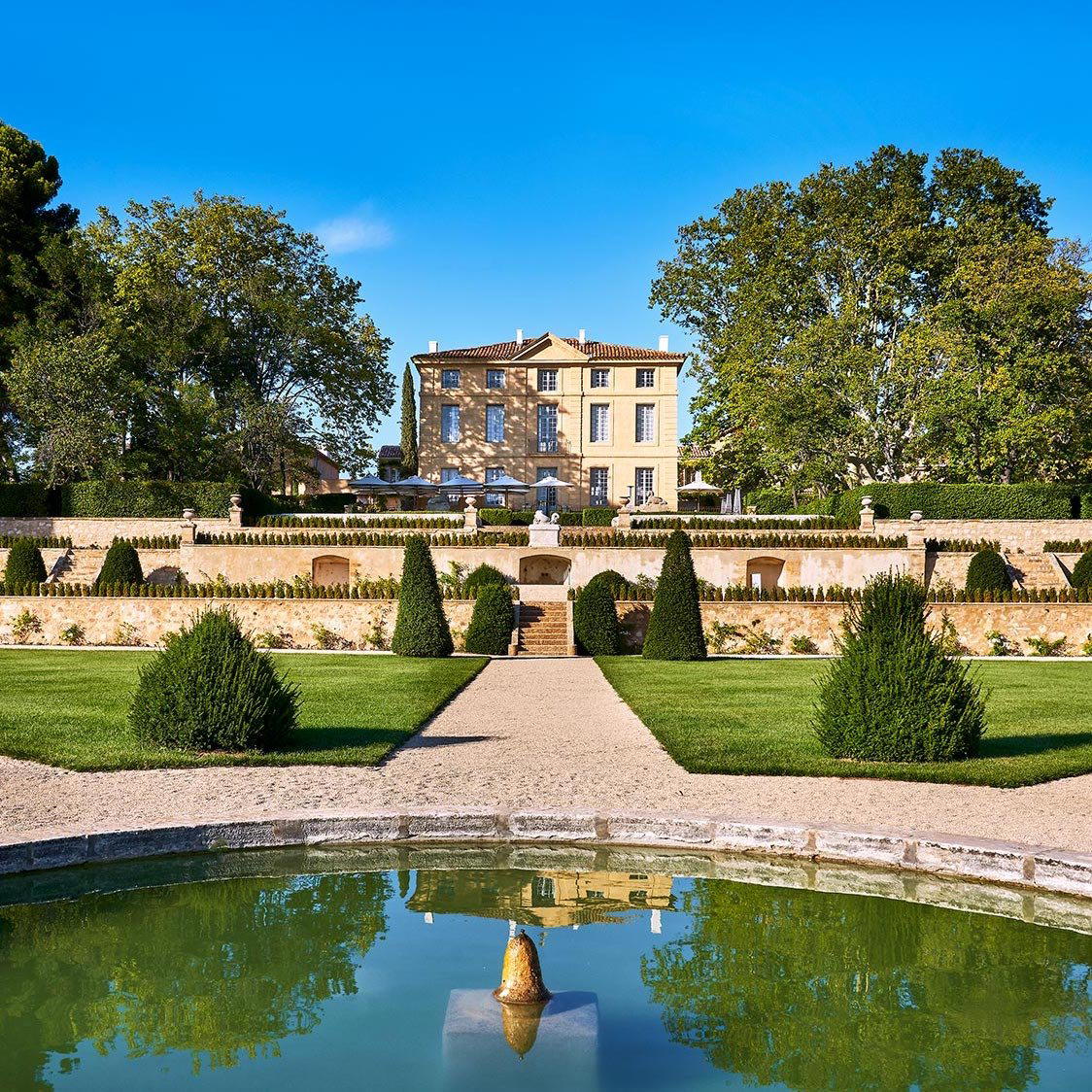
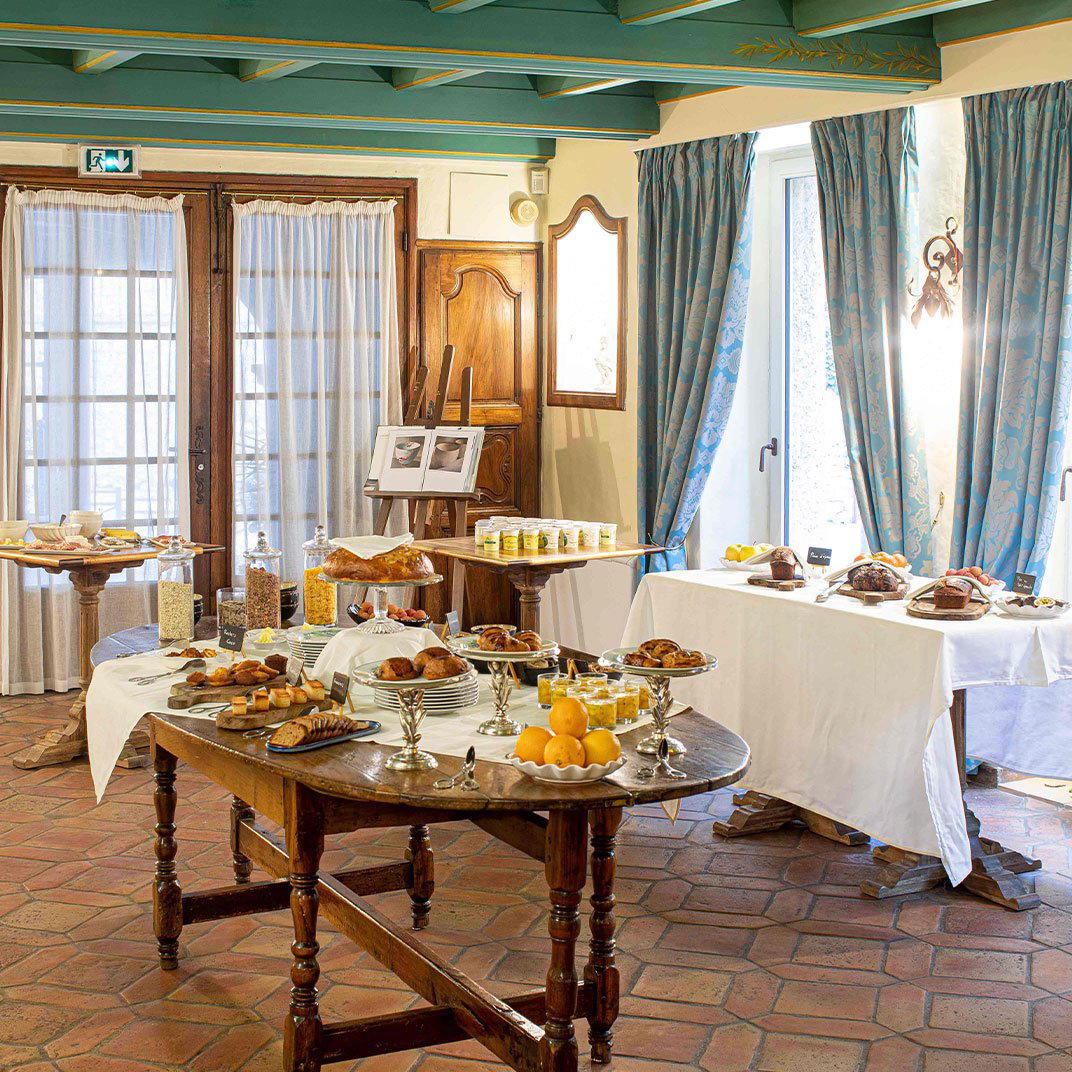
Bars in Manosque
Browse all →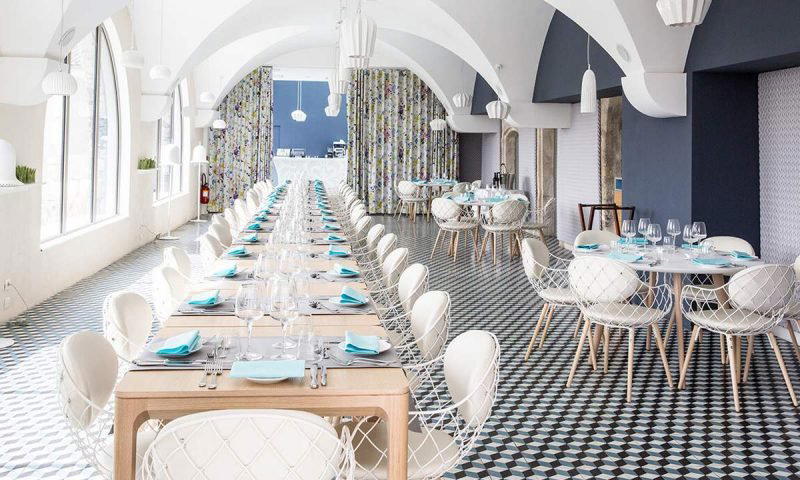
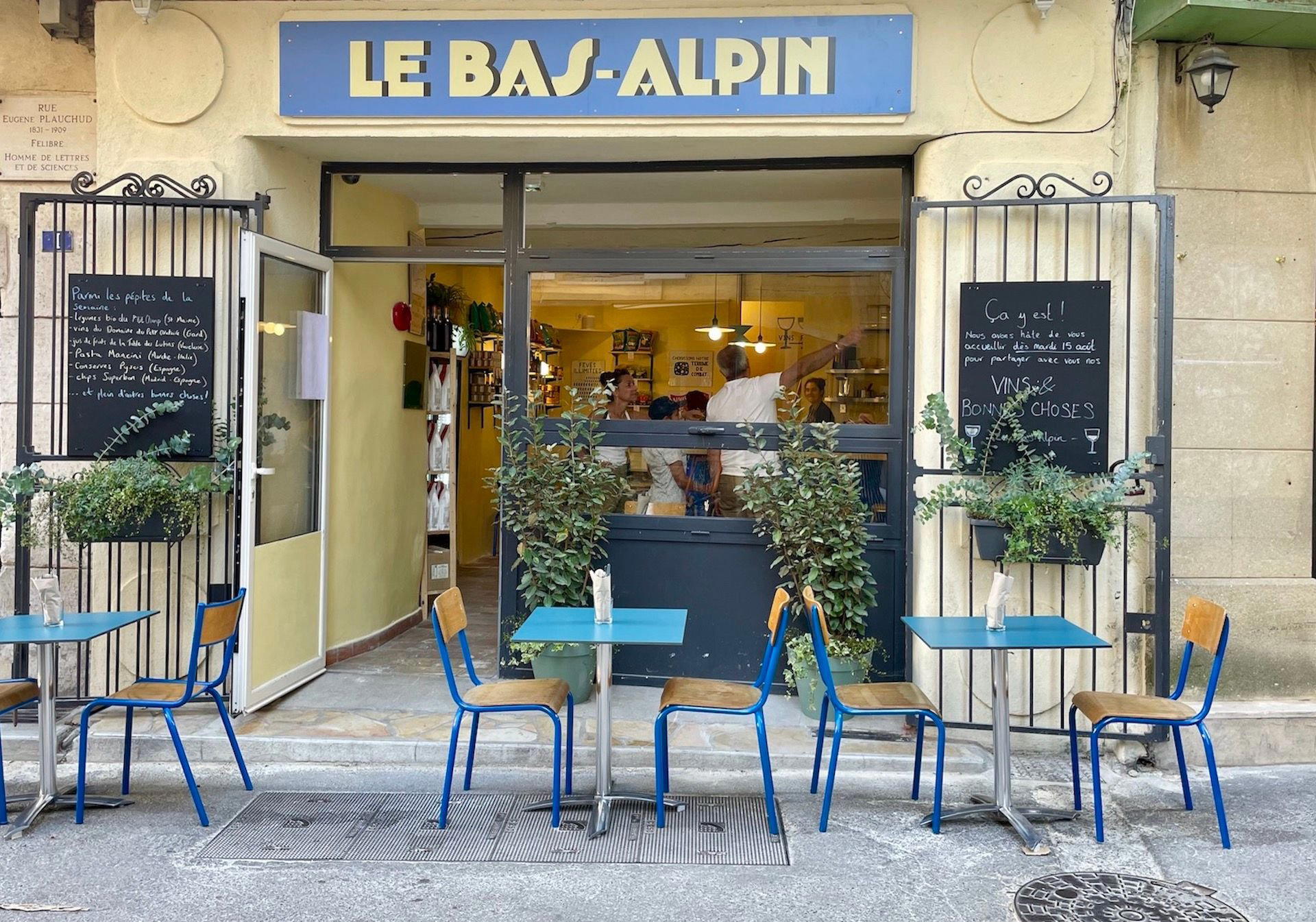
Hotels in Manosque
Browse all →

At a Glance
- Rustic
- Cozy
- Classic
- Date Night
- Family
- Casual Hangout
- Terrace
- Courtyard
- Extensive Wine List
- Local Sourcing
- Street Scene
Current opening hours
- Monday
- 12–2:30 PM, 7:30–10:30 PM
- Tuesday
- Closed
- Wednesday
- 12–2:30 PM, 7:30–10:30 PM
- Thursday
- 12–2:30 PM, 7:30–10:30 PM
- Friday
- 12–2:30 PM, 7:30–10:30 PM
- Saturday
- 12–2:30 PM, 7:30–10:30 PM
- Sunday
- 12–2:30 PM, 7:30–10:30 PM
Hours can change for holidays and private events. Last verified .
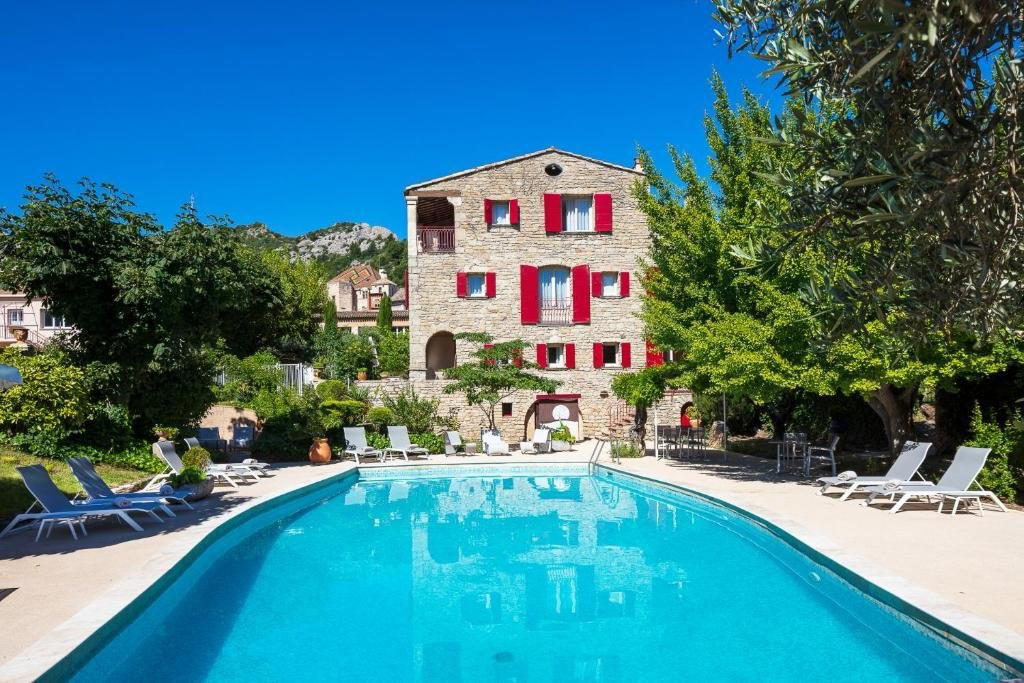
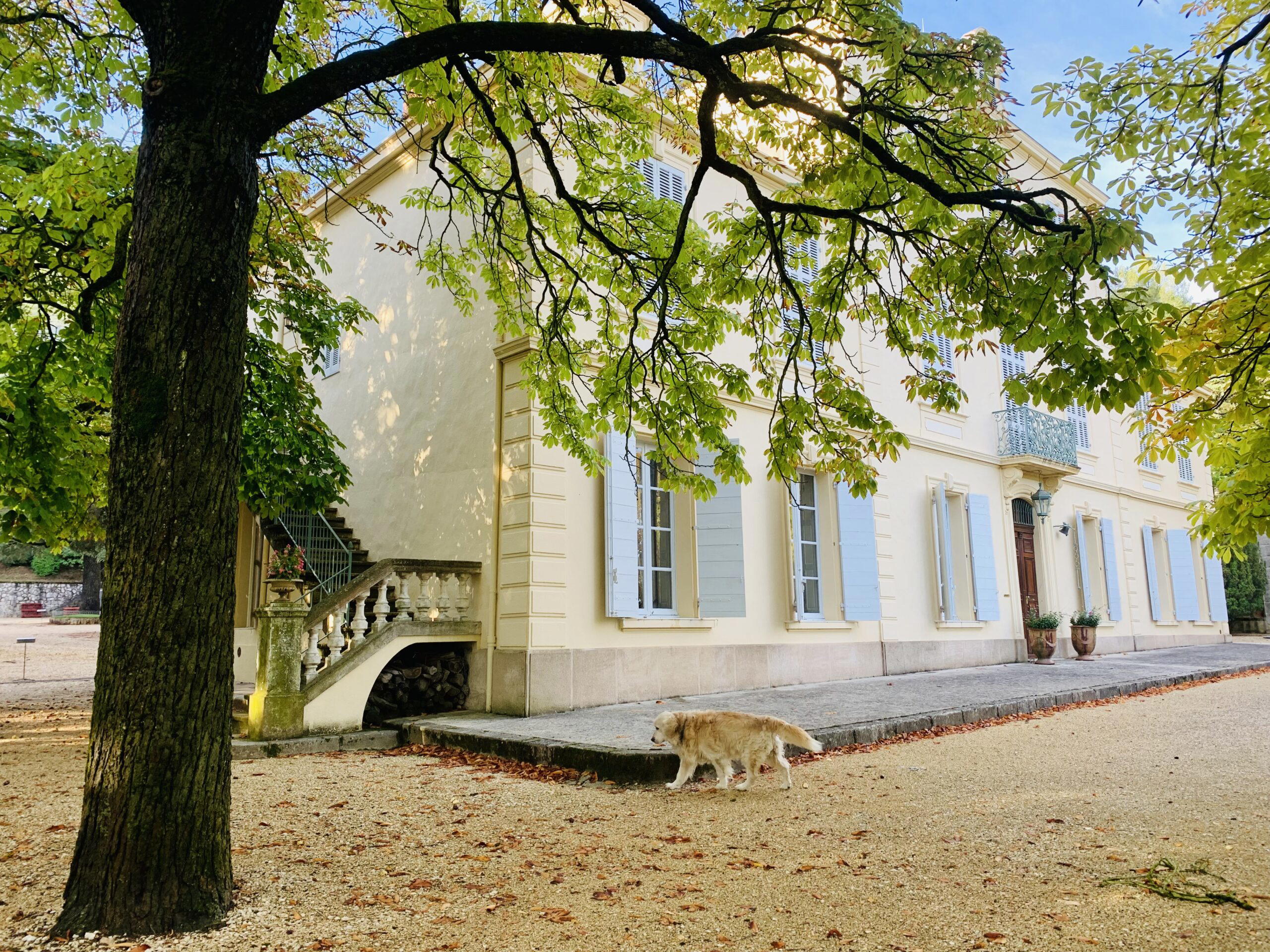
Warm Provençal atmosphere in a lively courtyard under plane trees with pleasant terrace seating.