
On a quiet square in Manosque's medieval centre, Bastien Delgado cooks modern Provençal food with a clear sense of where his ingredients come from. Training under Alain Ducasse at La Bastide de Moustiers shaped his approach to vegetables; time at Dominique Bucaille sharpened his work with meat. The menu-carte is considered good value for the level of technique on the plate.
Pearl is the En Primeur Club membership app — saves, bookings, and concierge access live there. Same editors, same standards.
- Address
- 6 place du Terreau
- Phone
- +33 4 92 72 13 00
- Website
- chezbastien.eatbu.com
- Directions
- Get directions
 Saves & bookings on Pearl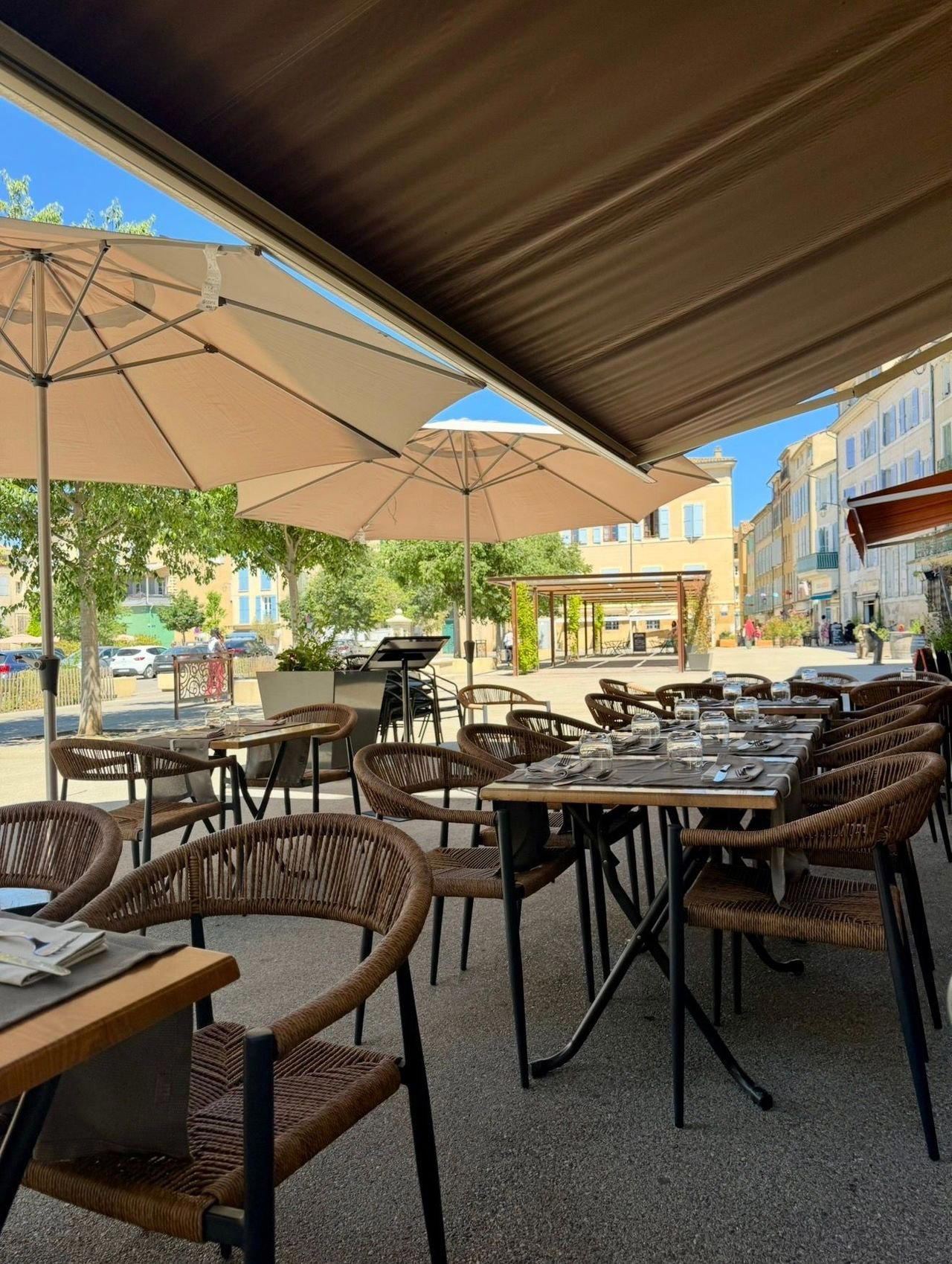
A Square in the Old Town, and What Arrives on the Plate
Place du Terreau sits inside Manosque's historical centre, the kind of small Provençal square where the afternoon light slows down and the ambient noise is mostly pigeons. Arriving at number six, you are not walking into a destination-dining room designed to signal ambition from the outside. The setting is quiet, rooted, and exactly the right frame for the cooking that follows.
Chez Bastien belongs to a category of French regional restaurant that is harder to find than it used to be: genuinely local in outlook, technically serious, and priced at a level that reflects the town rather than the aspirations of a metropolitan clientele. For context, the comparison set for cooking of this evident precision normally sits in a different price bracket entirely. Consider that Mirazur in Menton, Alléno Paris au Pavillon Ledoyen, or Flocons de Sel in Megève all operate at price points several tiers above what Manosque expects to pay. That gap matters, because it is precisely where Chez Bastien operates with greater confidence.
Where the Cooking Comes From: Provençal Sourcing as Structure, Not Garnish
The editorial angle on a kitchen like this one is the sourcing logic that gives the menu its coherence. Provence's larder is specific and seasonally compressed. Wild garlic, peach, verbena, citrus, almonds, these are not decorative gestures toward terroir. They are the actual architecture of dishes here, and they only make sense in a cooking environment where proximity to the source is taken as a given rather than marketed as a distinction.
Bastien Delgado trained at Dominique Bucaille, an experience that shaped a pronounced facility with meat, calf sweetbreads appear as a signature reference point. His subsequent time at La Bastide de Moustiers, the Alain Ducasse property in the Verdon region, pulled the kitchen in a different direction: a serious, structuring attention to vegetables that now defines a prominent share of the menu. The combination is not accidental. It produces a kitchen that treats a vegetable course with the same technical seriousness that a different chef might reserve for protein.
Semi-cooked tuna with wild garlic is the kind of dish that reads simply on paper and reveals its complexity only once it arrives. The timing on semi-cooked fish is unforgiving, and the choice of wild garlic rather than cultivated allium says something about seasonal specificity. Verbena and peach clafoutis with citrus and almonds at dessert extends the same logic: Provence in summer, rendered with precision rather than rusticity.
This approach to sourcing connects to a broader pattern visible across particularly serious regional French kitchens. At Bras in Laguiole, the Aubrac plateau supplies a similarly defining larder. At Auberge de l'Ill in Illhaeusern, Alsatian produce has anchored the menu across generations. The principle in each case is the same: when geography does the specifying, the cooking does not need to perform novelty. It can concentrate on execution.
The Menu-Carte and Why the Format Matters
The menu-carte format at Chez Bastien is worth noting because it signals something about the kitchen's relationship to its diners. A menu-carte in the French sense offers a structured set of choices within a fixed frame, and when it is well-executed it can deliver the economy and confidence of a tasting menu while preserving the autonomy of à la carte selection. It also tends to reflect a kitchen that knows exactly what it wants to cook on a given service, which is a different kind of assurance than a long à la carte list.
The menu-carte here offers strong value for the level of cooking, refined, fragrant, and creative in character, and rewards the traveller willing to venture away from Marseille's more conspicuous dining scene. For the record, AM par Alexandre Mazzia in Marseille operates in a register that is formally and financially quite different. The restaurant is not competing in that space; it is doing something that space cannot do, which is to feed you well in a Manosque square at a Manosque price.
Manosque's Dining Scene and Where Chez Bastien Sits Within It
Manosque is not a dining destination in the way that Menton or Lyon is, but that is partly the point. The town of roughly 22,000 in the Alpes-de-Haute-Provence has a concentrated historical centre and a local dining culture. For travellers passing through or staying in the area, the Luberon and Verdon gorges are both within reasonable reach, the town offers restaurants worth a deliberate stop rather than a reluctant compromise.
Restaurant Pierre Grein and Le Bistrot du Chef represent the wider context of modern cuisine options in the town. The restaurant occupies the tier defined by formal training credentials and a menu that moves with the Provençal season. That positioning makes it the reference point in town for cooking that takes its sourcing seriously.
The address at 6 place du Terreau is walkable from most points in the historical centre.
For those building a broader picture of serious French regional cooking, the comparison points further afield are instructive. Troisgros in Ouches, Paul Bocuse's Auberge du Pont de Collonges, and Assiette Champenoise in Reims all represent the formal end of French culinary geography. Le Bernardin in New York and Emeril's in New Orleans speak to how French culinary training has dispersed into other national contexts. The restaurant operates at a different scale from all of them, but the sourcing discipline and training lineage it draws on connects to the same tradition.
Planning Your Visit
Booking ahead is sensible, especially on weekend evenings and during late spring through early autumn, when the menu shifts with Provençal availability.
Comparable Venues
Comparable venues nearby, for context on price, style, and recognition.
| Venue | Cuisine | Price | Awards | Notes |
|---|---|---|---|---|
| Chez BastienThis venue — the venue you are viewing | Modern Provençal French | $$ | Michelin Plate | Not listed |
| Le Petit Provençal | Provençal French Bistro | $$ | Not listed | old town |
| Le Bistrot du Chef | Modern French Bistro | $$$ | Michelin Plate | Manosque |
| Les Incontournables | Dining | Not listed | Michelin Plate | Manosque |
| La Loge Bertin | Dining | Not listed | Bib Gourmand | Manosque |
| Restaurant Pierre Grein | Modern Provençal Fine Dining | $$$$ | Michelin 1 Star | Business Park/Commercial Zone |
Recognition history
Dated appearances from independent guides and award organizations, with the underlying list record or original source where available.
Michelin Bib Gourmand
Michelin
Michelin Plate
Michelin · 2026 Michelin Plate
Continue exploring
More in Manosque
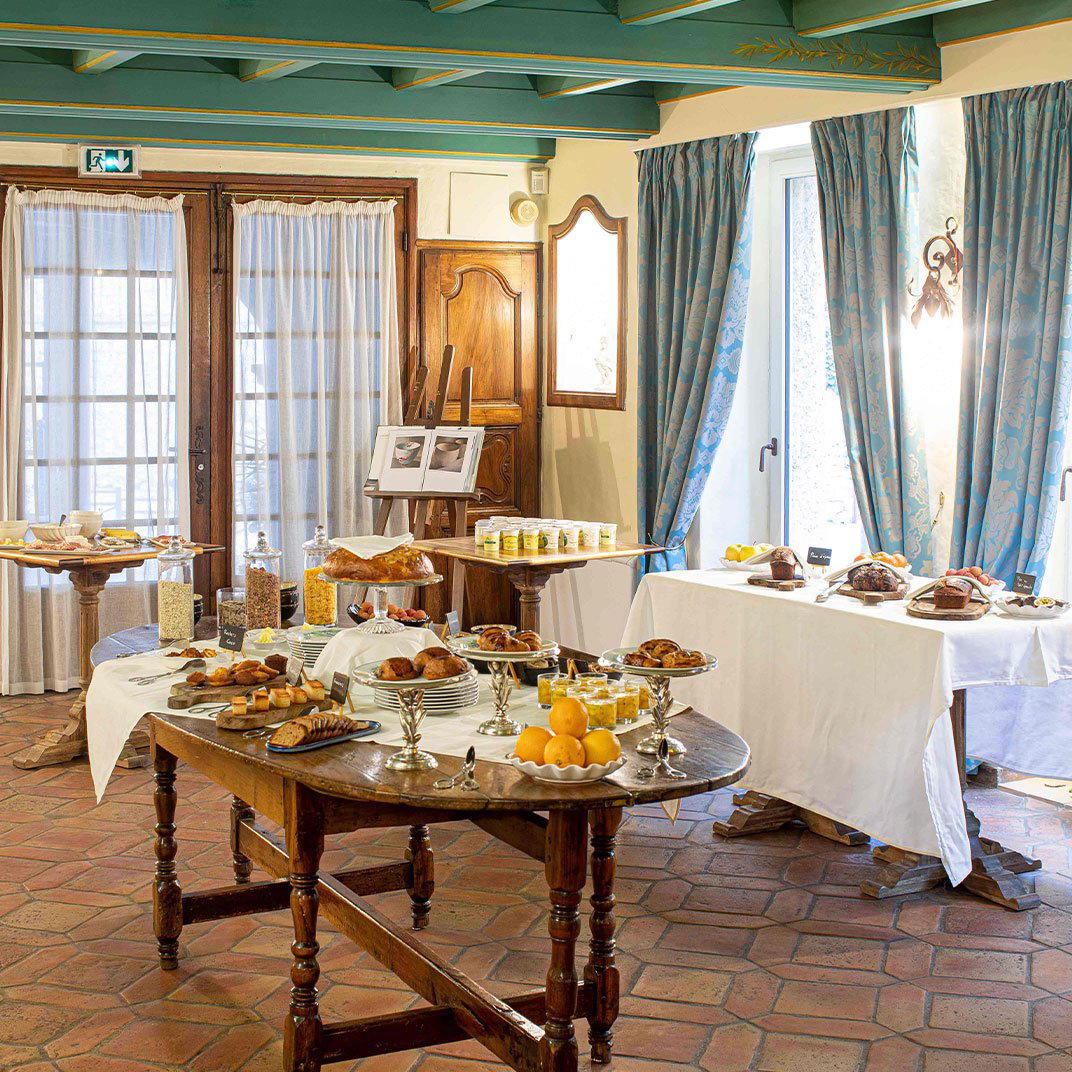
Restaurants in Manosque
Browse all →
Bars in Manosque
Browse all →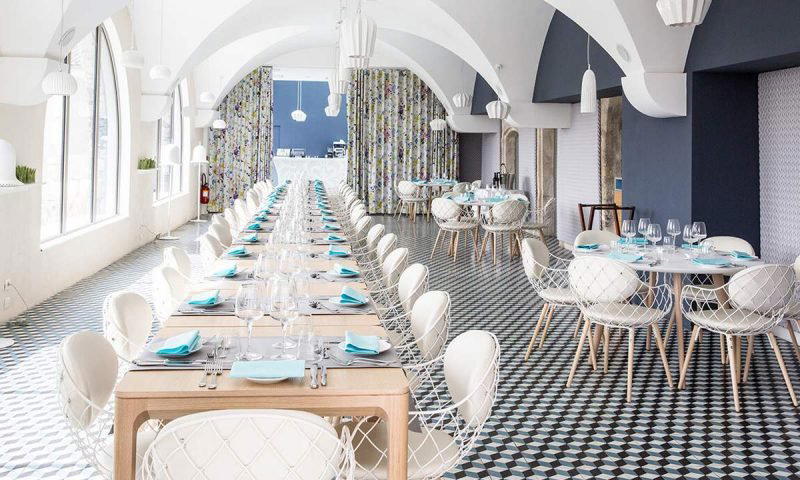
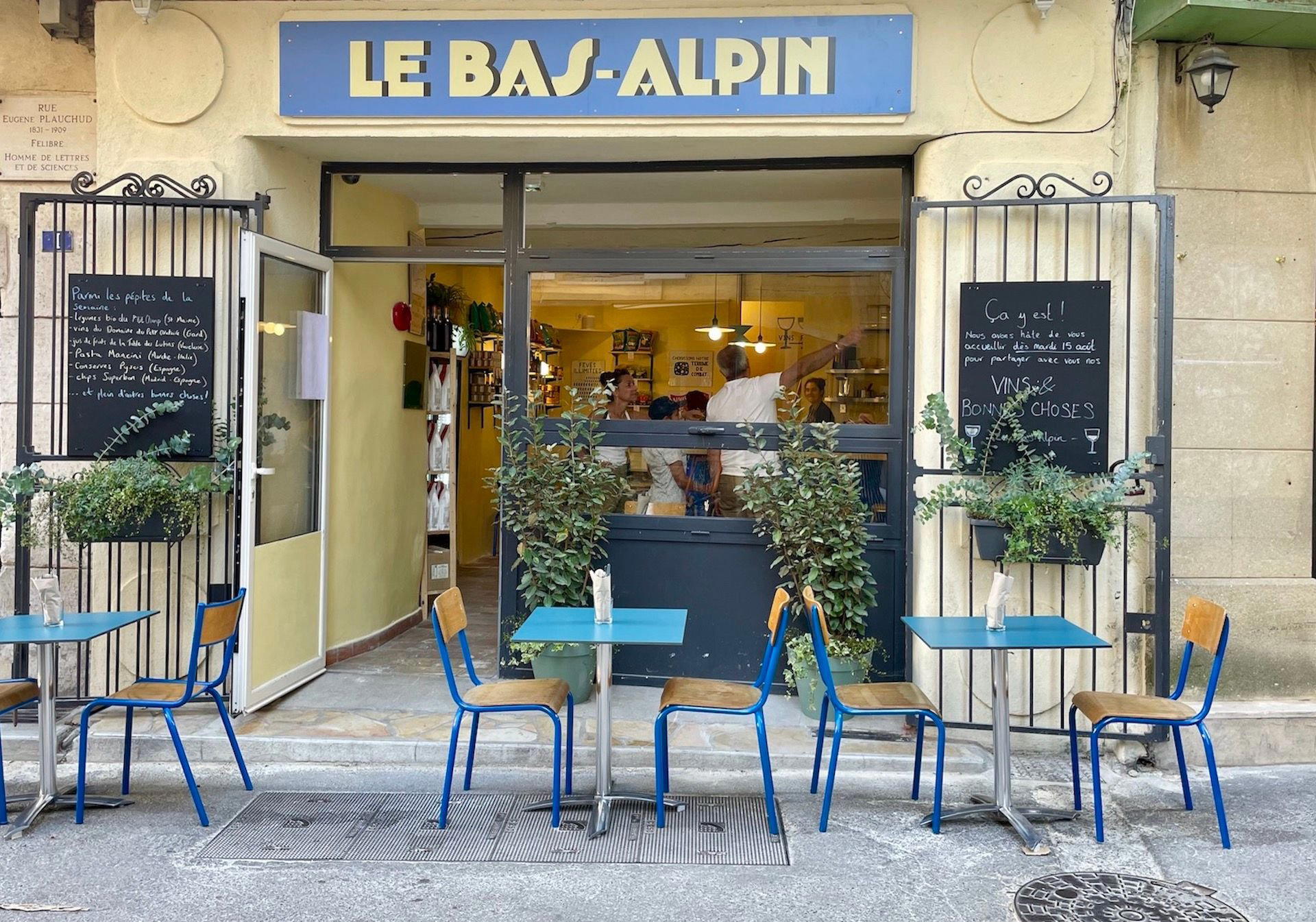
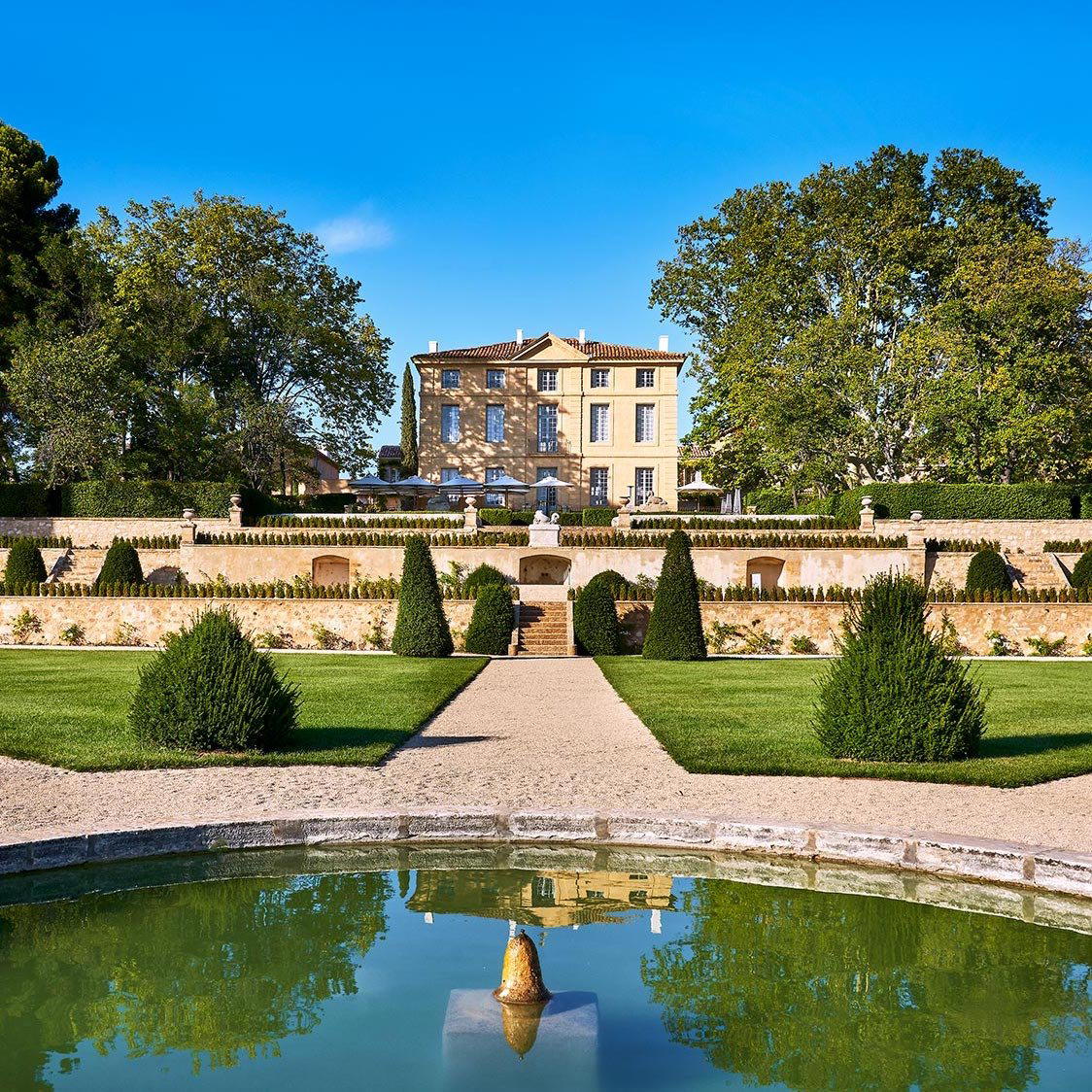
Hotels in Manosque
Browse all →

At a Glance
- Cozy
- Elegant
- Rustic
- Date Night
- Special Occasion
- Historic Building
- Extensive Wine List
- Local Sourcing
- Street Scene
Current opening hours
- Monday
- 12–1:30 PM, 7:30–9 PM
- Tuesday
- Closed
- Wednesday
- Closed
- Thursday
- 12–1:30 PM, 7:30–9 PM
- Friday
- 12–1:30 PM, 7:30–9 PM
- Saturday
- 12–1:30 PM, 7:30–9 PM
- Sunday
- 12–1:30 PM, 7:30–9 PM
Hours can change for holidays and private events. Last verified .
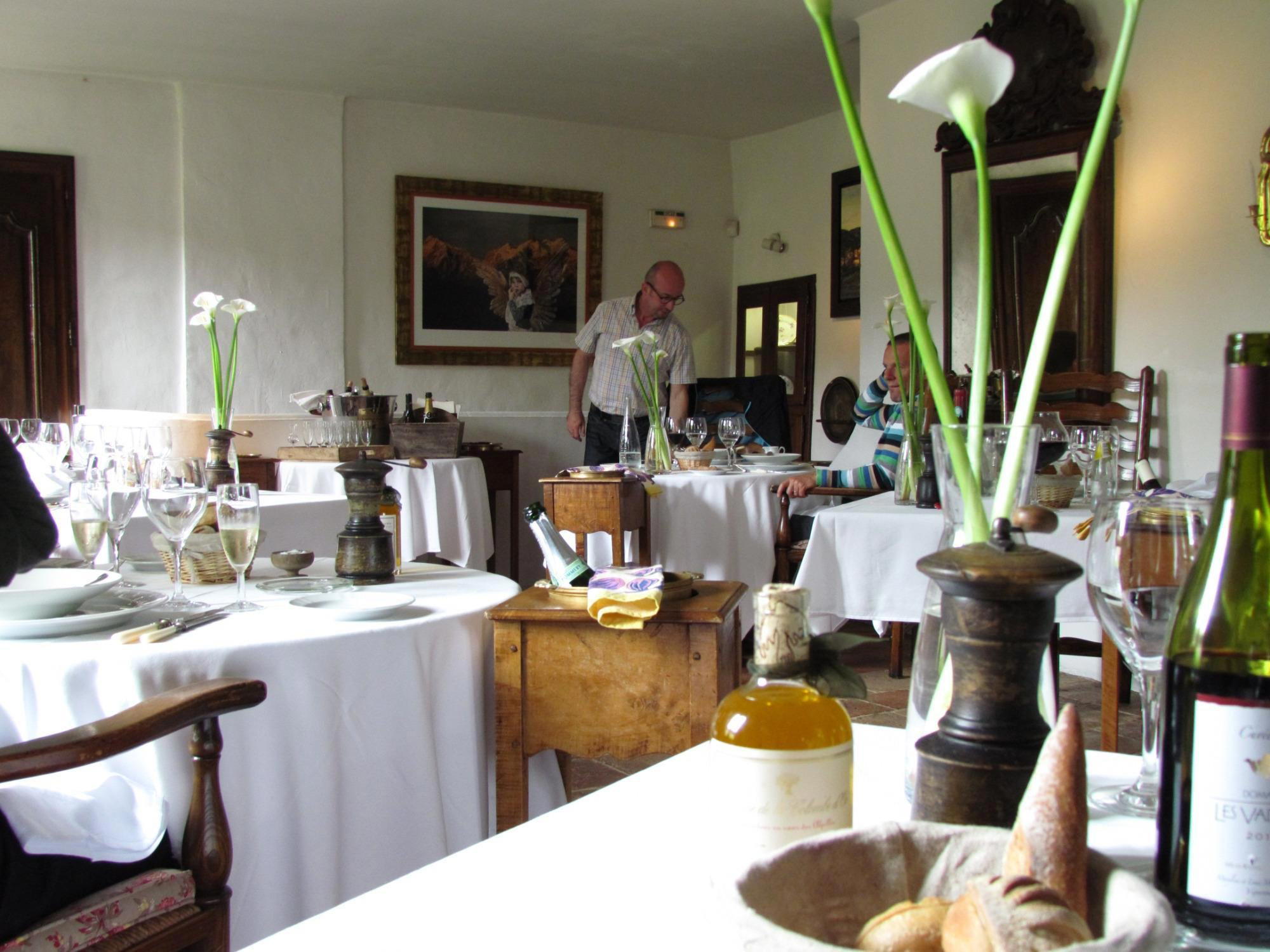
Elegant and cozy atmosphere in historic center with tablecloths, warm welcome, and refined presentation.