Le Nouvel Air occupies a quiet address at 26 Rue Lescure in Boismé, a small commune in the Deux-Sèvres department of western France. The restaurant operates within a regional dining tradition shaped by proximity to Atlantic produce, bocage farmland, and the market gardens of the Vendée and Poitou. For travellers willing to move beyond the better-known Loire Valley circuit, it represents the kind of address that rewards local knowledge.
Pearl is the En Primeur Club membership app — saves, bookings, and concierge access live there. Same editors, same standards.
- Address
- 26 Rue Lescure, 79300 Boismé, France
- Phone
- +33549991489
- Website
- lenouvelair.fr
- Directions
- Get directions
 Saves & bookings on Pearl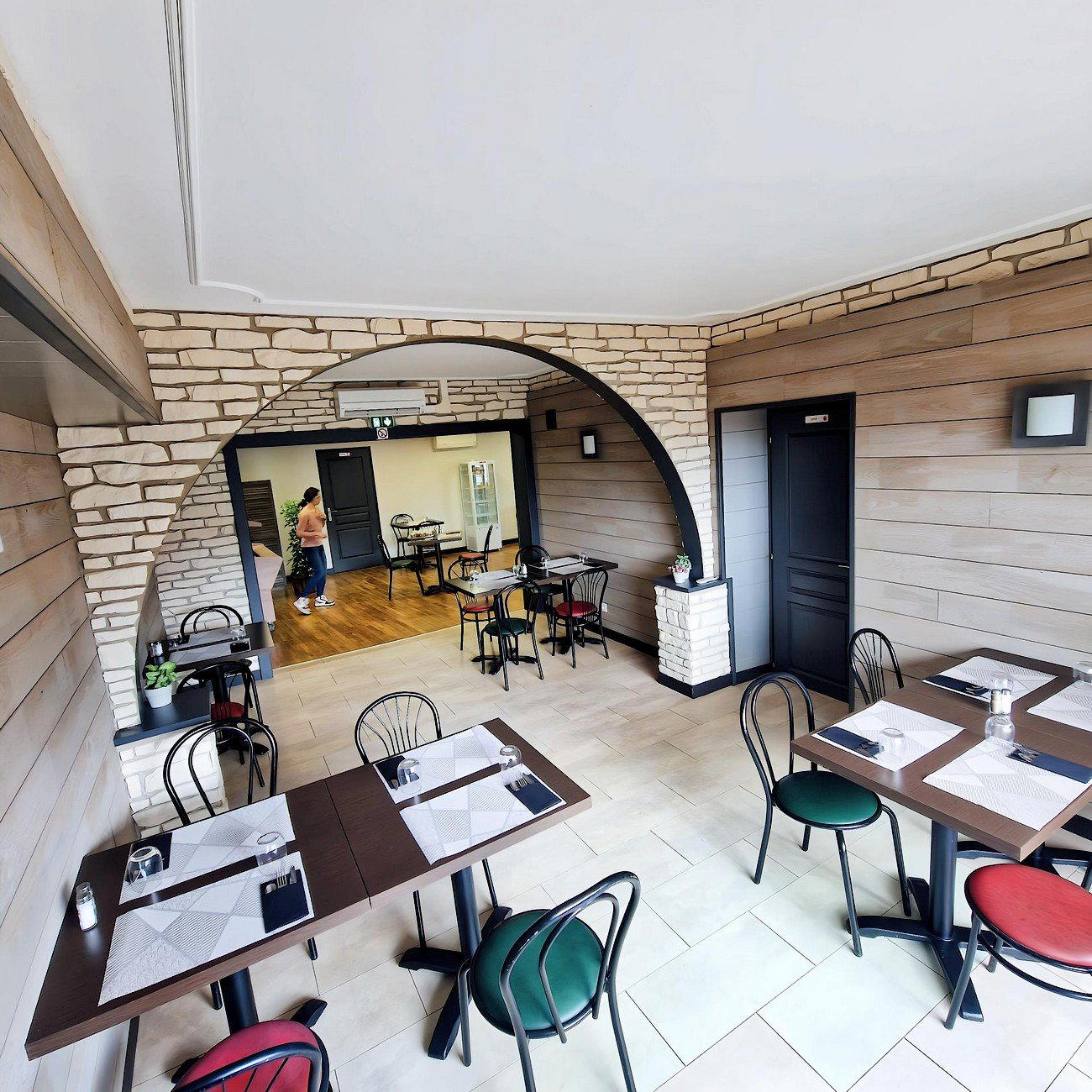
Where Deux-Sèvres Farmland Meets the Table
Approaching Boismé along the departmental roads that thread through the bocage of Deux-Sèvres, the landscape does most of the contextualising before you arrive anywhere. This is cattle country, market-garden country, a rural corridor between the Loire estuary to the north and the Charente river system to the south. The villages are small, the roadsides are lined with oak and ash, and the agricultural rhythm here has not changed as dramatically as it has in more tourist-pressured parts of western France. Le Nouvel Air is a Traditional French Bistro at 26 Rue Lescure, 79300 Boismé, France. The address alone signals something about the kind of dining it represents: not a destination engineered for out-of-region visitors, but a local institution operating inside a living agricultural community.
That positioning matters when you consider how French regional restaurants of this type tend to work. Particularly compelling examples in rural western France draw their identity from proximity to supply rather than proximity to capital-city prestige. The Atlantic coast, running from the Vendée down through Charente-Maritime, produces shellfish, line-caught fish, and salt-marsh lamb that feed some of France's most serious regional tables. Inland, the Deux-Sèvres and Vienne departments contribute chèvre, poultry raised on open pasture, and the cereal crops that underpin traditional Poitevin cuisine. A restaurant in Boismé operates at the intersection of these supply chains in a way that a Parisian address simply cannot replicate, regardless of its sourcing ambitions.
The Sourcing Logic of Rural Poitou
French gastronomy's current conversation about provenance has largely been narrated through the lens of high-profile urban restaurants, from the celebrated houses of Paris to coastal addresses like Christopher Coutanceau in La Rochelle or La Marine in Noirmoutier-en-l'île, where ingredient provenance has become central to critical identity. But the underlying logic of that conversation, shorter supply chains, deeper producer relationships, cooking that reflects what the surrounding land actually produces in a given season, has always been more structurally achievable outside cities than inside them.
In Deux-Sèvres, that structural advantage is real. The department sits within easy reach of the Marais Poitevin wetlands, which produce freshwater fish, eels, and the flat-bottomed boat agriculture that has defined the area for centuries. To the west, the Vendée coast is close enough that Atlantic shellfish arrives with minimal transit time. To the south, the Charente begins its drift toward Cognac country, bringing with it a wine and spirits tradition that has long shaped local table culture. A rural restaurant in this corridor does not need to construct a sourcing story as a marketing exercise. The geography writes it by default.
This is the tradition that houses like Bras in Laguiole and Auberge du Vieux Puits in Fontjoncouse have formalised at the highest level in other rural French departments: cooking that is inseparable from the specific geography it occupies. Le Nouvel Air operates in a less celebrated region, which means it functions without the critical scaffolding that surrounds addresses in the Aveyron or the Languedoc, but the underlying supply logic is comparable.
Boismé and the Wider Western France Circuit
For travellers building an itinerary through western France, Boismé occupies a useful geographic position. It sits in the southern Deux-Sèvres, roughly equidistant from Niort, Parthenay, and the Vendée border, placing it within range of a broader circuit that might include the Marais Poitevin, the Romanesque churches of the Saintonge, and the Atlantic coast. The route from Nantes south through the bocage, or east from La Rochelle through the Marais, both pass through this kind of territory. Visitors who reach this far into rural Poitou are typically doing so with some intention, which means Le Nouvel Air draws a different kind of diner than an address on a major tourist corridor.
France's most discussed fine-dining addresses, Mirazur in Menton, Alléno Paris au Pavillon Ledoyen, Troisgros in Ouches, or Auberge de l'Ill in Illhaeusern, attract international pilgrims who plan trips around a single reservation. The regional addresses that operate outside that circuit function differently. They rely on repeat local custom, on travellers who know the area, and on the kind of word-of-mouth that does not translate easily into international press coverage. That relative obscurity is not a quality signal in either direction. It simply reflects how French provincial dining has always been structured: a dense network of local restaurants, some outstanding, most competent, serving communities rather than destination markets.
Other serious regional addresses in France, including Georges Blanc in Vonnas, L'Oustau de Baumanière in Les Baux, and Assiette Champenoise in Reims, have built international reputations while remaining rooted in specific regional supply chains. The geography of Deux-Sèvres has not yet produced an address at that level of international recognition, but the raw materials are there.
Planning a Visit
Boismé is accessible by car from Niort, approximately 30 kilometres to the south, and from Parthenay, roughly 20 kilometres to the north. The nearest rail connection of any frequency is Niort, served by TGV from Paris Montparnasse in under two hours. Visitors travelling by train would need to rent a car or arrange onward transport, as public connections into the bocage are limited. Given the address at 26 Rue Lescure, arriving by car remains the practical default for most visitors.
At-a-Glance Comparison
Comparable venues nearby, for context on price, style, and recognition.
| Venue | Cuisine | Price | Notes |
|---|---|---|---|
| Le Nouvel AirThis venue — the venue you are viewing | Traditional French Bistro | $$ | Not listed |
| L’aventure | French Mountain Grill | $$ | Oz en Oisans |
| Le Banc de sable | French Surf House Bistro | $$ | Longeville-sur-Mer |
| Le Balaou | French Bistronomic Seafood | $$ | La Couarde-sur-Mer |
| Art'N Blum | Creative French Bistronomy | $$ | Decré - Cathédrale |
| La Table d’As | French Bistro | $$ | Surgères |
Continue exploring
More in Boisme
Restaurants in Boisme
Browse all →
Bars in Boisme
Browse all →
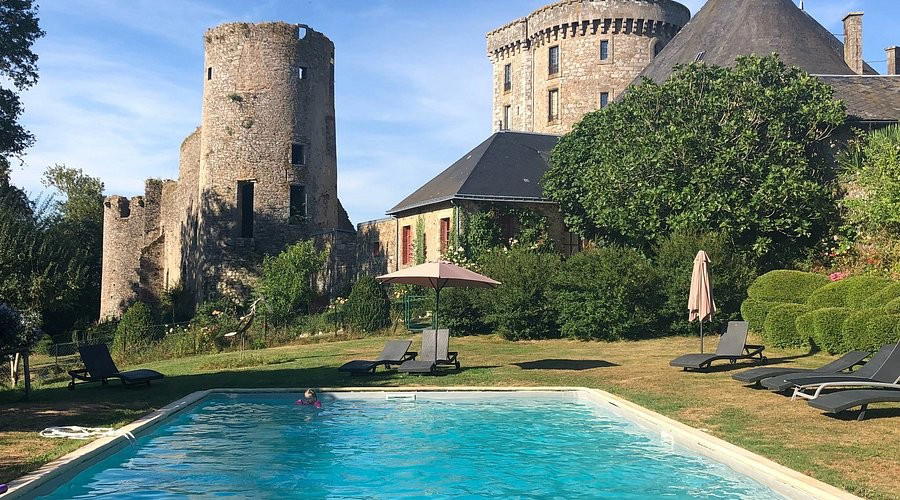
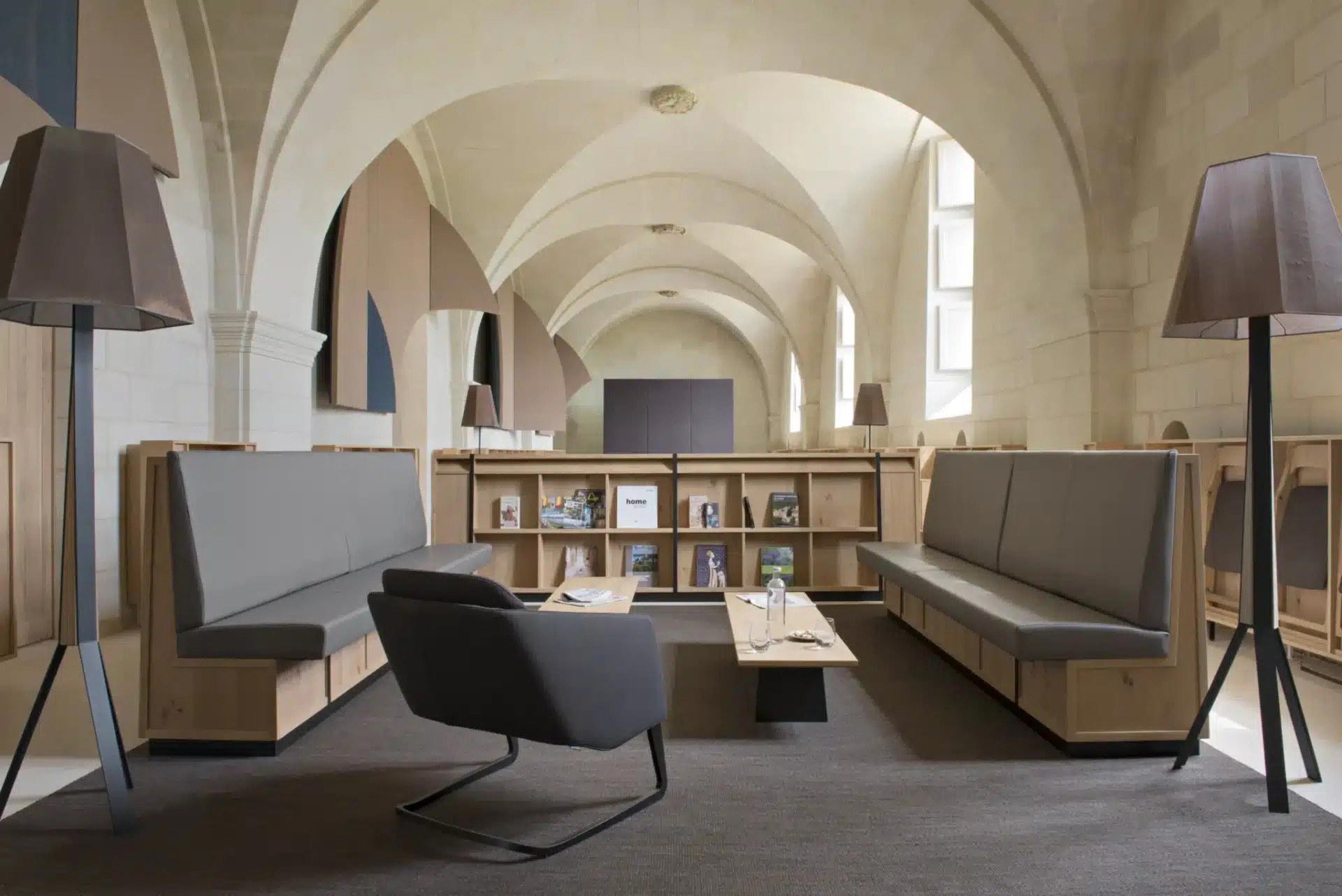
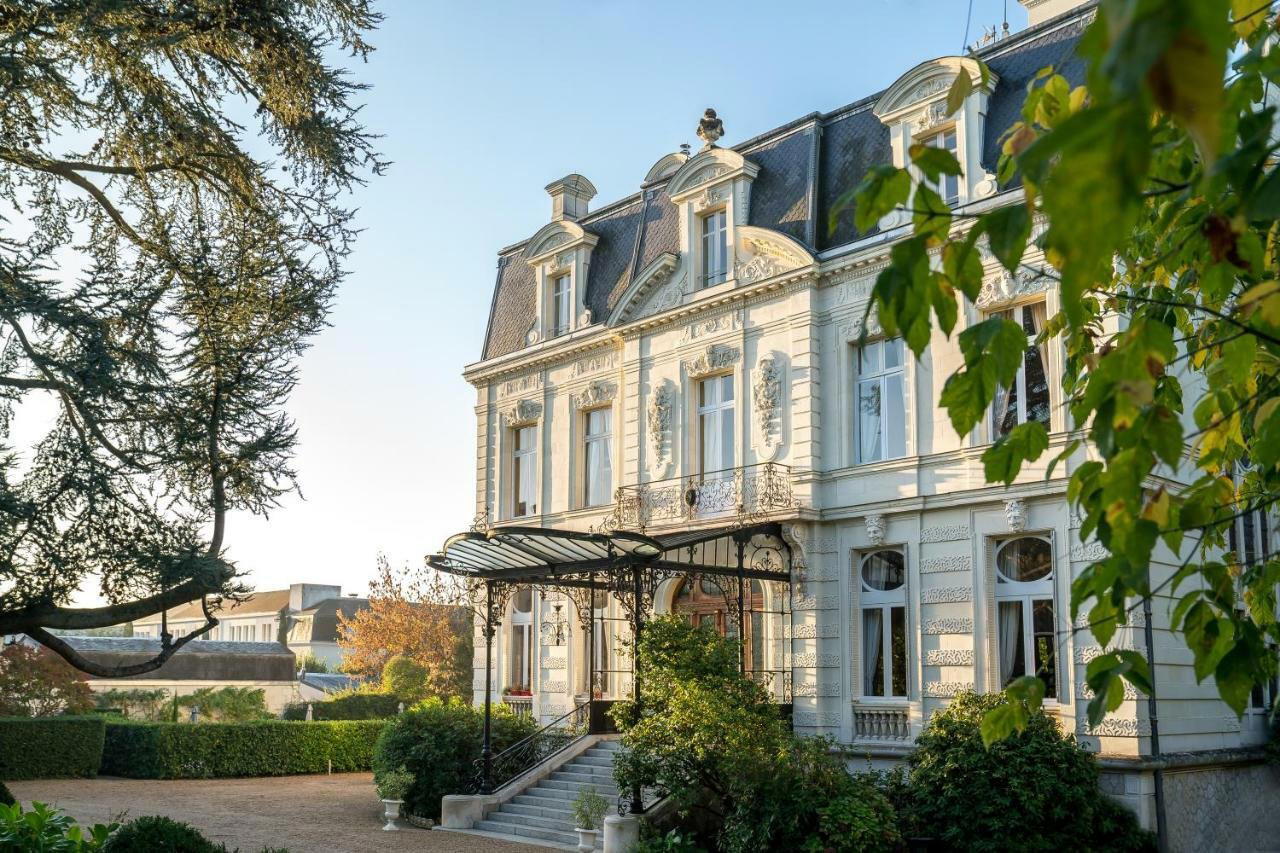
Hotels in Boisme
Browse all →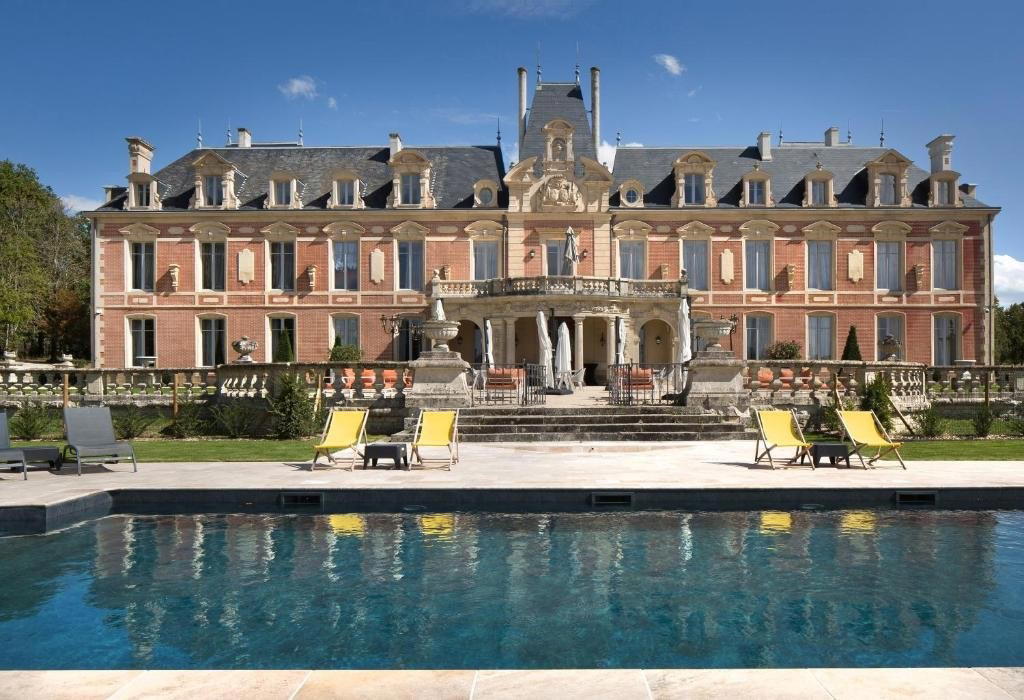

At a Glance
- Cozy
- Rustic
- Intimate
- Date Night
- Family
- Group Dining
- Casual Hangout
- Terrace
- Standalone
- Local Sourcing
Current opening hours
- Monday
- Closed
- Tuesday
- 10:30 AM–2 PM
- Wednesday
- 10:30 AM–2 PM
- Thursday
- 10:30 AM–2 PM
- Friday
- 10:30 AM–2 PM, 5:30–11 PM
- Saturday
- 5:30–11 PM
- Sunday
- Closed
Hours can change for holidays and private events. Last verified .
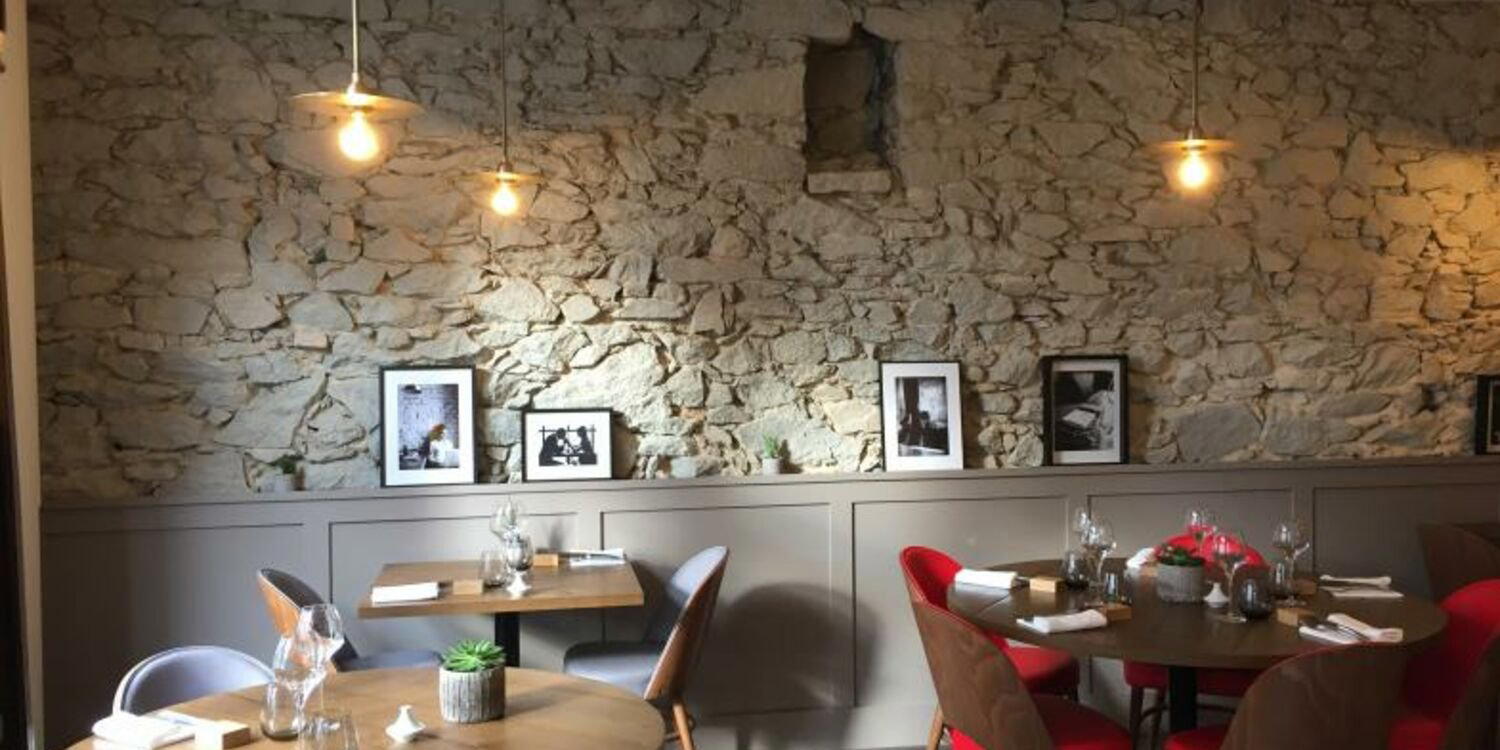
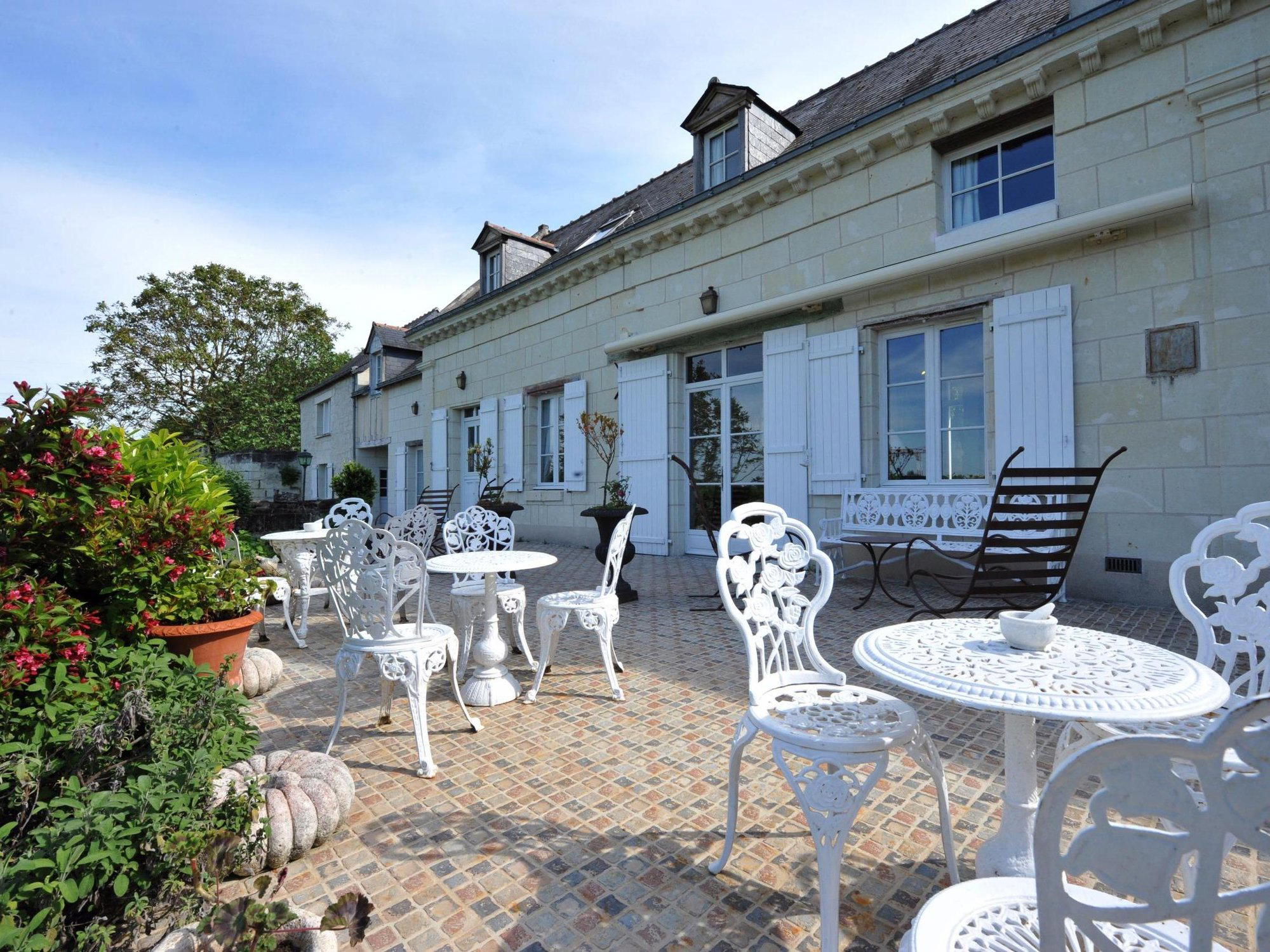
Warm and welcoming atmosphere with simple, clean décor that feels unpretentious; described by guests as a genuine gathering place with attentive, sincere service that creates a relaxed yet refined dining experience.