Logis Hôtel Demeure de la Vignole
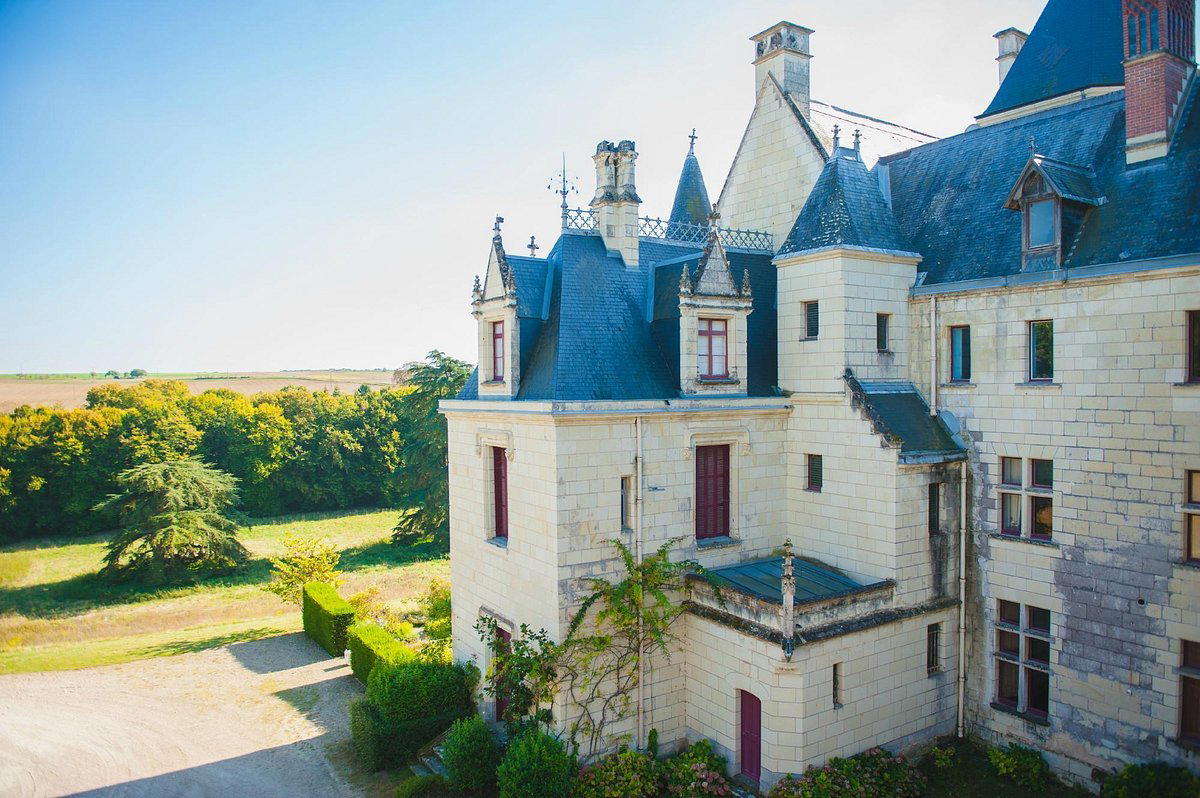
Carved into the tuffeau cliffs above the Loire at Turquant, Logis Hôtel Demeure de la Vignole occupies a troglodyte estate where the geology itself shapes the architecture. The property sits within one of the Loire Valley's most historically layered corners, minutes from Montsoreau, where the Vienne meets the Loire. For travellers who read wine routes as architecture tours, this address makes a coherent case.

Pearl is the En Primeur Club membership app — saves, bookings, and concierge access live there. Same editors, same standards.
- Address
- 3 Imp. Marguerite d'Anjou, 49730 Turquant, France
- Phone
- +33 2 41 53 67 00
- Website
- logishotels.com
- Directions
- Get directions
Stone Before Style: Architecture as the Argument
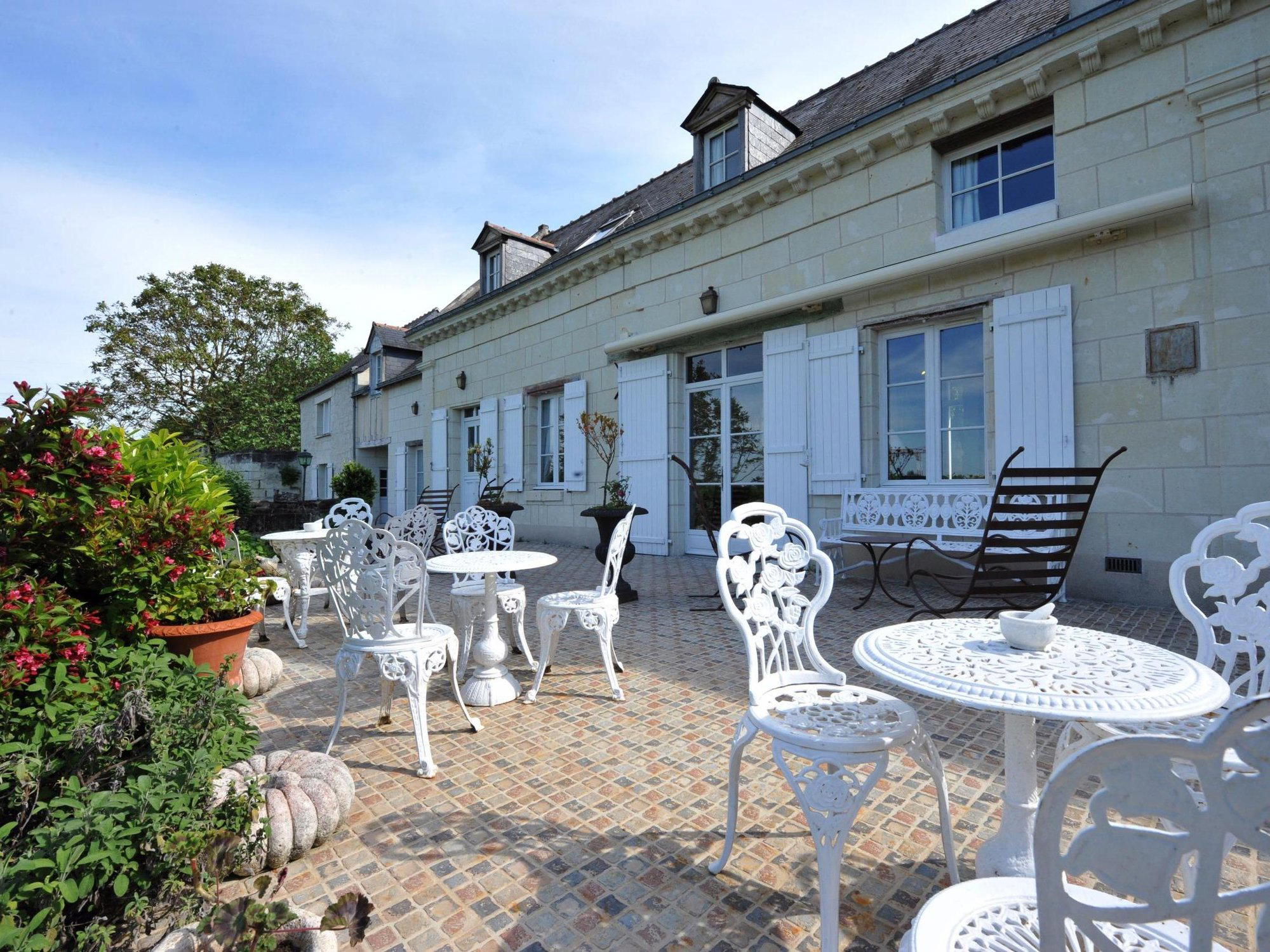
Across the Loire Valley, the hospitality market has split clearly between internationally managed château hotels and smaller, locally rooted properties where the building's own history is the primary offering. The troglodyte tradition of the Saumur-Champigny and Anjou wine country belongs firmly to the second category. Demeure de la Vignole, positioned in the cliff village of Turquant near Montsoreau, represents that tradition at close range: the rooms are not merely old, they are geological. The walls are tuffeau, the soft white limestone that made this stretch of the Loire simultaneously carvable and structurally sound, the same material responsible for the region's châteaux, its cave cellars, and its vernacular domestic architecture across several centuries.
That physical fact shapes the experience in ways that designed interiors cannot replicate. Tuffeau regulates humidity and temperature passively, which means the ambient conditions in a troglodyte room differ from a conventionally constructed one. This is architecture that performs, not just presents. In the wider context of French heritage hotel stays, where properties like Château du Grand-Lucé or Domaine Les Crayères in Reims place the guest inside formally composed historic rooms, the troglodyte offer is something categorically different: shelter within rock, where the building and the hillside are the same object.
The Village Geography
Turquant occupies a narrow band of habitable cliff face between the plateau above and the Loire below, roughly two kilometres west of Montsoreau on the south bank of the river. This is one of the Loire's most geologically distinctive villages, where cave dwellings cut directly into the cliff have been occupied, repurposed, and extended across generations. The address — 3 Impasse Marguerite d'Anjou — places the property within a cul-de-sac of the old village fabric, an enclosure that reinforces the sense of being inside the hill rather than beside it.
The broader setting matters for anyone planning logistics. Montsoreau itself is a classified village, one of the few points in France where two rivers meet within a settlement boundary: the Vienne joins the Loire here, and the confluence is visible from the levée road. The Abbey of Fontevraud, one of the largest medieval religious complexes in Europe, sits approximately seven kilometres to the south. Saumur, the regional centre with its wine appellations and cavalry museum, is within fifteen minutes by car. This is not an isolated rural retreat; it is a place embedded in a culturally dense corridor that repays pedestrian and cycling exploration as much as it does driving.
Troglodyte Architecture in Regional Context
The Loire Valley's troglodyte heritage is extensive but unevenly preserved. In the villages between Saumur and Montsoreau, Turquant, Parnay, Saint-Cyr-en-Bourg, the cliff face holds everything from working wine cellars and mushroom farms to inhabited dwellings and, in some cases, formal hospitality. The Logis designation that Demeure de la Vignole carries places it within a French hotel federation that has historically championed independent, often architecturally distinctive properties over chain-standardised comfort. Logis membership functions as a trust signal in this segment: it implies local ownership, direct management, and a preference for regional character over imported design language.
Against the broader field of Loire Valley accommodation, the troglodyte category sits in a niche that château hotels cannot occupy. Properties like Château de Montcaud or La Bastide de Gordes operate on a logic of grand architectural composition, formal gardens, and controlled visual drama. The troglodyte offer inverts most of those values: the drama is subterranean, the scale is domestic, and the material palette is essentially one substance, stone, in different states of finish. Travellers who respond to one type do not always respond to the other, and the distinction matters when choosing between properties.
Wine Country Positioning
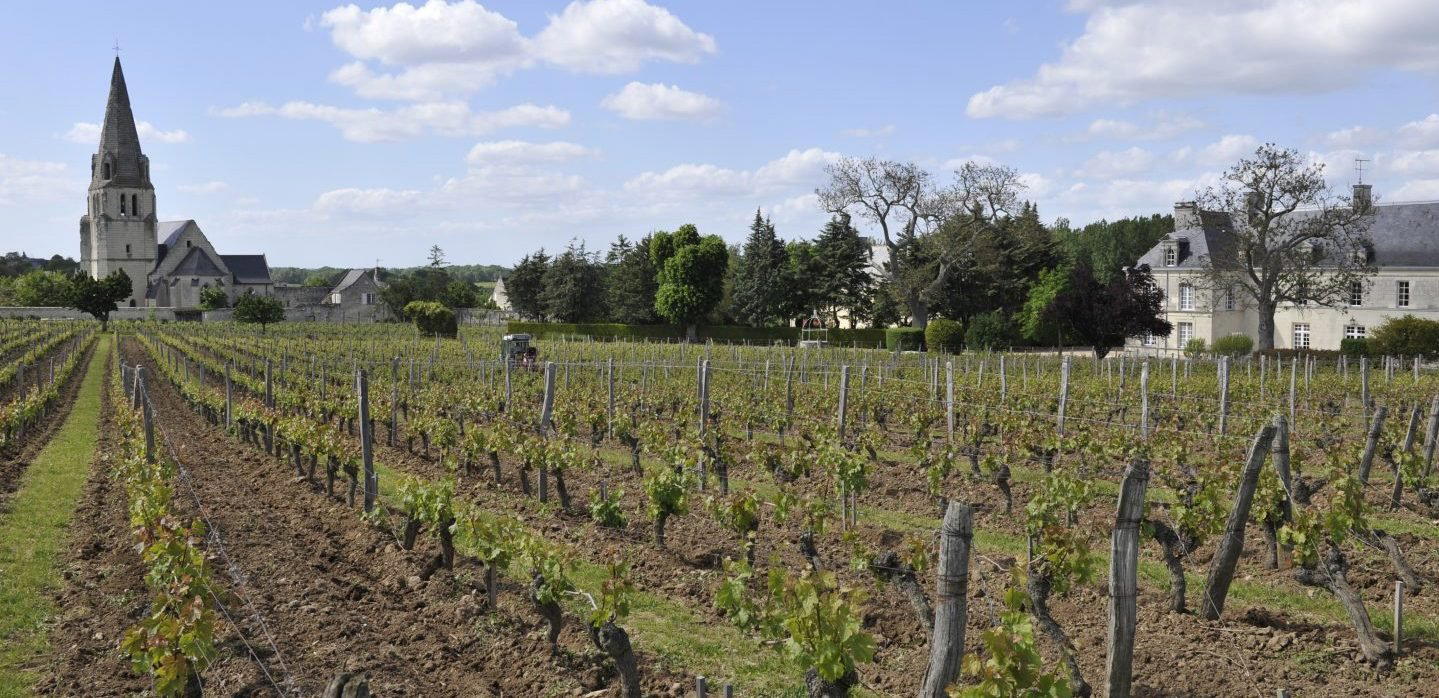
Turquant sits inside the Saumur-Champigny appellation, where the tuffeau subsoil that defines the architecture also defines the wine. Cabernet Franc planted into this geology produces the Loire's most celebrated red, and the connection between the vineyards visible from the village and the walls of the rooms is literal rather than decorative. For anyone travelling the Loire specifically as a wine destination, an address this close to active wineries, many of which offer tastings on the domaine, consolidates the itinerary in a way that a hotel in Saumur town cannot. Compare this with wine-estate stays elsewhere in France, such as Les Sources de Caudalie in Bordeaux or Château Lafaurie-Peyraguey in Sauternes, and the contrast in scale is stark: those properties involve significant infrastructure built around wine tourism as a destination product. Here the relationship with wine is ambient rather than curated, which some travellers find preferable.
Planning a Stay
Turquant is accessible by car from Tours in roughly 45 minutes following the south bank of the Loire, or from Angers in approximately the same time heading east. The nearest TGV connections are at Saumur or at Saint-Pierre-des-Corps outside Tours, both of which connect to Paris Montparnasse in under an hour. Without a car, the village itself is not easily walkable to the wider appellations, so rental at the station makes sense for anyone planning winery visits or the Fontevraud circuit. The Loire Valley's cycling infrastructure is among the more developed in France, and the Loire à Vélo route passes through or near Montsoreau, making this corridor practical for two-wheel touring in a way that more isolated rural properties are not.
Seasonal timing is worth considering. Spring and autumn are the natural windows for wine-country visits, when harvests and post-harvest cellar work make tastings more informative and the light on the river and the cliff villages is at its most legible. Summer brings increased visitor traffic to Fontevraud and Montsoreau, which has its own medieval castle and contemporary art programme. The tuffeau caves maintain a stable internal temperature year-round, which makes this type of accommodation more functional in high summer than a conventionally constructed building without air conditioning would be.
For travellers whose Loire Valley reference points lean toward the region's more formal end, properties like Cheval Blanc Paris or Hôtel du Cap-Eden-Roc occupy a different register entirely. The appeal of Demeure de la Vignole is not scale or service infrastructure; it is specificity of place and the architectural argument that only this geology can make.
At-a-Glance Comparison
| Venue | Price | Awards |
|---|---|---|
| Logis Hôtel Demeure de la VignoleThis venue — the venue you are viewing | $100–200 | Not listed |
| Cheval Blanc Paris | $2,500+ | 3 Michelin Keys · World's 50 Best #20 |
| Cheval Blanc Courchevel | $1,500–2,500 | 3 Michelin Keys · La Liste Top Hotels |
| Le Meurice | $1,000–1,500 | 3 Michelin Keys · La Liste Top Hotels |
| Aman Le Mélézin | $2,500+ | 2 Michelin Keys · La Liste Top Hotels |
| Hôtel Cheval Blanc St-Tropez | $200–300 | 2 Michelin Keys · La Liste Top Hotels |
Continue exploring
More in Montsoreau
Hotels in Montsoreau
Browse all →
Bars in Montsoreau
Browse all →
Restaurants in Montsoreau
Browse all →

Details
- Romantic
- Rustic
- Scenic
- Cozy
- Elegant
- Romantic Getaway
- Weekend Escape
- Family Vacation
- Historic Building
- Garden
- Terrace
- Wi Fi
- Pool
- Fitness Center
- Garden
- Vineyard
- Garden
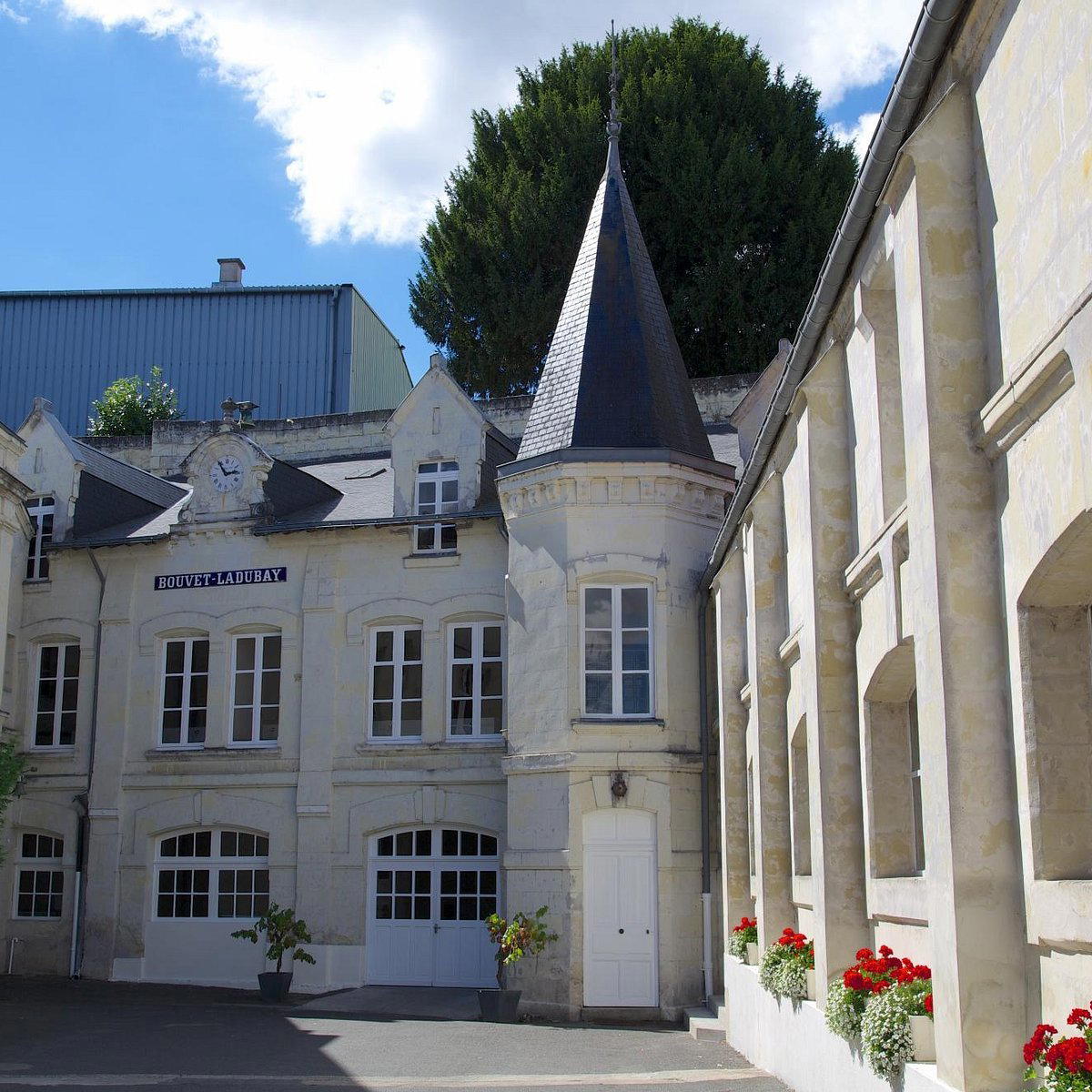
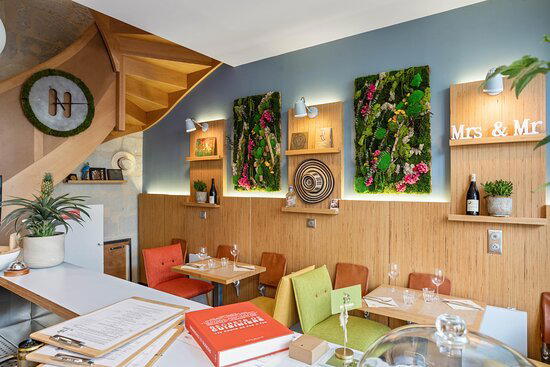
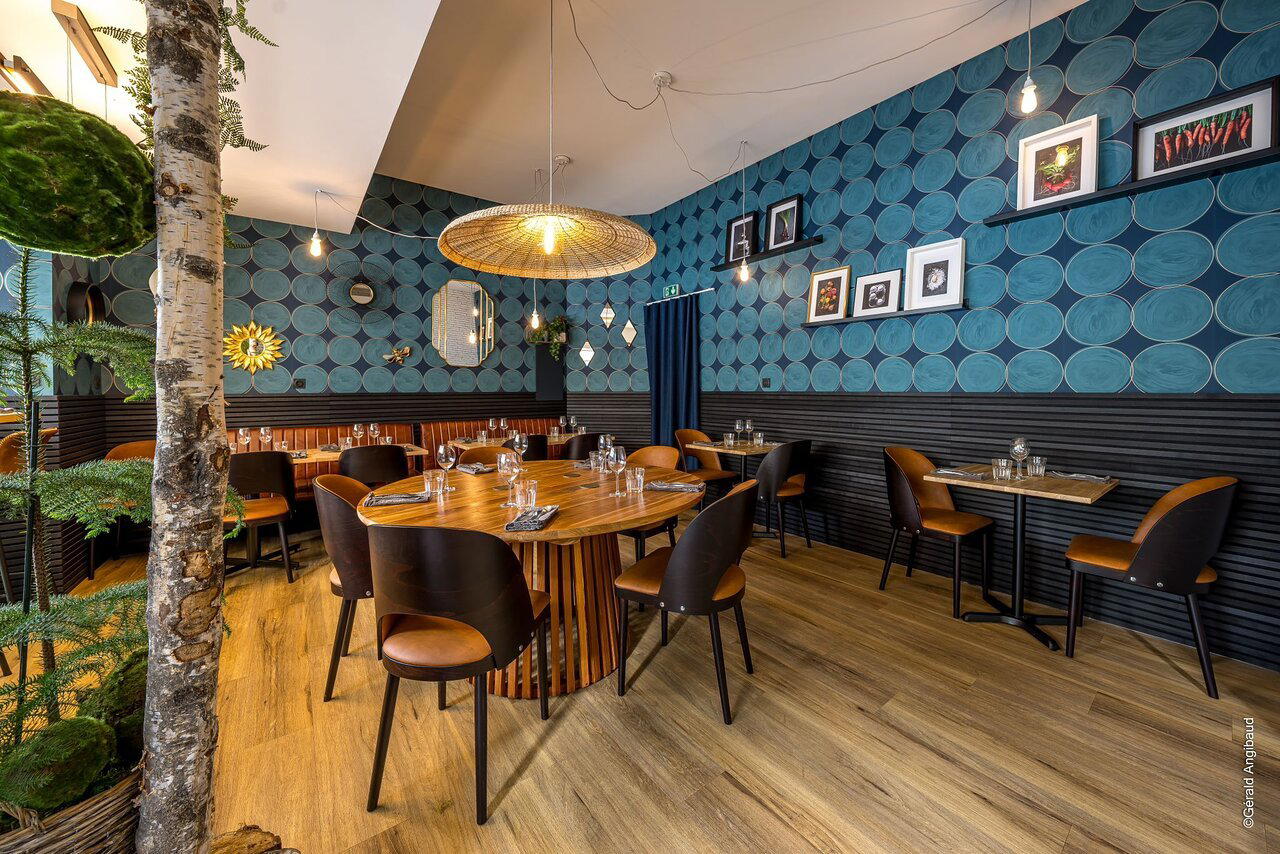
Upscale rustic with charming troglodyte caves, elegant tuffeau stone mansion, and serene garden terrace views; cozy, refined atmosphere praised for warmth and uniqueness.