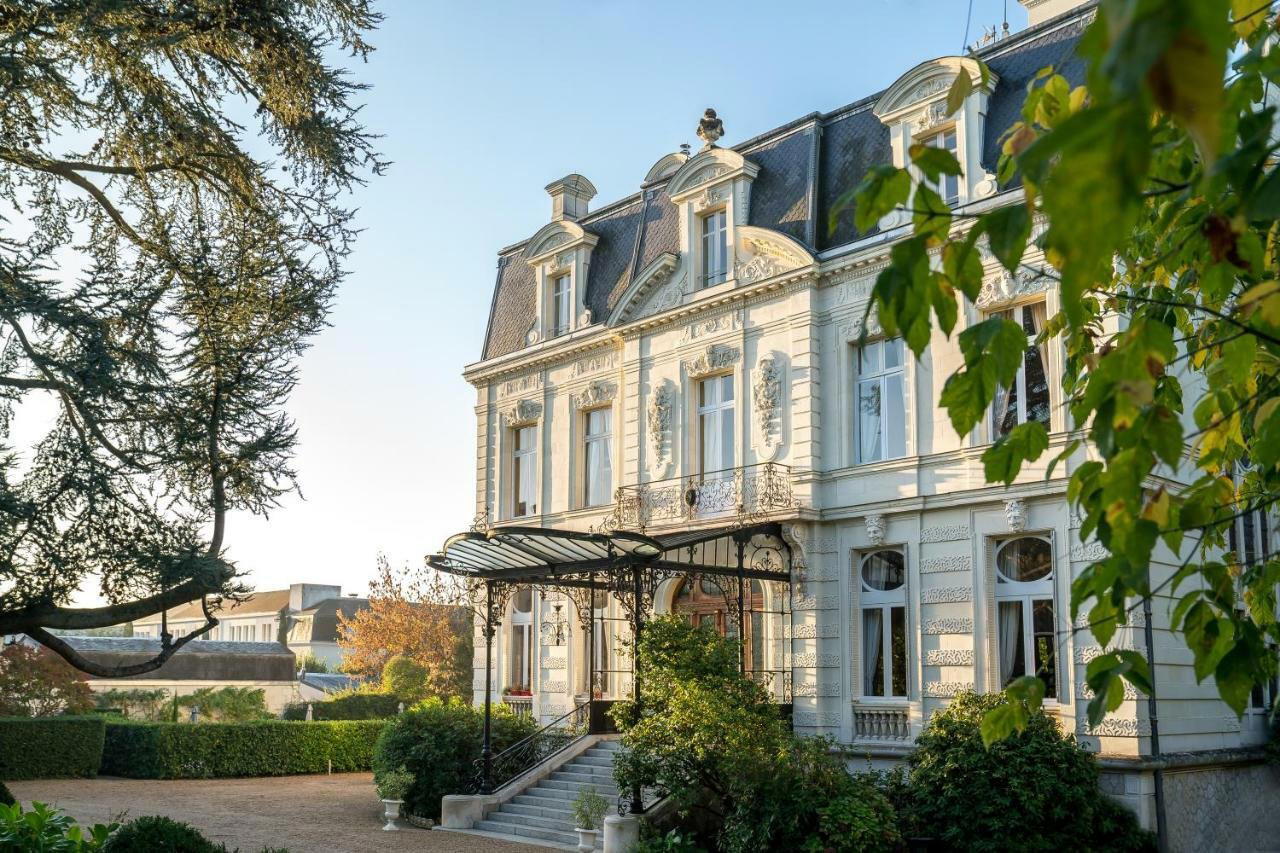
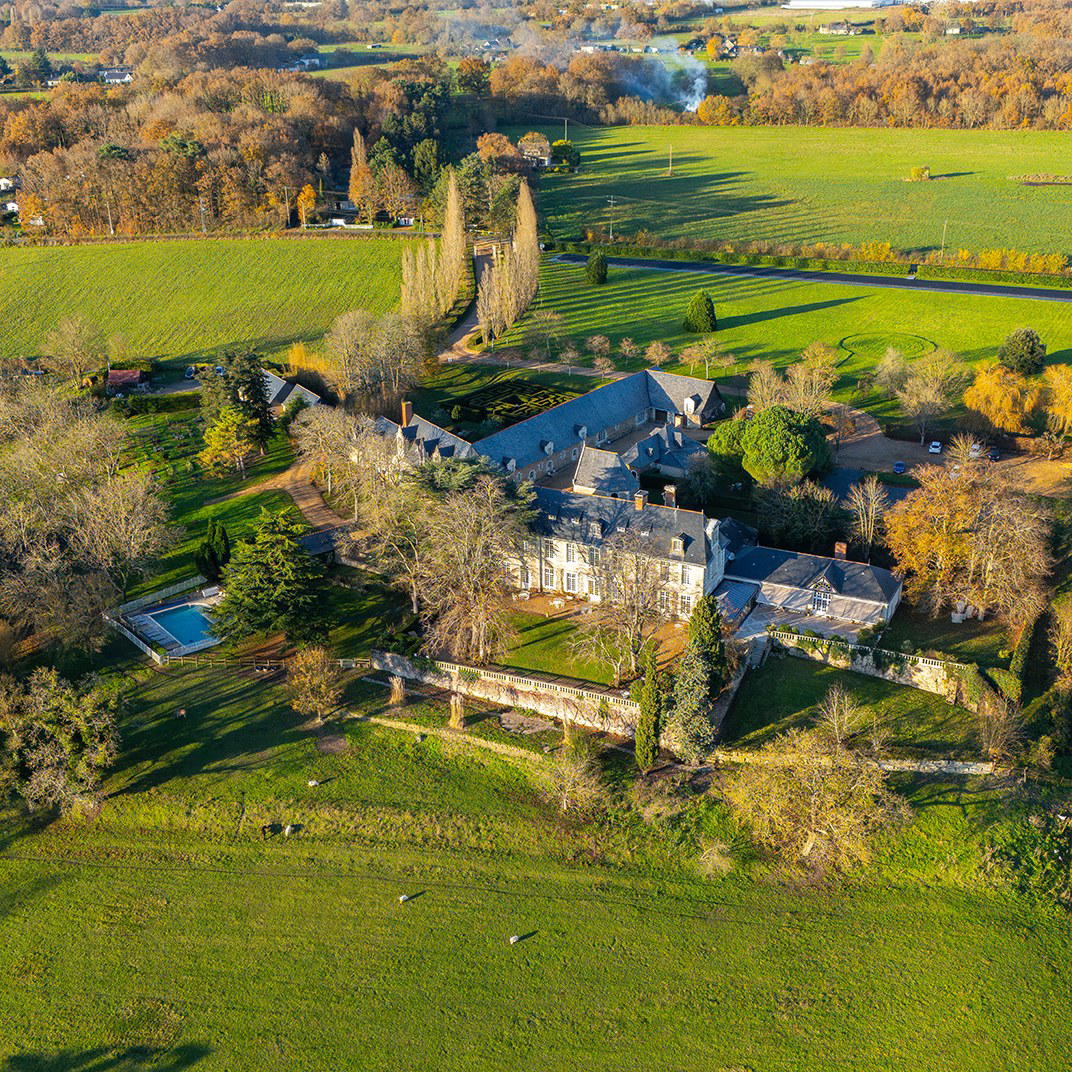
Set within a 19th-century château in the Loire Valley town of Saumur, this property sits at the quieter, more architecturally considered end of French château-hotel hospitality. Stone facades, period interiors, and spa facilities position it firmly in the tradition of heritage conversion rather than resort construction — a format that suits the region's wine-country pace and its proximity to the châteaux of Anjou.

Pearl is the En Primeur Club membership app — saves, bookings, and concierge access live there. Same editors, same standards.
- Address
- Orléans, France
- Directions
- Get directions
Where the Loire Valley's Château-Hotel Format Comes Into Focus
France's Loire Valley has long operated as one of Europe's most coherent luxury travel corridors, threading together medieval fortresses, royal hunting lodges, and 19th-century maisons de maître along a river stretch that UNESCO recognised for its cultural landscape in 2000. Within that tradition, the converted château-hotel occupies a specific and well-established niche: properties where architectural heritage is the primary draw, and where the physical fabric of the building carries more curatorial weight than any imported brand identity. Hôtel Château de Verrières and Spa in Saumur belongs to that category. It is a château-hotel in the classical French provincial sense, shaped by stone walls and period proportions rather than by the design-forward reinvention that increasingly defines properties like Château du Grand-Lucé in Le Grand-Lucé or the lavish formality of Domaine Les Crayères in Reims.
The Architecture as Argument
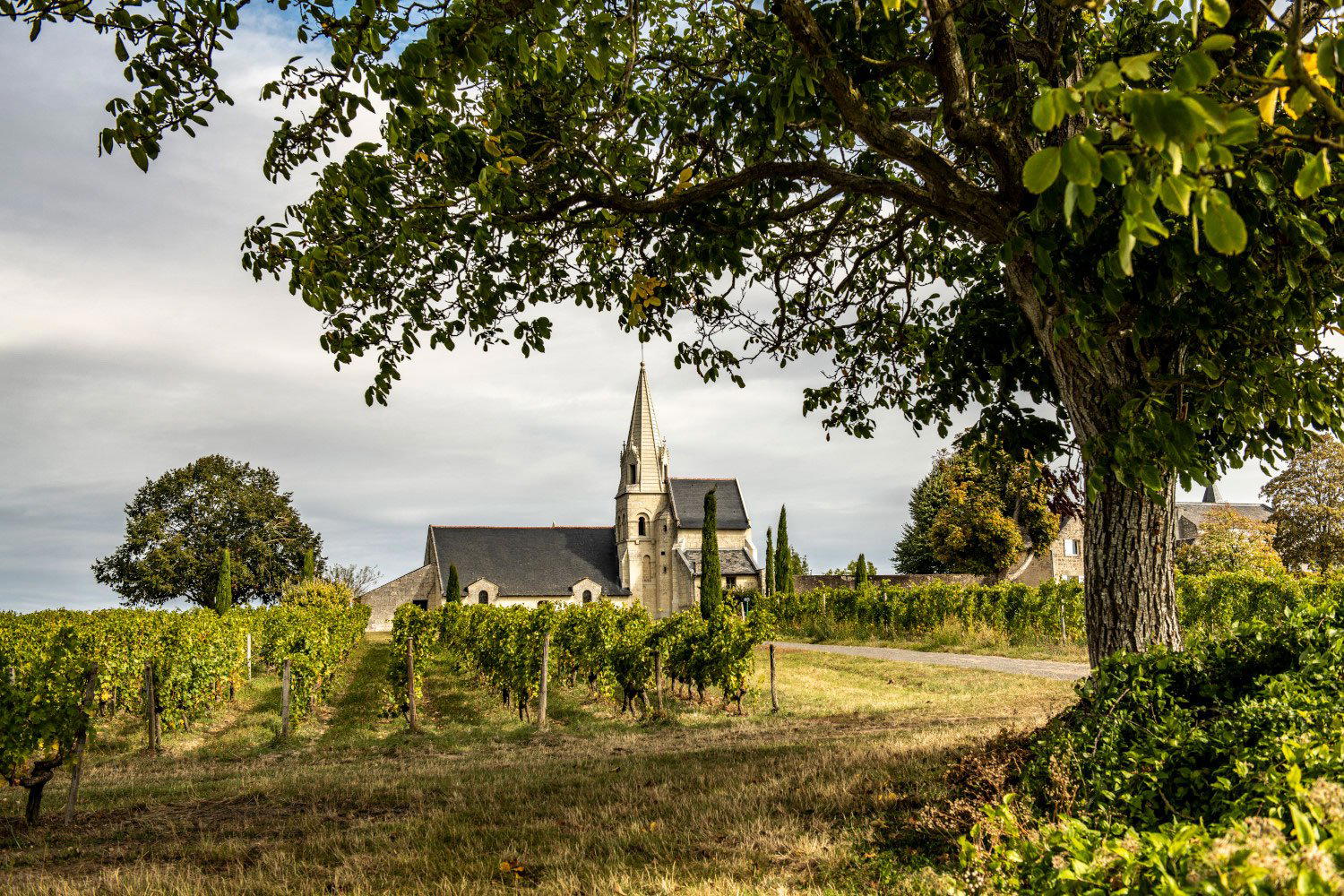
Approaching a 19th-century Loire château on foot, the grammar of the building does most of the communication before you reach the entrance. Stone façades in the region's characteristic tuffeau — the soft, cream-coloured limestone quarried from the Loire's riverbanks for centuries — carry a particular quality of light that changes markedly between morning and late afternoon. It is a material with weight and age built into its texture, and properties that preserve rather than conceal it operate in a different register from those that paper over their interiors with contemporary finishes.
This format of heritage conversion, where the 19th-century envelope is the experience rather than simply the container for it, has proven durable across the Loire. Guests arriving at properties in this tier are generally choosing the architecture first and the amenity set second. The spa addition at Verrières is consistent with what the broader Loire château-hotel market has done over the past two decades: layering wellness infrastructure onto preserved historic structures to address a modern expectation without dismantling the period character that justifies the premium positioning in the first place.
For a sense of how Loire châteaux compare to more heavily reinvented peers elsewhere in France, properties like Château de Montcaud in Sabran or Château de la Gaude in Aix-en-Provence illustrate how the southern French approach to château conversion tends toward more overt architectural intervention. The Loire tradition is measurably more conservative, preservation-led rather than transformation-led, which reflects both the density of protected heritage buildings in the region and a local hospitality culture that treats architectural continuity as a value rather than a constraint.
Saumur as a Setting
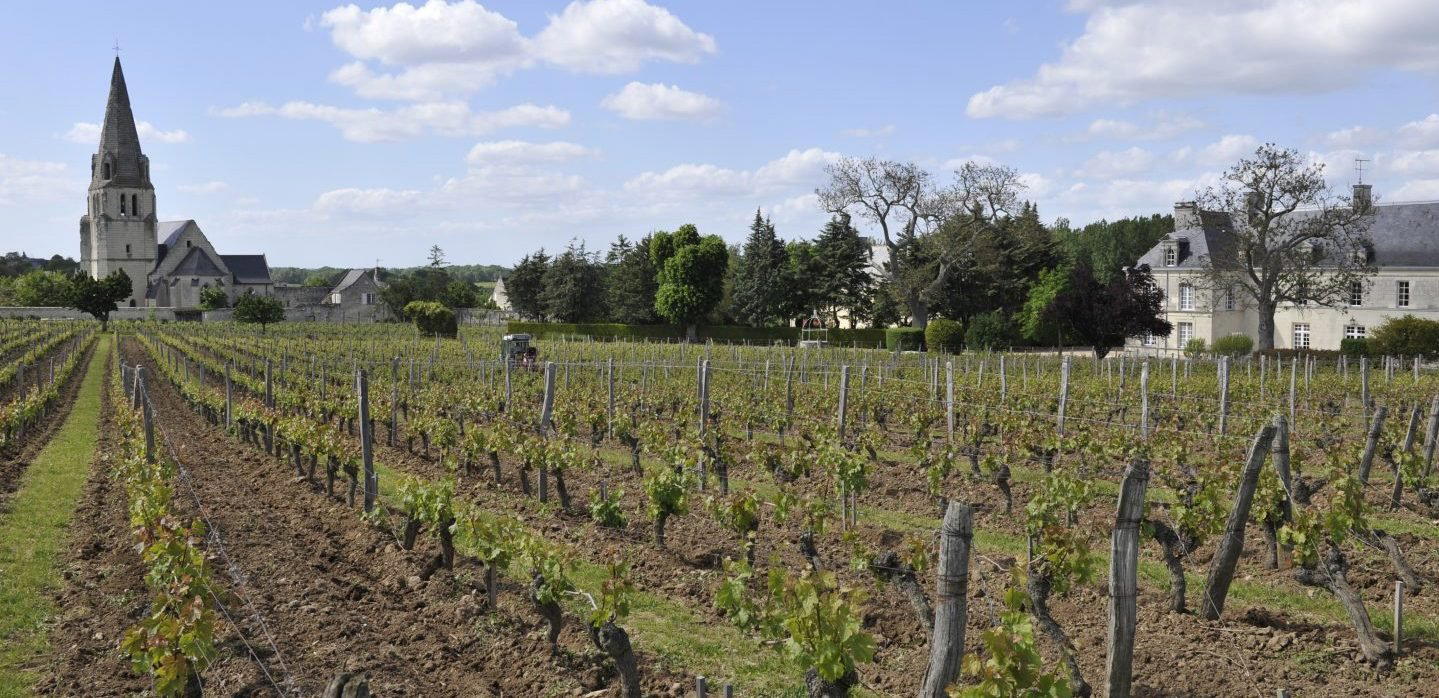
Saumur's own château, a 14th-century royal residence that looks down over the town from its promontory above the Loire, establishes the architectural tone of the entire town. This is not a market city that happens to have a castle; it is a place where the castle organised the urban fabric below it over centuries. The town's reputation rests on three pillars: its sparkling wines produced under the Saumur and Crémant de Loire appellations, the Cadre Noir equestrian school (a UNESCO-listed institution since 2011), and the network of tuffeau cave systems that run beneath the surrounding hills and have been used for wine storage, mushroom cultivation, and habitation since the Middle Ages.
That layering of uses, agricultural, cultural, architectural, gives Saumur a density of local character that distinguishes it from the more tourist-facing stretches of the Loire around Amboise or Blois. A stay in the town positions you within easy reach of the Saumur-Champigny red wine appellation to the east, the Layon sweet wine district to the south, and the cave-dwelling troglodyte villages scattered through the surrounding tuffeau escarpments. For a broader orientation to the region and its hospitality options, see our full Orléans restaurants guide.
Positioning Within French Château-Hotel Hospitality
The French market for château-hotel stays has stratified considerably over the past decade. At the upper end, properties with LVMH or Relais and Châteaux affiliations, such as Cheval Blanc Paris or Cheval Blanc Courchevel, operate at price points and with service architectures that place them in a global luxury tier rather than a specifically regional one. Below that, a mid-market of independently operated château conversions serves guests whose primary interest is the Loire's wine and cultural infrastructure rather than the hotel itself. Verrières occupies a position in this mid-to-upper independent tier: architecturally substantial, historically situated, and equipped with spa facilities that meet contemporary expectations without signalling the investment scale of the branded properties.
Comparable independent properties across France in terms of heritage-led positioning include Castelbrac in Dinard and Château Lafaurie-Peyraguey in the Sauternes, where wine-country adjacency and 19th-century architecture define the proposition in similar ways. The Sauternes property adds the Lalique design layer, which demonstrates clearly how branding can shift a heritage building into a higher international visibility tier, a move Verrières has not made, which is either a limitation or a preservation of local character depending on what the guest is looking for.
For those tracking this segment across different French regions, Les Sources de Caudalie in Bordeaux, Baumanière in Les Baux-de-Provence, and La Bastide de Gordes each represent how the wine-country luxury property has evolved in regions with stronger international name recognition than Anjou. The Loire's relative underrepresentation in global luxury travel media is arguably its structural advantage: appellation wine tourism here operates with less competitive saturation than Burgundy or Bordeaux, and the accommodation supply at the château level has not been absorbed by the branded groups to the same degree.
Planning a Stay
Saumur sits approximately 300 kilometres southwest of Paris, making it a realistic destination for a long weekend rather than a single-night stay. The town is accessible by TGV from Paris Montparnasse, with journey times of just over two hours to Saumur station. The Loire by bicycle is one of the better-established cycling routes in France, the Loire à Vélo trail passes through Saumur, which means the town draws a broad spectrum of travellers, from touring cyclists to wine-focused visitors arriving by car from Nantes or Tours. Spring and autumn are the most functional seasons for a visit: harvest activity in September and October adds texture to a wine-country stay, while spring brings the château gardens into full use before summer crowds arrive on the more popular stretches of the river. For comparison with the coastal spa-hotel format at a similar price tier, Hôtel and Spa du Castellet in Le Castellet offers a point of contrast in terms of what the spa-integrated château property looks like under higher specification in the south.
Fast Comparison
| Venue | Price | Awards |
|---|---|---|
| Hotel Chateau de Verrieres & Spa Chateau Hotel SaumurThis venue — the venue you are viewing | $200–300 | Not listed |
| Cheval Blanc Paris | $2,500+ | 3 Michelin Keys · World's 50 Best #20 |
| Cheval Blanc Courchevel | $1,500–2,500 | 3 Michelin Keys · La Liste Top Hotels |
| Le Meurice | $1,000–1,500 | 3 Michelin Keys · La Liste Top Hotels |
| Aman Le Mélézin | $2,500+ | 2 Michelin Keys · La Liste Top Hotels |
| Hôtel Cheval Blanc St-Tropez | $200–300 | 2 Michelin Keys · La Liste Top Hotels |
Continue exploring
More in Orléans
Hotels in Orléans
Browse all →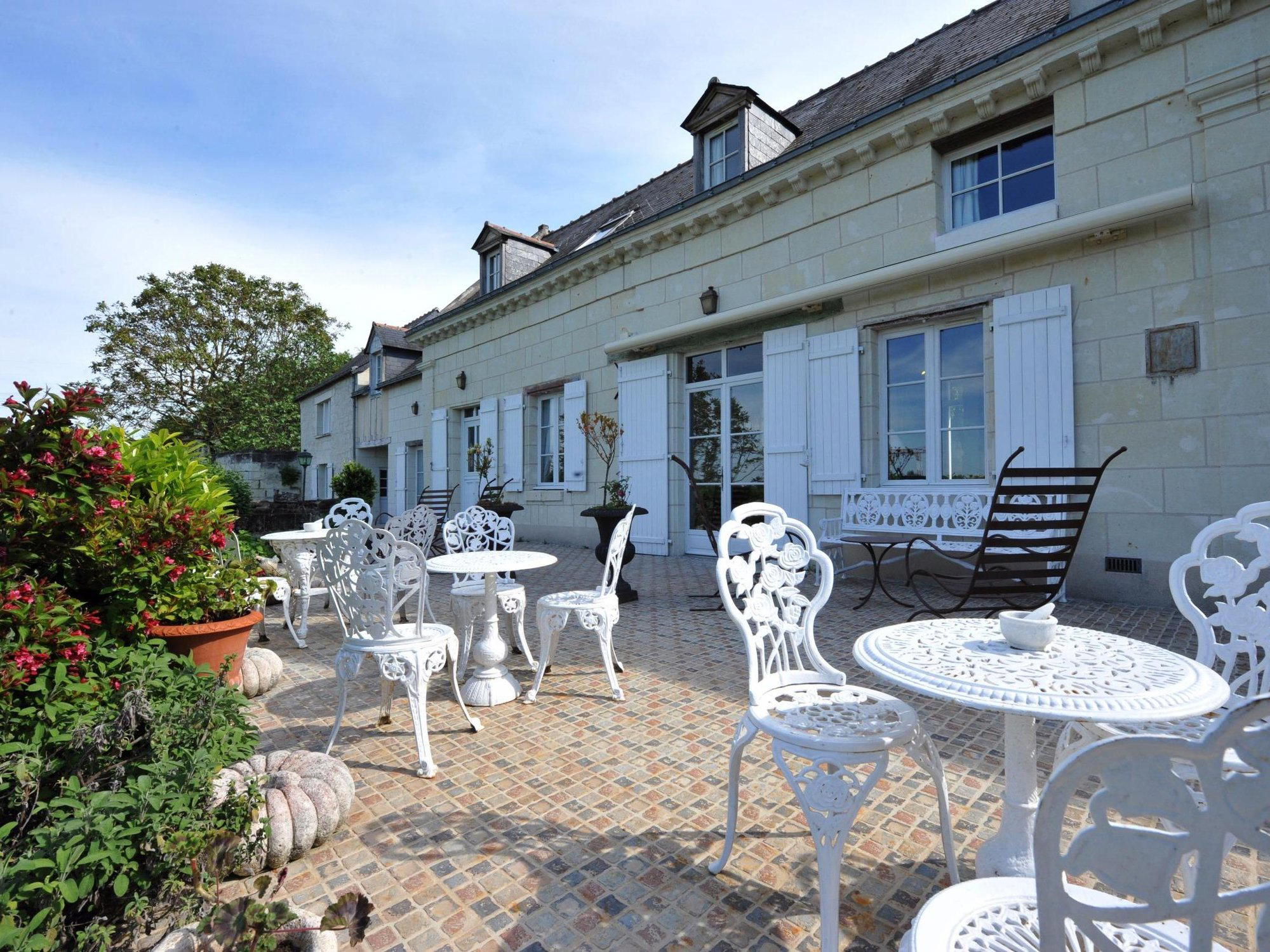
Bars in Orléans
Browse all →
Restaurants in Orléans
Browse all →

Details
- Romantic
- Elegant
- Classic
- Ornate
- Romantic Getaway
- Honeymoon
- Anniversary
- Weekend Escape
- Historic Building
- Garden
- Terrace
- Panoramic View
- Wi Fi
- Pool
- Spa
- Fitness Center
- Restaurant
- Bar
- Room Service
- Concierge
- Kids Club
- Garden
- Wheelchair Accessible
- Accessible Restroom
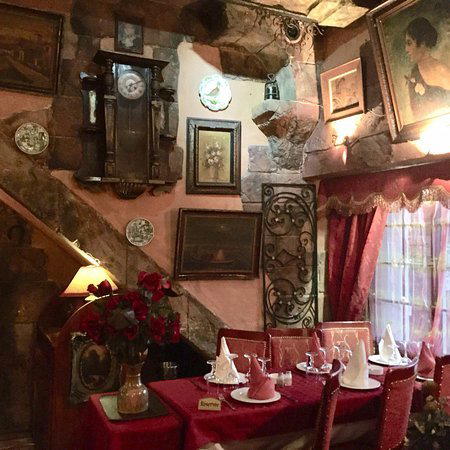
Ornate Belle Époque decor with period furnishings, high ceilings, and antique rugs creating a glamorous, sophisticated atmosphere enhanced by modern amenities and natural light from garden views.