Le Moulin Des Ecrevisses
A former watermill on the rural edge of Ailly-sur-Noye, Le Moulin Des Ecrevisses sits within the quieter register of Picardy dining, where the surrounding agricultural land and local waterways have historically shaped what appears on the plate. The setting alone, a converted mill with the Somme region's flat, productive countryside at its doorstep, positions this address as a counterpoint to the urban dining circuits further south.
Pearl is the En Primeur Club membership app — saves, bookings, and concierge access live there. Same editors, same standards.
- Address
- Route de Boves, 80250 Ailly-sur-Noye, France
- Phone
- +33322902569
- Website
- lemoulindesecrevisses.com
- Directions
- Get directions
 Saves & bookings on Pearl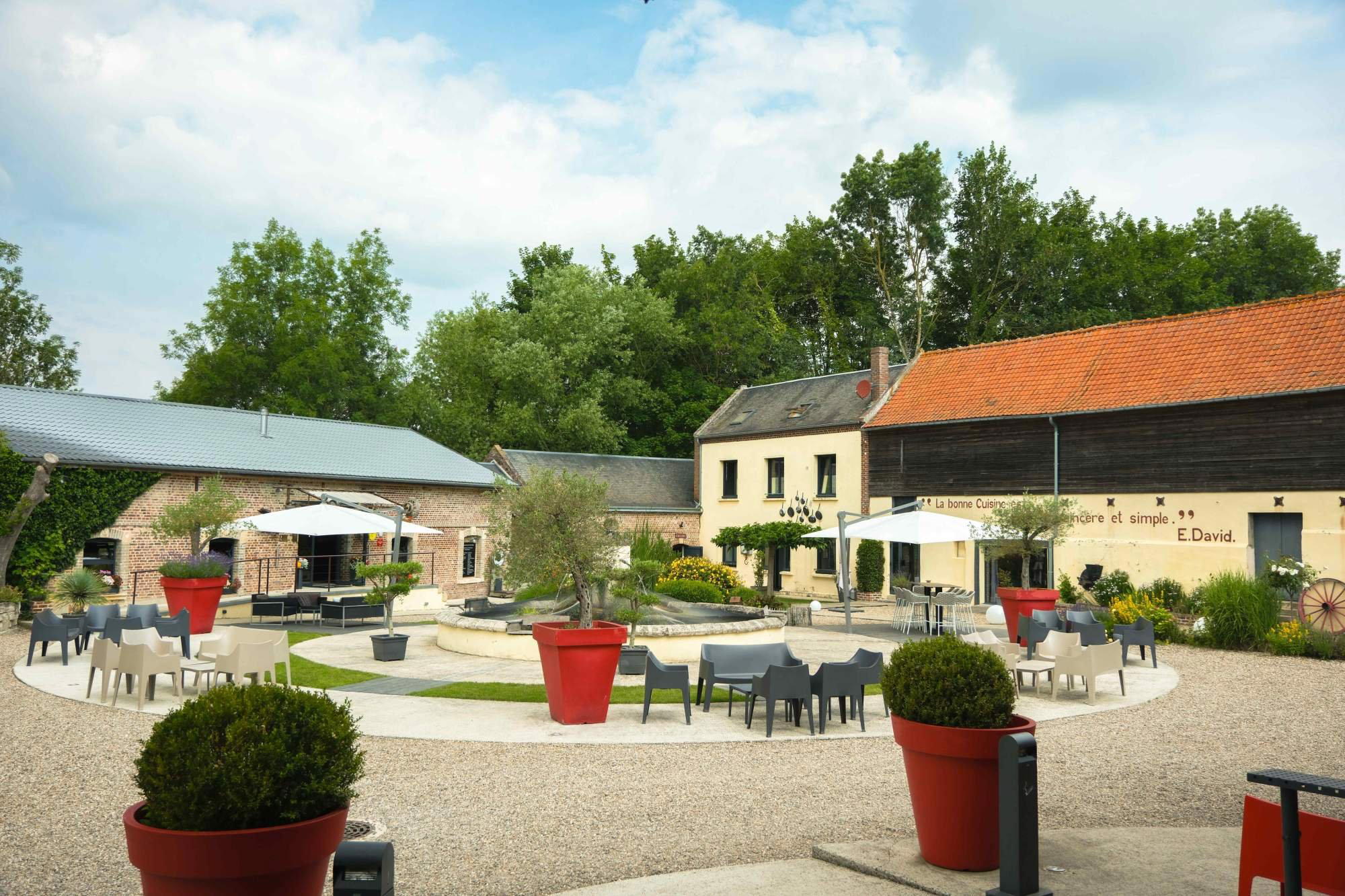
A Mill, a Region, and What the Land Produces
The Somme department is not a region that appears on most French dining itineraries, and that absence is partly geographical, partly cultural. The flat agricultural corridor between Amiens and the Channel coast has never cultivated the kind of destination-dining mythology that attaches itself to Burgundy or the Basque Country. Yet the land here is genuinely productive: market gardens around the Hortillonnages of Amiens, cold-water fish from the Somme and its tributaries, game from the surrounding bocage, and a seasonal rhythm that predates any restaurant trend by several centuries. Le Moulin Des Ecrevisses is a restaurant in Ailly-sur-Noye on the Route de Boves, serving contemporary French gastronomique cooking at about $60 per person. Positioned along the Route de Boves at the edge of Ailly-sur-Noye, it occupies a building type that is historically inseparable from that productivity. Watermills in this part of northern France were the original processing infrastructure for agricultural communities, and the conversion of such structures into dining venues carries a logic that runs deeper than aesthetics.
For context on how France's leading regional tables have built their reputations on exactly this kind of rootedness, the trajectory of Mirazur in Menton or Bras in Laguiole is instructive. Both operate in regions that were not obvious fine-dining destinations, and both built their cases around the specificity of their immediate terrain. The Picardy model is less developed but follows the same underlying logic: the ingredient story precedes and justifies the cooking.
The Setting: Water, Stone, and the Approach Through Farmland
Arriving at a converted mill in northern France means arriving through a landscape before you arrive at a building. The Route de Boves corridor south of Amiens runs through open fields and small copses, and a mill site here would have been chosen centuries ago for its access to a reliable watercourse. That relationship between structure and water defines the atmosphere of these converted properties. Stone walls, low ceilings in older sections, and the acoustic quality of a building that once housed machinery all contribute to a register that is quieter and more grounded than anything purpose-built for hospitality. The physical environment is the first statement the kitchen has to work with, and in northern France, that statement tends toward restraint rather than spectacle.
This is a different proposition from the grand-boulevard formality of Alléno Paris au Pavillon Ledoyen in Paris or the Alpine drama of Flocons de Sel in Megève. The mill format is intimate by structural necessity, and that intimacy tends to push kitchens toward local sourcing and seasonal tightness, because the scale of the dining room and the character of the setting make imported or out-of-season produce feel incongruous.
Sourcing in Picardy: What the Region Actually Offers
Northern France's contribution to the French larder is underappreciated relative to its actual volume. The Somme valley produces leeks, endive, and chicory in quantities that supply much of the country. The estuary and river systems yield eels, pike, perch, and the small freshwater crayfish that, in another era, gave establishments like this one their names. The name Ecrevisses, crayfish, is itself an ingredient reference, a record of what the local waterways once produced in abundance and what kitchens here once built menus around. That kind of naming is not nostalgia but specificity: it tells you where a kitchen looks first when it thinks about what to cook.
The broader tradition of French regional cooking that connects a table like this one to the wider national narrative runs through institutions far larger in profile: Auberge de l'Ill in Illhaeusern built its Michelin legacy on Alsatian river fish and local foie gras; Georges Blanc in Vonnas grounded its identity in Bresse poultry and the Ain's dairy traditions; Paul Bocuse - L'Auberge du Pont de Collonges in Collonges-au-Mont-d'Or made Lyon's market gardens and Rhône-valley produce the foundation of a global reputation. The principle is consistent: regional cooking at its most coherent is an argument about place, and the ingredient is the primary evidence.
In Picardy, the argument is made with less fanfare but no less legitimate material. Maroilles cheese from the Avesnois border, duck from the Somme valley, seasonal vegetables from the market gardens around Amiens, and, depending on season, game from the surrounding countryside all represent a regional larder that a kitchen committed to its location can work with across twelve months.
Where This Table Sits in Northern France's Dining Pattern
The dining geography of northern France between Paris and the Channel coast tends to cluster around Amiens for mid-range and regional cooking, with a thinner layer of destination tables spread across the department. Ailly-sur-Noye sits roughly fifteen kilometres south of Amiens, close enough to draw from the city's supply network but positioned in a rural context that gives a mill property its rationale. This is not the kind of address that competes with the formal intensity of Assiette Champenoise in Reims or the coastal precision of Christopher Coutanceau in La Rochelle. It occupies a different register: a regional table in a historically resonant setting, where the physical character of the building and the agricultural context of the surrounding land are the primary claims on a diner's attention.
For travellers who have covered the higher-profile circuits, properties like this one represent a different kind of reading of French dining culture. The Auberge format, a converted rural property with a kitchen rooted in its immediate geography, is one of the oldest and most persistent structures in French hospitality. Auberge du Vieux Puits in Fontjoncouse and L'Oustau de Baumanière in Les Baux represent the form at its most decorated. Le Moulin Des Ecrevisses operates at a smaller scale and in a region with a lower public profile, but the underlying structure, rural setting, historical building, locally anchored kitchen, is the same.
Planning a Visit
Ailly-sur-Noye is accessible by road from Amiens in under twenty minutes, and the Route de Boves approach from the north provides one direct connection from the city. As with most rural French tables of this type, a car is the practical assumption. Booking in advance is advisable for weekend services, as properties of this scale and setting tend to fill from a combination of local regulars and visitors arriving from Amiens or passing through on the A16/A29 axis. Specific hours, current pricing, and reservation contact details are best confirmed directly.
Comparable Venues
Comparable venues nearby, for context on price, style, and recognition.
| Venue | Cuisine | Price | Notes |
|---|---|---|---|
| Le Moulin Des EcrevissesThis venue — the venue you are viewing | Contemporary French Gastronomique | $$$ | Not listed |
| Comptoir De Vie | Modern French Tasting Counter-Bar | $$$ | 2nd Arrondissement |
| L'inattendu | French Bistronomy | $$$ | Chauny |
| La Traversée | Modern French Bistro | $$$ | 18th Arrondissement |
| Bistrot du 8ème | French Crêperie Bistro | $$$ | 8ème arrondissement |
| CoCo | Modern French Seasonal Cuisine | $$$ | Opéra |
Continue exploring
More in Ailly Sur Noye
Restaurants in Ailly Sur Noye
Browse all →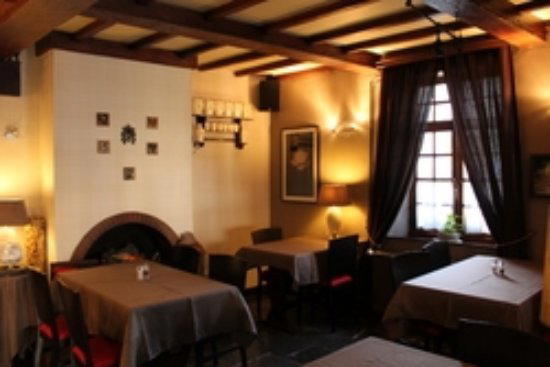
Wineries in Ailly Sur Noye
Browse all →
At a Glance
- Romantic
- Elegant
- Rustic
- Scenic
- Cozy
- Date Night
- Family
- Special Occasion
- Waterfront
- Terrace
- Historic Building
- Private Dining
- Extensive Wine List
- Local Sourcing
- Waterfront
- Garden
Current opening hours
- Monday
- Closed
- Tuesday
- Closed
- Wednesday
- 12–2 PM, 7–9 PM
- Thursday
- 12–2 PM, 7–9 PM
- Friday
- 12–2 PM, 7–9 PM
- Saturday
- 7–9 PM
- Sunday
- 12–2 PM
Hours can change for holidays and private events. Last verified .
Convivial and apaisante atmosphere in a rustic historic setting with preserved mill features, warm attentive service, and scenic river views from the terrace.