On the Boulevard d'Alsace Lorraine, Brasserie Jules occupies a well-worn place in Amiens dining life — the kind of address where the format is as familiar as the menu, rooted in the brasserie tradition that northern France has sustained for generations. For visitors and locals navigating the city's restaurant scene, it represents the mid-register of French civic dining: straightforward, convivial, and worth understanding on its own terms.
Pearl is the En Primeur Club membership app — saves, bookings, and concierge access live there. Same editors, same standards.
- Address
- 18 Bd d'Alsace Lorraine, 80000 Amiens, France
- Phone
- +33322711840
- Website
- brasserie-jules.fr
- Directions
- Get directions
 Saves & bookings on Pearl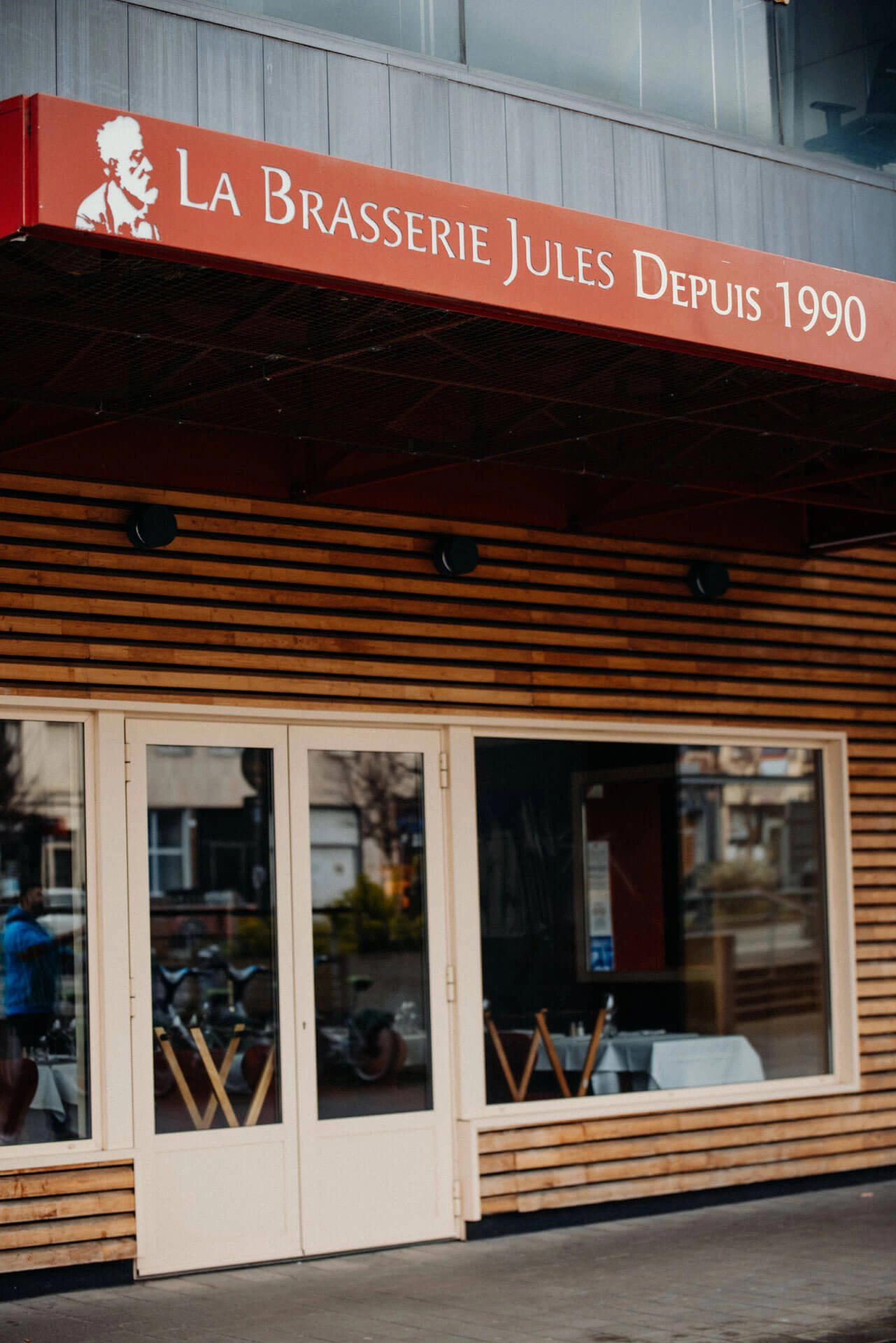
The Brasserie as a French Institution
The brasserie format is one of the most durable structures in French public life. Not fine dining in the tasting-menu sense, not a simple bistro, the brasserie occupies its own register: service through the day, a menu that moves between classics, a room designed to absorb a crowd without becoming anonymous. In northern France, where the industrial and civic past shaped both appetite and architecture, the brasserie took particularly deep root. Cities like Amiens, Lille, and Valenciennes built their restaurant cultures around this model long before the word "gastronomy" entered common usage.
Brasserie Jules, on the Boulevard d'Alsace Lorraine in central Amiens, sits inside that tradition. The boulevard itself is a broad, unhurried artery of the kind that Haussmann-influenced provincial planning produced across France — wide enough for terraces, prominent enough to anchor an all-day dining address. The physical position matters: a brasserie works well on a street with foot traffic, where the logic of dropping in, rather than booking weeks ahead, remains intact.
What Northern France Eats
To understand what a brasserie in Amiens serves, it helps to understand what the Hauts-de-France region produces. This is not the cream-and-butter register of Normandy, nor the wine-driven kitchen of Burgundy. The north has its own culinary identity: endive, Maroilles cheese, andouillette, ficelles picardes (thin crêpes filled with ham and mushroom, baked in cream), and a strong tradition of moules-frites derived partly from proximity to the Belgian border. Beer, rather than wine, historically framed much of the region's cooking — the term "brasserie" itself derives from the French word for brewery, a reminder that these establishments originally served beer alongside food.
In Amiens specifically, the Hortillonnages, the city's famous floating market gardens, have long supplied fresh vegetables to local tables. That agricultural proximity is part of what shaped Picard cooking: seasonal, produce-forward, and unpretentious in its foundations. A brasserie in this city draws from that larder, whether explicitly or by default.
For visitors comparing options across the city's dining tiers, Amiens now has a growing layer of modern cuisine addresses. Hyacinthe (Modern Cuisine) and Ail des Ours (Modern Cuisine) represent the more technique-driven end of the local scene, while A Taaable brings a different editorial voice to what Amiens kitchens can do. The brasserie sits below that creative tier by design, it is not competing with those addresses, and the reader should not approach it expecting to.
Where Brasserie Jules Sits in the Local Picture
Amiens is not a city that has historically drawn food tourists the way Lyon, Bordeaux, or even Strasbourg do. Its proximity to Paris (roughly 75 minutes by TGV from Gare du Nord) means it functions partly as a day-trip or stop-through destination, with the Gothic cathedral as the primary draw. That context shapes the restaurant market: there is demand for reliable, mid-register dining from visitors who arrive for the cathedral and stay for lunch, as well as from the city's own professional and student population.
The brasserie format serves that demand efficiently. It does not require the same level of advance planning as a tasting menu restaurant, and it does not carry the same price commitment. For context on where the top tier of French dining sits, addresses like Alléno Paris au Pavillon Ledoyen in Paris, Mirazur in Menton, or Flocons de Sel in Megève operate at a different scale of ambition and investment entirely. The brasserie is not attempting to occupy that space, and the comparison is useful only to clarify the distance between registers.
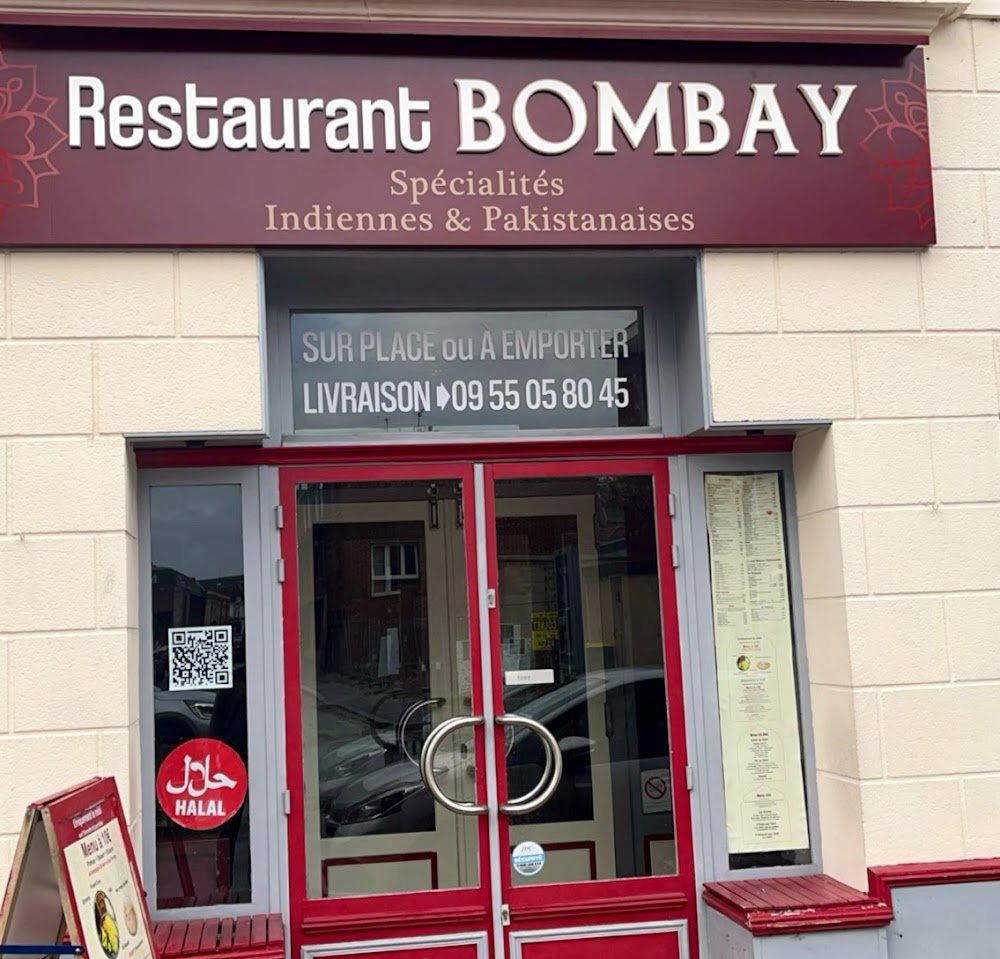
Within Amiens itself, La Table Du Marais and Bombay offer alternative angles on the city's mid-market dining, giving visitors a useful spread of options across cuisines and formats. See the full Amiens restaurants guide for a broader map of the scene.
The Broader Tradition Behind the Format
The brasserie's durability as a format owes something to its resistance to fashion. While French fine dining has cycled through nouvelle cuisine, the return to terroir, and now the influence of Nordic technique-led cooking visible in addresses like Bras in Laguiole and Les Prés d'Eugénie - Michel Guérard in Eugénie-les-Bains, the brasserie has remained relatively constant. Its civic function, a place to eat a proper lunch on a Tuesday, to meet after a concert, to arrive without a reservation on a quiet evening, does not require reinvention. It requires execution.
The longest-running brasseries in France, places like those associated with the Flo group or the storied provincial houses that anchor cities from Alsace (see Auberge de l'Ill in Illhaeusern) to the Rhône Valley (consider the legacy of Paul Bocuse - L'Auberge du Pont de Collonges in Collonges-au-Mont-d'Or), understand that longevity in this format comes from consistency rather than ambition. The room, the service rhythm, and the menu categories stay recognisable year to year. That predictability is not a weakness; it is the proposition.
Planning Your Visit
Brasserie Jules is located at 18 Boulevard d'Alsace Lorraine in central Amiens, within walking distance of the cathedral and the main commercial centre of the city. Amiens is accessible by direct TGV from Paris Gare du Nord, making it a practical lunch destination for those travelling north from the capital. The brasserie format generally accommodates walk-ins more readily than tasting-menu restaurants, particularly at lunch midweek, though weekend covers and peak tourist season around the cathedral will fill the room faster.
For those building a broader French dining itinerary, the contrast between a provincial brasserie like this one and the more formal tasting formats at places such as Troisgros - Le Bois sans Feuilles in Ouches or Georges Blanc in Vonnas is itself instructive, two ends of a spectrum that French dining culture has sustained simultaneously for over a century. It is worth noting that international comparisons also illuminate the format's distinctiveness: the communal, technique-forward energy of Lazy Bear in San Francisco or the precision-led seafood focus at Le Bernardin in New York City belong to a completely different dining logic than the French brasserie, where the format's value is civic and habitual rather than destination-driven.
How Brasserie Jules Amiens compares with similar nearby venues.
| Venue | Cuisine | Price |
|---|---|---|
| Hyacinthe | Modern Cuisine | €€ |
| Les Orfèvres | Modern Cuisine | €€€ |
At a Glance
- Classic
- Cozy
- Group Dining
- Historic Building
Current opening hours
- Monday
- 12–2 PM, 7–11:30 PM
- Tuesday
- 12–2 PM, 7–11:30 PM
- Wednesday
- 12–2 PM, 7–11:30 PM
- Thursday
- 12–2 PM, 7–11:30 PM
- Friday
- 12–2 PM, 7–11:30 PM
- Saturday
- 12–2 PM, 7–11:30 PM
- Sunday
- 12–2 PM
Hours can change for holidays and private events. Last verified .
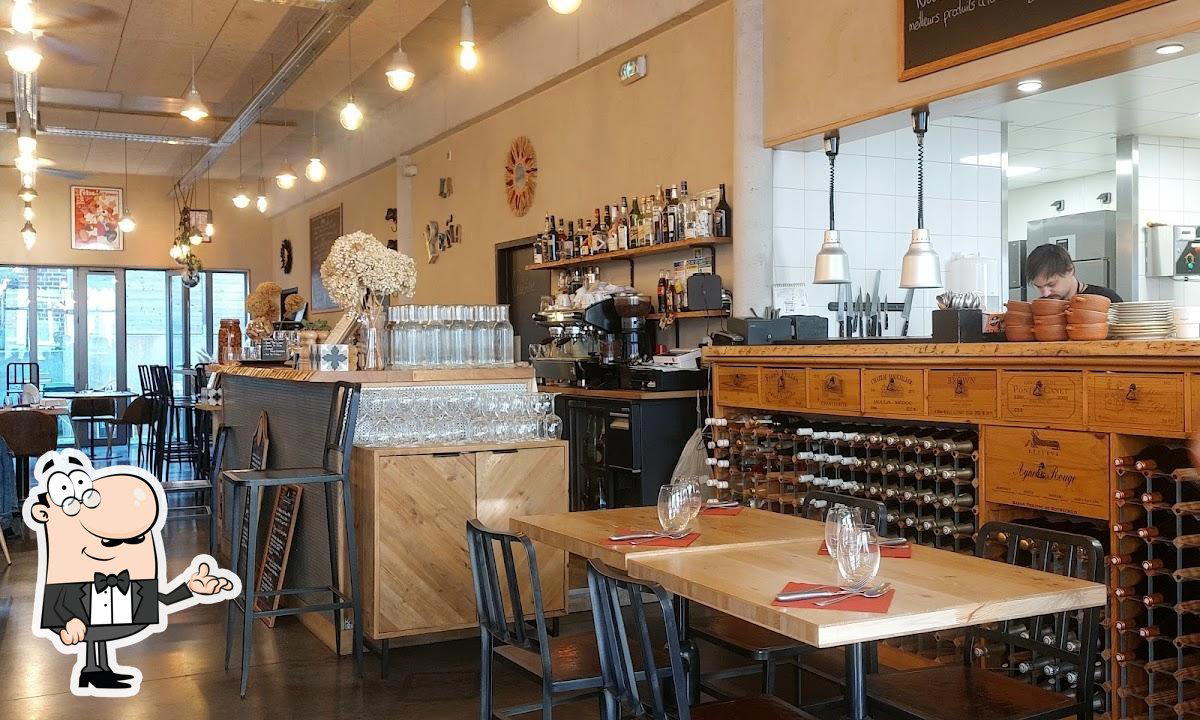
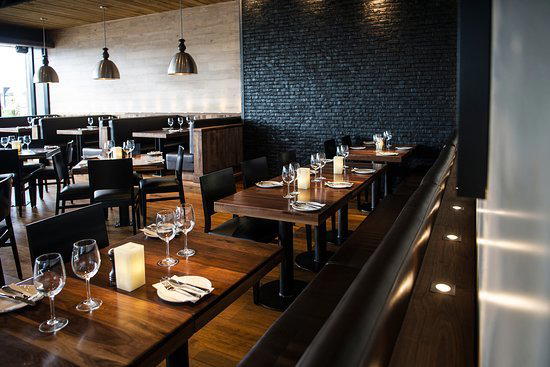
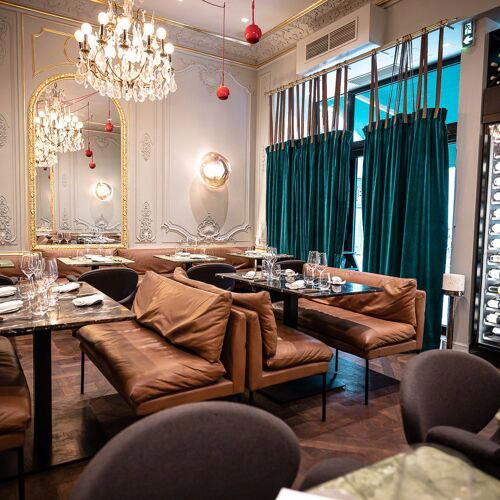
Classic brasserie with warm, cozy decor evoking Jules Verne's universe and generous traditional French portions.
Know Before You Go
- Getting there
- 18 Bd d'Alsace Lorraine, 80000 Amiens, France