Bombay brings Indian-inflected cooking to Rue du Maréchal de Lattre de Tassigny, sitting at an interesting angle to Amiens' largely French-focused restaurant scene. With sparse public data available, the restaurant operates at some remove from the city's more documented dining tier, making it a quieter option for those curious about subcontinental flavour in a northern French context.
Pearl is the En Primeur Club membership app — saves, bookings, and concierge access live there. Same editors, same standards.
- Address
- 108 Rue du Maréchal de Lattre de Tassigny, 80000 Amiens, France
- Phone
- +33 9 55 05 80 45
- Directions
- Get directions
 Saves & bookings on Pearl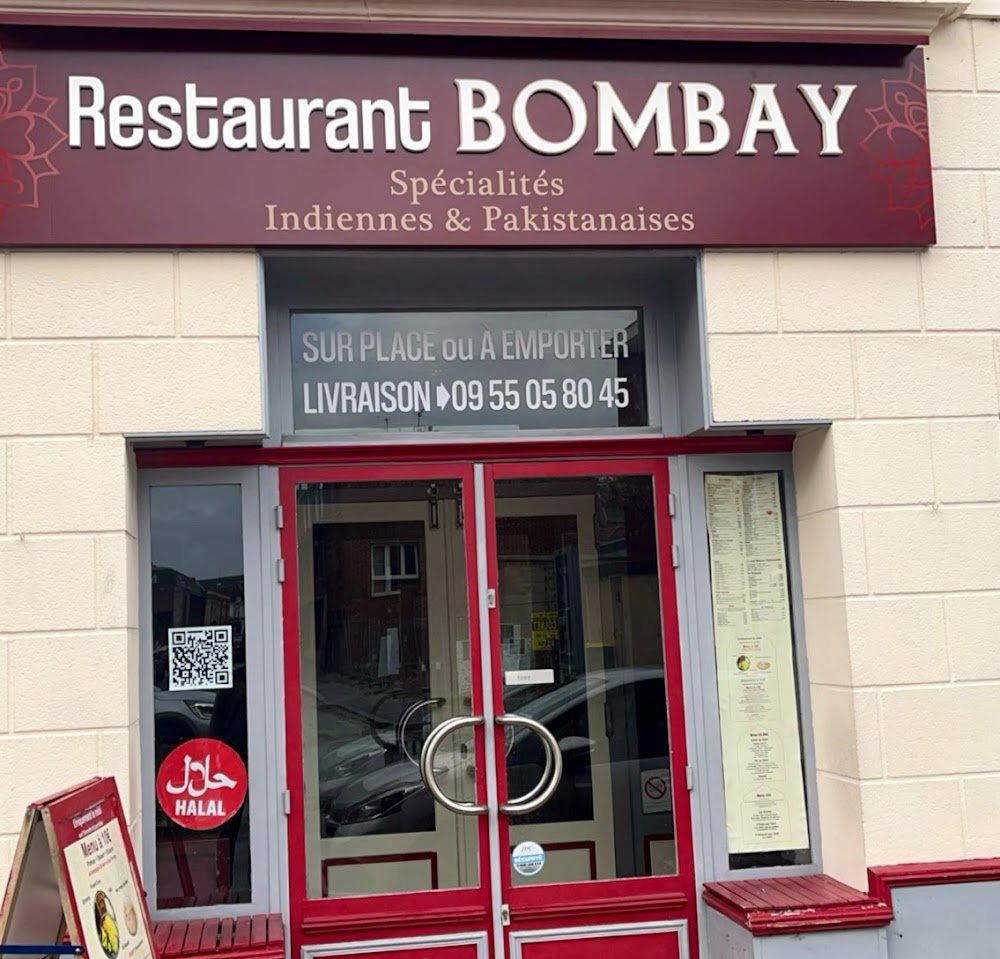
Indian Cooking in a French Provincial City: Where Bombay Sits
Amiens has built its serious dining reputation almost entirely on northern French produce and technique. The restaurants that draw regional attention, from the modern cuisine at Hyacinthe (Modern Cuisine) to the terrace cooking at La Table Du Marais, tend to root themselves in Picard ingredients: chicory, freshwater fish from the hortillonnages, duck from the Somme valley. Against that backdrop, a restaurant named Bombay occupies a genuinely different position in the city's food map. Its address on Rue du Maréchal de Lattre de Tassigny places it in a commercial corridor that functions as everyday Amiens rather than destination dining, which shapes both the audience it draws and the role it plays in the neighbourhood.
France's Indian restaurant category is a relatively thin one compared to the UK or the Netherlands, and outside Paris the representation drops further. Cities like Amiens, Lille, and Rouen have small but consistent pockets of subcontinental cooking, typically serving a combination of long-resident communities and curious locals with limited local alternatives. Bombay, as far as the available public record shows, fits that pattern: a neighbourhood-level Indian restaurant in a city where the competition in that specific cuisine is minimal. That scarcity should be read neither as a credential nor a criticism, simply as context for why this kind of address fills a genuine gap.
The Question of Sourcing in French Indian Cooking
The ingredient-sourcing question for Indian restaurants operating outside major metropolitan centres in France is a real one. The spice supply chain has improved considerably since the early 2000s, with specialist importers serving restaurants in mid-size cities with dried chillies from Rajasthan, curry leaves, fenugreek, and black cardamom that would have been difficult to source reliably two decades ago. What remains harder to standardise at this distance from large Indian communities is the fresh aromatics: curry leaf plants that survive northern climates, fresh green chillies, and the particular variety of ginger used in coastal and Mughal-inflected cooking.
How Bombay handles these sourcing realities is not documented in the public record, but the question itself matters to anyone thinking critically about what Indian food outside India can and cannot offer. The restaurants that do it well in French provincial cities tend to compensate through technique: longer-simmered bases, higher-quality ghee, and a willingness to adjust spice ratios to account for ingredient variation. The ones that struggle tend to reach for a lowest-common-denominator approach that irons out the regional specificity that makes Indian cooking interesting. Without menu data or kitchen access, it is not possible to say with confidence where Bombay falls on that spectrum.
For comparison, some of France's most attentive sourcing decisions happen at a very different price point: Mirazur in Menton and Flocons de Sel in Megève represent the French haute cuisine end of the sourcing conversation, where the provenance of each element is part of the editorial proposition of the meal. The gap between that tier and a neighbourhood Indian restaurant in Amiens is not a qualitative judgment but a reminder that sourcing intelligence operates at every price point, and matters just as much when the dish costs twelve euros as when it costs a hundred and twenty.
Amiens as a Dining City: The Broader Frame
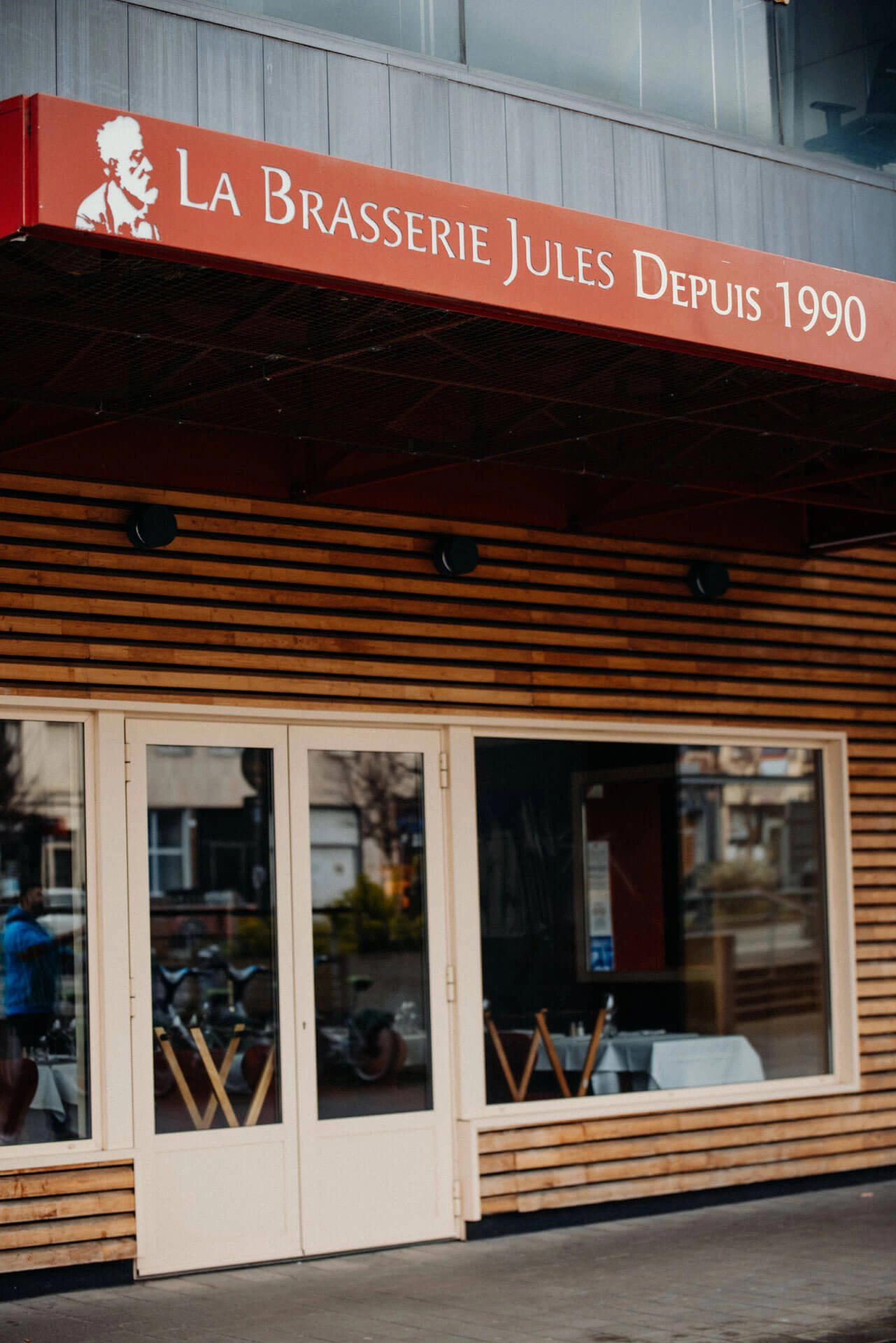
Amiens functions, culinarily, as a city that punches modestly. It has real quality at the leading end, with A Taaable and Ail des Ours (Modern Cuisine) representing the kind of focused, produce-led modern French cooking that defines the better end of the regional scene. Brasserie Jules covers the convivial middle ground. But the city does not have the ethnic dining density of Lille or Roubaix, and restaurants like Bombay that operate in cuisines outside the French tradition occupy a position that is simultaneously more useful and less scrutinised than their counterparts in larger cities.
The Rue du Maréchal de Lattre de Tassigny address is useful for visitors arriving from the train station, which sits about fifteen minutes on foot to the northwest. The cathedral quarter, which draws the bulk of tourist traffic, is in the opposite direction. Bombay's location makes it more of a local's option than a visitor's detour, which is consistent with the low public data footprint it maintains. See the full Amiens restaurants guide for a broader map of where the city's dining energy concentrates.
What the Absence of Data Tells You
That profile is common among neighbourhood-level ethnic restaurants in French provincial cities, and it reflects the way food media coverage concentrates around haute cuisine and destination restaurants. Paul Bocuse - L'Auberge du Pont de Collonges, Bras in Laguiole, and Auberge de l'Ill in Illhaeusern have decades of documented critical attention; a subcontinental restaurant in Amiens does not, and the absence of documentation is not the same as the absence of quality. Equally, Les Prés d'Eugénie - Michel Guérard, La Table du Castellet, and Georges Blanc in Vonnas earn their reputations through sustained, verifiable performance.
If you are visiting Amiens specifically to eat, the documented restaurants in the city's modern French tier offer a clearer picture of what you will get. If you are already in the neighbourhood and looking for something outside the Picard French tradition, Bombay represents the kind of option that fills that role in most French mid-size cities: accessible, local-facing, and operating in a cuisine that gets relatively little competition in the immediate area. The more ambitious French comparisons, including Alléno Paris au Pavillon Ledoyen, Troisgros - Le Bois sans Feuilles, Le Bernardin in New York City, and Lazy Bear in San Francisco, are benchmarks for a different kind of decision entirely.
Planning a Visit
Bombay is located at 108 Rue du Maréchal de Lattre de Tassigny, 80000 Amiens. No booking method, hours, or price range data is currently documented in the public record. Given the neighbourhood context, this is most likely a walk-in or phone-reservation restaurant rather than one requiring advance planning, but verification directly with the venue before visiting is advisable. No dress code data is available; the address and category suggest a casual register.
How Bombay Amiens compares with similar nearby venues.
| Venue | Cuisine | Price |
|---|---|---|
| Ail des Ours | Modern Cuisine | €€ |
| Les Orfèvres | Modern Cuisine | €€€ |
At a Glance
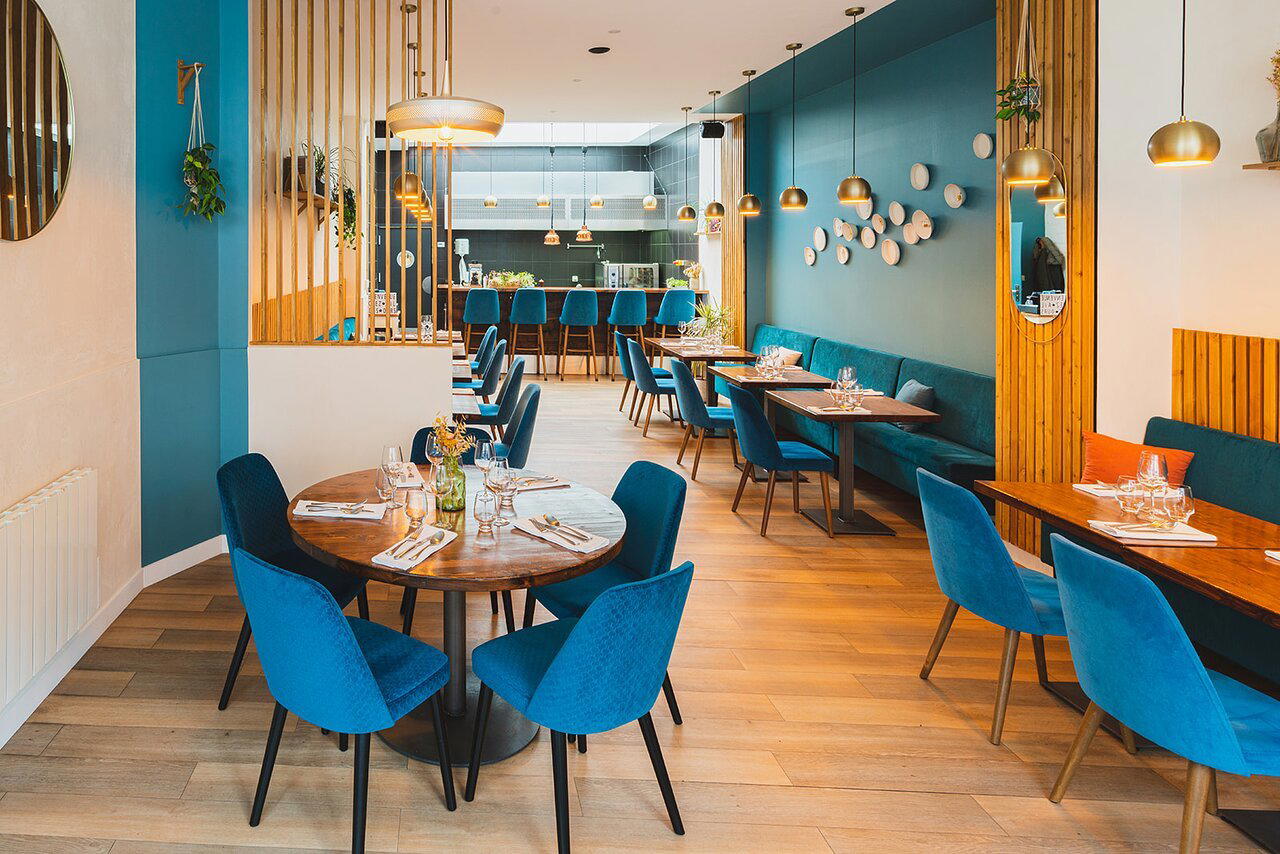
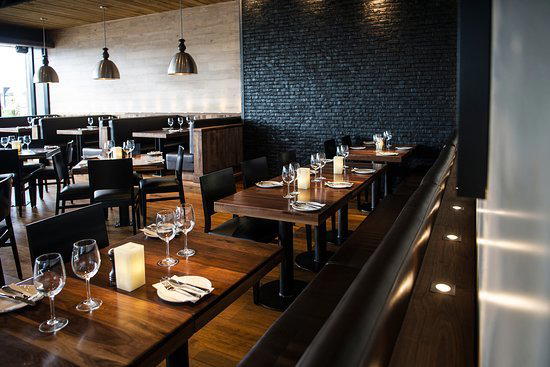
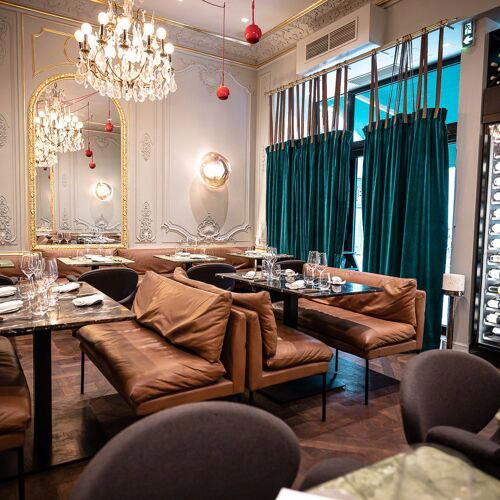
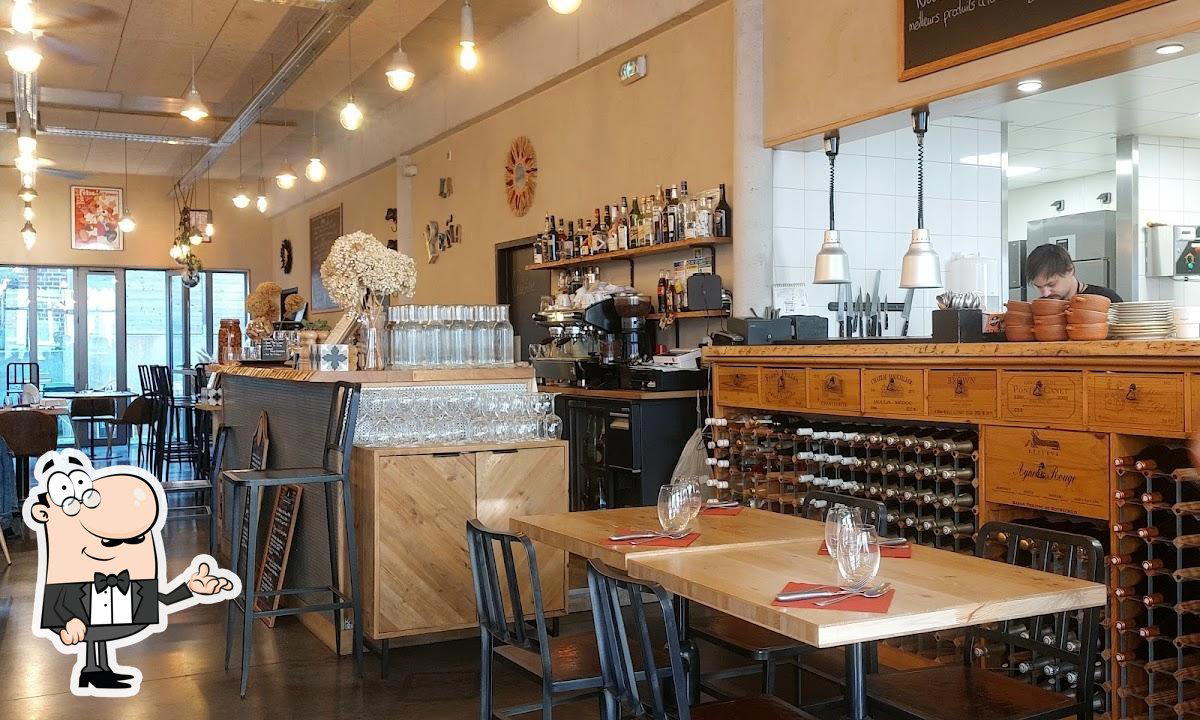
- Cozy
- Lively
- Casual Hangout
- Family
Current opening hours
- Monday
- 11:30 AM–2:30 PM, 6:30–11 PM
- Tuesday
- 11:30 AM–2:30 PM, 6:30–11 PM
- Wednesday
- 11:30 AM–2:30 PM, 6:30–11 PM
- Thursday
- 11:30 AM–2:30 PM, 6:30–11 PM
- Friday
- 11:30 AM–2:30 PM, 6:30–11 PM
- Saturday
- 11:30 AM–2:30 PM, 6:30–11 PM
- Sunday
- 11:30 AM–2:30 PM, 6:30–11 PM
Hours can change for holidays and private events. Last verified .
Chaleureuse et authentique with attentive service.
Know Before You Go
- Getting there
- 108 Rue du Maréchal de Lattre de Tassigny, 80000 Amiens, France