On a quiet corner of Rue Ramey in the 18th arrondissement, La Traversée occupies the kind of address that Paris's more interesting restaurants have always favoured: a neighbourhood with texture, removed from the gilt-and-marble circuit of the grands boulevards. The menu's architecture rewards attention, making this a reference point for how contemporary bistro cooking in Montmartre frames its ambitions.
Pearl is the En Primeur Club membership app — saves, bookings, and concierge access live there. Same editors, same standards.
- Address
- 2 Rue Ramey, 75018 Paris, France
- Phone
- +33610723772
- Website
- latraverseeparis.com
- Directions
- Get directions
 Saves & bookings on Pearl
Where Montmartre's Dining Scene Sets Its Own Terms
The restaurants that succeed here do so on the logic of the neighbourhood rather than the logic of the awards circuit. La Traversée, at 2 Rue Ramey, sits on a residential stretch that feeds into the lower slopes of Montmartre, an area whose dining character has shifted considerably over the past decade as younger cooks have moved away from the more expensive operating environments of central Paris arrondissements. The result is a pocket of the city where cooking ambition and neighbourhood accessibility coexist in a way that the 8th's €€€€ addresses, among them Alléno Paris au Pavillon Ledoyen and Le Cinq at the Four Seasons Hôtel George V, structurally cannot replicate.
How the Address Shapes the Offer
Rue Ramey is a market street by day, with the Marché Ordener nearby and a rhythm of daily commerce that most Paris dining districts abandoned long ago. Restaurants that open on streets like this are making a statement about their customer base before a single dish is served. They are not positioning against the formal tasting-menu circuit. They are positioning against the idea that serious food requires a formal context. This is a pattern visible across the better bistros of the 11th and the 20th, and it has become one of the more coherent arguments in contemporary Paris dining: that menu architecture can carry intellectual weight without the ceremony of a Michelin-staged room.
For a frame of reference, consider what particularly ambitious Michelin-recognised addresses in France use their menus to say. Arpège structures its offer around the vegetable as protagonist. Mirazur in Menton has built a menu calendar around biodynamic cycles. Bras in Laguiole built an entire culinary identity around the gargouillou, a single dish that functions as a seasonal index. In each case, the menu's structure is the argument. What a restaurant chooses to include, what it sequences, and what it prices tells you more about its real ambitions than any press release.
Menu Architecture as Editorial Position
One revealing thing about any Paris bistro in this neighbourhood tier is how it handles the gap between its ambitions and its constraints. A kitchen on Rue Ramey is not operating with the purchasing power of L'Ambroisie on Place des Vosges, nor with the technical brigade of Kei in the 1st. What it has instead is a tighter, more curated set of decisions: fewer dishes, sharper sourcing choices, and a format that cannot hide behind spectacle. In this context, a short menu is not a limitation, it is a commitment. It says the kitchen will cook everything on it well, every service, without the safety net of a large brigade cycling through mise en place.
This is the model that the better regional French addresses have long understood. Auberge de l'Ill in Illhaeusern built its reputation on Alsatian precision at depth rather than range. Au Crocodile in Strasbourg holds to a similar logic. Even at the level of Paul Bocuse's Auberge du Pont de Collonges, the famous dishes are few and repeated with exactitude, the point is mastery of a defined repertoire, not breadth.
For Paris bistros in the upper-casual bracket, the same principle applies. The menus that age well are the ones built around a clear point of view: a particular relationship to season, to a protein category, to a regional tradition, or to a technique. The ones that date fastest are those that hedge, offering a little of everything in an attempt to please all tables equally.
The 18th in Context: A District Finding Its Register
Montmartre's lower slopes have seen a meaningful increase in serious independent restaurant openings since the mid-2010s. The pattern mirrors what happened in the 11th a decade earlier: lower rents relative to the centre, an educated local population with genuine appetite for food culture, and proximity to enough tourist flow to sustain weekday covers without depending on it. The restaurants that have lasted in this part of the 18th tend to have a regulars-first mentality, the walk-in tourist is a bonus, not the business model.
This is a different operating logic from the addresses that cluster around Saint-Germain or the Palais Royal. It is also a different logic from the temple-of-gastronomy model represented by Assiette Champenoise in Reims or Flocons de Sel in Megève, where destination dining is the explicit proposition. In the 18th, one durable restaurants earn their place in a local rhythm first. Recognition, if it comes, follows.
For international visitors, the comparison point is restaurants like Le Bernardin in New York or Atomix at the opposite end of the formality and price register, addresses where the menu's construction is the primary critical text. The difference in Paris's neighbourhood bistro tier is that the same intellectual rigour is expected to operate without the infrastructure of a formal dining room. That is, in many ways, the harder brief.
Recognition, Side-by-Side
Comparable venues nearby, for context on price, style, and recognition.
| Venue | Cuisine | Price | Notes |
|---|---|---|---|
| La TraverséeThis venue — the venue you are viewing | Modern French Bistro | $$$ | Not listed |
| L'Atelier Ramey | French Bistronomique Gastropub | $$$ | Montmartre |
| Porte 12 | Modern Neo-Bistro | $$$ | 10e |
| Aux Dés Calés 18 - Moreau | French Bistronomic Bistro | $$$ | Butte-Montmartre |
| La Petite Régalade | Aveyronnais Bistro | $$$ | 2nd arrondissement |
| Les Cartes Postales | French-Japanese Fusion | $$$ | Louvre/Palais-Royal |
At a Glance
- Lively
- Elegant
- Date Night
- Casual Hangout
- Special Occasion
- Live Music
- Open Kitchen
- Extensive Wine List
- Local Sourcing
Current opening hours
- Monday
- 7 PM–2 AM
- Tuesday
- 12 PM–2 AM
- Wednesday
- 12 PM–2 AM
- Thursday
- 12 PM–2 AM
- Friday
- 12 PM–2 AM
- Saturday
- 12 PM–2 AM
- Sunday
- Closed
Hours can change for holidays and private events. Last verified .
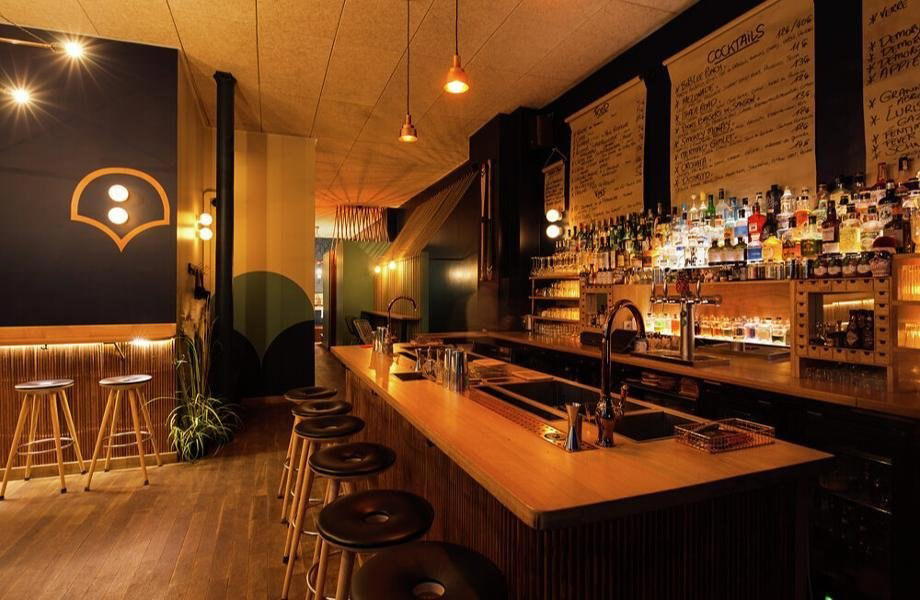
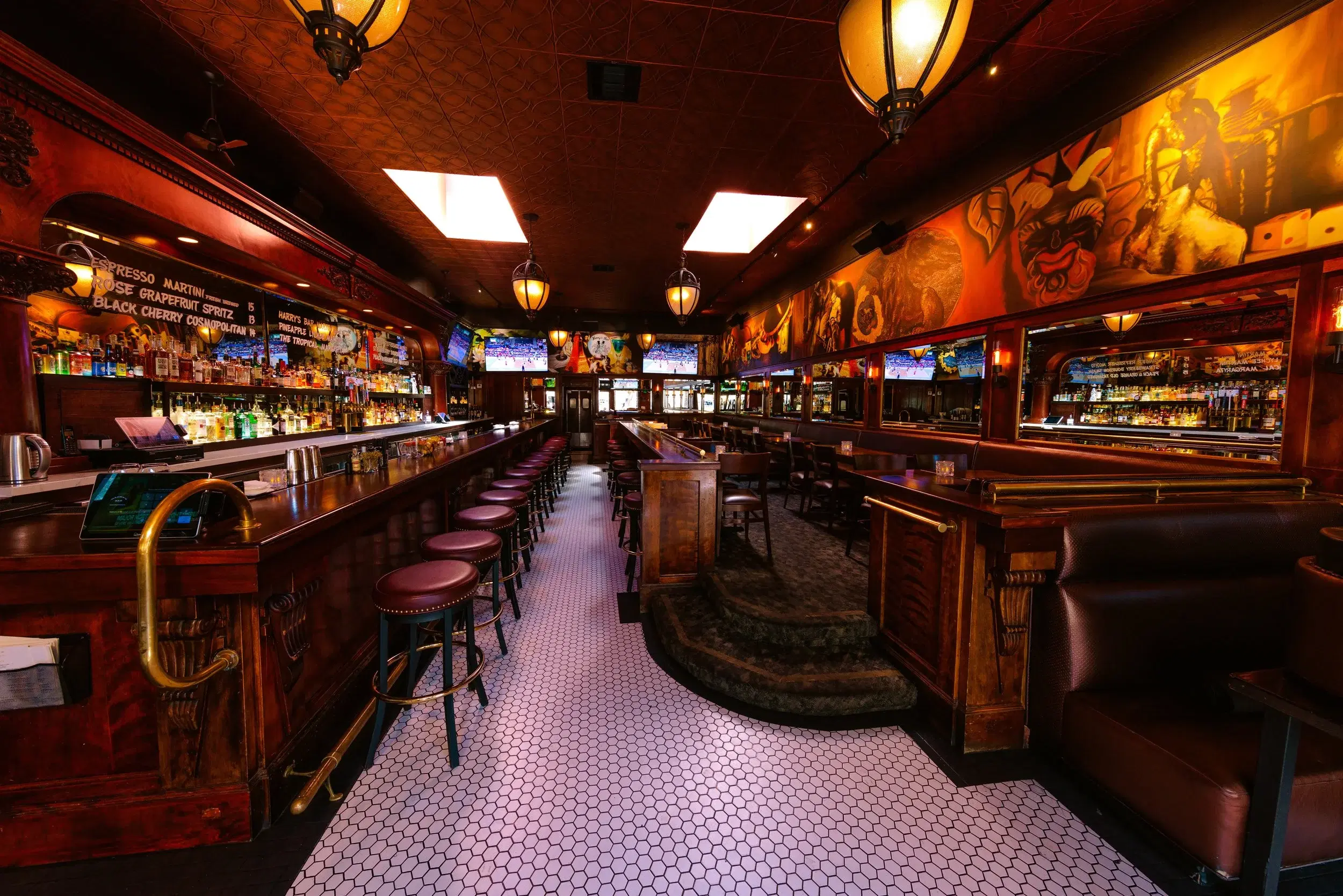
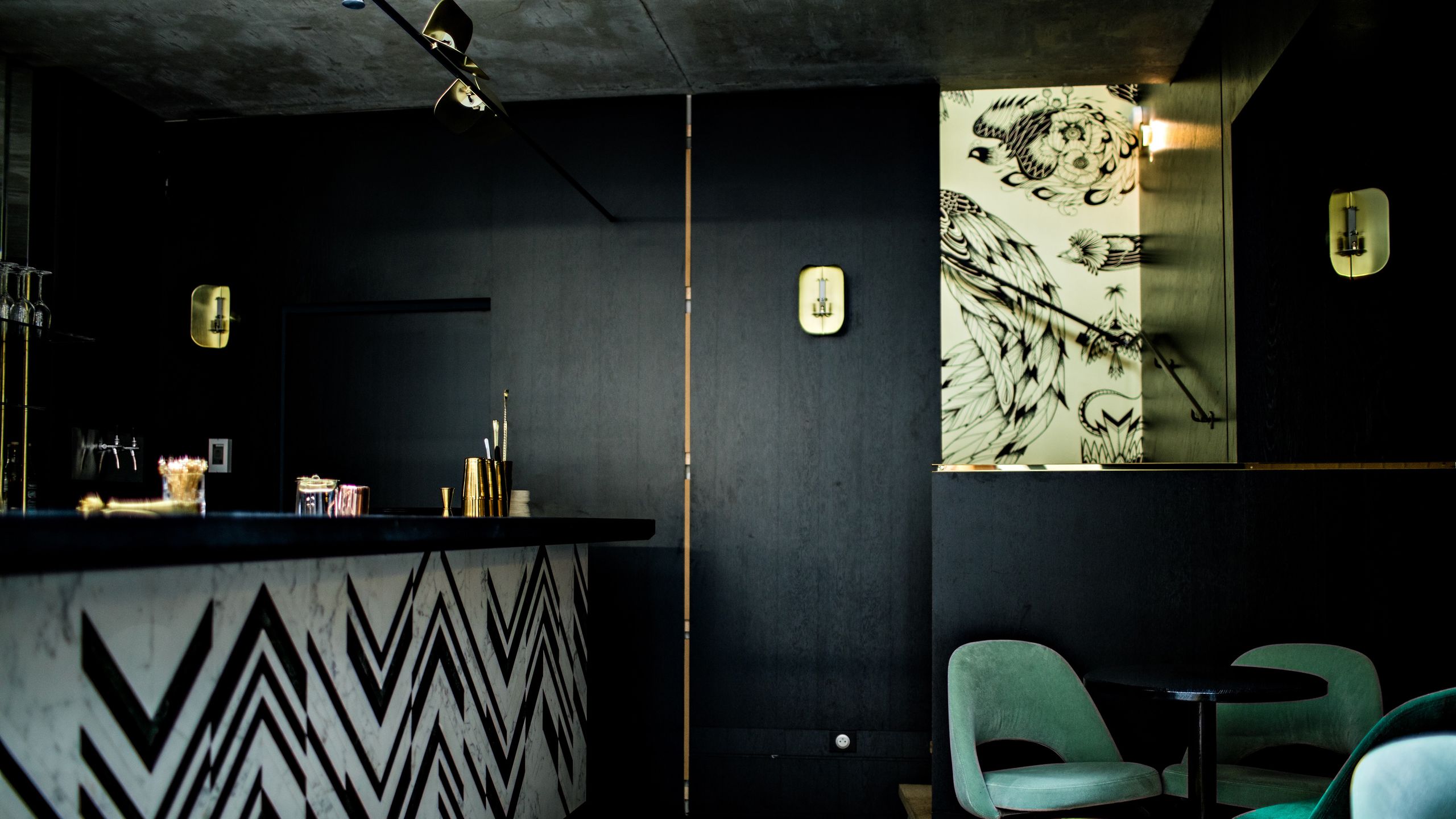
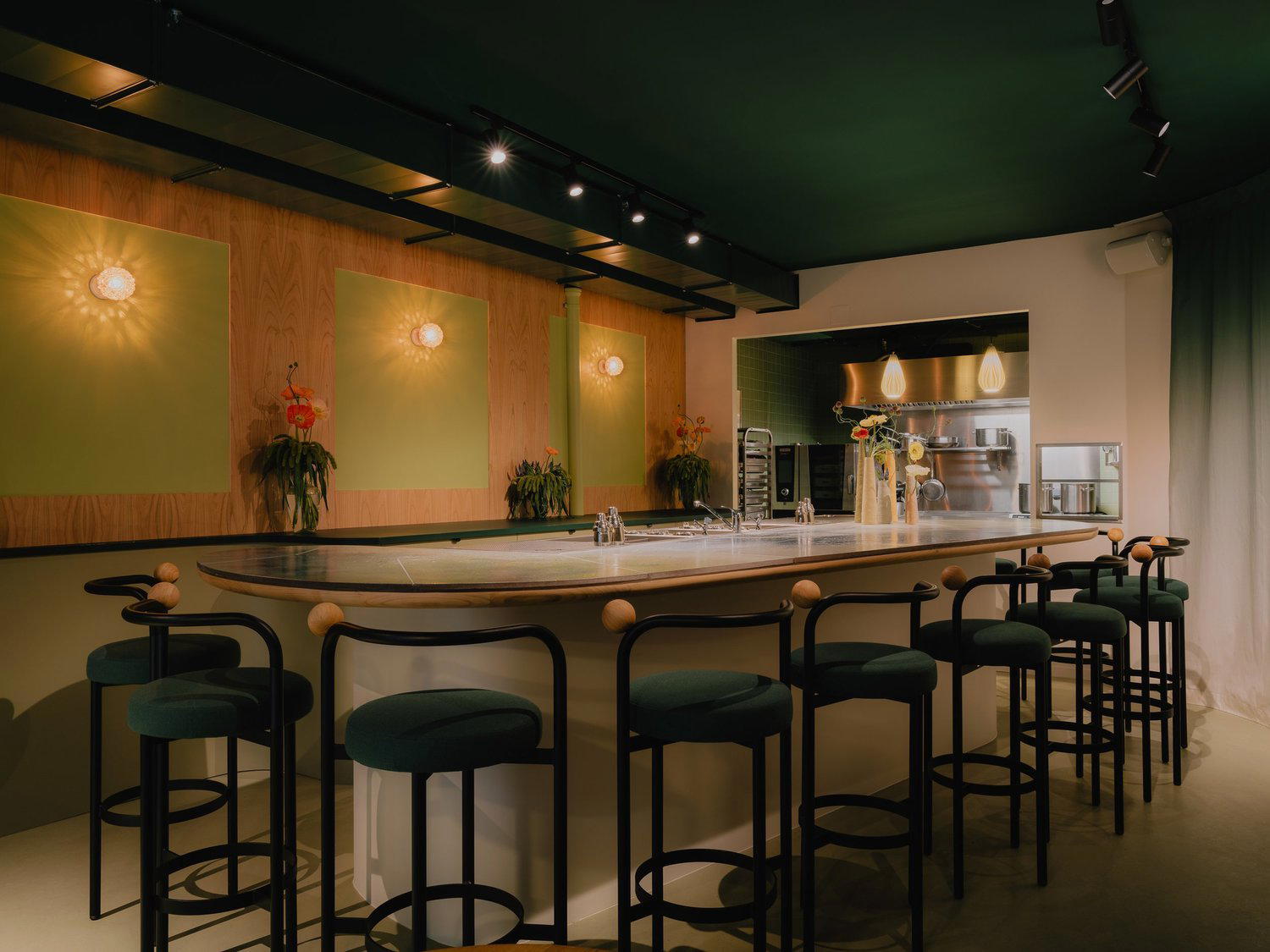
Lively and convivial atmosphere with friendly service, warm lighting, and occasional live jazz.