Le Mei Studio

A 12-seat counter restaurant in Xindian District, Le Mei Studio operates as a family-run kitchen where seasonal menus are built around upper-tier sourcing and precise execution. The open kitchen format places the cooking on full display, while the concise menu shifts with what ingredients are at their prime. Rack of lamb, cooked with the fat crisped through carefully, is among the dishes that draw repeat visitors from across New Taipei.
Pearl is the En Primeur Club membership app — saves, bookings, and concierge access live there. Same editors, same standards.
- Address
- 30, Section 1, Zhongxing Road, Xindian District
- Phone
- +886 2 8914 6473
- Directions
- Get directions
 Saves & bookings on Pearl
A Counter in Xindian Worth the Detour
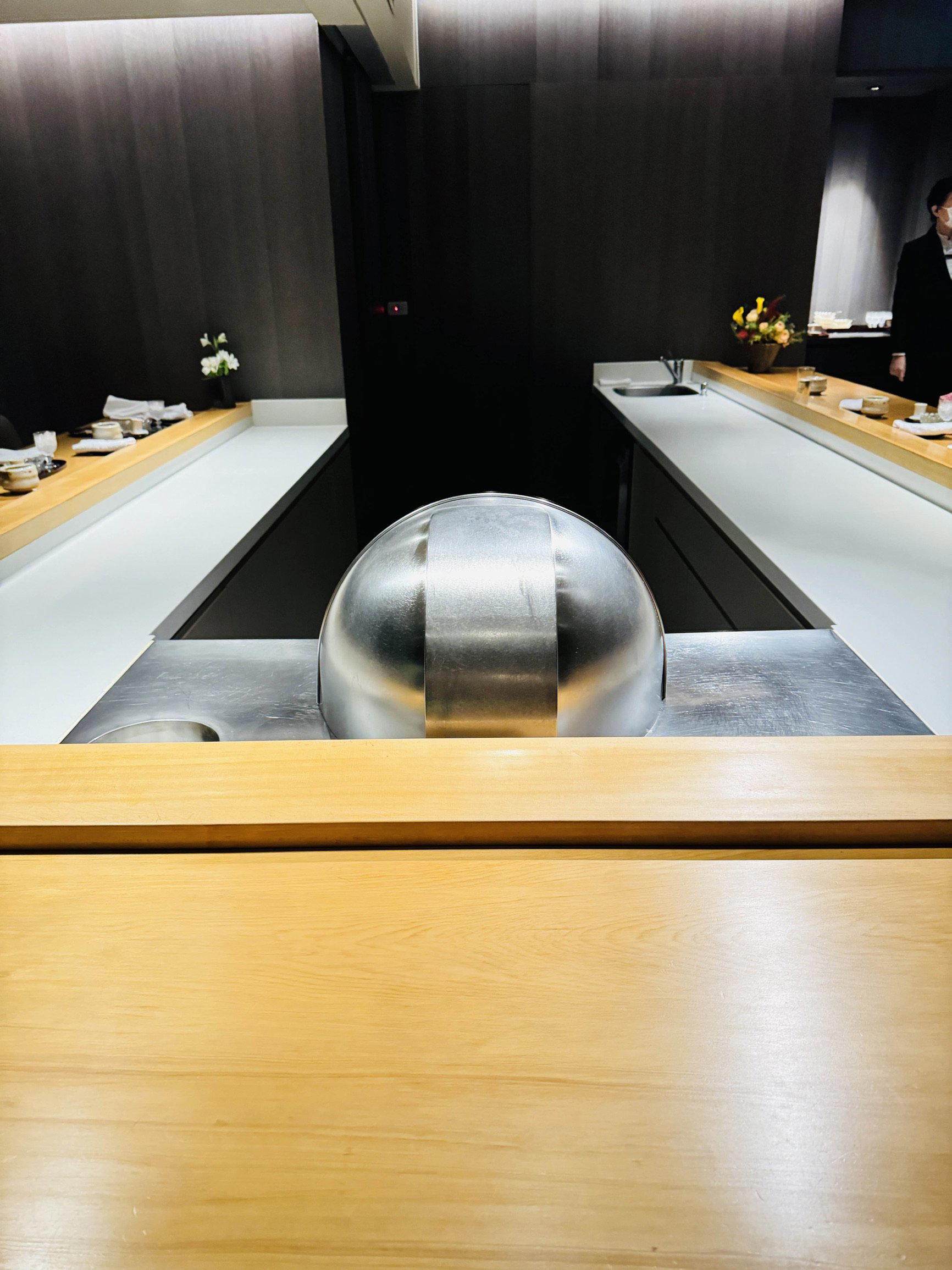
Xindian District sits at the southern end of New Taipei's metro network, a residential stretch that most visitors move through rather than stop in. That positioning matters for understanding Le Mei Studio's place in the local dining conversation. Le Mei Studio is a restaurant in Xindian District, New Taipei, serving Seasonal European Fine Dining at a smart casual counter. Taiwan's most-discussed restaurants tend to cluster in Taipei proper or in destinations with established culinary reputations, places like logy in Taipei or JL Studio in Taichung. Le Mei Studio operates at a remove from that noise, and the format reflects it: twelve seats arranged at a counter overlooking an open kitchen, a menu that changes with the season, and a family-run service dynamic that has no interest in performing for an audience it hasn't earned yet.
The format itself signals something about how the kitchen approaches its work. Counter dining at this scale forces honesty. There is nowhere to hide a poorly sourced ingredient or an inconsistent cook. What the kitchen chooses to serve, and when, is visible in real time to every person in the room. That kind of transparency is increasingly common at Taiwan's more considered small-format restaurants, and Le Mei Studio sits squarely in that tier.
Seasonal Sourcing as Structural Logic
Across Taiwan's serious small kitchens, the move toward seasonal and ethically sourced ingredients has deepened over the past decade. What began as a trend among Taipei's fine-dining establishments has filtered into neighbourhood-scale operations, where the economics of a tight menu and a small kitchen make precision sourcing both a quality decision and a practical one. Buying less of something better, and building the menu around what that ingredient can do at its peak, is a more coherent approach than maintaining a large, static menu year-round.
The restaurant's menu is described as concise and well-structured, which in practice means the kitchen is making deliberate choices about what makes the cut each season. In a format where the chef and his mother run both the kitchen and the floor, there is no buffer between sourcing decisions and what lands in front of a guest. The feedback loop is immediate and the accountability is personal. That structure tends to produce menus that are genuinely reactive to seasonal availability rather than theoretically seasonal on paper.
Taiwan's ingredient environment rewards this approach. The island's compressed geography places subtropical growing regions, high-altitude farms, and coastal fisheries in relatively close proximity. Producers who supply serious kitchens in Taipei are, in many cases, the same producers reaching into New Taipei's smaller operations. The flavour concentration that characterises the restaurant's dishes, described by those who have visited as loaded with depth from carefully selected ingredients and careful technique, is consistent with what happens when a kitchen matches high-quality seasonal supply to a format small enough to use it without waste.
For broader context on how this sourcing philosophy plays out across different dining formats in the region, restaurants like Akame in Wutai Township have made indigenous ingredient sourcing a central identity, while Zhu Xin Ju in Tainan represents the southern end of Taiwan's chef-driven small-format scene. The restaurant operates in a different register, more domestic in tone, more suburban in setting, but the underlying discipline around what goes on the plate connects it to a wider current in Taiwanese cooking.
The Rack of Lamb and What It Tells You About the Kitchen
Rack of lamb is not the obvious centrepiece for a Taiwan-based tasting menu, and its appearance at the restaurant is worth examining. Lamb has a growing presence in contemporary Taiwanese cooking, partly through the influence of chefs trained abroad and partly through improved domestic sourcing networks. Cooking it well, specifically achieving the crispy rendered fat that has become a benchmark of technique at serious counters, requires both sourcing discipline and temperature control that a small kitchen can sustain more reliably than a high-volume operation.
The rack at the restaurant is noted for exactly that: fat crisped through properly, the cook executed with the kind of consistency that suggests it is a dish the kitchen has refined over multiple iterations. At a 12-seat counter, the kitchen can time and monitor each cover with a degree of attention that is structurally impossible at larger formats. The dish works as evidence of what the format enables, not just as a menu highlight in isolation.
Comparable benchmark dishes at Taiwan's more prominent tables, at GEN in Kaohsiung, for instance, sit in a more international fine-dining frame. The restaurant's version reads as something more personal, shaped by the specific rhythms of a family kitchen working within a tight, self-imposed structure.
The Family-Run Dynamic and What It Produces
Restaurants where a chef and a family member share the kitchen and the floor have a particular quality of service that is difficult to replicate through trained hospitality staff. The warmth is not performed; it comes from the same source as the cooking. At the restaurant, the chef and his mother run the entire operation, which at twelve seats is logistically manageable in a way it would not be at a larger venue. That structure produces what guests consistently describe as service that makes the room feel genuinely welcoming rather than professionally warm.
The trade-off is scale. Twelve seats means availability is tight, and the kitchen has no incentive to expand simply to serve more covers. The model is sustainable precisely because it remains small. Visiting is a matter of planning ahead rather than dropping in on impulse, which, in a city with as many dining options as greater New Taipei, is not an unreasonable requirement for a kitchen operating at this level of intent.
New Taipei's dining scene extends well beyond the restaurant's register. Street-level institutions like A Gan Yi Taro Balls, A-ba's Taro Ball, and the soup-forward BAK KUT PAN represent the district's deep bench of casual neighbourhood eating. At the other end of the price and format spectrum, the restaurant sits as one of the more considered options for guests interested in what a small, serious kitchen can do when it is not trying to compete on volume. Amajia and Chi Yuan round out the range of sit-down options worth knowing in the area.
Planning a Visit
The restaurant is located at 30, Section 1, Zhongxing Road in Xindian District, within walking distance of the Xindian metro station at the southern terminus of Taipei Metro's green line. The proximity to public transit makes it accessible from central Taipei without requiring a car or a lengthy journey, though Xindian itself is a neighbourhood that rewards a slower afternoon rather than a quick dash for dinner. Given the twelve-seat format, reservations are the practical path; the kitchen has no structural reason to hold walk-in capacity.
For visitors building a broader New Taipei itinerary, the full New Taipei restaurants guide covers the range of options across the city's districts. Those extending their stay should also consider the New Taipei hotels guide, and travellers interested in the wider eating and drinking picture can explore the New Taipei bars guide, wineries guide, and experiences guide for context beyond the restaurant category. For those cross-referencing against globally recognised benchmarks in the counter-dining format, Le Bernardin in New York City and Emeril's in New Orleans offer useful reference points for how small-format intention scales into institution, even if the restaurant's ambitions sit firmly in the intimate and local.
Where the Accolades Land
Comparable venues nearby, for context on price, style, and recognition.
| Venue | Cuisine | Price | Awards | Notes |
|---|---|---|---|---|
| Le Mei StudioThis venue — the venue you are viewing | Seasonal European Fine Dining | $$$ | Michelin Plate | Not listed |
| JIA YEN | Greater Chinese: Cantonese-Shanghai-Sichuan-Zhejiang-Shaanxi Fusion | $$$ | Michelin Plate | Banqiao District |
| QING YA | Cantonese Chinese | $$$ | Michelin Plate | Banqiao District |
| San Fen Su Chi | Jiangzhe Cuisine | $$ | Michelin Plate | Yonghe District |
| Chi Yuan | Taiwanese Farm-to-Table | $$ | Michelin Plate | Gongliao District |
| NATURAL TEA MANOR | Tea-infused Taiwanese | $$ | Michelin Plate | Xizhi District |
Recognition history
Dated appearances from independent guides and award organizations, with the underlying list record or original source where available.
Michelin Plate
Michelin
Continue exploring
More in New Taipei
Restaurants in New Taipei
Browse all →
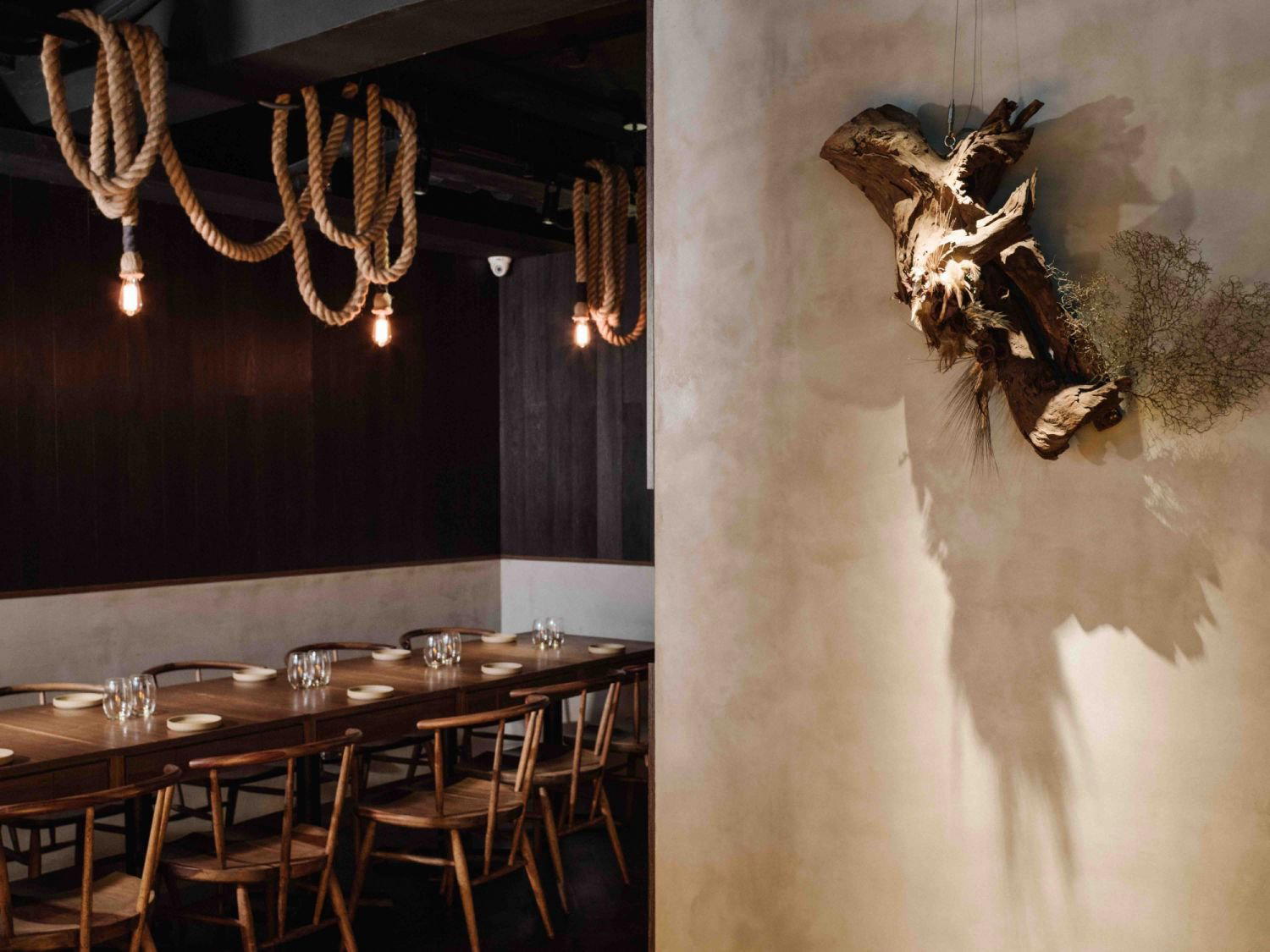
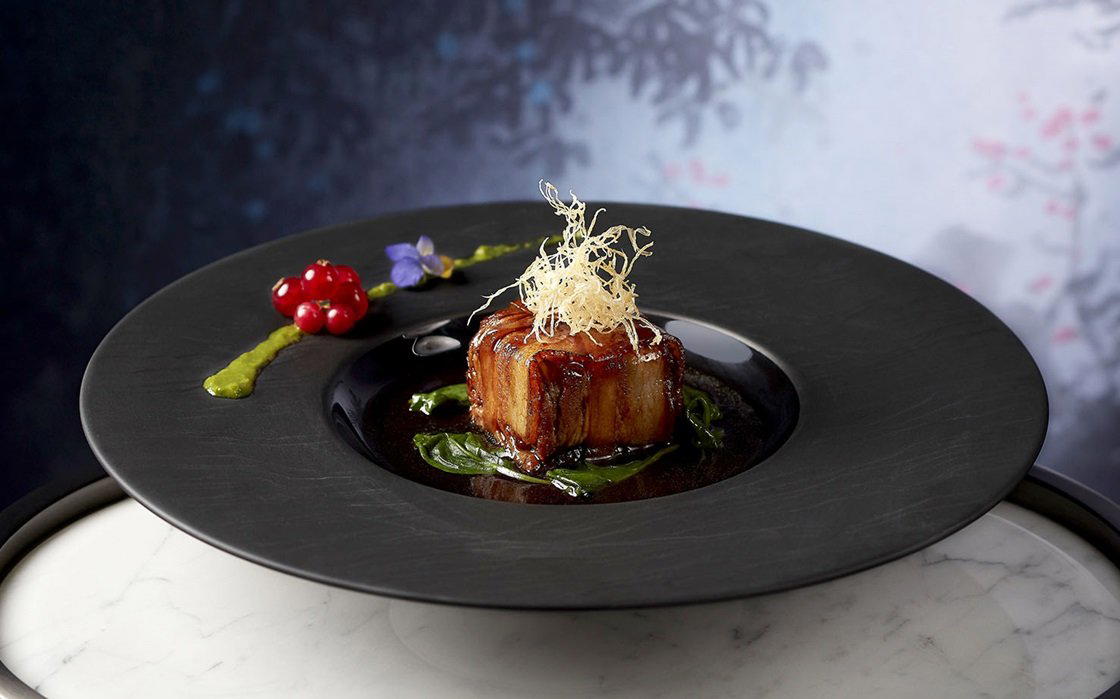
Bars in New Taipei
Browse all →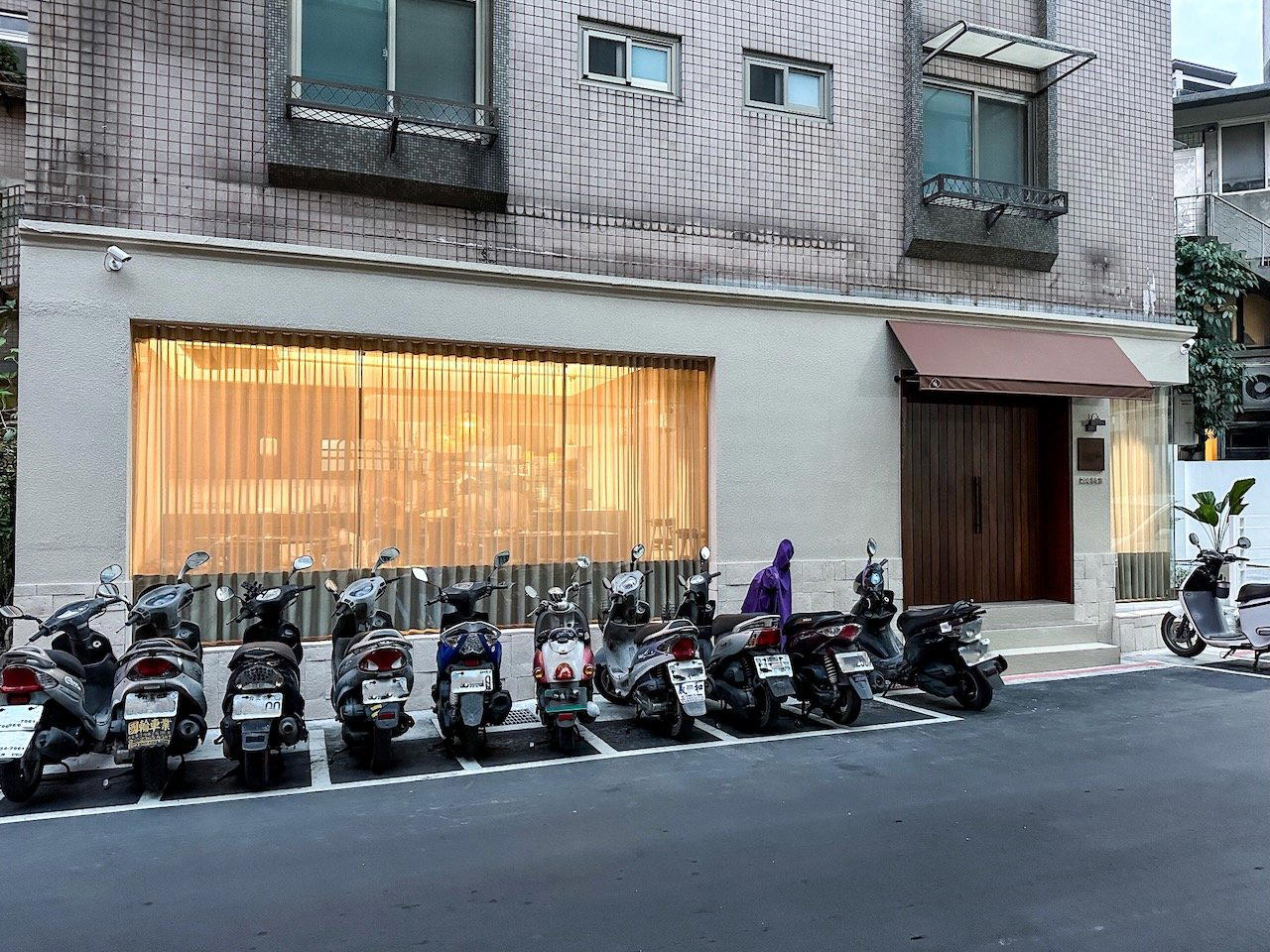
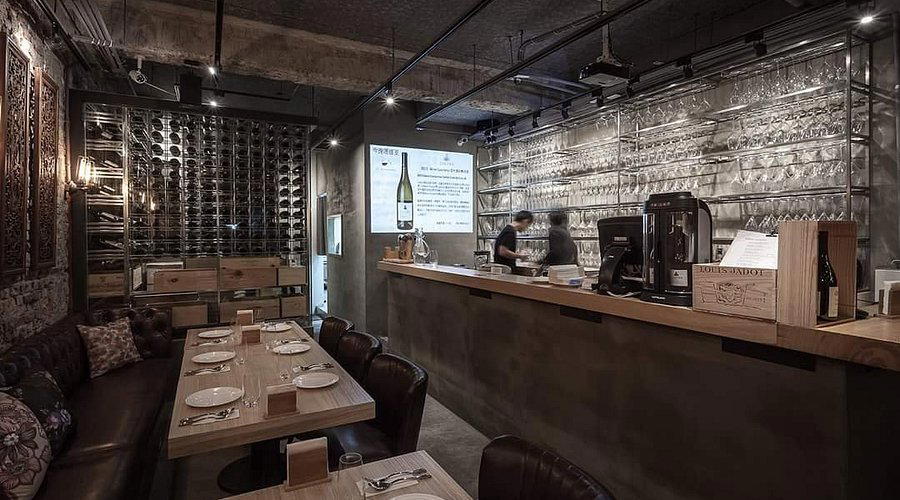
Hotels in New Taipei
Browse all →
Wineries in New Taipei
Browse all →
At a Glance
- Intimate
- Elegant
- Modern
- Date Night
- Special Occasion
- Open Kitchen
- Local Sourcing
Current opening hours
- Monday
- Closed
- Tuesday
- Closed
- Wednesday
- 6:30–9:30 PM
- Thursday
- 6:30–9:30 PM
- Friday
- 12:30–3:30 PM
- Saturday
- 6:30–9:30 PM
- Sunday
- Closed
Hours can change for holidays and private events. Last verified .
Warm and personal service in an intimate setting with counter seats facing the open kitchen.