Le LYNN occupies a quiet address on Rue de l'Industrie in Rumilly, a small Haute-Savoie town that sits within reach of some of France's most ingredient-rich alpine terrain. The restaurant draws on a regional tradition of grounded, produce-led cooking that the wider Savoie corridor has quietly sustained for decades. For travellers moving between Geneva, Annecy, and the mountain resorts, it represents a more unassuming entry point into the culinary character of the area.
Pearl is the En Primeur Club membership app — saves, bookings, and concierge access live there. Same editors, same standards.
- Address
- 3 Rue de l'Industrie, 74150 Rumilly, France
- Phone
- +33480973246
- Website
- lelynn.metro.rest
- Directions
- Get directions
 Saves & bookings on Pearl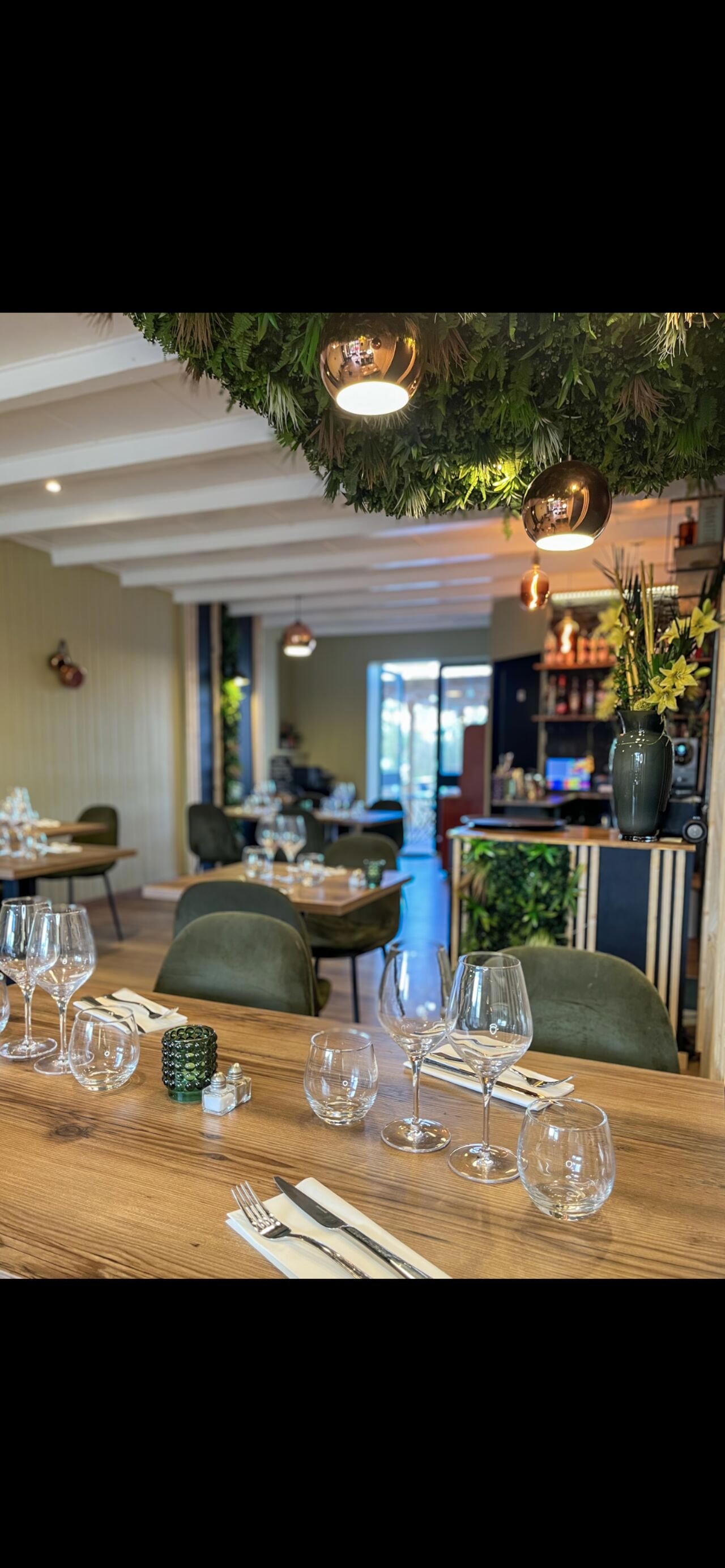
Where Haute-Savoie Cooking Stays Grounded
Rumilly does not announce itself. The town sits in the Albanais plain, roughly halfway between Annecy and Aix-les-Bains, at an elevation where the alpine drama of the nearby peaks gives way to working farmland, dairy pastures, and the kind of quiet market-town infrastructure that sustains regional French cuisine more reliably than any city restaurant district. Rue de l'Industrie is not a glamorous address, and that is precisely the point. Restaurants in this part of Haute-Savoie have historically drawn their identity not from prestige postal codes but from proximity to the producers who define the flavour of the region.
Le LYNN occupies that address at number 3. Without press-release credentials on file, without a nationally documented award trail, it belongs to a category of French provincial restaurant that operates largely outside the circuits followed by critics from Paris or Lyon. That positioning places it in interesting company: the Savoie and Haute-Savoie corridor has long supported a style of cooking that prizes sourcing discipline over technique theatrics, and restaurants at this level are often where that discipline is most legible, because there is nowhere else to hide.
The Sourcing Logic of the Haute-Savoie Corridor
To understand what a restaurant in Rumilly is working with, it helps to map the ingredient geography. The Albanais sits at the intersection of several productive zones: to the east, the alpine pastures that supply the milk for Reblochon, Abondance, and Beaufort; to the north, the market gardens around Annecy's lake basin; to the south, the Rhône corridor with its stone-fruit orchards and Rhône-valley wine supply lines. Freshwater fish from Lac d'Annecy and Lac du Bourget have historically anchored the lighter end of Savoyard menus, while charcuterie traditions from the mountain valleys run through the heavier register.
This is the ingredient context that shaped how kitchens in towns like Rumilly have historically cooked. The regional logic is not farm-to-table as a marketing category but as a structural fact: when the supply chain is this short and this specific, the cooking tends to reflect it whether or not the menu announces it. French restaurants in comparable provincial positions, from Georges Blanc in Vonnas to Auberge de l'Ill in Illhaeusern, built their reputations partly on the clarity of that regional sourcing logic, even as they accumulated international recognition over time. The towns themselves were never the draw; the cooking's relationship to its immediate terrain was.
Provincial Dining in France: What the Tier Represents
France's fine-dining conversation tends to collapse around a handful of reference points: Mirazur in Menton, Troisgros in Ouches, Alléno Paris au Pavillon Ledoyen, Flocons de Sel in Megève. These are the venues that absorb critical attention and reservation demand from international visitors. But the broader French restaurant ecology is sustained by a much larger stratum of provincial restaurants that have no particular interest in operating at that scale or visibility.
In Haute-Savoie specifically, the dining tier below the destination restaurants is populated by kitchens that serve a predominantly local clientele, cook with whatever the season and the local market makes available, and price for regulars rather than tourists. This is where French regional cuisine reproduces itself most honestly, away from the pressure to perform for guides or to satisfy the expectations of travellers who have already eaten at Bras in Laguiole or L'Oustau de Baumanière in Les Baux. Le LYNN's address in Rumilly places it in that stratum. For visitors with enough context to read that positioning correctly, it is a more instructive meal than many that carry more visible credentials.
Getting There and Practical Planning
Rumilly is accessible by road from Annecy in under twenty minutes and from Geneva in roughly forty-five, making it a plausible stop on any itinerary that moves through the northern Haute-Savoie. The town is served by regional rail connections through Annecy, though road access is considerably more practical for this specific address on Rue de l'Industrie. Those travelling between Annecy and the alpine resorts further east will find Rumilly a low-friction diversion, provided expectations are calibrated to the town's character rather than to destination-restaurant conventions.
For broader context on where Le LYNN sits within the regional dining picture, our full Rumilly restaurants guide covers the town's options in more detail. Travellers building a longer French itinerary around provincial cooking at different levels of visibility might also consider Auberge du Vieux Puits in Fontjoncouse, Christopher Coutanceau in La Rochelle, or La Marine in Noirmoutier-en-l'île as points of comparison across different French regional traditions. For a reference point further afield on what rigorous ingredient sourcing looks like at international scale, AM par Alexandre Mazzia in Marseille and Assiette Champenoise in Reims each represent how the same underlying logic operates at a different tier of recognition. Beyond France, Le Bernardin in New York City and Atomix in New York City illustrate how produce sourcing arguments translate across culinary traditions, while Au Crocodile in Strasbourg and Paul Bocuse in Collonges-au-Mont-d'Or anchor the French provincial fine-dining tradition at its most documented end.
How Le LYNN Rumilly compares with similar nearby venues.
| Venue | Cuisine | Price |
|---|---|---|
| Le Bourgeon | Modern Cuisine | €€ |
| La Table des Bauges | Farm to table | €€ |
Continue exploring
More in Rumilly
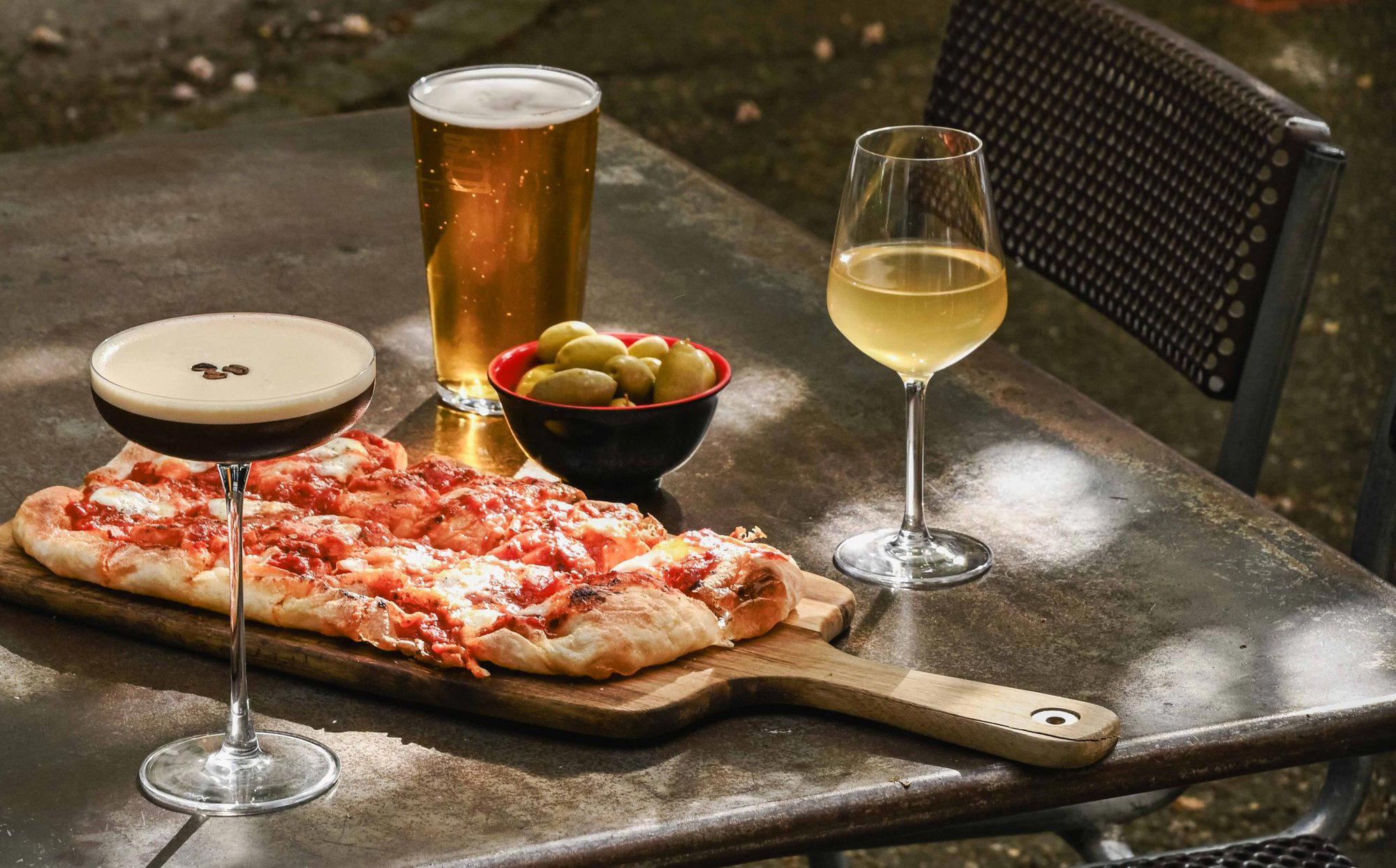
Restaurants in Rumilly
Browse all →
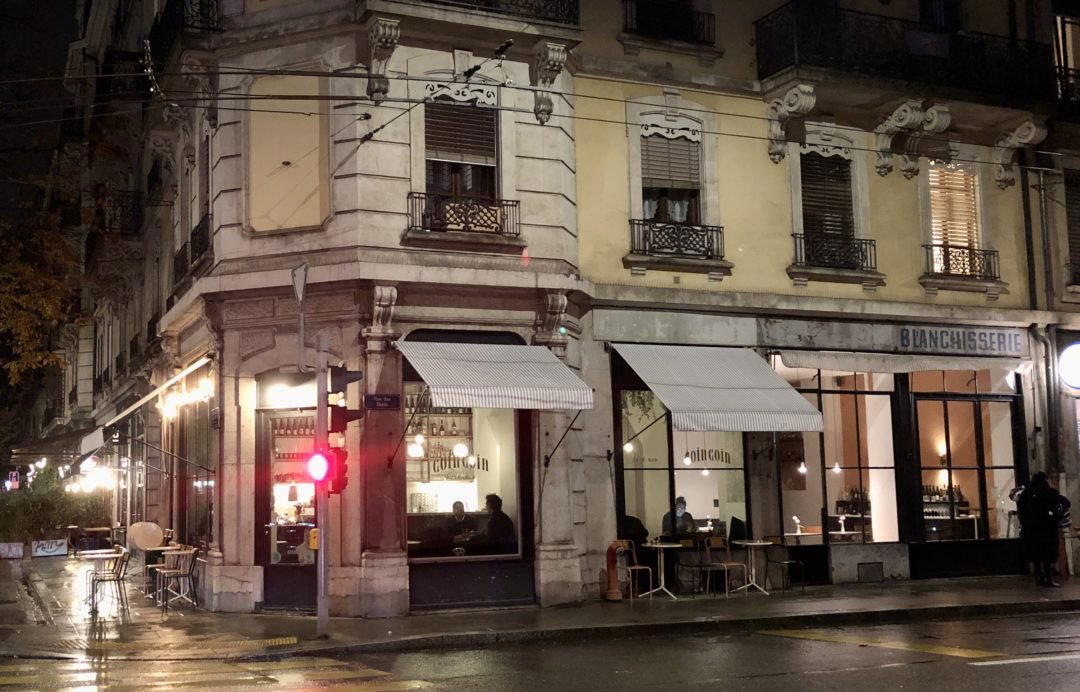
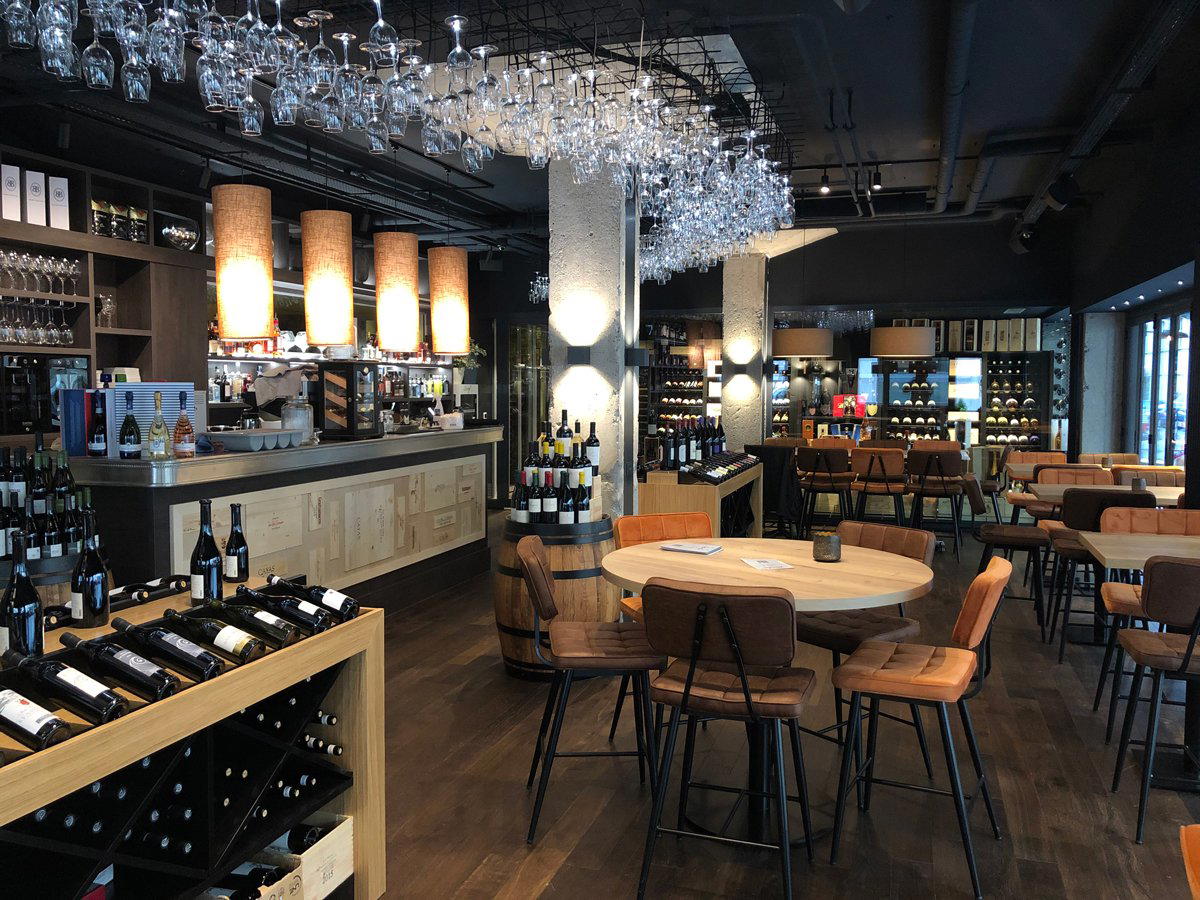
Bars in Rumilly
Browse all →
Hotels in Rumilly
Browse all →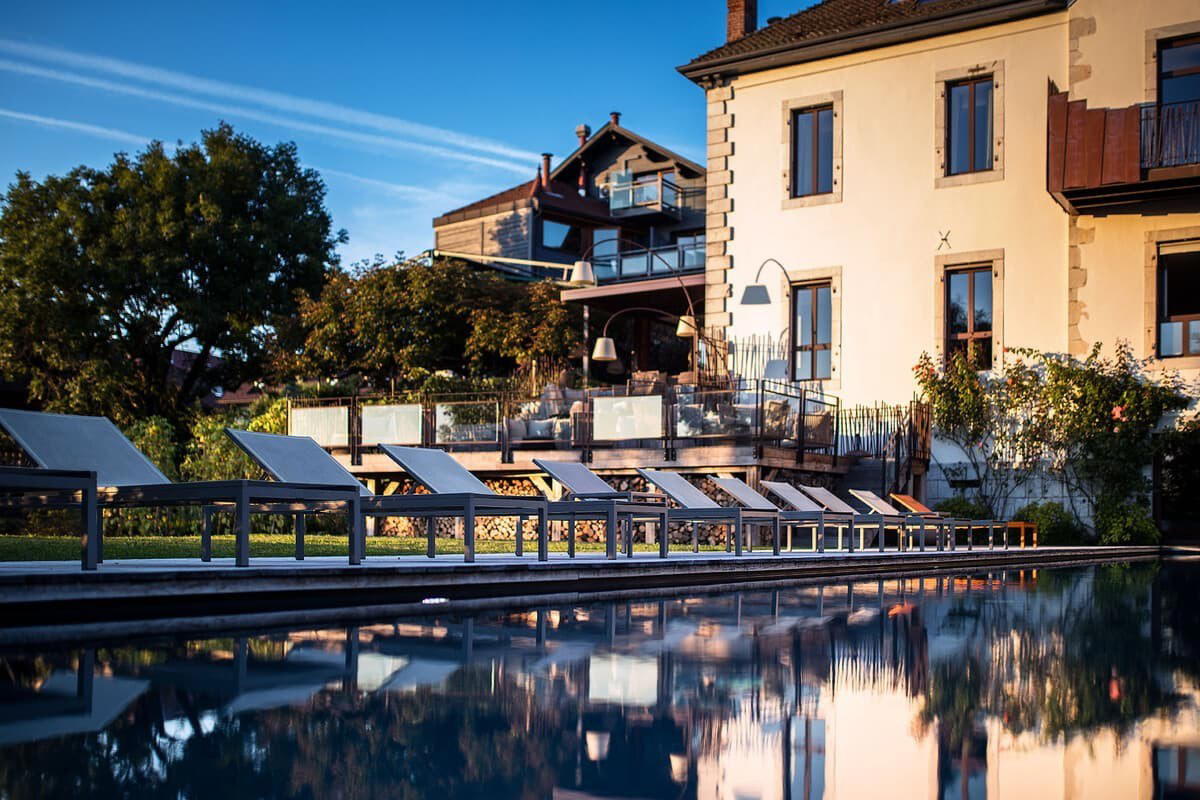

At a Glance
- Cozy
- Elegant
- Intimate
- Date Night
- Family
- Group Dining
- Open Kitchen
- Terrace
- Local Sourcing
Current opening hours
- Monday
- 12–2 PM
- Tuesday
- 12–2 PM
- Wednesday
- 12–2 PM
- Thursday
- 12–2 PM
- Friday
- 12–2 PM, 7–10 PM
- Saturday
- 12–2 PM, 7–10 PM
- Sunday
- Closed
Hours can change for holidays and private events. Last verified .
Pleasant, quiet, and friendly atmosphere with shaded terrace seating and views into the open kitchen.