Our verdict
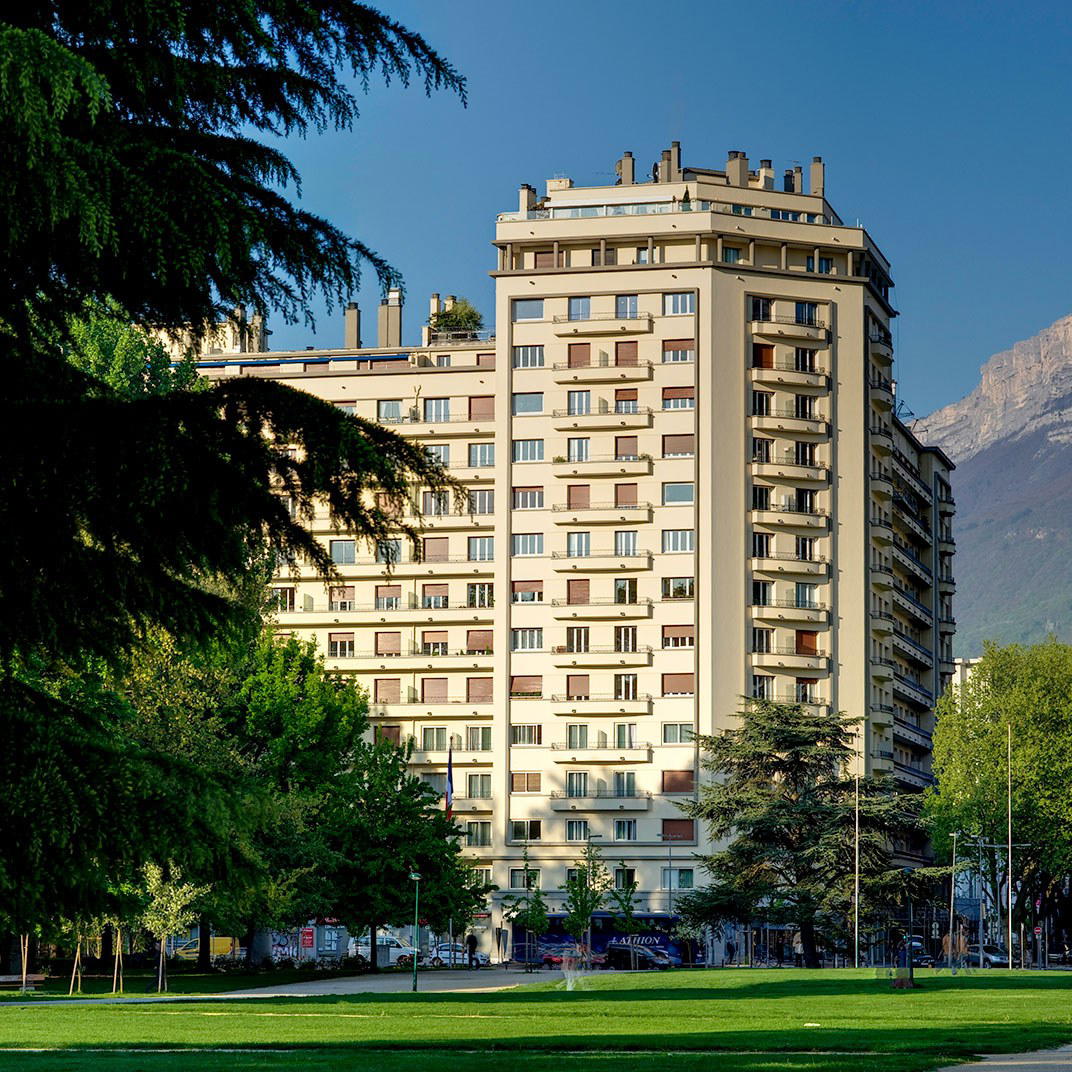
On Cours Jean Jaurès, one of Grenoble's main arteries, Restaurant La Belle Idée occupies a position that reflects the city's emerging appetite for considered dining beyond the obvious tourist circuit. The address places it within easy reach of the historic centre, and the name alone signals a certain self-aware confidence in its editorial proposition. For those tracing Grenoble's restaurant scene, it belongs on the same itinerary as the city's more discussed addresses.

Pearl is the En Primeur Club membership app, where members save venues, book tables and use the concierge.

The menu
What to order
- Souris d'agneau
- Paleron de bœuf braisé
- Andouillette revisitée
Grenoble's Dining Scene and Where La Belle Idée Fits
Grenoble sits in a geographic pocket that has always complicated its culinary identity. Ringed by the Chartreuse, Vercors, and Belledonne massifs, it draws visitors who arrive for the mountains and leave having barely registered the city's restaurants. That historical oversight has created an interesting side effect: a local dining culture that performs primarily for residents rather than for outside validation, which tends to produce more honest cooking and more considered wine lists than you find in cities where tourism sets the agenda.
The restaurant scene along and around Cours Jean Jaurès reflects this dynamic. The boulevard functions as one of the city's main commercial and social spines, running south from the Jardin de Ville toward the Gare de Grenoble, and the addresses along it tend toward the neighbourhood-facing rather than the visitor-baiting. Restaurant La Belle Idée, at number 7, sits squarely in that category. It is an address that Grenoblois know, and that visitors willing to do a little research will find. The name, translating loosely as "the good idea" or "the bright idea," carries a tone of understated confidence that fits the local register.
For editorial context, Grenoble's upper dining tier is defined by a handful of addresses with significant culinary credentials. Le Fantin Latour - Stéphane Froidevaux, operating at the €€€€ level with a creative format, anchors the high end. Below that, addresses like Brasserie Chavant and Au Clair de Lune handle the traditional and mid-market registers. Camillo and Et Si extend the picture further, pointing to a city with more dining range than its mountain-resort reputation would suggest. La Belle Idée occupies its own point in this spread, drawing on the same neighbourhood logic without necessarily competing at the same price or format level as the city's most decorated rooms.
The Wine Angle: Why Cellar Curation Matters in Alpine France
In the broader arc of French regional dining, the Alpine corridor from Lyon down through Grenoble and into the Savoie presents one of the more underappreciated wine contexts in the country. Savoie's indigenous varieties, Jacquère, Altesse, Mondeuse, remain niche even within France, operating outside the gravity of Burgundy and Rhône, which dominate wine conversations in the southeast. A restaurant that takes this geography seriously has the opportunity to build a wine program that reads as genuinely regional rather than as a generic French list with a few local bottles bolted on as afterthought.
The Rhône Valley, which begins its run barely an hour northwest of Grenoble, contributes another axis. Northern Rhône Syrah from Crozes-Hermitage and Saint-Joseph, less expensive than Hermitage or Côte-Rôtie, and frequently undervalued, pairs naturally with the meat-heavy mountain cooking traditions of the Dauphiné region. A thoughtful wine list in Grenoble draws from at least three overlapping source areas: Savoie, northern Rhône, and the broader southeast, including Languedoc and Provence. How any given restaurant calibrates those proportions tells you something about whether the cellar was built by a sommelier who knows the region or assembled from a distributor's standard offering.
France's most decorated wine programs, from the cellars supporting houses like Alléno Paris au Pavillon Ledoyen to the Alpine-adjacent depth at Flocons de Sel in Megève, demonstrate that geographic specificity and depth are not competing goals. The leading regional lists achieve both. Grenoble's better addresses are moving in this direction, and the question for any new or emerging name in the city is whether its wine program reflects genuine curation or generic assembly.
Regional Cooking Traditions as Context
The Dauphiné, the historic province centred on Grenoble, has a culinary identity built around gratin dauphinois, walnut production, and the cheeses of the surrounding highlands. These are not merely heritage items; they remain the foundation of serious cooking in the region, and restaurants that treat them as such tend to outperform those that reach for more fashionable references. The alpine product calendar is distinct: spring brings wild garlic and mountain herbs, summer opens access to high-altitude pasture dairy, autumn delivers walnut harvest and game, and winter closes the loop with preserved and dried goods that define the cold-season menu.
Across France, the restaurants that have built durable reputations are those where product sourcing reflects the local calendar rather than the convenience of national distributors. This holds from the multi-generation houses like Auberge de l'Ill in Illhaeusern and Troisgros - Le Bois sans Feuilles to newer addresses that have earned recognition through similar discipline, including Mirazur in Menton and Bras in Laguiole. In each case, the relationship between kitchen and territory is explicit and structural, not decorative.
For restaurants at the neighbourhood level in Grenoble, the same logic applies at smaller scale. An address on Cours Jean Jaurès that sources from the market at Place Saint-Bruno, Grenoble's main covered market, a short distance north, operates with a seasonal discipline that shows in the cooking even if the room seats fewer than fifty. That kind of sourcing proximity is one of the more reliable quality signals available to a first-time visitor trying to read a city's restaurant scene without prior knowledge.
Placing La Belle Idée in the Grenoble Conversation
Without detailed venue data on format, price tier, or current menu, the most honest framing for La Belle Idée is as a name that merits investigation within Grenoble's mid-to-upper neighbourhood dining register. The Cours Jean Jaurès address gives it a central, accessible location. The name suggests an operation with some editorial self-awareness. And the city context, a growing dining scene with genuine regional product access and an underserved international profile, creates the conditions in which this type of address can perform well.
Visitors planning time in Grenoble who want to move beyond the most-discussed names should look at the full range the city offers. Our full Grenoble restaurants guide maps the scene across price tiers and formats. For broader French reference points, the cooking traditions relevant to this region extend across addresses like Paul Bocuse - L'Auberge du Pont de Collonges, AM par Alexandre Mazzia in Marseille, Assiette Champenoise in Reims, and Au Crocodile in Strasbourg, each illustrating a different regional register of French fine dining. For international comparison, the precision-driven programs at Le Bernardin in New York City and Atomix in New York City offer a useful counterpoint to the territory-first approach that defines the leading French regional tables.
Planning Your Visit
Frequently asked questions
Where is Restaurant La Belle idée located?
Restaurant La Belle idée is located at 7 Cr Jean Jaurès, 38000 Grenoble, France, Grenoble.
Is Restaurant La Belle idée a good option for dinner near Grenoble's train station?
La Belle Idée is located at 7 Cours Jean Jaurès in central Grenoble, within walking distance of Gare de Grenoble, making it a practical choice for travellers arriving by rail. Cours Jean Jaurès is one of the main arterial streets through the southern city centre, well-served by public transport and on foot. Current hours and reservation options are best confirmed directly with the restaurant.
What's the must-try dish at Restaurant La Belle idée?
The venue's menu composition has not been documented in detail through available editorial sources. Given La Belle Idée's location in Grenoble, the heartland of Dauphiné cooking, dishes rooted in the region's gratin, walnut, and local cheese traditions would be the logical place to start. check the venue's official channels at 7 Cours Jean Jaurès for current menu details.
How hard is it to get a table at Restaurant La Belle idée?
No booking data has been published for La Belle Idée, so reservation lead times are not documented here. For a restaurant on one of Grenoble's main central thoroughfares, demand is worth testing early, particularly on weekend evenings when the city's dining options at this address see consistent foot traffic.
What is Restaurant La Belle idée known for?
La Belle Idée sits at 7 Cours Jean Jaurès in central Grenoble, placing it within the city's more active southern dining corridor, walking distance from the main train station. The restaurant has attracted enough attention to merit investigation among those mapping Grenoble's current dining scene, though detailed editorial documentation of its format or signature approach is limited.
Is Restaurant La Belle idée allergy-friendly?
Allergy and dietary accommodation policies have not been published for La Belle Idée. The safest approach is to check the venue's official channels before booking, particularly given that Dauphiné regional cooking frequently features dairy, nuts, and egg-based preparations. The address is 7 Cours Jean Jaurès, 38000 Grenoble.
Fast Comparison
Comparable venues nearby, for context on price, style, and recognition.
| Venue | Cuisine | Price | Awards | Notes |
|---|---|---|---|---|
| Restaurant La Belle idéeThis venue (the venue you are viewing) | Traditional French Brasserie | $30–50 | Not listed | Not listed |
| Le Bistrot Parisien | Traditional French Bistro | $30–50 | Not listed | Centre-ville |
| L'Inattendu | Modern French Seasonal | $30–50 | Not listed | near Bastille telepherique |
| Le Zinc | French Natural Wine Bar | $20–30 | Star Wine List | Hyper-centre |
| Restaurant il Salentino | Authentic Puglian Italian | $30–50 | Not listed | Centre-ville (Downtown Grenoble) |
| LULU | Bistronomie | $20–30 | Not listed | Centre-ville |
Continue exploring
More in Grenoble
Restaurants in Grenoble
All restaurants in Grenoble →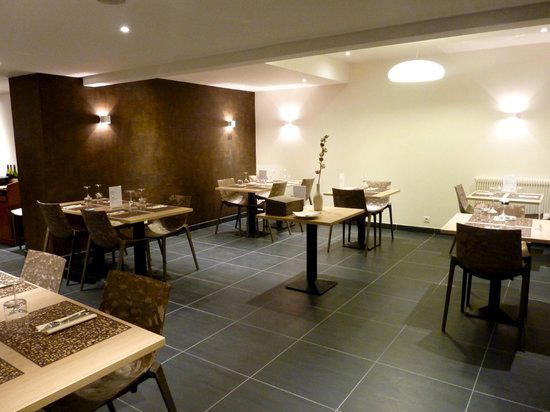
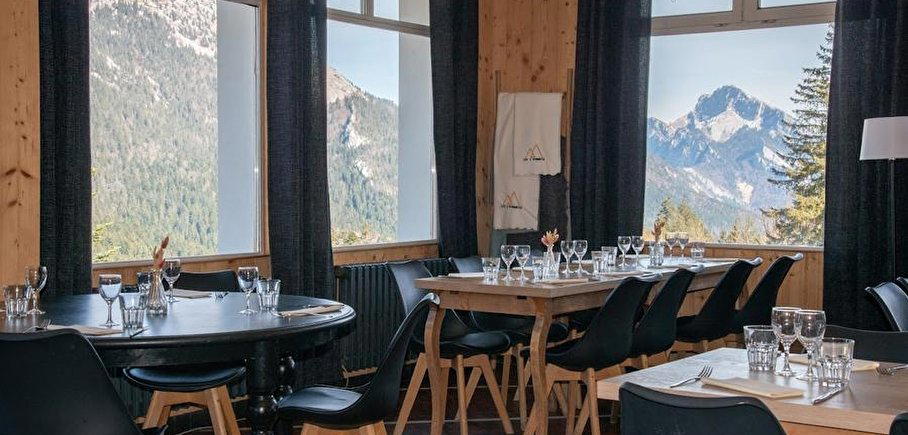
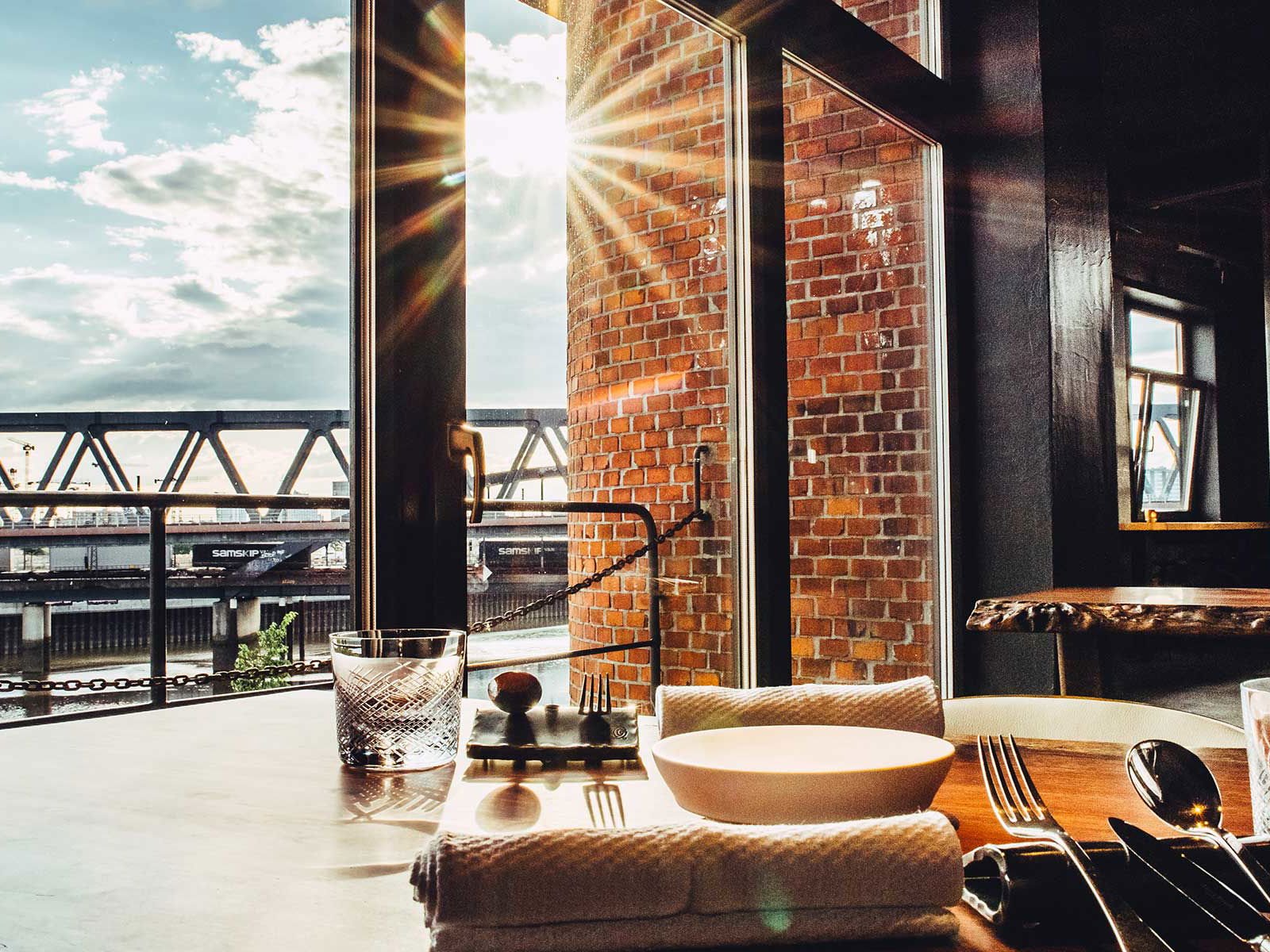
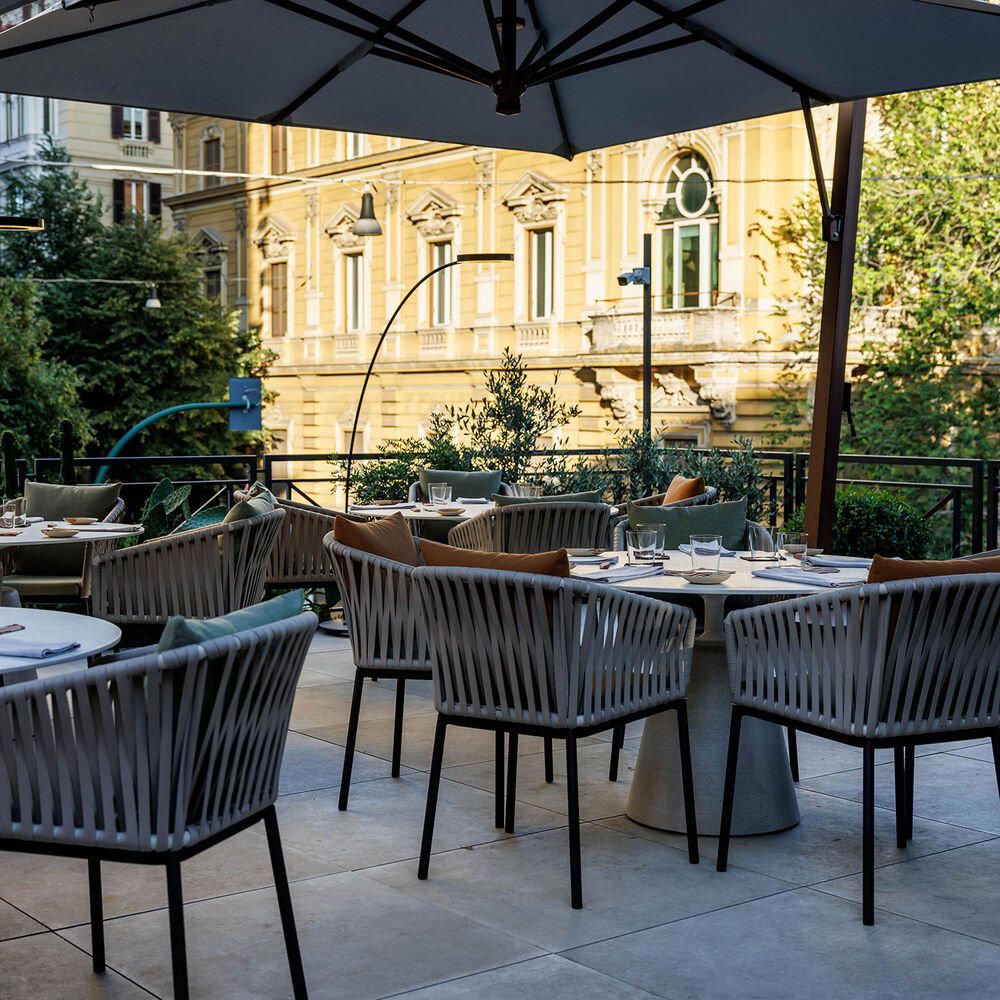
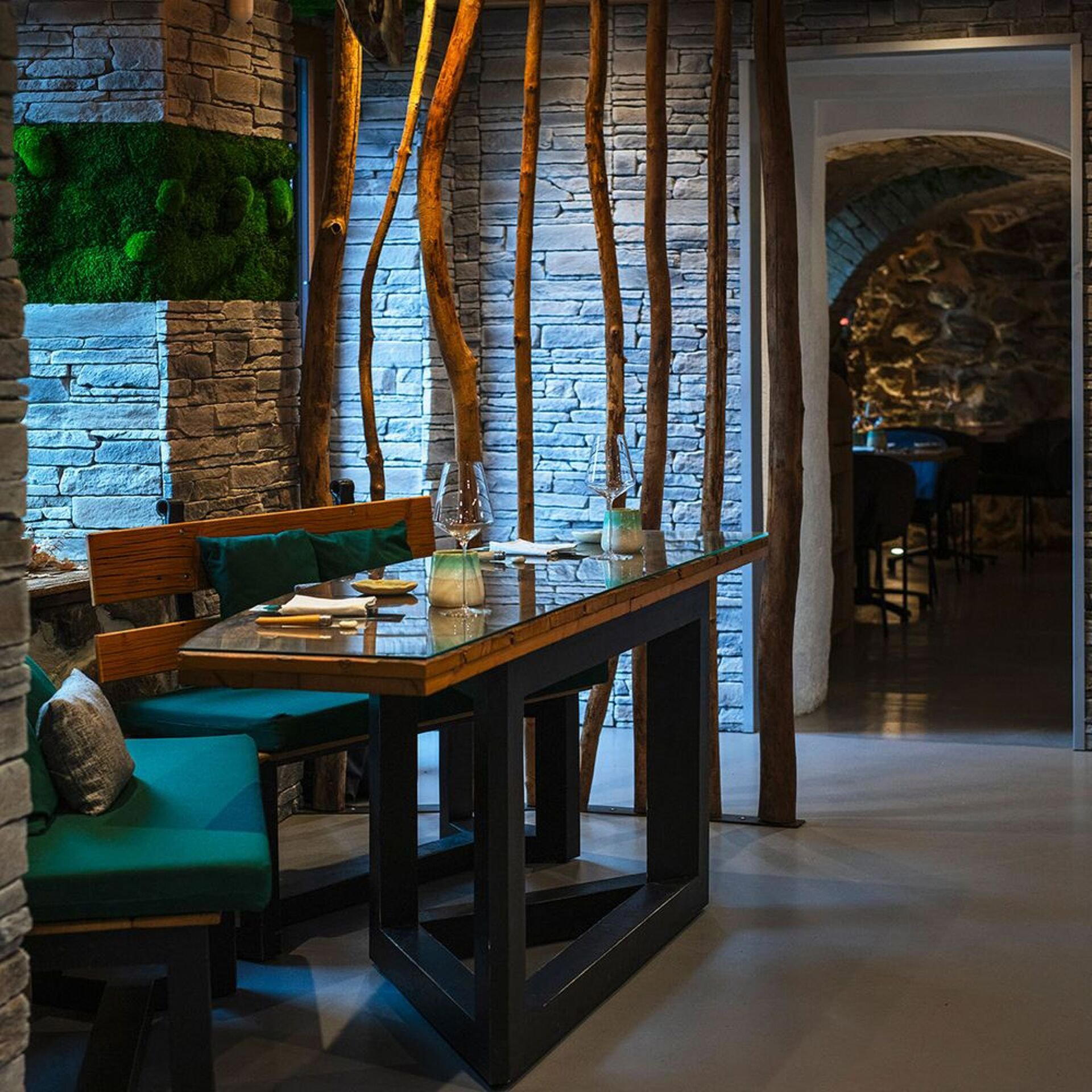
Bars in Grenoble
Browse all →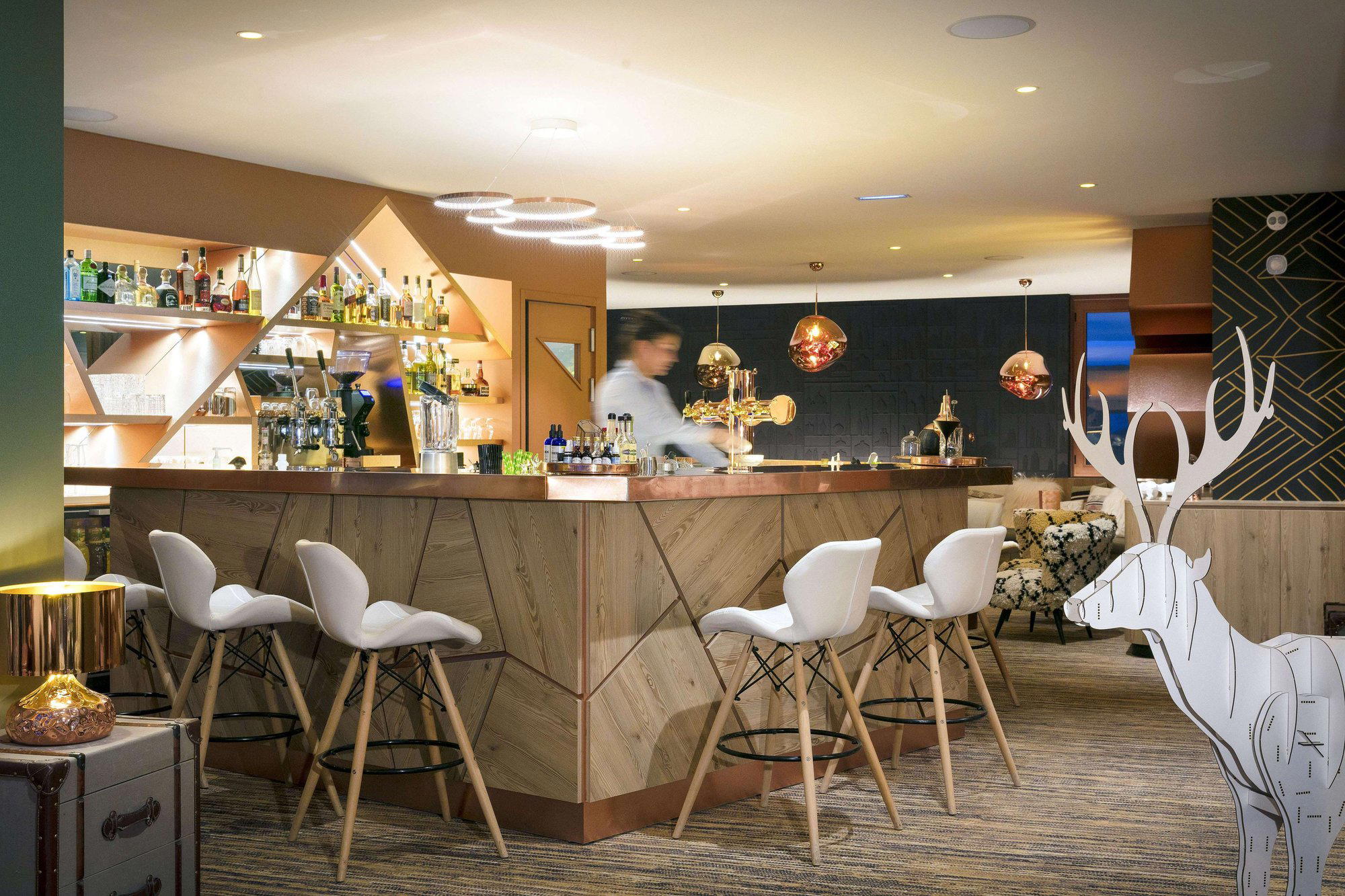

Details
- Cozy
- Classic
- Elegant
- Family
- Group Dining
- Business Dinner
- Terrace
- Private Dining
- Extensive Wine List
- Local Sourcing
- A La Carte
- Vegetarian Friendly
Current opening hours
- Monday
- 11:30 AM–2 PM, 6:30–10 PM
- Tuesday
- 11:30 AM–2 PM, 6:30–10 PM
- Wednesday
- 11:30 AM–2 PM, 6:30–10 PM
- Thursday
- 11:30 AM–2 PM, 6:30–10 PM
- Friday
- 11:30 AM–2:30 PM, 6:30–10 PM
- Saturday
- 11:30 AM–2:30 PM, 6:30–10 PM
- Sunday
- 11:30 AM–2:30 PM
Hours can change for holidays and private events. Hours as of .
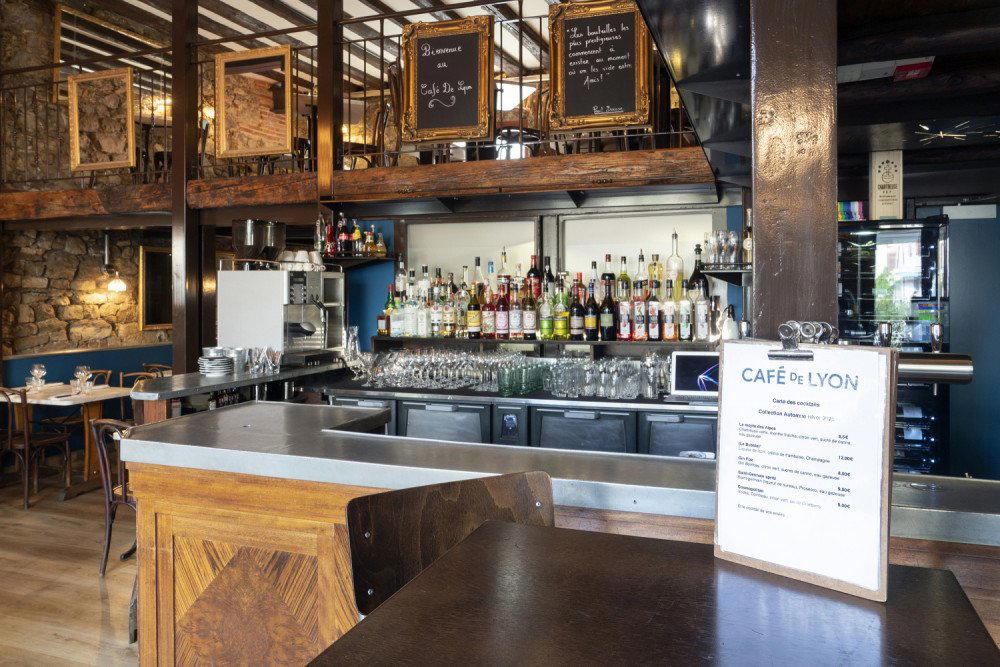
Friendly and warm brasserie atmosphere with nice decor, cozy yet spacious, and relatively low noise even when full.