Chalet des Trappeurs
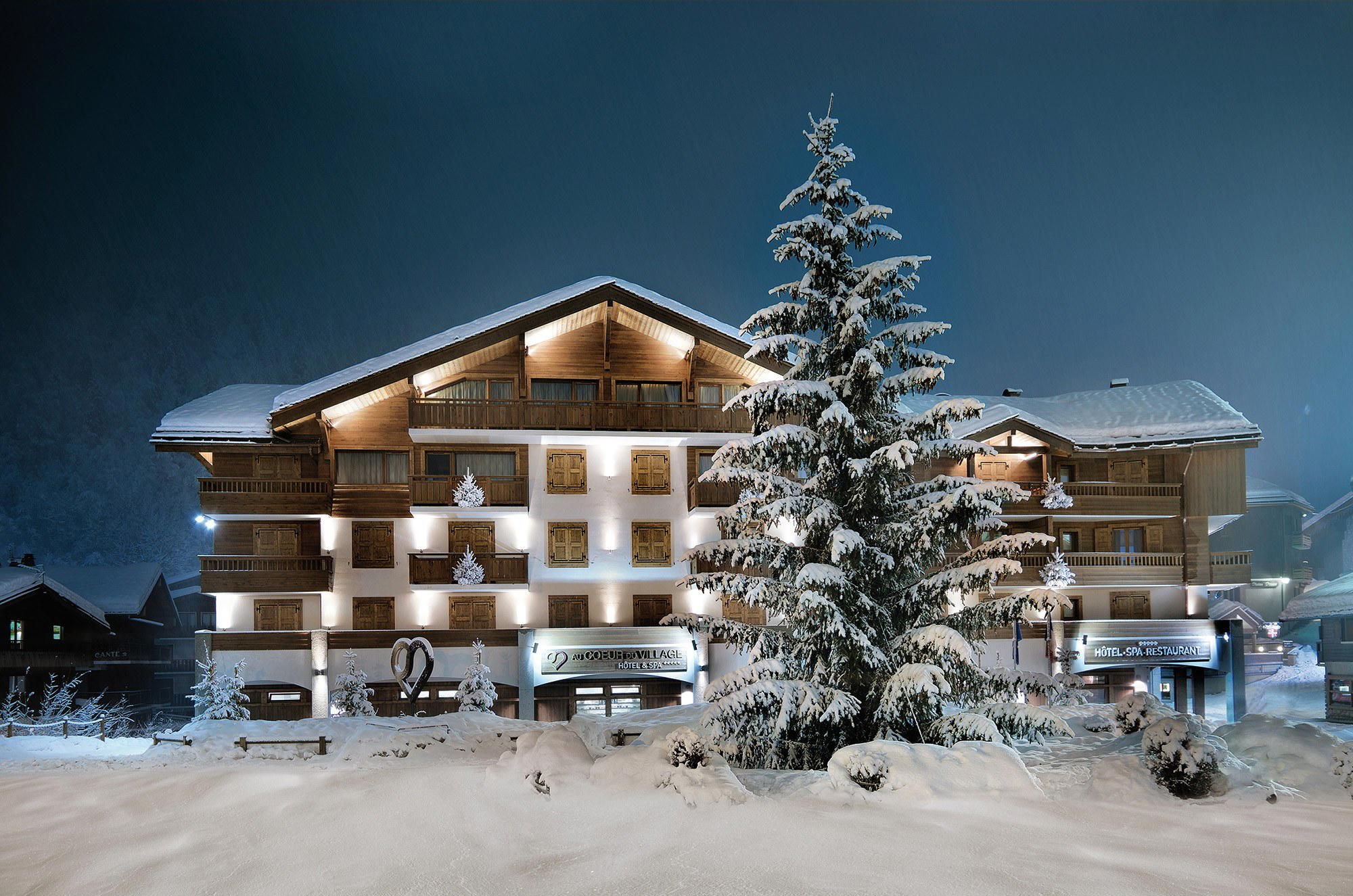
Chalet des Trappeurs sits at Col de Tamié in the Bauges massif above Plancherine, where the mountain pass has shaped provisioning habits for generations. The setting places it firmly inside the French alpine auberge tradition, rougher-edged and more rooted in local sourcing than the resort-polished dining rooms of Courchevel or Megève. For travellers passing through Savoie's quieter terrain, it represents a different register of mountain eating.
Pearl is the En Primeur Club membership app — saves, bookings, and concierge access live there. Same editors, same standards.
- Address
- Col de Tamié Malapalud, 73200 Plancherine, France
- Phone
- +33479322144
- Website
- lechalet-des-trappeurs.com
- Directions
- Get directions
 Saves & bookings on Pearl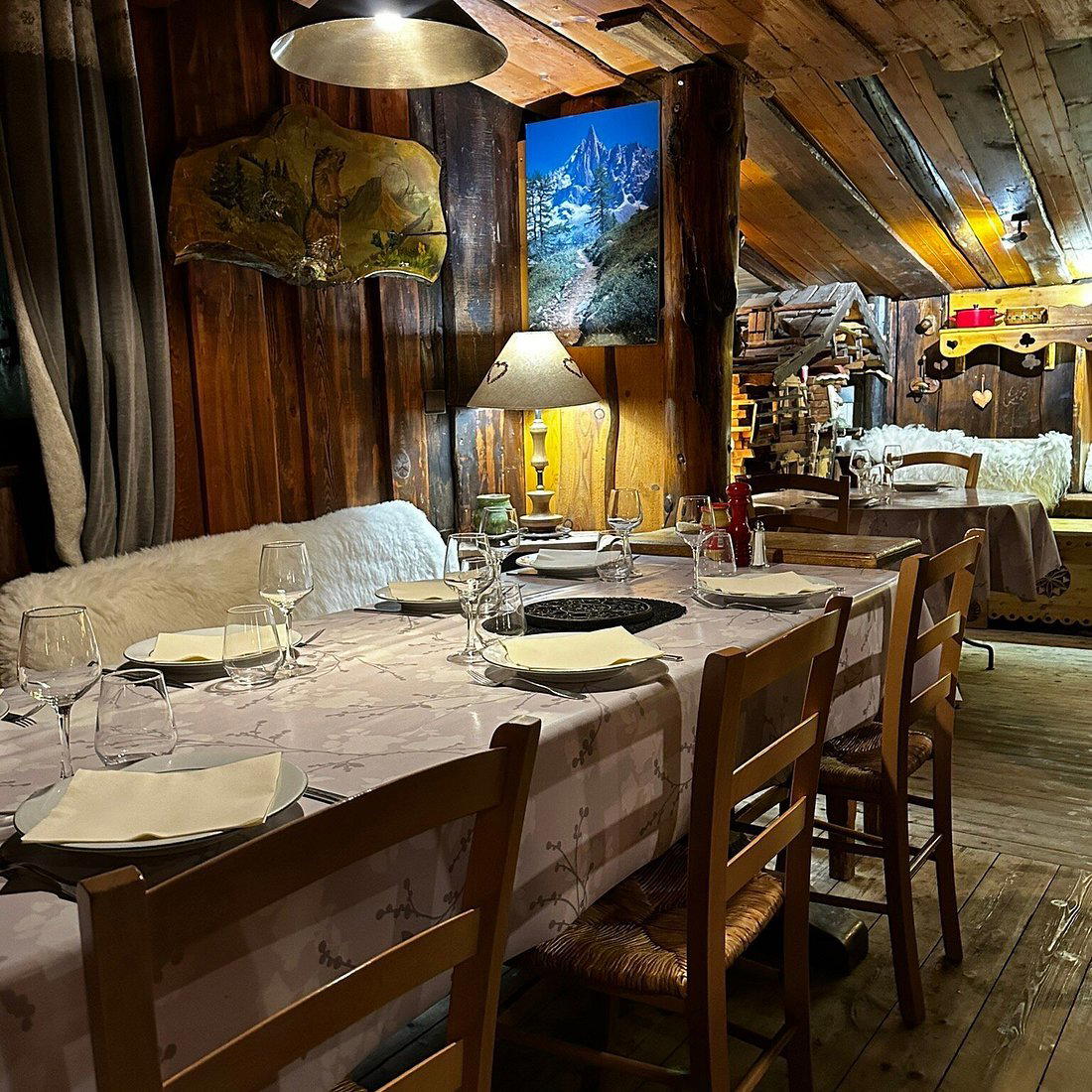
Where the Pass Defines the Plate
The road to Col de Tamié climbs through beech and spruce before flattening at Malapalud, where the pass has served as a transit corridor between the Combe de Savoie and the Arly valley since at least the medieval period. Chalet des Trappeurs sits at that crossroads in Plancherine, a restaurant in Plancherine serving Traditional Savoyard Alpine Cuisine, with a price tier around $40 per person, shaped by geography and the provisioning logic that mountain passes impose. The Col de Tamié is also where the Cistercian monks of the Abbaye de Tamié have produced their pressed, washed-rind cheese for centuries. That proximity to one of France's more documented artisanal cheesemaking traditions is not incidental to understanding what kind of eating this part of Savoie supports.
French alpine dining sits on a spectrum that runs from the austere farmhouse to the hotel-backed destination restaurant. Le 1947 à Cheval Blanc in Courchevel occupies one extreme; Flocons de Sel in Megève sits at the point where mountain provenance meets refined technique. Chalet des Trappeurs belongs to an entirely different register: the working auberge that predates resort culture and whose sourcing is determined by altitude, season, and what local producers bring down or carry up. Understanding that register matters before arriving with expectations calibrated to fine dining rooms.
The Sourcing Logic of the Bauges Massif
The Bauges massif is not a well-marketed food region by French standards, but it is a productive one. Savoie's alpine pastures at altitude support dairy farming built around breeds adapted to short summers and long winters, the Abondance, the Tarentaise, and the resulting milk produces cheeses with fat and mineral content that lowland dairy cannot replicate. Tomme de Savoie, Beaufort, and Reblochon all have their appellation boundaries drawn partly through this terrain. The cheese produced at the Abbaye de Tamié, a short distance from the chalet's position at the col, is sold primarily through the monastery and through local retail without wide distribution, which means proximity to the source matters for access.
Mountain chalets in this tradition build menus around what is available within a radius that altitude and road access define. In the warmer months, that means wild herbs from the surrounding slopes, dairy from farms in the valleys below, and game when the season opens. In winter, cured and preserved preparations that reflect the preoccupation with food storage that isolated mountain communities developed long before refrigeration. This is not farm-to-table as a marketing position, it is farm-to-table as the original operating logic of alpine kitchens, which French haute cuisine, from Bras in Laguiole to Mirazur in Menton, has spent decades trying to articulate formally.
The Auberge Tradition in Context
France's most celebrated rural restaurants, Auberge de l'Ill in Illhaeusern, Auberge du Vieux Puits in Fontjoncouse, Georges Blanc in Vonnas, began as roadside stopping points or rural inns and accumulated recognition over generations. The auberge form is fundamentally about hospitality tied to place rather than cuisine designed for a metropolitan audience. What separates a working alpine chalet from those celebrated auberges is not aspiration but scale of ambition and the critical infrastructure around them. Places like Les Prés d'Eugénie in Eugénie-les-Bains or L'Oustau de Baumanière in Les Baux built their reputations through decades of sustained quality and external recognition. A chalet at a mountain pass operates within a much narrower economy of attention.
That narrowness is partly the point. Dining at altitude in France's lesser-known mountain terrain carries a different set of rewards than a booking at Alléno Paris au Pavillon Ledoyen or Troisgros in Ouches. The transaction is primarily about place and access to a provisioning tradition rather than about culinary innovation. Visitors who approach Chalet des Trappeurs with that frame tend to find the experience coherent; those arriving with resort-dining expectations tend to find it insufficient.
Getting There and What to Know Before You Go
The chalet is located at Col de Tamié Malapalud on the D104, which connects Plancherine in the Combe de Savoie with Faverges in the Arly valley. The road is manageable by car in summer and early autumn; in winter, conditions at the col can shift quickly and winter tyres are the practical minimum. The drive from Albertville takes roughly twenty minutes; from Annecy, allow closer to forty-five, depending on the route through Faverges. There is no public transport to this address. The col sits at around 907 metres, which keeps it accessible compared to higher alpine passes, but snow cover from December through March is normal. Hours run Wednesday through Sunday, with lunch service from 12 to 3 PM and dinner from 7 to 11 PM; the restaurant is closed Monday and Tuesday. Reservations are recommended.
Comparable mountain-pass experiences in France tend to operate on reduced winter hours or close between seasons, then reopen for summer hikers and road cyclists who use the col as a route marker. The chalet's position on a pass with both road and trail traffic from the GR hiking network that threads through the Bauges suggests it draws a mixed clientele of walkers, cyclists, and drivers cutting between valleys rather than a destination-dining audience. That clientele shapes what is on offer in ways that are worth factoring into the decision to visit. For travellers who want the mountain provenance framing with more formal technique applied, Maison Lameloise in Chagny and the Savoie options further afield offer a different level of resolution.
Comparison Snapshot
Comparable venues nearby, for context on price, style, and recognition.
| Venue | Cuisine | Price | Notes |
|---|---|---|---|
| Chalet des TrappeursThis venue — the venue you are viewing | Traditional Savoyard Alpine Cuisine | $$ | Not listed |
| Café Brunet | Traditional French Bistro | $$ | Annecy-le-Vieux |
| L'Outa | Traditional Savoyard Bistro | $$ | Upper La Clusaz |
| Le Grizzly | French Mountain Bistro | $$ | Plateau de Beauregard |
| Rita&Albert | French-Spanish Fusion | $$ | Sergy |
| Laiterie du Col Bayard | Traditional French Cheese Specialty | $$ | Laye |
Continue exploring
More in Plancherine
Restaurants in Plancherine
Browse all →
Bars in Plancherine
Browse all →
At a Glance
- Rustic
- Cozy
- Scenic
- Classic
- Family
- Group Dining
- Celebration
- Casual Hangout
- Terrace
- Panoramic View
- Standalone
- Local Sourcing
- Mountain
Current opening hours
- Monday
- Closed
- Tuesday
- Closed
- Wednesday
- 12–3 PM, 7–11 PM
- Thursday
- 12–3 PM, 7–11 PM
- Friday
- 12–3 PM, 7–11 PM
- Saturday
- 12–3 PM, 7–11 PM
- Sunday
- 12–3 PM, 7–11 PM
Hours can change for holidays and private events. Last verified .
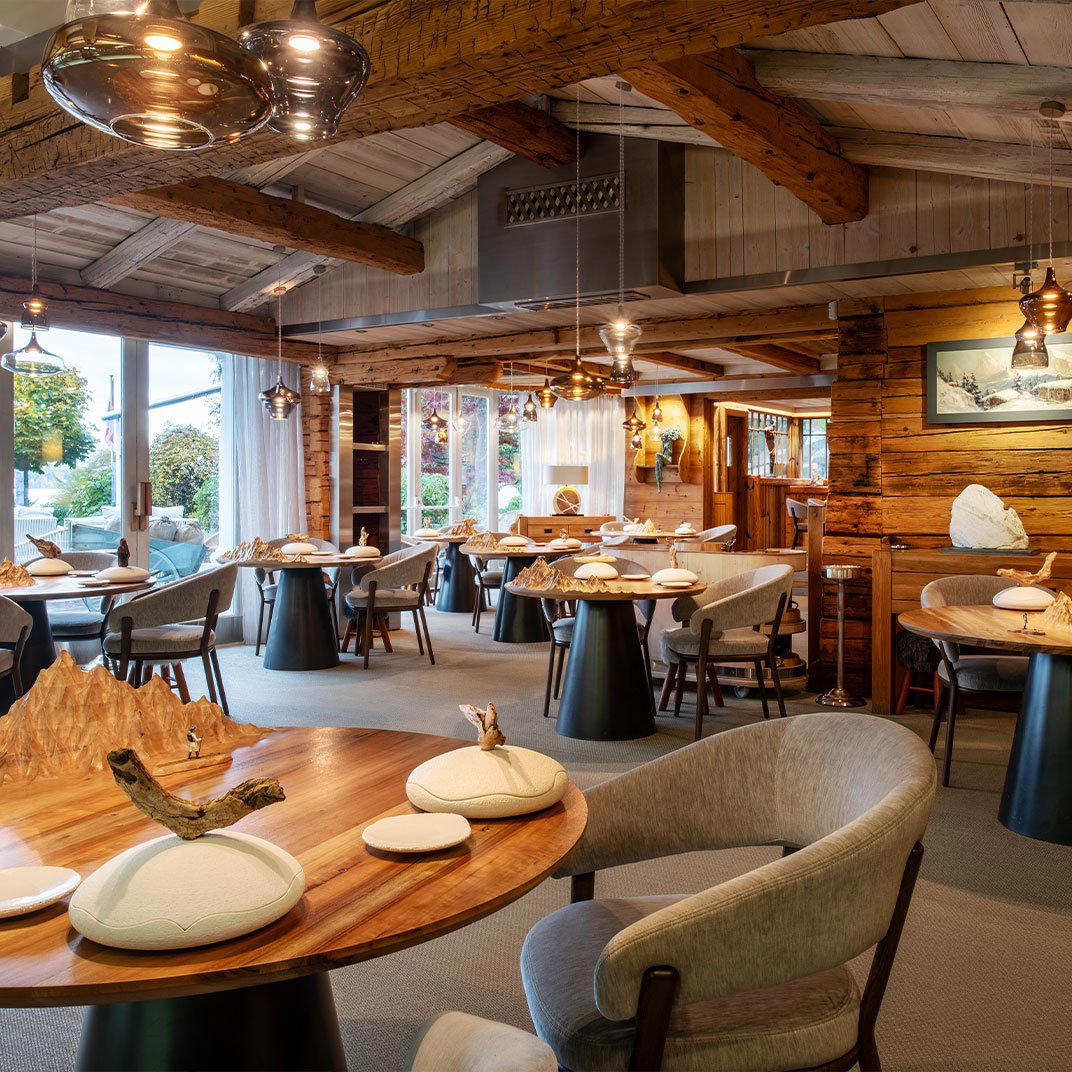
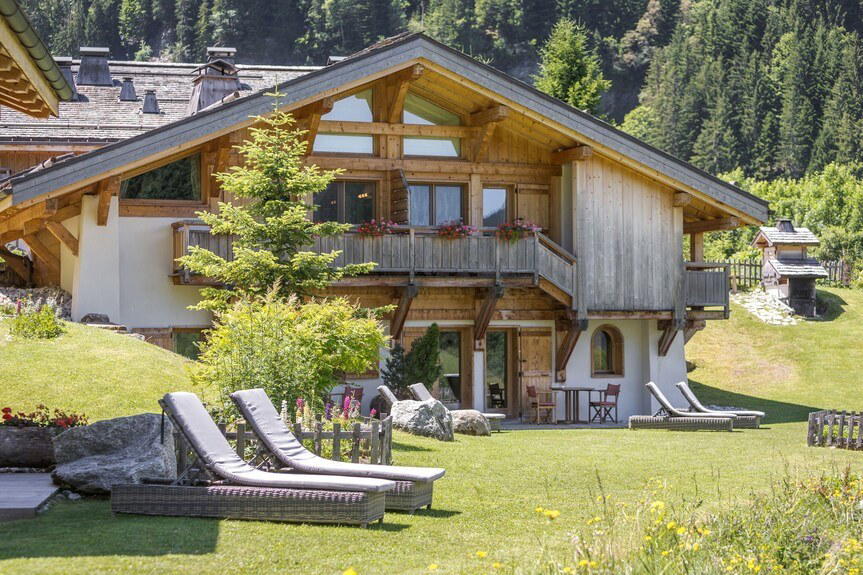
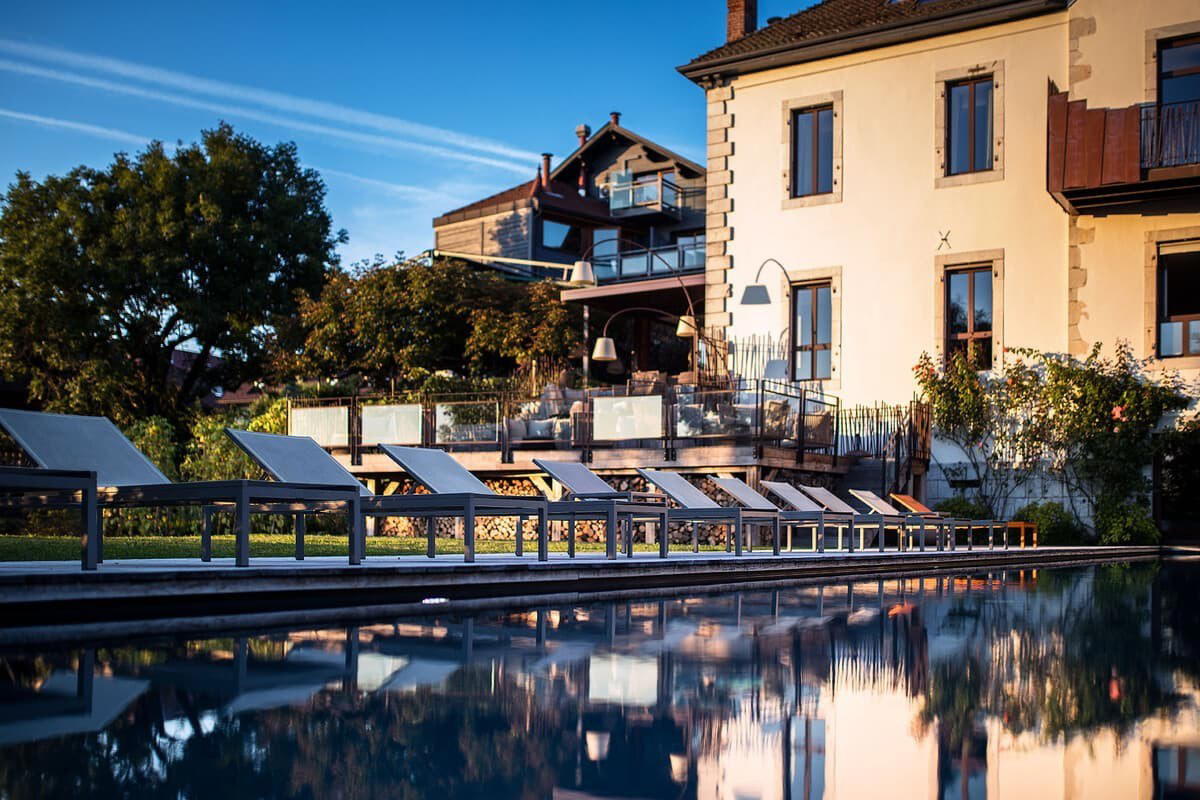
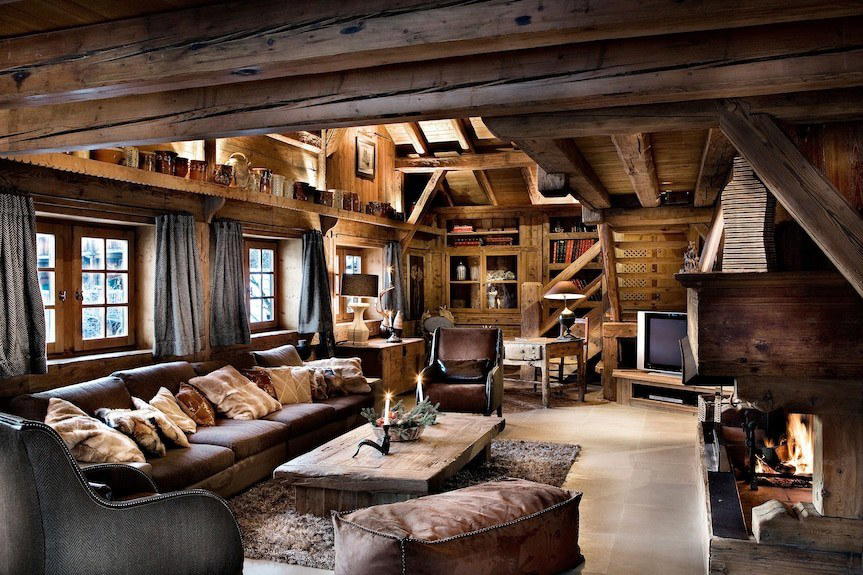
Warm and convivial mountain lodge atmosphere with wooden beams, traditional objects, and a fireplace; guests can dine on a sunny terrace or by the fire.