Le Lude Estate and Orangerie Restaurant
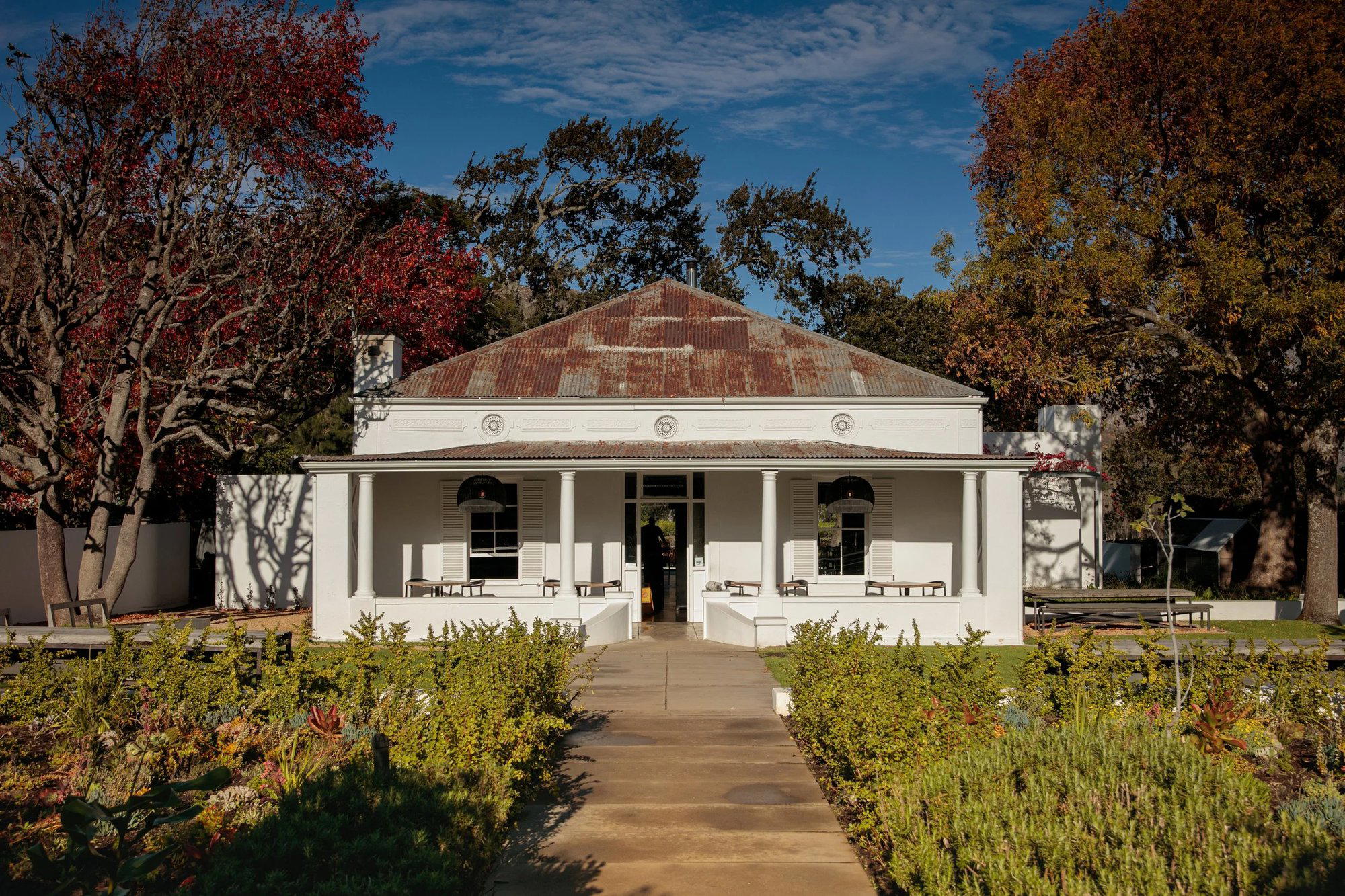
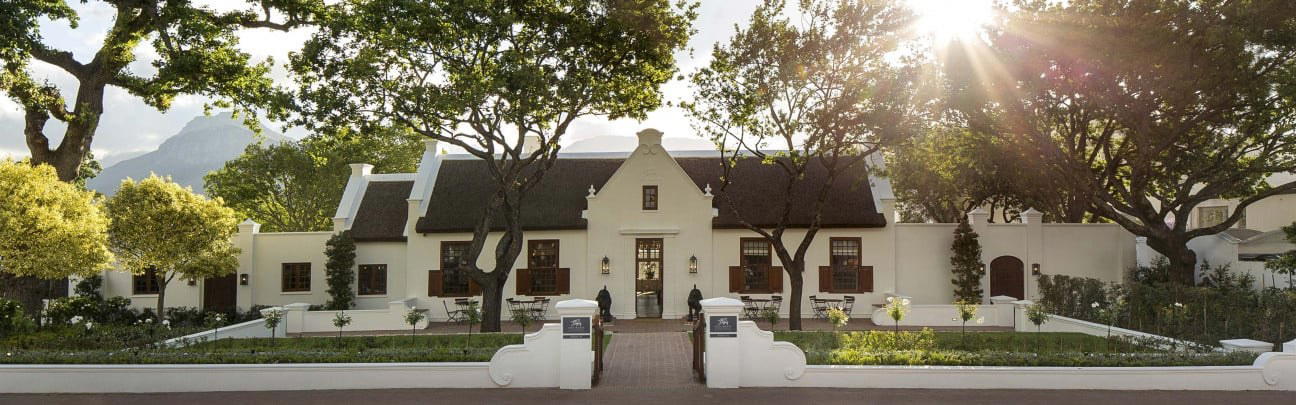
Le Lude Estate and Orangerie Restaurant sits on Bowling Green Avenue in Franschhoek, placing it at the heart of one of the Western Cape's most concentrated fine-dining corridors. The Orangerie format positions it within the estate-dining tier that defines this valley, where wine, landscape, and table converge into a single itinerary. Travellers comparing Franschhoek estate options will find Le Lude operating in a considered, property-anchored register.
Pearl is the En Primeur Club membership app — saves, bookings, and concierge access live there. Same editors, same standards.
- Address
- Bowling Green Avenue, Lambrechts Rd, Franschhoek, 7690, South Africa
- Phone
- +27 21 876 2961
- Website
- lelude.co.za
- Directions
- Get directions
 Saves & bookings on Pearl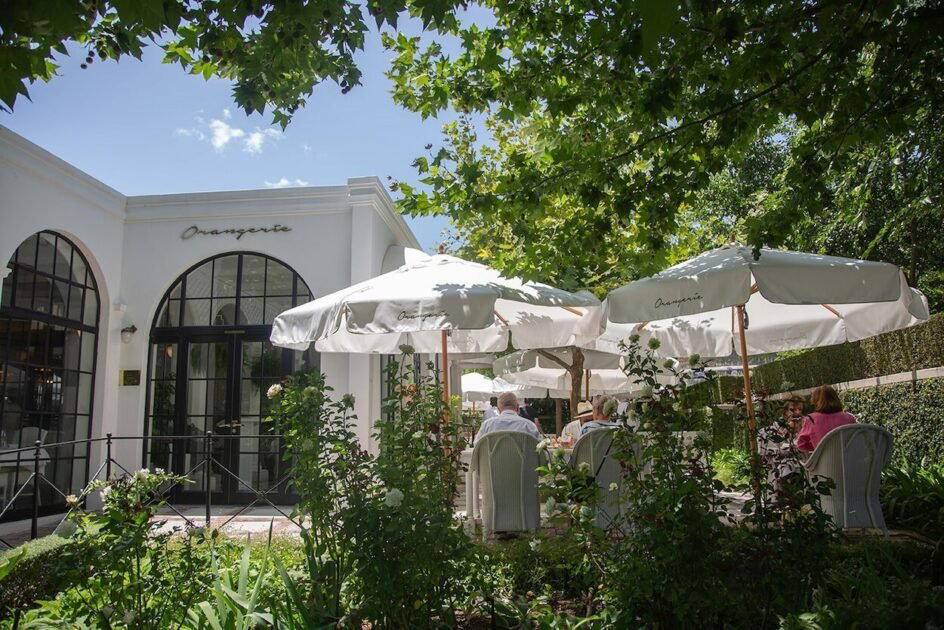
Franschhoek's Estate-Dining Tier and Where Le Lude Fits
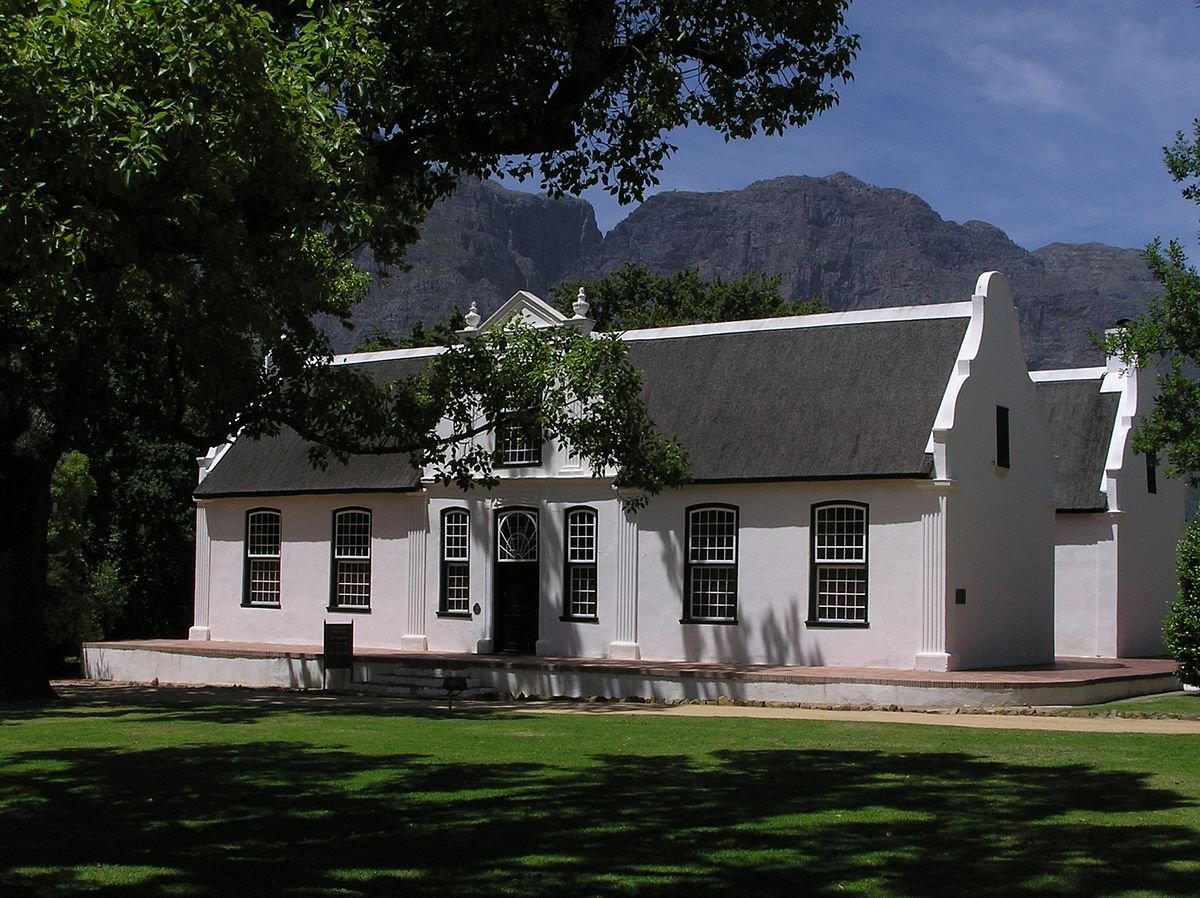
The Franschhoek Valley has spent the better part of two decades consolidating its reputation as the Western Cape's most coherent fine-dining corridor. Unlike the broader Stellenbosch appellation, which distributes its restaurant energy across urban wine bars, farm stalls, and ambitious tasting-menu counters, Franschhoek concentrates almost exclusively on the estate format: a meal tied to a property, a cellar, and a view. Le Lude Estate and its Orangerie Restaurant, addressed on Bowling Green Avenue along Lambrechts Road in Franschhoek, operates squarely within that tradition. The property anchors the experience to place rather than chef celebrity or single-dish fame, which is a deliberate positioning choice in a valley where the estate itself is always part of what you are paying for. For context on the broader Stellenbosch dining scene, see our full Stellenbosch restaurants guide.
Arriving in the Valley: What the Setting Does Before the Meal Begins
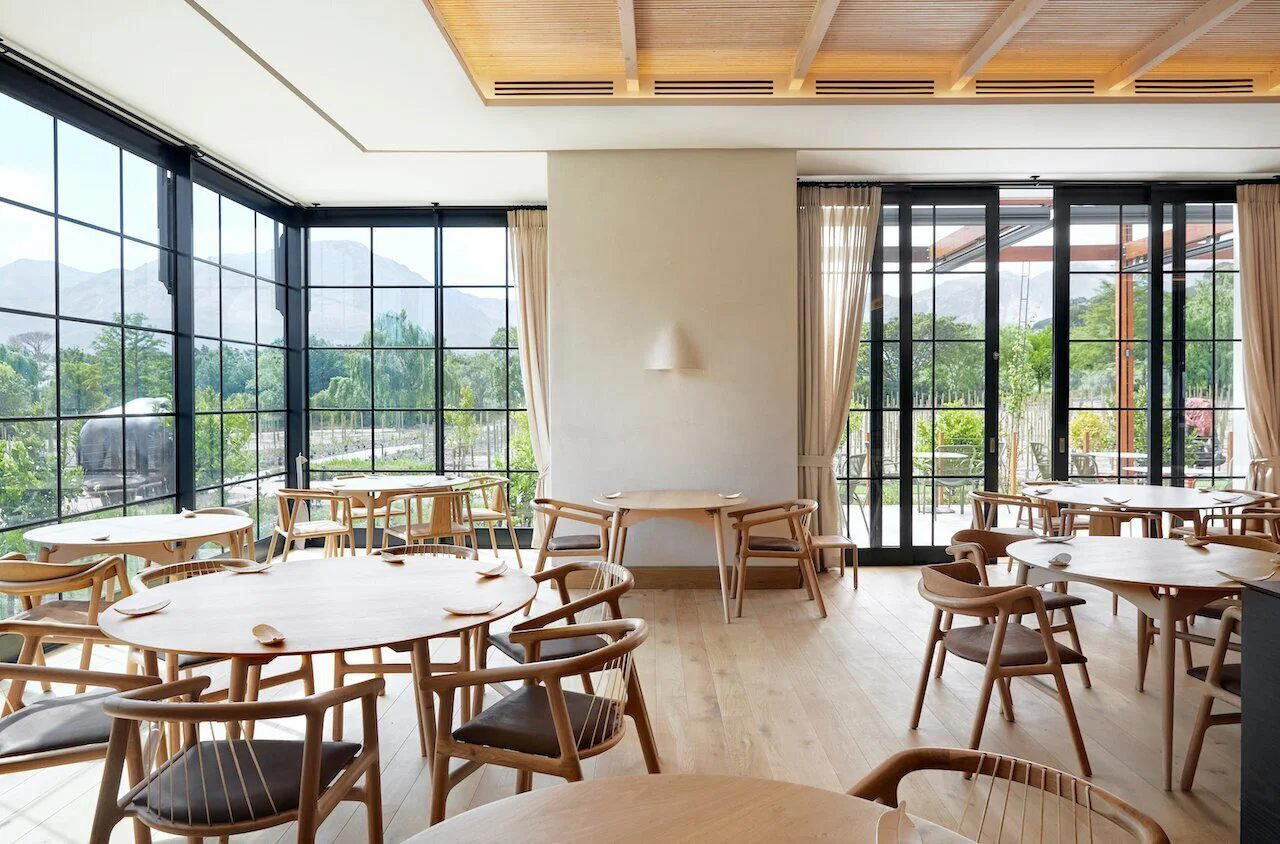
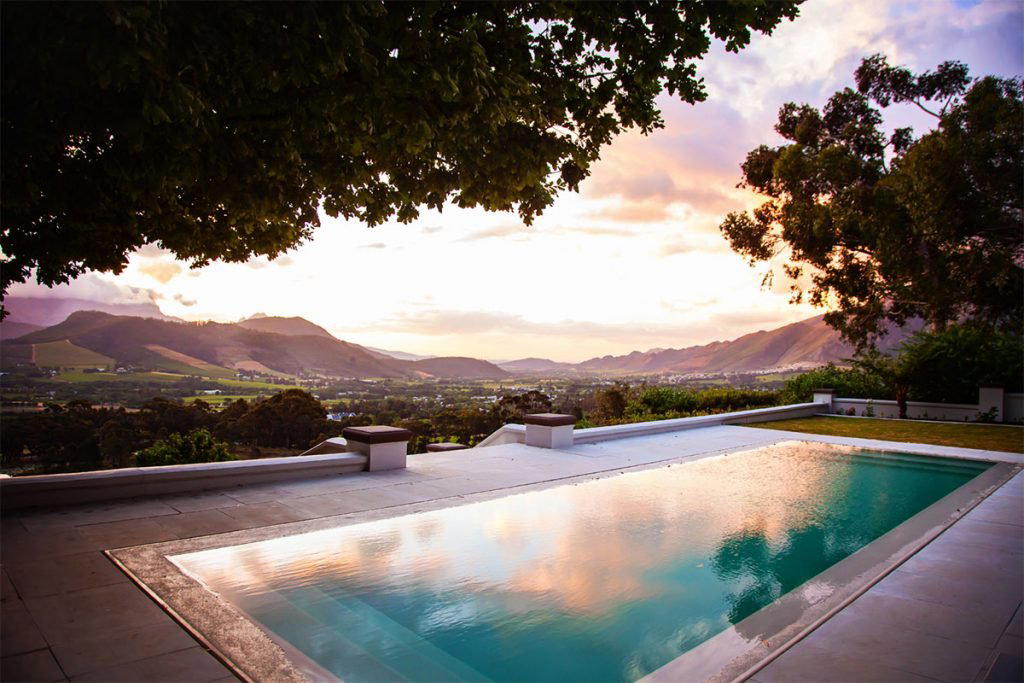
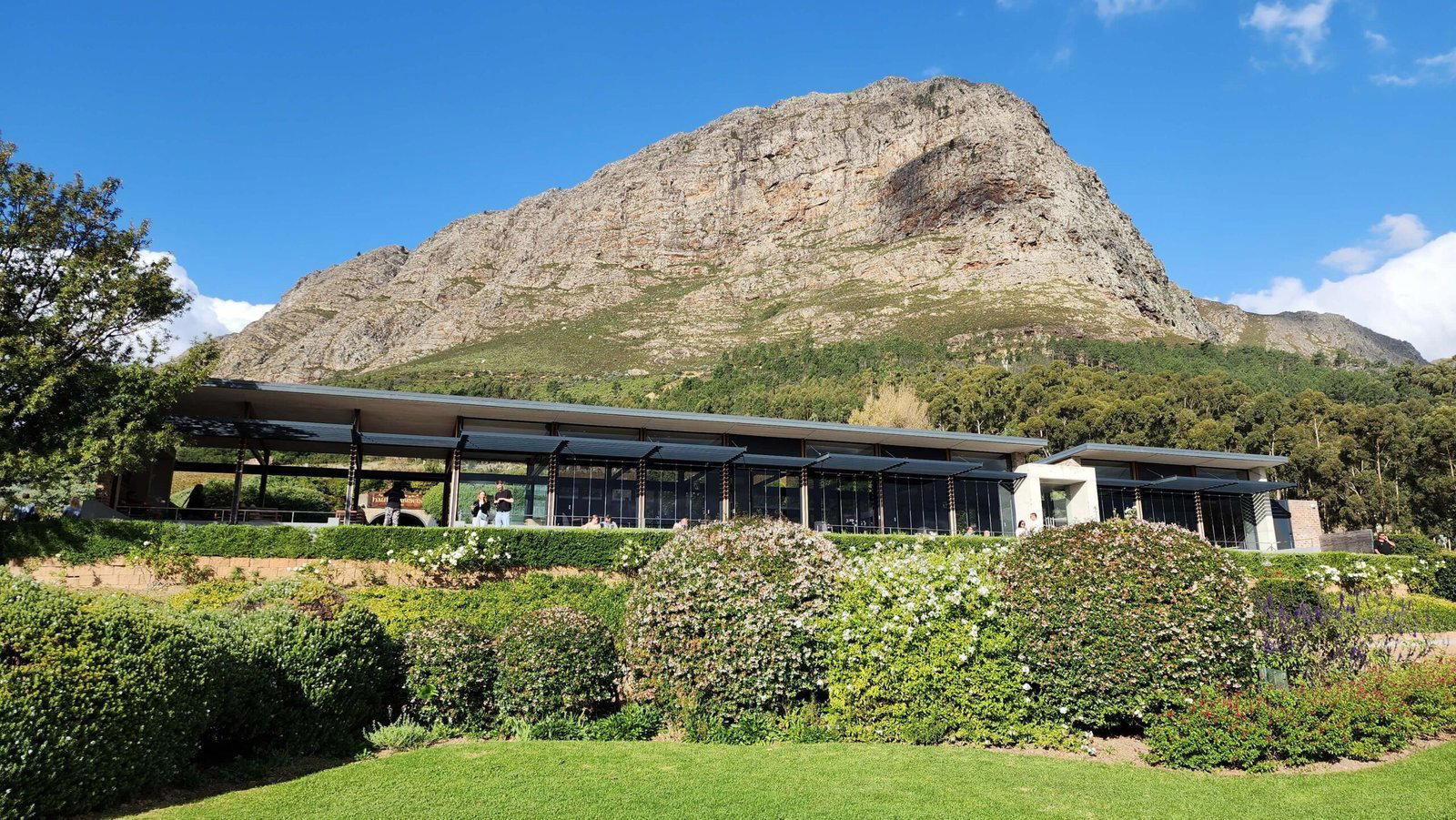
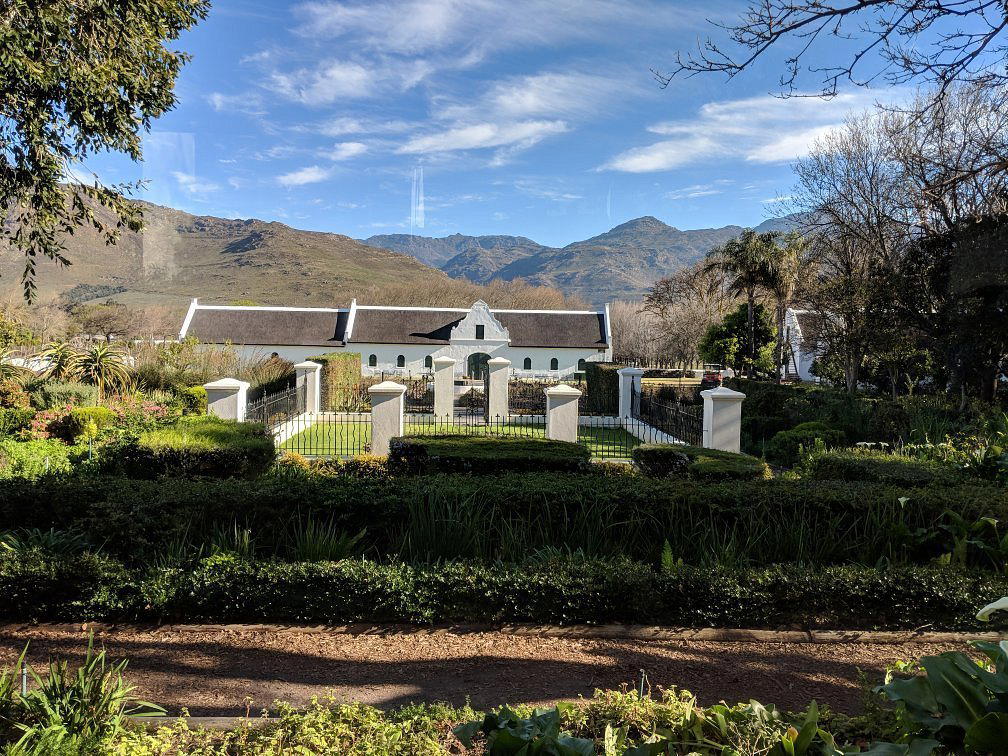
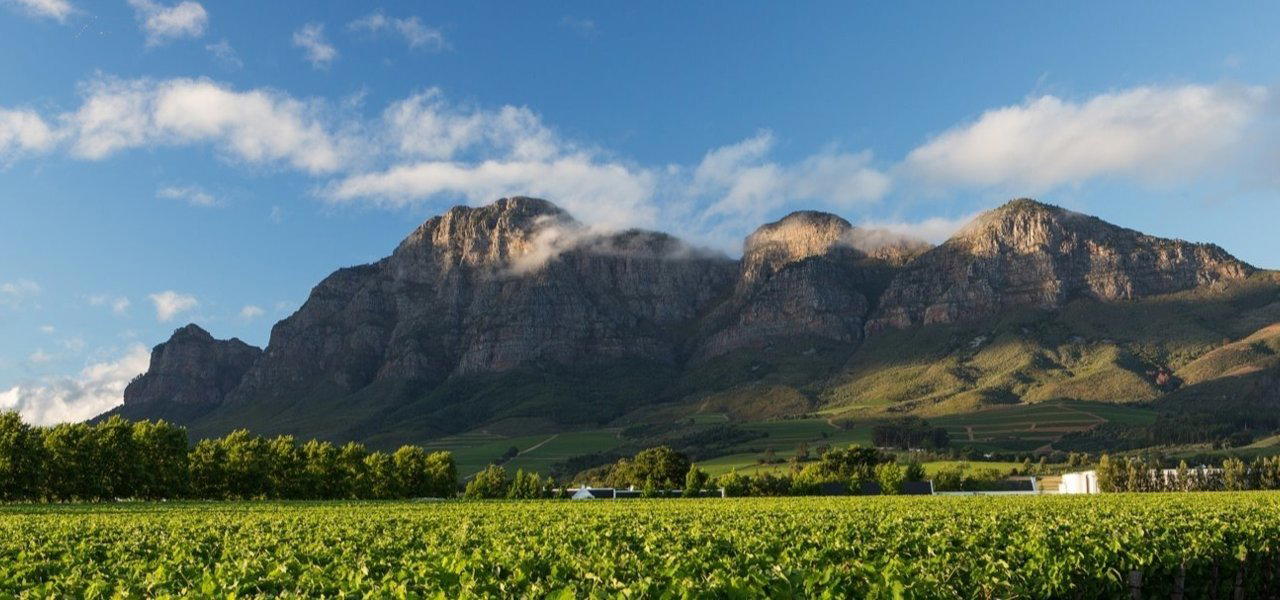
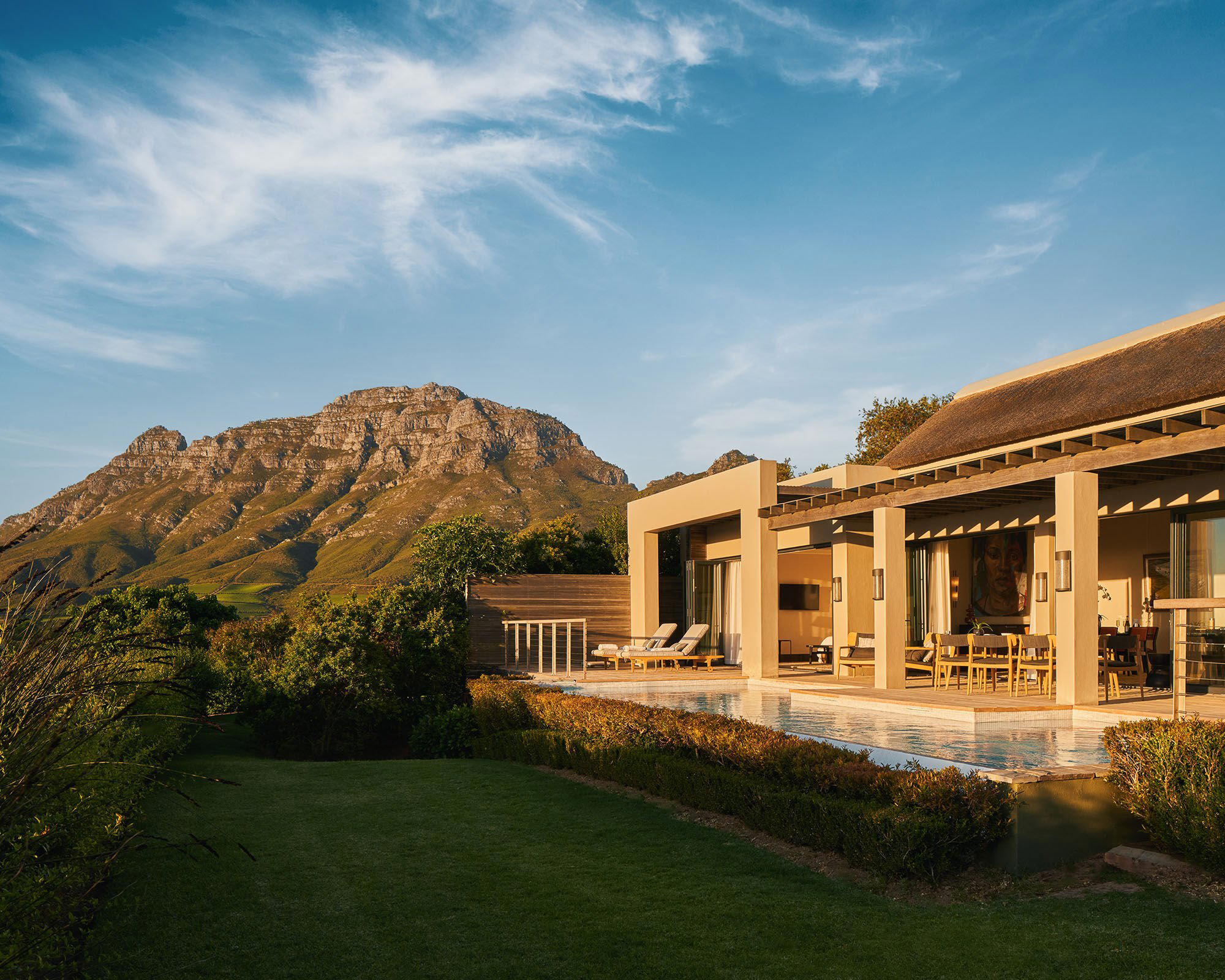
Approaching any Franschhoek estate along the valley roads is a calibrated act of arrival. The mountains close in from three sides, the vineyards sit low and orderly, and the light in the late afternoon carries a particular quality that Cape winemakers and photographers have been chasing for generations. An orangerie as a dining format is well suited to this geography: glass and iron, warmth trapped against the chill of mountain evenings, a structure that gestures at the European tradition while sitting inside an entirely South African landscape. The format has precedent across the valley, but Le Lude's version on this particular stretch of Lambrechts Road operates at the point where the Franschhoek wine route becomes most densely layered with premium properties.
Estate-format dining in this valley draws a specific kind of traveller: someone who has already allocated the day to a wine region rather than a city, and who expects the meal to extend naturally from the cellar visit rather than interrupt it. That reader expectation shapes the pacing and register of what an Orangerie restaurant delivers differently from a standalone urban room. For comparison, Le Quartier Français in Franschhoek operates as a village-anchored alternative within the same valley, while Bread & Wine Vineyard Restaurant represents a more casual vineyard-lunch register on the Stellenbosch side of the appellation.
The Western Cape Estate Table: A Broader Pattern
South Africa's premium dining has undergone a structural shift over the past decade. The country's most discussed restaurants now sit across a wider geographic spread than a Cape Town-only map would suggest. Wolfgat in Paternoster made the case for hyper-local coastal sourcing as a legitimate international reference point, earning placement on the World's 50 Best list and redirecting critical attention toward the Western Cape's smaller towns. Fyn in Cape Town represents the urban fine-dining tier that competes on technique and tasting-menu architecture. Estate dining in Franschhoek and Stellenbosch occupies a different register entirely: it is less about a single chef's competitive ambition and more about a place's accumulated identity.
That distinction matters when choosing where to eat in this region. Boschendal at Oude Bank and Delheim Wine Estate sit within the same estate-dining category, each tying the meal to the property's wine and agricultural identity. Eike by Bertus Basson and Dusk represent the more chef-forward, town-centre format that Stellenbosch has been developing alongside its estate tradition. Le Lude's Orangerie sits in the estate tier, where the narrative of place carries as much weight as what arrives on the plate.
Planning a Visit: What the Franschhoek Format Requires
Franschhoek estate restaurants are not drop-in destinations. The valley is approximately 75 kilometres from Cape Town's city centre, and most visitors arrive as part of a structured wine-route day or a multi-property itinerary. The R45 from Stellenbosch or the Franschhoek Pass from the east are the primary approach roads, and traffic on long weekends and during the Cape's harvest season (broadly February to April) extends travel times considerably. Building the Orangerie into a morning-through-afternoon wine itinerary makes more logistical sense than treating it as an evening standalone, given the valley's distance from city accommodation and the limited late-light driving options over the mountain passes.
Booking ahead is the consistent advice for any Franschhoek estate dining room with a set or semi-set format. Walk-in availability is unreliable, particularly on weekends between October and April when the Cape winelands see their highest visitor concentration. Visitors planning around the Cape's shoulder season (May to September) will find the valley quieter, the light lower and more dramatic, and the harvest's immediate energy replaced by a calmer, more local crowd.
Beyond Franschhoek: South Africa's Wider Premium Table
Travellers who treat Le Lude as part of a longer South African journey will find a dining circuit that now extends well beyond the Western Cape. Foundry in Sandton and Sympathy's Restaurant in Johannesburg anchor the Gauteng end of a premium itinerary. The bush-lodge format at Silvan Safari Lodge in Kruger and Londolozi Game Reserve in Kruger National Park extends fine dining into the wildlife circuit, while Ellerman House in Bantry Bay remains the Cape Town hotel-dining reference point at the summit of the market. For those comparing across continents, Le Bernardin in New York City and Lazy Bear in San Francisco occupy a comparable estate-of-mind in terms of commitment to format and place, even if the contexts are entirely different. Capito in Pretoria and Wolfgat in Saldanha Bay round out a national circuit that rewards travellers willing to move beyond the Cape's most obvious coordinates.
Just the Basics
Comparable venues nearby, for context on price, style, and recognition.
| Venue | Cuisine | Price | Notes |
|---|---|---|---|
| Le Lude Estate and Orangerie RestaurantThis venue — the venue you are viewing | Franschhoek, French-inspired Fine Dining | $$$$ | Not listed |
| Eike by Bertus Basson | Not listed | $$$$ | Dorp Street, Modern South African Fine Dining |
| Bread & Wine Vineyard Restaurant | Not listed | $$$ | Happy Valley, Rustic Vineyard Charcuterie & Seasonal Cuisine |
| Red Leaf | Koelenhof, Wine Estate Bistro | $$ | Not listed |
| Rust en Vrede | Not listed | $$$$ | Stellenbosch, Contemporary French Fine Dining |
Continue exploring
More in Stellenbosch
Restaurants in Stellenbosch
Browse all →
Bars in Stellenbosch
Browse all →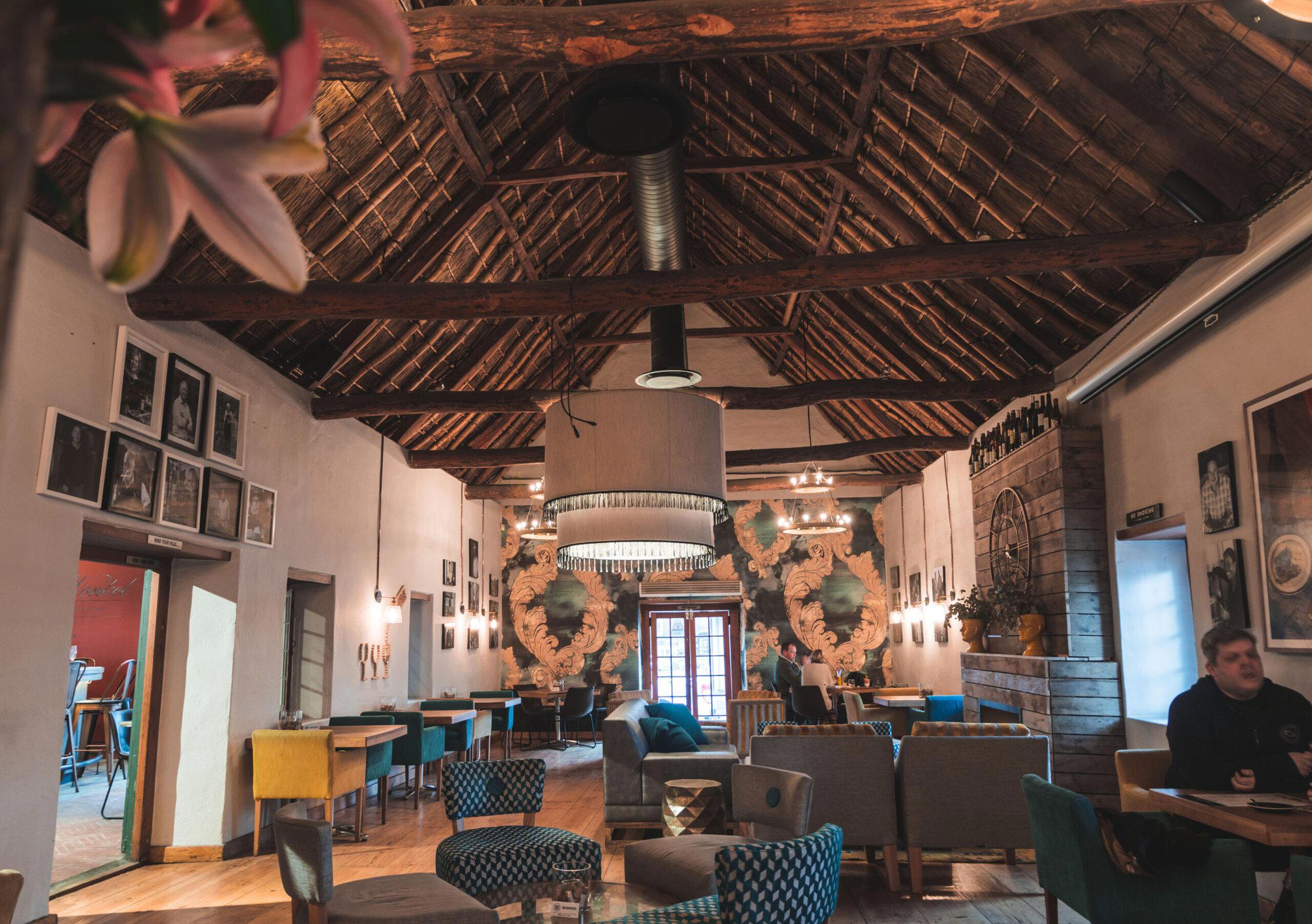
Hotels in Stellenbosch
Browse all →
At a Glance
- Elegant
- Romantic
- Scenic
- Sophisticated
- Date Night
- Special Occasion
- Wine Cellar
- Garden
- Terrace
- Extensive Wine List
- Sommelier Led
- Local Sourcing
- Farm To Table
- Vineyard
- Garden
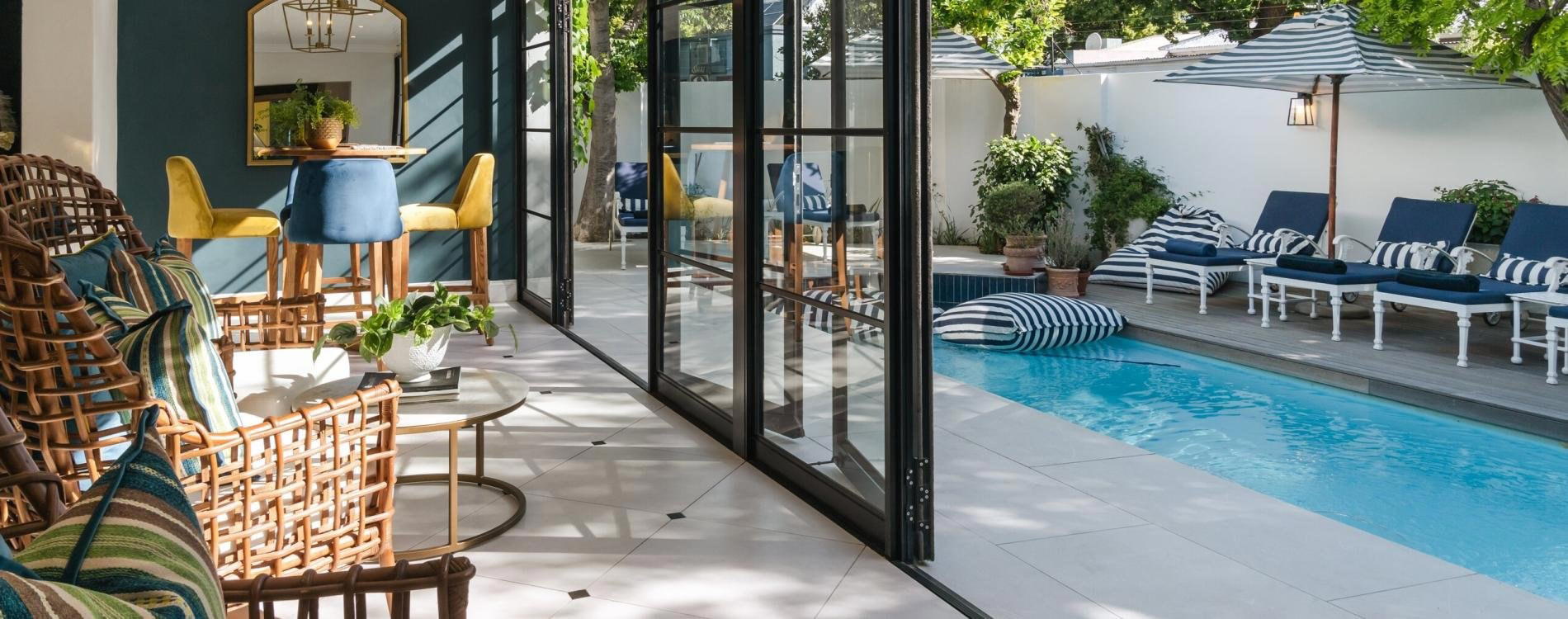
Elegant and serene with French-inspired interiors, well-suited for relaxed indulgence amid the Franschhoek Valley.