Boschendal at Oude Bank
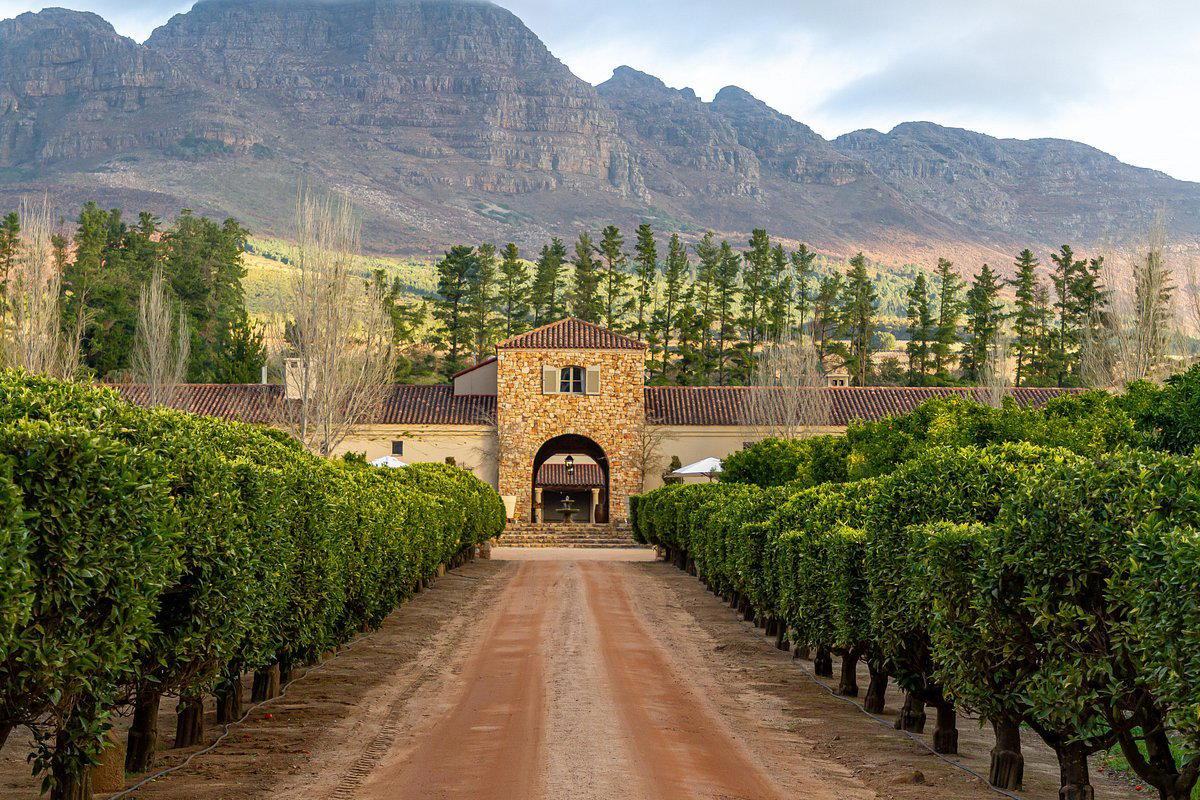
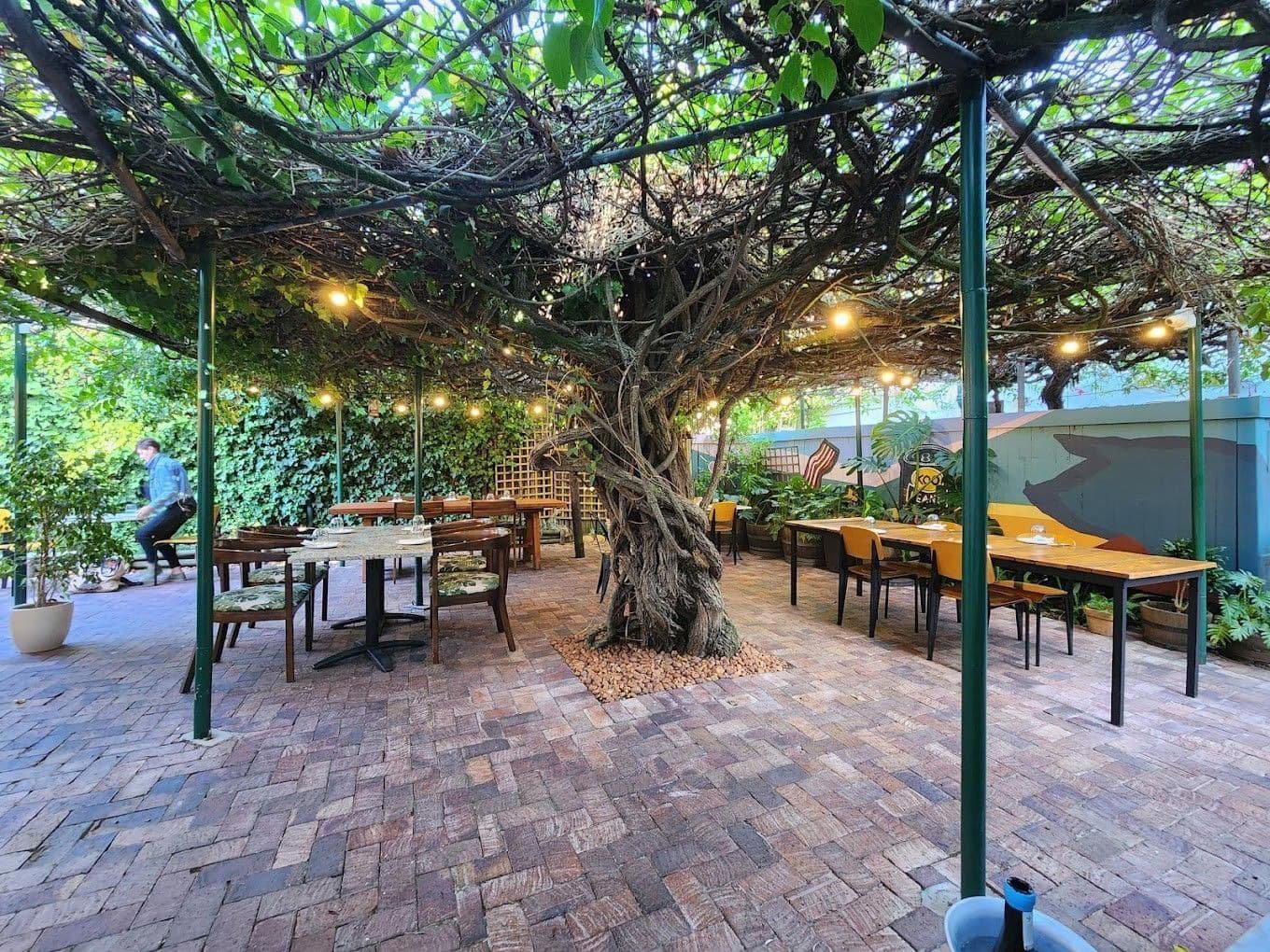
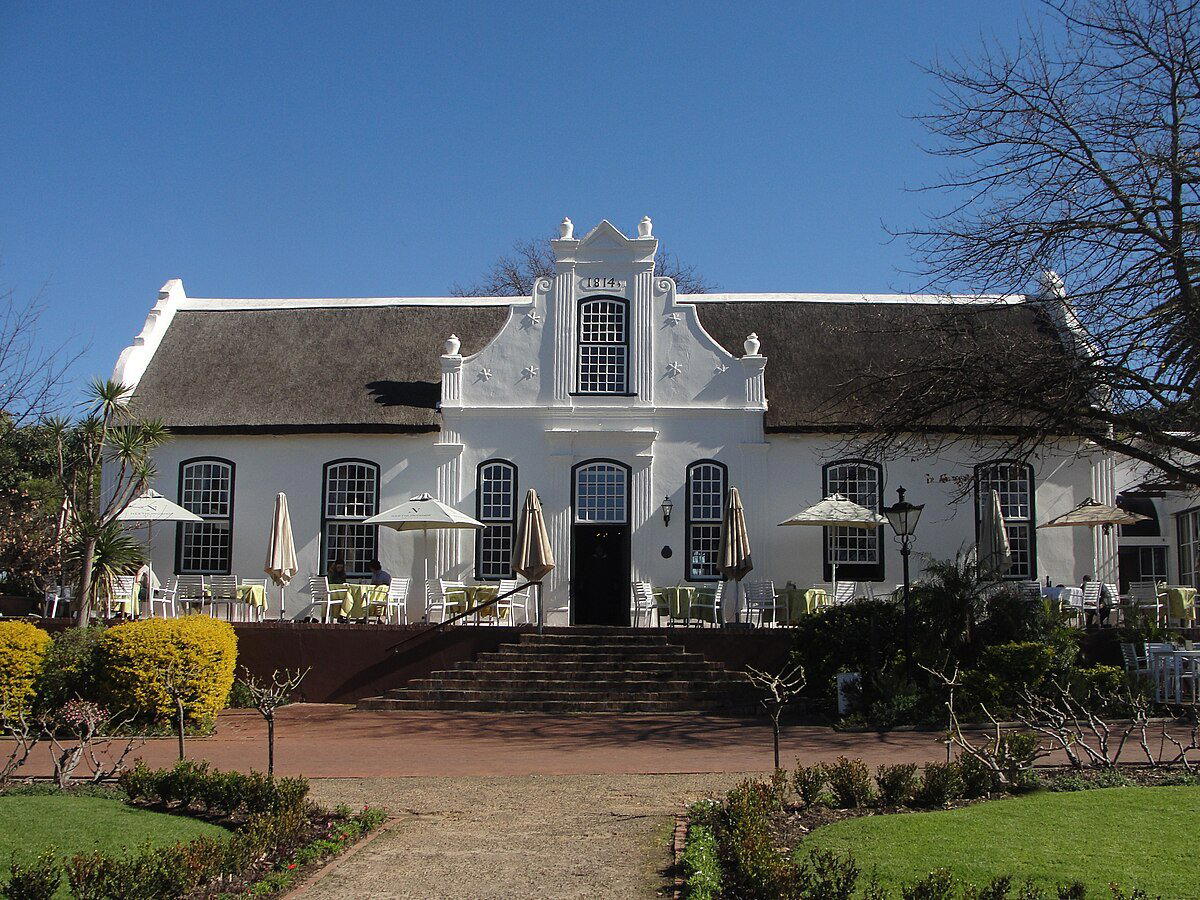
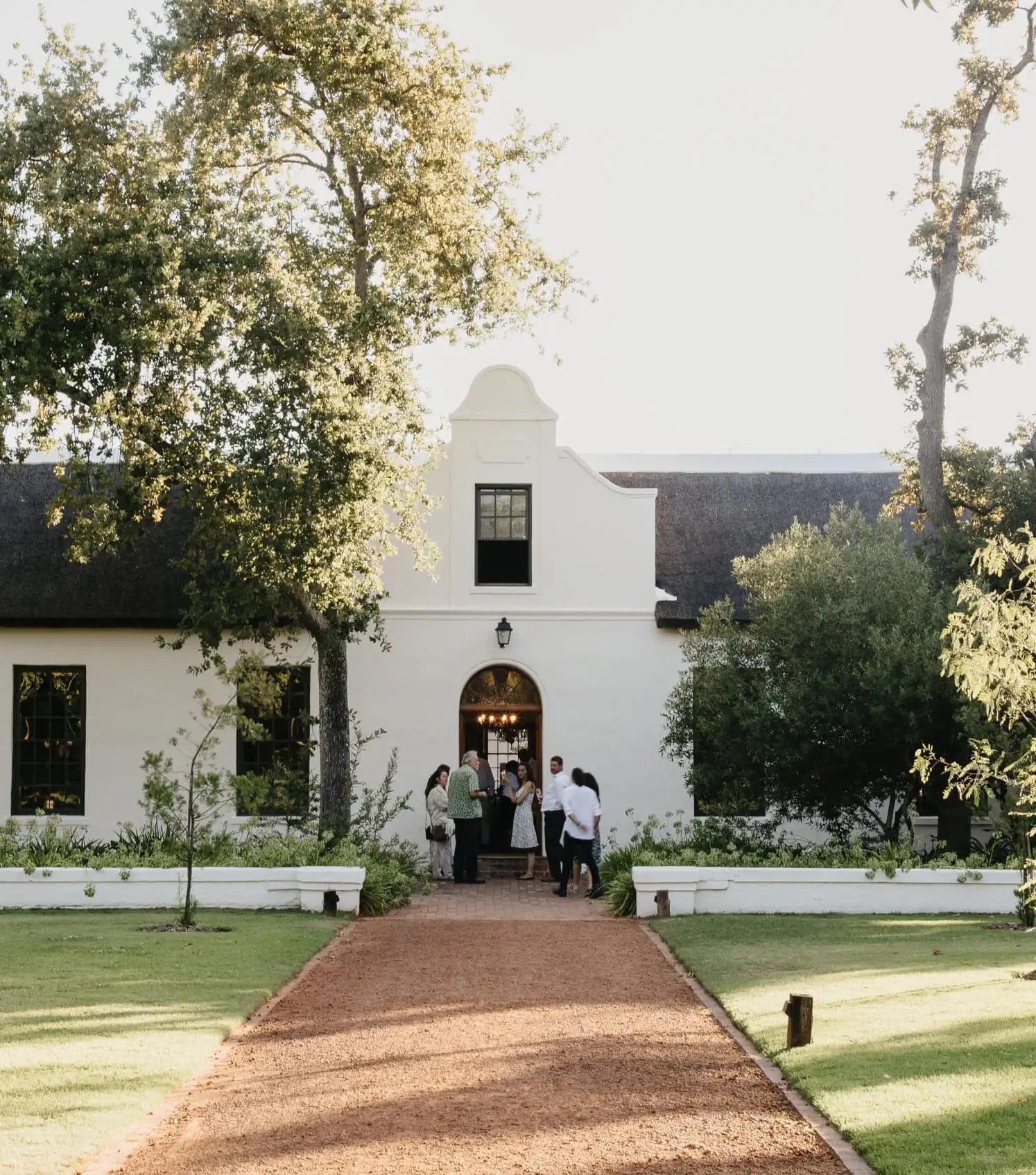
Boschendal at Oude Bank occupies a historic address at the corner of Church and Bird Streets in central Stellenbosch, connecting one of the Cape Winelands' most recognisable farm estates to the town's walkable core. The venue sits within a dining scene that rewards those who understand how South African wine-country cooking has evolved beyond tourist staples into something more considered and place-specific.
Pearl is the En Primeur Club membership app — saves, bookings, and concierge access live there. Same editors, same standards.
- Address
- 7 Church Street, Cnr Bird Street & Church Street, Stellenbosch Central, Stellenbosch, 7600, South Africa
- Phone
- +27 21 870 4287
- Directions
- Get directions
 Saves & bookings on Pearl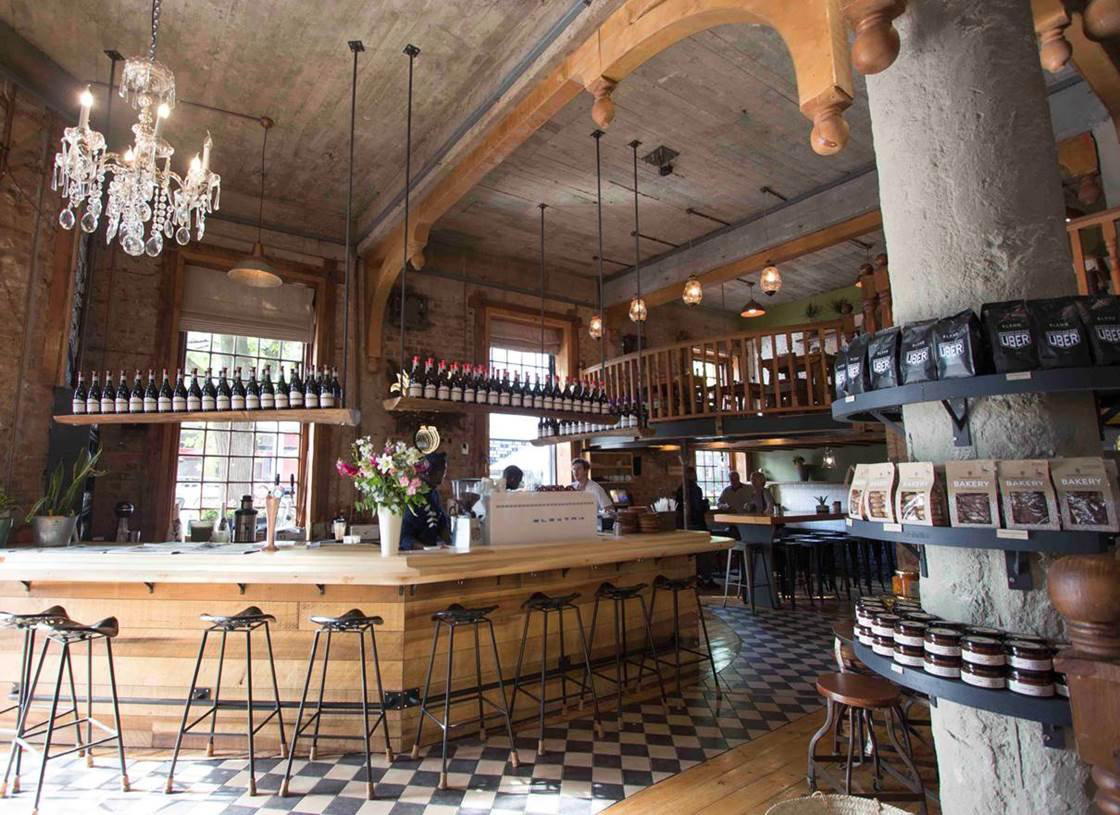
A Winelands Estate Name in a Town-Centre Setting
Stellenbosch has spent the last decade pulling in two directions at once. Out on the R310 and the Helshoogte Pass, estate restaurants compete on views and cellar prestige. In town, a smaller cluster of addresses has been trying to do something harder: anchor serious food and wine in buildings that already carry historical weight, and make the walk from the Dorp Street museums to the dinner table feel like a coherent act, not a detour. The corner of Church Street and Bird Street sits at that intersection, literally and conceptually. Boschendal at Oude Bank is a restaurant in Stellenbosch Central, serving Farm-to-Table Bakery Bistro fare at a walkable Church Street address.
That positioning matters to how you read the room before you read the menu. The Cape Winelands have several models for how estate brands extend into hospitality, and this one aligns closest to the urban satellite rather than the destination farm. Boschendal at Oude Bank operates in a comparable space between estate heritage and urban legibility.
Cape Dutch Heritage and What It Actually Means on the Plate
Cape Dutch cooking, at its most historically grounded, draws from the convergence of Dutch settler practice, Malay spice routes, and the agricultural rhythms of a specific valley floor. That culinary history is not frozen: the leading contemporary South African kitchens in the Winelands treat it as a living reference rather than a theme park, building menus that use indigenous fynbos, heritage grains, and slow-cooked preparations that echo the brede and bobotie tradition without simply reproducing it. Stellenbosch restaurants doing interesting work in this tradition include Eike by Bertus Basson, where the Cape culinary canon is reworked with technical precision, and Dusk, which has built its identity around the southern tip of Africa's indigenous larder. The question for any estate-affiliated address in this environment is how much of the home farm's produce logic travels with the brand.
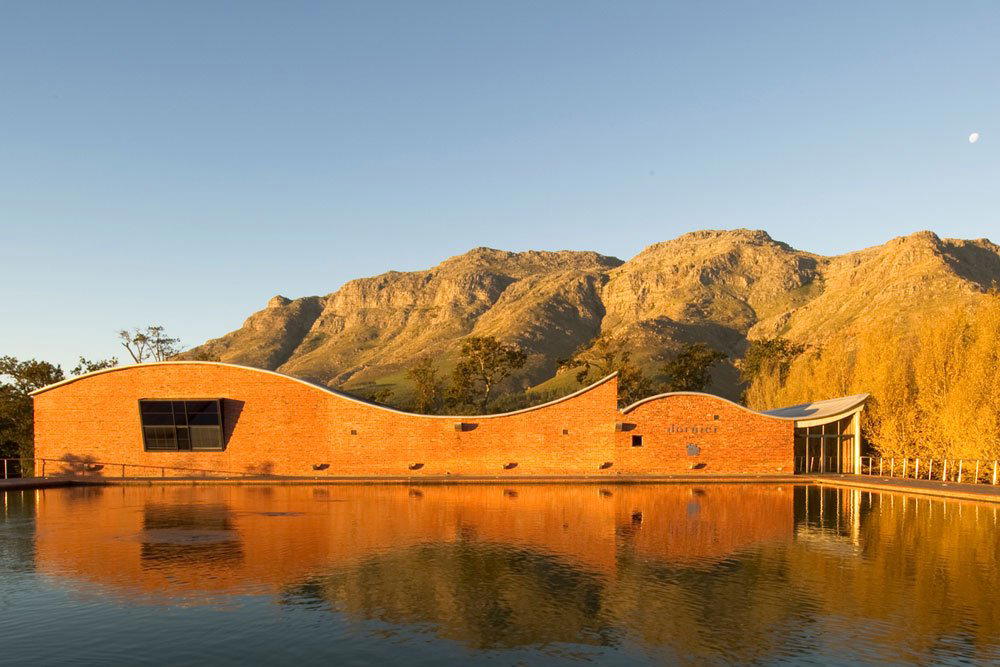
Boschendal the estate has a documented record in produce and land-to-table philosophy at its primary Franschhoek property, and that ethos provides the conceptual frame for understanding what a town-centre expression might carry forward. Outlets like Delheim Wine Estate and Bread and Wine Vineyard Restaurant operate on a similar farm-to-glass logic, though each draws from its own geographic pocket of the Winelands.
Where This Address Fits in the Stellenbosch Dining Order
Stellenbosch's restaurant scene has become genuinely layered in ways that even regular visitors sometimes underestimate. At one end, you have estate-only destination dining where the drive, the cellar tour, and the long lunch are inseparable. At the other, a growing number of town-centre rooms have moved the conversation away from estate pageantry toward format discipline, shorter menus, and a more European-style daily rhythm. HŌSEKI, with its Japanese counter format, represents how far Stellenbosch's culinary conversation has broadened beyond South African idiom alone. Boschendal at Oude Bank arrives in this context not as a disruptor but as a brand anchor: it connects an internationally recognised estate name to a town-centre walk-in culture, which carries its own strategic logic.
The address on Church Street places it within reasonable reach of the town's main pedestrian circuit, which means it competes for the same evening trade as several other serious addresses without requiring the car-dependent planning that characterises a dinner at an out-of-town estate. For visitors building a Stellenbosch itinerary around the town centre rather than around a single estate, that accessibility is a practical differentiator.
The Wider South African Premium Dining Context
South Africa's fine-dining and premium-casual circuit now extends well beyond the Cape into Johannesburg, Pretoria, and the safari lodge corridor. Wolfgat in Paternoster set a benchmark for coastal foraging as a serious culinary framework, earning international recognition that helped legitimise the Western Cape's claim to a dining identity distinct from European reference points. Foundry in Sandton and Sympathy's Restaurant in Johannesburg show how Gauteng is building its own premium tier. In the safari circuit, properties like Silvan Safari Lodge and Londolozi Game Reserve integrate kitchen ambition into the game reserve format. Ellerman House in Bantry Bay remains the reference point for Cape Town's boutique hotel dining. Internationally, the benchmark comparison for produce-led tasting formats sits with places like Le Bernardin in New York or Lazy Bear in San Francisco, though the Cape Winelands version operates with a farm provenance and pricing architecture that occupies a distinct position within that global premium conversation. Capito in Pretoria and Wolfgat in Saldanha Bay round out a national picture in which the Western Cape remains the anchor but no longer the only address worth the journey.
Planning a Visit
The restaurant sits at 7 Church Street, on the corner of Bird Street and Church Street in Stellenbosch Central, placing it in the walkable core of the town. Stellenbosch town centre is compact and navigable on foot, and the Church Street address is within easy reach of the main Dorp Street corridor. For those building a wider Winelands itinerary, the town-centre location makes it a practical lunch or dinner anchor before or after cellar visits on the surrounding estates.
Pricing, Compared
Comparable venues nearby, for context on price, style, and recognition.
| Venue | Cuisine | Price | Notes |
|---|---|---|---|
| Boschendal at Oude BankThis venue — the venue you are viewing | Not listed | $$ | Not listed |
| Red Leaf | Koelenhof, Wine Estate Bistro | $$ | Not listed |
| The Table at De Meye | Muldersvlei, Farm-to-Table Sharing | $$$ | Not listed |
| The Trumpet Tree | Not listed | $$ | Stellenbosch Town Centre, Casual Social Café |
| The Vine Bistro | Ida’s Valley, Modern French Bistro | $$$ | Not listed |
| Kleine Zalze Restaurant | Not listed | $$$ | De Zalze Golf Estate, Modern Fusion with Wine Estate Pairings |
Continue exploring
More in Stellenbosch
Restaurants in Stellenbosch
Browse all →
Bars in Stellenbosch
Browse all →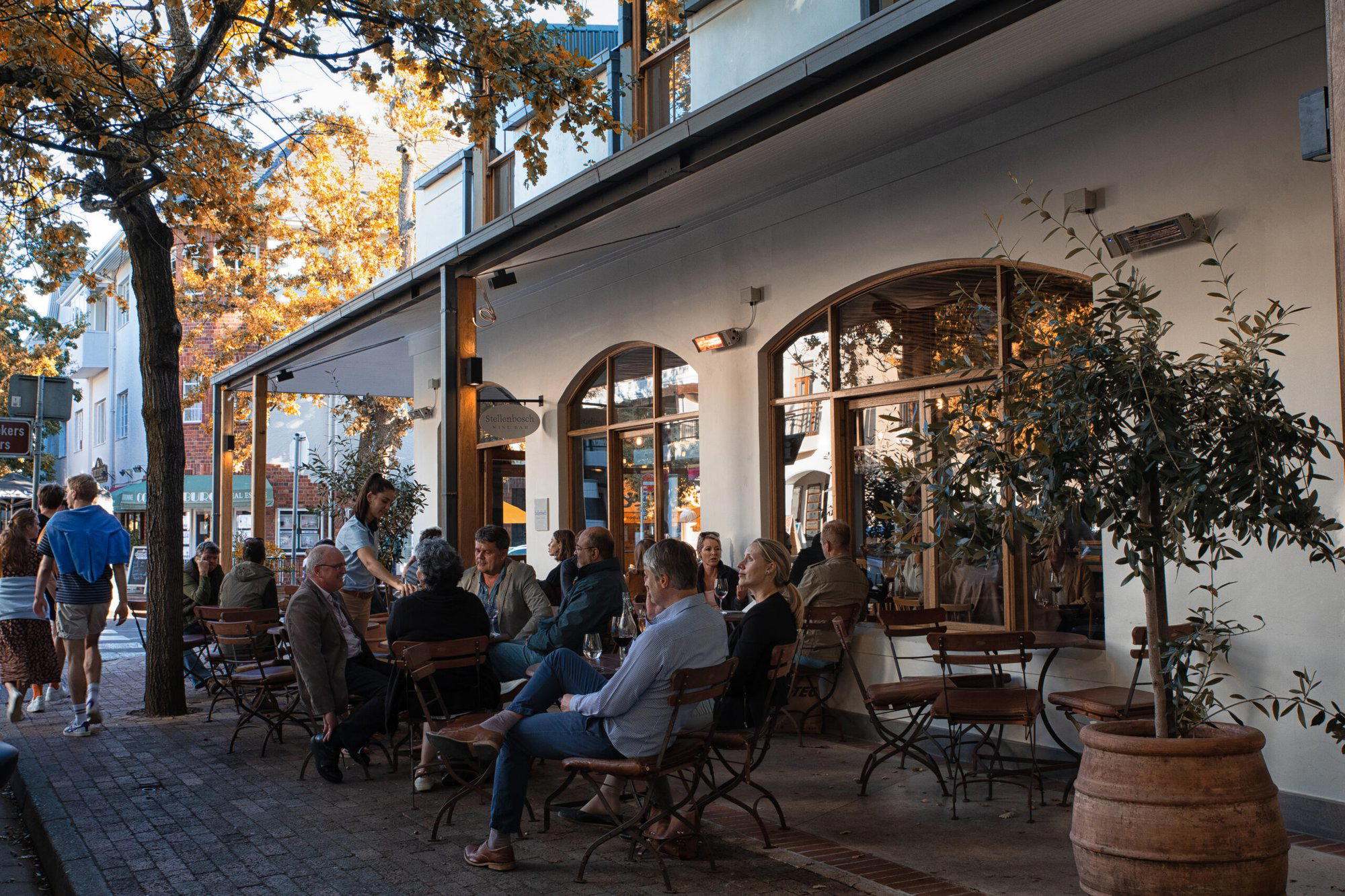
Hotels in Stellenbosch
Browse all →
At a Glance
- Rustic
- Scenic
- Cozy
- Brunch
- Casual Hangout
- Historic Building
- Extensive Wine List
- Farm To Table
- Local Sourcing
- Street Scene
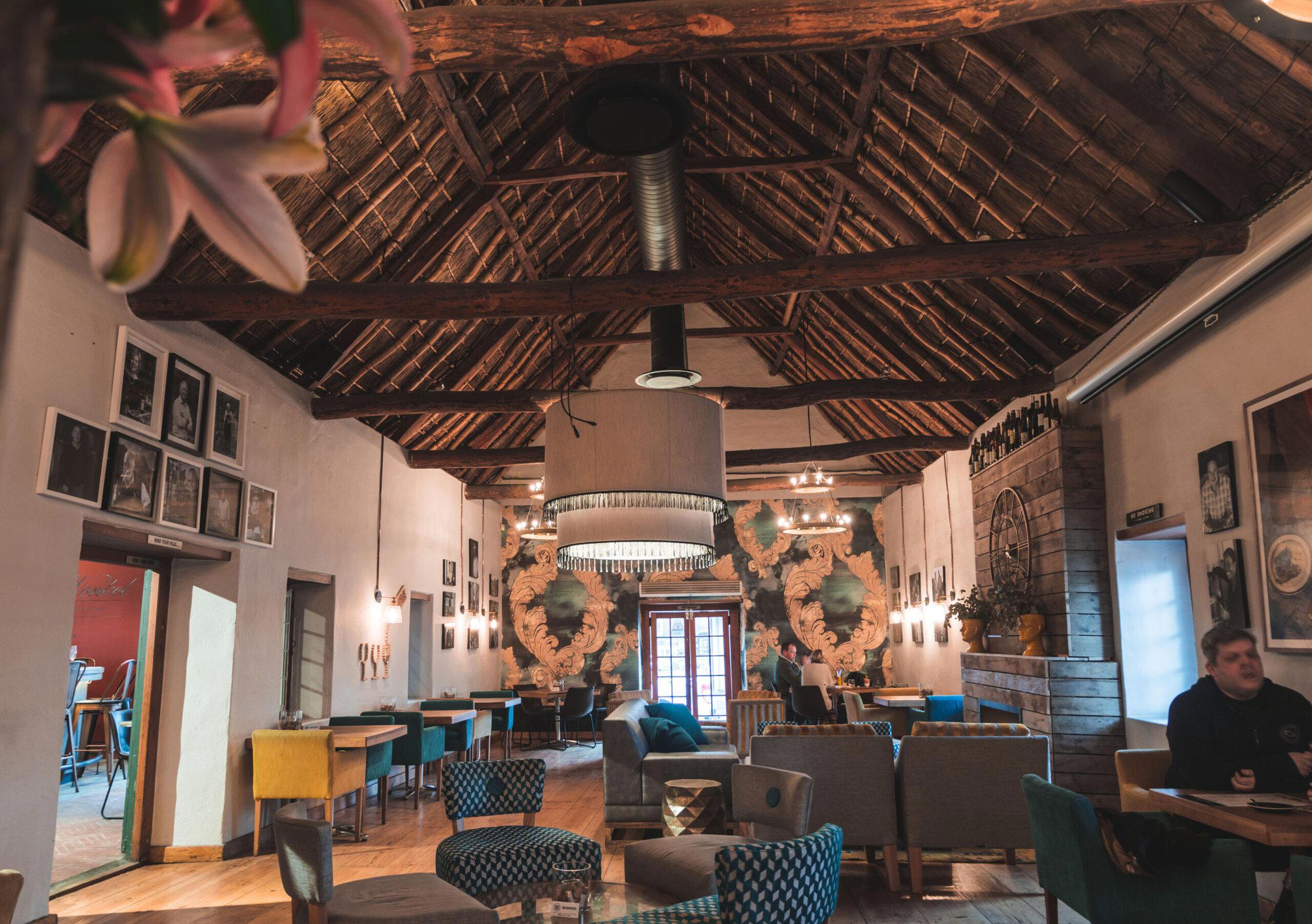
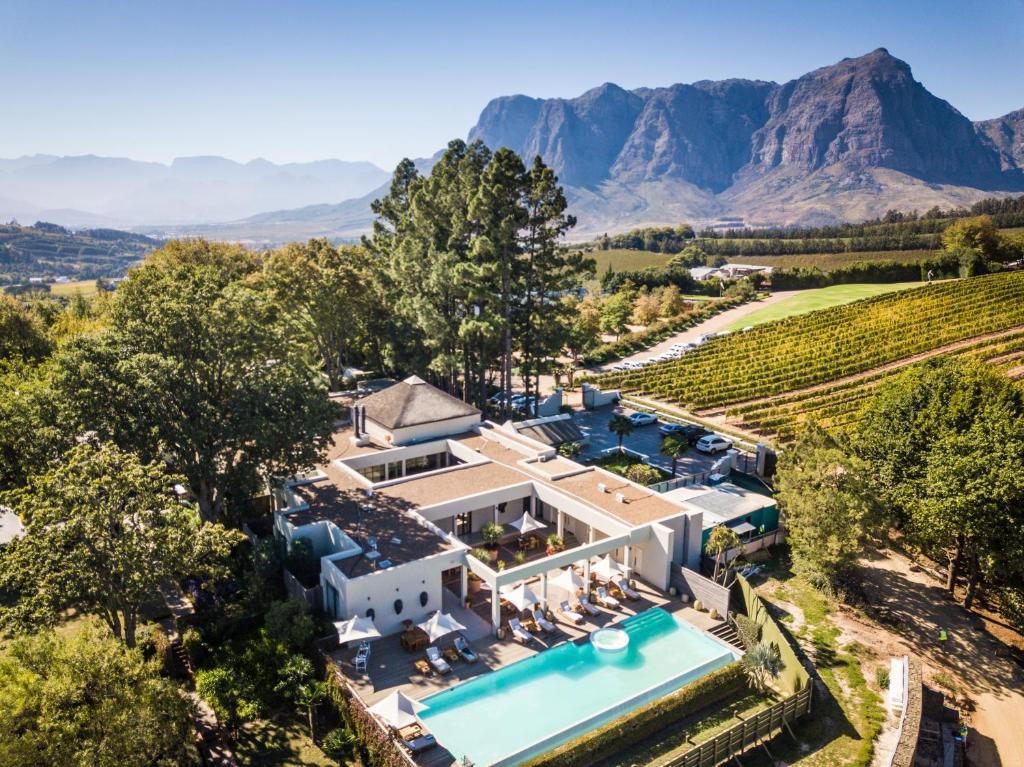
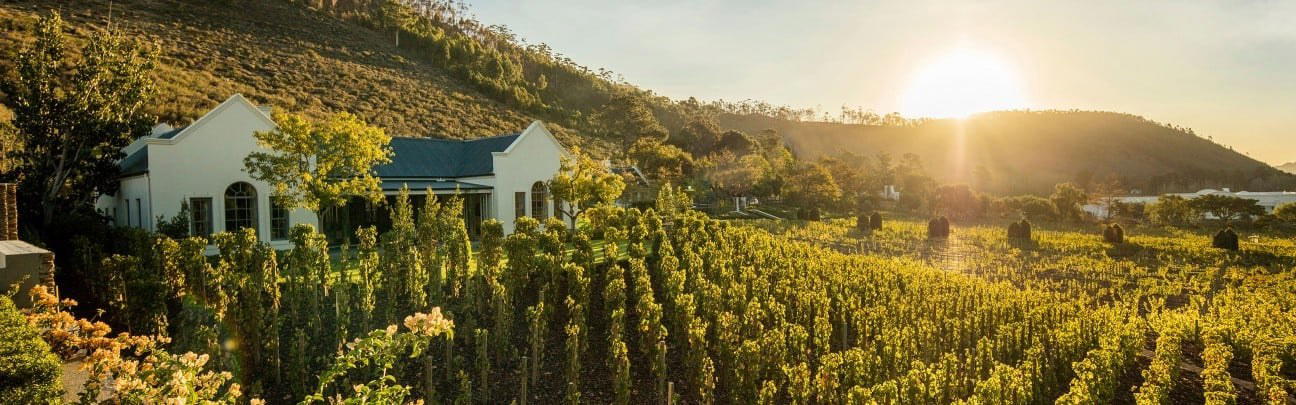
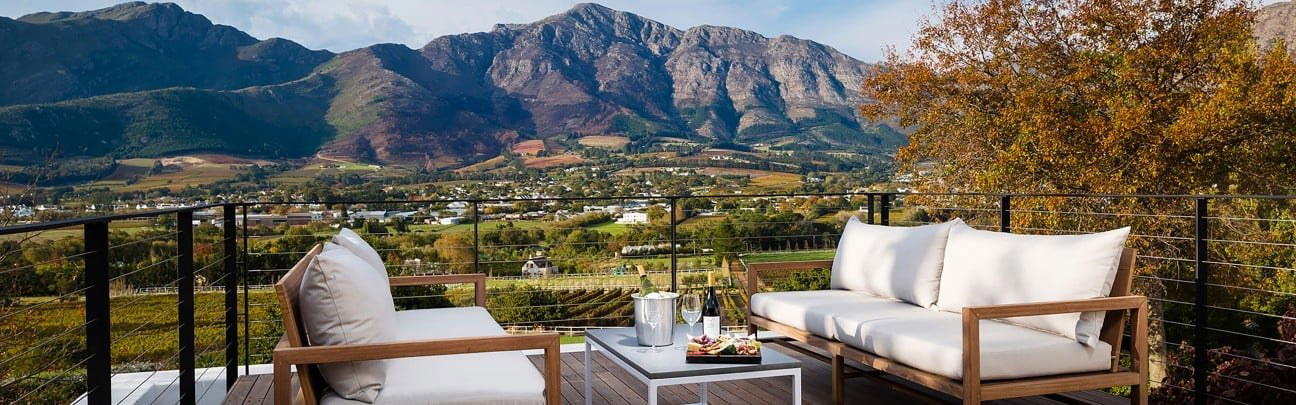
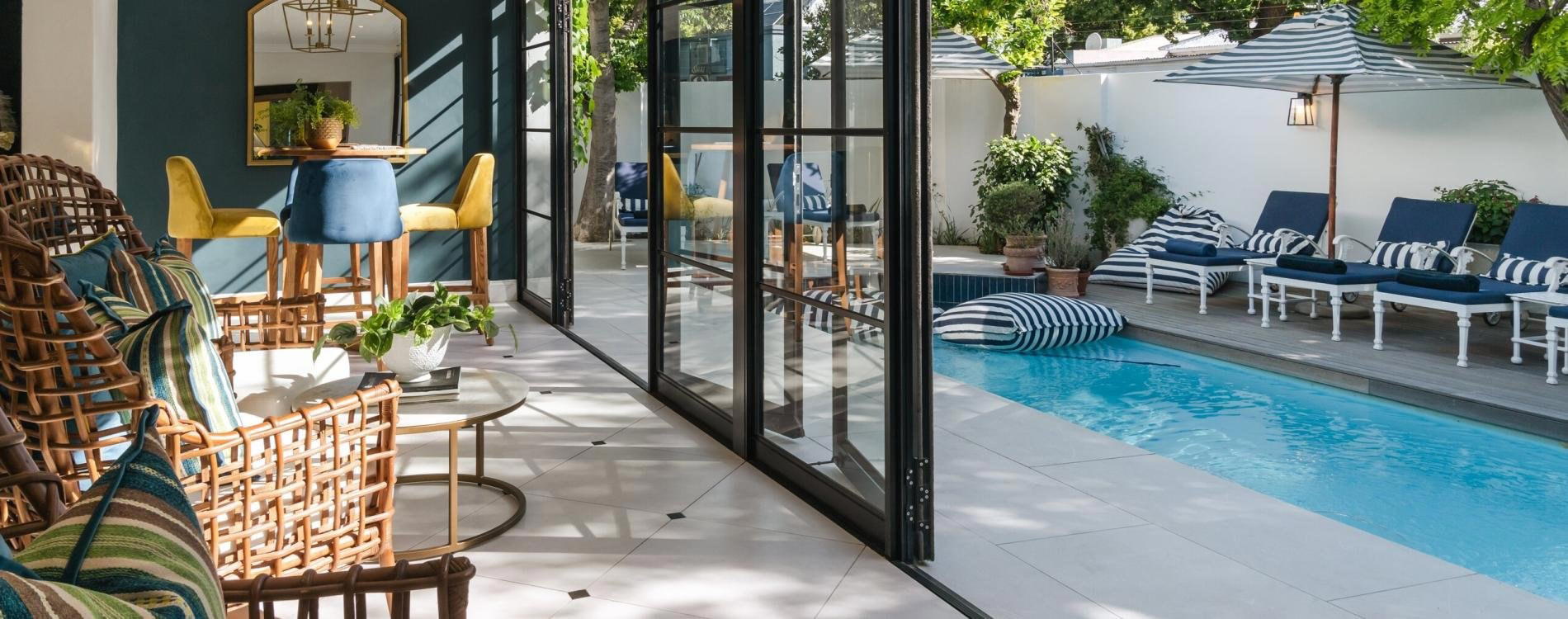
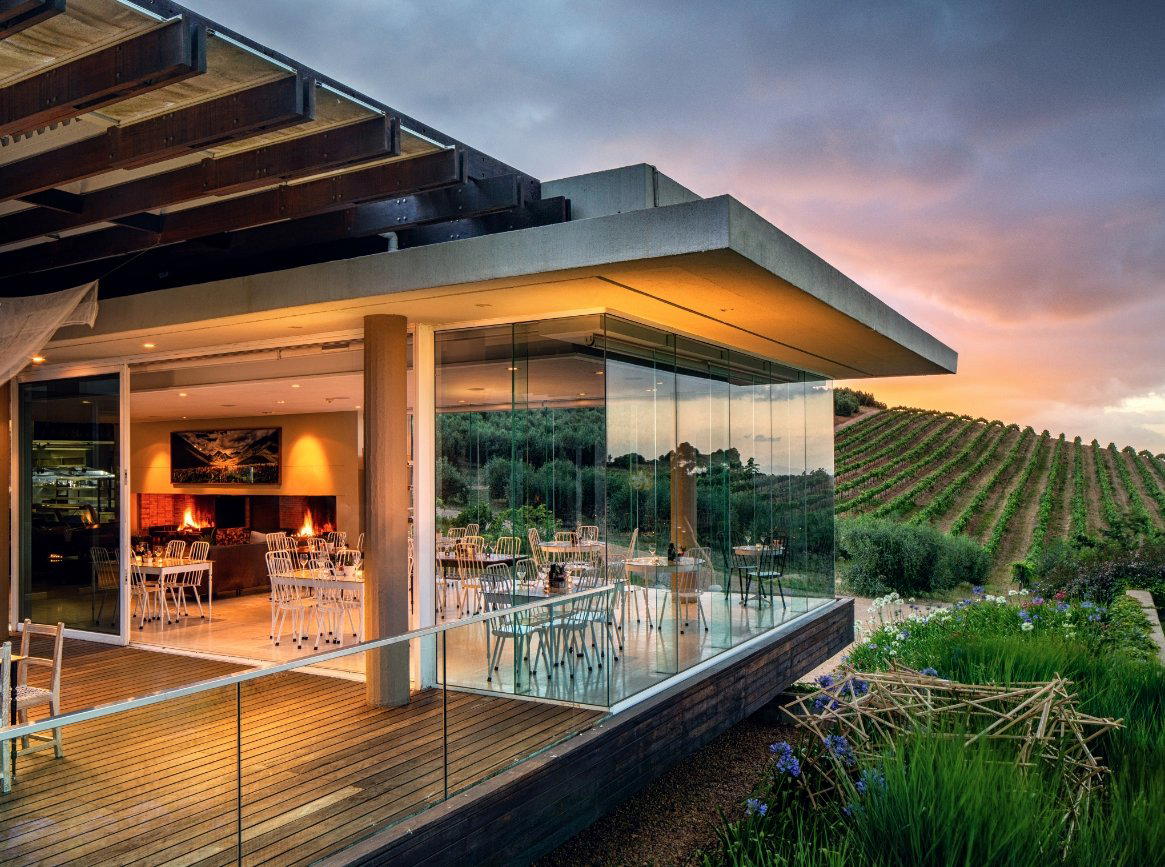
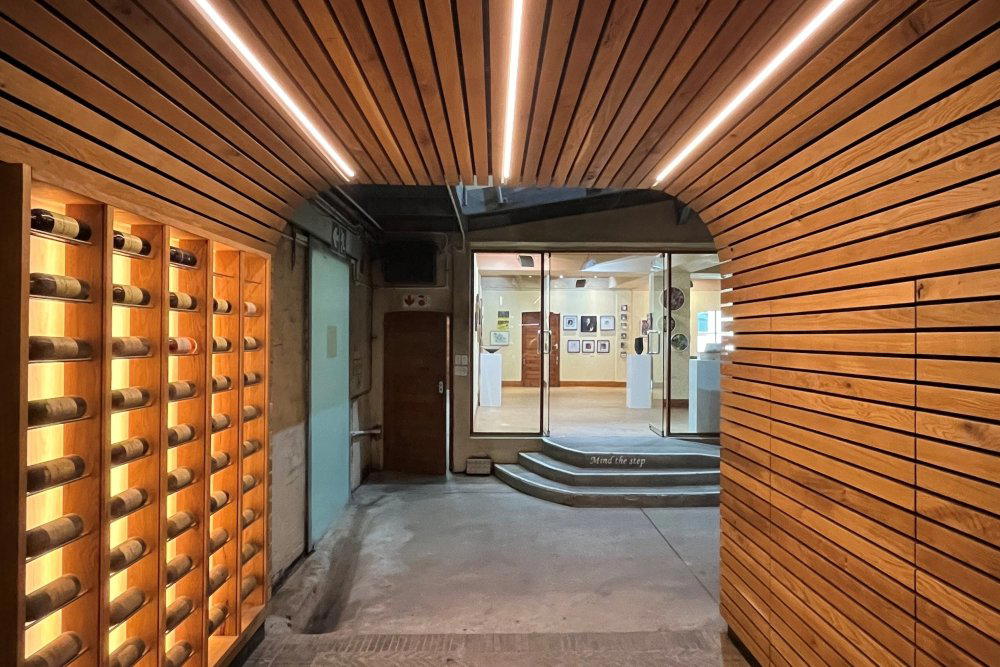
Bright and welcoming historic setting with rustic farm-fresh atmosphere.