Eike by Bertus Basson

<h2>Dorp Street and the Weight of Memory</h2><p>At 50 Dorp Street, one of Stellenbosch's oldest thoroughfares, the physical setting does what the leading South African architecture tends to do quietly: it situates you in time. Cape Dutch gables, heavy yellowwood, whitewashed walls that have absorbed two centuries of the Western Cape's light. Before a plate arrives, the room is already making an argument about place and continuity. That argument is the premise of the cooking at Eike by Bertus Basson.</p><p>Stellenbosch has developed one of the most concentrated fine-dining corridors in the southern hemisphere over the past decade, with formats ranging from estate restaurants embedded in vineyard infrastructure to urban counters with tasting menus built around single-origin produce. Eike sits in the urban tier, on a street that functions as the town's cultural spine, and it anchors its identity in something that sets it apart from the estate-adjacent competition: a direct, unflinching engagement with the South African culinary archive.</p><h2>Where the Food Comes From — and What That Means</h2><p>The editorial angle that matters here is sourcing, and not simply in the modern sense of named farms and provenance cards on the menu. The sourcing at Eike operates at a deeper register. The ingredients that inform the cooking are drawn from the larder of South African food memory: snoek from the cold Benguela Current waters off the West Coast, the spiced minced-meat preparations that arrived with Cape Malay cooking in the seventeenth century, milk tart built on a custard tradition that predates the country's modern restaurant industry by generations. These are not ingredients in the conventional sense so much as cultural documents, and the kitchen treats them accordingly.</p><p>South Africa's fine-dining scene has spent years resolving a tension that restaurants across the post-colonial world recognise: how to engage seriously with indigenous and historic food traditions without either exoticising them for foreign visitors or reducing them to nostalgia. The most credible answer in Stellenbosch, as in Cape Town's better rooms, has been rigorous reinterpretation rather than simple reproduction. At Eike, dishes like bobotie and milk tart appear not as heritage items preserved behind glass but as live culinary problems, reframed through technique and context. The result is a menu that reads as research and tastes, by most accounts, like argument made edible.</p><p>That approach places Eike in a specific conversation with a handful of South African restaurants currently working the same intellectual territory. <a href="https://www.enprimeurclub.com/restaurants/fyn-cape-town-restaurant">Fyn in Cape Town</a> layers Cape Malay, Japanese, and pan-African references into a single tasting format; <a href="https://www.enprimeurclub.com/restaurants/wolfgat-paternoster-restaurant">Wolfgat in Paternoster</a> builds its identity almost entirely around Strandveld foraging and West Coast ingredients. Eike's distinction within that peer set is its Stellenbosch address and its willingness to work with the full breadth of South African culinary heritage rather than a single regional strand.</p><h2>The Stellenbosch Context</h2><p>Understanding Eike requires understanding what Stellenbosch has become as a dining destination. The town's reputation was built on wine, and the estate restaurant format, where lunch follows a tasting on a working farm, still defines much of the visitor experience. Restaurants like <a href="https://www.enprimeurclub.com/restaurants/jordan-restaurant-with-marthinus-ferreira-stellenbosch-restaurant">Jordan Restaurant with Marthinus Ferreira</a> and <a href="https://www.enprimeurclub.com/restaurants/jordan-stellenbosch-restaurant">Jordan</a> operate within that vineyard-anchored tradition, where the wine list and the landscape are as central to the proposition as the food. <a href="https://www.enprimeurclub.com/restaurants/indochine-at-delaire-graff-estate-stellenbosch-restaurant">Indochine at Delaire Graff Estate</a> takes the estate format and pivots it toward Asian Fusion, placing it against a Helshoogte Pass view that functions almost as a separate amenity.</p><p>The urban restaurants operate differently. <a href="https://www.enprimeurclub.com/restaurants/dusk-stellenbosch-restaurant">Dusk</a> and <a href="https://www.enprimeurclub.com/restaurants/hseki-stellenbosch-restaurant">HŌSEKI</a> represent the town's more recent willingness to support serious food operations that aren't premised on vineyard real estate. Eike fits this newer current in the town's dining development, though it pre-dates several of its urban contemporaries and helped signal that Stellenbosch Central could sustain destination-level cooking independent of estate infrastructure.</p><p>For visitors building a broader Winelands itinerary, the overlap with <a href="https://www.enprimeurclub.com/restaurants/le-quartier-franais-franschhoek-restaurant">Le Quartier Français in Franschhoek</a> is worth considering. Both restaurants treat South African produce and tradition as primary material rather than backdrop, though their formats and price positioning differ. Stellenbosch's accommodation options, detailed in <a href="https://www.enprimeurclub.com/hotels/stellenbosch">our full Stellenbosch hotels guide</a>, range from guesthouse properties in the town centre to estate lodges on the mountain passes, and pairing an Eike booking with a central property shortens the logistics considerably.</p><h2>Bertus Basson and the Credential Question</h2><p>Chef Bertus Basson is among the more recognisable names in South African hospitality, with a profile built across multiple Stellenbosch operations and sustained media presence over more than a decade. At Eike specifically, his role is less as the autobiographical subject of the restaurant and more as the editor of a culinary argument about national identity and memory. That distinction matters because it changes what the restaurant is for. It is not a vehicle for personal expression in the mould of the chef-as-auteur model that dominated European fine dining through the 2000s. It is, more precisely, a platform for a larger conversation about what South African cooking was, is, and could become.</p><p>That editorial stance aligns Eike with a generation of southern hemisphere restaurants that have moved away from European reference systems as their primary validation. Rather than measuring progress against French classical technique or Scandinavian minimalism, these kitchens are working outward from their own culinary archives. The international peer set here is not <a href="https://www.enprimeurclub.com/restaurants/le-bernardin">Le Bernardin in New York City</a> or <a href="https://www.enprimeurclub.com/restaurants/emerils-new-orleans-restaurant">Emeril's in New Orleans</a> but the emerging cohort of post-colonial fine dining rooms in South America, Southeast Asia, and sub-Saharan Africa asking the same foundational questions.</p><h2>Planning a Visit</h2><p>Eike is located at 50 Dorp Street, Stellenbosch Central, which places it within walking distance of the town's main accommodation cluster and within a short drive of the major wine estates. Dorp Street is navigable on foot from most central hotels, which makes it a practical dinner option for visitors who want to avoid a driving commitment on a wine-heavy evening. For those extending the Stellenbosch stay into bars and wineries, <a href="https://www.enprimeurclub.com/bars/stellenbosch">our full Stellenbosch bars guide</a> and <a href="https://www.enprimeurclub.com/wineries/stellenbosch">our full Stellenbosch wineries guide</a> map the surrounding options. The full picture of what the town offers beyond the table is covered in <a href="https://www.enprimeurclub.com/experiences/stellenbosch">our full Stellenbosch experiences guide</a>.</p><p>Booking specifics, current hours, and pricing are leading confirmed directly through the restaurant's current channels, as these details shift with format updates and seasonal programming. Given the restaurant's profile in the South African dining conversation, reservations at peak periods, particularly during the Cape summer from November through February and the harvest season in March, warrant advance planning. <a href="https://www.enprimeurclub.com/restaurants/stellenbosch">Our full Stellenbosch restaurants guide</a> covers the broader scene and helps position Eike within the town's current dining tier.</p><p>For wider regional context, <a href="https://www.enprimeurclub.com/restaurants/delaire-graff-lodges-spa-helshoogte-pass-restaurant">Delaire Graff Lodges & Spa in Helshoogte Pass</a>, <a href="https://www.enprimeurclub.com/restaurants/ellerman-house-bantry-bay-restaurant">Ellerman House in Bantry Bay</a>, and <a href="https://www.enprimeurclub.com/restaurants/esiweni-luxury-safari-lodge-memorial-gate-restaurant">Esiweni Luxury Safari Lodge in Memorial Gate</a> represent different points on the South African luxury hospitality spectrum and are worth mapping against an Eike visit when building a broader itinerary.</p><h2>Frequently Asked Questions</h2><dl><dt><strong>What is Eike by Bertus Basson known for?</strong></dt><dd>Eike is known for reinterpreting South African culinary heritage through high-concept technique. Dishes grounded in Cape Malay tradition, West Coast ingredients like snoek, and classic preparations like bobotie and milk tart are the material; rigorous cooking is the method. Chef Bertus Basson is one of South Africa's most recognised names, and Eike sits at the intersection of national food identity and contemporary fine dining in Stellenbosch.</dd><dt><strong>What do regulars order at Eike by Bertus Basson?</strong></dt><dd>Given the restaurant's stated focus, the heritage reinterpretations, dishes drawn from the South African culinary archive and reworked through modern technique, are the reason most repeat visitors return. Preparations built around snoek, bobotie, and milk tart function as the kitchen's core argument. Confirming current menu specifics directly with the restaurant is advisable, as the format evolves with seasonal ingredients and kitchen direction.</dd><dt><strong>What is the leading way to book Eike by Bertus Basson?</strong></dt><dd>With no current phone number or website listed in our records, the most reliable route is to check current booking platforms or contact the restaurant at 50 Dorp Street, Stellenbosch Central. Given the restaurant's profile in the South African dining conversation, bookings during peak Cape summer (November to February) and harvest season (March) should be secured well in advance. For context on how Eike fits within the Stellenbosch dining tier, see our full Stellenbosch restaurants guide.</dd></dl>

Dorp Street and the Weight of Memory
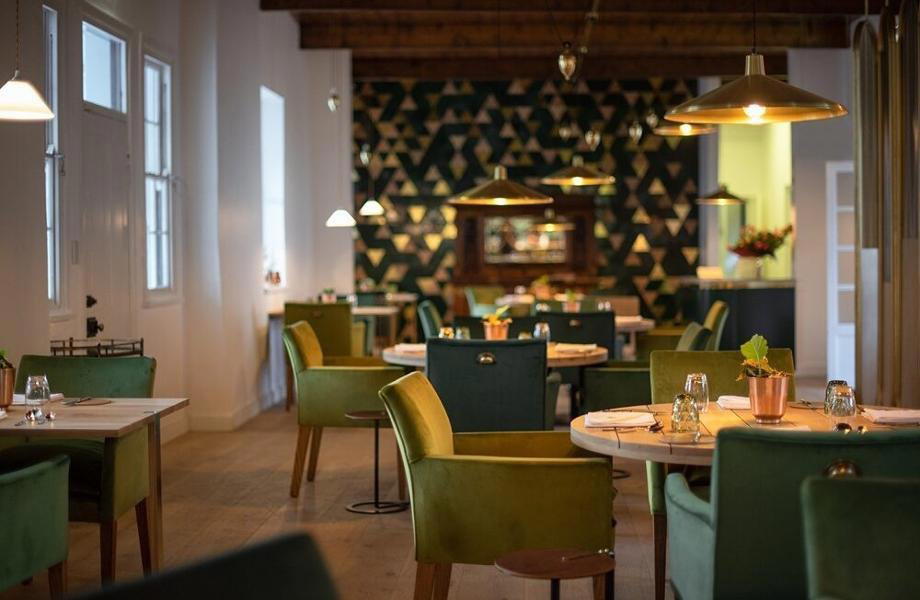
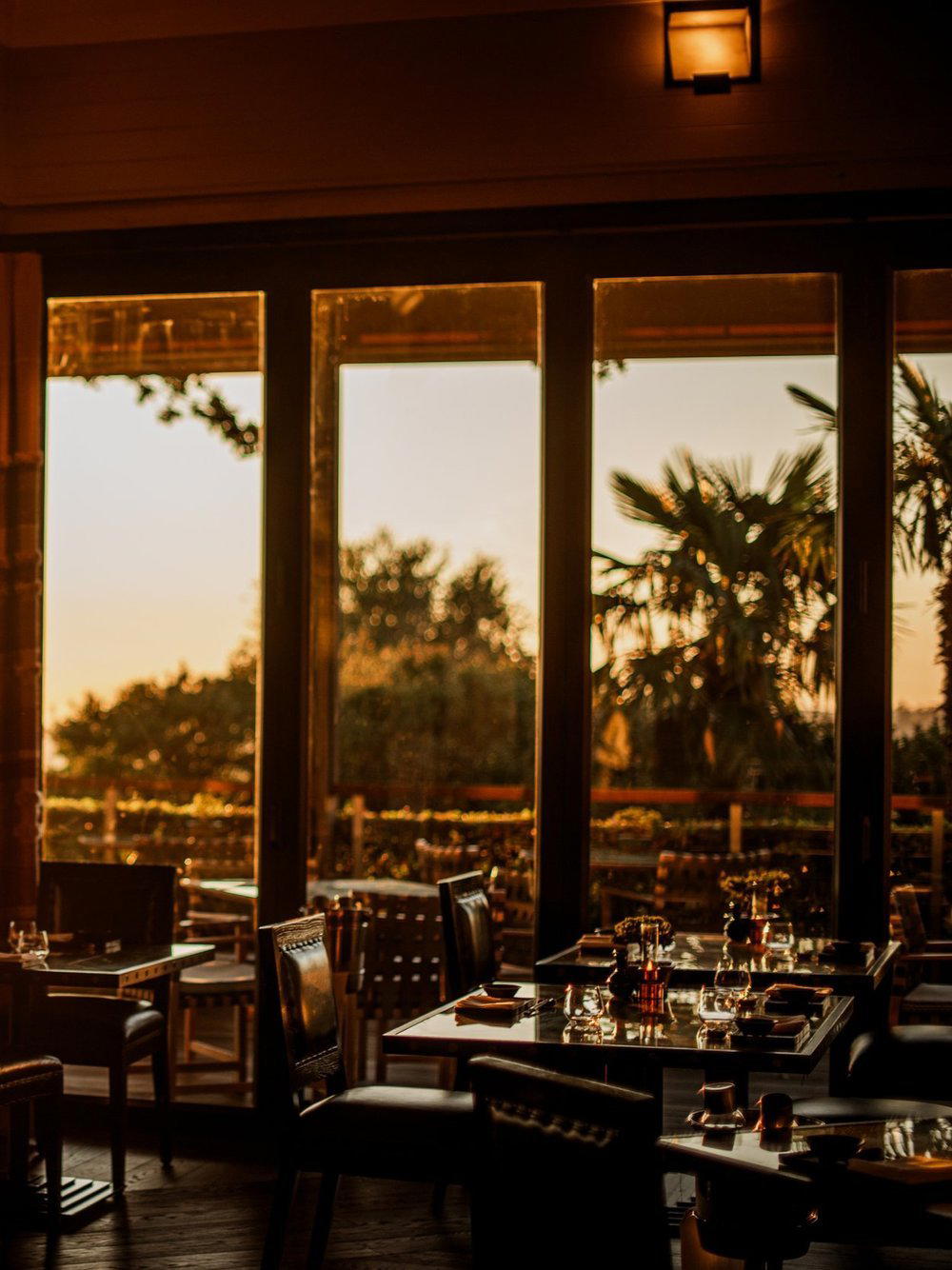
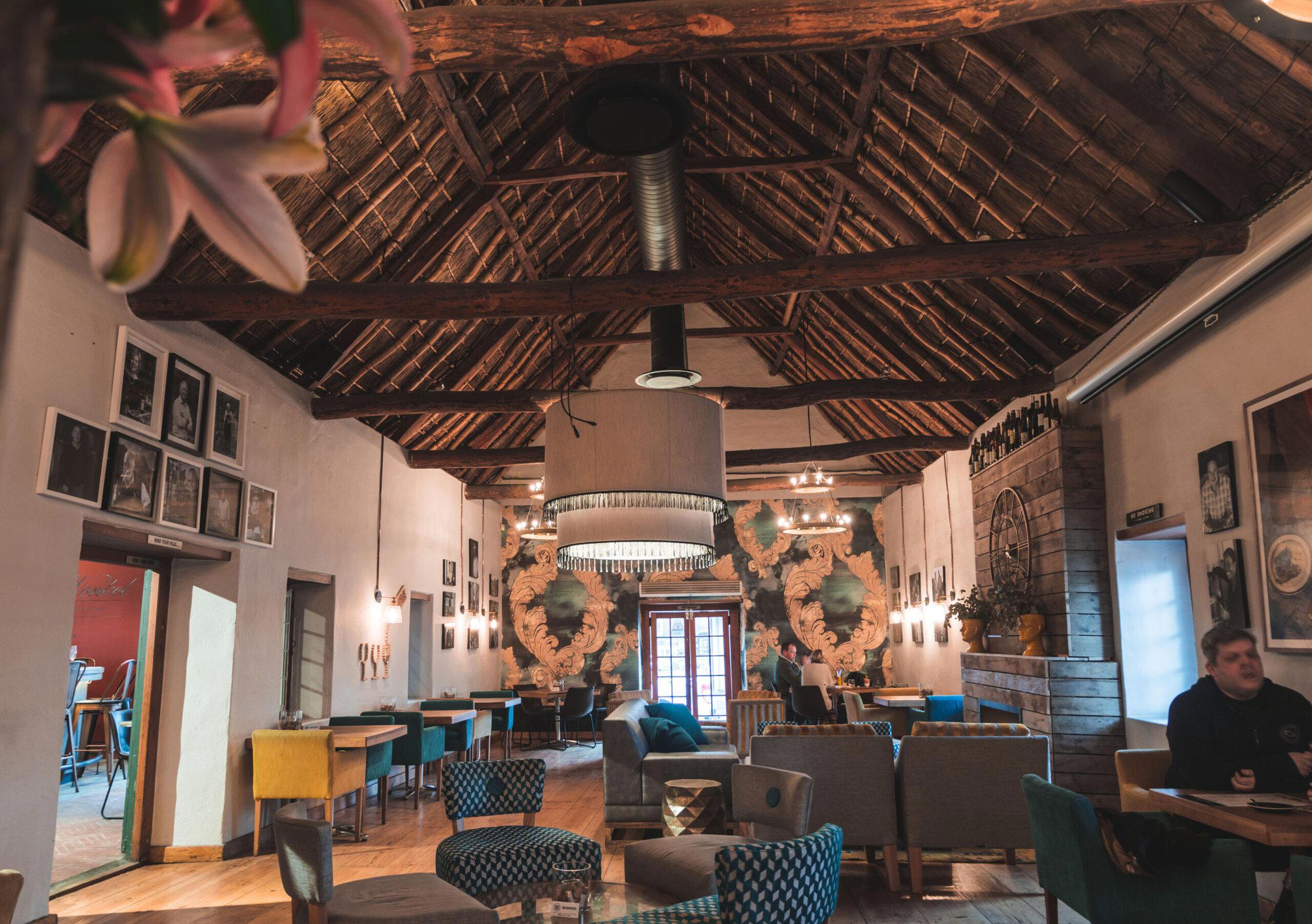
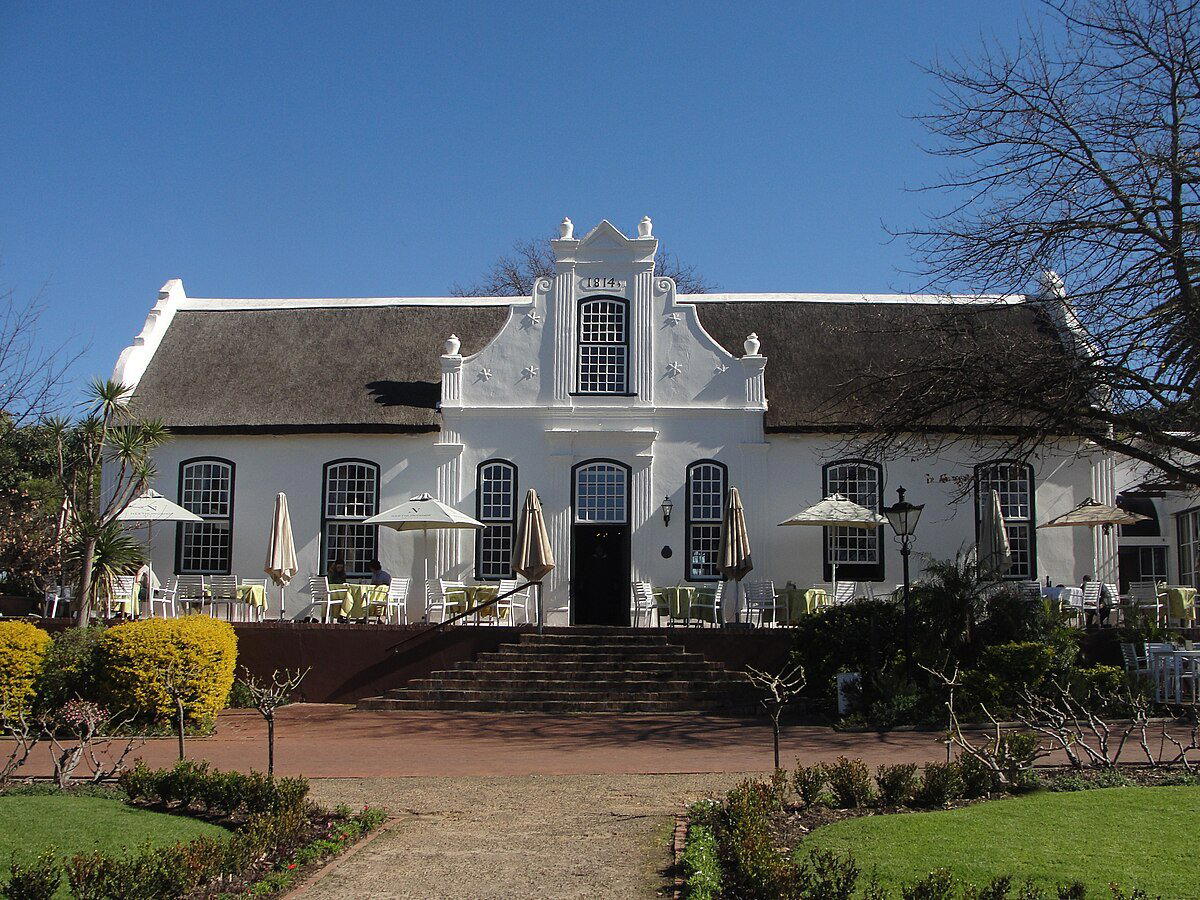
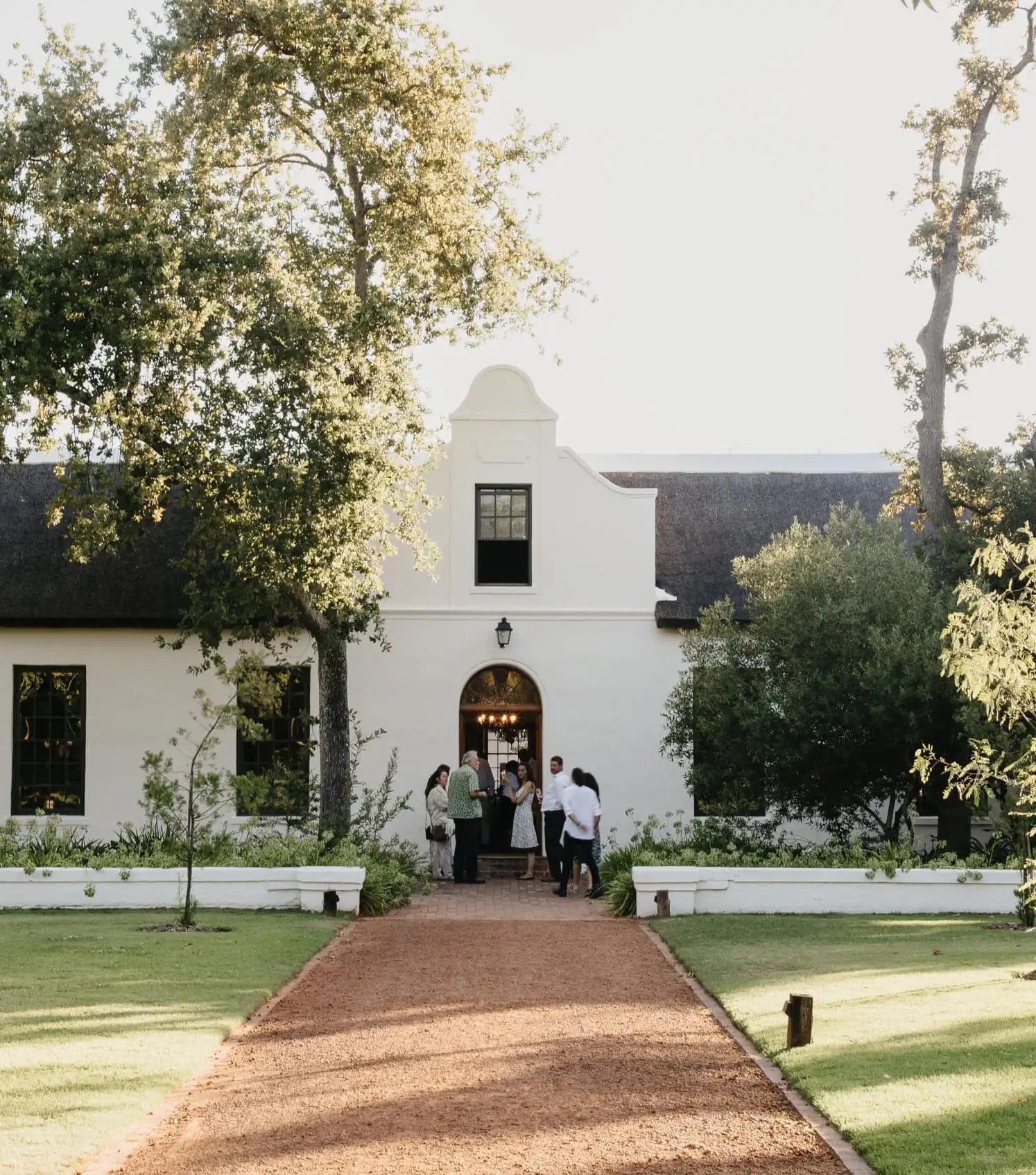
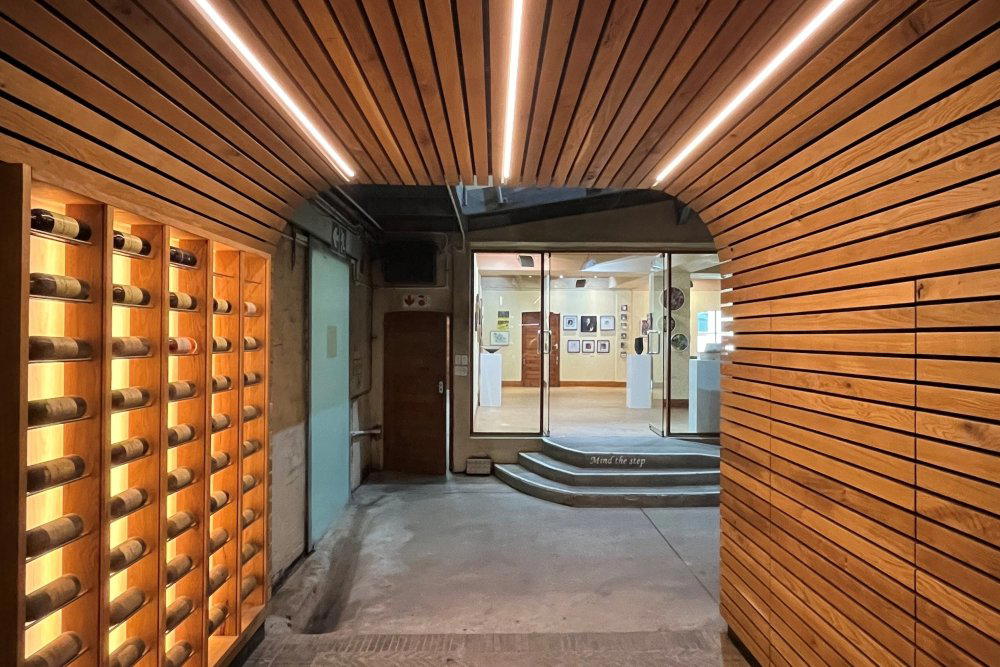
At 50 Dorp Street, one of Stellenbosch's oldest thoroughfares, the physical setting does what the leading South African architecture tends to do quietly: it situates you in time. Cape Dutch gables, heavy yellowwood, whitewashed walls that have absorbed two centuries of the Western Cape's light. Before a plate arrives, the room is already making an argument about place and continuity. That argument is the premise of the cooking at Eike by Bertus Basson.
Stellenbosch has developed one of the most concentrated fine-dining corridors in the southern hemisphere over the past decade, with formats ranging from estate restaurants embedded in vineyard infrastructure to urban counters with tasting menus built around single-origin produce. Eike sits in the urban tier, on a street that functions as the town's cultural spine, and it anchors its identity in something that sets it apart from the estate-adjacent competition: a direct, unflinching engagement with the South African culinary archive.
Where the Food Comes From — and What That Means
The editorial angle that matters here is sourcing, and not simply in the modern sense of named farms and provenance cards on the menu. The sourcing at Eike operates at a deeper register. The ingredients that inform the cooking are drawn from the larder of South African food memory: snoek from the cold Benguela Current waters off the West Coast, the spiced minced-meat preparations that arrived with Cape Malay cooking in the seventeenth century, milk tart built on a custard tradition that predates the country's modern restaurant industry by generations. These are not ingredients in the conventional sense so much as cultural documents, and the kitchen treats them accordingly.
South Africa's fine-dining scene has spent years resolving a tension that restaurants across the post-colonial world recognise: how to engage seriously with indigenous and historic food traditions without either exoticising them for foreign visitors or reducing them to nostalgia. The most credible answer in Stellenbosch, as in Cape Town's better rooms, has been rigorous reinterpretation rather than simple reproduction. At Eike, dishes like bobotie and milk tart appear not as heritage items preserved behind glass but as live culinary problems, reframed through technique and context. The result is a menu that reads as research and tastes, by most accounts, like argument made edible.
That approach places Eike in a specific conversation with a handful of South African restaurants currently working the same intellectual territory. Fyn in Cape Town layers Cape Malay, Japanese, and pan-African references into a single tasting format; Wolfgat in Paternoster builds its identity almost entirely around Strandveld foraging and West Coast ingredients. Eike's distinction within that peer set is its Stellenbosch address and its willingness to work with the full breadth of South African culinary heritage rather than a single regional strand.
The Stellenbosch Context
Understanding Eike requires understanding what Stellenbosch has become as a dining destination. The town's reputation was built on wine, and the estate restaurant format, where lunch follows a tasting on a working farm, still defines much of the visitor experience. Restaurants like Jordan Restaurant with Marthinus Ferreira and Jordan operate within that vineyard-anchored tradition, where the wine list and the landscape are as central to the proposition as the food. Indochine at Delaire Graff Estate takes the estate format and pivots it toward Asian Fusion, placing it against a Helshoogte Pass view that functions almost as a separate amenity.
The urban restaurants operate differently. Dusk and HŌSEKI represent the town's more recent willingness to support serious food operations that aren't premised on vineyard real estate. Eike fits this newer current in the town's dining development, though it pre-dates several of its urban contemporaries and helped signal that Stellenbosch Central could sustain destination-level cooking independent of estate infrastructure.
For visitors building a broader Winelands itinerary, the overlap with Le Quartier Français in Franschhoek is worth considering. Both restaurants treat South African produce and tradition as primary material rather than backdrop, though their formats and price positioning differ. Stellenbosch's accommodation options, detailed in our full Stellenbosch hotels guide, range from guesthouse properties in the town centre to estate lodges on the mountain passes, and pairing an Eike booking with a central property shortens the logistics considerably.
Bertus Basson and the Credential Question
Chef Bertus Basson is among the more recognisable names in South African hospitality, with a profile built across multiple Stellenbosch operations and sustained media presence over more than a decade. At Eike specifically, his role is less as the autobiographical subject of the restaurant and more as the editor of a culinary argument about national identity and memory. That distinction matters because it changes what the restaurant is for. It is not a vehicle for personal expression in the mould of the chef-as-auteur model that dominated European fine dining through the 2000s. It is, more precisely, a platform for a larger conversation about what South African cooking was, is, and could become.
That editorial stance aligns Eike with a generation of southern hemisphere restaurants that have moved away from European reference systems as their primary validation. Rather than measuring progress against French classical technique or Scandinavian minimalism, these kitchens are working outward from their own culinary archives. The international peer set here is not Le Bernardin in New York City or Emeril's in New Orleans but the emerging cohort of post-colonial fine dining rooms in South America, Southeast Asia, and sub-Saharan Africa asking the same foundational questions.
Planning a Visit
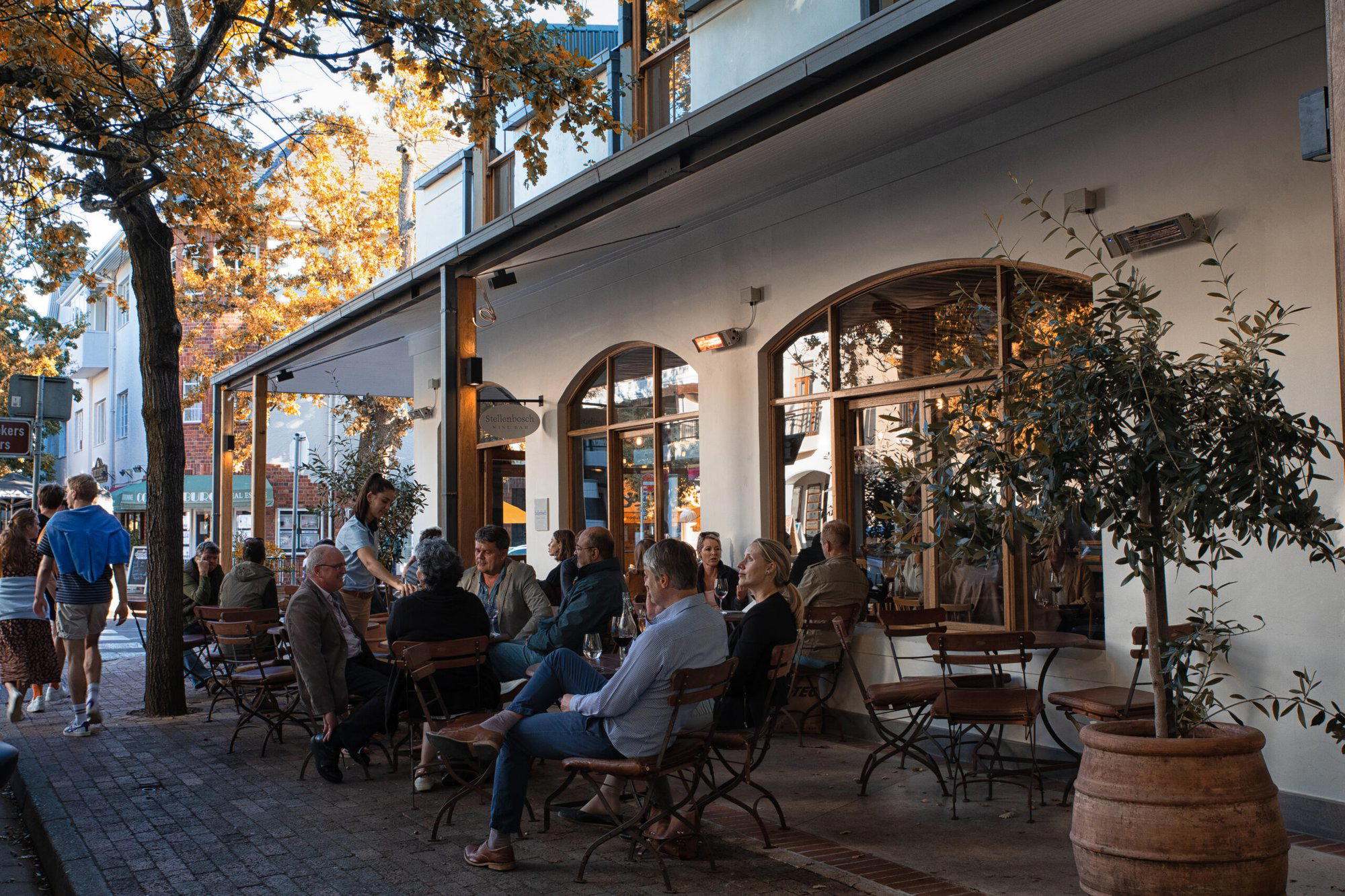
Eike is located at 50 Dorp Street, Stellenbosch Central, which places it within walking distance of the town's main accommodation cluster and within a short drive of the major wine estates. Dorp Street is navigable on foot from most central hotels, which makes it a practical dinner option for visitors who want to avoid a driving commitment on a wine-heavy evening. For those extending the Stellenbosch stay into bars and wineries, our full Stellenbosch bars guide and our full Stellenbosch wineries guide map the surrounding options. The full picture of what the town offers beyond the table is covered in our full Stellenbosch experiences guide.
Booking specifics, current hours, and pricing are leading confirmed directly through the restaurant's current channels, as these details shift with format updates and seasonal programming. Given the restaurant's profile in the South African dining conversation, reservations at peak periods, particularly during the Cape summer from November through February and the harvest season in March, warrant advance planning. Our full Stellenbosch restaurants guide covers the broader scene and helps position Eike within the town's current dining tier.
For wider regional context, Delaire Graff Lodges & Spa in Helshoogte Pass, Ellerman House in Bantry Bay, and Esiweni Luxury Safari Lodge in Memorial Gate represent different points on the South African luxury hospitality spectrum and are worth mapping against an Eike visit when building a broader itinerary.
Frequently Asked Questions
- What is Eike by Bertus Basson known for?
- Eike is known for reinterpreting South African culinary heritage through high-concept technique. Dishes grounded in Cape Malay tradition, West Coast ingredients like snoek, and classic preparations like bobotie and milk tart are the material; rigorous cooking is the method. Chef Bertus Basson is one of South Africa's most recognised names, and Eike sits at the intersection of national food identity and contemporary fine dining in Stellenbosch.
- What do regulars order at Eike by Bertus Basson?
- Given the restaurant's stated focus, the heritage reinterpretations, dishes drawn from the South African culinary archive and reworked through modern technique, are the reason most repeat visitors return. Preparations built around snoek, bobotie, and milk tart function as the kitchen's core argument. Confirming current menu specifics directly with the restaurant is advisable, as the format evolves with seasonal ingredients and kitchen direction.
- What is the leading way to book Eike by Bertus Basson?
- With no current phone number or website listed in our records, the most reliable route is to check current booking platforms or contact the restaurant at 50 Dorp Street, Stellenbosch Central. Given the restaurant's profile in the South African dining conversation, bookings during peak Cape summer (November to February) and harvest season (March) should be secured well in advance. For context on how Eike fits within the Stellenbosch dining tier, see our full Stellenbosch restaurants guide.
Comparable Spots, Quickly
These are the closest comparables we have in our database for quick context.
| Venue | Cuisine | Price | Awards | Notes |
|---|---|---|---|---|
| Eike by Bertus Basson | At Eike, heritage meets high-concept dining in the heart of Stellenbosch. Chef B… | This venue | ||
| Dusk | South African | South African | ||
| HŌSEKI | Japanese | Japanese | ||
| Indochine at Delaire Graff Estate | Asian Fusion | Asian Fusion | ||
| Jordan | South African | South African | ||
| MERTIA |
Need a table?
Our members enjoy priority alerts and concierge-led booking support for the world's most difficult tables.
Get Exclusive Access