Google: 4.6 · 389 reviews
.png)

A Michelin Bib Gourmand holder in consecutive years (2024 and 2025), Le Gibolin has occupied the same address in Arles' Porcelets neighbourhood for a decade, building a reputation around organic and natural wines from southern France and a kitchen that keeps fresh vegetables at the centre of every plate. Chef Franck Quinton's bistro trades heavily in the produce of the season, rated 4.6 across 365 Google reviews.
 Discover on Pearl
Pearl is the En Primeur Club membership app — saves, bookings, and concierge access live there. Same editors, same standards.
A Corner of Arles That Earns Its Reputation Quietly
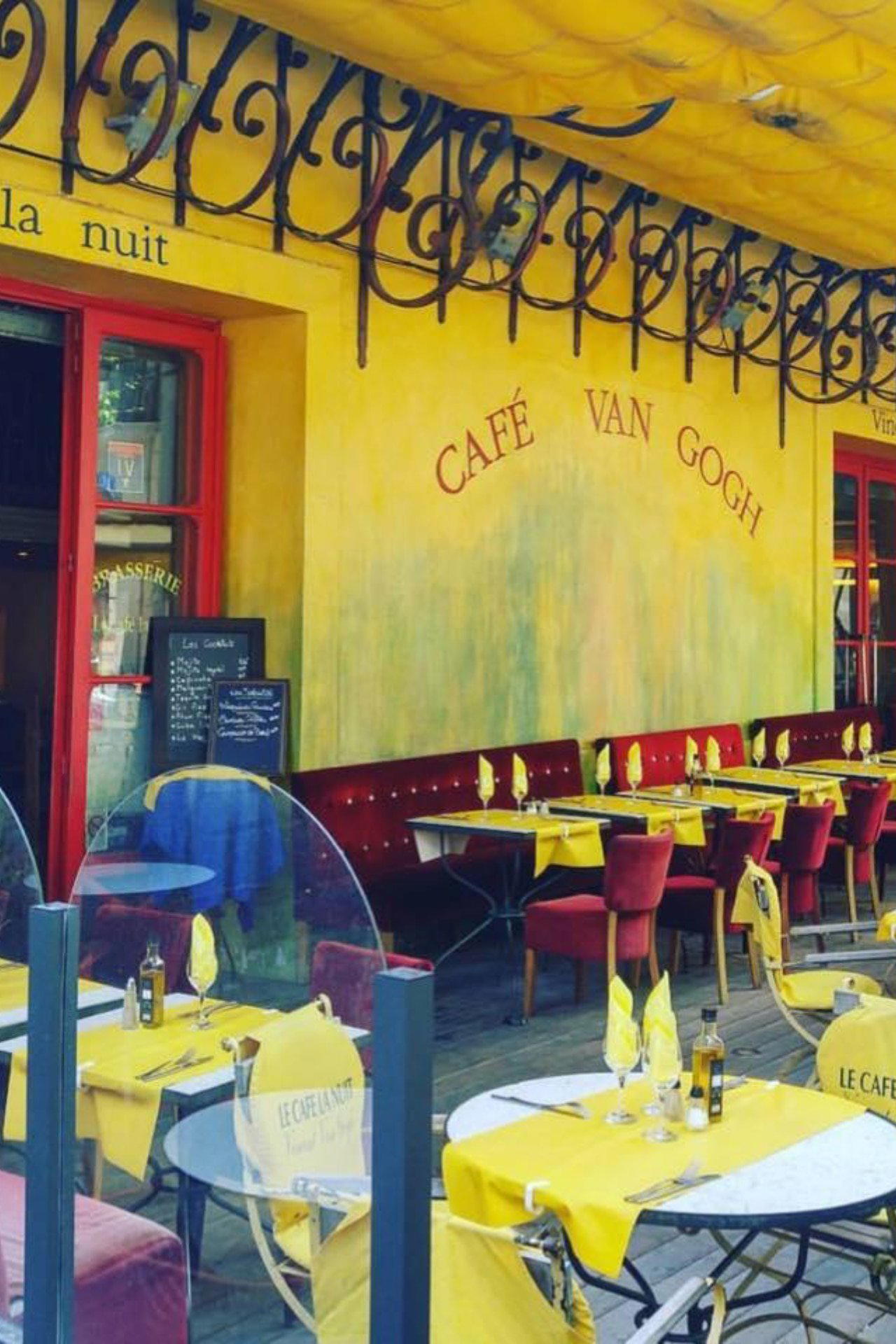
The Rue des Porcelets sits in the older residential fabric of Arles, away from the tourist press around the amphitheatre and the Place du Forum. It is the kind of street where a neighbourhood bistro can build a decade-long following without ever feeling like it is performing for anyone. Le Gibolin has been doing exactly that since it opened here, and the physical approach reflects the editorial premise: this is a place shaped by the quarter it inhabits, not by a desire to transcend it. The room is lively and informal, consistent with the character of the street, and the rhythm of the place belongs to regulars as much as it does to first-time visitors.
That kind of durability is not incidental in a city with Arles' hospitality depth. The dining scene here spans a wide register, from the Mediterranean-leaning ambition of L'Arlatan to the technique-forward approach of Chardon and the fusion format at Inari. Within that range, the farm-to-table tier — which Le Gibolin shares with Drum Café at a comparable price point — is defined by sourcing discipline and a kitchen that treats the vegetable as the primary argument on the plate, not as supporting matter.
The Kitchen's Logic: Vegetables as the Main Event
Farm-to-table as a category has become so broadly applied that it now requires qualification. The version practised at Le Gibolin is anchored in a kitchen garden that supplies fresh vegetables year-round, which is the structural condition that distinguishes it from restaurants that invoke seasonal sourcing as a marketing position rather than an operational constraint. Chef Franck Quinton's approach places vegetables at the centre of the plate even when fish or meat appears on the menu, and dishes are built around the harvest rather than around a protein-led sequence.
The style shows in preparations like purple artichokes cooked barigoule-style with ginger and tail fish paired with fennel and orange. These combinations work within a southern French idiom while introducing aromatic elements that shift them away from strict regional classicism. The artichoke barigoule is a Provençal technique in origin, traditionally involving the braising of artichokes in white wine with herbs, and the ginger addition here signals a kitchen that uses regional tradition as a foundation rather than a prescription. Stuffed vegetable preparations appear across the menu as a recurring format, which places this kitchen in a long Mediterranean lineage of dishes where the vegetable provides both structure and flavour.
Compared with the more elaborate cuisine d'auteur approach at Le Greenstronome, which operates at a higher price tier, Le Gibolin sits at €€ and delivers its vegetable-led agenda through accessible bistro format rather than tasting-menu architecture. That positioning is consistent with the Michelin Bib Gourmand recognition it has received in both 2024 and 2025: the Bib Gourmand designation specifically identifies quality cooking at moderate prices, which is a different argument from the star system and one that directly reflects what this kitchen is doing.
Wine: Southern France, Organic, and Natural
The wine programme is where the bistro's identity becomes most specific. Natural and organic wines from the South of France anchor the list, which is a coherent position in a region with significant natural wine production across appellations including the Languedoc, the Rhône valley's southern reaches, and Provence itself. A list built around this geography and production philosophy means the wine offer is curated through a consistent lens rather than assembled to cover all bases.
For the diner arriving with a serious interest in southern French natural wine, this is a more focused offering than most bistros at the €€ tier provide. It also maps directly onto the kitchen's sourcing ethic: vegetables from the kitchen garden, wines from producers working without synthetic intervention, a coherent set of decisions about what goes on the table. That alignment between kitchen sourcing and wine selection is more consistent here than it is at many restaurants that describe themselves as farm-to-table without extending the philosophy to the glass.
France's wine tradition at the upper register is well documented, from Mirazur in Menton to the cellar depth at Alléno Paris au Pavillon Ledoyen, but the natural wine movement operates in a different register, one where producer relationships, minimal intervention, and regional specificity matter more than appellation prestige. Le Gibolin's list sits firmly in the latter category.
Ten Years on Rue des Porcelets
A decade in the same location, within the same neighbourhood, with the same sourcing framework, produces a different kind of restaurant from one that has been recently opened and is still building its identity. The 4.6 Google rating across 365 reviews reflects accumulated trust rather than opening-year enthusiasm: that kind of sustained scoring at that volume of reviews represents consistent repeat-business approval.
The farm-to-table model at its most rigorous is one that other cities have explored extensively. Comparable commitments to sourcing and seasonal vegetable-led cooking appear at BOK Restaurant in Münster and Clostermanns Le Gourmet in Niederkassel, among others across Europe, which demonstrates that the format has depth well beyond its Californian origins. In Arles, Le Gibolin has applied it with sufficient rigour to hold consecutive Bib Gourmand recognition while remaining accessible at a price point that does not require a special occasion to justify a reservation.
The larger picture of French restaurant ambition , from Bras in Laguiole to Flocons de Sel in Megève or Troisgros in Ouches , operates at a different altitude, with Paul Bocuse's Auberge in Collonges-au-Mont-d'Or representing a separate historical chapter entirely. Le Gibolin does not occupy that tier and does not attempt to. What it does do is make a clear, coherent case within its own format: organic sourcing, natural southern wines, a kitchen garden, and a bistro address in a neighbourhood that has been home for ten years.
Planning a Visit
Le Gibolin is located at 13 Rue des Porcelets in Arles, in a residential area that rewards a short walk from the city centre and is better reached on foot than by car. Reservations are advisable given its sustained following and the modest scale typical of bistros in this neighbourhood category. The Bib Gourmand positioning means the experience sits comfortably within the €€ band without compromising on the sourcing or wine quality that defines it.
For a broader look at what Arles offers across formats and price tiers, the full Arles restaurants guide covers the range. Visitors planning wider itineraries can also consult the Arles hotels guide, the Arles bars guide, the Arles wineries guide, and the Arles experiences guide to build out the stay.
Recognition Snapshot
A quick peer reference to anchor this venue in its category.
| Venue | Awards | Cuisine | Notes |
|---|---|---|---|
| Le Gibolin | Bib Gourmand | Farm to table | This venue |
| Le Greenstronome | Cuisine d'auteur | French | Cuisine d'auteur | French, $$$$ | |
| Chardon | Modern Cuisine | Modern Cuisine, €€ | |
| Drum Café | Farm to table | Farm to table, €€ | |
| Inari | Fusion | Fusion, €€€ | |
| L'Arlatan | Mediterranean Cuisine | Mediterranean Cuisine, €€ |
At a Glance
- Rustic
- Cozy
- Lively
- Date Night
- Casual Hangout
- Open Kitchen
- Natural Wine
- Local Sourcing
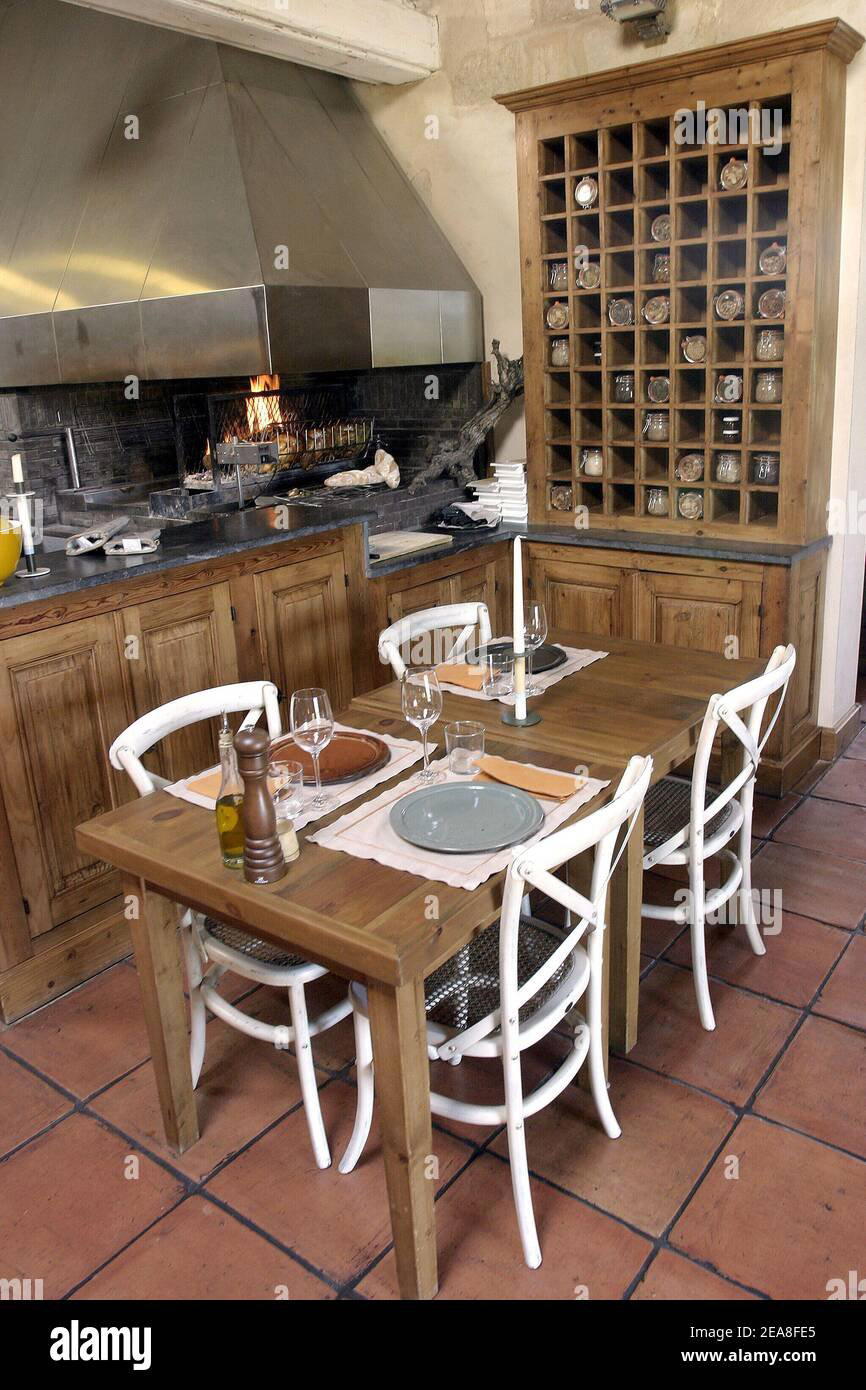
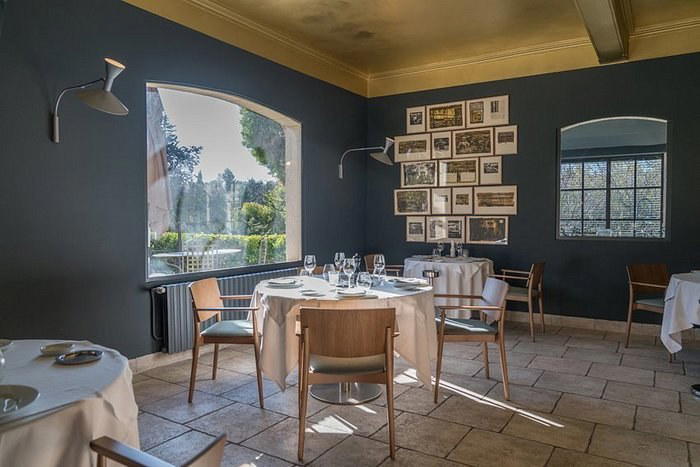
Cozy and authentic bistro atmosphere in a long narrow space with walls lined with wine bottles, filled with lively conversations among locals and visitors.