Le French Diner

Our verdict
Named among New York Magazine's 43 Best Restaurants in New York for 2025, Le French Diner occupies a distinct position on Orchard Street's Lower East Side stretch, a neighbourhood better known for late-night bars than French bistro tradition. The restaurant draws on classic Parisian diner sensibility while operating squarely within the city's casual-French tier, a category that divides sharply by time of day.

Pearl is the En Primeur Club membership app, where members save venues, book tables and use the concierge.
French Bistro on the Lower East Side: What Le French Diner Represents
The Lower East Side has cycled through several dining identities since its tenement-era origins as one of New York's densest immigrant neighbourhoods. In the 2000s, Orchard Street anchored a bar scene. In the 2010s, a wave of chef-driven openings pushed the area toward serious food credentials. By the mid-2020s, the street sits in a more settled position: a working dining corridor where neighbourhood regulars and downtown visitors coexist, and where the competition is eclectic enough that a French diner concept can hold its own without occupying the same register as the formal French rooms uptown.
That context matters when placing Le French Diner, at 188 Orchard Street. The formal French tradition in New York runs from Le Bernardin and Per Se at the top of the price and formality range, through mid-tier brasseries, and down to neighbourhood bistros that prize consistency over occasion-dining theatrics. Le French Diner operates at the accessible end of that range, in a format more aligned with everyday Paris than with the tasting-menu French experience delivered by Eleven Madison Park. Its 2025 inclusion in New York Magazine's list of the 43 best restaurants in the city confirms that the editorial conversation about its tier is no longer provisional.
The Lunch and Dinner Divide at Orchard Street
Daytime on the Lower East Side belongs to a different crowd: neighbourhood workers, slow-moving weekend brunchers, design-industry regulars from nearby studios, and visitors working their way south from SoHo. The energy is unhurried in a way that Manhattan dining rarely is after sundown. For a French diner format, this is the native habitat, the mid-day meal is where the bistro tradition originated, and where the food-to-price relationship tends to be sharpest.
Evening service on the same block shifts register. The bar population grows, ambient noise levels rise, and tables turn faster as the night progresses. A French diner in this environment needs to hold its culinary footing against a neighbourhood that offers strong competition in casual Asian, modern American, and cocktail-forward formats. The French bistro proposition, that a well-executed salade, a properly rendered steak frites, or a composed starter can anchor a dinner without ceremony, is a different pitch at 8pm on Orchard Street than at noon. Where the restaurant sits in that shift, and whether the kitchen delivers with equal discipline across both services, is what separates sustained editorial recognition from a single-cycle buzz mention.
New York Magazine's 2025 listing suggests the restaurant functions across both contexts, which in this neighbourhood represents a harder editorial endorsement than it might appear. Lists like these are compiled by critics who visit repeatedly and at varying times, a single strong tasting rarely survives the editorial process in publications with that track record.
Positioning Within New York's French Dining Tier
New York carries more French restaurants per square kilometre than almost any American city outside of a tourist-driven destination. The best of that market is held by venues with Michelin recognition and price points that align with destination dining internationally, Le Bernardin, with its seafood-led French tasting format, or Per Se, which applies French technique to a rigidly formal service structure. Below that tier, the market fragments considerably: brasseries, zinc-bar-and-banquette operations, and neighbourhood bistros each serve a distinct purpose in the city's dining map.
The diner format, specifically, sits at an interesting intersection. It borrows the American diner's democratic sensibility, counter seating, accessible hours, a menu that doesn't require advance study, and overlays it with French technique and ingredient orientation. When that hybrid works, it produces some of the more satisfying eating in any city. The French diner tradition has precedent in Paris itself, where zinc-counter lunch spots have operated as functional institutions for generations, offering a fixed menu, a carafe of wine, and a two-course meal within a tight time window. Transplanted to New York, the format has to compete with a much wider casual dining field, including the strong contemporary Korean presence at places like Atomix and the Japanese counter tradition anchored by venues like Masa at the far end of the price range.
That distinction changes what you should expect from a visit: this is a neighbourhood anchor that happens to have critical attention, not a special-occasion destination that requires advance planning months out.
The Lower East Side as a French Dining Address
The geography of French restaurants in New York has historically concentrated in Midtown and the Upper East Side, neighbourhoods that map onto the client base for formal European dining. The move southward, into areas like the West Village and the Lower East Side, reflects a broader shift in where serious cooking has planted itself over the past fifteen years. French technique, stripped of the uptown service apparatus, fits naturally into the downtown aesthetic: smaller rooms, less formal pacing, wine lists that weight natural and small-producer bottles.
Orchard Street, specifically, offers a walk-in accessibility that uptown French rooms rarely permit. The booking dynamic is looser, the room tends smaller, and the meal is priced to allow a second visit in the same month rather than a single annual occasion. For anyone building a working knowledge of New York's French restaurant tier, addresses like this one on the Lower East Side now carry as much critical weight as the established Midtown corridor, a structural shift that New York Magazine's 2025 list reflects with some consistency.
For broader exploration of where New York's dining scene is moving, the full New York City restaurants guide maps the city's current critical favourites across cuisine types and neighbourhoods. Readers interested in the wider hospitality picture can also consult the New York City hotels guide, the bars guide, the wineries guide, and the experiences guide for a complete picture of the city's offering.
For comparison across the broader American French-influenced dining field, The French Laundry in Napa and Emeril's in New Orleans represent opposite ends of the formality spectrum, while Lazy Bear in San Francisco, Alinea in Chicago, Single Thread Farm in Healdsburg, and Providence in Los Angeles each show how French technique translates into distinct American regional contexts. Internationally, 8½ Otto e Mezzo Bombana in Hong Kong and Alain Ducasse at Louis XV in Monte Carlo anchor the European fine-dining tradition against which all French-influenced dining ultimately positions itself.
Planning a Visit: Logistics at a Glance
| Detail | Le French Diner | Le Bernardin | Per Se | Eleven Madison Park |
|---|---|---|---|---|
| Neighbourhood | Lower East Side | Midtown West | Columbus Circle | Flatiron |
| Price tier | Not disclosed | $$$$ | $$$$ | $$$$ |
| Format | French diner | Tasting / à la carte | Tasting menu | Tasting menu |
| Key recognition | New York Magazine 2025 | Michelin 3-star | Michelin 3-star | Michelin 3-star |
| Address | 188 Orchard St | 155 W 51st St | 10 Columbus Circle | 11 Madison Ave |
Frequently asked questions
What dish is Le French Diner famous for?
No specific signature dishes are documented in the current critical record for Le French Diner. What the New York Magazine 2025 recognition confirms is that the kitchen performs at a level worth critical notice across its format, which, in a French diner context, typically means the core bistro repertoire executed with consistency. For verified dish-level detail, check recent editorial coverage from publications that have reviewed the restaurant in the past twelve months.
What is the ideal way to book Le French Diner?
Given its Lower East Side location and diner format, walk-in availability is plausible for lunch service, while dinner on weekends may require advance planning. New York Magazine's 2025 recognition will have increased demand, so checking the restaurant's current reservations page or a third-party booking platform before visiting is advisable. For high-demand New York addresses in the same recognition tier, lead times of one to three weeks are common for weekend evening slots.
What is Le French Diner leading at?
Based on its editorial recognition and format, Le French Diner sits at the more accessible end of New York's French dining range, where the value-to-execution relationship tends to be strongest at lunch. The French diner format, which prioritises consistent technique over seasonal tasting-menu theatrics, is a different proposition from what Le Bernardin or Eleven Madison Park offer. Its strength, evidenced by the 2025 New York Magazine listing, is in delivering a credible French kitchen experience without the occasion-dining overhead of uptown formal French rooms.
Do they accommodate allergies at Le French Diner?
For allergy and dietary accommodation queries, the most reliable approach in New York is to contact the restaurant directly before booking, either by phone or through whatever reservation platform they use. Allergy policies vary significantly across casual French formats in the city, and assumptions based on the cuisine type alone are not a reliable guide.
The Short List
Comparable venues nearby, for context on price, style, and recognition.
| Venue | Cuisine | Price | Awards | Notes |
|---|---|---|---|---|
| Le French DinerThis venue (the venue you are viewing) | Classic French Bistro | $100–150 | Not listed | Not listed |
| Bibliotheque | French Wine Bar & Café | Not listed | Star Wine List · Wine Spectator Best of Award of Excellence | SoHo-Little Italy-Hudson Square, French Wine Bar & Café |
| The Odeon | French Brasserie | $50–100 | OpenTable Top 100 Restaurants | Tribeca-Civic Center, French Brasserie |
| The Golden Swan | French Mediterranean | Not listed | Wine Spectator Award of Excellence | West Village, French Mediterranean |
| Le Rivage | Classic French Bistro | $50–100 | Not listed | Hell's Kitchen, Classic French Bistro |
| Cafe Luxembourg | French-American Brasserie | $50–100 | Not listed | Upper West Side-Lincoln Square, French-American Brasserie |
Recognition history
Dated appearances from independent guides and award organizations, with the underlying list record or original source where available.
New York Magazine The 43 Best Restaurants in New York
New York Magazine
Continue exploring
More in New York City
Restaurants in New York City
All restaurants in New York City →


Bars in New York City
All bars in New York City →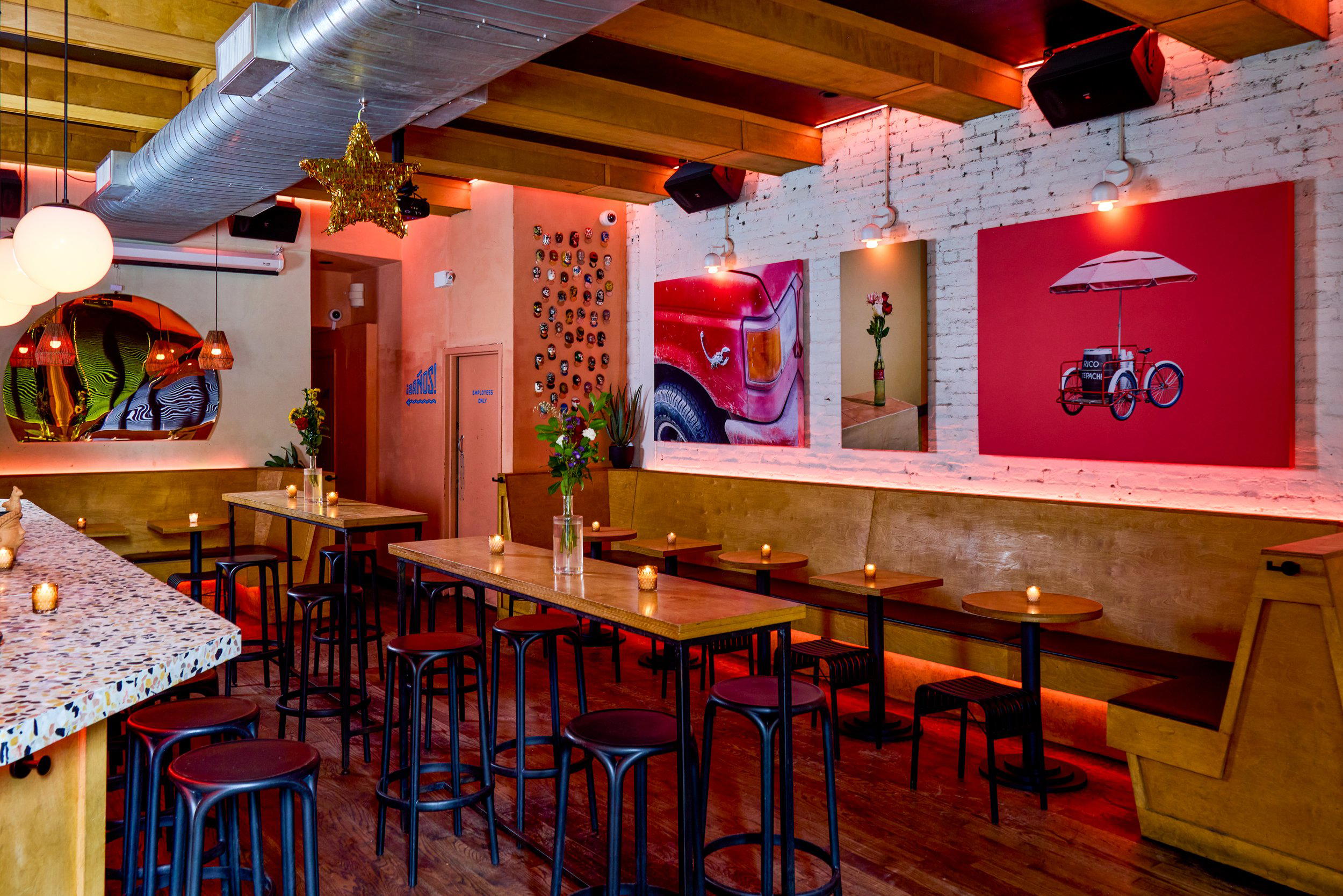








Details
- Cozy
- Intimate
- Classic
- Date Night
- Casual Hangout
- Open Kitchen
- Natural Wine
- A La Carte
Current opening hours
- Monday
- 5:30–11 PM
- Tuesday
- 5:30–11 PM
- Wednesday
- 5:30–11 PM
- Thursday
- 5:30–11 PM
- Friday
- 5:30–11 PM
- Saturday
- 5:30–11 PM
- Sunday
- 5:30–10 PM
Hours can change for holidays and private events. Hours as of .
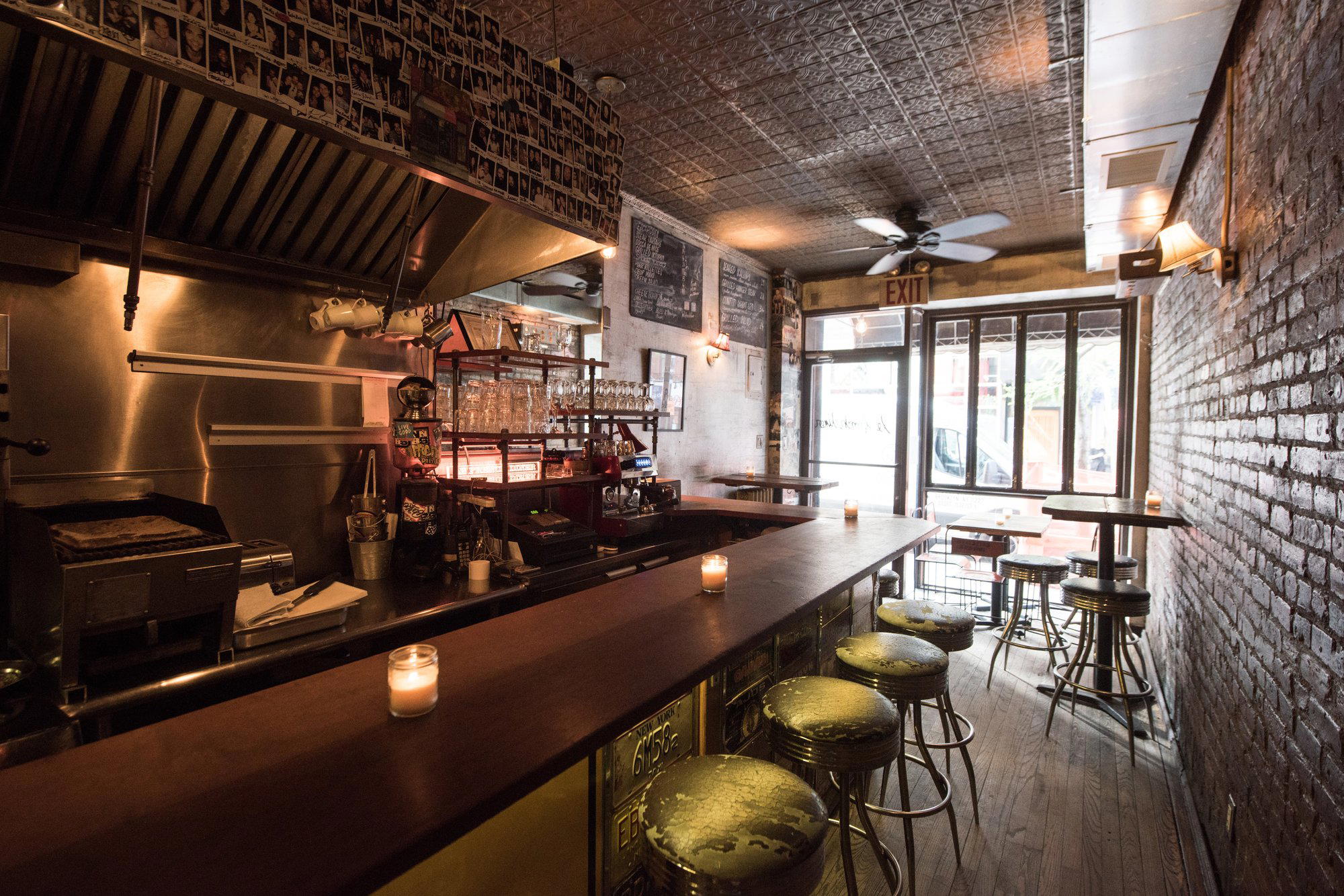
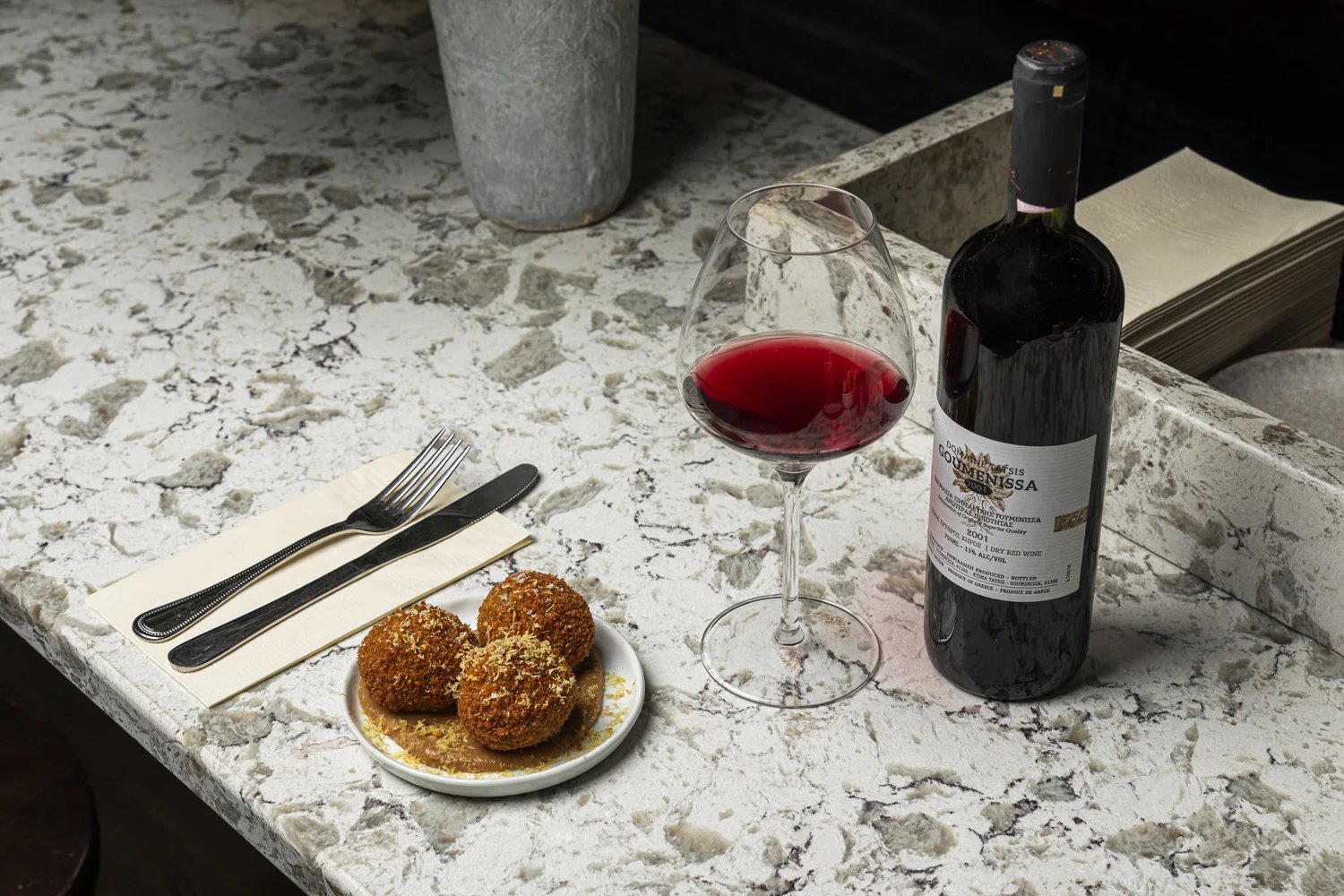
Simple, lived-in diner aesthetic with tin ceiling, bar seating, and aromas from the open kitchen creating a cozy, unpretentious French neighborhood feel.