Le Fantastique

Esquire Best New Restaurants #24
Our verdict
The format merges classical French technique with Japanese seafood sensibility, placing it in a small comparable set of cross-cultural fine dining rooms in the city.
Where Japantown Meets the Plate
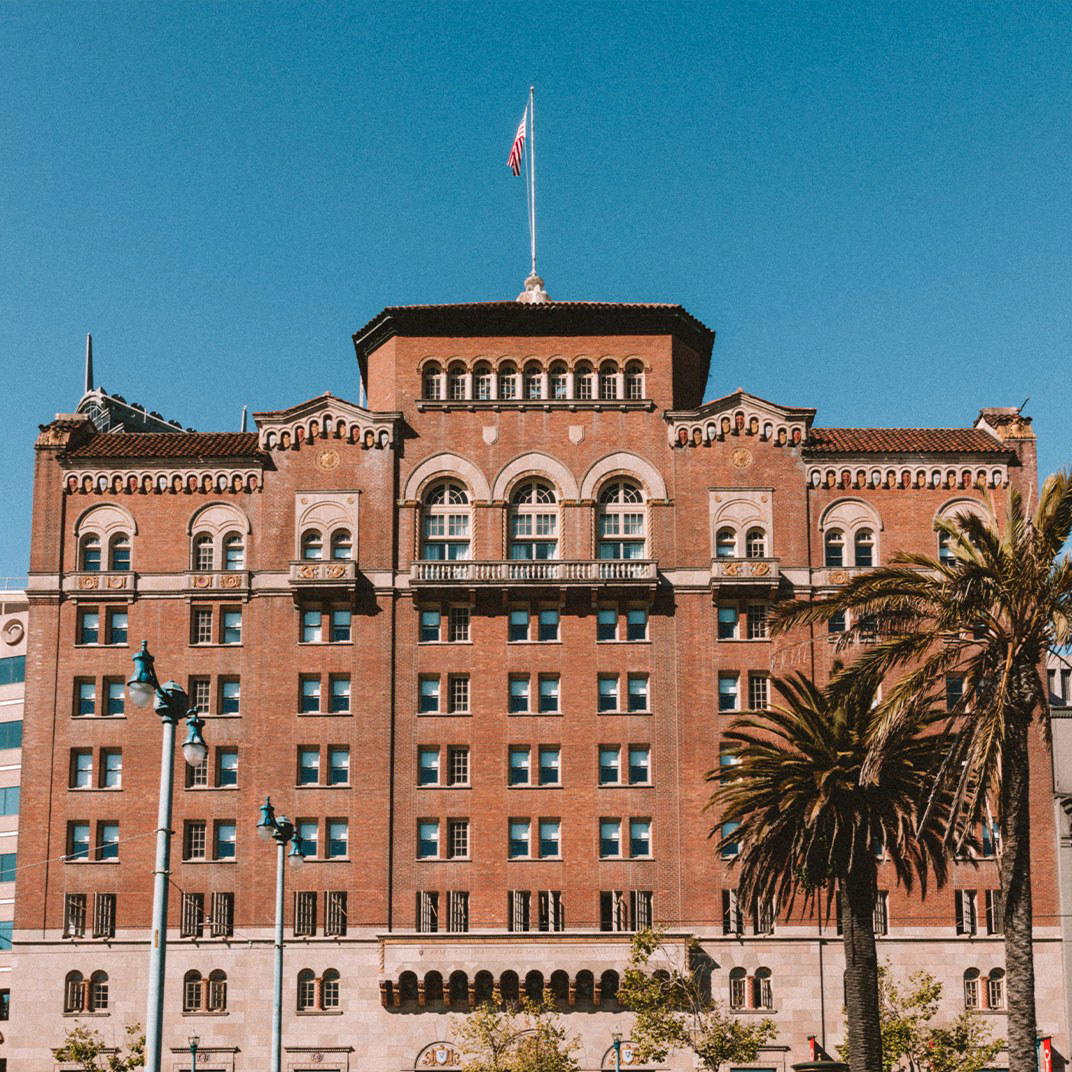
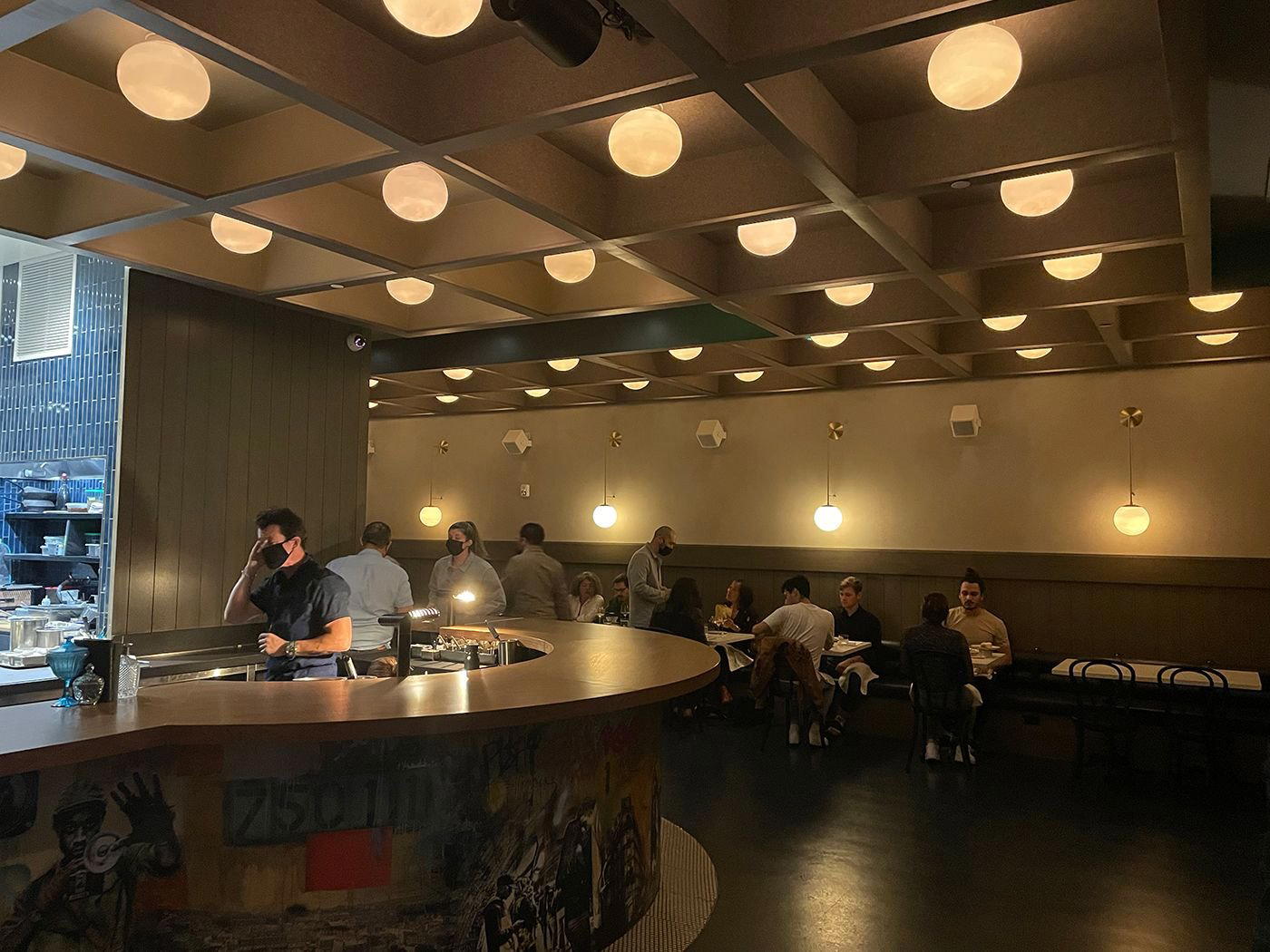
Post Street runs through one of San Francisco's most historically layered corridors, where Japanese community infrastructure built over more than a century sits alongside a newer generation of restaurants drawing on both sides of the Pacific. That address is not incidental for a restaurant working in French-Japanese seafood: the neighbourhood supplies a kind of ambient credibility that a more generic Soma block could not. Le Fantastique, at 1700 Post Street, operates inside that context, which means its culinary premise arrives with a sense of place behind it rather than as a concept floating free of geography.
The French-Japanese seafood format has a clear international lineage. At its most serious, it traces back to the kind of Franco-Japanese exchange that shaped kitchens in Paris and Tokyo from the 1980s onward, producing chefs fluent in both classical brigade technique and the Japanese instinct for ingredient-first discipline. In San Francisco, that tradition has fewer direct representatives than you might expect in a city this close to the Pacific. Benu works across French and Chinese registers; Atelier Crenn tilts Modern French with a Californian lens. Le Fantastique occupies a narrower and more specific intersection, with seafood as the explicit through-line rather than a supporting category.
Sustainability as Method, Not Marketing
The French-Japanese seafood format, when taken seriously, tends to align naturally with sustainability-conscious sourcing. Japanese fish culture carries deep expectations around seasonality and traceability: the idea that a fish course should reflect where the fish came from, when it was caught, and how it was handled from water to plate. French classical technique adds a second layer of accountability, because brigade cooking at its most rigorous wastes very little. Stocks are built from shells and bones; secondary cuts get the same attention as prime ones. The cross-cultural format, in other words, contains structural incentives toward reduced waste and careful sourcing that are absent from more ingredient-agnostic kitchen styles.
This matters in San Francisco specifically because the city's dining culture has moved faster than most American markets toward ingredient accountability. The restaurants that shaped the current conversation here, from Saison with its live-fire sourcing discipline to Lazy Bear's forage-and-preserve approach, made sourcing transparency a baseline expectation rather than a differentiator. Against that backdrop, a French-Japanese seafood room that does not engage seriously with where its fish comes from would read as an outlier. The format itself signals a particular kind of seriousness, and the local context reinforces it.
Comparable conversations are happening at seafood-focused fine dining rooms across the country. Le Bernardin in New York City has operated with rigorous supplier relationships for decades, treating the fish supply chain as a kitchen concern rather than a procurement one. Providence in Los Angeles built a sustainability program that became a formal part of its identity. In the Bay Area, Single Thread Farm in Healdsburg extended the sourcing model all the way back to its own farm. Le Fantastique enters a peer conversation that has already set the terms around ingredient origin and seasonal discipline.
Recognition and Competitive Position
Esquire's Leading New Restaurants list for 2022 placed Le Fantastique at number 24 nationally. That ranking is a Tier A trust signal worth contextualising: Esquire's list is editorially curated rather than crowd-sourced, and national placement for a restaurant in a format as specific as French-Japanese seafood indicates that the kitchen was doing something coherent enough to read clearly to critics eating across many categories in a single year.
The competitive set in San Francisco's premium dining tier is dense. Quince holds multiple Michelin stars in the Italian-contemporary space. Atelier Crenn operates at three-star level in Modern French. Benu sits at three stars in its French-Chinese register. For diners whose primary interest is the French-Japanese seafood axis specifically, there is no obvious direct substitute in the city.
Cross-cultural seafood fine dining at the higher end has produced some of the most technically demanding cooking in recent decades. Atomix in New York City operates in Korean-French territory with similar format discipline. 8 1/2 Otto e Mezzo Bombana in Hong Kong represents the Italian-Asian crossover at the far end of the ambition and price spectrum. Alinea in Chicago and The French Laundry in Napa anchor the national conversation around what formal tasting-menu cooking can achieve. Le Fantastique sits in a smaller, more specific bracket than any of those rooms, but specificity in this format tends to be a feature rather than a limitation. Emeril's in New Orleans demonstrated decades ago that a clear culinary identity in a distinct regional context can sustain long-term recognition; Le Fantastique is operating on that same logic in a different city and a different idiom.
Japantown as Context for the Cuisine
San Francisco's Japantown is one of only three remaining Japantowns in the United States, a fact that carries weight when thinking about a restaurant working in the French-Japanese register. The neighbourhood is not a theme district. It is a functioning community with decades of food culture, from long-standing ramen counters and mochi shops to newer izakaya formats that have attracted attention well beyond the immediate area. A restaurant drawing on Japanese culinary logic in this address has the option of engaging with that surrounding culture in a way that would not be available on the other side of the city. Whether Le Fantastique takes that option actively or treats the address as coincidental, the geography frames the dining experience before the meal begins.
For broader San Francisco dining planning, EP Club covers the full city: see our full San Francisco restaurants guide, our full San Francisco hotels guide, our full San Francisco bars guide, our full San Francisco wineries guide, and our full San Francisco experiences guide.
Know Before You Go
- Address: 1700 Post St K, San Francisco, CA 94115
- Neighbourhood: Japantown
- Cuisine: French-Japanese Seafood
- Recognition: Esquire Leading New Restaurants #24 (2022)
- Price range:
- Hours:, verify before travelling
Frequently asked questions
Is Le Fantastique Michelin-listed?
Le Fantastique has received recognition including: Esquire Best New Restaurants #24 (2022).
Where is Le Fantastique located?
Le Fantastique is located at 1700 Post St k, San Francisco, CA 94115, San Francisco.
What's the signature dish at Le Fantastique?
The Esquire Best New Restaurants recognition in 2022 suggests the kitchen was executing that concept with enough consistency and identity to earn national attention in its opening period. check the venue's official channels at 1700 Post St for current menu specifics.
How would you describe the cuisine at Le Fantastique?
How far ahead should I plan for Le Fantastique?
No booking window is publicly confirmed, but a restaurant that landed on Esquire's 2022 Best New Restaurants list at #24 nationally tends to carry sustained demand well past its opening year. Reservations for weekend seatings at comparably recognized San Francisco restaurants typically require two to four weeks of lead time at minimum. Checking availability sooner rather than later is advisable, particularly for Friday and Saturday evenings.
What's Le Fantastique best at?
The kitchen's documented strength is the French-Japanese seafood format, a combination that draws on two distinct culinary traditions with serious technical requirements on both sides. That synthesis earned Le Fantastique a spot on Esquire's Best New Restaurants list for 2022, placing it 24th nationally in a field that spanned every major American dining city. The Post Street address in San Francisco's Japantown adds geographic coherence to the concept.
Is Le Fantastique a good choice for a special occasion dinner in San Francisco's Japantown?
Le Fantastique at 1700 Post St sits inside one of only three remaining Japantowns in the United States, giving the French-Japanese seafood format a setting with genuine cultural resonance rather than borrowed aesthetic. Its 2022 Esquire Best New Restaurants placement, ranked 24th nationally, indicates the kitchen was operating at a level that reads well for a considered dinner out. For occasions where the context of the meal matters as much as the food, that combination of location and early critical recognition is a credible signal.
Fast Comparison
| Venue | Cuisine | Price | Awards | Notes |
|---|---|---|---|---|
| Le FantastiqueThis venue (the venue you are viewing) | Seafood | Not listed | Esquire Best New Restaurants #24 | Not listed |
| Lazy Bear | Modern American Tasting Menu | Not listed | 2 Michelin Stars · World's 50 Best #25 | Progressive American, Contemporary |
| Benu | Modern Asian Fusion Fine Dining | $150–200 | 3 Michelin Stars · World's 50 Best #33 | French - Chinese, Asian |
| Atelier Crenn | Contemporary French Fine Dining | $300–500 | 3 Michelin Stars · World's 50 Best #44 | Modern French, Contemporary |
| Quince | Modern French Fine Dining | $300–500 | 3 Michelin Stars · World's 50 Best #48 | Italian, Contemporary |
| Saison | Modern French-Italian | Not listed | Michelin Plate | Progressive American, Californian |
Recognition history
Dated appearances from independent guides and award organizations, with the underlying list record or original source where available.
Esquire Best New Restaurants #24
Esquire