Rue du Bac sits in Paris's 7th arrondissement, a street address that has anchored the Left Bank's domestic life for centuries. The surrounding neighbourhood sets a high baseline for everyday quality, from its covered market to its proximity to Saint-Germain-des-Prés. Visitors seeking a window into how the 7th eats and moves will find the address worth understanding on its own terms.
Pearl is the En Primeur Club membership app — saves, bookings, and concierge access live there. Same editors, same standards.
- Address
- 75007 Paris, France
- Phone
- +33 9 63 58 96 61
- Directions
- Get directions
 Saves & bookings on Pearl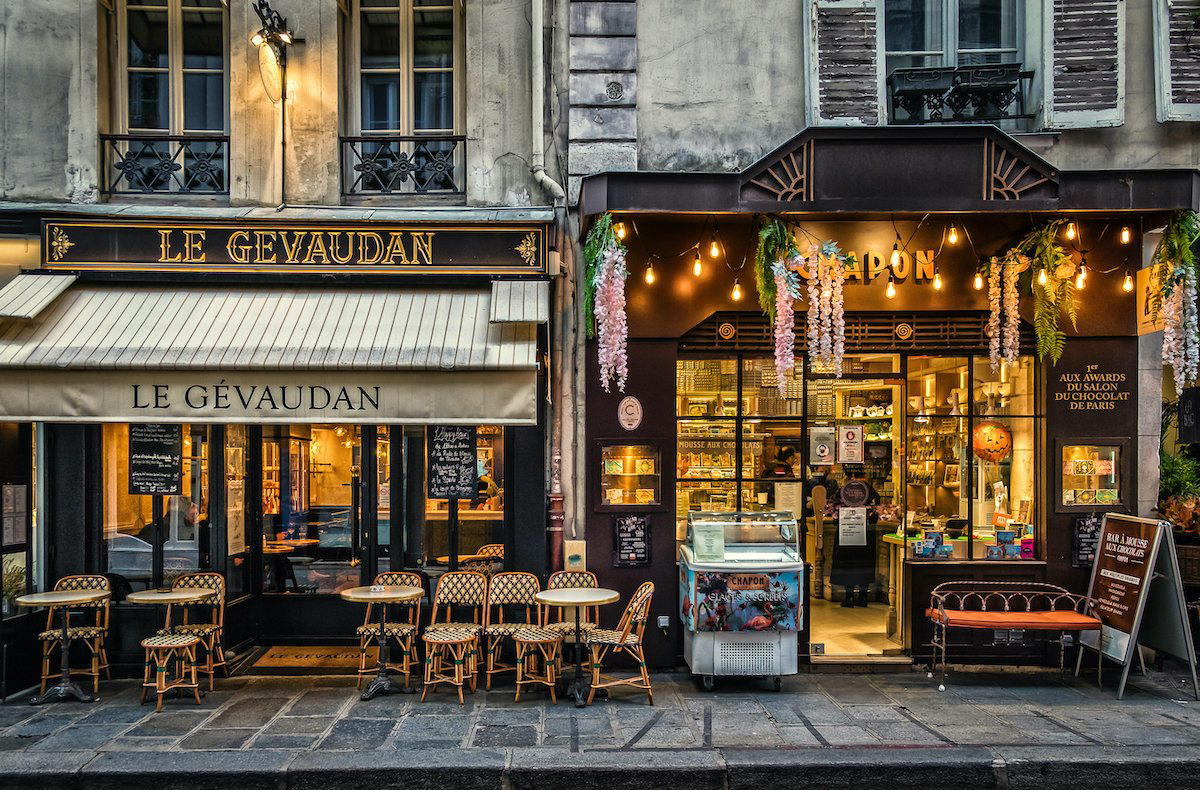
The Street That Feeds the 7th
In Paris, certain addresses function less as locations and more as orientations. Running from the Seine south through the 7th arrondissement and into the 6th, it has long served as a spine for Left Bank domestic life, lined with fromageries, patisseries, a covered market at its northern end, and the kind of provisioning shops that Parisians use rather than photograph. Understanding what the street represents matters before considering any single establishment on it.
It is neither the experimental kitchens of the 11th nor the grand-institution formality of the 8th, where Le Cinq at the Four Seasons Hôtel George V anchors a different kind of ambition. The 7th leans toward the considered and the durable. It is the arrondissement of Arpège, where Alain Passard's vegetable-driven tasting menu has held three Michelin stars for decades, and it shares a border with the 8th address of Alléno Paris au Pavillon Ledoyen. The neighbourhood earns its reputation through consistency rather than novelty.
What the Market End of the Street Tells You
The Marché du Bac, covered and compact, operates on the rhythms that Parisian neighbourhood markets have followed for generations. The stalls reflect what the 7th prioritises: produce selected by vendors who have been supplying the same clientele for years, cheese counters with a turnover that guarantees condition, and fish that arrives on the same morning timetable as the city's leading kitchens. The clientele are local, and the vendors price accordingly.
That baseline quality on the street itself says something about what any restaurant or café operating here is competing against. When residents can buy a perfectly aged comté or a brioche that rivals most bakery counters in Europe within a five-minute walk, the bar for a sit-down establishment is set by daily habit, not by occasion. The 7th's dining character is shaped by this proximity to excellent raw material, in the same way that provincial French cooking traditions, from the Bras family's work in Laguiole to the long tenure of Auberge de l'Ill in Illhaeusern, are inseparable from the produce cultures that surround them.
The Sensory Register of the Left Bank
Approaching Rue du Bac from the Pont Royal side, the transition from the Seine's open light into the narrower residential scale of the street happens quickly. The stone façades absorb the afternoon light differently here than in the Marais or the Grands Boulevards: quieter, with less reflective surface, and an acoustic character that belongs to streets designed for walking rather than traffic. Delivery vans share the space with cyclists and pedestrians moving with the purposeful unhurriedness that distinguishes Parisians running errands from tourists consulting maps.
The smell of the street shifts by time of day. Morning brings bread from the boulangeries on and adjacent to the rue; midday carries the roasting and sautéed notes of a dozen bistro kitchens setting up service; late afternoon carries the particular sharpness of a fromagerie with its door open. These are not manufactured atmosphere cues. They are the by-product of a street that continues to function as a provisioning artery for a residential neighbourhood with high expectations and limited patience for performance over substance.
That sensory register connects Rue du Bac to a broader tradition in French hospitality: the idea that the dining experience begins at the street and that the quality of the approach matters as much as what happens at the table. This principle also appears in destination restaurants that are shaped by their settings, from Mirazur in Menton to Flocons de Sel in Megève.
Where Rue du Bac Sits in Paris's Dining Hierarchy
Paris's restaurant scene divides broadly between the grand institutions of the Right Bank, the Michelin-dense 7th and surrounding arrondissements, and the more experimental addresses in the eastern neighbourhoods. The 7th's comparable set includes L'Ambroisie on the Place des Vosges in the 4th, the three-star classicism that has defined a certain idea of French fine dining for four decades, and further afield the continued influence of multi-generational houses like Troisgros in Ouches, Georges Blanc in Vonnas, and Les Prés d'Eugénie in Eugénie-les-Bains.
The 7th does not compete on innovation or spectacle in the way that contemporary French tasting menus do at addresses like Kei, where Japanese technique is applied to French structure. Its value proposition is durability and density of quality per street, not novelty per menu. That distinction matters for visitors deciding how to distribute time across the city.
The Left Bank's relationship between residential character and dining quality has analogues in cities where leading restaurant experiences sit embedded in working neighbourhoods rather than on dining destination streets. Lazy Bear in San Francisco operates on a similar logic of neighbourhood embeddedness, and Le Bernardin in New York demonstrates how a French-rooted kitchen can anchor itself in a non-Parisian context with comparable seriousness. The 7th's version of this is quieter and less self-conscious, which is precisely the point.
For broader France itineraries, regional comparisons include the deep-south focus of Auberge du Vieux Puits in Fontjoncouse, the Provençal setting of La Table du Castellet, and the Lyonnais institution of Paul Bocuse at L'Auberge du Pont de Collonges all represent distinct regional traditions that put the 7th arrondissement's particular Parisian register in relief.
Know Before You Go
- Address: 75007 Paris, France
- Arrondissement: 7th (Left Bank)
- Nearest Metro: the restaurant (Line 12), the station shares the street's name and sits at its mid-point
- Market Access: Marché du Bac operates on standard Paris covered-market hours; confirm current days locally
- Booking is recommended.
A Pricing-First Comparison
Comparable venues nearby, for context on price, style, and recognition.
| Venue | Cuisine | Price | Notes |
|---|---|---|---|
| Rue du BacThis venue — the venue you are viewing | Not listed | $$$ | Not listed |
| Le Dôme | Not listed | $$$ | Montparnasse, Classic French Seafood Brasserie |
| Abstinence | Not listed | $$$ | 15th Arrondissement, Modern French Bistro |
| 6 New-York | Not listed | $$$ | 16th Arr. - Passy, Modern French Bistro |
| Aux Dés Calés 18 - Moreau | Not listed | $$$ | Butte-Montmartre, French Bistronomic Bistro |
| Le Square Trousseau | Bastille, Classic French Bistro | $$$ | Not listed |
Continue exploring
More in Paris
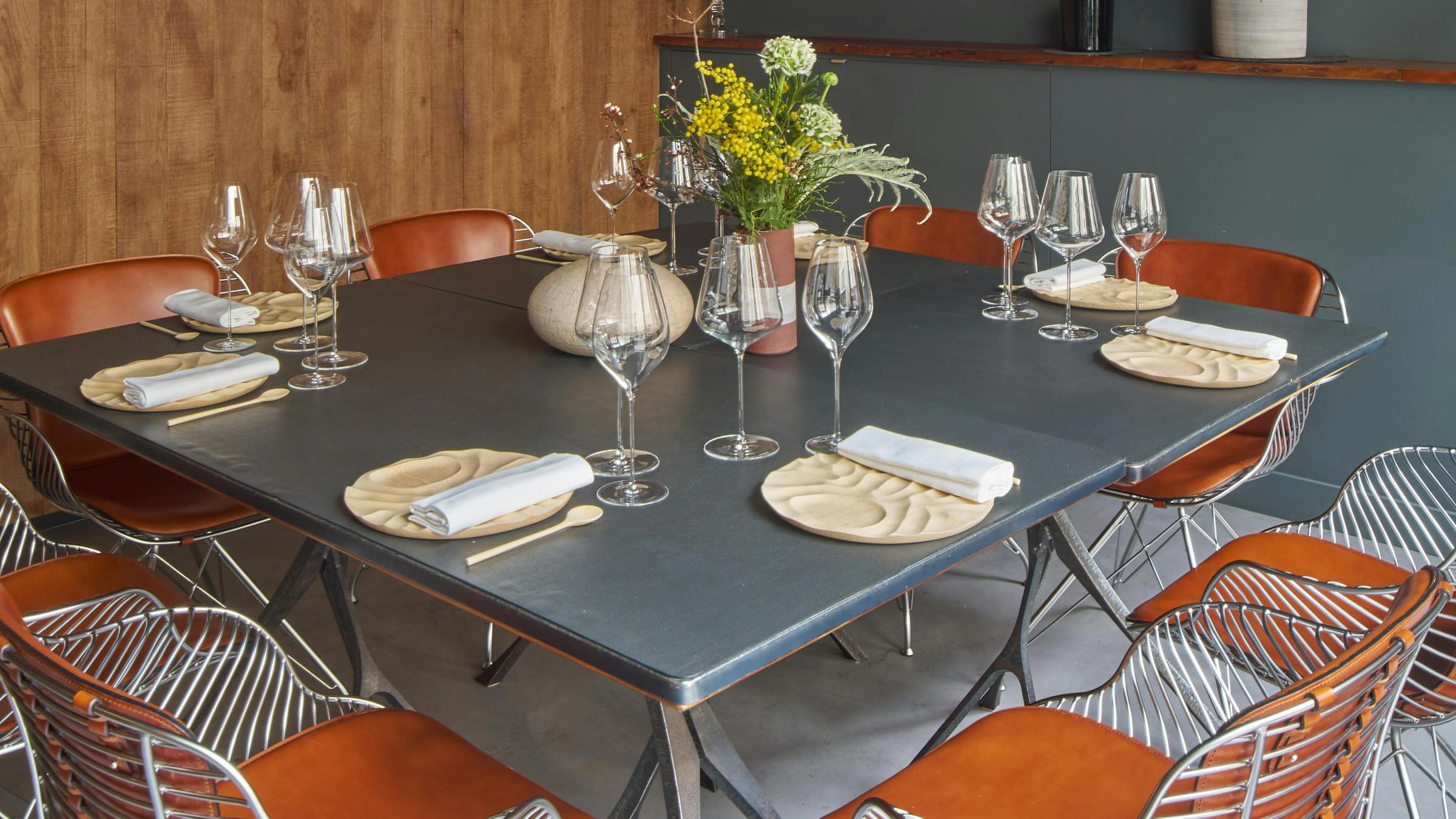
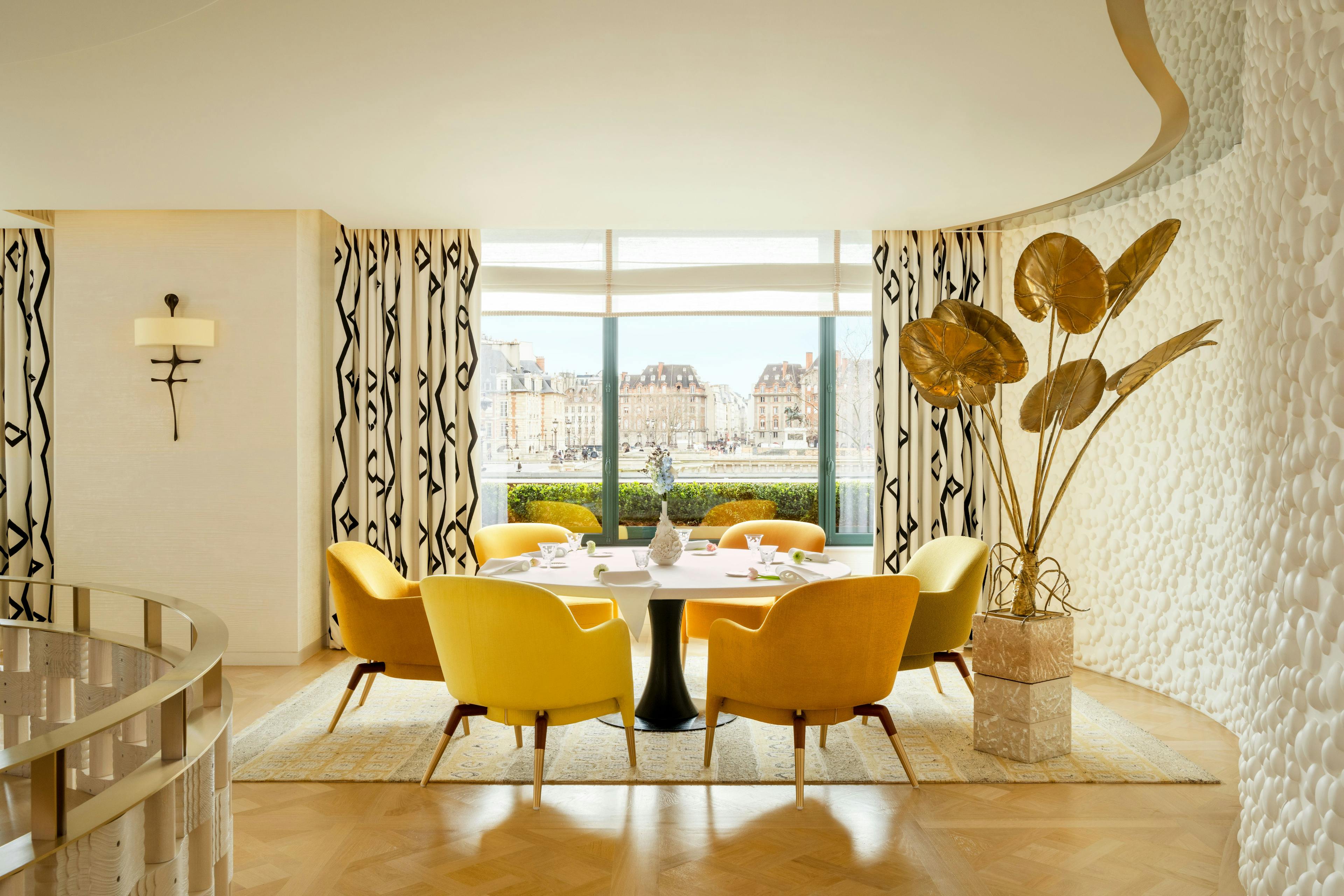
Restaurants in Paris
Browse all →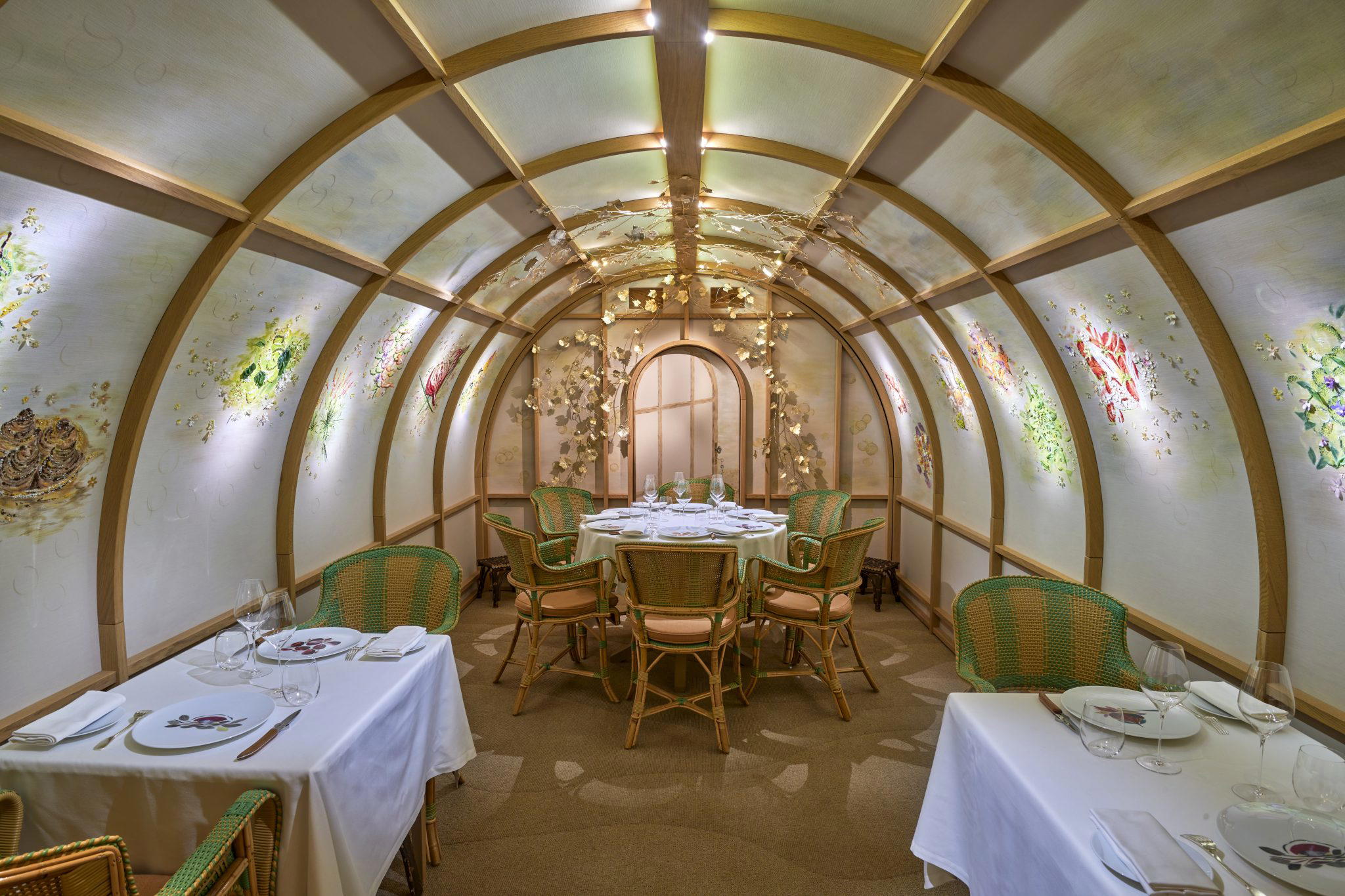
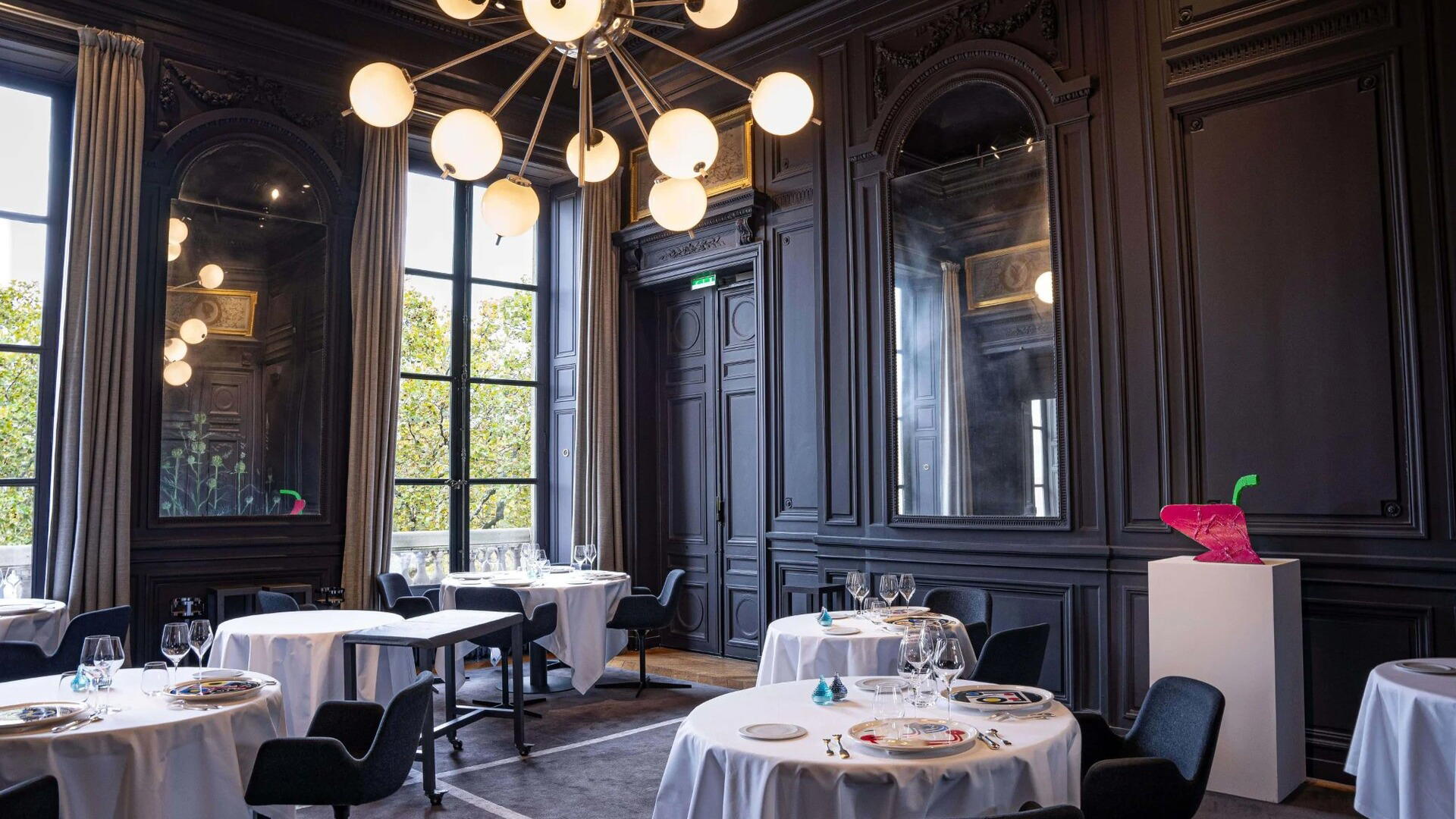
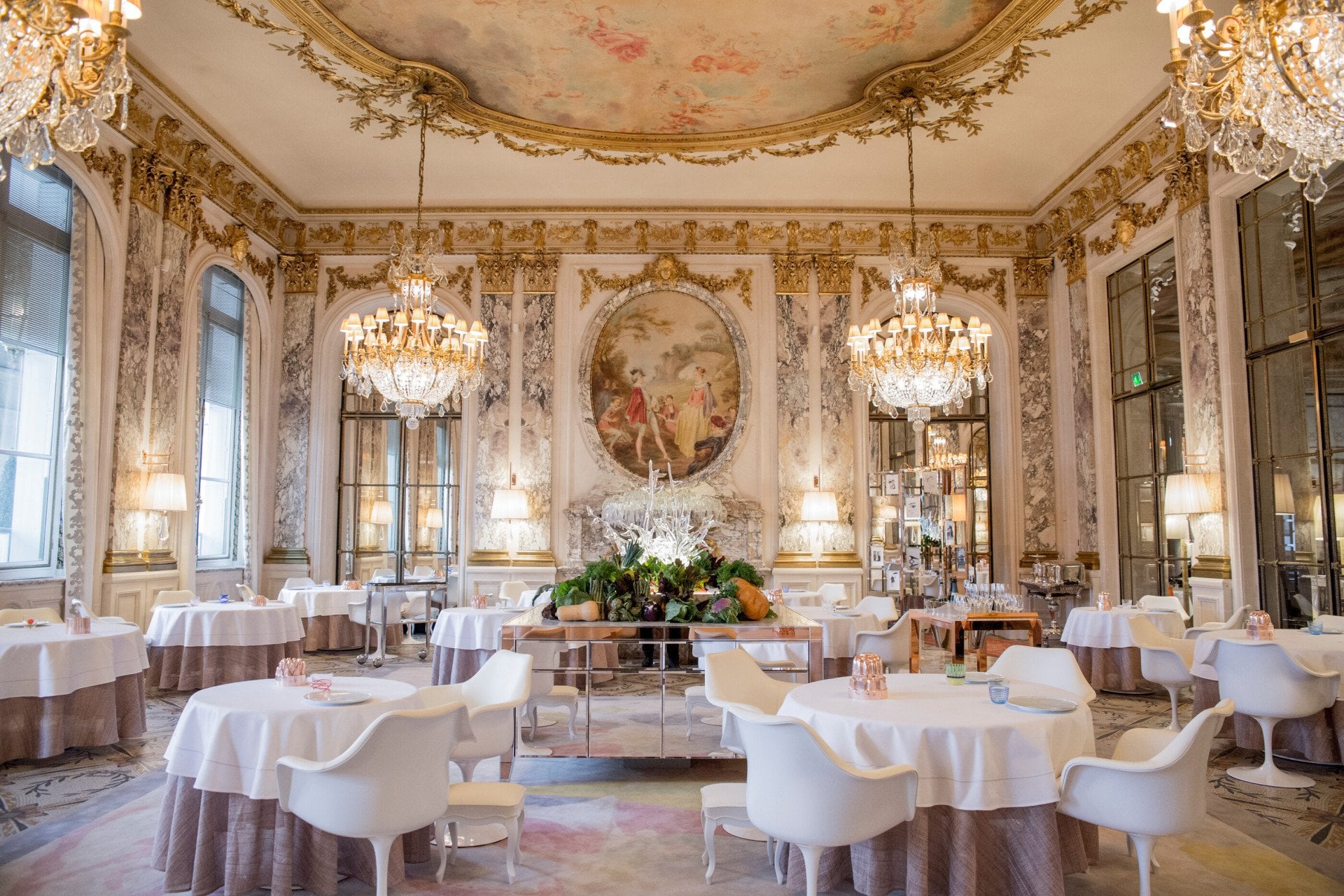
Bars in Paris
Browse all →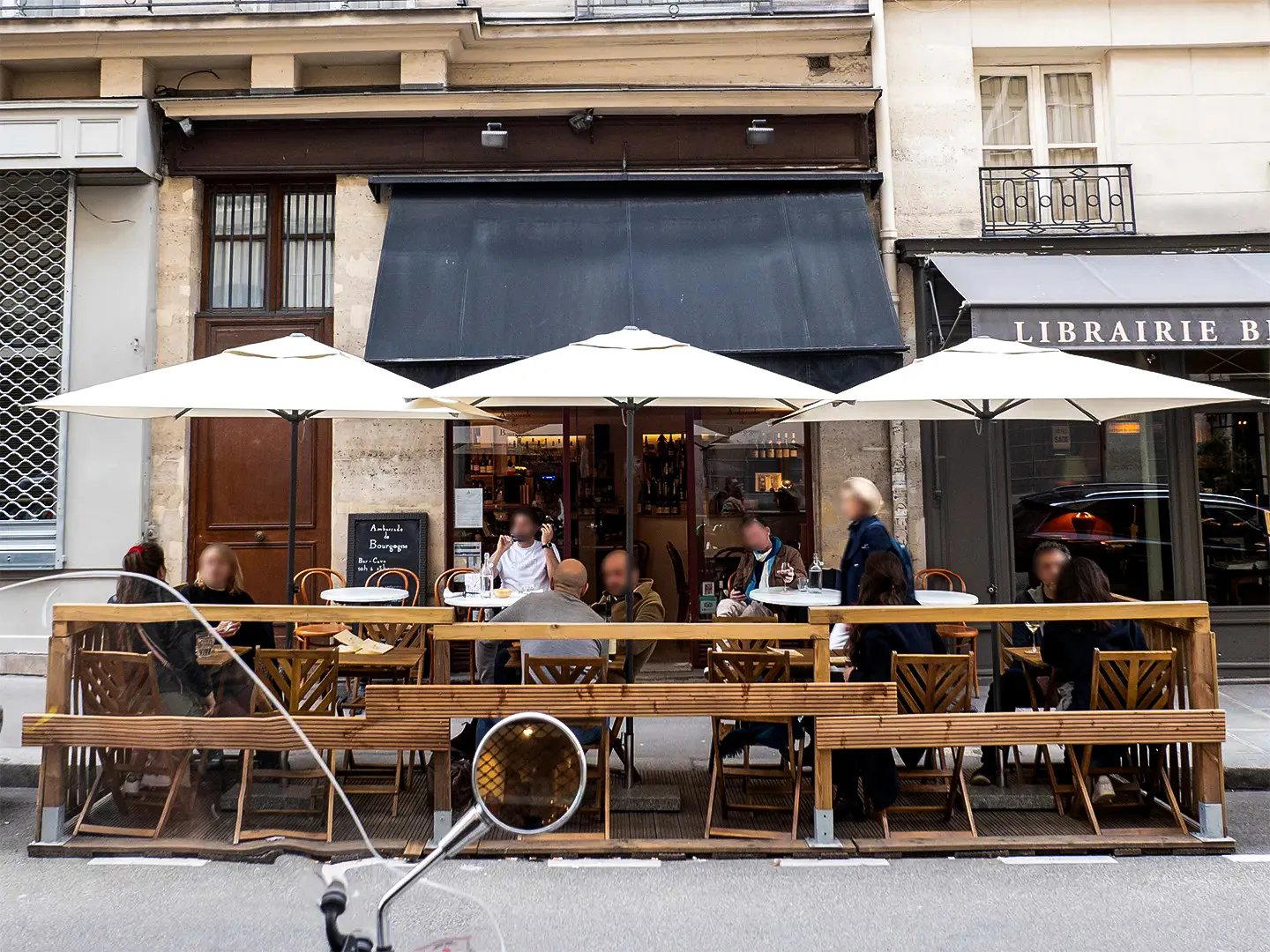
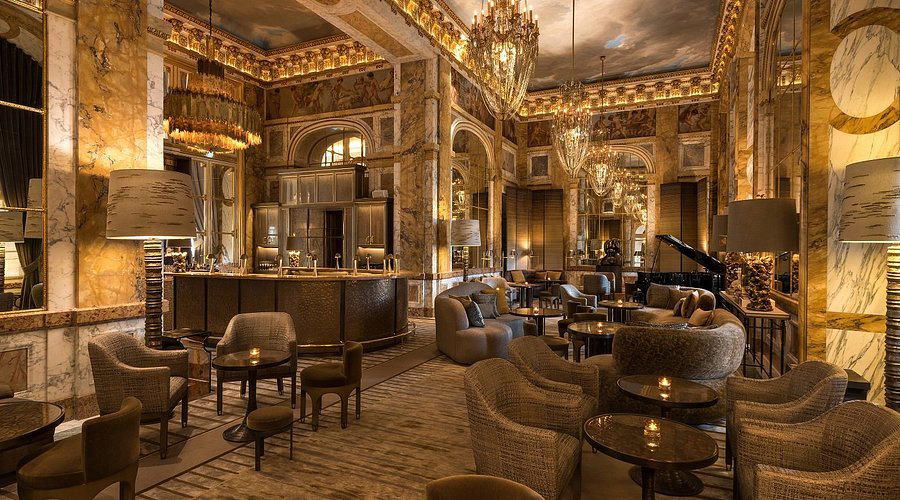
Hotels in Paris
Browse all →
At a Glance
- Elegant
- Classic
- Sophisticated
- Romantic
- Date Night
- Business Dinner
- Group Dining
- Celebration
- Special Occasion
- Terrace
- Historic Building
- Design Destination
- Extensive Wine List
- Craft Cocktails
- Local Sourcing
Current opening hours
- Monday
- 7 AM–8 PM
- Tuesday
- 7 AM–8 PM
- Wednesday
- 7 AM–8 PM
- Thursday
- 7 AM–8 PM
- Friday
- 7 AM–8 PM
- Saturday
- 7 AM–8 PM
- Sunday
- 7 AM–8 PM
Hours can change for holidays and private events. Last verified .
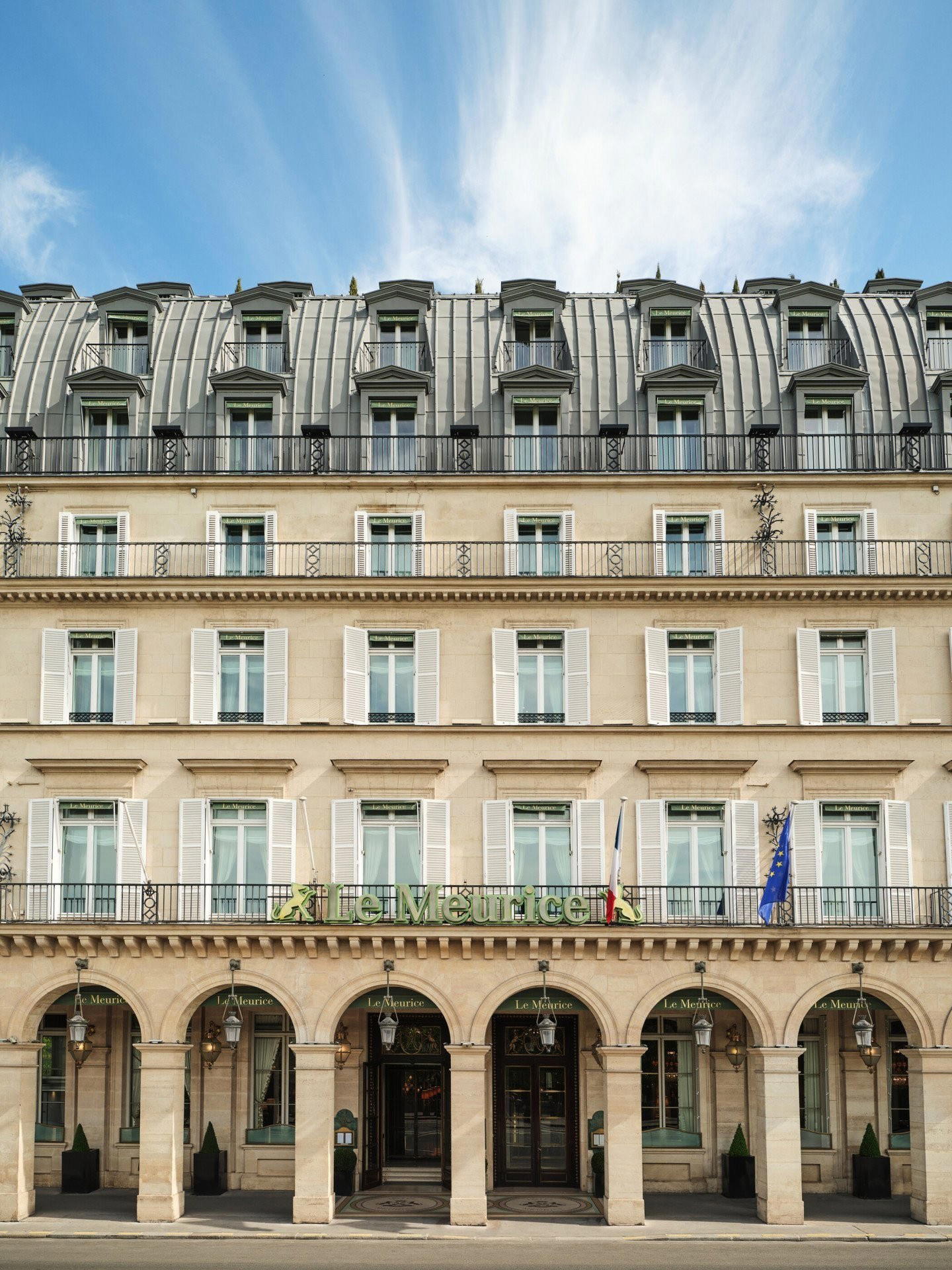
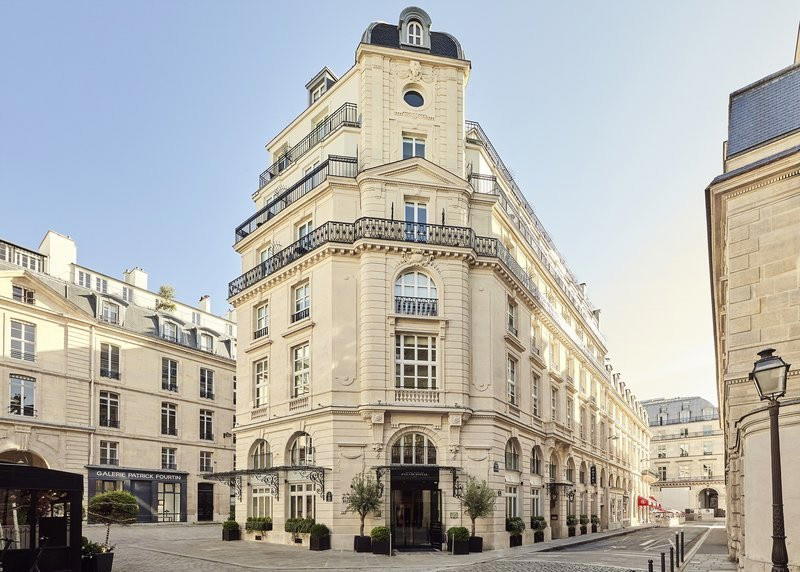
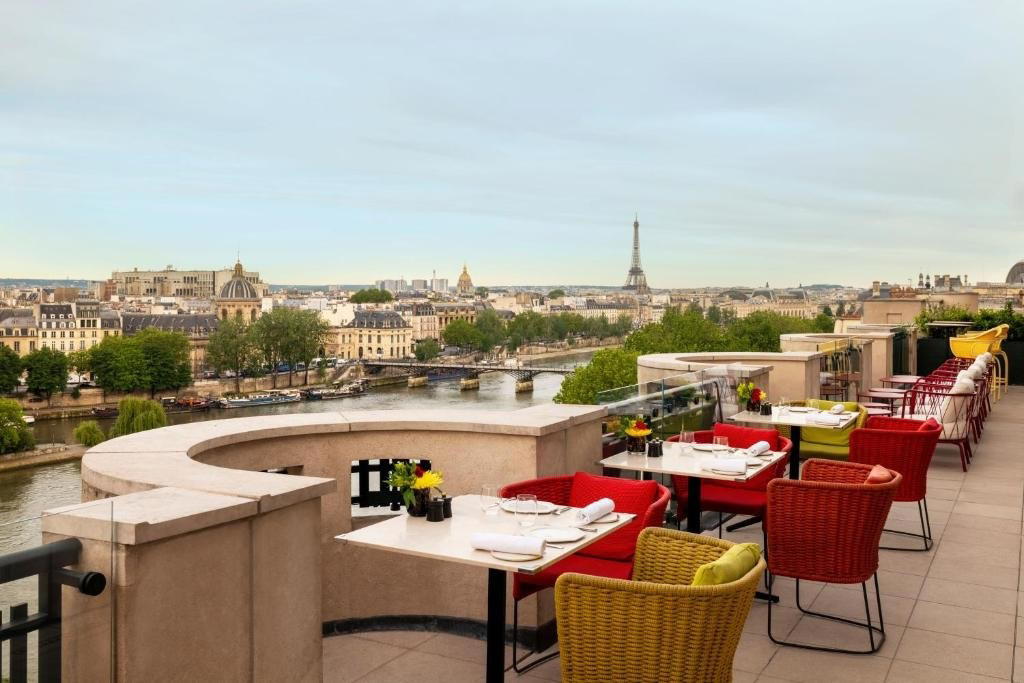
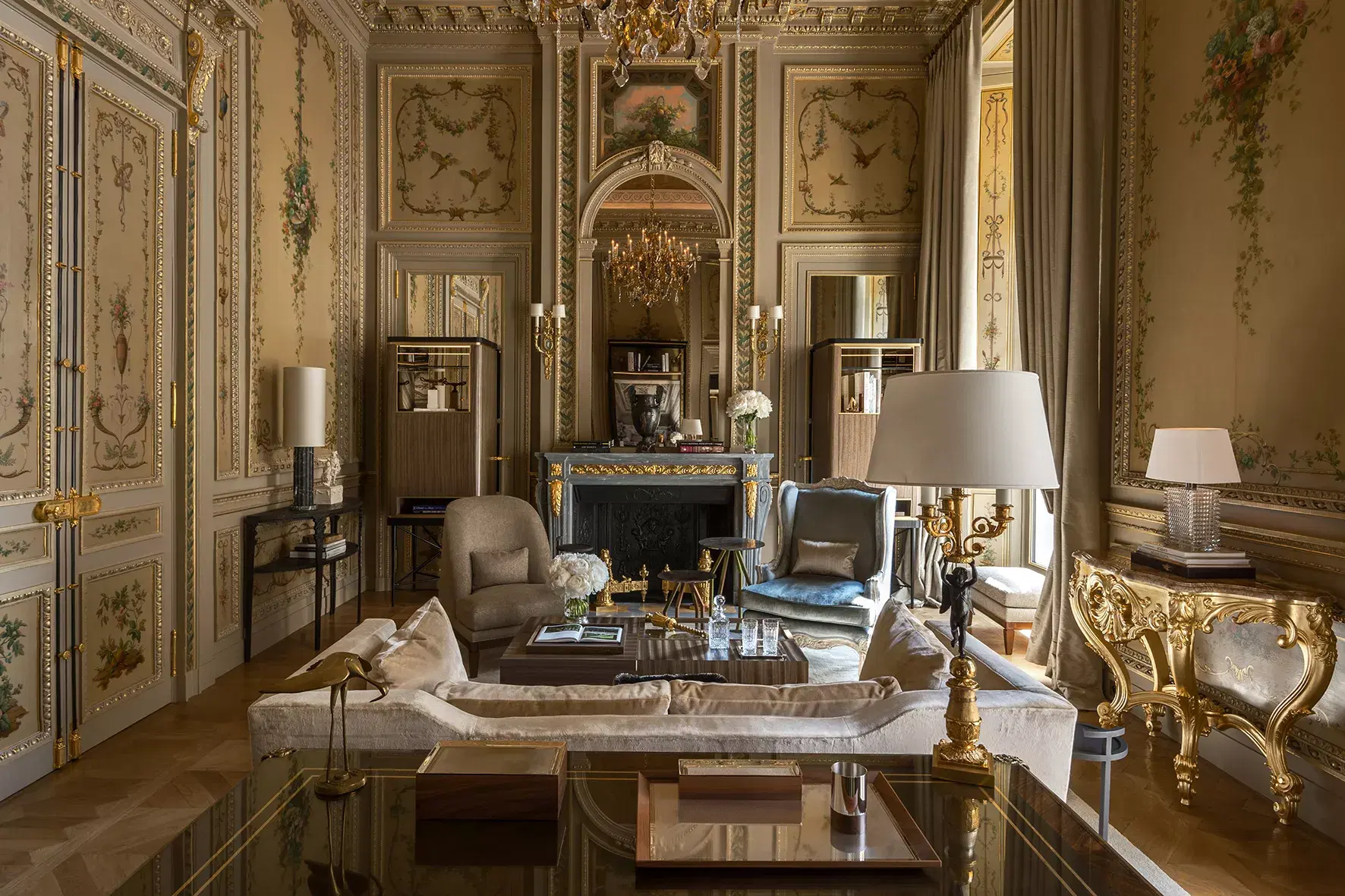
Refined, sophisticated Parisian atmosphere with a mix of contemporary and classic bistro settings; covered terraces during pleasant weather.