Le Bruegel sits on Bergues' central market square, a Flemish-walled town in French Flanders that draws more day-trippers from Dunkirk than international visitors. The setting alone makes it worth understanding: medieval brickwork, a weekly market, and the kind of provincial French dining room that larger cities have largely lost to concept restaurants. Refer to our full guide for context on eating well in this corner of the Nord.
Pearl is the En Primeur Club membership app — saves, bookings, and concierge access live there. Same editors, same standards.
- Address
- 1 Pl. du Marché aux Fromages, 59380 Bergues, France
- Phone
- +33328681919
- Website
- lebruegel.com
- Directions
- Get directions
 Saves & bookings on Pearl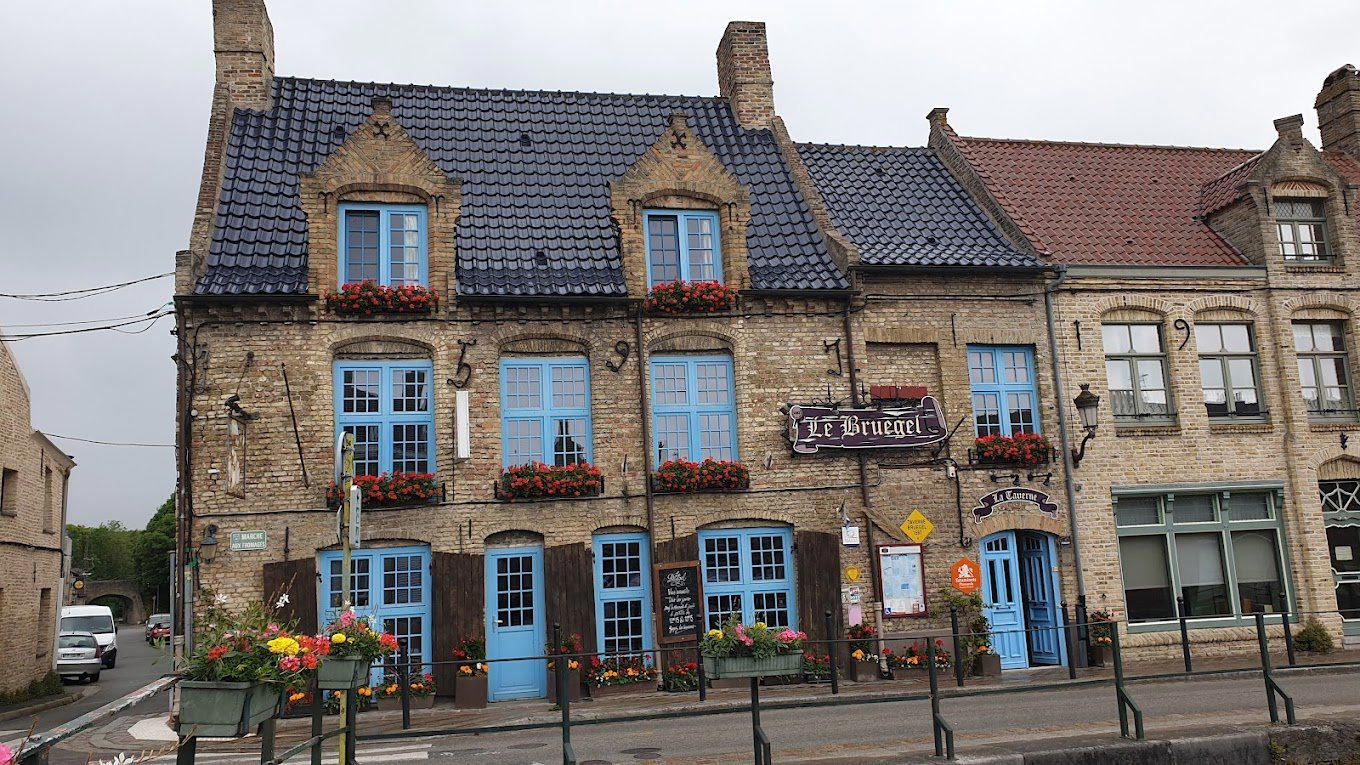
Place du Marché aux Fromages: Where Flemish Flanders Sets the Table
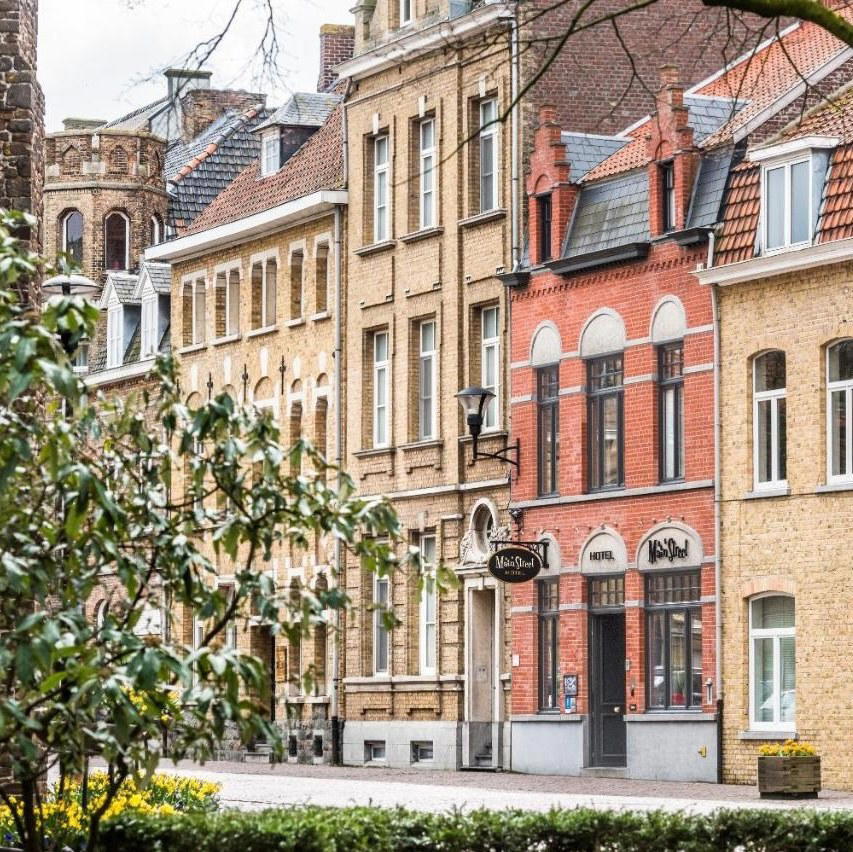
The square outside Le Bruegel is a good place to start. Bergues is a fortified market town roughly 10 kilometres south of Dunkirk, encircled by Vauban-era ramparts that have kept its centre largely intact and its tourism relatively contained. The Cheese Market square, Place du Marché aux Fromages, gives the address its character before you ever open a door: cobblestones, a belfry on the skyline, and the kind of provincial market geometry that has organised French commercial and culinary life for centuries. In that setting, a restaurant named after Pieter Bruegel the Elder is not an arbitrary choice. Flemish cultural identity runs through this part of Nord-Pas-de-Calais in ways that distinguish it sharply from the rest of metropolitan France, and the dining that has historically taken root here reflects that geography as much as any administrative border.
Le Bruegel occupies that address, 1 Place du Marché aux Fromages, in a town that most French food writing overlooks in favour of Lille, 40 kilometres southeast, or the coastal kitchens around Boulogne-sur-Mer. That oversight is partly structural: Bergues functions more as a cultural detour than a dining destination in its own right. For readers calibrating expectations against starred French rooms like Alléno Paris au Pavillon Ledoyen, Mirazur in Menton, or Flocons de Sel in Megève, Le Bruegel operates in a different register entirely, regional rather than destination, rooted rather than ambitious in the contemporary tasting-menu sense.
The Ingredient Logic of French Flanders
What makes this corner of northern France interesting from a sourcing perspective is the agricultural density immediately surrounding it. The Nord department sits at the intersection of maritime and inland production: Maroilles cheese from the Avesnois, endive grown across the Flemish plain, high-quality chicory, and seafood landed at Dunkirk and Boulogne that rarely travels far before hitting a kitchen. The cooking tradition of French Flanders historically drew on all of this, not from any farm-to-table ideology, but from simple proximity. Before refrigerated transport restructured supply chains, a restaurant in Bergues ate what the region made, and that constraint produced a cuisine that is distinctly its own: Flemish stews, potjevleesch (a cold meat terrine set in jelly), carbonnade flamande, and preparations built around chicory, beer, and pork fat rather than olive oil and herbs.
Regional kitchens across France have navigated the tension between this kind of inherited local cooking and the pressure to modernise. In places like Laguiole, Bras resolved that tension by making terroir the intellectual engine of a three-star project. In Alsace, Au Crocodile in Strasbourg and Auberge de l'Ill in Illhaeusern built lasting institutions around regional identity at the fine dining tier. Northern France has produced fewer equivalents at that level, which means that sourcing integrity in this area tends to live in smaller, less celebrated rooms, places where the Maroilles actually comes from a local affineur and the moules arrive from Boulogne rather than a central warehouse.
What the address and cultural context suggest is that a restaurant on Bergues' market square, in a town with this kind of agricultural and maritime adjacency, is operating within a tradition where local supply is the default, not the marketing angle. That is meaningfully different from restaurants in larger French cities where local sourcing is a choice that requires explicit kitchen infrastructure to execute.
Bergues as a Dining Context
Bergues achieved unexpected international recognition through the 2008 French comedy film Bienvenue chez les Ch'tis, which was set here and became one of the highest-grossing French films ever made. That visibility shifted the town into a modest but real tourist circuit, which in turn supports a small cluster of restaurants and cafés on and around the central square. The dining offer is not deep by the standards of French regional cities, but it is coherent: this is a town where lunch service matters, where the weekly market still shapes what kitchens serve, and where the pace is provincial in a way that cities like Lille have largely traded away.
For readers building a northern France itinerary that also includes coastal kitchens, it is worth noting that the fishing port infrastructure at Boulogne-sur-Mer, the largest fresh fish market in France, is within driving range. Restaurants working with that supply chain, whether in Bergues or further along the coast, have access to the same catches that reach ambitious tables like Christopher Coutanceau in La Rochelle or La Marine in Noirmoutier, even if the cooking register is entirely different. That geographic fact is worth holding in mind when thinking about what a northern French kitchen in this area can plausibly put on a plate.
Readers planning broader French itineraries that include more elaborately credentialled rooms, Assiette Champenoise in Reims, Auberge du Vieux Puits in Fontjoncouse, or L'Oustau de Baumanière in Les Baux, will find Bergues operates at a different scale and ambition level. The comparison is not a criticism. Provincial market-town restaurants serve a purpose that three-star rooms do not, and strong examples among them do it with a specificity of place that is harder to manufacture than a tasting menu format.
Planning a Visit
Bergues is most directly reached from Dunkirk, approximately 10 kilometres to the north, or by road from Lille (around 60 kilometres). The town is compact and walkable within the ramparts. Reservations are recommended, and the restaurant is open Monday and Tuesday, and Friday through Sunday, from 12:15 to 2 PM and 7:15 to 9:30 PM. Market days in the town centre provide the strongest argument for a lunch visit, when local produce is immediately visible in the square and the rhythm of the town is at its most characteristic.
Comparable Spots, Quickly
Comparable venues nearby, for context on price, style, and recognition.
| Venue | Cuisine | Price | Notes |
|---|---|---|---|
| Le BruegelThis venue — the venue you are viewing | Traditional Flemish Regional Cuisine | $$ | Not listed |
| La Taverne du Westhoek | Traditional Flemish French | $$ | Quaëdypre |
| La table de Cha' | Traditional French Bistro | $$ | Citadelle |
| Estaminet Flamand | Traditional Flemish French | $$ | city centre |
| le prévert | Traditional Northern French Estaminet | $$ | Centre-ville |
| Le Bistro du Port | Regional French Bistro | $$ | Port de Calais |

At a Glance
- Rustic
- Cozy
- Classic
- Lively
- Group Dining
- Casual Hangout
- Family
- Celebration
- Historic Building
- Private Dining
- Terrace
- Beer Program
- Local Sourcing
Current opening hours
- Monday
- 12:15–2 PM, 7:15–9:30 PM
- Tuesday
- 12:15–2 PM, 7:15–9:30 PM
- Wednesday
- Closed
- Thursday
- Closed
- Friday
- 12:15–2 PM, 7:15–9:30 PM
- Saturday
- 12:15–2 PM, 7:15–9:30 PM
- Sunday
- 12:15–2 PM, 7:15–9:30 PM
Hours can change for holidays and private events. Last verified .
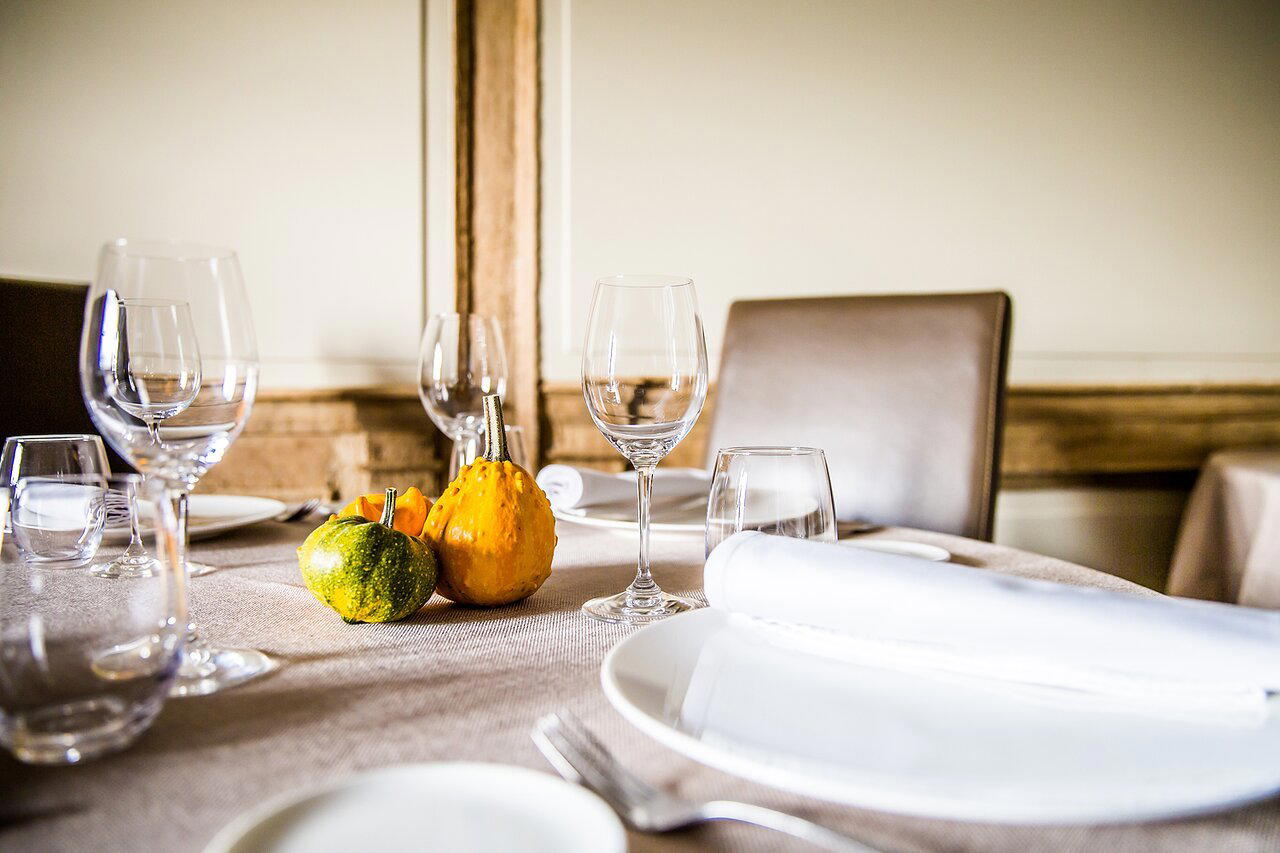
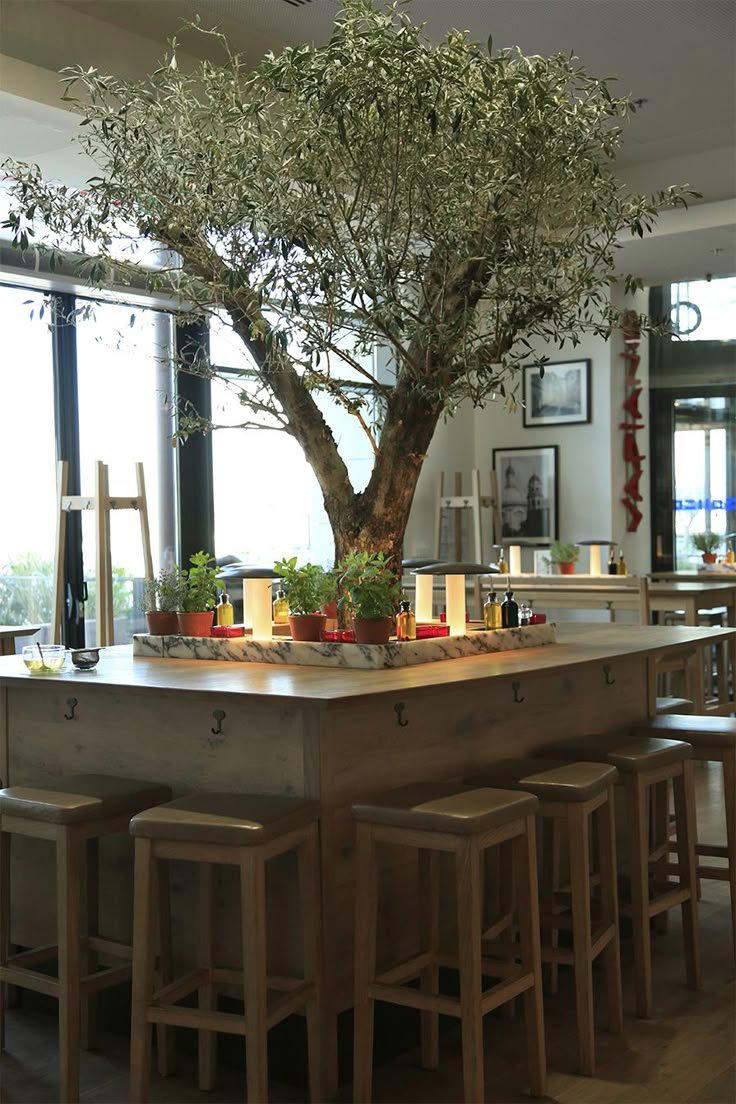
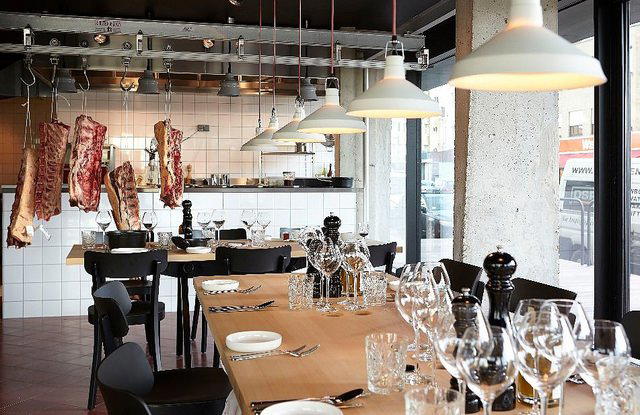
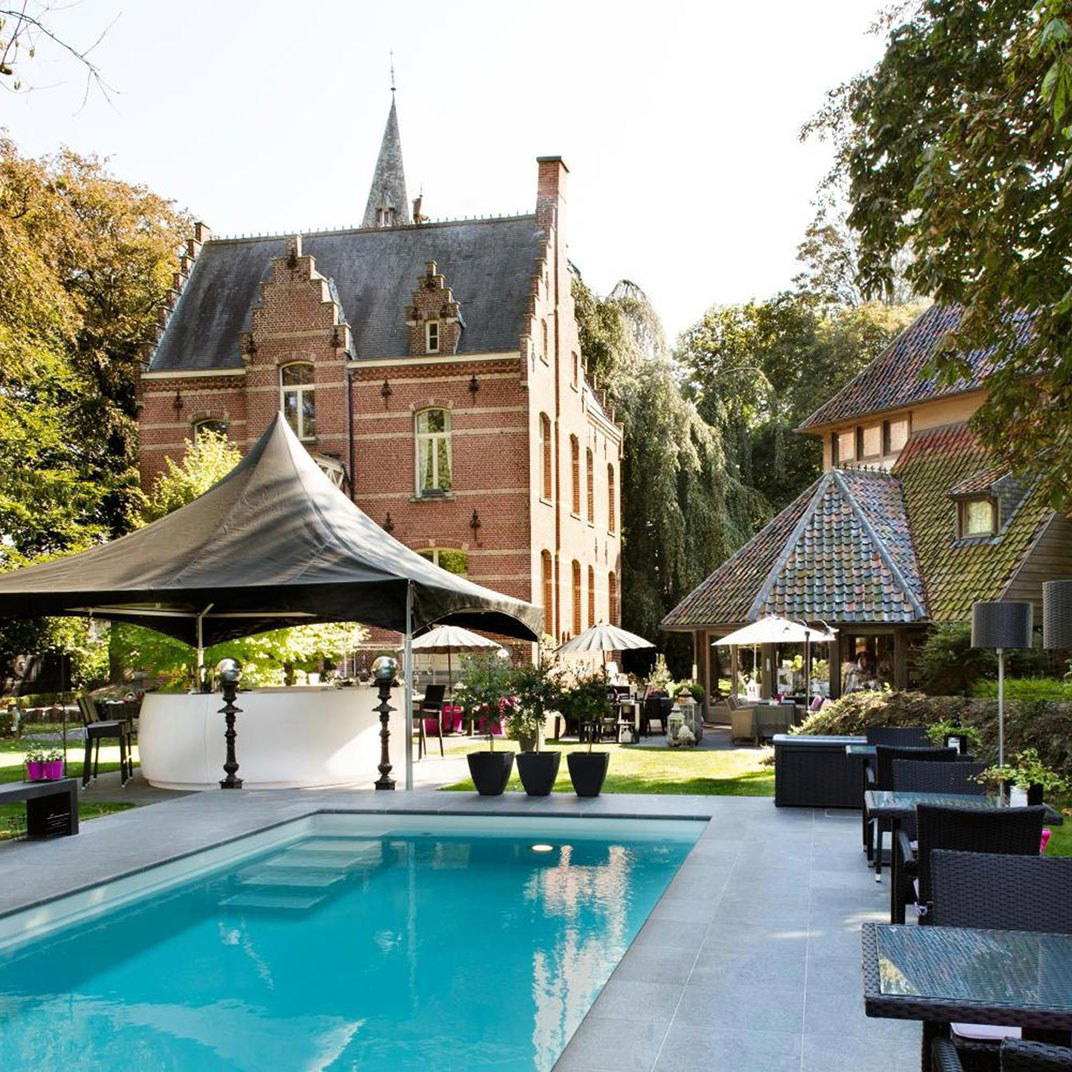
Warm, convivial atmosphere with long wooden tables, wooden flooring, stone pavements, and a wood-burning fireplace creating an intimate, traditional tavern ambiance that feels authentically local and welcoming.