A traditional Flemish estaminet in Dunkirk's port district, Estaminet Flamand occupies the kind of room that French coastal towns have built their communal identity around: dark wood, long tables, and a menu anchored in the beer-braised and slow-cooked traditions of French Flanders. For visitors tracing the region's distinct Franco-Belgian culinary heritage, it sits firmly on the local circuit alongside Renée and Le Gaston.
Pearl is the En Primeur Club membership app — saves, bookings, and concierge access live there. Same editors, same standards.
- Address
- 6 Rue des Fusiliers Marins, 59140 Dunkerque, France
- Phone
- +33328669835
- Website
- estaminetflamand-dk.fr
- Directions
- Get directions
 Saves & bookings on Pearl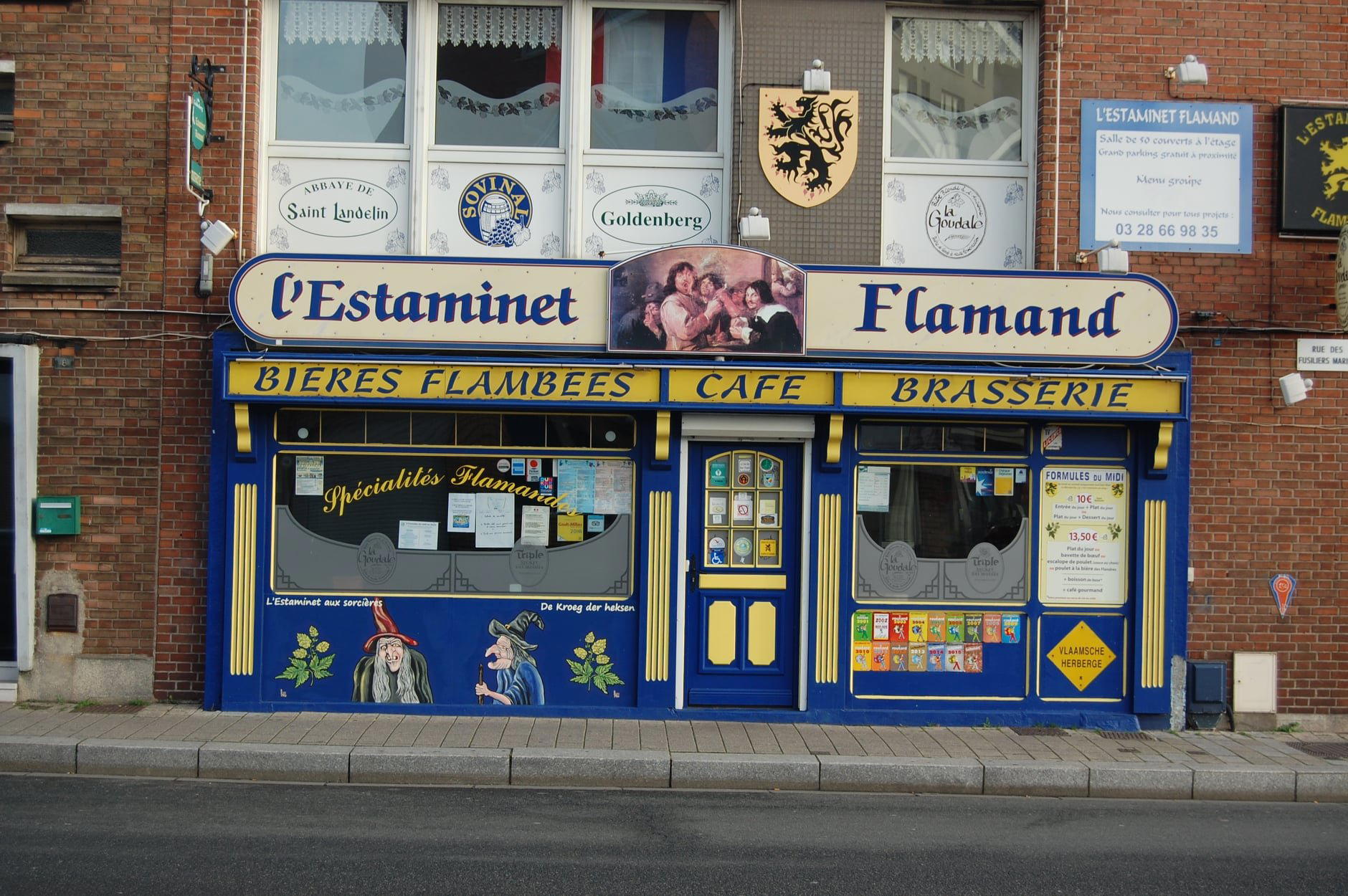
The Estaminet Tradition and What It Means in Dunkirk
The estaminet is not simply a restaurant category. In French Flanders and across the Belgian border, it is a civic institution: a communal room where work, beer, and slow food have coexisted for centuries. These spaces emerged as gathering points for textile workers, sailors, and later miners, and their cooking reflects that practical, abundant character. Carbonnade flamande, potjevleesch, waterzooi, hochepot, these are dishes built for cold weather and physical labour, given weight by local ales and long cooking times rather than refinement of technique.
Dunkirk sits at the northernmost edge of this tradition. The city's geography, a working port, a wartime history, and a cultural identity that has shifted between French and Flemish influence across centuries, gives its estaminets a specific character that differs from those further inland toward Lille or across the border toward Ghent. The proximity to the Channel also introduces a maritime dimension: the region's cooking pulls as readily from the sea as from the farm.
Estaminet Flamand, at 6 Rue des Fusiliers Marins in central Dunkirk, sits inside this tradition rather than performing it for tourists. The address itself carries a reference to the city's naval and port identity, and the room reads accordingly, the physical weight of exposed wood, inherited furniture, and a pace of service calibrated to long meals rather than quick covers. This is the format that estaminets have maintained across the region for generations, and Dunkirk's version of it carries the port city's particular sensibility.
A Regional Table in a Port City
The food traditions of the Nord-Pas-de-Calais region occupy a genuinely distinct position within French cuisine. While the country's critical attention tends to concentrate further south, at counters like Mirazur in Menton, the produce-driven grandeur of Bras in Laguiole, or the institutional weight of Paul Bocuse in Collonges-au-Mont-d'Or, northern France has its own culinary grammar, built around fermentation, preservation, ale cookery, and the kinds of dishes that only improve with time and generous portions.
That grammar is what an estaminet table serves. Where a gastronomic restaurant in Alsace like Auberge de l'Ill in Illhaeusern channels a century of regional haute cuisine, or a destination like Les Prés d'Eugénie in Eugénie-les-Bains operates within the spa-cuisine tradition of Gascony, the estaminet answers to different values entirely: directness, generosity, communality, and an honest relationship with the beer and grain culture that defines this corner of France.
For visitors arriving via Calais or the Channel Tunnel, Dunkirk's estaminets represent the first point of contact with a regional food tradition that most itineraries skip in favour of Paris or Lyon. That oversight is worth correcting. The city's dining scene, which includes contemporary addresses like Comme Vous Voulez and La table de Cha' alongside more casual formats such as Le Puzzle, covers a range of approaches to northern French cooking. The estaminet sits at the cultural core of that range.
The Room and the Rhythm
Approaching Estaminet Flamand from Rue des Fusiliers Marins, the building signals its identity before you reach the door. The exterior vocabulary of a traditional estaminet, modest frontage, practical signage, a room that faces inward rather than performing for the street, is the norm for this format across the region. Inside, the conventions are consistent: furniture with age and wear, table settings without ceremony, and a noise level that assumes conversation rather than quiet contemplation.
The rhythm of service in an estaminet is slower than a brasserie and less structured than a formal restaurant. Meals run long not by design but by custom, and the expectation is that the table is yours for the duration. Beer is the default pairing, regional ales from breweries like Brasserie des Deux Caps or imports from across the Belgian border, though the wine list, where it exists, tends toward the functional rather than the considered.
This format sits in sharp contrast to the tasting-menu model that defines France's most decorated addresses. Places like Alléno Paris au Pavillon Ledoyen or Flocons de Sel in Megève operate within a system of technical precision and portion restraint. The estaminet operates on opposite principles, and that contrast is part of what makes it a useful counterpoint for anyone working through France's full range of dining cultures.
Where It Sits in Dunkirk's Current Scene
Dunkirk's restaurant scene has developed across several distinct tiers in recent years. At one end, contemporary kitchens have built menus around local produce and modern French technique. At the other, traditional formats like the estaminet continue to anchor the city's food identity in its Flemish roots. Estaminet Flamand belongs to the latter tier, occupying a position on the local circuit alongside Renée and Le Gaston as addresses that represent the city's inherited rather than its developing identity.
That inherited identity is worth protecting. Dunkirk's Carnival, the largest street festival in France by some counts, running for weeks in late winter, gives the city a communal culture that has few equivalents in northern Europe, and the estaminet is the dining format that corresponds to it: loud, generous, and built for crowds rather than couples.
For visitors approaching the city through our full Dunkirk restaurants guide, the estaminet makes most sense as part of a broader itinerary rather than a destination meal in its own right. An afternoon spent at the port, followed by an early-evening table at Estaminet Flamand, followed by a later stop at one of the city's contemporary addresses, gives a more complete picture of where Dunkirk's food culture sits in 2025 than any single venue can offer alone.
Planning Your Visit
The restaurant is located at 6 Rue des Fusiliers Marins in central Dunkirk, within walking distance of the port and the main commercial centre. For visitors travelling by rail, Dunkirk station is served by connections from Lille, which in turn connects to Paris and the high-speed network. The drive from Calais takes roughly 45 minutes on the A16. Given that estaminets in this region tend to fill quickly at weekends and during the city's winter Carnival period (February through early March), arriving outside peak service times or confirming availability in advance is worth factoring into any visit. Hours and booking policies for the format typically follow traditional French lunch and dinner service, though confirmation is advisable during public holiday periods and the Carnival season.
Pricing, Compared
Comparable venues nearby, for context on price, style, and recognition.
| Venue | Cuisine | Price | Awards | Notes |
|---|---|---|---|---|
| Estaminet FlamandThis venue — the venue you are viewing | city centre, Traditional Flemish French | $$ | Not listed | Not listed |
| Comme Vous Voulez | Not listed | $$ | Not listed | Malo-les-Bains, Traditional French Bistro |
| La table de Cha' | Citadelle, Traditional French Bistro | $$ | Not listed | Not listed |
| Le Puzzle | Citadelle, Modern French Bistro | $$ | Not listed | Not listed |
| Le Gaston | Rosendael, French Bistronomic | $$ | Not listed | Not listed |
| Renée | Not listed | $$ | Michelin Plate | Dunkirk city center, Traditional French Farm-to-Table Brasserie |
Continue exploring
More in Dunkirk
Restaurants in Dunkirk
Browse all →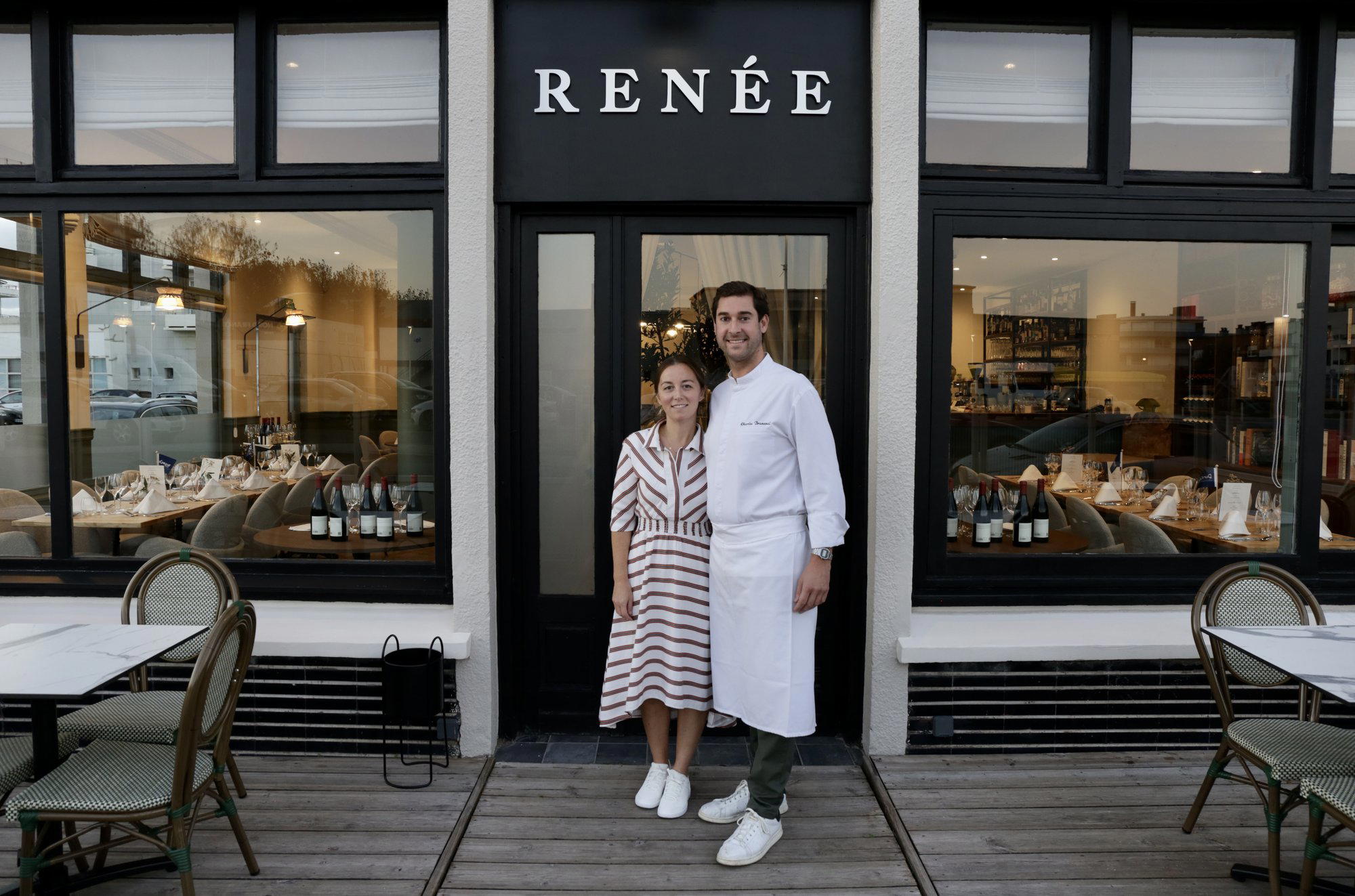
Hotels in Dunkirk
Browse all →
Wineries in Dunkirk
Browse all →
At a Glance
- Rustic
- Cozy
- Classic
- Casual Hangout
- Group Dining
- Family
- Historic Building
- Beer Program
Current opening hours
- Monday
- 7–11 PM
- Tuesday
- 11 AM–2 PM, 7–11 PM
- Wednesday
- 11 AM–2 PM, 7–11 PM
- Thursday
- 11 AM–2 PM
- Friday
- 11 AM–2 PM, 7–11 PM
- Saturday
- 11 AM–2 PM, 7 PM–12 AM
- Sunday
- Closed
Hours can change for holidays and private events. Last verified .
Retro abundant rustic decoration with witches hanging from the ceiling, antique furniture, and a convivial lively atmosphere evoking traditional Northern French spirit.