Our verdict
On Rue de la Comédie in Douai's historic centre, Le Prévert occupies the quieter end of the city's restaurant scene, where sourcing decisions and kitchen craft matter more than dining-room spectacle. The address places it within walking distance of the belfry quarter, making it a practical choice for visitors already exploring the city on foot. For context on the wider Douai dining picture, see our full city coverage.

Pearl is the En Primeur Club membership app — saves, bookings, and concierge access live there. Same editors, same standards.
- Address
- 28 Rue de la Comédie, 59500 Douai, France
- Phone
- +33327985951
- Hours
- Mon–Tue 12–2 PM, 6:45–10 PMWed 12–2 PMThu–Fri 12–2 PM, 6:45–10 PMSat 6:45–10 PMSun Closed
- Website
- le-prevert.eatbu.com
- Directions
- Get directions
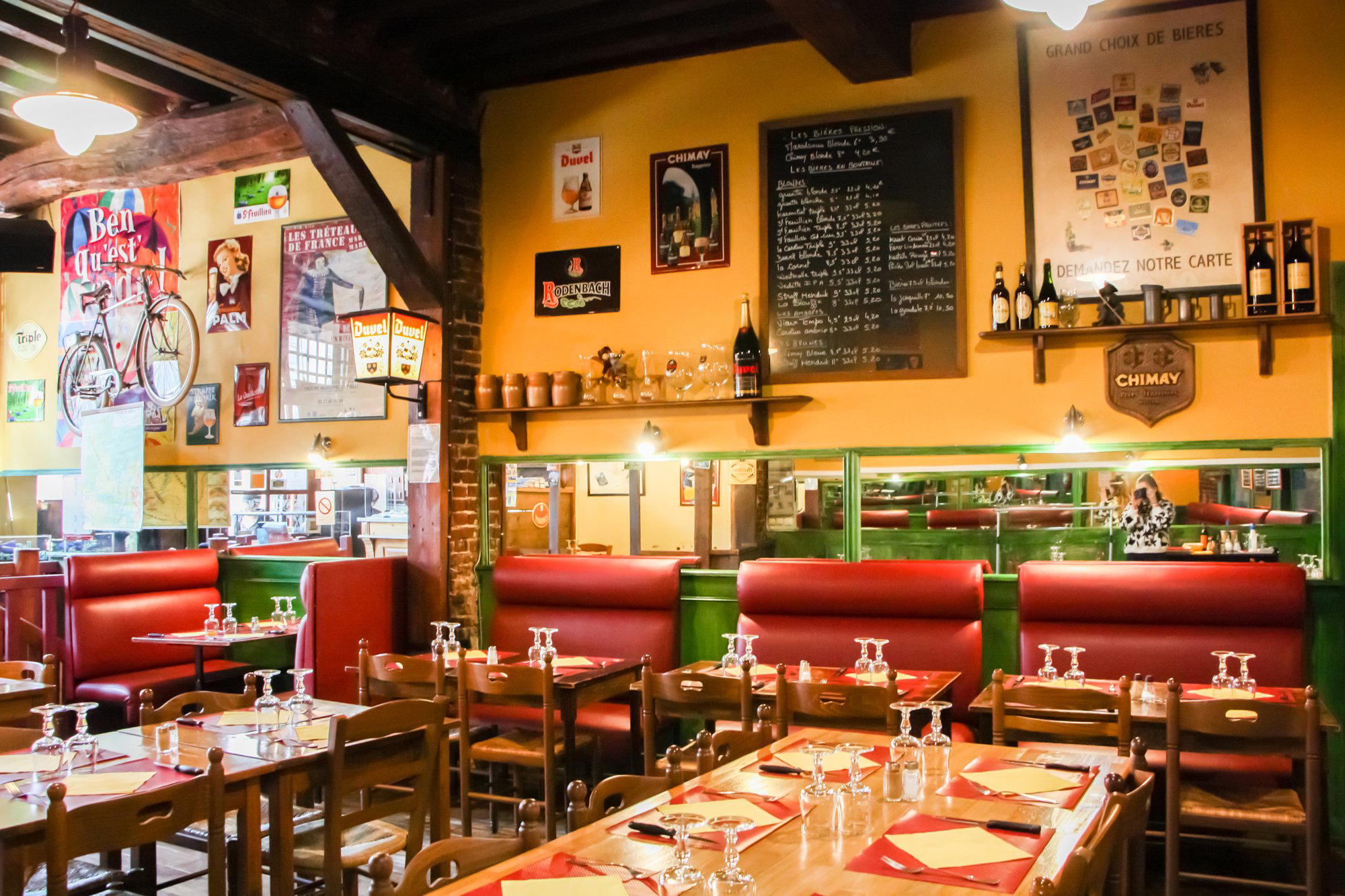
Where Douai's Sourcing-Conscious Dining Sits in the French North
Northern France's restaurant scene has never attracted the same critical attention as Paris or Lyon, but that gap has narrowed in recent years as chefs across the Hauts-de-France region have leaned into the productive agricultural belt running from Artois down through Cambrésis. The area supplies some of France's most consistent root vegetables, chicory, and freshwater fish, and restaurants willing to build menus around those materials rather than importing prestige ingredients from further south occupy a distinct and credible niche. Le Prévert, at 28 Rue de la Comédie in Douai, sits on that quieter, produce-oriented end of the local dining spectrum — the kind of address where the supply chain is as much a design choice as the décor.
Douai itself is a mid-sized town in the former coal belt, better known for its carillon and Flemish-influenced architecture than for its restaurants. The belfry quarter, a UNESCO World Heritage Site, draws day visitors from Lille (roughly 35 kilometres to the northwest) and Arras, but the town's dining scene remains compact and largely local in character. That insularity cuts both ways: it filters out the kind of tourist-facing formula cooking that dominates more visited destinations, while also meaning that ambitious kitchens here develop without much external pressure or recognition. Le Prévert's address on Rue de la Comédie places it near the cultural core of the old town, within walking distance of the main heritage sites.
The Address and What It Signals
Approaching from the Place d'Armes, Rue de la Comédie runs through a neighbourhood of 18th-century facades and narrow footways — the kind of streetscape that in France tends to house either tourist-trap brasseries or genuinely committed local restaurants, with little in between. Le Prévert falls into the latter category by location and apparent intent. The address alone signals that the kitchen is playing to a local clientele rather than a passing crowd, which in practice tends to correlate with shorter, more seasonal menus and stronger supplier relationships than you find in higher-footfall positions.
In a regional context, the comparable benchmark for produce-driven northern French cooking would be a step or two below the Michelin-starred rooms in nearby Reims, such as Assiette Champenoise, or the destination-level ambition of Mirazur in Menton. Le Prévert operates in a more everyday register, the neighbourhood restaurant that a Douai resident would recommend to a visiting friend rather than a place you'd travel three hours to reach. That's a meaningful distinction, not a criticism. France's most durable restaurant culture has always rested on this middle tier: technically grounded, ingredient-honest, and priced for regulars.
Ingredient Sourcing in the Hauts-de-France Context
The agricultural character of the region around Douai is worth understanding as context for any kitchen serious about local sourcing. The Cambrésis plain, which begins just southeast of the city, produces potatoes, sugar beet, and endive at scale, but smaller market gardens around Orchies and Marchiennes supply more varied produce to local restaurants willing to maintain direct relationships. Freshwater fish from the Scarpe river system have historically appeared in northern brasserie cooking, though supply is inconsistent by season. Flemish-influenced preparations, braised dishes, beer-based sauces, grain mustards from Meaux or closer producers, remain a coherent reference point for any kitchen operating in this culinary corridor between France and Belgium.
This is the sourcing logic that distinguishes the northern French kitchen from its more widely publicised counterparts in Burgundy or the southwest. Where Bras in Laguiole built a reputation on the specific flora of the Aubrac plateau, and Auberge du Vieux Puits in Fontjoncouse draws on Mediterranean garrigue and coastal produce, the northern kitchen works with a less glamorous but equally coherent material base: a cool-climate larder that rewards technical skill in preparation over the inherent flavour intensity of southern ingredients. A restaurant like Le Prévert, occupying a neighbourhood position in Douai, has practical access to that northern larder in ways that a higher-profile address might not prioritise.
Douai in the Wider French Dining Frame
For readers accustomed to France's more celebrated dining addresses, it is worth placing Douai on the map accurately. The city sits roughly equidistant between the three-star rooms of Alléno Paris au Pavillon Ledoyen to the south and the Flemish border to the north, in a zone that French gastronomy has historically treated as transit rather than destination. That is changing at the regional level: Lille's restaurant scene has developed considerably over the past decade, and secondary towns like Douai and Arras have begun to attract chefs interested in lower rents and stronger community ties. The pattern mirrors what happened in cities like Marseille, where AM par Alexandre Mazzia demonstrated that serious cooking could flourish outside the capital's orbit.
Within Douai specifically, the nearest comparable in terms of positioning would be La Table des Échevins, which operates in the modern cuisine register and represents a different point on the local ambition spectrum. The two addresses give the city a modest but real range for visitors spending more than a single day. For a fuller picture of where Le Prévert sits among all of Douai's options, our full Douai restaurants guide maps the scene across price tiers and styles.
Further afield, the French kitchen's most sustained tradition of produce-rooted, terroir-specific cooking runs through addresses like Troisgros in Ouches, Auberge de l'Ill in Illhaeusern, Flocons de Sel in Megève, Paul Bocuse in Collonges-au-Mont-d'Or, Georges Blanc in Vonnas, Christopher Coutanceau in La Rochelle, L'Oustau de Baumanière in Les Baux, and Au Crocodile in Strasbourg. These are the institutional reference points against which regional restaurants are implicitly measured, even when, especially when, they are not trying to compete at that level. Beyond France, the sourcing-first ethos has parallels in internationally recognised rooms such as Le Bernardin in New York and Atomix in New York, where ingredient provenance anchors the entire dining proposition.
Planning a Visit
Le Prévert's address at 28 Rue de la Comédie in Douai's old town is direct to reach by public transport. Douai has its own TGV-connected train station with direct services from Lille-Flandres (approximately 25 minutes) and connections toward Paris. The Rue de la Comédie is a short walk from the station through the historic centre. Given the limited volume of detailed operational data currently available for this address, prospective visitors should verify hours and booking requirements directly before travelling, particularly outside peak local dining periods (Thursday through Saturday evenings tend to be the most reliable for neighbourhood restaurants of this type across northern France).
Frequently asked questions
Is le prévert suitable for children?
Neighbourhood restaurants in Douai's historic centre, at the price tier Le Prévert occupies on Rue de la Comédie, tend to be more tolerant of families than formal dining rooms. The setting is a civic-quarter street rather than a destination-dining address, which generally implies a relaxed atmosphere.
What kind of setting is le prévert?
Le Prévert sits at 28 Rue de la Comédie, a street running through Douai's 18th-century historic core, close to the city's cultural and civic quarter. The address positions it firmly in the neighbourhood restaurant category rather than the formal or destination-dining tier. Rue de la Comédie's narrow footways and period facades give the surrounding area a character distinct from the main Place d'Armes, a few minutes' walk away.
Does Le Prévert reflect the culinary traditions of northern France?
Douai sits in Hauts-de-France, a region with a culinary identity shaped by Flemish proximity, endive cultivation, and a tradition of hearty, ingredient-led cooking rooted in the Cambrésis agricultural plain. Any kitchen operating in Douai's neighbourhood restaurant tier is working within that context, whether through explicit reference to regional producers or through the seasonal rhythms those ingredients impose. Le Prévert's position on Rue de la Comédie, in the city's historic centre, places it within a dining scene increasingly attentive to that regional provenance.
What dish is le prévert famous for?
No specific signature dish has been documented for Le Prévert from verified sources. Given its location in Douai, within a region whose culinary identity draws on Flemish influence, cool-climate produce from the Cambrésis plain, and a strong tradition of brasserie-style cooking, the menu is likely grounded in northern French ingredients. For current dish information, checking directly with the restaurant is the most reliable approach.
Comparable Venues
Comparable venues nearby, for context on price, style, and recognition.
| Venue | Cuisine | Price | Awards | Notes |
|---|---|---|---|---|
| le prévertThis venue — the venue you are viewing | Traditional Northern French Estaminet | $20–30 | Not listed | Not listed |
| La Table des Échevins | Modern French Fine Dining | $100–150 | Michelin Plate | Centre-ville |
| Estaminet l'Ecole | Traditional Northern French Regional Cuisine | $20–30 | Not listed | Phalempin |
| Alex'ception | Regional French Bistro | $30–50 | Not listed | Raismes |
| L'O à la Bouche | French Traditional Bistro | $30–50 | Not listed | centre-ville |
| Ch'tite Brigitte | Northern French Estaminet | $20–30 | Not listed | Vieux Lille 4 |
Continue exploring
More in Douai
Restaurants in Douai
Browse all →
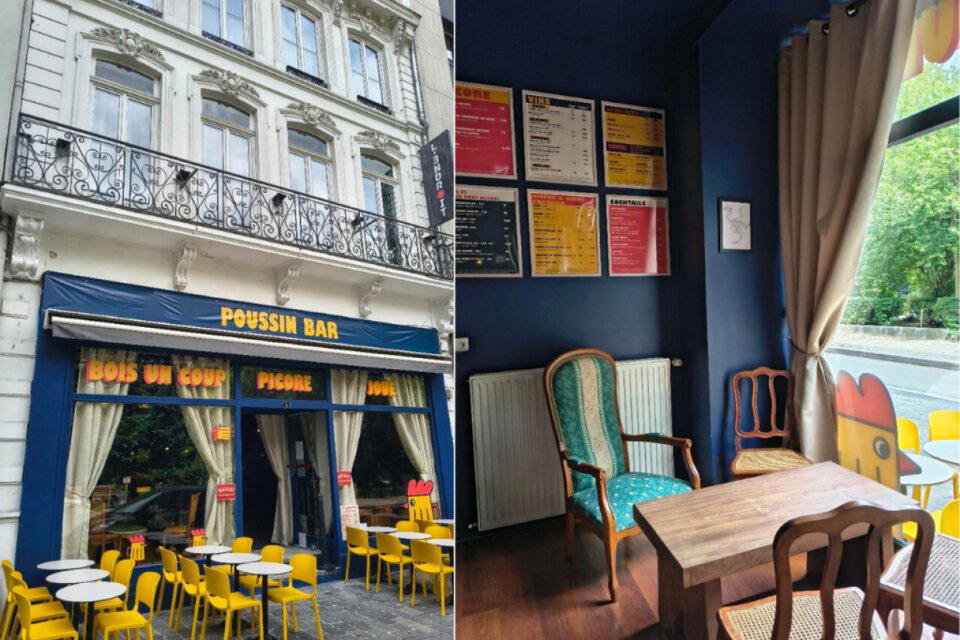
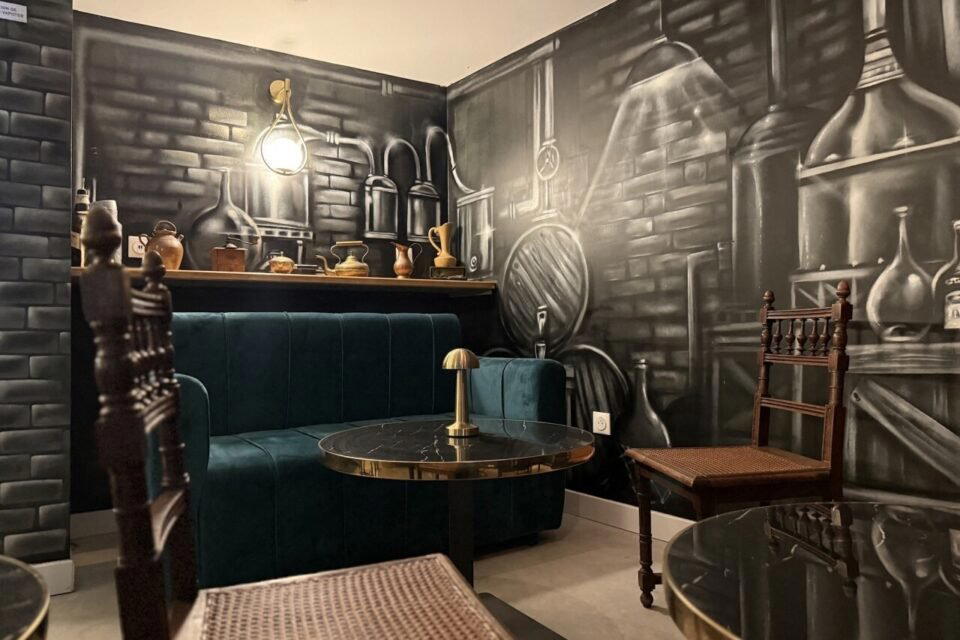
Bars in Douai
Browse all →
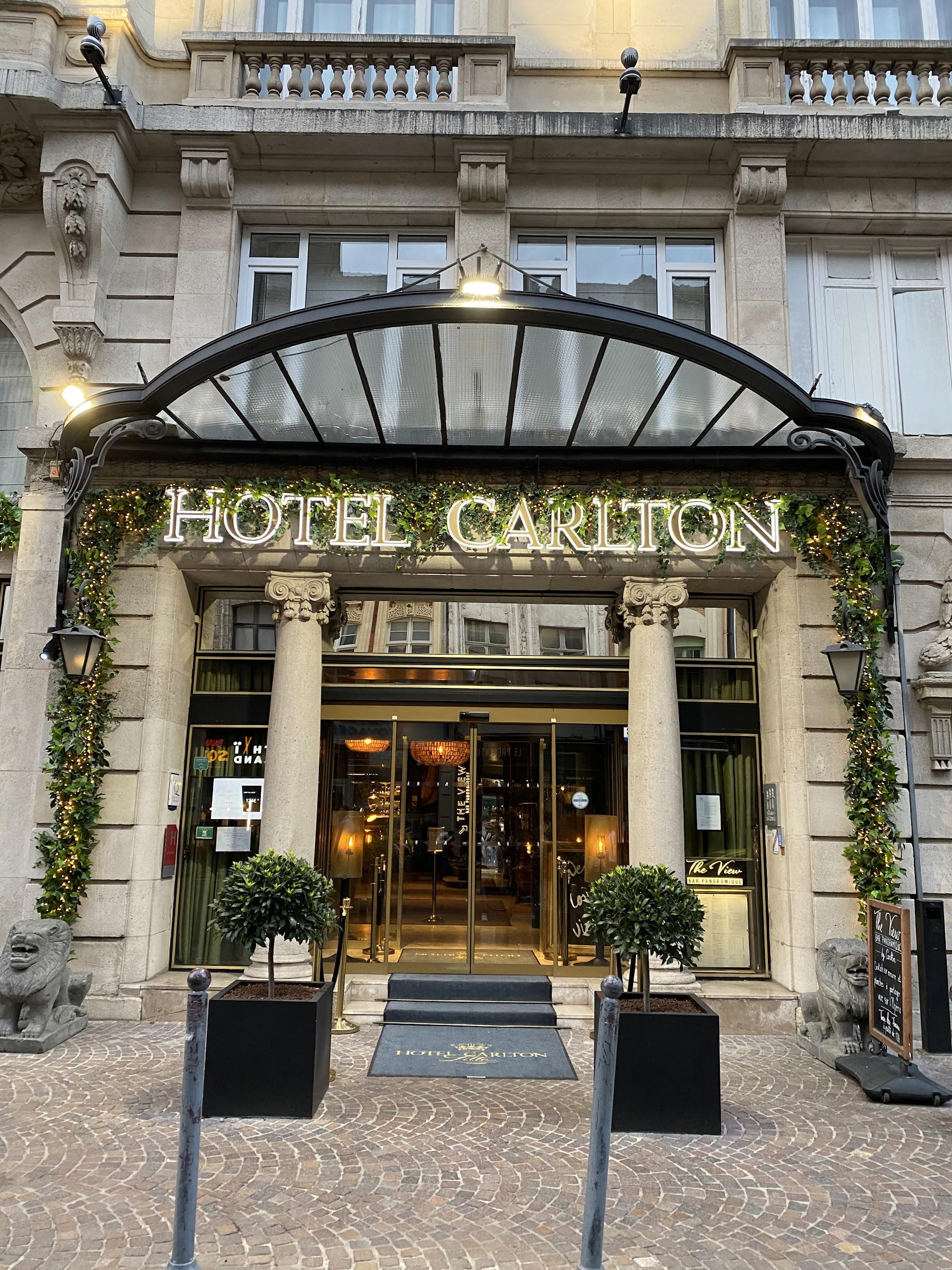
Hotels in Douai
Browse all →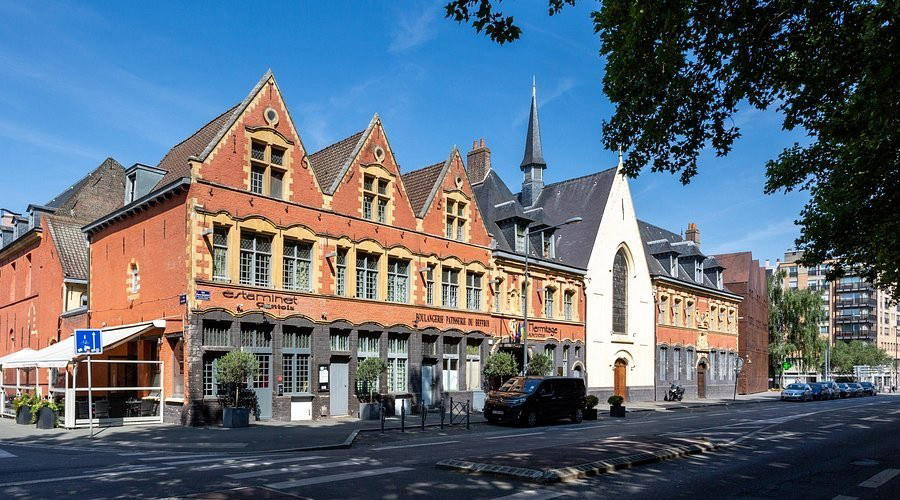

Wineries in Douai
Browse all →
Details
- Cozy
- Classic
- Intimate
- Casual Hangout
- Group Dining
- Historic Building
- Beer Program
- A La Carte
- Vegetarian Friendly
Current opening hours
- Monday
- 12–2 PM, 6:45–10 PM
- Tuesday
- 12–2 PM, 6:45–10 PM
- Wednesday
- 12–2 PM
- Thursday
- 12–2 PM, 6:45–10 PM
- Friday
- 12–2 PM, 6:45–10 PM
- Saturday
- 6:45–10 PM
- Sunday
- Closed
Hours can change for holidays and private events. Last verified .
Warm and hospitable estaminet ambiance with a cozy, traditional Northern French feel.