
Le Bouton d'Or holds consecutive Michelin Plate recognition (2024 and 2025) for its farm-to-table cooking on the Chaussée de Bruxelles in Casteau, a quiet stretch of Hainaut province that rarely draws destination diners. At the mid-range price point, it occupies a gap between casual Belgian brasseries and the €€€€ creative-French tier that dominates the region's award circuit.
Pearl is the En Primeur Club membership app — saves, bookings, and concierge access live there. Same editors, same standards.
- Address
- Chau. de Bruxelles 135, 7061 Soignies, Belgium
- Phone
- +32 65 72 36 27
- Website
- leboutondor.be
- Directions
- Get directions
 Saves & bookings on Pearl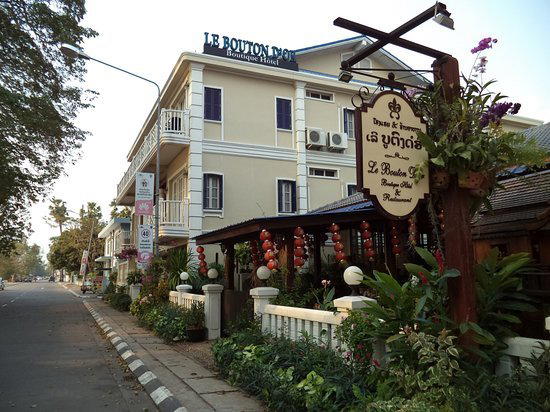
Where Hainaut Farmland Meets the Plate
The Chaussée de Bruxelles running through Casteau is not a road that announces itself as a dining destination. It is a provincial artery connecting Soignies to the outskirts of Mons, passing through the kind of flat, agricultural Hainaut countryside where the food on the table has historically been determined by what grows within a few kilometres. Le Bouton d'Or is a French-Belgian bistro in Soignies, Belgium, at the €€ price tier. The name itself, the buttercup, a meadow wildflower common to the pastures of this part of Belgium, signals an attachment to the land that precedes any chef's particular vision.
Farm-to-table cooking in Belgium exists on a spectrum that runs from genuine supply-chain rigour to loose branding. In Wallonia, where Le Bouton d'Or operates, the tradition leans toward the former: the province's mix of small polyculture farms, river-valley market gardens, and established cheesemaking communities gives kitchens genuine raw material to work with, not just a marketing frame. The restaurant is listed in the Michelin Guide's Plate category for 2024 and 2025.
How This Kitchen Fits Belgium's Award Tier
To place Le Bouton d'Or accurately, it helps to understand how the Michelin Plate functions in the Belgian context. The Plate, introduced by the Guide in 2016, marks restaurants serving food prepared to a consistent, inspector-approved standard without the additional complexity or ambition required for star consideration. In a country where starred dining sits at the €€€€ price point, operations like Boury in Roeselare, Zilte in Antwerp, and Hof van Cleve in Kruishoutem represent that bracket, the Plate category at the €€ price range serves a different function entirely. It identifies kitchens where quality cooking is accessible without the three-hour tasting-menu format or the prices that accompany it.
The restaurant's positioning at €€ while holding two consecutive Plate awards is the relevant data point here. Belgium's mid-price farm-to-table segment is thinner than it should be: most serious ingredient-led kitchens in the country have migrated upward in price as sourcing costs and kitchen labour have risen.
The Logic of Ingredient-Led Cooking in This Region
Hainaut's agricultural character shapes what farm-to-table means here. The province sits in Belgium's main cereal and beet-growing belt, but its smaller farms, particularly in the Botte du Hainaut to the south, produce a wider range of vegetables, heritage grains, and livestock products. The proximity to the French border also means access to the northern French supply networks that feed kitchens in Valenciennes and Lille, markets with a long tradition of direct farm-to-kitchen relationships.
For a kitchen committed to sourcing from this geography, the seasonal calendar matters considerably. Hainaut winters are grey and cold; the spring and summer produce cycle, when it arrives, is productive. A farm-to-table kitchen in this region will typically see its menu shift materially between February and June, and again between September and November, when root vegetables, game, and stored produce become the dominant raw materials. Diners visiting at different points in the year will encounter a substantially different plate.
This is a meaningful distinction from the kind of farm-to-table restaurant that maintains a fixed signature dish year-round. Comparable ingredient-driven operations elsewhere in Belgium, Willem Hiele in Oudenburg is one discussed in this tradition, have built reputations on the discipline of working only with what the season and the local supply allow. The restaurant operates in that same structural logic, though at a more accessible price point and in a less internationally profiled location.
Casteau and the Surrounding Dining Context
Casteau sits within the broader Soignies administrative area, roughly equidistant between Mons and Brussels. The town itself is modest; the NATO Supreme Headquarters Allied Powers Europe (SHAPE) is located nearby, which brings a steady international professional population to the area and creates demand for quality dining that a purely rural town would not generate. That demographic reality helps explain how a kitchen at the restaurant's level sustains itself in a location that would otherwise be considered off the destination-dining circuit.
The nearest comparable farm-to-table restaurant drawing serious Michelin attention in Belgian Hainaut is d'Eugénie à Emilie in Baudour, west of Mons, and L'Eau Vive in Arbre to the south, though the latter operates at the €€€€ price bracket and targets a different audience entirely. For visitors interested in how farm-sourced cooking functions at the accessible end of the market in this part of Belgium, the restaurant provides a reference point that neither of those tables occupies.
For broader regional context, those combining the visit with time in Brussels might also find Bozar Restaurant in Brussels a useful complement.
Planning the Visit
The restaurant is located at Chaussée de Bruxelles 135 in Soignies/Casteau. At the €€ price point, this is a table where a meal for two with wine should remain within reach of the mid-market budget. Booking ahead is advisable. The restaurant is closed Monday and Sunday, and serves Tuesday 7-9 PM, Wednesday 7-9 PM, Thursday 12-1:15 PM and 7-9 PM, Friday 12-1:15 PM and 7-9 PM, and Saturday 12-1:15 PM and 7-9 PM.
Fast Comparison
Comparable venues nearby, for context on price, style, and recognition.
| Venue | Cuisine | Price | Awards | Notes |
|---|---|---|---|---|
| Le Bouton d'OrThis venue — the venue you are viewing | French-Belgian Bistro | $$ | Michelin Plate | Not listed |
| Chez Duche | Classic French & Belgian Bistro | $$ | Michelin Plate | Charleroi |
| Bistro R | Modern French Bistro | $$$ | Michelin Plate | Nossegem |
| La Charcuterie | French Bistro with Mediterranean Influences | $$ | Bib Gourmand | Saint-Gilles |
| Mamy Louise | Franco-Belgian Brasserie with Italian Influences | $$ | Michelin Plate | Wavre |
| Émulsion | Bistronomic French | $$ | Bib Gourmand | Floriffoux |
Recognition history
Dated appearances from independent guides and award organizations, with the underlying list record or original source where available.
Michelin Plate
Michelin
Michelin Plate
Michelin
Michelin Plate
Michelin
Continue exploring
More in Casteau
Restaurants in Casteau
Browse all →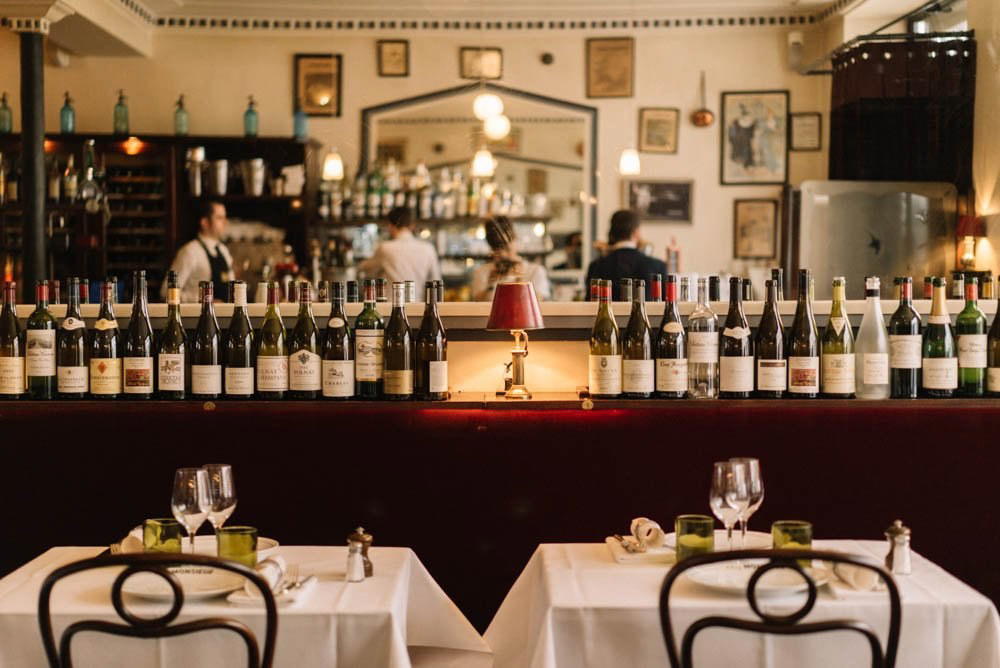
Bars in Casteau
Browse all →
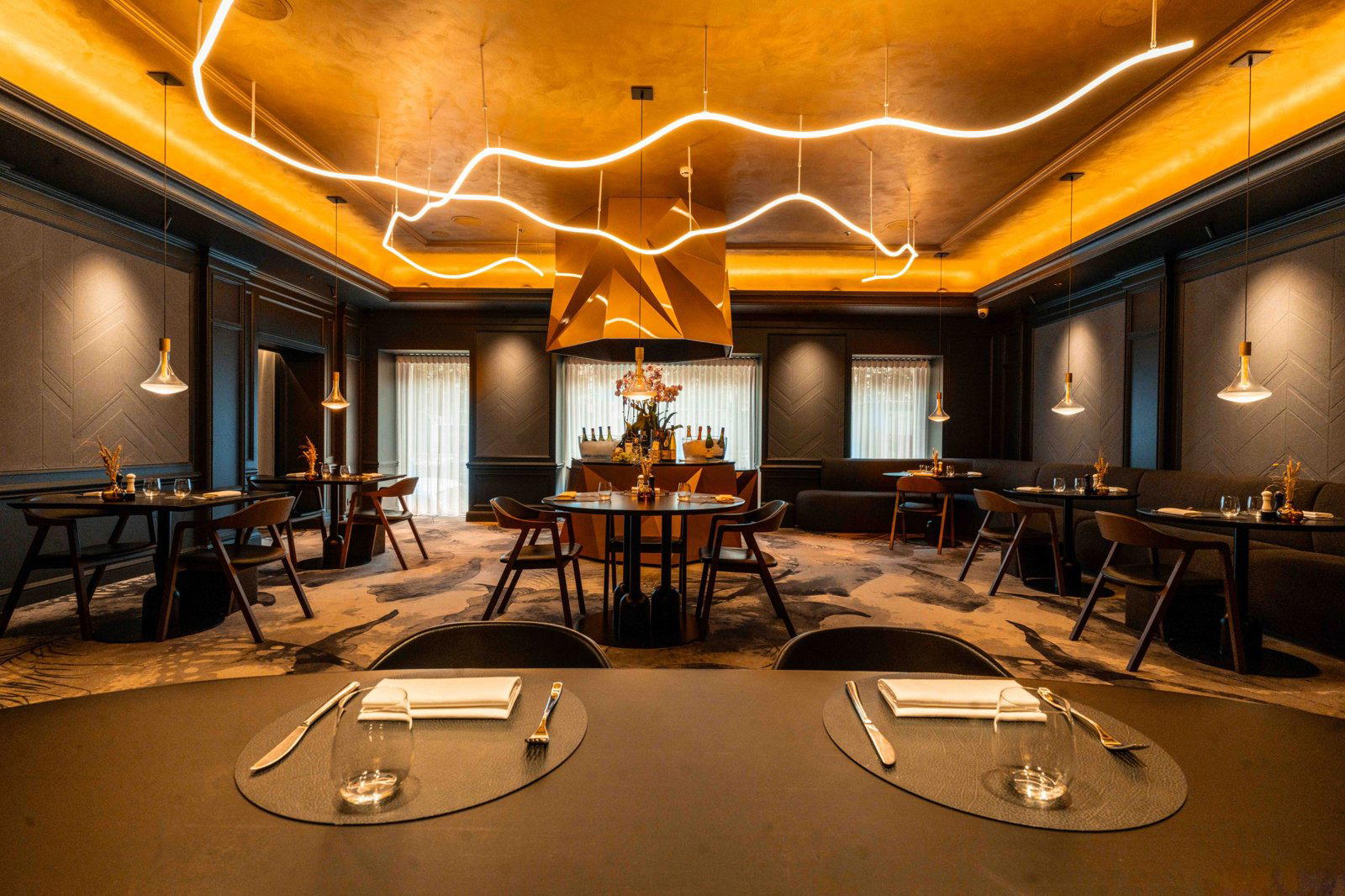
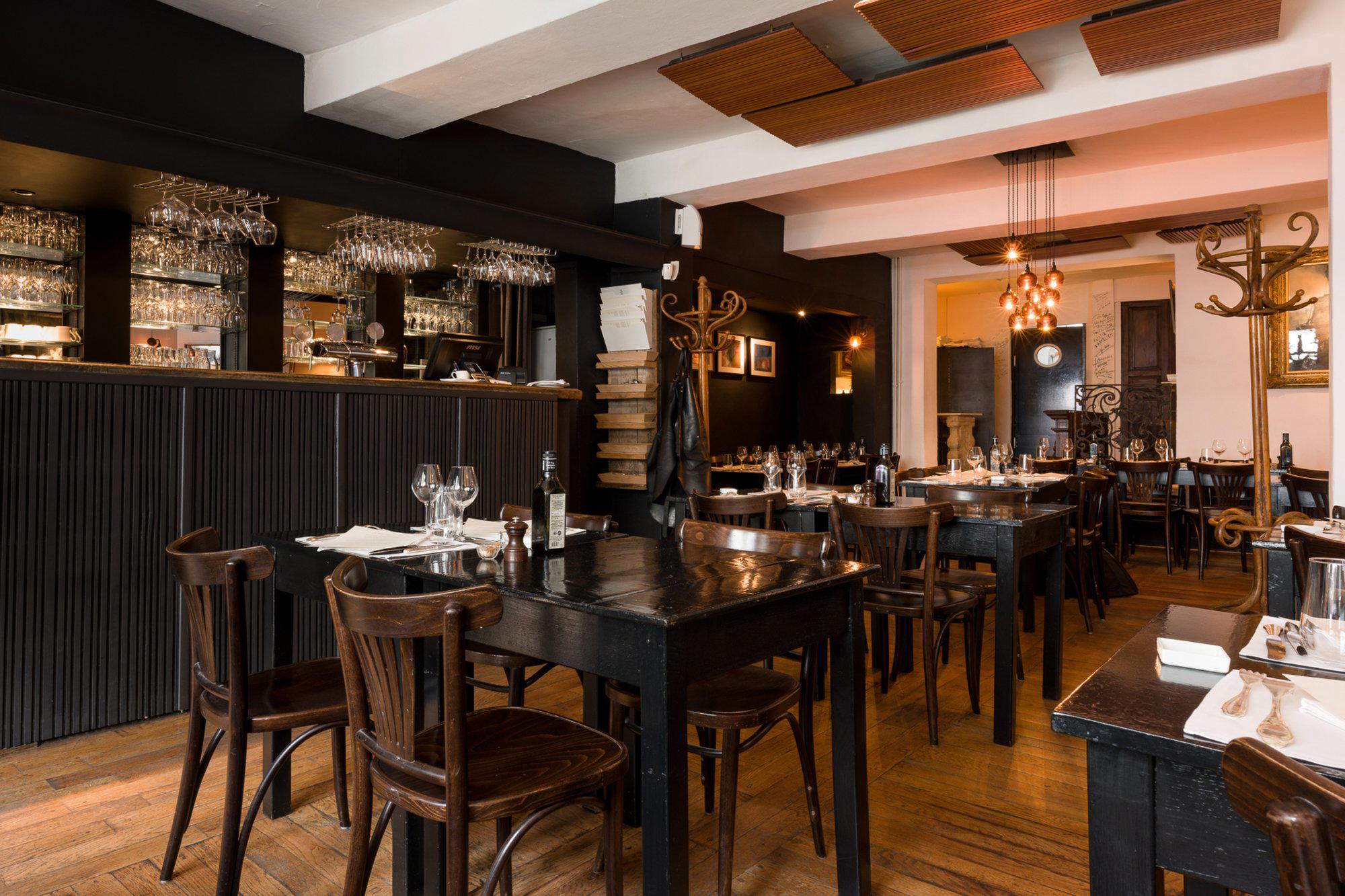
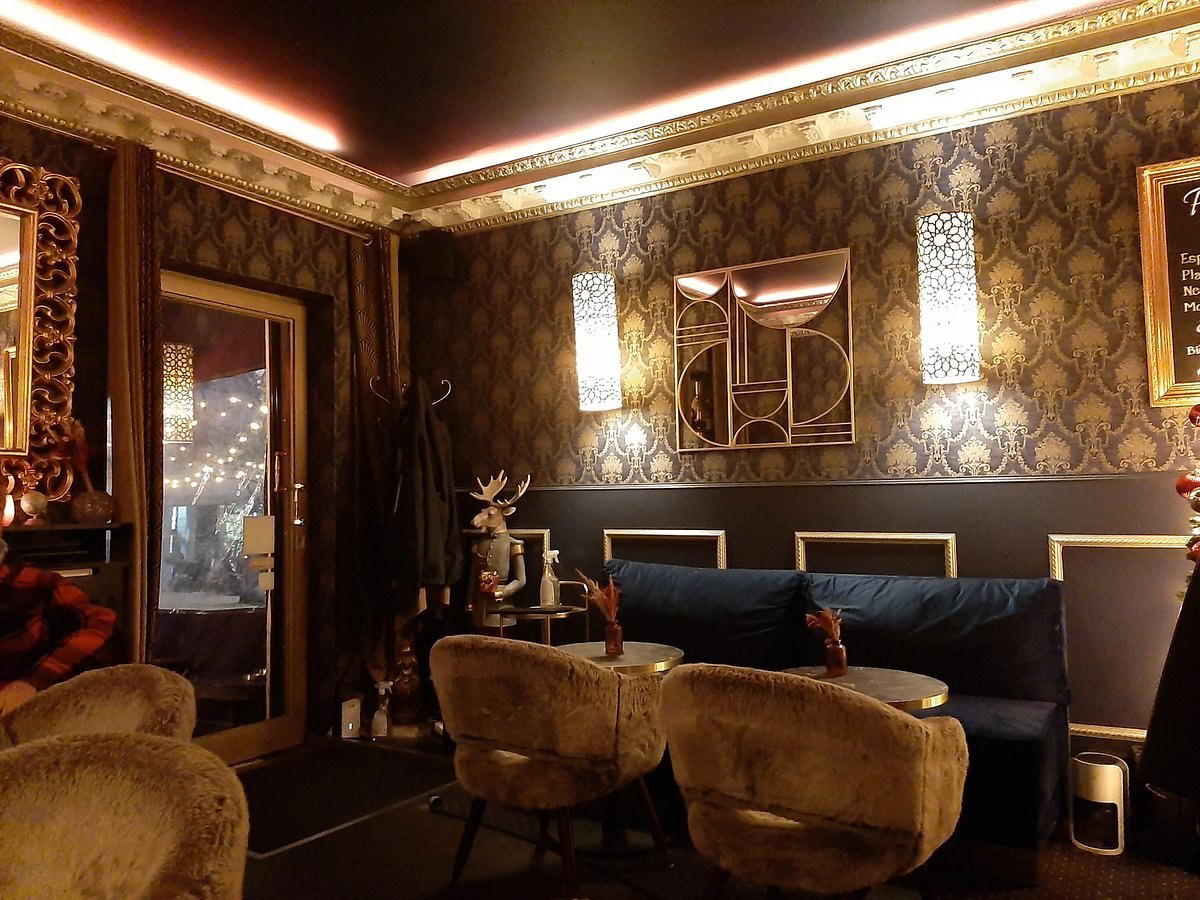
Hotels in Casteau
Browse all →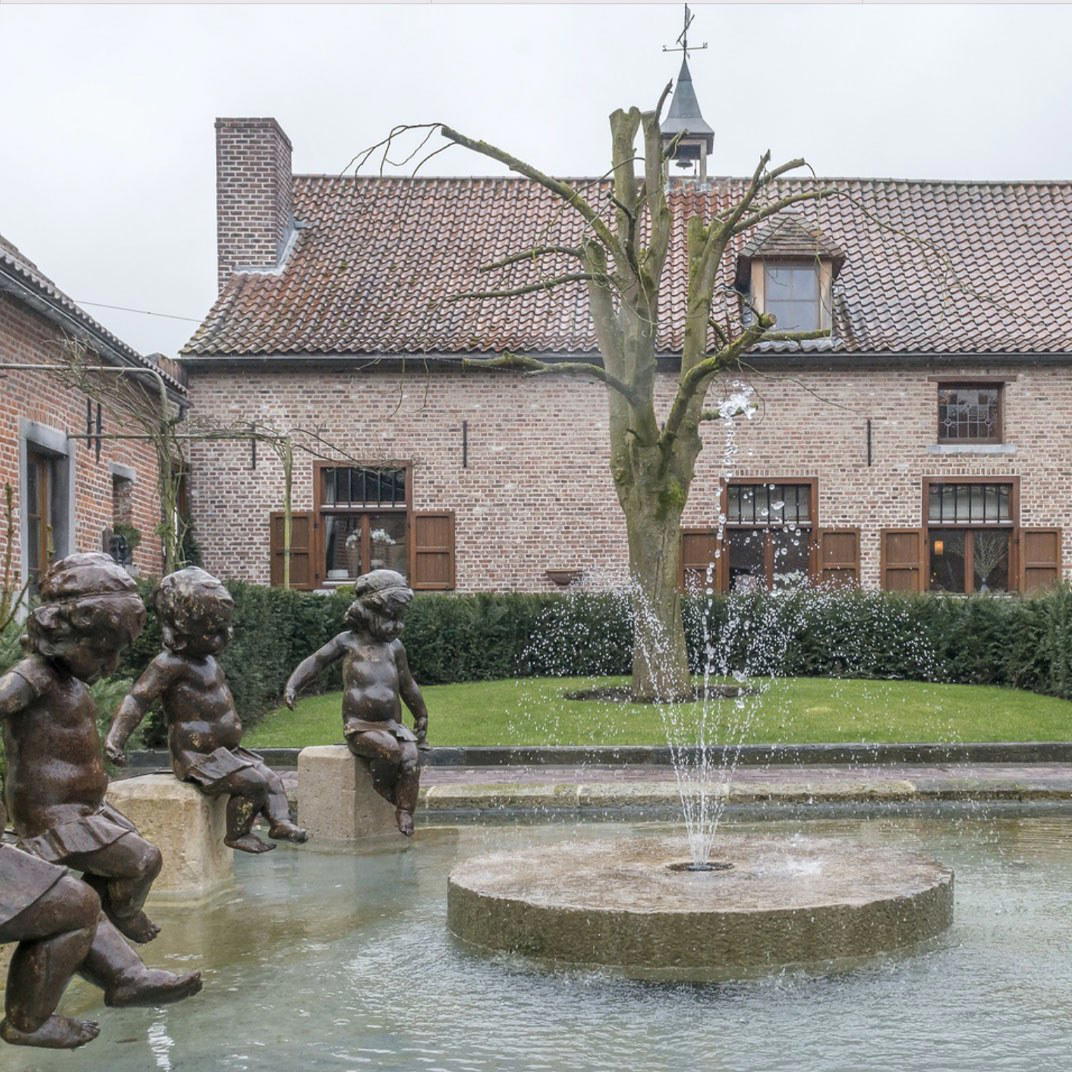
Wineries in Casteau
Browse all →
At a Glance
- Cozy
- Rustic
- Intimate
- Warm
- Date Night
- Family
- Special Occasion
- Extensive Wine List
- Local Sourcing
Current opening hours
- Monday
- Closed
- Tuesday
- 7–9 PM
- Wednesday
- 7–9 PM
- Thursday
- 12–1:15 PM, 7–9 PM
- Friday
- 12–1:15 PM, 7–9 PM
- Saturday
- 12–1:15 PM, 7–9 PM
- Sunday
- Closed
Hours can change for holidays and private events. Last verified .
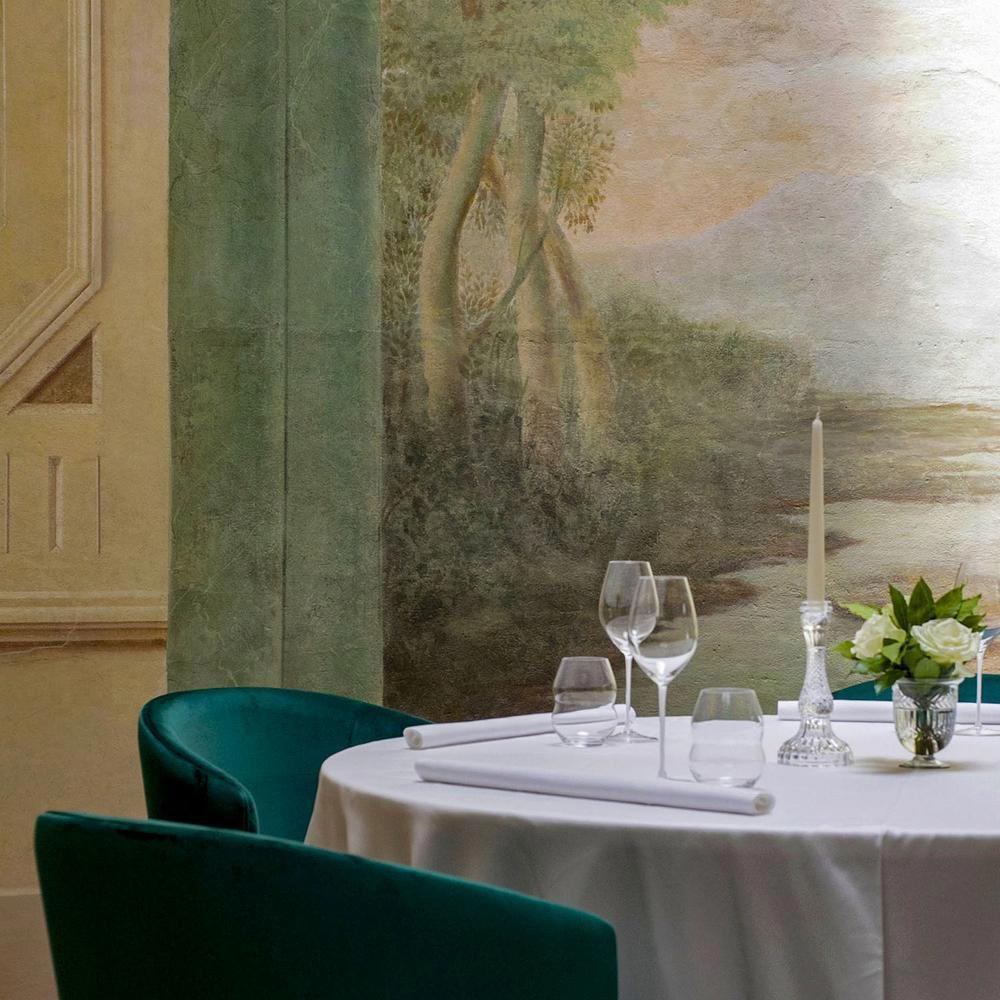
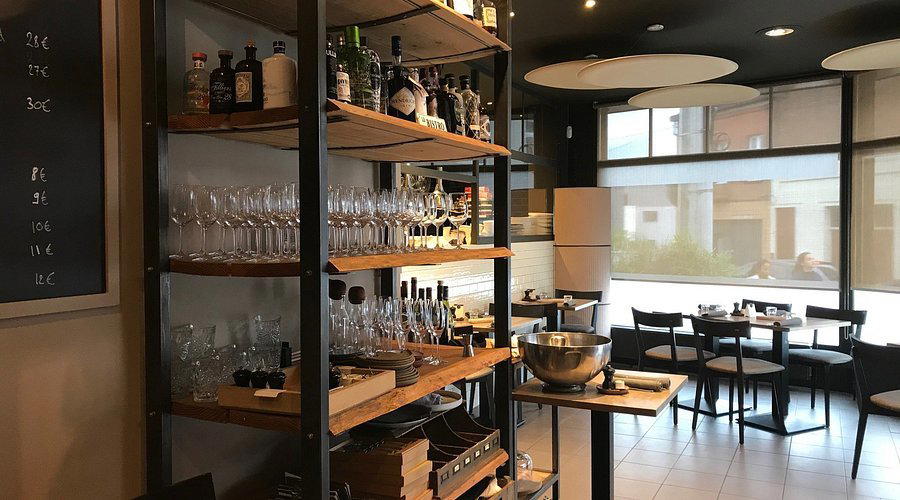
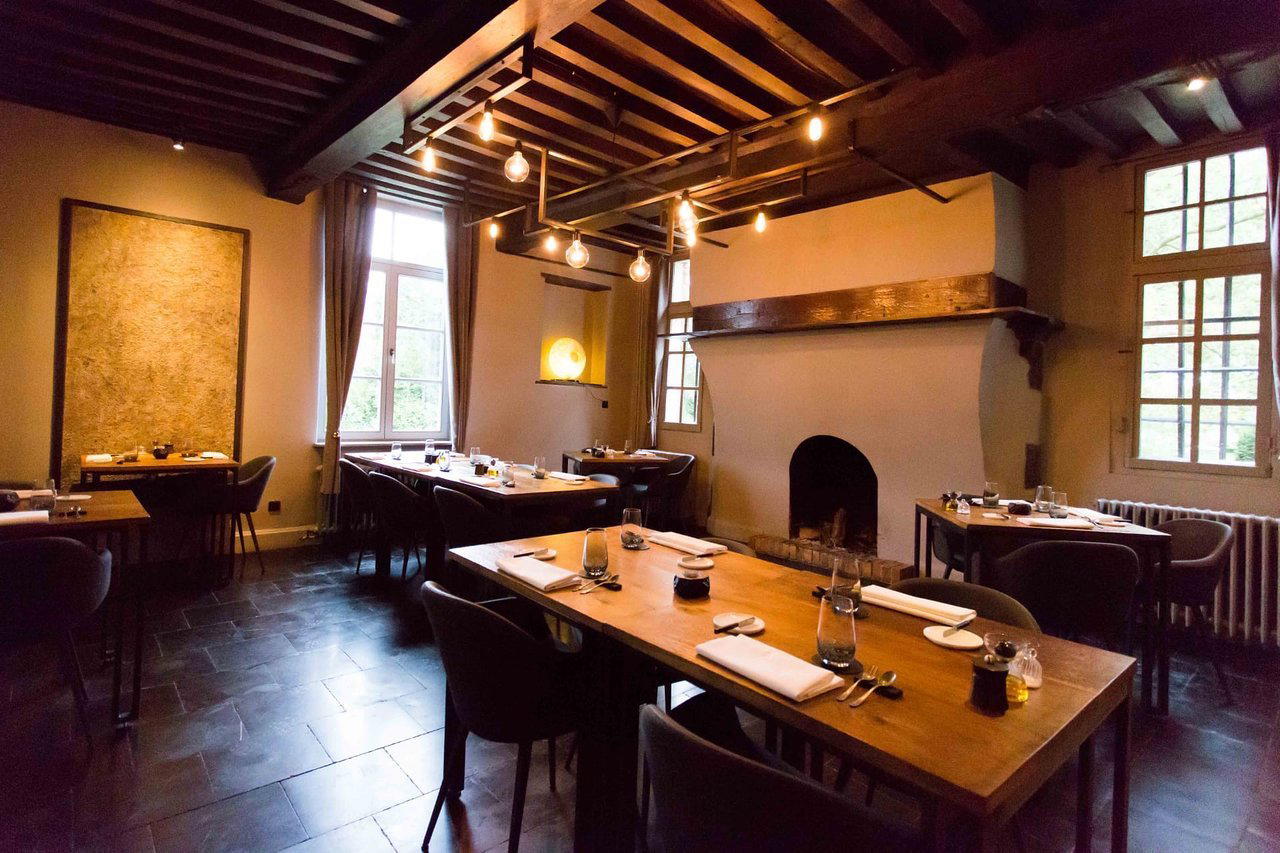
Rustic, sober, calming setting with warm, cozy atmosphere praised in guest reviews.