Michelin Plate · Guía Repsol 2 Soles · Macarfi 8.4 Food Rating
Our verdict
Among Madrid's French bistros, Le Bistroman Atelier occupies a particular niche: a Michelin Plate-recognised address on Calle de la Amnistía where the open-view kitchen signals intent before a single dish arrives. Chef Stéphane del Rio runs both an à la carte and a gastronomic tasting menu, positioning the restaurant against the city's growing tier of mid-to-premium European imports rather than the Spanish creative fine dining circuit.

Pearl is the En Primeur Club membership app, where members save venues, book tables and use the concierge.
The menu
What to order
- Foie Gras Casero de Pato
- Quenelles de Merluza
- Beef Wellington
- Grand Marnier Soufflé
- Escargots à la Persillade
A French Bistro in the Spanish Capital's Centro District
Madrid's dining map has, for most of the past decade, been dominated by its own creative output. The restaurants that draw international attention DiverXO, Coque, Deessa, DSTAgE, Paco Roncero, are expressions of Spanish creative cooking at its most ambitious, priced at €€€€ and built around tasting formats that can run three hours or more. Against that backdrop, a properly executed French bistro is a different proposition entirely: a meal built on classical technique, shorter service windows, and a format that invites return visits rather than once-a-year occasions.
Le Bistroman Atelier, on Calle de la Amnistía in the Centro district, belongs to that secondary tier in the leading functional sense. Michelin awarded it a Plate in both 2024 and 2025, a signal of consistent, competent cooking rather than the headline-chasing ambition of the city's starred circuit. This is a restaurant that competes on consistency and Gallic authenticity, not on spectacle.
What You See Before You Sit Down
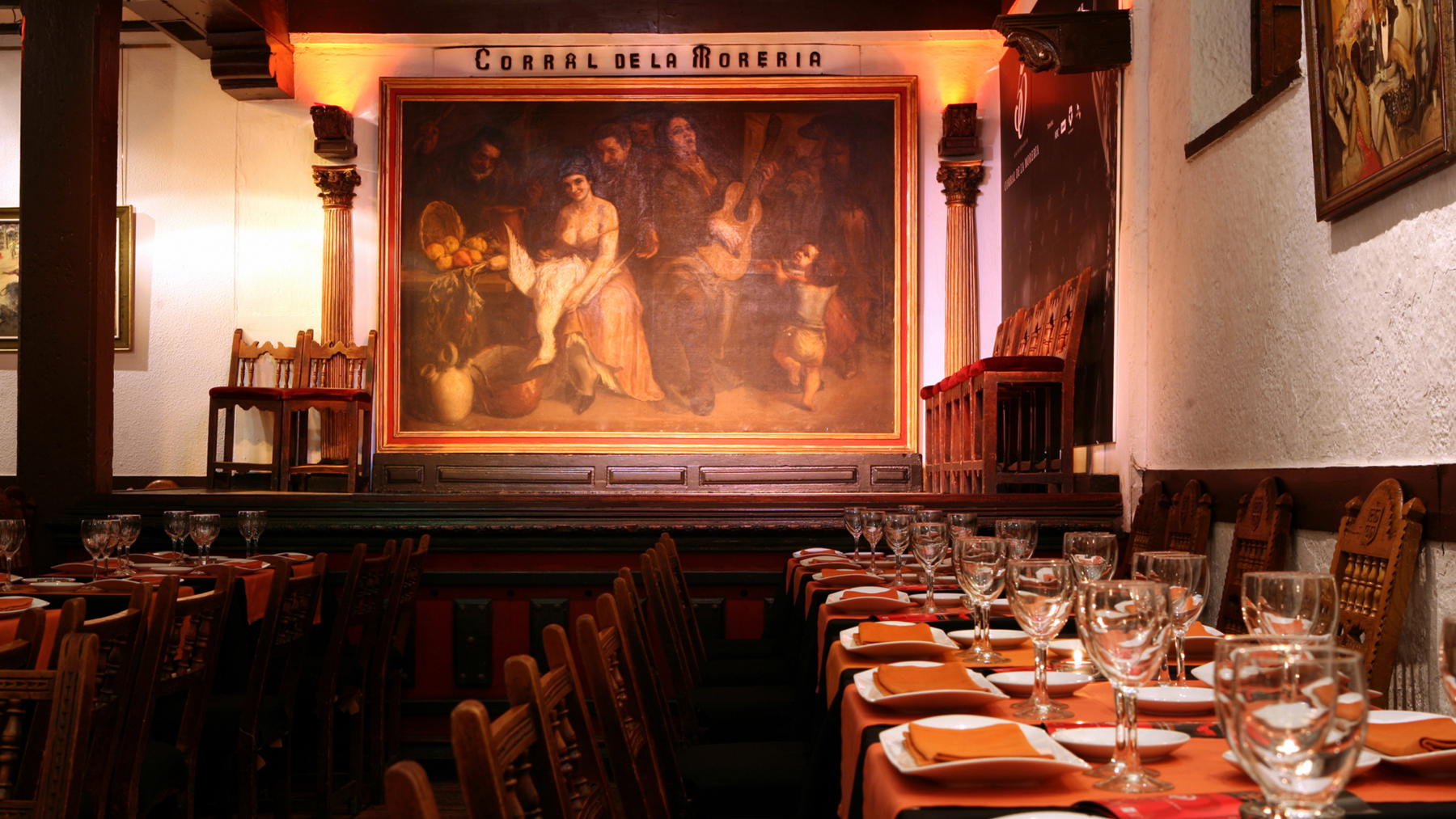
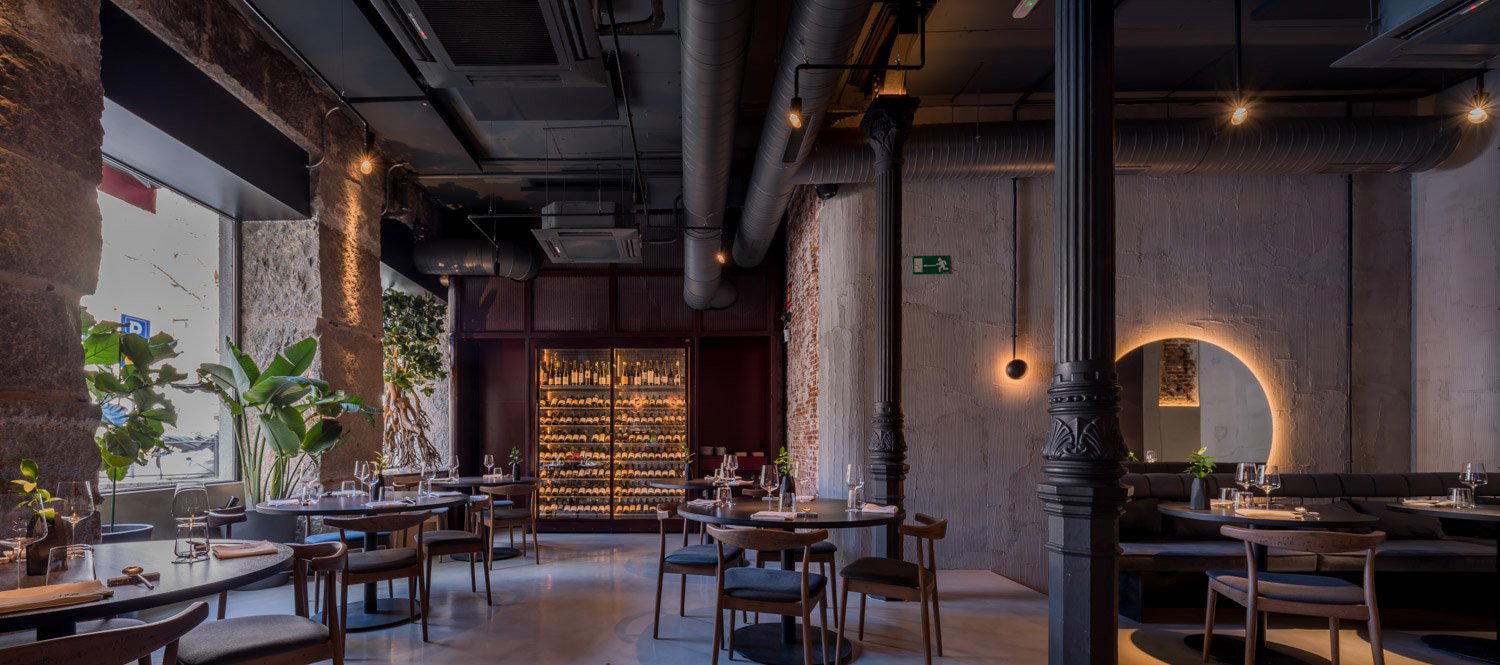
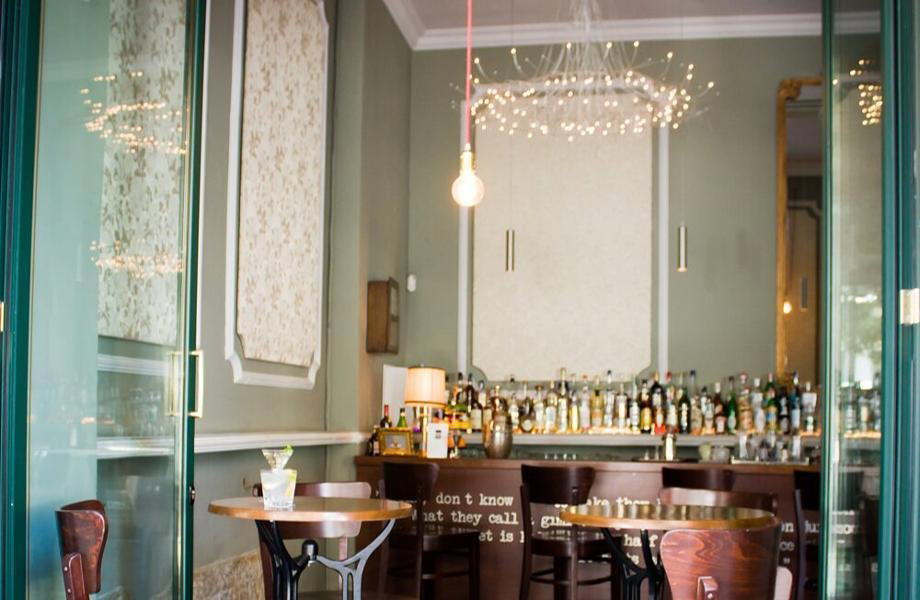
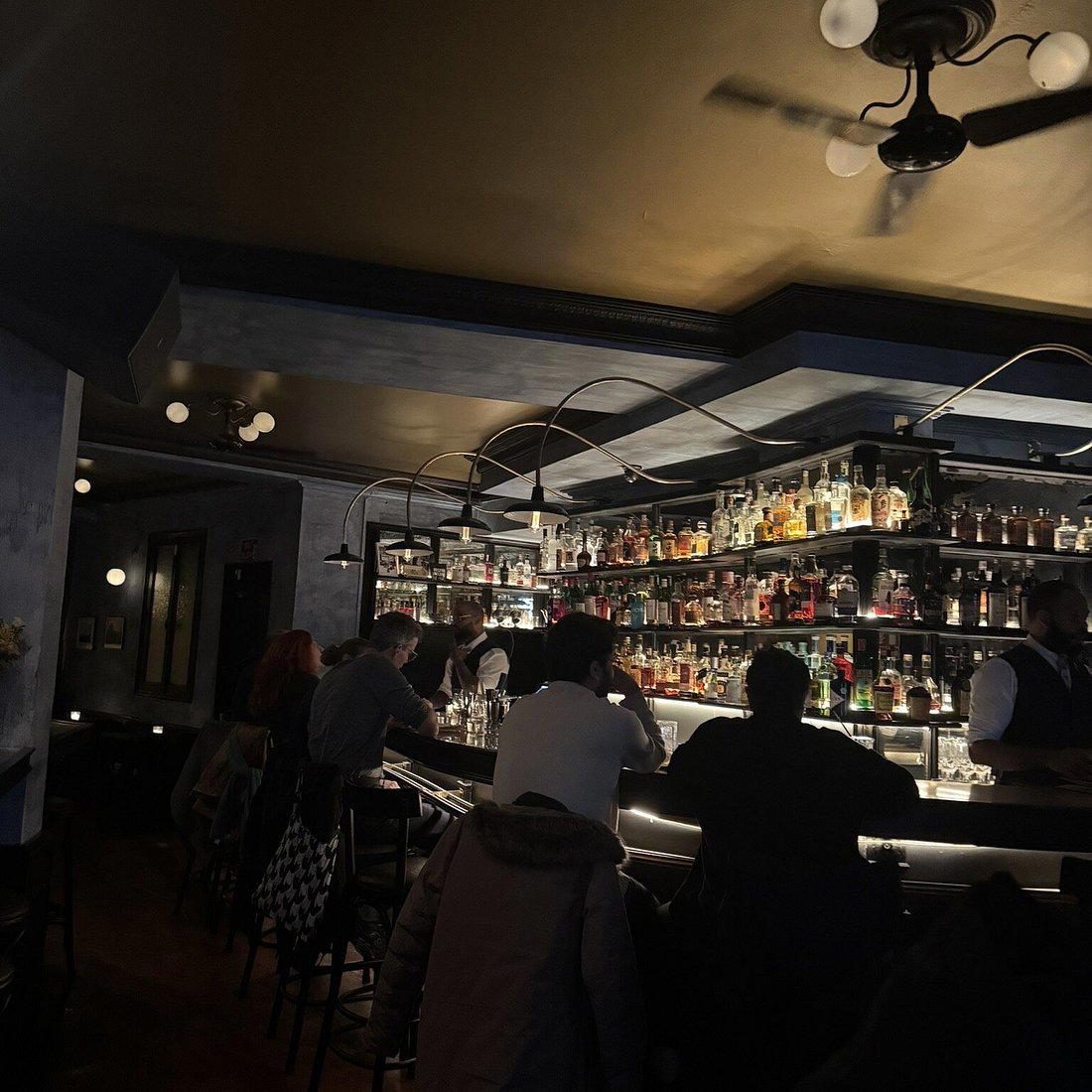
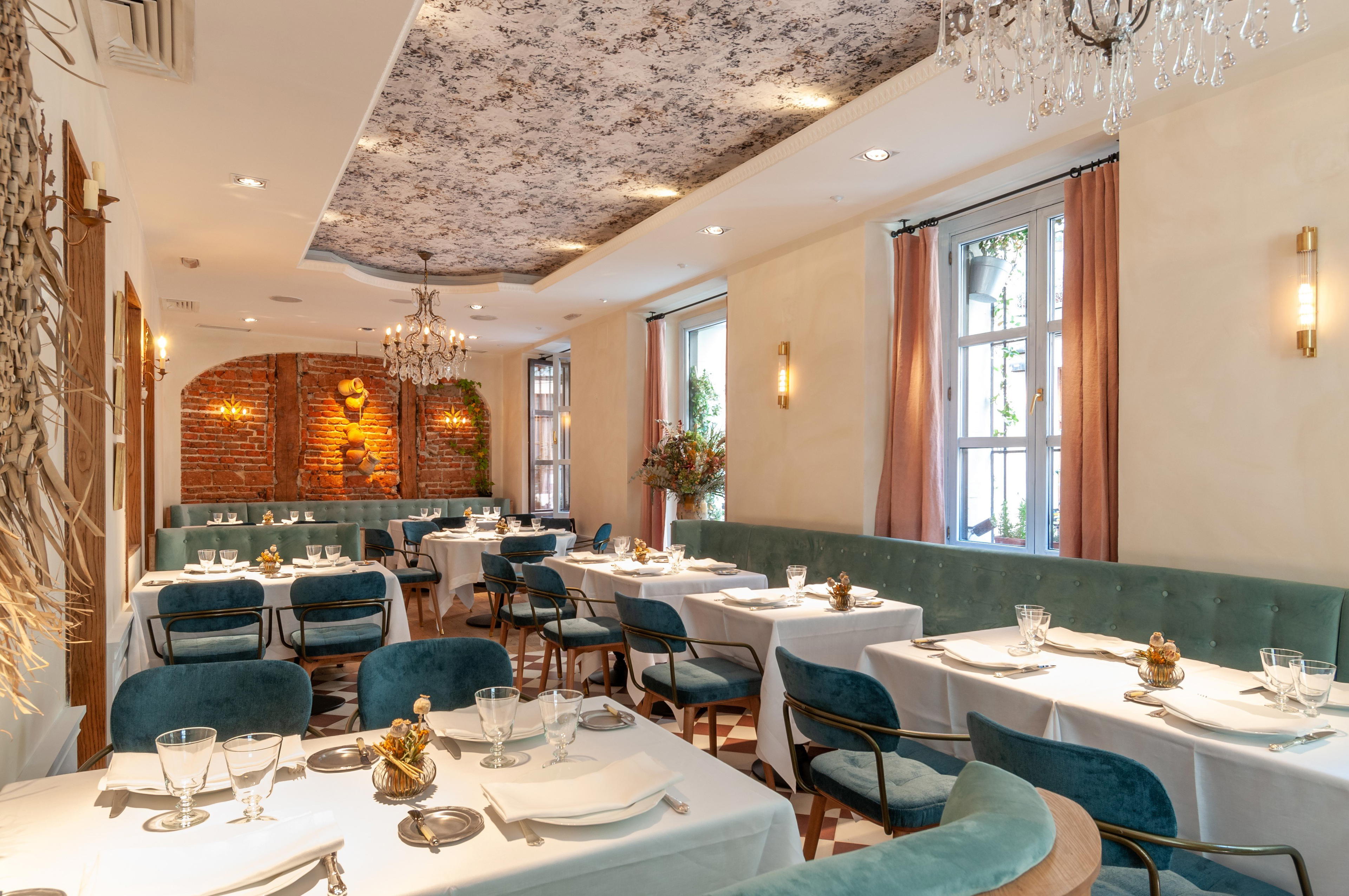
The physical experience of arriving at Le Bistroman Atelier sets the register immediately. An open-view kitchen at the entrance does the work that a long introduction might otherwise require: it frames the meal as something being made, not assembled. The interior combines classic and rustic elements, the standard language of a French bistro transplanted into a Madrid street address, and achieves the kind of coherent atmosphere that makes the room feel intentional rather than decorated.
That combination of visual access to the kitchen and a warm, settled interior is a deliberate hospitality choice. French bistro culture depends on a particular kind of ease: tables close enough to feel sociable, service that moves efficiently without performing urgency, and a room that functions equally well at 1pm and 9pm. The open kitchen compresses the distance between chef and diner in a way that suits the format, cooking that is confident enough to be watched is cooking that has something to show.
Lunch Versus Dinner: How the Hours Change the Experience
The lunch-versus-dinner divide is where Le Bistroman Atelier's format becomes most instructive. At the €€€ price point, it sits below Madrid's dominant fine-dining circuit but above the city's casual neighbourhood options. At lunch, that positioning means real value: the à la carte menu in a mid-afternoon Madrid sitting carries a different energy than a drawn-out evening tasting. Tables turn with more purpose, the room is brighter, and the cooking is encountered in the context of a working day rather than a special-occasion evening.
Dinner shifts the register. The gastronomic tasting menu, which runs alongside the à la carte, becomes the more natural choice once the evening format takes hold. Madrid's dinner hour, rarely before 9pm for a serious sitting, gives the kitchen time to pace a longer menu, and gives the room time to build the kind of ambient momentum that French bistro dining depends on. The classical and rustic decor reads differently by candlelight than it does in the afternoon, and the cooking's Gallic anchors (slow braises, classical sauces, the seasonal presence of snails prepared with persillade) carry more weight in an evening context when guests are inclined to slow down.
The practical implication: if the goal is value extraction, lunch on the à la carte is the sharper choice. If the goal is the full bistro experience in a setting that matches the format's European reference points, the tasting menu at dinner is the stronger option.
The Cooking: French Technique in a Spanish City
Chef Stéphane del Rio's menu draws on orthodox French bistro tradition, and the Michelin recognition reflects cooking that holds to its reference points with discipline. The à la carte and gastronomic menus both operate within an authentically Gallic frame: classical technique, season-led sourcing, and the kind of menu architecture that French bistros have used for generations. When snails are in season, the kitchen prepares them with a classic persillade, a preparation that requires no reinvention because it already works, and that signals a kitchen comfortable enough with tradition to serve it without apology.
This is worth contextualising against the broader Spanish fine dining circuit. The Michelin-starred addresses in Madrid, and beyond, at destinations like Aponiente, Arzak, El Celler de Can Roca, Quique Dacosta, Azurmendi, or Disfrutar, are predominantly Spanish in identity and progressive in approach. A French bistro holding to classical form in that environment is making a clear editorial statement. The reference points are French, and the kitchen does not drift from them.
This is not a restaurant coasting on a single strong service; it is one that delivers reliably across a broad volume of covers.
Planning Your Visit
Know Before You Go
- Address: C. de la Amnistía, 10, Centro, 28013 Madrid, Spain
- Cuisine: French bistro, à la carte and gastronomic tasting menu
- Price range: €€€ (mid-to-premium; below Madrid's €€€€ fine-dining tier)
- Chef: Stéphane del Rio
- Recognition:
- Format note: Lunch on the à la carte offers the strongest value proposition; evening service suits the gastronomic menu
- Neighbourhood: Centro district, walking distance from the Royal Palace and Ópera metro station
For more dining, accommodation, and experience options in the city, see our full Madrid restaurants guide, our full Madrid hotels guide, our full Madrid bars guide, our full Madrid wineries guide, and our full Madrid experiences guide.
What Regulars Order
What do regulars order at Le Bistroman Atelier?
The kitchen's most discussed seasonal preparation is the snails with persillade, a classic French preparation that appears on the menu when the ingredient is at its finest. It is the kind of dish that signals where a kitchen's loyalties lie: no reinvention, no Spanish fusion framing, just a preparation that French bistro tradition has refined over generations. Beyond the snails, the à la carte structure allows regulars to build meals around whichever Gallic staples the season supports. The gastronomic tasting menu, available alongside the à la carte, is the format for those who want the kitchen to pace the full range of its cooking.
The Michelin Plate recognition across two consecutive years suggests the kitchen's strength is not limited to a single signature; the consistency of the award implies a menu that performs across multiple dishes and services. At this price tier, regulars return for the bistro format itself as much as for any single preparation: the combination of classical cooking, an open kitchen, and a room that functions as well at midday as it does in the evening is the actual draw.
Frequently asked questions
What type of food is Le Bistroman Atelier known for?
Where do I go for Le Bistroman Atelier?
Le Bistroman Atelier is located at C. de la Amnistía, 10, Centro, 28013 Madrid, Spain, Madrid.
What kind of recognition has Le Bistroman Atelier received?
Le Bistroman Atelier has received recognition including: Take your palate on a culinary voyage to France in this attractive bistro with an open-view kitchen at the entrance and a welcoming interior which will delight guests with its combination of classic and rustic decor. Enjoy authentic Gallic ….
What do regulars order at Le Bistroman Atelier?
The most discussed seasonal dish is the snails with persillade, a classic French preparation that appears when the ingredient is in season, noted specifically in the Michelin listing as the kitchen's standout reference. Beyond that, the menu divides between an à la carte selection and a gastronomic tasting menu, both built on orthodox French bistro technique at the €€€ price point.
What does dinner at Le Bistroman Atelier typically cost?
Pricing at Le Bistroman Atelier is listed as €€€.
Who is the chef connected to Le Bistroman Atelier?
The chef associated with Le Bistroman Atelier is Stephane del Rio.
The Essentials
| Venue | Cuisine | Price | Awards | Notes |
|---|---|---|---|---|
| Le Bistroman AtelierThis venue (the venue you are viewing) | French Bistro Classique | $50–100 | Michelin Plate · Guía Repsol 2 Soles | Not listed |
| DiverXO | Avant-Garde Spanish Tasting Menu | $300–500 | 3 Michelin Stars · World's 50 Best #4 | Progressive - Asian, Creative |
| Deessa | Modern Valencian Fine Dining | $150–200 | 2 Michelin Stars · La Liste Top Restaurants | Modern Spanish, Creative |
| Smoked Room | Modern Japanese Fire Omakase | $200–300 | 2 Michelin Stars · La Liste Top Restaurants | Progressive Asador, Contemporary |
| Coque | Modern Spanish Fine Dining | $300–500 | 2 Michelin Stars · La Liste Top Restaurants | Spanish, Creative |
| Paco Roncero | Avant-Garde Spanish Fine Dining | $150–200 | 2 Michelin Stars · La Liste Top Restaurants | Creative |
Recognition history
Dated appearances from independent guides and award organizations, with the underlying list record or original source where available.
Michelin Plate
Michelin
Guía Repsol 2 Soles
Guía Repsol
Macarfi 8.4 Food Rating
Macarfi
Opinionated About Dining Casual in Europe Recommended
Opinionated About Dining
Full recognition history (7 entries)
Michelin Plate
Michelin
Opinionated About Dining Casual in Europe Ranked #878
Opinionated About Dining
Michelin Plate
Michelin