
Le Bistro Tokyo, located in Sendagaya, Shibuya, holds a White Star recognition from Star Wine List as of March 2025, placing it among Tokyo's noted addresses for wine-forward dining. The French bistro format in Tokyo has carved a distinct niche between high-ceremony gastronomic rooms and casual wine bars, and Le Bistro sits within that considered middle tier. Plan ahead and book in advance.
Pearl is the En Primeur Club membership app — saves, bookings, and concierge access live there. Same editors, same standards.
- Address
- Japan, 〒151-0051 Tokyo, Shibuya, Sendagaya, 4 Chome−6−8 パークコート神宮北参道 ザ タワ 1・2階
- Phone
- +81 3-6635-1030
- Website
- huge.co.jp
- Directions
- Get directions
 Saves & bookings on Pearl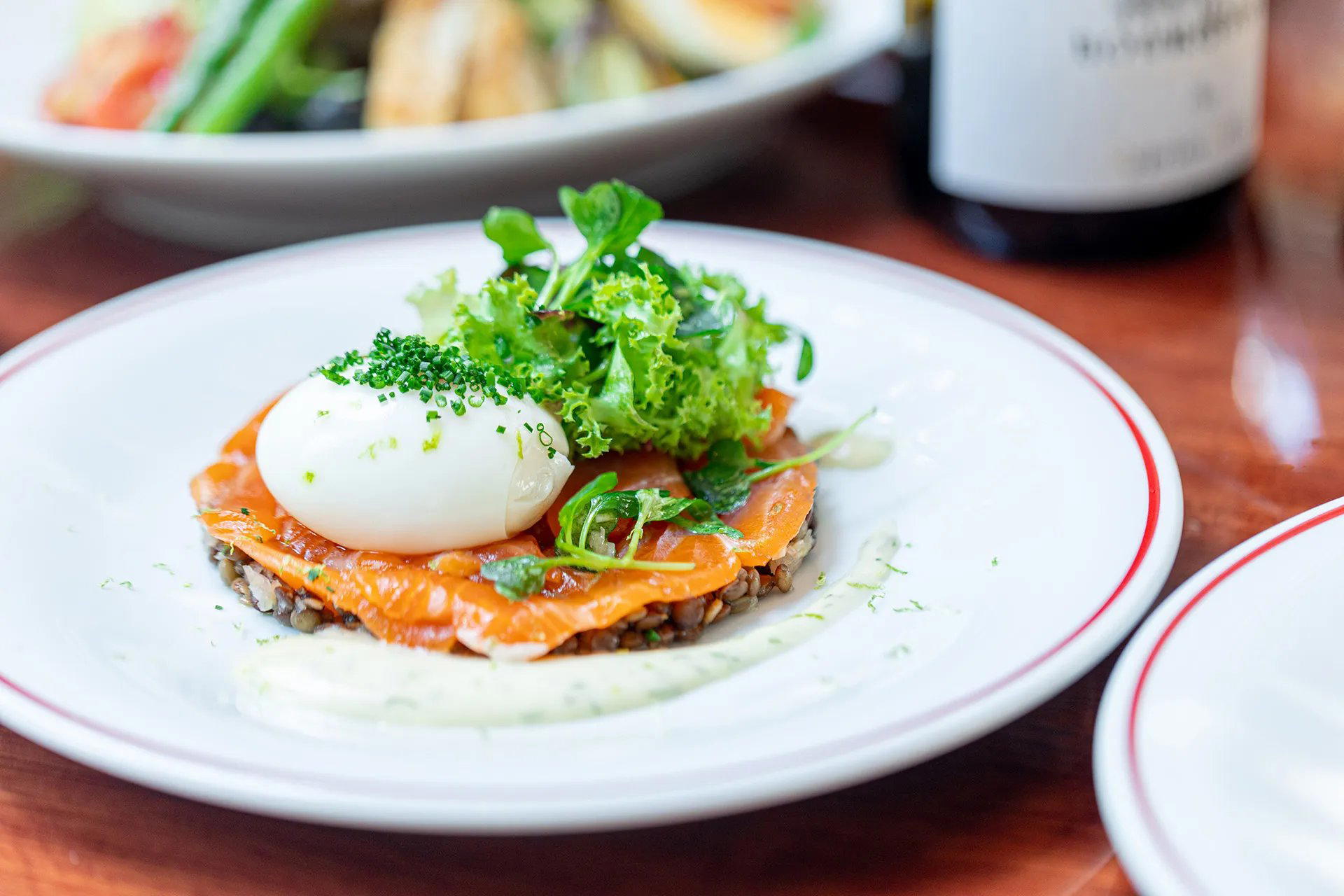
Where the French Bistro Format Lands in Tokyo
Le Bistro Tokyo is a classic French bistro in Tokyo's Sendagaya district, with a White Star from Star Wine List in 2025 and an approximate spend of about $50 per person. Since the 1960s, the city has absorbed, refined, and in some cases surpassed the source material, producing a range of French-adjacent restaurants that spans everything from three-Michelin-star ceremony at addresses like L'Effervescence and Sézanne down to neighbourhood wine-and-plate rooms that would pass without comment in Lyon or Bordeaux. Le Bistro Tokyo, located on the ground and second floors of Park Court Jingumae The Tower in Sendagaya, Shibuya, occupies a register somewhere in that mid-range: a wine-attentive bistro format in a residential district that sits just north of Harajuku and east of Yoyogi Park.
Sendagaya is not the obvious address for this kind of room. The neighbourhood draws a quieter crowd than Roppongi or Ginza, more attuned to the slow rhythm of park-side living than to the high-velocity dining circuits that define those districts. That geographic positioning matters for how a wine-led bistro functions: the clientele tends toward regulars and considered visitors rather than tourists filling a checklist, and the atmosphere reflects that.
The Wine List Recognition and What It Signals
Le Bistro Tokyo received a White Star designation from Star Wine List in March 2025. For readers unfamiliar with the platform: Star Wine List is a Scandinavian-origin international guide focused specifically on wine programs in restaurants and bars, assessing depth, curation, and value rather than cuisine alone. A White Star entry means the list has been reviewed and found meritorious by the guide's assessors. It is a narrower credential than a Michelin star, but it is directly relevant to one question: is this a room where the wine list has been taken seriously?
In Tokyo's French dining tier, wine list quality varies considerably. High-ceremony rooms like RyuGin at the kaiseki end, or the tasting-menu French rooms, typically maintain deep cellars with strong Burgundy and Champagne representation. Bistro-format addresses have historically been patchier, sometimes strong on natural wine but thin on depth, or the reverse. A Star Wine List recognition at the bistro level signals that the curation here has been built with some intention, whether that reflects sommelier-led programming, a proprietor with a buying background, or simply a house policy of investing in the list rather than treating it as an afterthought.
The bistro wine format in Tokyo has also evolved in step with the city's broader engagement with French regional producers. What was once a market dominated by Bordeaux château names and accessible Burgundy has opened considerably over the past decade, with natural wine producers from the Loire, Jura, and Languedoc now appearing regularly on lists at this price tier. Whether the restaurant leans toward that current or toward a more classical selection is a question the Star Wine List recognition alone does not fully answer, but the credential establishes it within a comparable set of wine-conscious operators rather than rooms where the list is incidental.
The French bistro as Tokyo interprets it tends to be more precise than its Parisian counterpart, particularly in the kitchen. Japanese culinary training habits, including an attention to mise en place, sourcing consistency, and technical execution at lower price points, produce bistro food that often exceeds what similar room formats deliver in France. Addresses like Crony have demonstrated how innovative French cooking can operate at the mid-level in Tokyo without the ceremony of a full tasting menu format.
Sendagaya address also positions Le Bistro within a cluster of considered dining rooms that have emerged in Shibuya's quieter precincts over recent years, partly as rents in Roppongi and Ginza have pushed operators toward adjacent neighbourhoods with more accessible overheads and a clientele willing to seek them out. This pattern is visible in other Japanese cities too: Gion Sasaki in Kyoto and akordu in Nara both represent the broader Japanese tendency to embed serious dining rooms in residential or culturally specific districts rather than concentrating them in high-traffic commercial zones.
Planning Your Visit
The restaurant is located at 4 Chome-6-8 Sendagaya, Shibuya, on the first and second floors of Park Court Jingumae The Tower, a residential tower development in the northern Harajuku precinct. The nearest stations are Kita-Sando on the Tokyo Metro Fukutoshin Line and Sendagaya on the JR Sobu Line, both within a short walk. For visitors using the city's broader dining calendar, this places it conveniently alongside the Meiji Shrine precinct and the cluster of design-conscious addresses along Omotesando, making it a workable dinner stop for anyone spending time in that part of Shibuya.
The restaurant is open daily, with lunch and dinner service on weekdays and all-day service on weekends. our full Tokyo restaurants guide, our Tokyo bars guide, and our Tokyo hotels guide. For wine-specific exploration, our Tokyo wineries guide covers the city's growing interest in domestic production, and our Tokyo experiences guide maps the broader cultural programming available across the city.
HAJIME in Osaka represents the haute end of that tradition in the Kansai region, while Goh in Fukuoka and Bleston Court Yukawatan in Nagano show how French-inflected fine dining operates in distinctly different geographic and cultural settings across the country. For a comparison of how the bistro wine format translates to entirely different contexts internationally, Le Bernardin in New York City and Emeril's in New Orleans anchor the American end of the French-derived fine dining spectrum, while giueme in Akita and Harutaka in Tokyo represent the range of serious, wine-attentive dining available across Japan more broadly.
Budget and Context
Comparable venues nearby, for context on price, style, and recognition.
| Venue | Cuisine | Price | Notes |
|---|---|---|---|
| Le Bistro TokyoThis venue — the venue you are viewing | Shibuya, Classic French Bistro | $$$ | Not listed |
| L`Orangerie Koh-An | Chiyoda, French Bistronomy | $$$ | Not listed |
| La Matiere | Shinjuku, Classic French in Kagurazaka | $$$ | Not listed |
| Floraison | Not listed | $$$ | Shinjuku, Modern French with wine pairing |
| Epicure Low | Not listed | $$$ | Minato, High-end French with dietary accommodations |
| La Clairière | Minato, French Fine Dining | $$$ | Not listed |
Recognition history
Dated appearances from independent guides and award organizations, with the underlying list record or original source where available.
Star Wine List
Star Wine List






At a Glance
- Cozy
- Elegant
- Classic
- Date Night
- Business Dinner
- Casual Hangout
- Wine Cellar
- Extensive Wine List
Current opening hours
- Monday
- 11:30 AM–3 PM, 5–10:30 PM
- Tuesday
- 11:30 AM–3 PM, 5–10:30 PM
- Wednesday
- 11:30 AM–3 PM, 5–10:30 PM
- Thursday
- 11:30 AM–3 PM, 5–10:30 PM
- Friday
- 11:30 AM–3 PM, 5–10:30 PM
- Saturday
- 11:30 AM–10:30 PM
- Sunday
- 11:30 AM–10:30 PM
Hours can change for holidays and private events. Last verified .
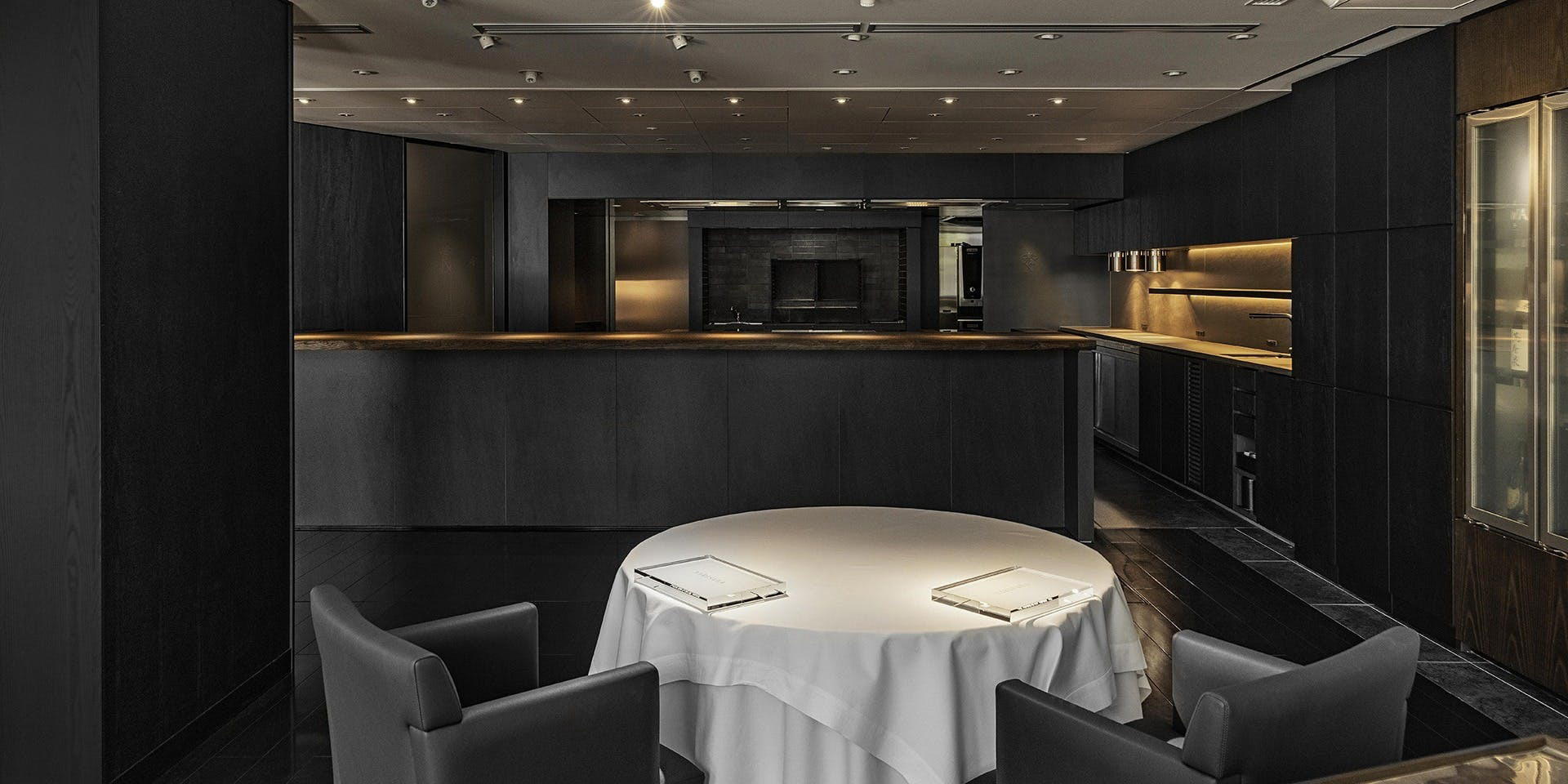
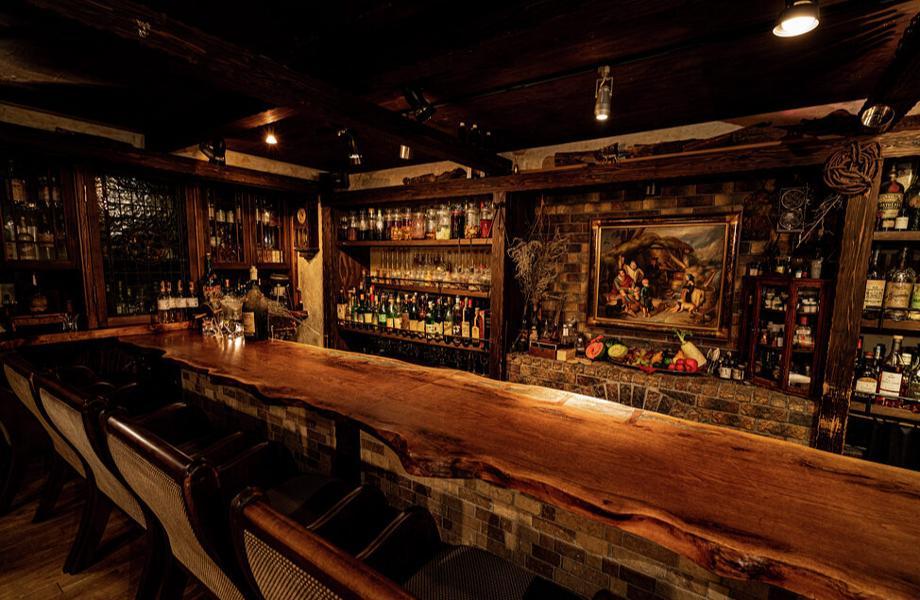
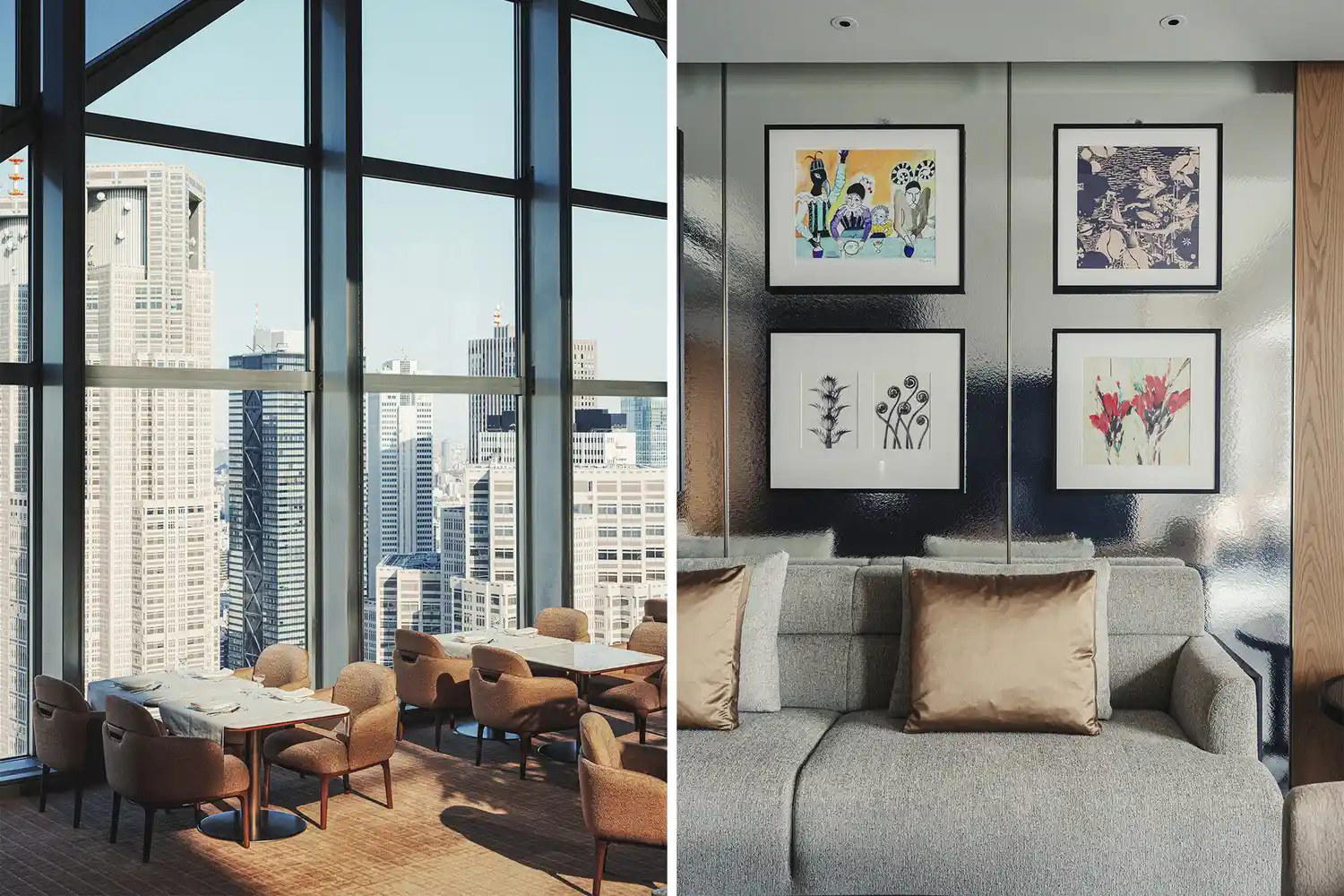
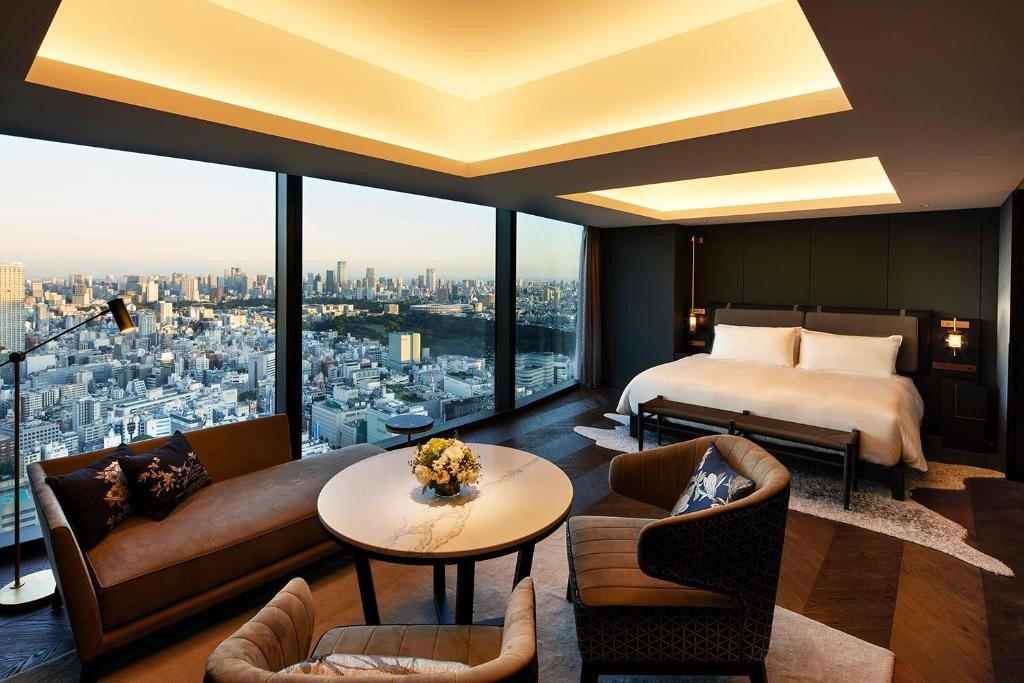
Cozy and inviting with a relaxed yet classy atmosphere, praised for lovely and charming vibe.