Le Beauharnais - Sherri et Nicola
Our verdict
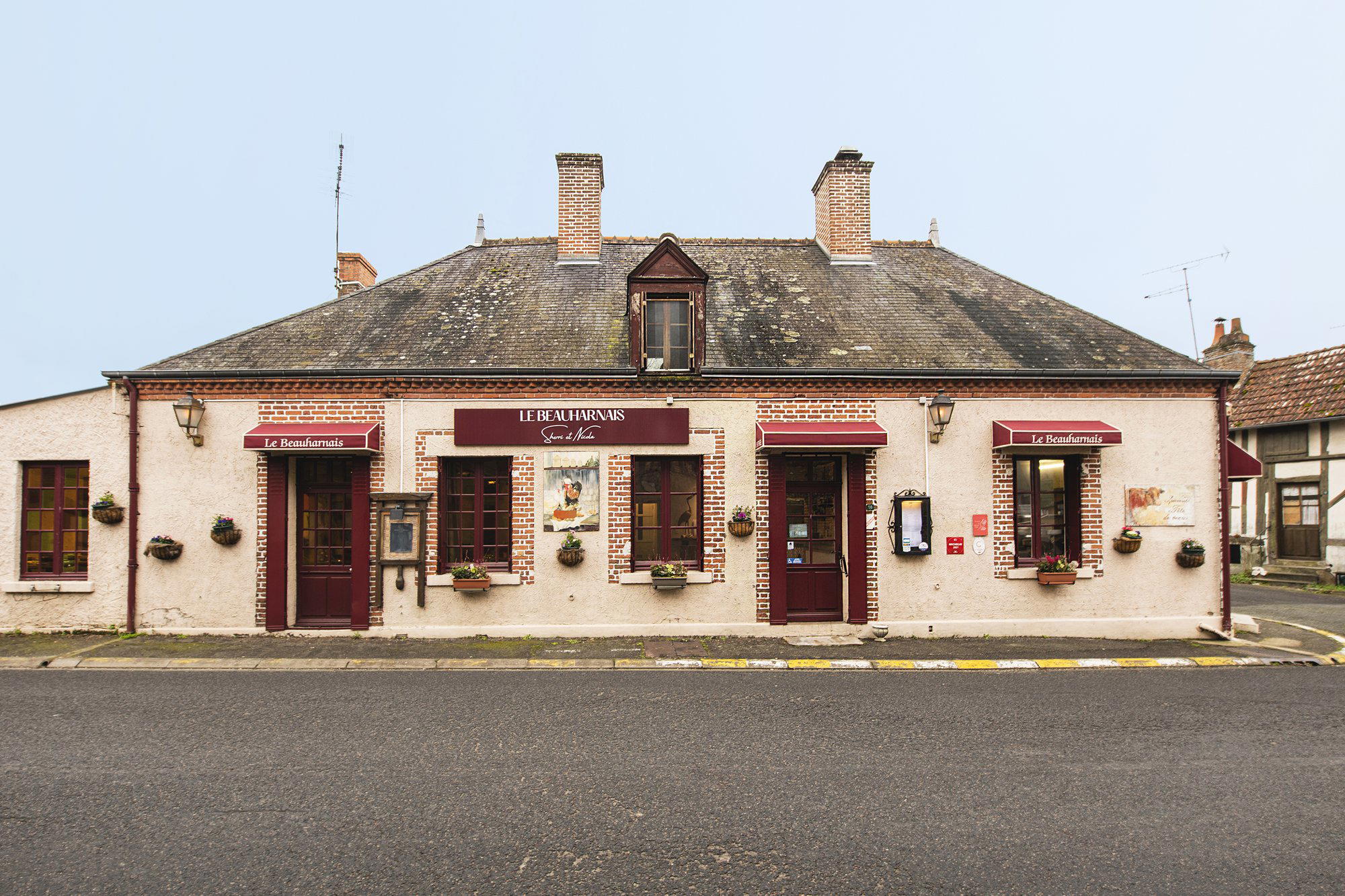
La Ferté-Beauharnais sits in the quiet Sologne, a region defined by game forests, river fishing, and produce grown far from the pressures of urban supply chains. Le Beauharnais, at 18 Rue Napoléon III, draws on that rural proximity in ways that larger destination restaurants rarely can. For travellers willing to leave the motorway behind, it represents a different register of French provincial dining.

Pearl is the En Primeur Club membership app — saves, bookings, and concierge access live there. Same editors, same standards.
- Address
- 18 Rue Napoléon III, 41210 La Ferté-Beauharnais, France
- Phone
- +33254836436
- Hours
- Mon 12–1:30 PMTue–Wed ClosedThu 12–1:30 PM, 7–8:30 PMFri–Sat 12–1:30 PM, 7:15–8:45 PMSun 12–1:30 PM, 7–8 PM
- Website
- aubergelebeauharnais.fr
- Directions
- Get directions
The menu
What to order
- Œuf soufflé signature
- Tête de Veau / Gribiche
Where the Sologne Sets the Table
The Sologne is one of France's least-trafficked agricultural regions, a stretch of wetlands, oak forests, and étangs south of the Loire that supplies game, freshwater fish, and foraged ingredients to tables across the country without receiving much credit in return. La Ferté-Beauharnais sits at the heart of this landscape, a village that carries a Napoleonic name — the Beauharnais family connection runs through Joséphine's line — and a pace of life that makes Paris feel like a different country entirely. Arriving at 18 Rue Napoléon III, the address itself is a quiet reminder of the historical weight that provincial France carries in its street names even when tourist footfall is thin.
French fine dining has long maintained a geography of prestige that concentrates attention on Paris, Lyon, and a handful of marquee destinations. Operations like Alléno Paris au Pavillon Ledoyen or Mirazur in Menton absorb the bulk of critical ink. Yet the deeper tradition of French gastronomy has always included the auberge model: a table embedded in a specific terroir, where the sourcing story is not a branding exercise but a simple function of geography. Le Beauharnais operates in that tradition, in a region that makes ingredient provenance less a philosophy than a given.
The Sologne as Larder
Understanding what the Sologne offers as a sourcing environment matters more here than it would at a city address. The region produces wild boar, venison, hare, and game birds through autumn and winter seasons regulated by French hunting law. Its étangs yield carp, pike, and tench, species that appear on regional tables in preparations, quenelles, matelotes, terrine, that have changed little in two centuries. Beyond protein, the forest floor provides cèpes, girolles, and morilles at their respective seasons, while the bocage surrounding the village supports small-scale vegetable growing and dairy that rarely travels far.
This is the sourcing context that shapes what regional dining in the Sologne means, and it places Le Beauharnais in a different conversation from the destination restaurants that source globally or structure menus around imported luxury ingredients. Coastal peers like Christopher Coutanceau in La Rochelle or island-rooted tables like La Marine in Noirmoutier-en-l'île draw identity from Atlantic proximity; here, the identity is inland, forested, and seasonal in a different cadence. Autumn and early winter represent the region's most expressive period, when game and fungi overlap and the menus that reflect them are at their most coherent.
The broader French provincial model, explored at very different scales by restaurants like Bras in Laguiole or Auberge du Vieux Puits in Fontjoncouse, demonstrates that anchoring to a specific terroir can sustain a distinctive table without the infrastructure of a major city. The Sologne version of that model trades altitude and Mediterranean light for forest density and wetland produce, a trade that results in a genuinely different set of flavours on the plate.
Provincial Dining in France's Interior
The Loire Valley corridor that includes La Ferté-Beauharnais has historically been associated with châteaux tourism and the appellation wines of Touraine and Anjou rather than with destination dining. That relative obscurity is precisely what makes the address meaningful for a certain kind of traveller. The village receives visitors interested in the Beauharnais heritage and the Sologne's hunting and fishing culture rather than those working through a curated restaurant itinerary, which means tables here operate under local rather than international demand pressure.
France's most recognised provincial tables, from Auberge de l'Ill in Illhaeusern to Georges Blanc in Vonnas, have built international reputations over decades and now function partly as heritage institutions with all the booking complexity that implies. A smaller address in the Sologne operates at a different register of access and expectation, which suits travellers who want proximity to French provincial cooking without the ceremony and lead times that surround major destination tables. For comparable regional commitment in other formats, Troisgros - Le Bois sans Feuilles in Ouches and Flocons de Sel in Megève show what deep terroir anchoring looks like when it reaches the highest formal tier.
Travellers approaching from Tours or Blois, roughly 40 to 50 kilometres to the northwest along the Loire, or from Orléans to the north, will find La Ferté-Beauharnais accessible as a half-day extension to a Loire châteaux itinerary. The village is not served by high-frequency public transport, making a private vehicle the practical approach for most visitors. Our full La Ferté-Beauharnais restaurants guide covers the wider dining context in the area for those planning a longer stay in the Sologne.
Placing Le Beauharnais in the Wider French Table
France's starred and celebrated restaurants occupy a tier that requires advance planning and significant expenditure. Tables like Assiette Champenoise in Reims, Au Crocodile in Strasbourg, or L'Oustau de Baumanière in Les Baux draw on deep regional identities but operate at price points and reservation pressures that reflect their reputations. AM par Alexandre Mazzia in Marseille and Paul Bocuse in Collonges-au-Mont-d'Or demonstrate that French gastronomy accommodates both the experimentally driven and the historically rooted within its upper tier. For international reference points, Le Bernardin in New York City and Atomix illustrate how French technique and precision translate beyond their home geography.
Le Beauharnais operates below that formal stratosphere, which is not a limitation but a different proposition. The Sologne has historically been a place where French families with a connection to hunting culture eat well without ceremony, and a table embedded in that tradition serves a reader who values regional authenticity over international prestige. The sourcing advantage of the Sologne, proximity to game, fungi, and freshwater fish that larger city restaurants pay premium prices to import, is structural, not aspirational, which is the most honest argument for seeking it out.
Planning a Visit
The Sologne's seasonal calendar makes autumn the most productive period for a visit, when game and forest produce peak simultaneously. A Loire Valley base in Tours or Blois allows day-trip access while keeping a wider regional itinerary intact.
Frequently asked questions
Is Le Beauharnais - Sherri et Nicola child-friendly?
This is a provincial French address in La Ferté-Beauharnais, a small commune in the Sologne, and the setting suggests a measured, unhurried pace rather than a high-energy family format. Whether that atmosphere suits children depends on the age and temperament of the group. check the venue's official channels at 18 Rue Napoléon III to ask about seating arrangements before arriving with young guests.
What's the vibe at Le Beauharnais - Sherri et Nicola?
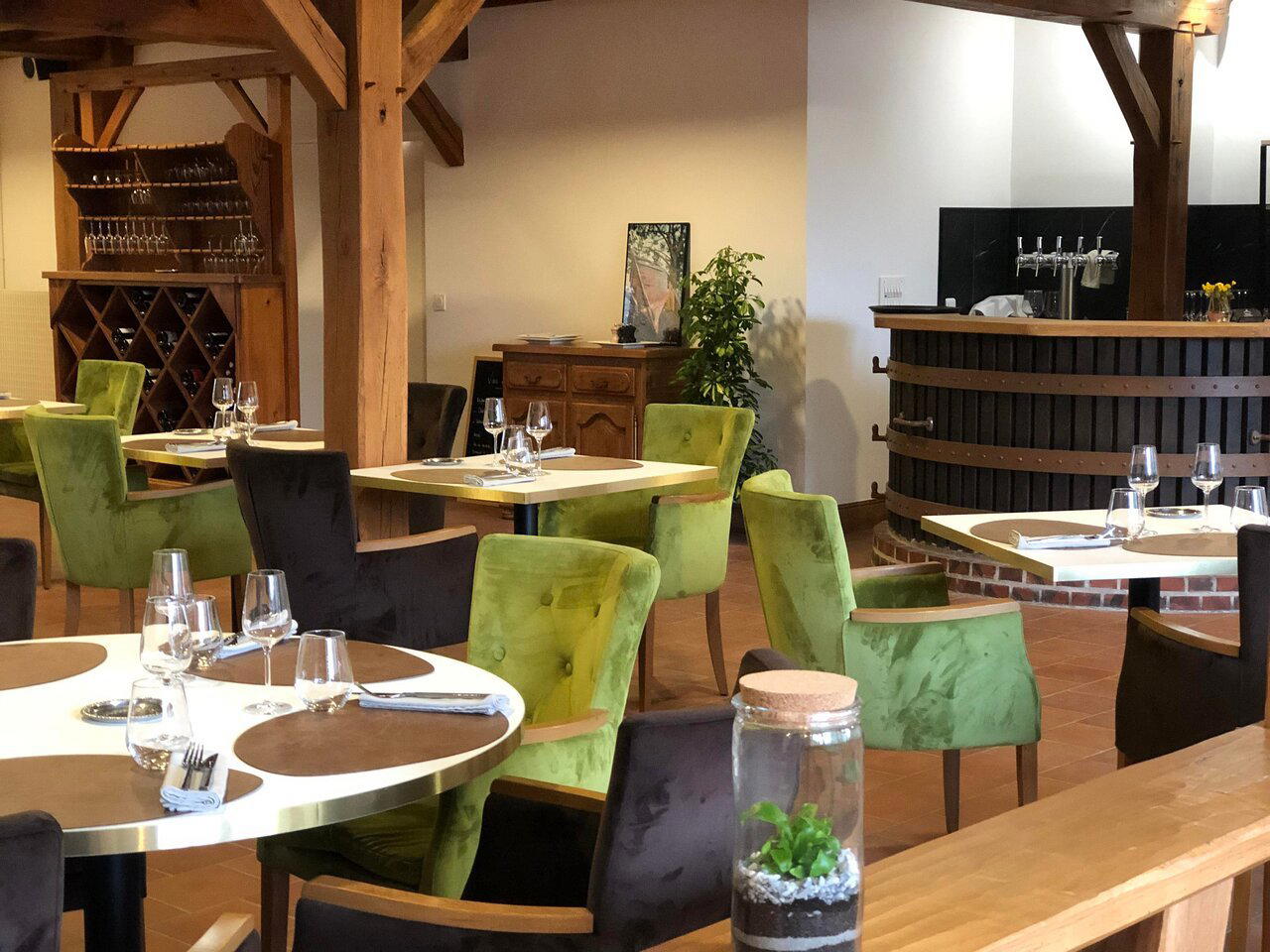
Situated on Rue Napoléon III in La Ferté-Beauharnais, the setting is consistent with the Sologne's character: quiet, unhurried, and rooted in a region better known for hunting estates and étangs than restaurant traffic. Expect a dining room that reflects provincial France rather than urban polish, with the pace and atmosphere that comes with deep rural positioning.
What kind of regional cuisine does Le Beauharnais - Sherri et Nicola represent, and how does it reflect the Sologne?
Le Beauharnais sits in La Ferté-Beauharnais at the heart of the Sologne, a region whose oak forests, wetlands, and game reserves supply wild boar, venison, and freshwater fish to kitchens across central France. Restaurants in this area occupy a distinct culinary tradition, one shaped by the hunting calendar and seasonal availability rather than by imported ingredients or metropolitan trends. This connection to the Sologne as a sourcing environment gives the address a regional specificity that is harder to replicate further north along the Loire corridor.
What's the must-try dish at Le Beauharnais - Sherri et Nicola?
What is clear from the Sologne context is that the region supplies wild game, freshwater fish, and foraged produce that routinely anchor menus in this part of France. Verify the current menu directly with the restaurant at 18 Rue Napoléon III, La Ferté-Beauharnais.
How do I find Le Beauharnais - Sherri et Nicola?
Le Beauharnais - Sherri et Nicola is located at 18 Rue Napoléon III, 41210 La Ferté-Beauharnais, France, La Ferte Beauharnais.
Do they take walk-ins at Le Beauharnais - Sherri et Nicola?
Given the address in a small Sologne commune with limited passing foot traffic, walk-in availability is plausible during quieter periods, but the safest approach is to contact the restaurant at 18 Rue Napoléon III directly and confirm before making the drive.
What makes Le Beauharnais - Sherri et Nicola worth seeking out?
The case for making the journey rests primarily on location: La Ferté-Beauharnais sits inside the Sologne, one of France's most productive game and freshwater regions, and restaurants here draw on a larder that urban addresses simply cannot replicate at the same proximity. The Loire Valley corridor that surrounds it is historically associated with château tourism, which means the local dining scene is comparatively overlooked by international visitors. That gap between sourcing quality and profile is where tables like this one tend to carry disproportionate interest.
In Context: Similar Options
Comparable venues nearby, for context on price, style, and recognition.
| Venue | Cuisine | Price | Awards | Notes |
|---|---|---|---|---|
| Le Beauharnais - Sherri et NicolaThis venue — the venue you are viewing | Seasonal Glocal Gastronomic French | $50–100 | Not listed | Not listed |
| La Grande Tour | Traditional French Gourmet | $30–50 | Not listed | Saint-Ay |
| Bienheureux | Modern French Creative | Not listed | Michelin Plate | Wasquehal |
| La Poule Noire | Traditional Burgundian Bistro | $30–50 | Not listed | historic heart |
| Le Signal 2108 | Bistronomic French with Regional Alpine Specialties | $30–50 | Not listed | Signal Mountain |
| Le Congrès Auteuil | Classic French Brasserie with Seafood | $50–100 | Not listed | 16th Arrondissement |
Continue exploring
More in La Ferte Beauharnais
Restaurants in La Ferte Beauharnais
Browse all →
Hotels in La Ferte Beauharnais
Browse all →
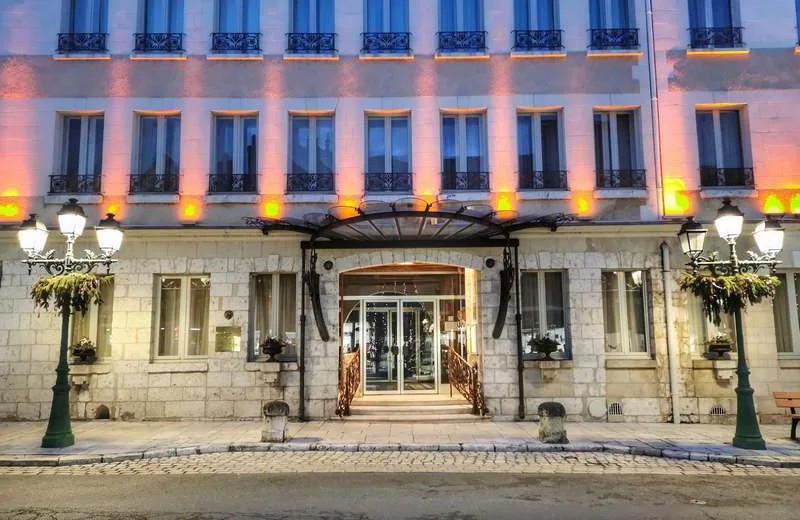
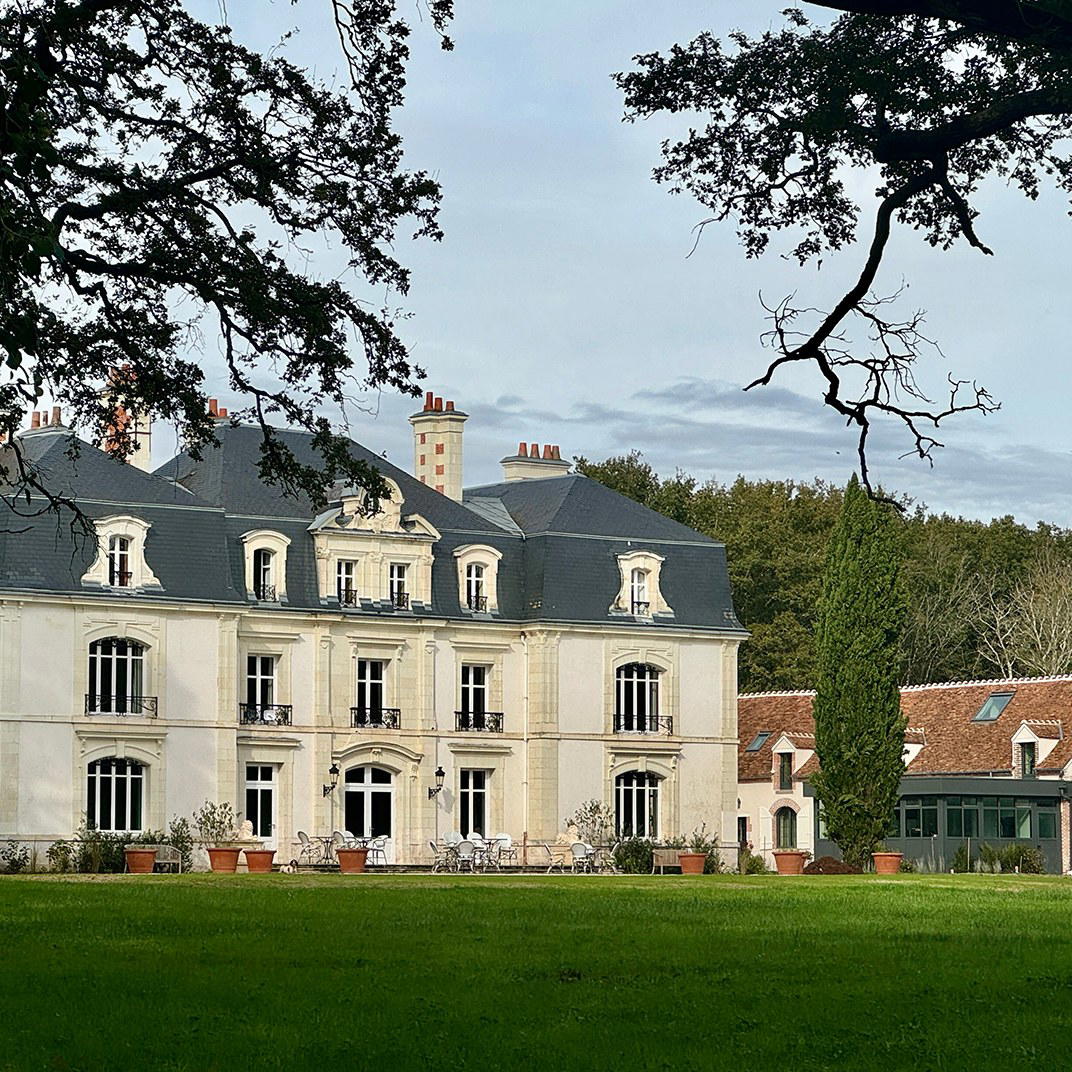
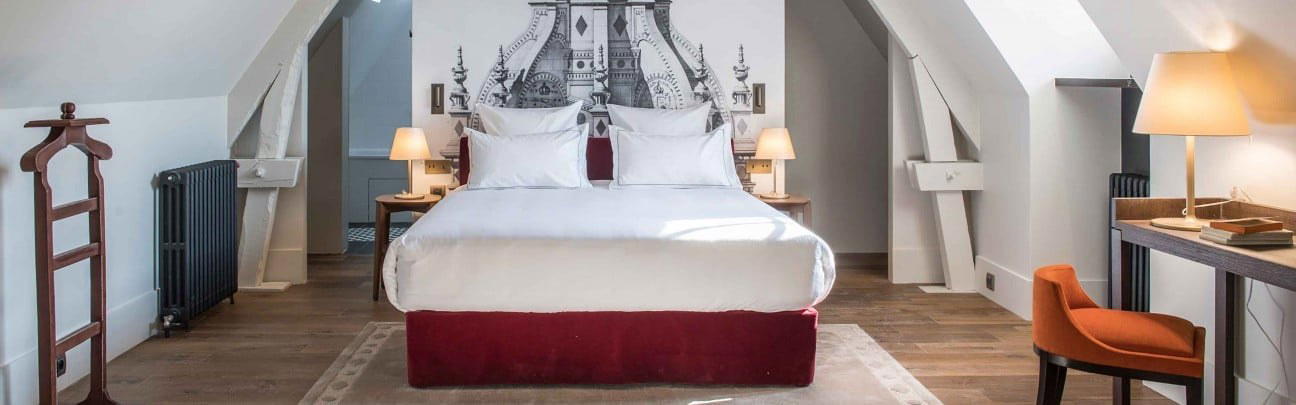

Le Beauharnais - Sherri et Nicola
The wine
- Wine program
- Curated wine list
- Extensive wine list
Details
- Elegant
- Sophisticated
- Cozy
- Date Night
- Special Occasion
- Celebration
- Terrace
- Private Dining
- Extensive Wine List
- Local Sourcing
- A La Carte
- Wine
- Vegetarian Friendly
Current opening hours
- Monday
- 12–1:30 PM
- Tuesday
- Closed
- Wednesday
- Closed
- Thursday
- 12–1:30 PM, 7–8:30 PM
- Friday
- 12–1:30 PM, 7:15–8:45 PM
- Saturday
- 12–1:30 PM, 7:15–8:45 PM
- Sunday
- 12–1:30 PM, 7–8 PM
Hours can change for holidays and private events. Last verified .
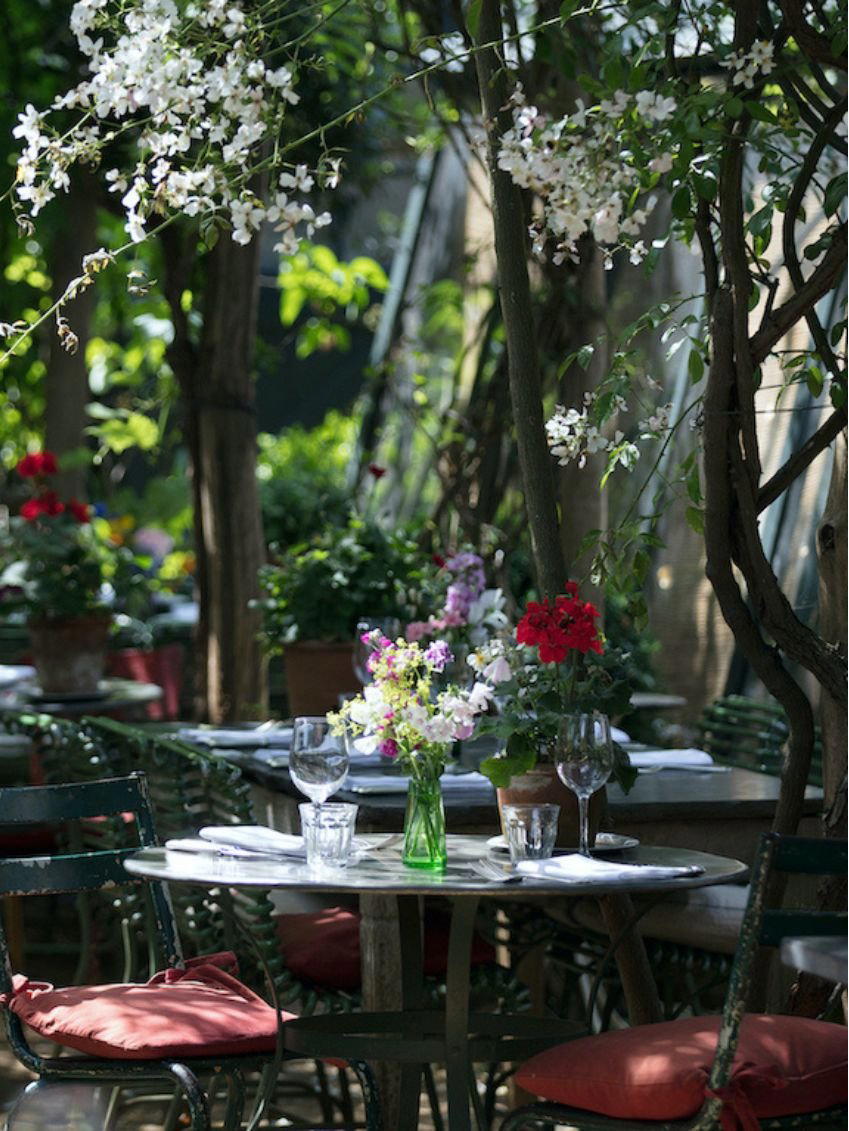
Intimate courtyard terrace and welcoming atmosphere guided by sommelier Sherri.