Stone house with châtelaine charm by river.
Pearl is the En Primeur Club membership app — saves, bookings, and concierge access live there. Same editors, same standards.
- Address
- 21 Rte nationale, 45130 Saint-Ay, France
- Phone
- +33238888370
- Website
- lagrandetour.com
- Directions
- Get directions
 Saves & bookings on Pearl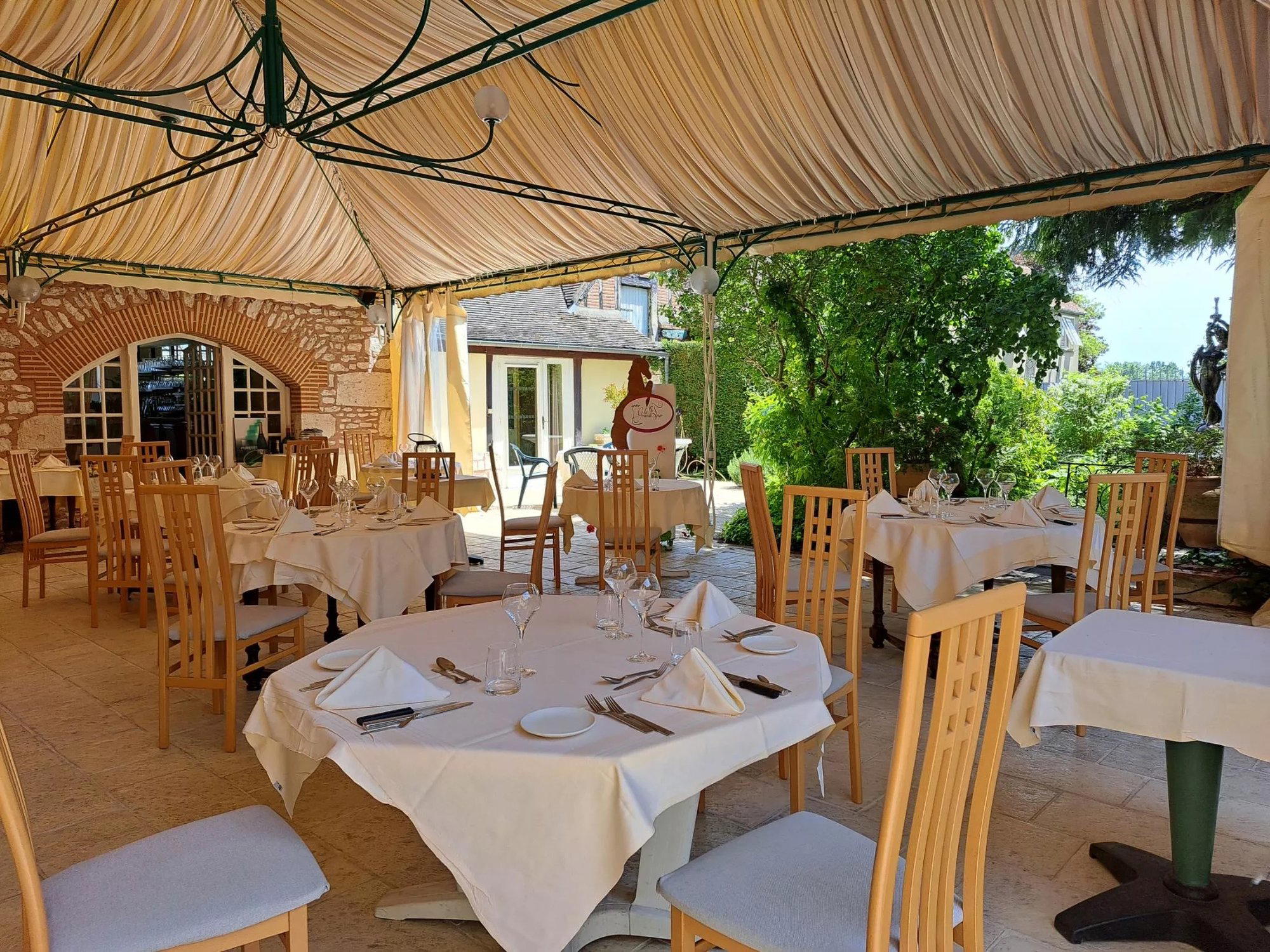
Along the Loire, Where the Road Still Matters
The route nationale running through Saint-Ay is one of those French roads that predates the autoroute era, a corridor of plane trees and limestone facades where small towns once built their reputations on feeding travellers rather than impressing restaurant guides. La Grande Tour is a restaurant in Saint-Ay, France, at 21 Rte nationale, with traditional French gourmet cooking and a recommended reservation policy. This is not a destination that relocated to a converted barn outside town to manufacture atmosphere. It occupies the fabric of a working Loire Valley village, with all the weight and unpretentiousness that implies.
The Loire Valley as a food region is consistently underread relative to its wine profile. While the appellation system draws serious attention to Muscadet, Vouvray, Sancerre, and the reds of Chinon and Bourgueil, the kitchen traditions of the valley floor have sustained a quieter but durable reputation: freshwater fish from the river, garden vegetables grown in the sandy loam soils of the Loiret, game from the forests that still buffer the chateaux, and the charcuterie traditions that have kept village butchers open long after their equivalents elsewhere closed. Saint-Ay sits in the Loiret department, roughly equidistant between Orleans and Meung-sur-Loire, in a stretch of the valley that produces the kind of ingredients that chefs at higher-profile addresses in Paris and Lyon quietly source from.
What the Loire Puts on the Table
French regional cooking at this latitude has always been less about technique theatre and more about provenance discipline. The Loire is not Burgundy, where a single plot of soil becomes the conversation. Here the argument is more ecological: a river system that creates microclimates, flood plains that produce notable asparagus and leeks, and a tradition of cooking pike, perch, and shad in ways that require patience rather than equipment. Beurre blanc, the butter sauce that became a Loire Valley calling card, exists because the region had both the dairy and the acidity of local wines to build it from. It is a sauce that rewards local sourcing and punishes shortcuts.
For context on how seriously France's provincial restaurant culture takes this kind of ingredient fidelity, consider that Bras in Laguiole built its entire identity around the Aubrac plateau's produce, and Auberge du Vieux Puits in Fontjoncouse draws its authority from a single village in the Corbieres hills. The principle at work in both cases is that specificity of place, when translated honestly into the kitchen, produces cooking that cannot be replicated elsewhere. The Loire Valley operates on the same logic, and a restaurant on the route nationale in Saint-Ay is situated precisely where that argument is made from first principles rather than imported prestige.
The region's produce calendar is worth understanding before visiting. Spring brings the Loire's famous white asparagus and the start of the river fishing season. Summer moves into tomatoes, courgettes, and the stone fruits that the valley's sheltered microclimates accelerate. Autumn is when game and mushroom sourcing from the forests around Chambord and Cheverny reaches its depth. Any serious kitchen in this corridor should be adjusting its offer across those transitions, which is part of why the Loire rewards repeat visits timed to the season rather than a single annual trip.
Placing La Grande Tour in the Broader French Picture
France's restaurant geography has, over the past two decades, become more polarised. The three-star addresses in Paris, such as Alléno Paris au Pavillon Ledoyen, and destination restaurants in scenic regions, such as Mirazur in Menton or Flocons de Sel in Megève, receive the critical and tourist attention. The middle tier of competent, rooted provincial cooking has been harder to sustain economically, which is precisely why the ones that do sustain themselves carry a different kind of authority. Longevity on a village main road, in a country where dining culture is demanding and loyalty is earned rather than assumed, is its own credential.
The Loire Valley's culinary identity sits outside frequently discussed circuits. It lacks the Michelin density of Alsace, where Au Crocodile in Strasbourg and Auberge de l'Ill in Illhaeusern anchor a well-documented fine dining tradition. It lacks the media profile of the Atlantic coast, where Christopher Coutanceau in La Rochelle and La Marine in Noirmoutier-en-l'île draw destination diners from across Europe. What the Loire has instead is continuity: a food culture that predates the restaurant guide system and does not particularly need its validation. That continuity is what makes a room on the route nationale in Saint-Ay worth taking seriously on its own terms.
For comparison, the Burgundy model at Troisgros - Le Bois sans Feuilles in Ouches or the Bresse-anchored tradition at Georges Blanc in Vonnas shows how provincial French restaurants build durability through unwavering connection to a specific agricultural zone. The Loire's version of this is less theatrically articulated but no less genuine. Visitors who arrive expecting Parisian technique at rural prices will misread the offer. Those who arrive expecting honest cooking from a river valley that happens to produce notable raw material will be better calibrated.
Planning a Visit
Saint-Ay is accessible from Orleans, which sits on the main TGV axis from Paris Austerlitz, placing the village within reasonable reach of travellers using France's rail network as their primary transport. The route nationale address means the restaurant is direct to find for those arriving by car, which remains the practical choice for exploring this stretch of the Loire. The restaurant is recommended for reservations, and its regular hours are Mon: Closed; Tue: 12-1 PM; Wed: 12-1 PM; Thu: 12-1 PM, 7:30-9 PM; Fri: 12-1 PM, 7:30-9 PM; Sat: 12-1 PM, 7:30-9 PM; Sun: 12-1:30 PM. For travellers building a Loire itinerary around serious eating, timing the visit to align with the seasonal produce windows, spring asparagus and summer market peak being the productive, will extract particularly from the region's kitchen traditions.
How It Stacks Up
Comparable venues nearby, for context on price, style, and recognition.
| Venue | Cuisine | Price | Notes |
|---|---|---|---|
| La Grande TourThis venue — the venue you are viewing | Traditional French Gourmet | $$$ | Not listed |
| Maison Blanche | Modern French Fine Dining | $$$ | 8th arrondissement |
| Vin&Marée | French Seafood Brasserie | $$$ | 16th Arrondissement |
| Philippe Excoffier | Classic French Bistro with Soufflés | $$$ | Gros-Caillou |
| Pasco | Mediterranean-Influenced French Bistronomic | $$$ | Gros-Caillou |
| L'Auberge du Roi Gradlon | Breton French Bistro | $$$ | Gobelins |

At a Glance
- Classic
- Cozy
- Elegant
- Date Night
- Special Occasion
- Terrace
- Waterfront
Current opening hours
- Monday
- Closed
- Tuesday
- 12–1 PM
- Wednesday
- 12–1 PM
- Thursday
- 12–1 PM, 7:30–9 PM
- Friday
- 12–1 PM, 7:30–9 PM
- Saturday
- 12–1 PM, 7:30–9 PM
- Sunday
- 12–1:30 PM
Hours can change for holidays and private events. Last verified .
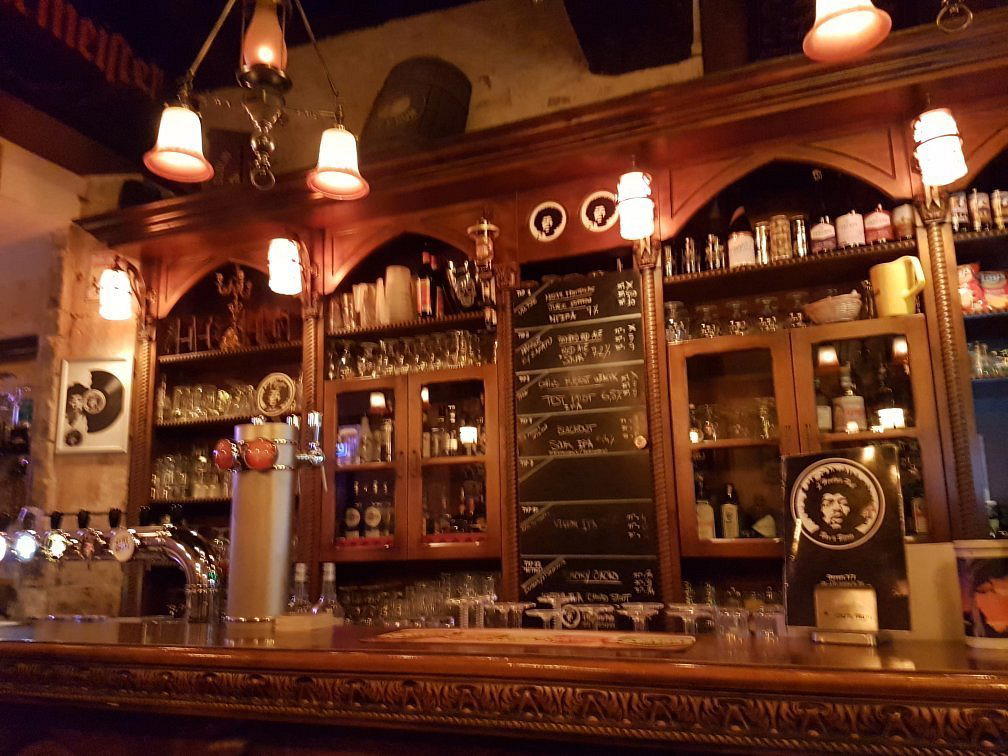
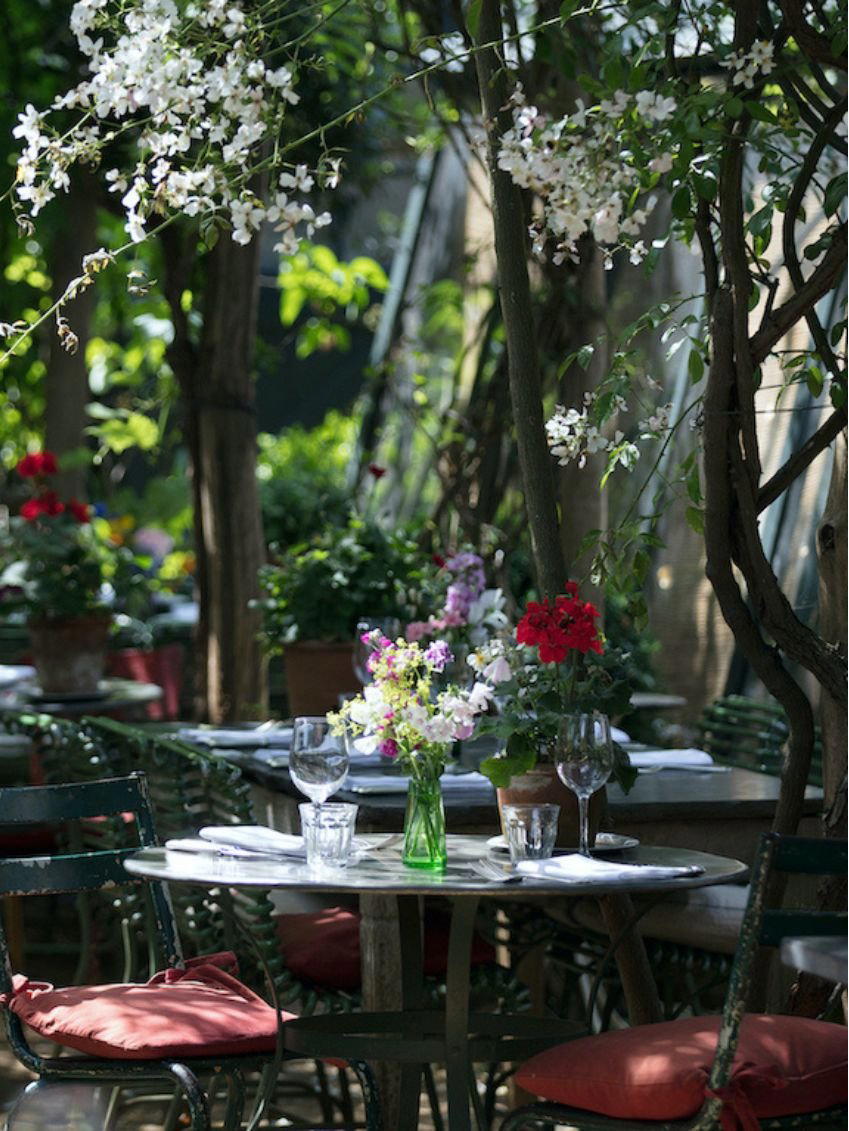
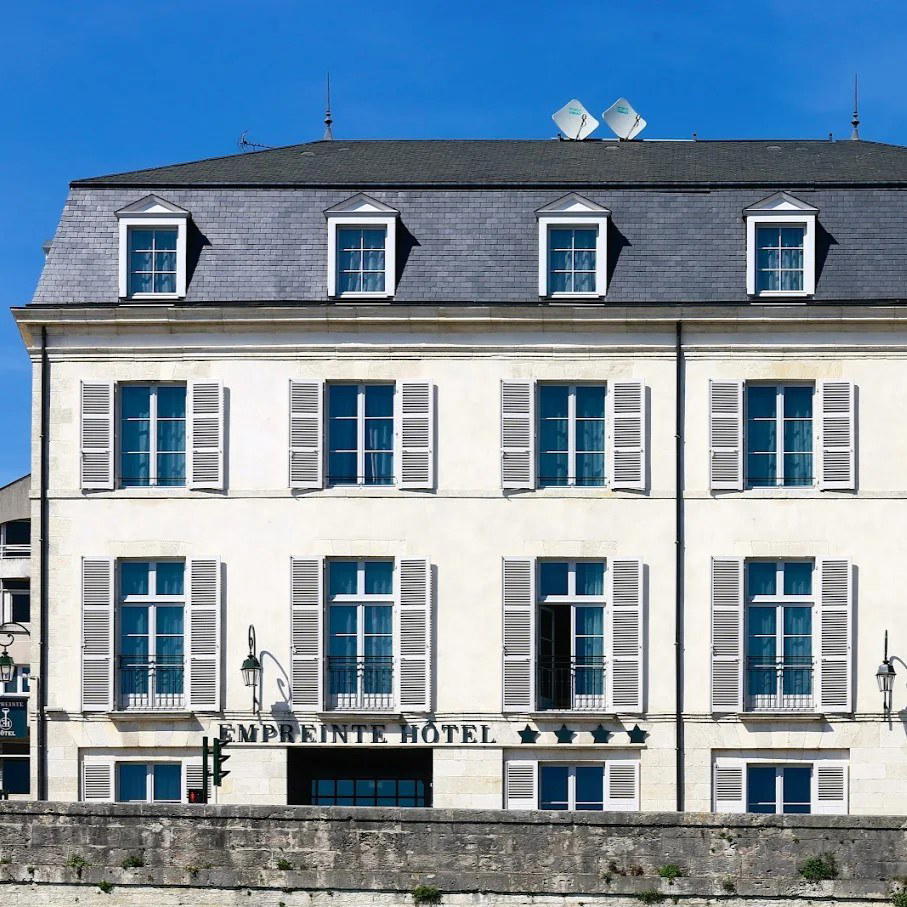
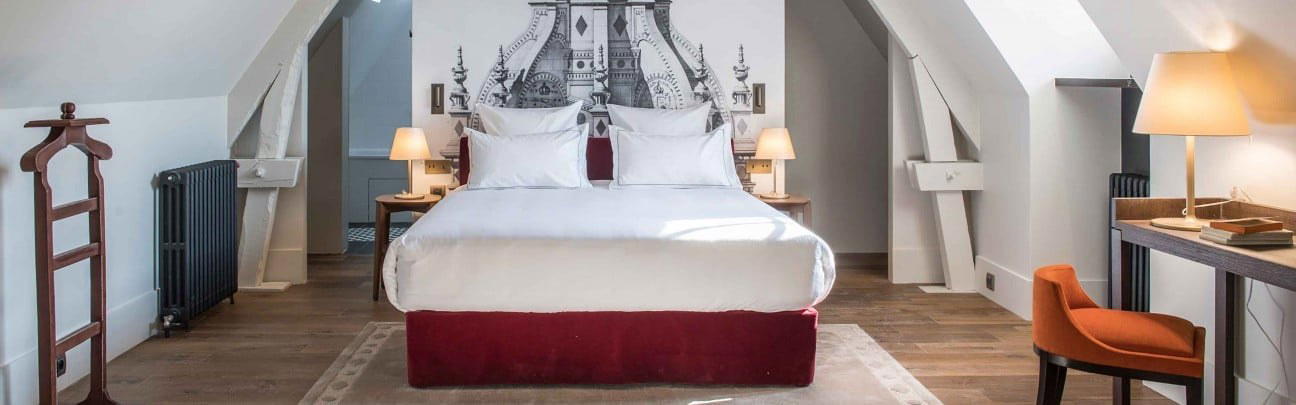
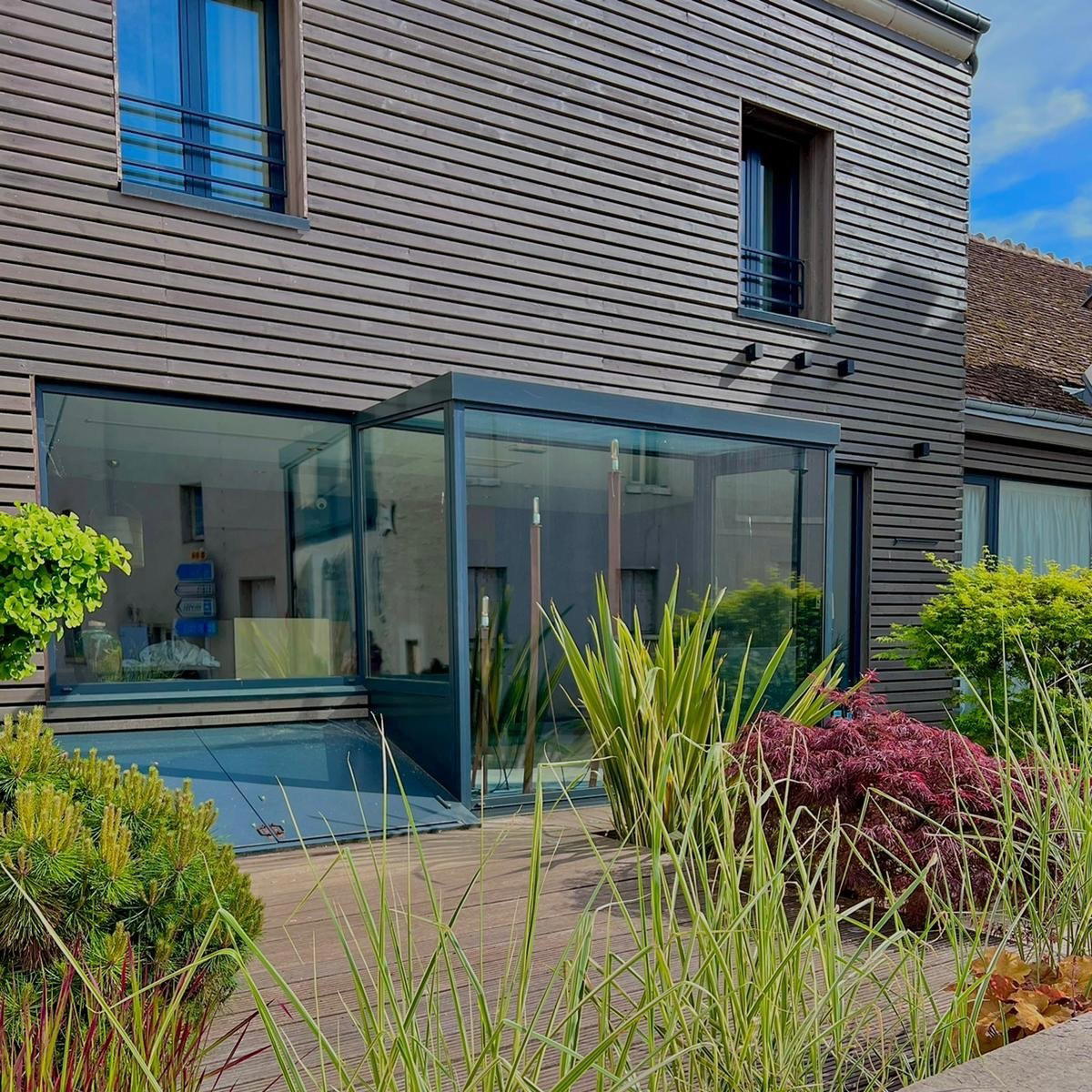
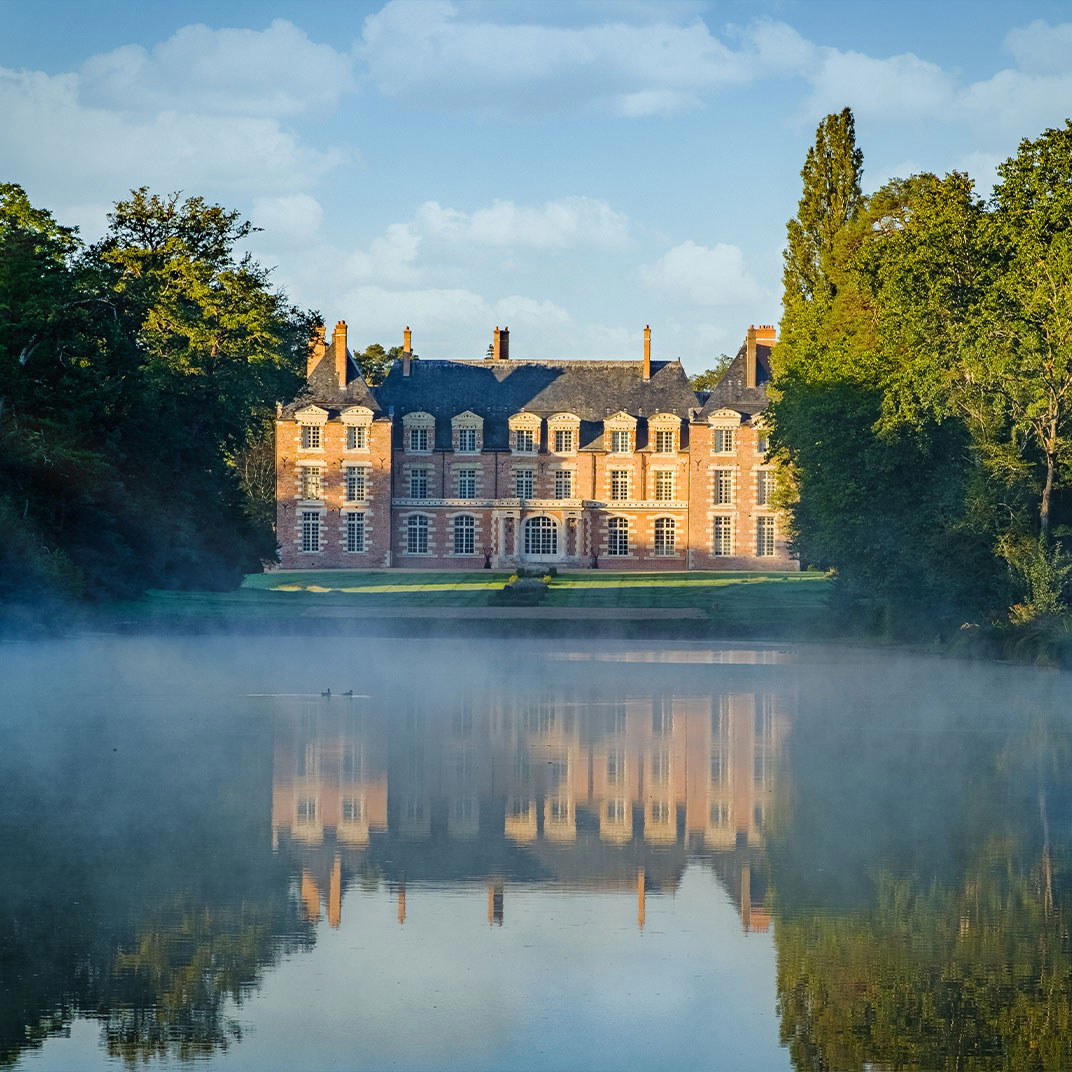
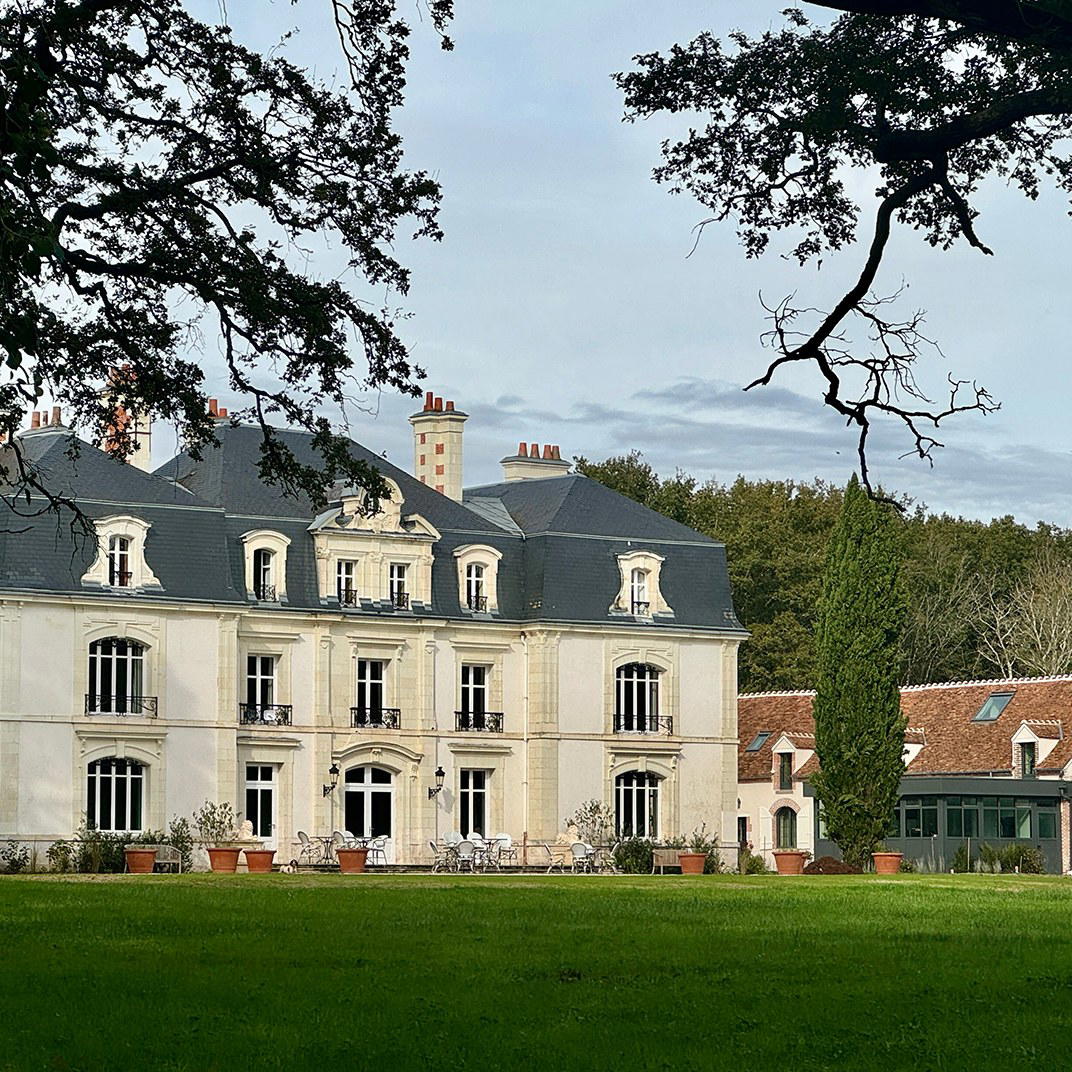
Coquettish châtelaine atmosphere with neat table settings beautiful upholstered wooden chairs thick beams stone terrace and roaring fires creating a charming cozy feel.