
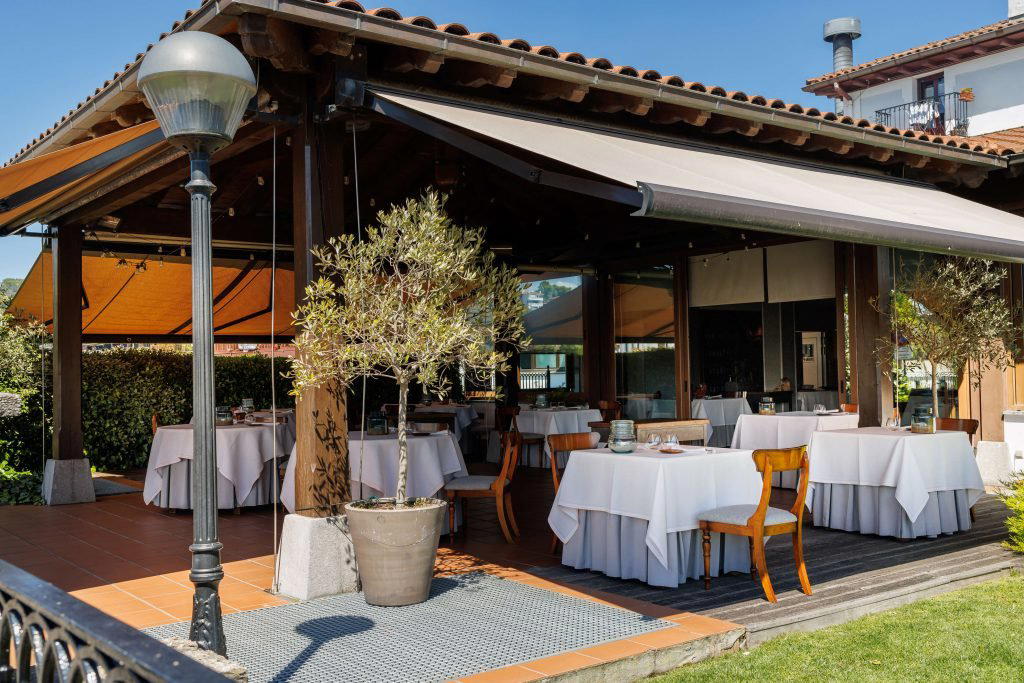
Briketenia holds a Michelin star in the small Basque village of Guéthary, operating from a characteristic 1930s house where the Ibarboure family has shaped the kitchen for two generations. Father and son cook with locally sourced produce and a precise, restraint-led approach; Marie-Claude and Camille manage hospitality with the warmth the Basque coast is known for. Service runs Wednesday through Sunday, lunch and dinner, at €€€ pricing.
Pearl is the En Primeur Club membership app — saves, bookings, and concierge access live there. Same editors, same standards.
- Address
- 142 Rue de l'Église, 64210 Guéthary, France
- Phone
- +33 5 59 26 51 34
- Website
- briketenia.com
- Directions
- Get directions
 Saves & bookings on Pearl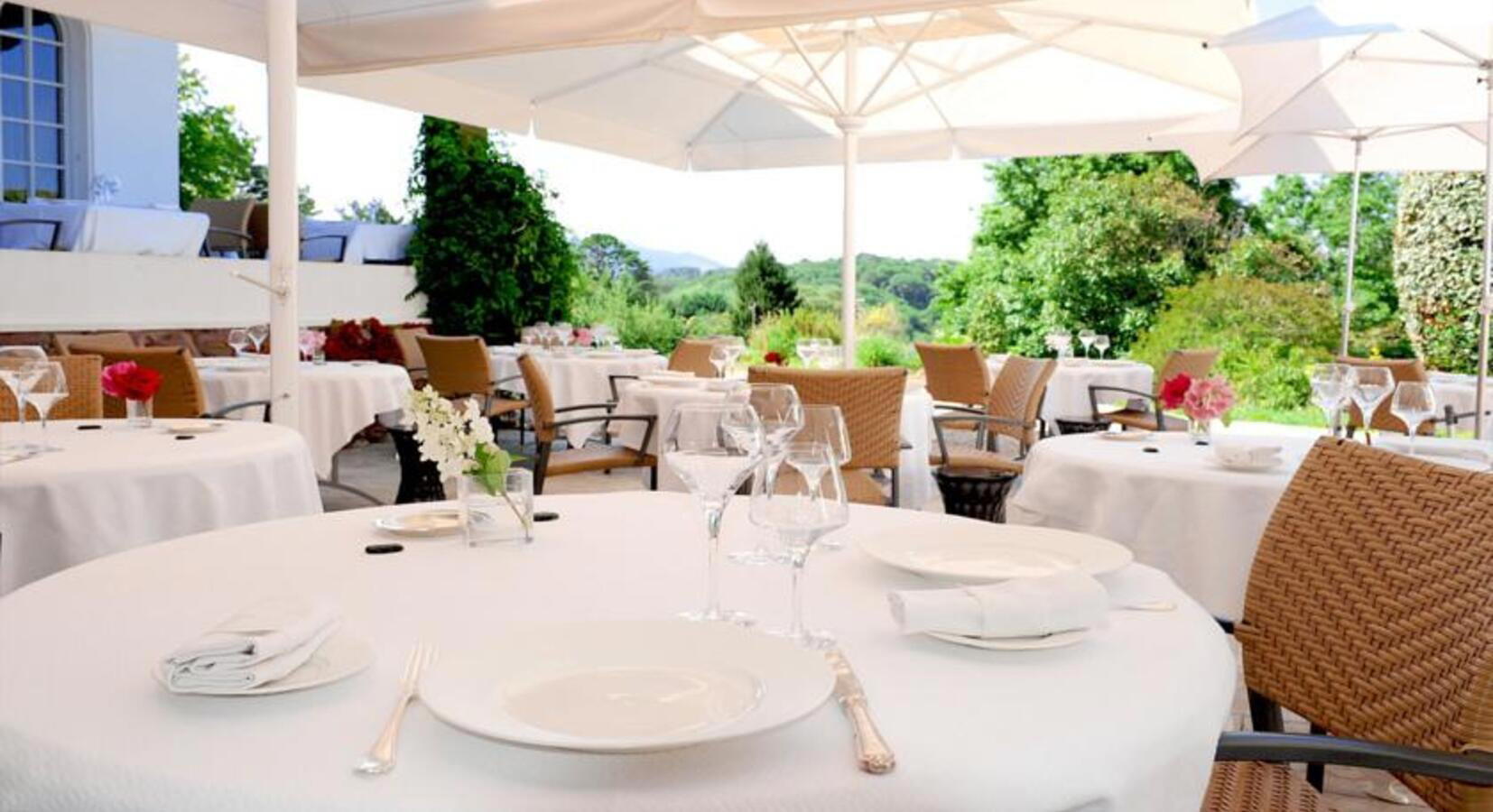
A 1930s Basque House and What It Represents
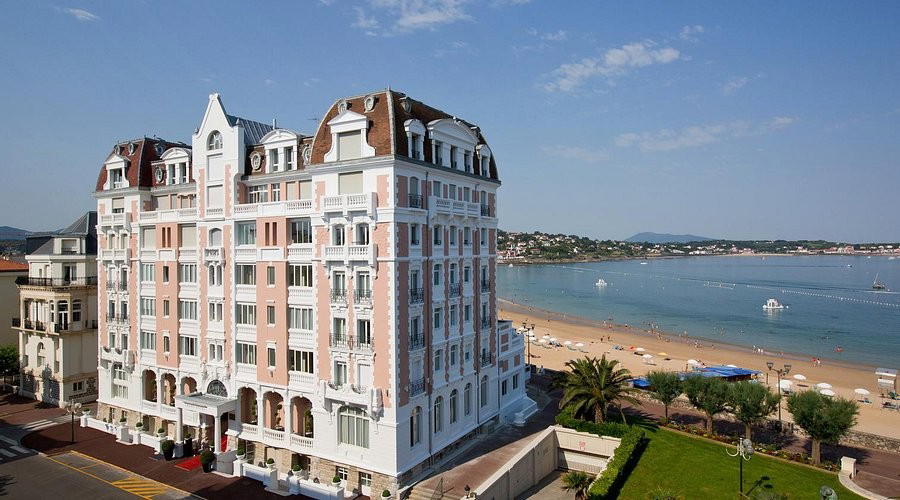
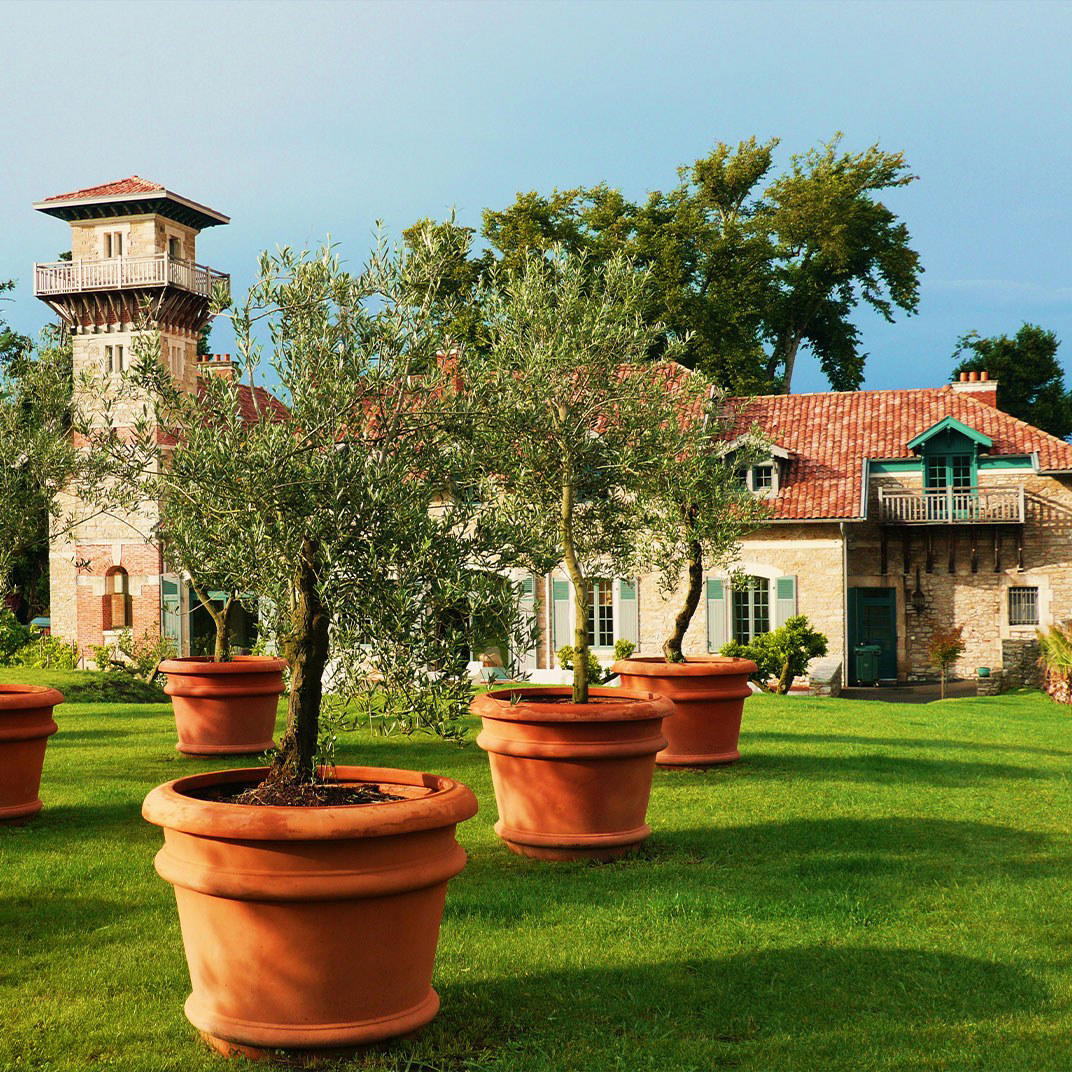
The road through Guéthary runs between the Pyrenean foothills and the Atlantic, a stretch of the Basque coast that has never fully decided whether it belongs to France or to itself. The village holds fewer than 2,000 residents, a surf break, and one Michelin-starred restaurant: Briketenia, operating from a characteristic 1930s Basque house at 142 Rue de l'Église that was formerly a hotel. The architecture here carries its own argument. The broad-roofed, half-timbered style of that era was not decorative regionalism; it was the Basque Country asserting a distinct identity through built form, and it still does. Walking up to Briketenia, you read the building before you read the menu.
This matters as context for the food. The Basque culinary tradition has always operated at the intersection of Atlantic produce, mountain agriculture, and a fierce local pride that resists simplification into either Spanish or French categories. The village itself sits within the broader Labourd district, the coastal stretch of the French Basque Country that runs from Hendaye north toward Bayonne, where fishing ports, coastal farms, and a deeply hospitality-oriented culture have produced a dining tradition built on ingredient quality rather than technique for its own sake. Briketenia belongs to that tradition while extending it.
The Ibarboure Family and the Basque Hospitality Model
Family-run restaurants occupy a particular position in French gastronomy that multi-star urban operations rarely replicate. At the highest end of the spectrum, you have institutions like Auberge de l'Ill in Illhaeusern or Bras in Laguiole, where family continuity has become part of the restaurant's identity and critical record. At those addresses, the transmission of knowledge across generations is inseparable from the cuisine itself. Briketenia operates on a similar model, at a different scale, in a smaller village, but with the same underlying logic.
The Ibarboure family divides responsibility in a way that reflects how the Basque hospitality tradition actually functions: the kitchen and the front of house are equally weighted, not hierarchically arranged with service as an afterthought. Marie-Claude upholds Basque traditions of welcome with the kind of grounded warmth that comes from genuine cultural rooting rather than hospitality training manuals, while Camille manages the dining room. In the kitchen, father Martin and son David cook together. That a son trained with Pierre Gagnaire in Hong Kong before returning to the family house is a detail that tells you something about the current generation of regional French kitchens: technical seriousness does not require metropolitan relocation as a permanent condition. The village can hold it.
For context on what that peer training implies, Gagnaire's influence tends to produce cooks interested in contrast, in the tension between expected and unexpected flavour combinations, and in the precise management of seasoning. Those tendencies appear in the Michelin panel's description of the kitchen's approach at Briketenia: suave seasonings, a subtle play on transparency and contrast, and produce described as perfectly ripe and predominantly local. The star, awarded in 2024, confirms that the combination reads as disciplined rather than experimental for its own sake.
What the Kitchen Actually Does
Modern cuisine as a category covers considerable ground, from the technical theatrics of multi-course tasting menus at places like Alléno Paris au Pavillon Ledoyen or Mirazur in Menton to the more restrained, locally grounded expressions you find in regional houses. Briketenia sits closer to the latter. The Michelin assessment references natural and simple flavours as a governing priority, with technique deployed in service of those flavours rather than as a statement in itself. Contrast and transparency, in the kitchen's own conceptual language, suggest an interest in how flavours read against each other and how clarity is achieved in a dish, rather than richness through accumulation.
The produce base is local, which in this part of the Basque coast means Atlantic fish and shellfish, Pyrenean lamb and veal, vegetables from the interior farms of Labourd, and the regional pantry that includes dried peppers, sheep's milk cheese, and the cured meats the Basque Country produces in quantity. That regional sourcing is not a marketing position in this context; it is the default condition of cooking in a small village where the supply chain has always been close. The kitchen's relationship with local produce reflects how the Basque gastronomic tradition developed, through proximity and familiarity rather than deliberate localism as ideology.
Readers who have followed the French Basque scene through restaurants like Getaria, also in Guéthary, will recognise this orientation. What distinguishes Briketenia within that village context is the star, the generational depth of the family operation, and the modern cuisine framing that places it in a different register than traditional Basque cooking, even as the cultural roots remain visible.
Where Briketenia Sits in French Regional Gastronomy
France's one-star tier is broader and more varied than the two- and three-star conversation tends to acknowledge. The category includes technically sophisticated urban restaurants, ambitious regional houses, and precise local kitchens where the single star reflects a kind of mastery that doesn't require more elaboration than the setting warrants. Briketenia belongs to the third type. Comparing it to Flocons de Sel in Megève, Troisgros - Le Bois sans Feuilles in Ouches, or Paul Bocuse - L'Auberge du Pont de Collonges in Collonges-au-Mont-d'Or is instructive for what it reveals about how French gastronomy distributes itself geographically. The institutional weight sits in Paris and a handful of celebrated regional addresses, but the texture of serious French cooking lives in places like Guéthary, in family houses with generational kitchens and a dining room that is part of the local landscape in a way the grand hotels cannot be.
At about $125 per person, Briketenia sits in a tier that requires commitment but not the €€€€ exposure of the three-star Paris addresses. For the Basque coast, where the summer season brings considerable tourist traffic and the resident population has a food culture that takes restaurants seriously, this positioning makes sense. It is not a casual lunch stop; it is a destination within the village's own geography.
Readers interested in similarly positioned modern cuisine with strong regional roots might also consider AM par Alexandre Mazzia in Marseille or Assiette Champenoise in Reims, both of which share the quality of placing a distinct regional identity inside a contemporary cooking framework. For a northern European parallel, Frantzén in Stockholm and FZN by Björn Frantzén in Dubai represent how the same instinct, local identity at high technical level, travels across contexts.
Planning a Visit
Briketenia closes on Mondays and Tuesdays, with service running Wednesday through Sunday for both lunch (12:00 PM to 1:30 PM) and dinner (7:30 PM to 9:00 PM). Reservations are essential. The restaurant's companion address, Briket' Bistrot, offers a lower-key alternative from the same family if the star format does not fit the occasion.
Pricing, Compared
Comparable venues nearby, for context on price, style, and recognition.
| Venue | Cuisine | Price | Awards | Notes |
|---|---|---|---|---|
| BriketeniaThis venue — the venue you are viewing | Modern Cuisine | $$$$ | Michelin 1 Star | Not listed |
| Briket' Bistrot | Guéthary, Basque French Bistro | $$$ | Bib Gourmand | Not listed |
| Getaria | Not listed | $$$ | Michelin Plate | Guéthary, Modern Basque-French Gastronomic |
| La Table d'Aurélien Largeau | Not listed | $$$$ | Michelin 1 Star | centre-ville, Modern French Seafood Fine Dining |
| Les Rosiers | Not listed | $$$$ | Michelin 1 Star | Saint-Martin, Modern Basque French Fine Dining |
| L'Essentiel | Not listed | $$$$ | Michelin 1 Star | Puy-Saint-Front, Modern Périgord Gastronomy |
Recognition history
Dated appearances from independent guides and award organizations, with the underlying list record or original source where available.
Michelin 1 Star
Michelin
Michelin 1 Star
Michelin
Michelin 1 Star
Michelin
At a Glance
- Elegant
- Cozy
- Sophisticated
- Scenic
- Date Night
- Special Occasion
- Family
- Terrace
- Private Dining
- Extensive Wine List
- Local Sourcing
- Mountain
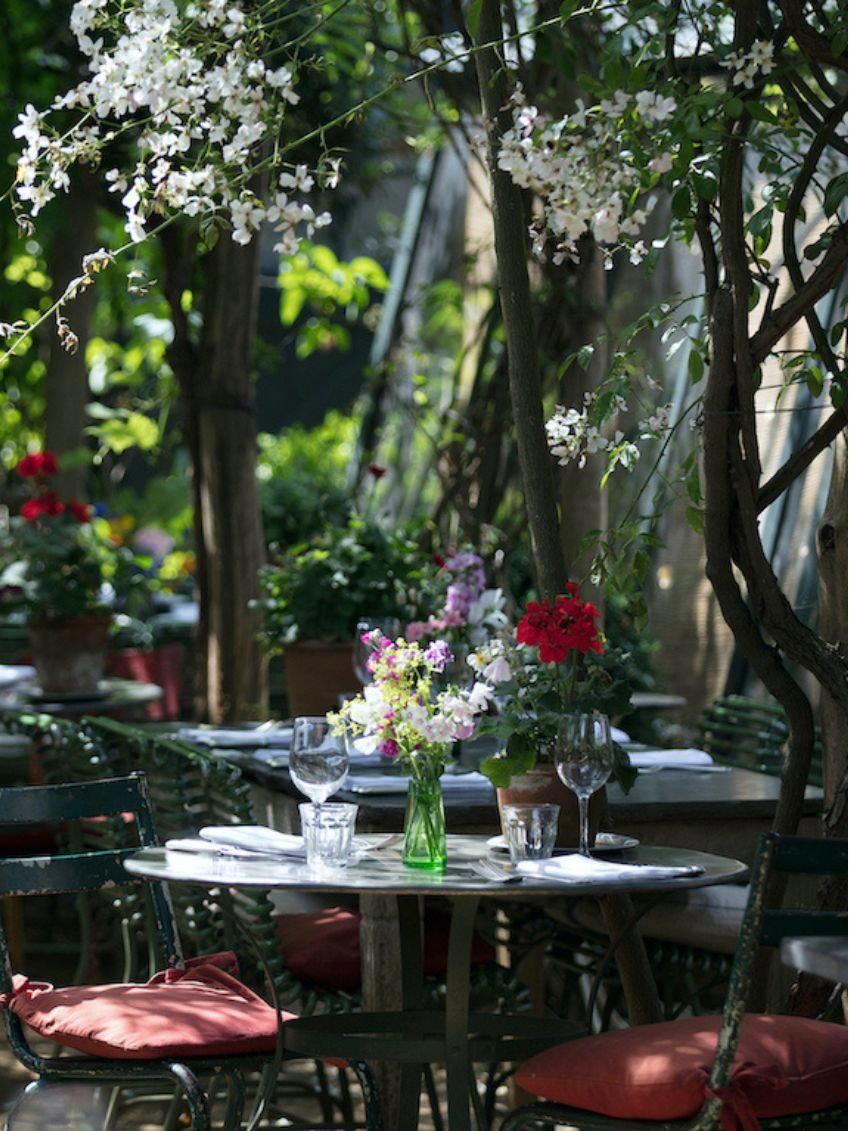
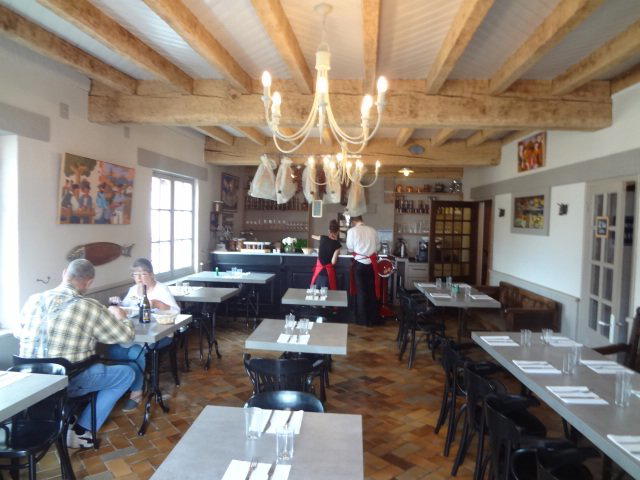
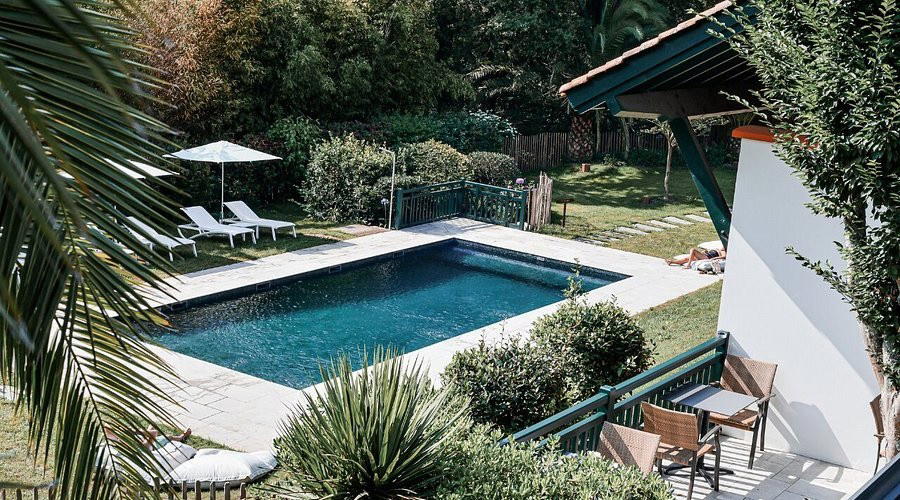
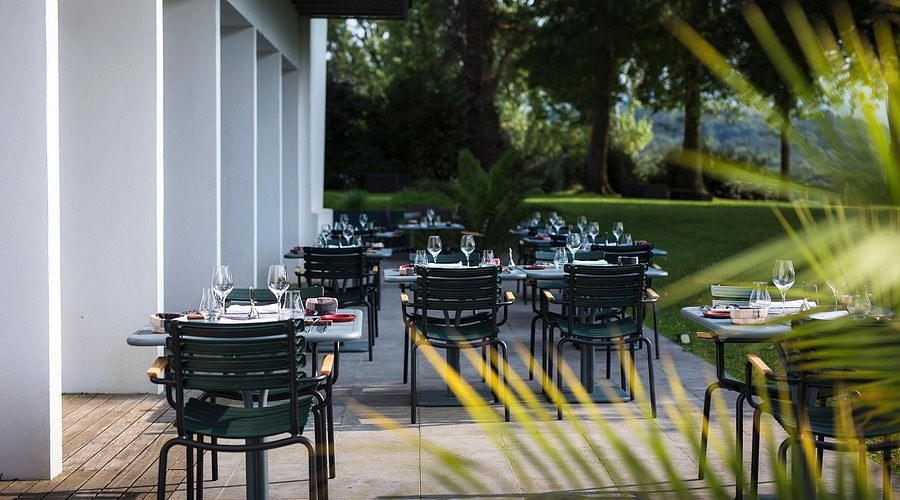
Warm, family atmosphere with contemporary decor, luminous and cozy spaces, terrace with mountain views.