Le Baragoû
Le Baragoû sits on the Chaussée de Liège in Marche-en-Famenne, a small Ardennes town with a dining scene that punches above its population. The address places it within easy reach of travellers crossing the Walloon interior, and its name — a French word for dialect or jargon — signals a certain irreverence toward formal restaurant convention. Contact details and current hours are best confirmed directly before visiting.
Pearl is the En Primeur Club membership app — saves, bookings, and concierge access live there. Same editors, same standards.
- Address
- Chau. de Liège 4, 6900 Marche-en-Famenne, Belgium
- Phone
- +3284445868
- Website
- baragou.be
- Directions
- Get directions
 Saves & bookings on Pearl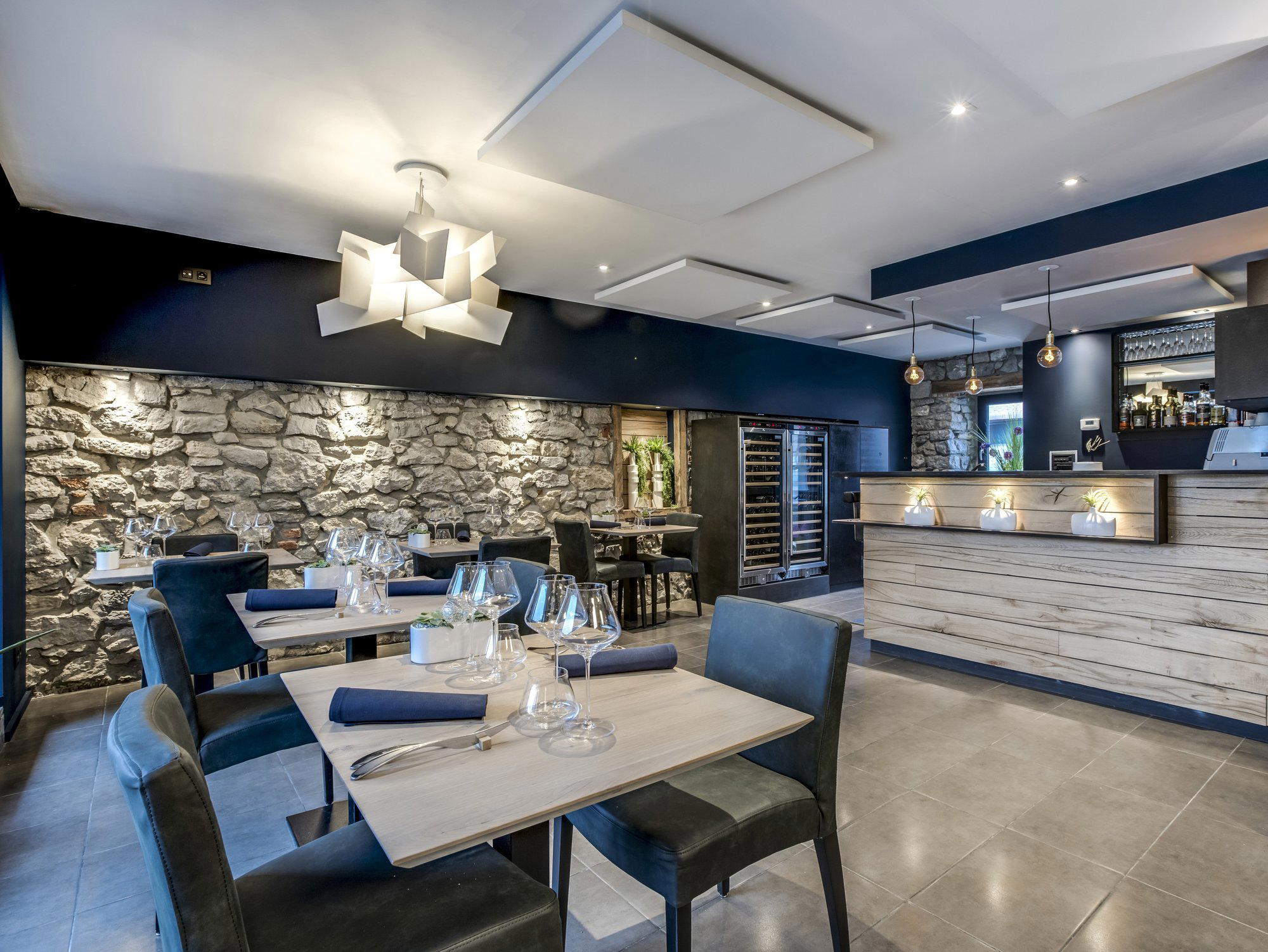
Marche-en-Famenne and the Walloon Interior Dining Tradition
Belgium's restaurant reputation is built almost entirely on a handful of urban anchors: the grand brasseries of Brussels, the creative Flemish kitchens clustered around Ghent and the coast, the starred tables of Liège. Venues like Bozar Restaurant in Brussels, Zilte in Antwerp, and Hof van Cleve in Kruishoutem define the country's upper tier in the international imagination. But the Walloon interior — the arc of territory running from Namur south through the Ardennes — operates on a different set of coordinates. Towns like Marche-en-Famenne are not dining destinations in the way Bruges or Antwerp are, which means the restaurants that establish themselves here do so without the gravitational pull of tourism or a dense professional population. That cuts both ways: lower ambient demand, but also lower noise.
The Ardennes has a culinary identity rooted in the land rather than the kitchen brigade: game from the forests, trout from the Ourthe and Lesse tributaries, charcuterie traditions that predate any current dining trend. Restaurants in the region have historically served as functional stops rather than destinations, serving hunters, hikers, and the commercial traffic that the N4 and E411 axes push through the province. The shift toward more considered cooking in small Walloon towns is relatively recent, and it mirrors a pattern visible across rural Europe: a generation of cooks returning to or choosing smaller markets, trading urban visibility for lower overheads and a different kind of clientele relationship. The contrast with destination-driven peers like L'air du Temps in Liernu or La Table de Maxime in Our is instructive: both have built pull well beyond their immediate geography, but they started from similarly modest surroundings.
Le Baragoû on the Chaussée de Liège
Le Baragoû occupies an address at Chaussée de Liège 4, on the main approach road into Marche-en-Famenne from the east. The name itself is telling: baragouin in French means a kind of jargon or garbled speech, the language of someone who doesn't quite fit the formal register. It's a word with convivial, slightly subversive connotations, the opposite of the stiff nomenclature that surrounds Belgium's more decorated tables. Whether the name reflects the room's atmosphere, its cooking philosophy, or simply a founder's sense of humour, it positions the venue outside the tradition of formal Walloon dining before a guest has crossed the threshold.
The Chaussée de Liège is a functional road rather than a scenic one, which places Le Baragoû in the category of restaurants discovered by residents and returning visitors rather than tourists following a heritage trail. In Belgian provincial towns, that positioning often correlates with cooking that answers to a regular audience rather than a one-time crowd, where the menu has to sustain repeat visits rather than simply impress on first encounter. Comparable dynamics shape the dining rooms at Castor in Beveren and De Jonkman in Sint-Kruis, both of which built durable reputations serving communities before their names travelled further.
The Belgian Provincial Restaurant as a Category
Understanding where Le Baragoû sits requires some sense of what the Belgian provincial restaurant looks like as a category. At the upper end, Wallonia has produced a string of ambitious tables over the past two decades, from the Franco-Asian creativity of L'air du Temps to the classical precision of d'Eugénie à Emilie in Baudour. These are tables with national and sometimes international reach. Below that tier sits a much larger category of neighbourhood and town-centre restaurants operating without awards infrastructure but sustaining consistent local trade. This is the register in which most of Marche-en-Famenne's dining scene operates, including nearby addresses like La Pause Chocolat Thé and Quartier Latin.
In this tier, the Walloon kitchen tradition matters more as a frame than any individual restaurant's positioning. That tradition pulls toward generous portions, slow-cooked preparations, and ingredients sourced from a radius that has been defined by geography for centuries rather than by current supply-chain fashion. Game, mushroom, chicory, Belgian endive, hop shoots in season: these are not trends imported from elsewhere but the actual material of Ardennes cooking. The better provincial restaurants work within this frame without being defined by nostalgia for it, updating technique while keeping the logic of the region's food intact. The reference points here are not the starred Flemish kitchens at Boury in Roeselare or Bartholomeus in Heist, which operate in a different culinary and commercial register entirely, but rather the smaller, less publicised tables that have defined provincial Walloon eating for two generations.
What the Address Tells You
For a visitor approaching Marche-en-Famenne from the Liège corridor, the Chaussée de Liège address puts Le Baragoû near the entry point of the town rather than its centre. That placement, and the absence of a highly visible digital presence, suggests a restaurant whose reputation travels primarily through local recommendation rather than search optimisation or press coverage. In provincial Belgian dining, that is not a disadvantage. Some of the country's most consistent tables, including several that eventually attracted critical attention, built their audience entirely through word of mouth in the years before any external validation arrived. For context on the range of what Belgian cooking looks like across different price points and formats, Le Chalet de la Forêt in Uccle and La Durée in Izegem offer useful reference points at opposite ends of the spectrum. Internationally, the rigour of French-rooted cooking in Belgian regional kitchens sits in a tradition that connects, at some remove, to the sustained precision of Le Bernardin in New York City or the tasting-menu discipline of Atomix.
Planning a Visit
Marche-en-Famenne is accessible by road via the E411 and N4 axes, with Liège approximately 60 kilometres to the northeast. For a broader view of what the town's dining scene covers, our full Marche-en-Famenne restaurants guide maps the full range of options across formats and price points. Given the absence of a confirmed booking platform, visitors travelling specifically for Le Baragoû should verify current operations before the journey.
How Le Baragoû Marche-en-Famenne: Hours, Dress Code & Fit compares with similar nearby venues.
| Venue | Cuisine | Price |
|---|---|---|
| Bistrot Blaise | French Contemporary | €€€ |
| La Gloriette | Modern French | €€ |
| Les 4 Saisons | Modern Cuisine | €€ |
Continue exploring
More in Marche-en-Famenne
Restaurants in Marche-en-Famenne
Browse all →
Bars in Marche-en-Famenne
Browse all →
Hotels in Marche-en-Famenne
Browse all →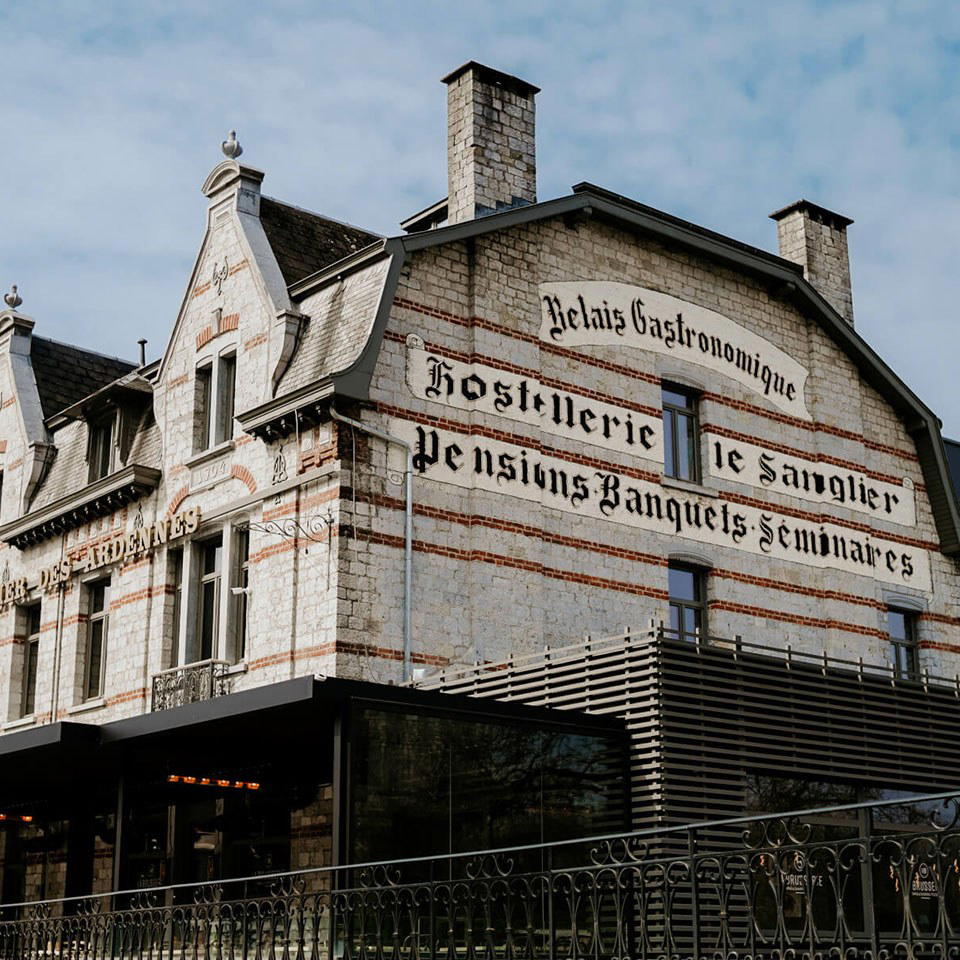
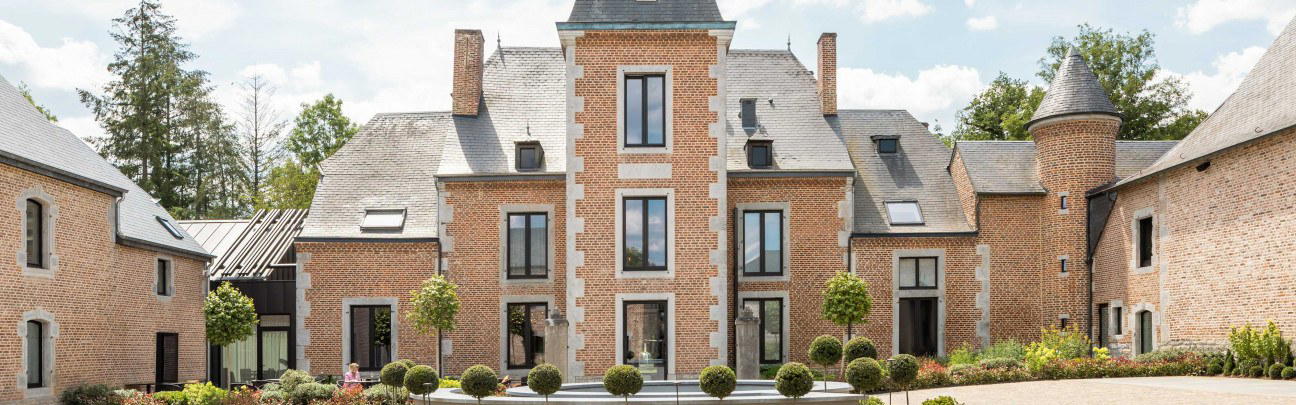
Wineries in Marche-en-Famenne
Browse all →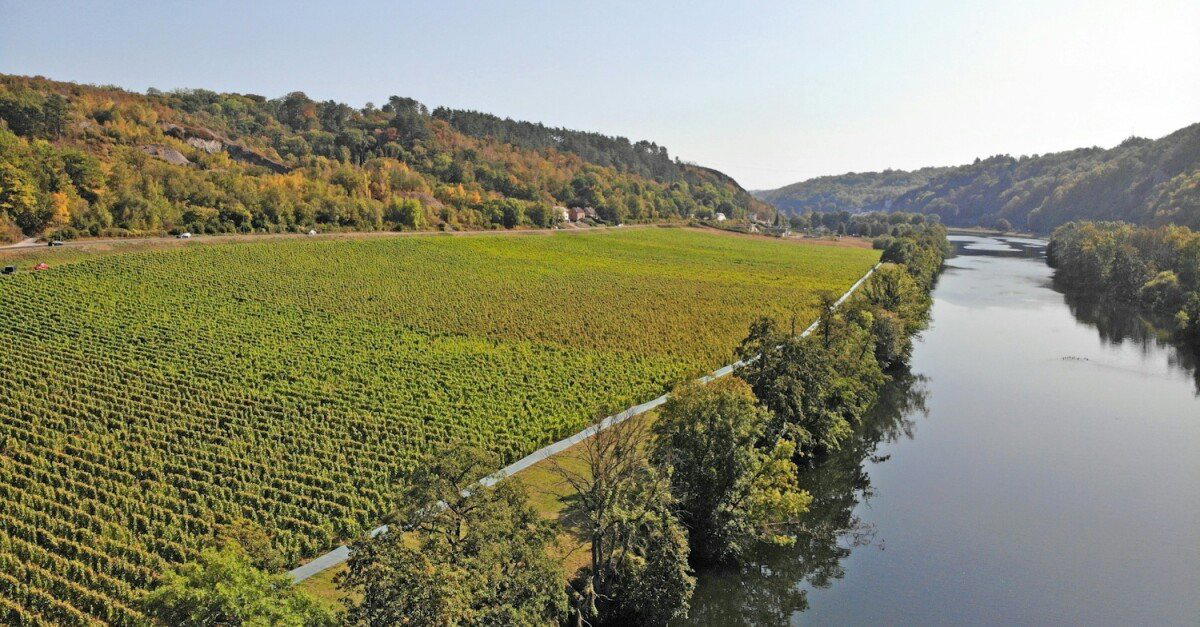

At a Glance
- Elegant
- Modern
- Intimate
- Trendy
- Date Night
- Special Occasion
- Celebration
- Open Kitchen
- Standalone
- Local Sourcing
Current opening hours
- Monday
- Closed
- Tuesday
- 12–2 PM, 7–9 PM
- Wednesday
- 12–2 PM, 7–9 PM
- Thursday
- 12–2 PM, 7–9 PM
- Friday
- 12–2 PM, 7–9 PM
- Saturday
- 7–9 PM
- Sunday
- Closed
Hours can change for holidays and private events. Last verified .
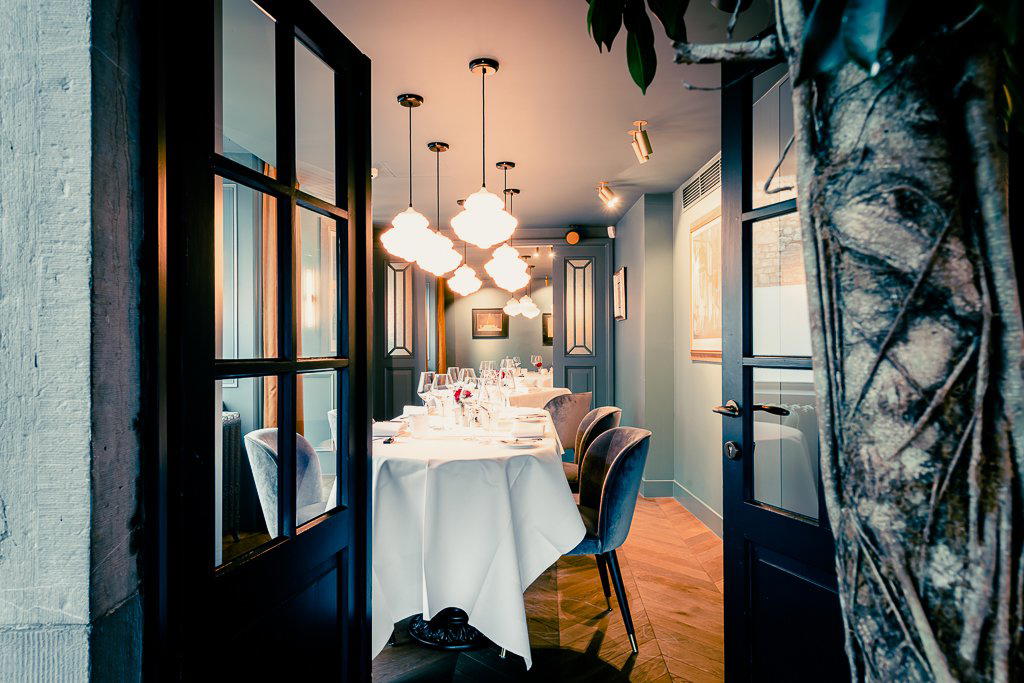
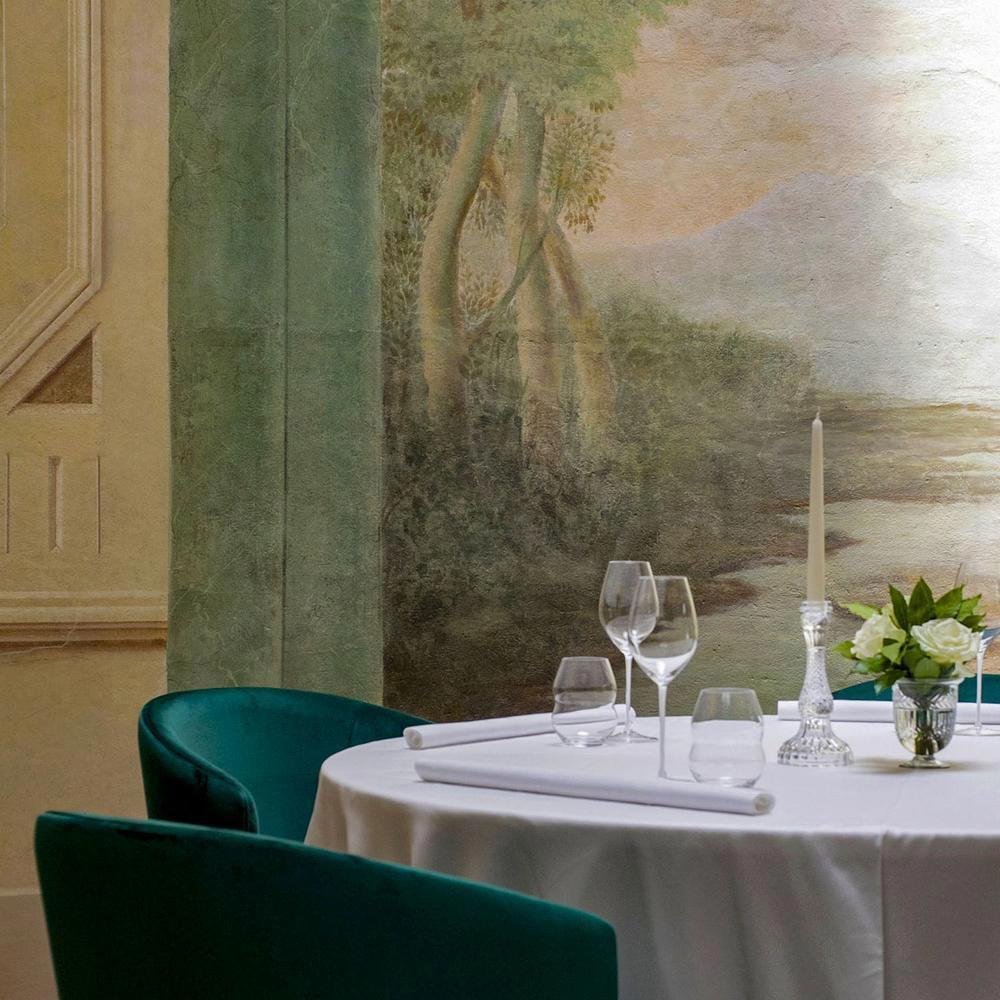
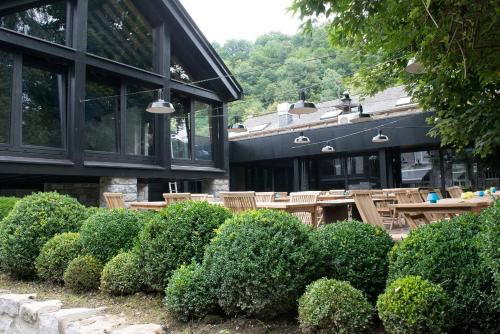
Warm and elegant setting with well-spaced tables, modern and soothing decor in a beautifully restored space with an open kitchen visible to diners.
Know Before You Go
- Getting there
- Chau. de Liège 4, 6900 Marche-en-Famenne, Belgium