
1 Michelin Star
Our verdict
La Table de Manon holds a Michelin star earned in both 2024 and 2025, placing it among a select tier of destination restaurants in the Ardennes. Chef Grégory Gillain works in a French contemporary register in the village of Grandhan, where the surrounding landscape of forest, river, and farmland informs the provenance logic of the kitchen. The consistency here is well-documented.

Pearl is the En Primeur Club membership app, where members save venues, book tables and use the concierge.
The menu
What to order
- Lobster Variations
- Souvenir de Bretagne Menu
Where the Ardennes Comes to the Table
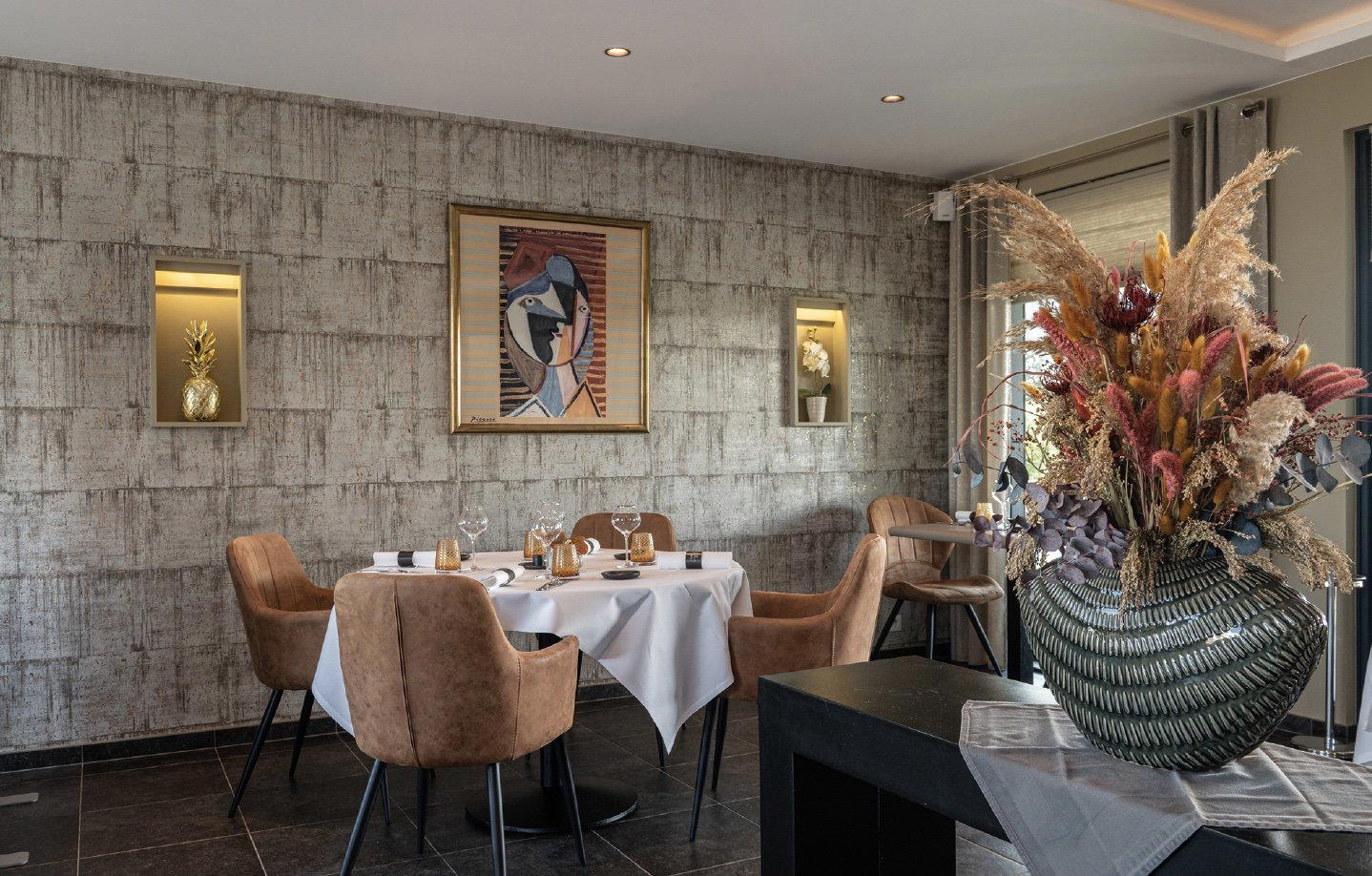
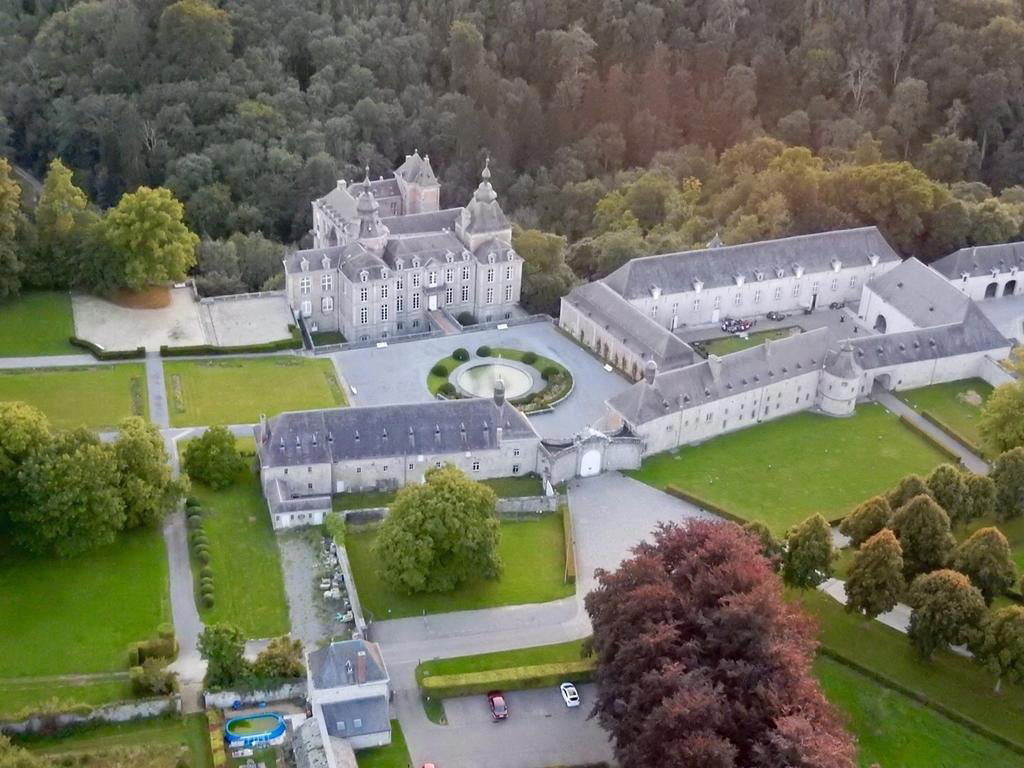
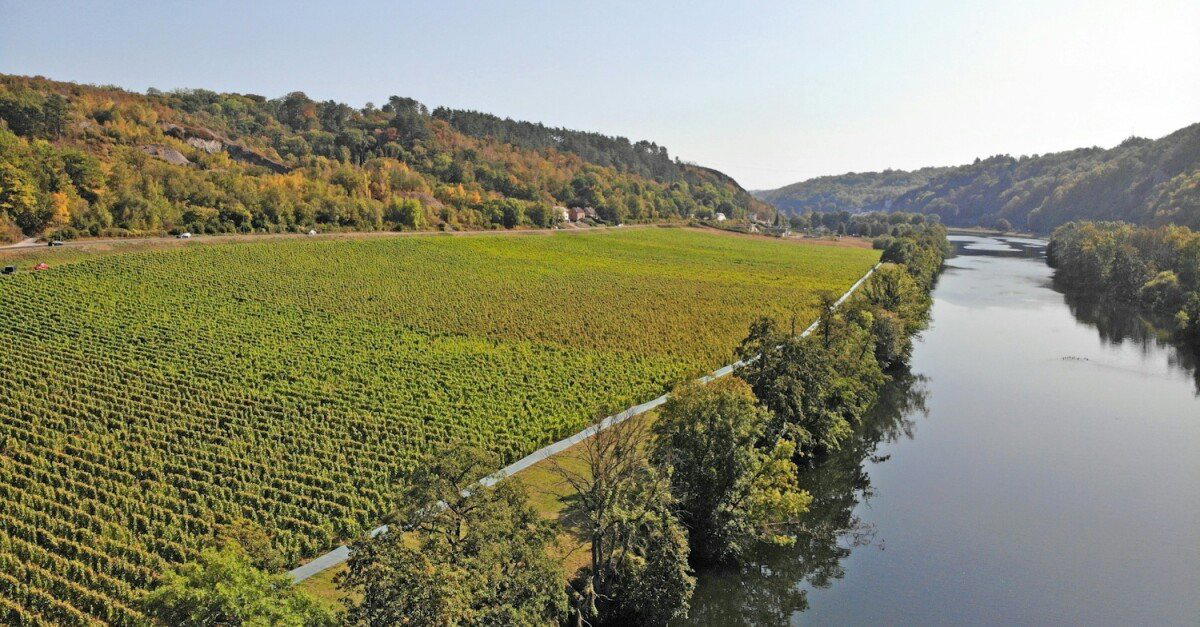
Arrive at Rue de Givet 79 on a quiet evening and the contrast is immediate. The Ardennes outside is all beech forest, limestone outcrop, and the unhurried rhythm of the Ourthe river valley. Step inside La Table de Manon and you find a room whose atmosphere is shaped by that same quietude: no spectacle, no urban noise, just a considered space in which the cooking is permitted to be the event. This kind of destination dining, where the journey to reach the table is itself part of the proposition, has a long tradition in rural France and Wallonia alike. La Table de Manon sits squarely in that tradition.
The village of Grandhan, technically part of the Durbuy municipality, occupies a corner of the Belgian Ardennes that receives serious dining attention despite its remoteness. That attention is not accidental. The Ardennes has always supplied a kitchen larder of unusual depth: wild game from managed forests, river fish, aged farmhouse cheeses from the plateau, foraged mushrooms and herbs whose seasons are short and whose flavours carry the acidity of the terrain. Chefs who cook here either engage with that provenance or they miss the point. At La Table de Manon, the French contemporary framework is the grammar, but the Ardennes is the vocabulary.
Two Stars Running: What the Michelin Recognition Signals
Belgium's Michelin-starred restaurant map is denser than its size suggests. At the upper end, addresses like Boury in Roeselare operate at three stars in the €€€€ tier, while two-star houses including Castor in Beveren, Cuchara in Lommel, and De Jonkman in Sint-Kruis occupy a competitive second tier at comparable or higher price points. La Table de Manon enters the conversation at a different pitch: one Michelin star retained across 2024 and 2025, priced in the €€ range, and operating in a rural setting that places it outside the urban fine-dining circuit altogether.
A star held across consecutive years is a more meaningful signal than a debut award. Michelin inspectors return; they eat different menus in different seasons; they test consistency rather than novelty. The fact that La Table de Manon carried its star from 2024 into 2025 at a €€ price point is an editorial statement in itself: this is a kitchen delivering at a standard that rewards the detour without demanding the budget of the capital's leading addresses. For context, Bozar Restaurant in Brussels and the classic L'air du Temps in Liernu both operate in different register and price brackets, making La Table de Manon's positioning notably accessible for its recognition level.
At that volume, statistical outliers smooth out. What remains is a picture of reliable execution appreciated by a wide range of diners, not just a vocal minority.
French Contemporary in an Ardennes Context
French contemporary cooking, as a category, covers a wide range of approaches. At one pole it means technique-heavy, reference-dense cuisine that could be transplanted to any European capital. At the other it means French classical training applied to hyper-local ingredient sourcing, where the cuisine's identity is determined as much by geography as by culinary tradition. The most interesting addresses in the Belgian countryside tend toward the latter. This is, after all, what gives rural restaurants their competitive differentiation from the city: access to ingredients at source, relationships with producers measured in years, and a kitchen calendar governed by what the land is actually doing.
The Ardennes territory around Durbuy offers specific materials that shape a serious kitchen's output. Game birds and venison from the Ardennes forest system have a different character from farmed equivalents: leaner, more pronounced in flavour, with a seasonality that compresses the window for certain preparations. River trout and crayfish, where sourced locally, carry the minerality of the region's limestone-filtered waterways. The cheeses of the plateau, particularly those from smaller Wallonian producers, offer aged complexity that functions differently from imported equivalents. A kitchen that engages with this supply chain is making an argument about place that no amount of technique can replicate from a different geography.
Chef Grégory Gillain works within this context. The French contemporary designation signals that classical discipline is present in the kitchen, providing the structural logic for how ingredients are handled, balanced, and sequenced across a menu. What the Ardennes location adds is the raw material specificity that prevents that framework from becoming generic. The combination is what Michelin's inspectors are effectively endorsing when they award and retain a star here.
Reaching La Table de Manon: Planning the Visit
Grandhan is a quiet village in the Durbuy administrative area of the Luxembourg province in Belgian Wallonia. Durbuy itself is marketed as the world's smallest city by historic charter, a designation that draws leisure tourists to the region, particularly in summer and autumn. The surrounding countryside is hiking and cycling territory, with the Ourthe river providing a scenic corridor through the Ardennes. For diners travelling specifically for the restaurant, the area rewards an overnight stay rather than a day trip from Brussels or Liège, both of which are roughly 90 to 100 kilometres distant by road.
The €€ price positioning means a full dinner here sits well below the comparable experience at two- or three-star Belgian addresses, which typically price in the €€€€ bracket. That accessible pricing, set against the backdrop of a Michelin-recognised kitchen in a genuinely rural setting, makes La Table de Manon a logical anchor for a longer Ardennes itinerary. For accommodation options, dining companions, and activities around the visit, our full Grandhan hotels guide, Grandhan bars guide, and Grandhan experiences guide provide the surrounding infrastructure. Given the rural location, reservations made well in advance are strongly advisable; destination restaurants in the Ardennes at this recognition level fill their covers from a national and cross-border audience.
La Table de Manon in the Broader Belgian Fine Dining Picture
Belgium's fine dining scene is often read through its Flemish axis: Zilte in Antwerp, Hof van Cleve in Kruishoutem, Willem Hiele in Oudenburg, Bartholomeus in Heist. Wallonia's contributions receive proportionally less international coverage despite producing addresses of equivalent calibre. d'Eugénie à Emilie in Baudour represents another Wallonian entry point into this conversation. La Table de Manon, sitting in the Ardennes rather than in Liège or Namur, occupies an even more peripheral position in the coverage map, which likely explains why it draws less international attention than its recognition warrants.
That relative obscurity is an argument for the visit rather than against it. Restaurants operating at this level in rural settings tend to offer a different register of experience from urban fine dining: less performance, more focus on what arrives on the plate, and a room whose atmosphere is shaped by the surrounding countryside rather than by neighbourhood prestige. For those tracking French contemporary cooking beyond its metropolitan expressions, the comparison set extends further afield: Amber in Hong Kong and Odette in Singapore represent how the same French contemporary idiom travels to entirely different ingredient and cultural contexts. What La Table de Manon demonstrates is how anchoring that idiom to a specific regional landscape produces something with genuine local identity. For a fuller view of what Grandhan's dining scene offers beyond this single address, our full Grandhan restaurants guide maps the wider territory, and the Grandhan wineries guide covers the regional wine context that supports the table.
Frequently asked questions
What does dinner at La Table de Manon typically cost?
Pricing at La Table de Manon is listed as €€.
Where is La Table de Manon in Grandhan?
La Table de Manon is located at Rue de Givet 79, 6940 Durbuy, Belgium, Grandhan.
At-a-Glance Comparison
| Venue | Cuisine | Price | Awards | Notes |
|---|---|---|---|---|
| La Table de ManonThis venue (the venue you are viewing) | French Contemporary Seafood | $50–100 | 1 Michelin Star | Not listed |
| Boury | Creative French Fine Dining | $300–500 | 3 Michelin Stars · La Liste Top Restaurants | Modern Frlemish, Creative French |
| Comme chez Soi | French - Belgian, Classic Cuisine | Not listed | Michelin 1 Star | Not listed |
| Hertog Jan at Botanic | Modern Japanese Omakase Fine Dining | Not listed | 2 Michelin Stars · La Liste Top Restaurants | Modern Flemish, Creative |
| L'Eau Vive | Modern French Fine Dining | $150–200 | 2 Michelin Stars · La Liste Top Restaurants | French, Modern French |
| La Durée | Modern French Fine Dining | $150–200 | 2 Michelin Stars · La Liste Top Restaurants | French-Belgian, Creative |
Recognition history
Dated appearances from independent guides and award organizations, with the underlying list record or original source where available.
Michelin 1 Star
Michelin
Full recognition history (3 entries)
Michelin 1 Star
Michelin
Michelin 1 Star
Michelin
Continue exploring
More in Grandhan
Restaurants in Grandhan
All restaurants in Grandhan →

Details
- Elegant
- Modern
- Intimate
- Cozy
- Special Occasion
- Date Night
- Hotel Restaurant
- Garden
- Terrace
- Extensive Wine List
- Local Sourcing
- Garden
- Tasting Menu
- A La Carte
- Wine
Current opening hours
- Monday
- Closed
- Tuesday
- Closed
- Wednesday
- 7–8:30 PM
- Thursday
- 12–1:30 PM, 7–8:30 PM
- Friday
- 12–1:30 PM, 7–8:30 PM
- Saturday
- 12–1:30 PM, 7–8:30 PM
- Sunday
- 12–1:30 PM
Hours can change for holidays and private events. Hours as of .
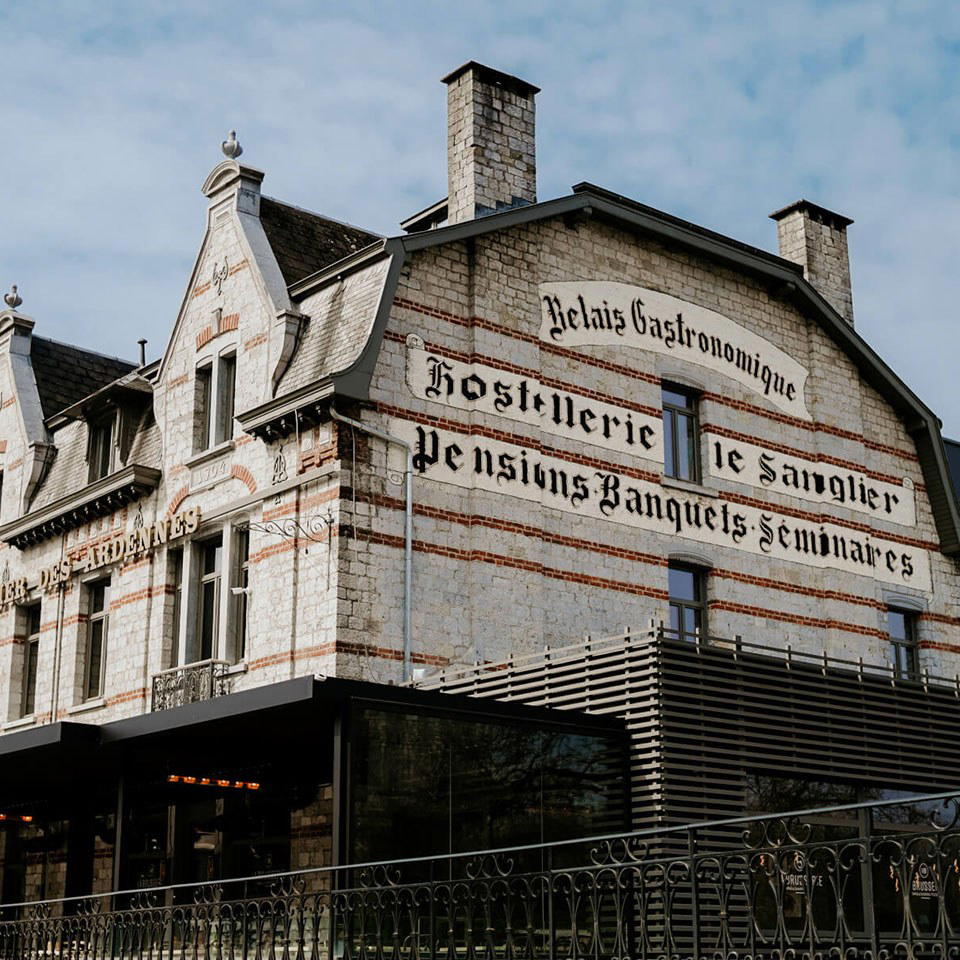
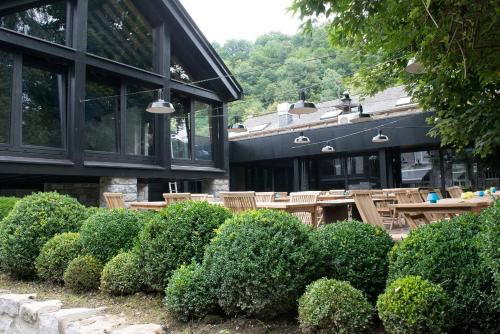
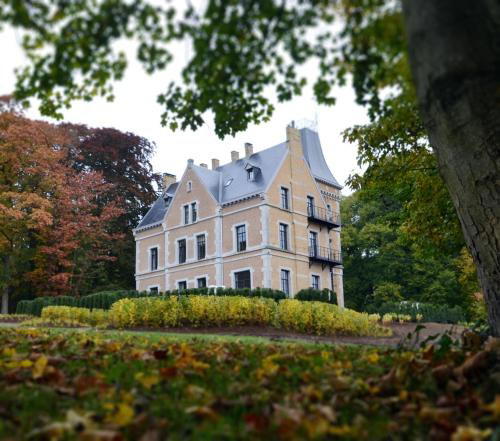
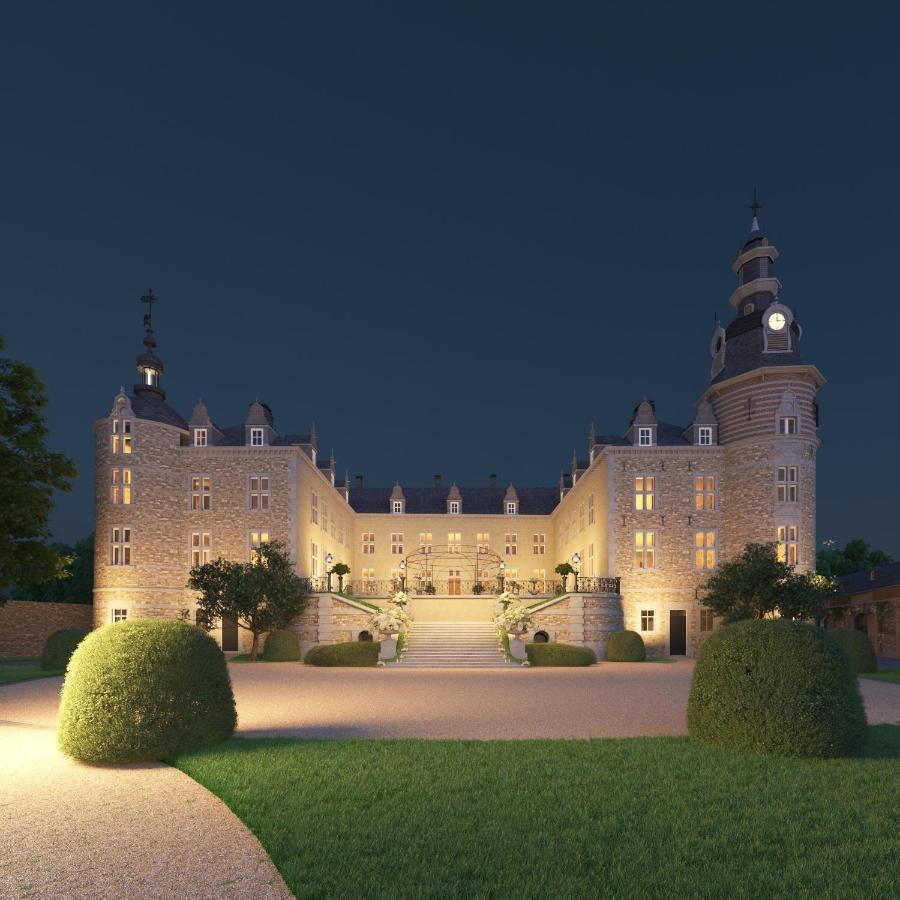
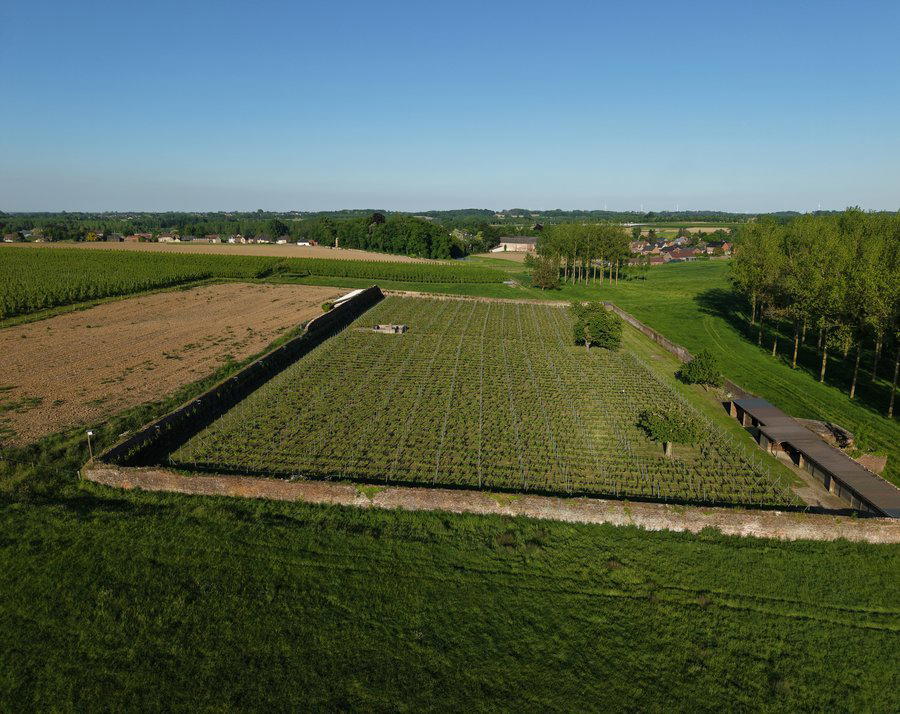
Tasteful contemporary interior with warm, intimate atmosphere and garden terrace.