

Michelin Plate · Macarfi 7.5 Food Rating
Our verdict
A Michelin Plate–recognised restaurant in the historic Torres district of Huesca, Las Torres has been operating for over 30 years on a formula of traditional Aragonese cuisine updated with contemporary technique. The mid-range price point (€€) and dual à la carte and tasting menu format make it one of the more complete options in the city's dining scene, drawing a consistent local following.

Pearl is the En Primeur Club membership app — saves, bookings, and concierge access live there. Same editors, same standards.
- Address
- C. de María Auxiliadora, 3, 22003 Huesca, Spain
- Phone
- +34 974 22 82 13
- Hours
- Mon–Wed 11 AM–3:30 PMThu–Sat 11 AM–3:30 PM, 9–10:30 PMSun 11 AM–3:30 PM
- Website
- lastorres-restaurante.com
- Directions
- Get directions
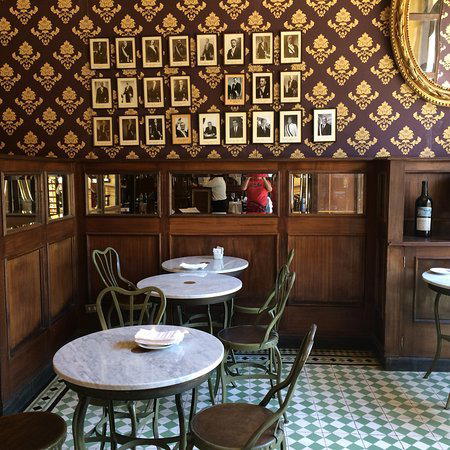
Wood, Stone, and Thirty Years of Aragonese Cooking
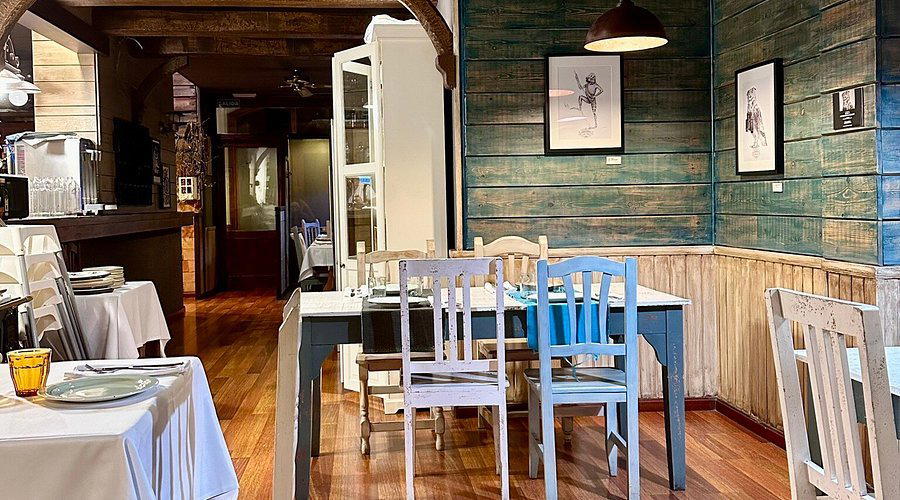
The neighbourhood around Calle de María Auxiliadora carries a particular density of civic identity in Huesca. Known locally as "the three towers" — las torres — the area lends this restaurant both its name and something of its character: rooted, structurally sound, and not especially interested in trend cycles. Walking into the dining room, the first thing you notice is the wood. It runs across surfaces, frames the room, and sets a tone that sits somewhere between a Pyrenean farmhouse and a properly grown-up restaurant. This is not the spare minimalism of the contemporary Spanish fine-dining circuit; it is deliberately warm, tactile, and accumulated over decades rather than designed in a single sprint.
Restaurants that survive thirty-plus years in a mid-sized provincial city tend to do so through one of two strategies: they become the institutional choice for local celebrations, coasting on habit and loyalty, or they keep updating their cooking while holding on to the regulars who made them. Las Torres has pursued the second path, pairing a traditional Aragonese base with contemporary technique without abandoning the ingredients and flavour signatures the city recognises as its own.
Where Las Torres Sits in Huesca's Dining Hierarchy
Huesca has a small but serious restaurant culture, shaped in part by its position as the administrative capital of a province with strong agricultural identity, lamb from the high valleys, game, river fish, and the truffle-producing territories south of the Pyrenean foothills. The city's dining options break into a few recognisable tiers. At the more ambitious end, Lillas Pastia (Modern Cuisine) and Tatau (Creative) operate at €€€ and position themselves firmly in the contemporary creative register. At the other end, El Origen (Traditional Cuisine) anchors the traditional end at the same €€ price point as Las Torres but with a more purely classical approach.
Las Torres occupies a particular middle ground: the €€ price range of a neighbourhood mainstay, but with the Michelin Plate recognition (awarded in both 2024 and 2025) that confirms consistent kitchen quality. The Michelin Plate does not indicate star-level cooking, but it does signal that inspectors found something worth marking, quality ingredients, technical attention, and a coherent sense of what the restaurant is trying to do. For Huesca, where the full restaurant guide is compact, that recognition carries weight. Browse the full Huesca restaurants guide to map the city's options across price and style.
The Cultural Logic of Traditional-Contemporary Aragonese Cooking
The phrase "traditional cuisine with a contemporary touch" appears on menus across provincial Spain so frequently it has become almost meaningless, a way of signalling accessibility without committing to anything specific. What makes it meaningful at a place like Las Torres is the underlying ingredient logic of Aragonese cooking, which gives that tradition genuine substance to work with.
Aragon sits at a culinary crossroads: Pyrenean mountain produce from the north, cereal plains and market gardens from the central valleys, and the Moorish-influenced spice traditions of the south running up from Zaragoza. Lamb is central, the ternasco de Aragón, a young milk-and-grass-fed breed with protected geographic status, appears on serious Aragonese menus as a matter of cultural commitment, not novelty. Game birds, freshwater trout, and the earthy, mineral character of local truffle all feature as recurring reference points in the regional canon. A kitchen working this tradition with technical awareness has genuine material to engage with, rather than trying to construct identity from imported ideas.
The à la carte format allows the kitchen to move with seasonal availability, which in Aragonese cooking means real shifts between the cool mountain produce of summer and the heavier, richer game and legume dishes that anchor autumn and winter menus. The tasting menu runs alongside, offering a more structured argument for what the kitchen currently thinks the region's cooking can do. Having both formats within the same price tier, at €€, is not universal in this category, and it widens the range of appropriate occasions considerably.
Thirty Years as a Trust Signal
Longevity in restaurants is frequently misread as conservatism. A kitchen that has been operating for over three decades has, in practice, survived multiple economic contractions, shifts in dining fashion, and the attrition that closes most restaurants within five years.
That consistency is precisely what positions Las Torres differently from the creative restaurants at €€€. Lillas Pastia and Tatau are making arguments about where Spanish cuisine might go; Las Torres is making an argument about what Aragonese cooking has always been capable of, updated without being erased. For the visitor arriving in Huesca from further afield in Spain, or from any of the major fine-dining destinations in the country, whether Arzak in San Sebastián, El Celler de Can Roca in Girona, Disfrutar in Barcelona, or Aponiente in El Puerto de Santa María, Las Torres offers something those rooms cannot: legible, ingredient-focused regional cooking at a price that doesn't require justification.
Internationally, the contemporary format with a traditional ingredient base is a well-established model at restaurants like Jungsik in Seoul and César in New York City, where local culinary heritage is reframed through precise technique. The ambition at Las Torres is more restrained, but the underlying logic is the same: the tradition is the material, not the constraint.
Planning a Visit
Las Torres is located at Calle de María Auxiliadora 3, in the Torres district of central Huesca, within walking distance of most of the city's accommodation. The €€ price range places it firmly in the mid-market tier, making it a practical choice for both a focused lunch and a full dinner. The dual à la carte and tasting menu format means it works for different table sizes and levels of appetite. For wider planning across the city, the full Huesca hotels guide, bars guide, wineries guide, and experiences guide cover the broader picture. For comparison across Spain's starred and recognised dining rooms, Quique Dacosta in Dénia, Azurmendi in Larrabetzu, Martin Berasategui in Lasarte-Oria, and DiverXO in Madrid represent the country's upper tier.
Frequently asked questions
What's Las Torres's location?
Las Torres is located at C. de María Auxiliadora, 3, 22003 Huesca, Spain, Huesca.
What kind of recognition has Las Torres received?
Las Torres has received recognition including: A classic-cum-contemporary restaurant with a profusion of wood that has been in business for over 30 years, and which takes its name from the area in which it is situated, known affectionately as “the three towers”. Its à la carte of tradit….
What's the best thing to order at Las Torres?
The kitchen is built on top-quality Aragonese ingredients, so dishes rooted in the region's larder — lamb, game, and seasonal produce from Huesca province — are where the menu's traditional-contemporary approach carries most conviction. The tasting menu gives the clearest picture of how the kitchen thinks, while the à la carte allows you to focus on what the region does best in any given season. Las Torres holds a Michelin Plate (2025), which recognises the quality of cooking rather than a single signature dish.
Price and Recognition
| Venue | Cuisine | Price | Awards | Notes |
|---|---|---|---|---|
| Las TorresThis venue — the venue you are viewing | Mediterranean Spanish | Not listed | Michelin Plate · Macarfi 7.5 Food Rating | Not listed |
| Lillas Pastia | Modern Spanish Truffle-Focused Fine Dining | $50–100 | 1 Michelin Star · Macarfi 8.2 Food Rating | Modern Cuisine |
| Tatau | Creative Spanish Tapas | $50–100 | 1 Michelin Star · Macarfi 8.6 Food Rating | Creative |
| El Origen | Traditional Aragonese with Contemporary Touch | $20–30 | Michelin Bib Gourmand · Macarfi 7.5 Food Rating | Not listed |
Recognition history
Dated appearances from independent guides and award organizations, with the underlying list record or original source where available.
Michelin Plate
Michelin
Macarfi 7.5 Food Rating
Macarfi
Full recognition history (4 entries)
Michelin Plate
Michelin
Michelin Plate
Michelin
Continue exploring
More in Huesca
Restaurants in Huesca
Browse all →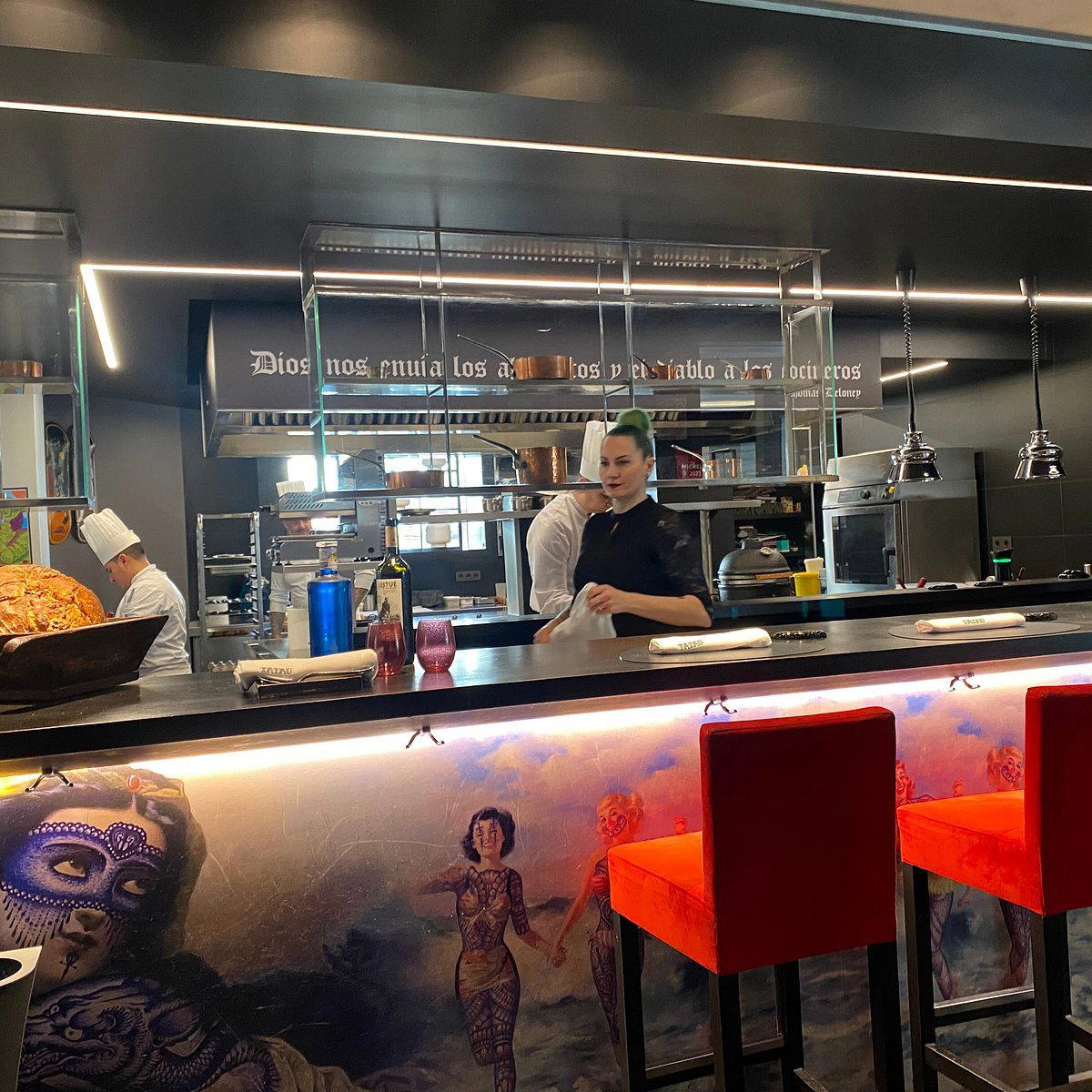
Bars in Huesca
Browse all →
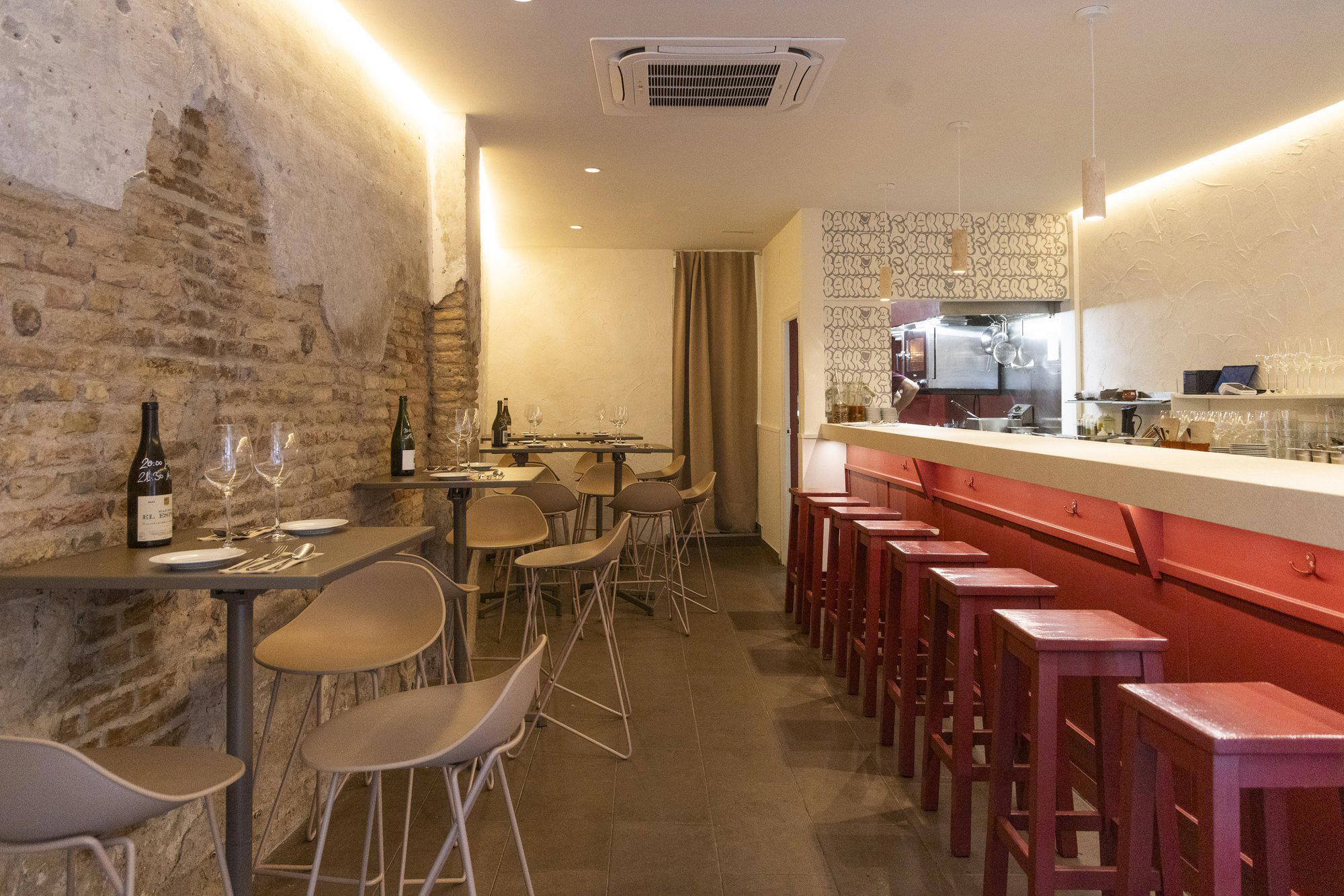
Hotels in Huesca
Browse all →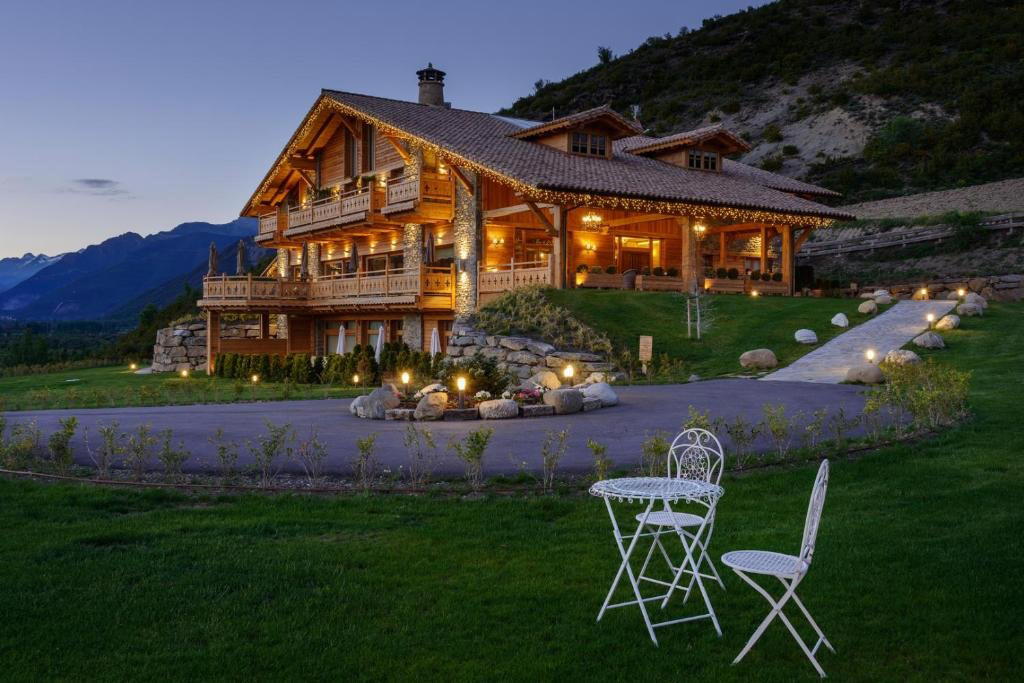
Wineries in Huesca
Browse all →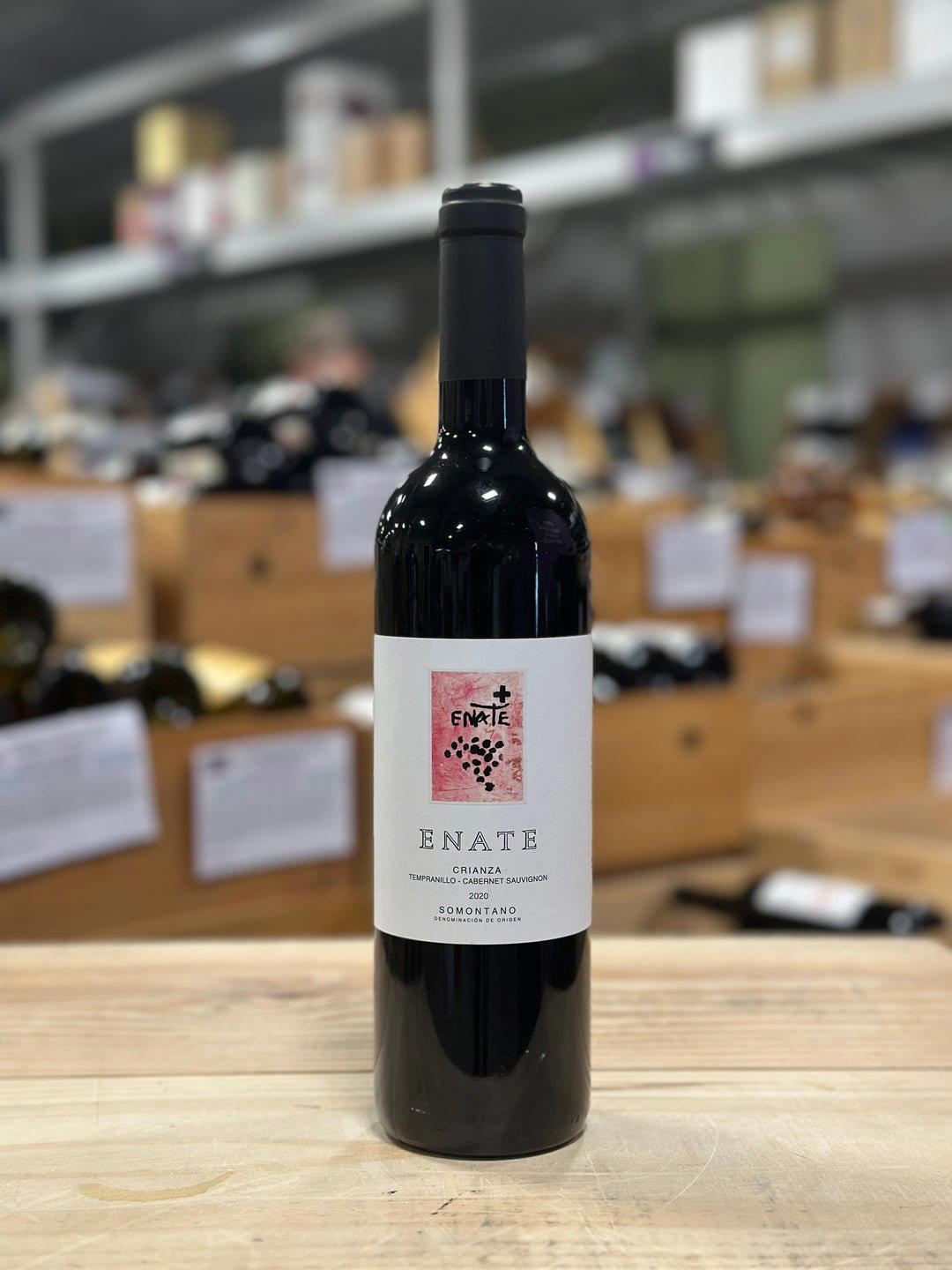
Details
- Classic
- Elegant
- Date Night
- Special Occasion
- Private Dining
- A La Carte
- Tasting Menu
- Vegetarian Friendly
- Vegan Options
- Gluten Free Options
Current opening hours
- Monday
- 11 AM–3:30 PM
- Tuesday
- 11 AM–3:30 PM
- Wednesday
- 11 AM–3:30 PM
- Thursday
- 11 AM–3:30 PM, 9–10:30 PM
- Friday
- 11 AM–3:30 PM, 9–10:30 PM
- Saturday
- 11 AM–3:30 PM, 9–10:30 PM
- Sunday
- 11 AM–3:30 PM
Hours can change for holidays and private events. Last verified .
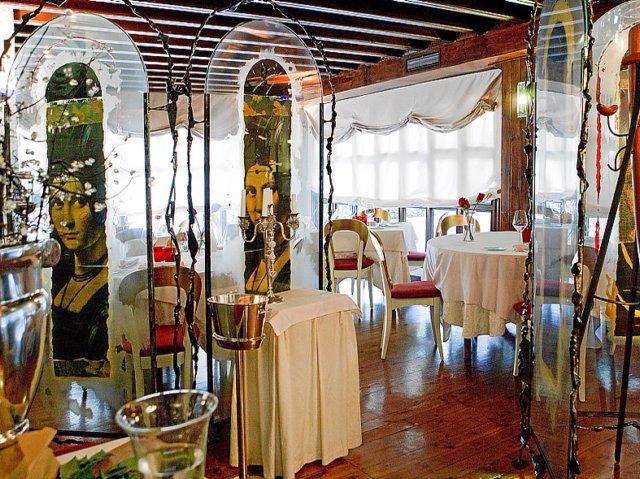
Warm wooden interior creating a classic yet contemporary atmosphere.