


1 Michelin Star · Macarfi 8.6 Food Rating · Guía Repsol 1 Sol
Our verdict
Tatau holds a Michelin star in Huesca's compact but serious dining scene, operating as a gastro-bar where creative tapas and raciones are built around hyper-local Aragonese ingredients. The format centres on a daily-changing tasting menu, Du Jour, supplemented by a seasonal game menu during hunting season. Among Huesca's starred options, it occupies the most informal register.

Pearl is the En Primeur Club membership app — saves, bookings, and concierge access live there. Same editors, same standards.
- Address
- C. Azara, s/n, 22002 Huesca, Spain
- Phone
- +34 974 04 20 78
- Hours
- Mon ClosedTue–Thu 2–6 PMFri–Sat 2–6 PM, 8:30 PM–1 AMSun Closed
- Website
- tatau.es
- Directions
- Get directions
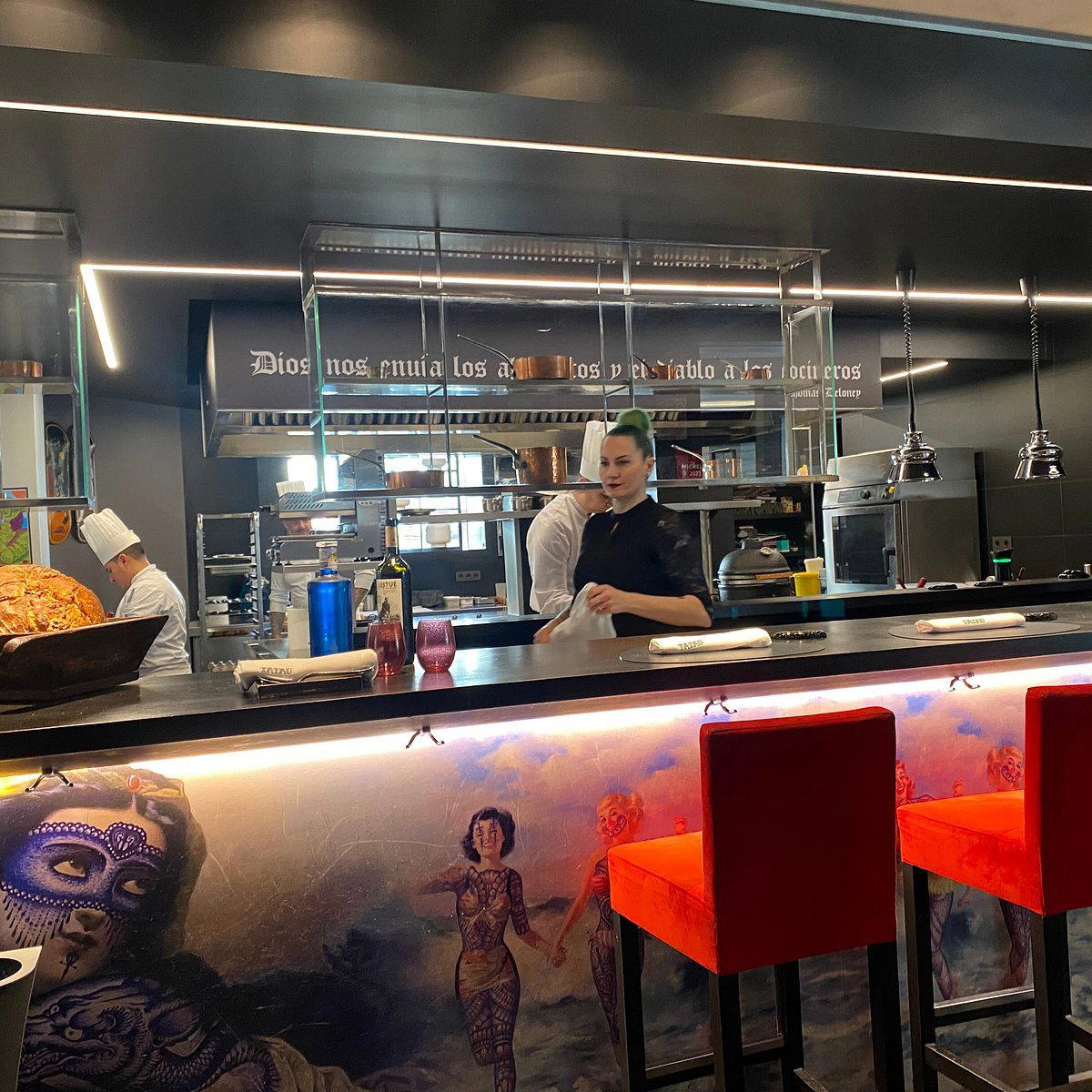
A Gastro-Bar Format in a City That Takes Its Produce Seriously
Huesca sits at the foot of the Pyrenees in a province that supplies some of Spain's most respected raw materials: truffles from the Somontano, game from the high valleys, pork from indigenous breeds, trout from rivers fed by snowmelt. The city itself is small enough that restaurant options are limited in number but not in ambition. The Michelin-starred tier here runs to just a handful of addresses, and each occupies a distinct register. Lillas Pastia (Modern Cuisine) represents the formal end of the spectrum; Las Torres (Contemporary) and El Origen (Traditional Cuisine) cover mid-level contemporary and traditional ground respectively.
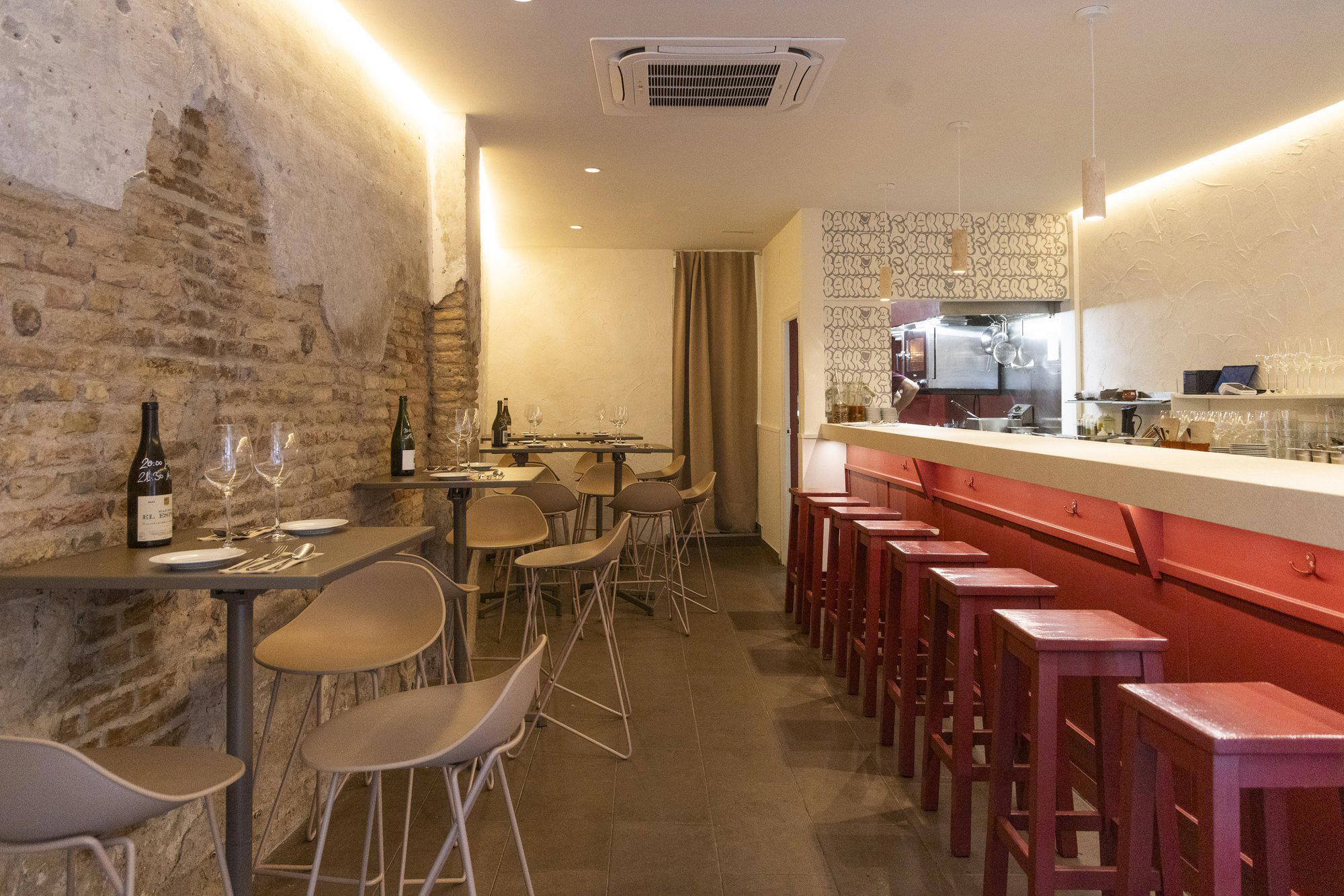
That informality is not incidental. In Aragón, the bar is a serious culinary space, and the tapas tradition here carries weight that the word does not always convey to visitors expecting canapé-sized bites. At Tatau, the bar-and-high-table configuration is the design choice, not a concession to space. Guests observe the preparation process from their seats, which changes the dynamic of eating in ways that a closed kitchen cannot replicate. The energy belongs to the room, not to a dining room built around hushed service.
What the Menu Structure Reveals About the Kitchen's Priorities
Tatau operates around a tasting menu called Du Jour, adjusted daily and supplemented by suggestions tied to what has arrived that morning. The name signals the kitchen's commitment to ingredient-driven timing: the menu reflects what is worth cooking today, not a fixed sequence designed months in advance. For a single-star kitchen working in a mid-sized provincial city, this is a significant logistical commitment. It requires reliable supplier relationships and a level of daily creative output that fixed menus sidestep entirely.
A second menu, Saison, runs during game-hunting season and draws directly on the wild produce that defines the Pyrenean foothills in autumn and winter. Game cuisine in Aragón has deep roots, and the seasonal menu positions Tatau within that tradition rather than treating game as an occasional special. The structure of two menus, one daily and one seasonal, reflects a kitchen that organises itself around the calendar of the surrounding region rather than around a static signature identity.
The ingredient sourcing is specific and traceable. Verdeña olive oil from Loscertales, trout from El Grado, Latón de La Fueva pork: these are named producers and named places within the province, not generic references to local sourcing. That specificity matters because it connects the kitchen directly to the agricultural and geographical character of Alto Aragón, a region whose produce reputation is stronger among Spanish chefs than among international visitors who tend to look first to the Basque Country or Catalonia for this kind of hyper-local kitchen discipline.
Calle Azara and What It Represents
Tatau occupies a space on Calle Azara in the centre of Huesca, a city where the historic core is compact and walkable. The address places it within the everyday fabric of the city rather than on a gastronomic circuit removed from the street life around it. That matters for how the experience reads on arrival: this is a place that exists within a neighbourhood, not a destination extracted from one.
Huesca's dining scene is not structured around a tourist quarter or a clearly defined gastronomic district. The starred kitchens here earn their recognition within a local context, where the clientele is primarily Spanish and primarily regional. That dynamic shapes the atmosphere differently from the starred restaurants of San Sebastián or Barcelona, where international visitors form a significant share of any given service. Arriving at Tatau means arriving at a place where the room is likely to be full of people from Aragón, which says something about the food's connection to where it is made.
For visitors travelling from elsewhere in Spain or from abroad, context on Huesca's position within the national dining conversation is useful. The city does not appear in the same breath as the Basque Country or Catalonia when discussing Spain's creative restaurant scene. That changes when you look at what its kitchens are doing with the specific produce of the province. Spain's broader starred landscape, which includes addresses like Arzak in San Sebastián, El Celler de Can Roca in Girona, Disfrutar in Barcelona, Azurmendi in Larrabetzu, Quique Dacosta in Dénia, Martin Berasategui in Lasarte-Oria, Aponiente in El Puerto de Santa María, and DiverXO in Madrid, tends to attract more sustained international attention. Provincial single-star kitchens working at the level Tatau appears to reach represent a different tier of that same conversation, one where the credentials are recognised by Michelin but the wider audience is still catching up.
Format, Timing, and How to Plan a Visit
Tatau's hours reflect the gastro-bar model it operates. Tuesday through Friday, service runs from 2 PM to 6 PM, covering the Spanish midday meal window that is still the primary dining moment for many local restaurants of this type. Friday and Saturday add an evening session from 8:30 PM to 1 AM, which extends the concept into a night format that suits visitors who are not on a local schedule. The restaurant is closed Sunday and Monday. At the €€€ price range, Tatau sits at the same tier as Lillas Pastia within Huesca, above the €€ level of El Origen and Las Torres. The daily-changing Du Jour menu means there is no fixed menu to reference in advance, which makes early-week visits to Tatau a different calculation than arriving during game season when the Saison menu is running alongside. Visitors with specific interest in the regional game tradition should plan around autumn and winter, when that second menu is most likely to be active.
Booking details are not publicly listed in EP Club's database at the time of publication. Given the restaurant's Michelin recognition and the limited seating implied by the gastro-bar format, securing a reservation ahead of arrival is advisable rather than optional. Huesca is not a city with deep tourist infrastructure, which means accommodation options are narrower than in larger Aragonese cities; the full Huesca hotels guide is the practical starting point for planning the stay around a dinner here.
For readers building a wider Huesca itinerary, the city's bar culture and wine offer provide context before and after a meal at Tatau. The full Huesca bars guide, wineries guide, and experiences guide cover the surrounding territory. The full Huesca restaurants guide maps the complete dining picture for anyone spending more than a single meal in the city. For comparative reading on creative-format single-star kitchens operating with a similar ingredient-first discipline in other European cities, Alléno Paris au Pavillon Ledoyen and Enrico Bartolini in Milan represent the higher-starred end of the creative European spectrum, useful for calibrating expectations at a different price and format level.
Frequently asked questions
What should I order at Tatau?
Tatau does not operate on a fixed à la carte menu, which means the question of what to order resolves itself through the kitchen's own structure. The Du Jour tasting menu changes daily and is the primary format, drawing on whatever produce has arrived that day. Daily suggestions supplement the menu and reflect the same logic. If visiting during game season, the Saison menu running alongside Du Jour gives access to the wild game tradition of the Aragonese Pyrenees, built around ingredients like game birds and larger animals from the high-altitude terrain of the region. The named local suppliers that anchor the kitchen, including Verdeña olive oil from Loscertales, trout from El Grado, and Latón de La Fueva pork, are the kitchen's defining references rather than any single dish, and they recur throughout the menu in different forms. The gastro-bar format means the experience is built around tapas and raciones served at the bar or high tables, which allows for a wider range of flavours across a sitting than a conventional multi-course tasting sequence would permit. The Michelin recognition confirms that the technical execution sits at a level consistent with starred kitchens elsewhere in Spain.
The Minimal Set
| Venue | Cuisine | Price | Awards | Notes |
|---|---|---|---|---|
| TatauThis venue — the venue you are viewing | Creative Spanish Tapas | $50–100 | 1 Michelin Star · Macarfi 8.6 Food Rating | Not listed |
| Lillas Pastia | Modern Spanish Truffle-Focused Fine Dining | $50–100 | 1 Michelin Star · Macarfi 8.2 Food Rating | Modern Cuisine |
| El Origen | Traditional Aragonese with Contemporary Touch | $20–30 | Michelin Bib Gourmand · Macarfi 7.5 Food Rating | Traditional Cuisine |
| Las Torres | Mediterranean Spanish | Not listed | Michelin Plate · Macarfi 7.5 Food Rating | Contemporary |
Recognition history
Dated appearances from independent guides and award organizations, with the underlying list record or original source where available.
Michelin 1 Star
Michelin
Guía Repsol 1 Sol
Guía Repsol
Macarfi 8.6 Food Rating
Macarfi
Full recognition history (5 entries)
Michelin 1 Star
Michelin
Michelin 1 Star
Michelin
Continue exploring
More in Huesca
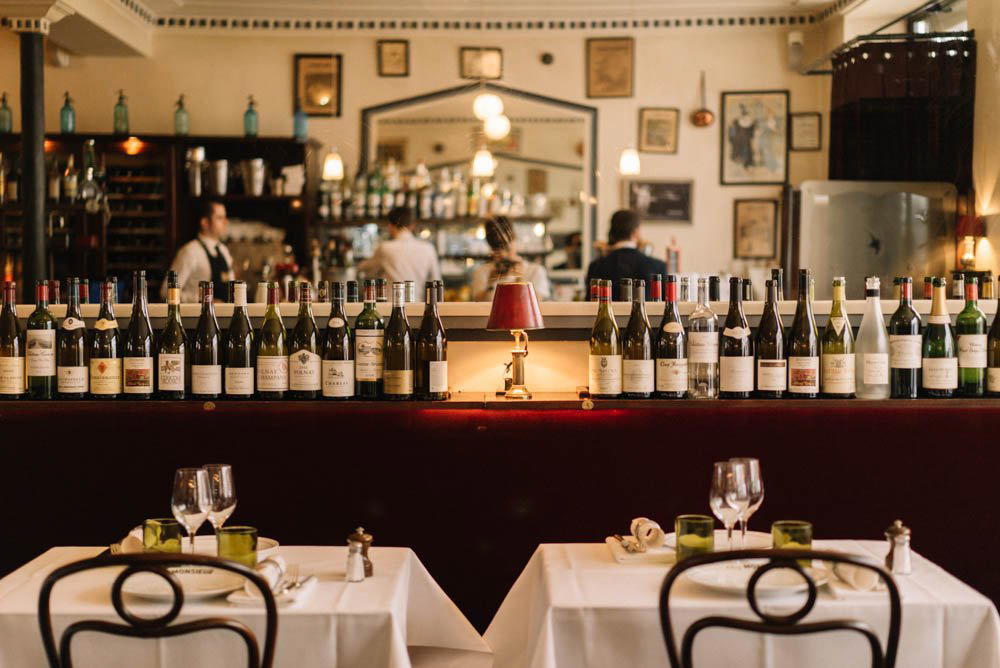
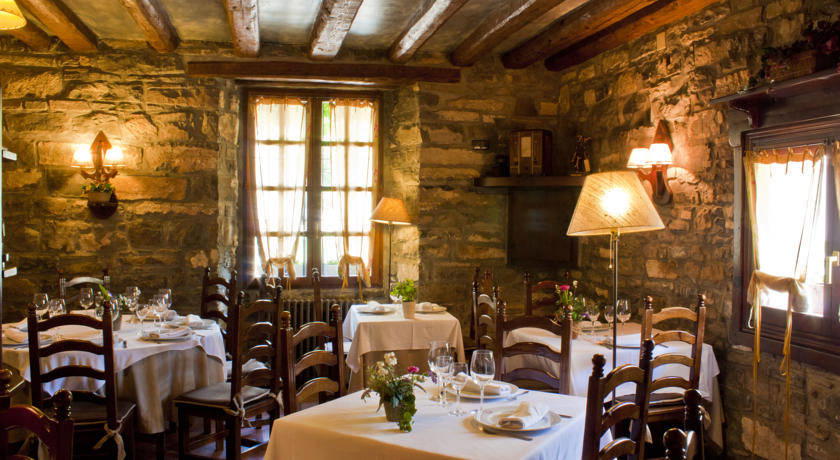
Restaurants in Huesca
Browse all →
Bars in Huesca
Browse all →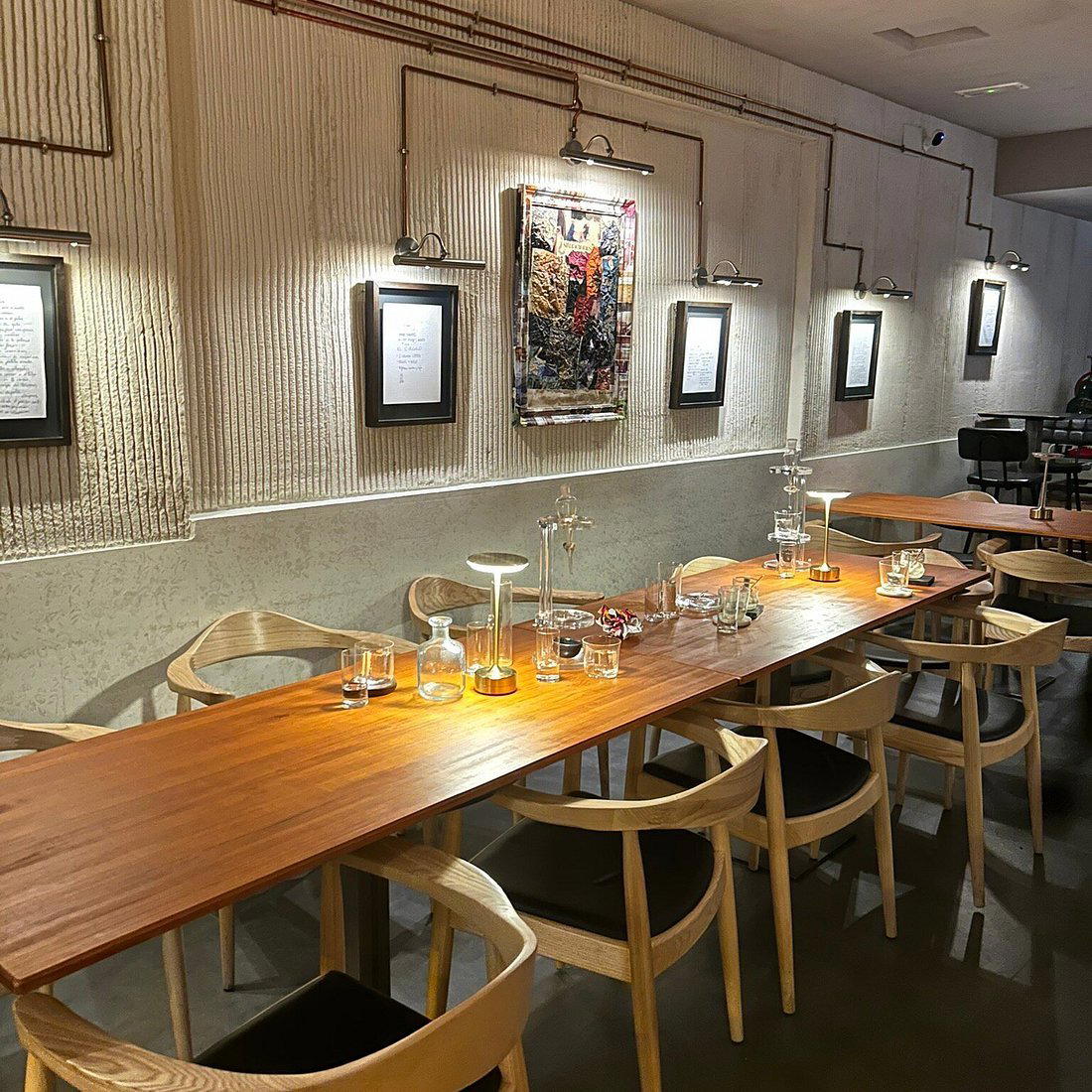
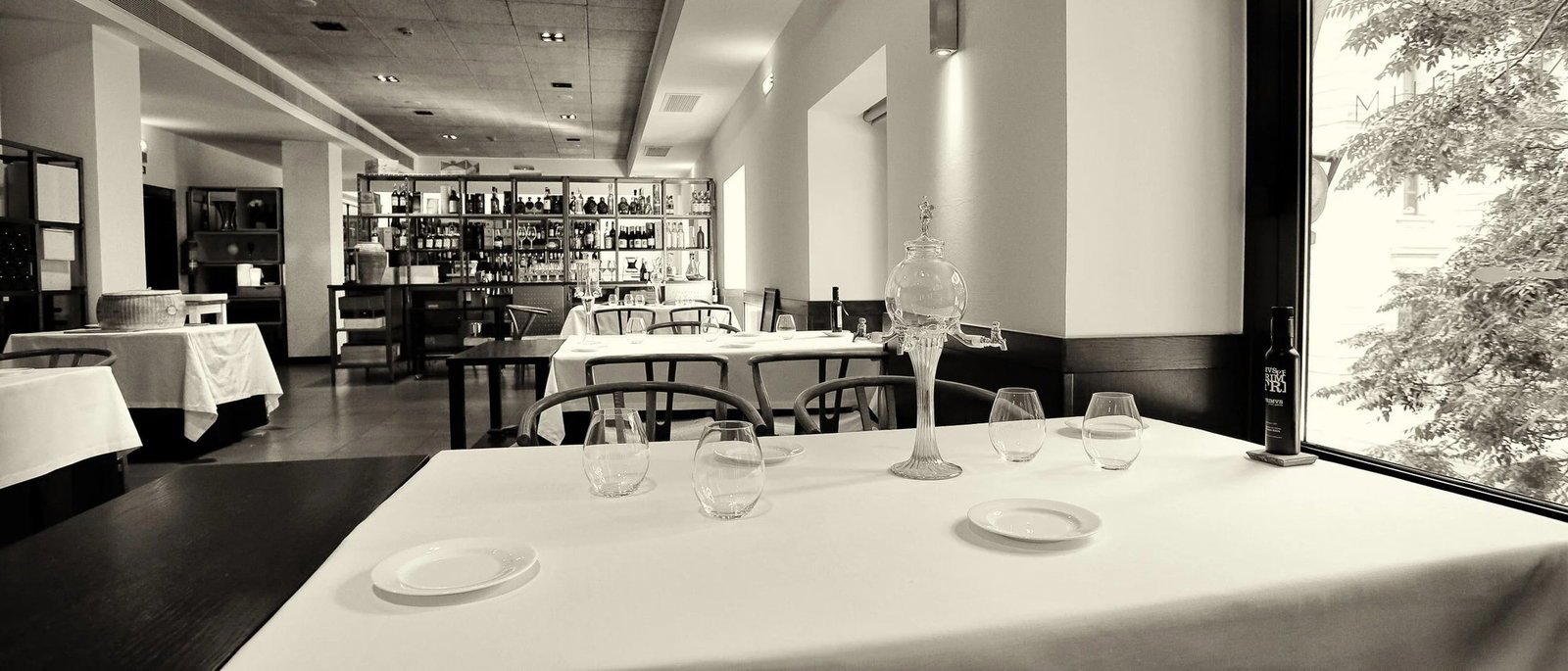
Hotels in Huesca
Browse all →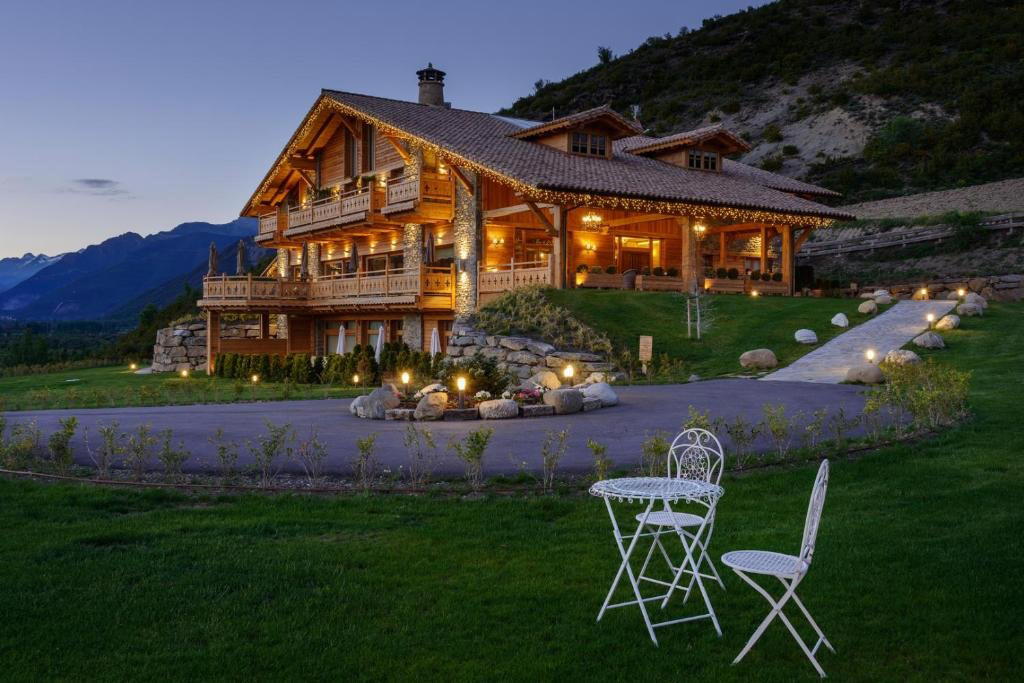
Wineries in Huesca
Browse all →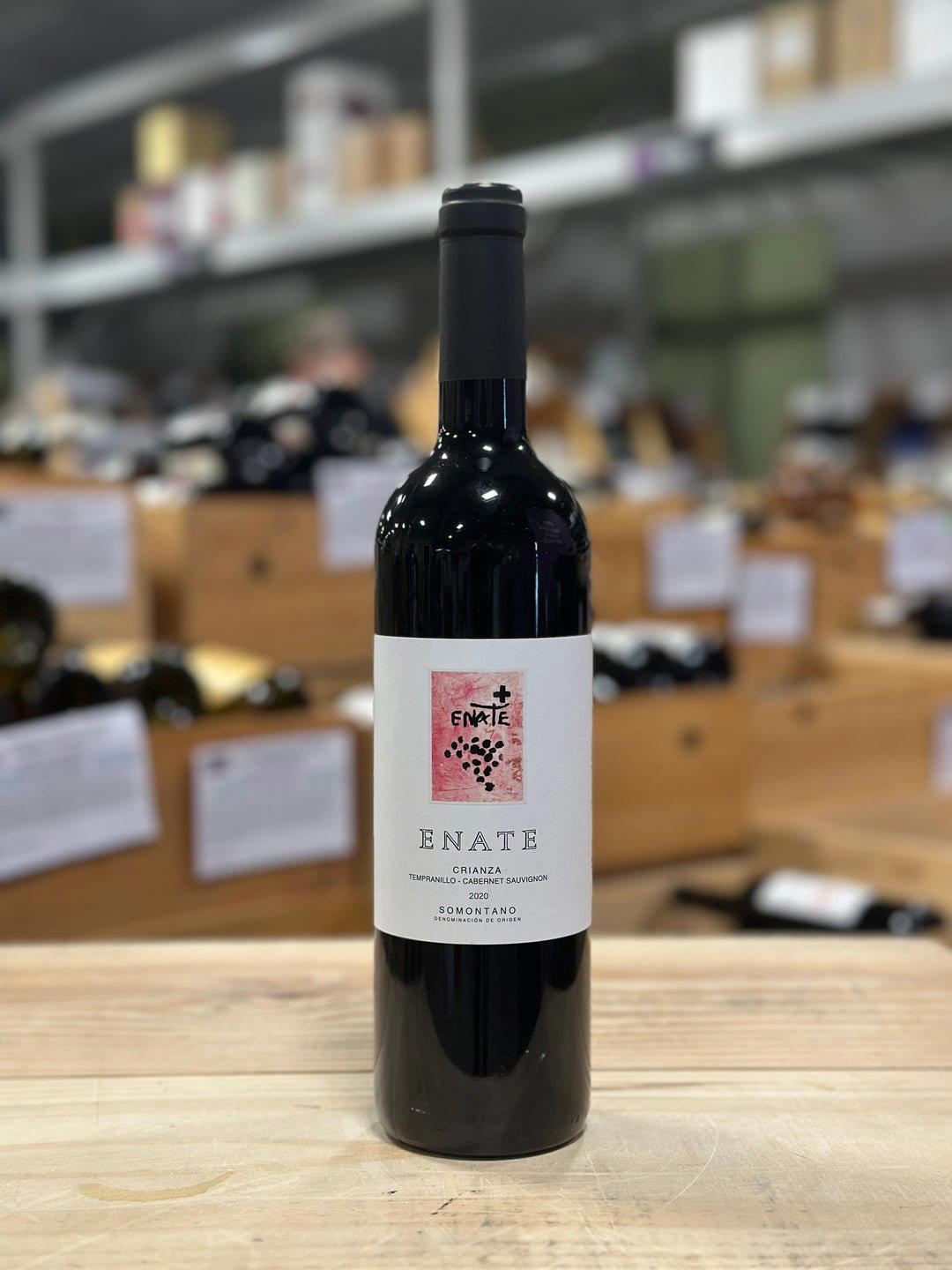
Details
- Trendy
- Cozy
- Modern
- Energetic
- Date Night
- Special Occasion
- Open Kitchen
- Local Sourcing
- Tasting Menu
- Small Plates
Current opening hours
- Monday
- Closed
- Tuesday
- 2–6 PM
- Wednesday
- 2–6 PM
- Thursday
- 2–6 PM
- Friday
- 2–6 PM, 8:30 PM–1 AM
- Saturday
- 2–6 PM, 8:30 PM–1 AM
- Sunday
- Closed
Hours can change for holidays and private events. Last verified .
Fun and striking decor with bar and high tables for watching preparation, rock & roll vibe like pin-ups.