


1 Michelin Star · Macarfi 8.2 Food Rating · Guía Repsol 1 Sol
Our verdict
Huesca's Michelin-starred benchmark for modern Aragonese cuisine, Lillas Pastia has earned its identity as the 'Casa de la Trufa' through a year-round commitment to Tuber Melanosporum. Two tasting menus — Carmen and Lillas Pastia — frame Chef Carmelo Bosque's market-driven cooking inside a contemporary space with an opera-inspired aesthetic, positioned just behind the historic Casino de Huesca.

Pearl is the En Primeur Club membership app — saves, bookings, and concierge access live there. Same editors, same standards.
- Address
- C. del Parque, 3, 22002 Huesca, Spain
- Phone
- +34 974 21 16 91
- Hours
- Mon–Tue ClosedWed–Sat 1:30–3:30 PM, 9–10:30 PMSun 1:30–3:30 PM
- Website
- lillaspastia.es
- Directions
- Get directions
- Booking
- Book on TheFork
The menu
What to order
- Truffle_risotto
- Cod_brandade_cannelloni
Opera, Truffles, and the Architecture of a Meal
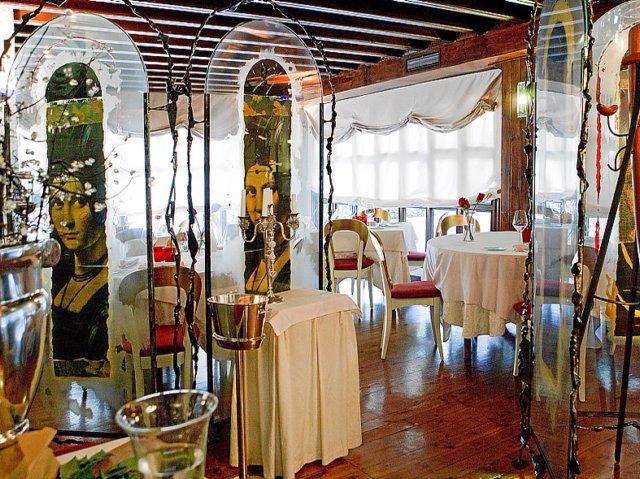
Walking towards Lillas Pastia, the immediate context is the Casino de Huesca, one of the city's most recognisable civic buildings. The restaurant occupies the block just behind it, and that proximity to a historic institution tells you something about the register it operates in. Inside, the contemporary aesthetic is deliberate rather than decorative: a semi-visible kitchen signals the kitchen's confidence in its own discipline, and on one wall, an AI-generated illustration of a woman mid-aria anchors the space to its literary reference. The name Lillas Pastia comes from the tavern in Bizet's Carmen, and the room honours that source without costuming it.
This is the kind of detail that separates a considered dining room from a stylised one. The opera reference is structural, not atmospheric padding. Houses like Arzak in San Sebastián, El Celler de Can Roca in Girona, and Disfrutar in Barcelona define the national conversation, while restaurants at the three-star level, including DiverXO in Madrid, Azurmendi in Larrabetzu, Quique Dacosta in Dénia, and Martin Berasategui in Lasarte-Oria, set the bar for ambition and technical complexity. What makes the single-star tier in a city like Huesca worth attention is a different question: it's about whether the local context produces a meal you couldn't replicate elsewhere.
At Lillas Pastia, the answer runs through Aragón's terroir rather than a chef's technical signature. The Pyrenean foothills above Huesca produce black truffle of the Tuber Melanosporum variety, and the restaurant has built a year-round relationship with that ingredient rather than treating it as a seasonal flourish. When local supply drops off, imported Tuber Melanosporum maintains continuity on the menu. That supply-chain decision reflects a clear editorial position: this kitchen is not interested in truffle as occasion. It is the occasion. It is a structure that rewards the unhurried diner, and the compressed lunch window (1:30 PM to 3:30 PM) enforces that discipline on the guest as much as the kitchen.
The Casa de la Trufa Identity
Few Spanish restaurants outside the celebrated truffle regions of Périgord-adjacent cuisine have claimed a single ingredient as their institutional identity to this degree. The 'Casa de la Trufa' designation is not a seasonal marketing position. There is an exclusive reserved area for up to ten diners dedicated specifically to truffle-focused service, a format that sits between private dining and a chef's table in its intimacy, and that operates as its own format within the broader restaurant structure.
This is worth noting for how it positions Lillas Pastia within Huesca's dining scene. Tatau, also in Huesca and operating in the creative €€€ tier, takes a different approach to the city's gastronomic conversation, leaning into experimental format. El Origen and Las Torres operate at the €€ level with traditional and contemporary orientations respectively, serving a broader local clientele with less ceremony. Lillas Pastia occupies the city's most formally constructed dining experience, anchored by its Michelin star (2024) and its concentrated focus on a single prestige ingredient.
For visitors arriving in Huesca specifically for the table, the truffle-dedicated area requires advance planning. The main gastronomic restaurant seats a larger room, but the ten-seat truffle experience is the format that makes this address worth a specific detour rather than a stop on a broader Aragonese route. The truffle rice that appears year-round on the menu, imported out of season to maintain the offer, is the most direct expression of this philosophy. A dish that relies on Tuber Melanosporum's aromatics needs nothing more than timing, fat, and heat to succeed, and its permanent presence on the menu functions as a benchmark against which the rest of the progression is measured.
The two menu formats give different entry points to the kitchen's range. The Carmen menu (named for Bizet's opera character) reads as the introduction: shorter, more accessible, structurally tighter. The Lillas Pastia menu opens the kitchen's full breadth, with more courses and presumably greater space for the seasonal and the experimental. For first-time visitors, the decision between them is less about value than about time and appetite, the lunch slot of two hours is genuinely constraining if you take the longer format seriously.
Service rhythm at this level of Aragonese cuisine tends to be unhurried but precise. The semi-visible kitchen is designed to let the dining room absorb the discipline of the kitchen without turning the meal into performance. That transparency is a considered choice in Spanish fine dining, where a closed kitchen can feel remote and a fully open one can feel theatrical.
Planning the Visit
Lillas Pastia is located at C. The restaurant is closed on Mondays. Lunch service runs Tuesday through Sunday, 1:30 PM to 3:30 PM. Dinner service is available Wednesday through Saturday, 9:00 PM to 10:30 PM, with no dinner on Tuesdays or Sundays. The price range sits at the €€€ level, in line with Tatau among Huesca's higher-end tables and above the city's mid-tier options.enprimeurclub.com/restaurants/aponiente-el-puerto-de-santa-mara-restaurant">Aponiente in El Puerto de Santa María and international references like Frantzén in Stockholm or FZN by Björn Frantzén in Dubai, Lillas Pastia occupies a specifically regional position rather than a global-circuit one.
Visitors building a broader Huesca programme can find further context in our full Huesca restaurants guide, alongside our full Huesca hotels guide, our full Huesca bars guide, our full Huesca wineries guide, and our full Huesca experiences guide.
Frequently asked questions
What does dinner at Lillas Pastia typically cost?
Pricing at Lillas Pastia is listed as €€€.
Does Lillas Pastia have a Michelin star or similar recognition?
Lillas Pastia has received recognition including: This iconic restaurant, just behind the historic Casino de Huesca, has taken a new direction, although it retains its culinary essence and continues to be known as the ‘Casa de la Trufa' (Truffle House). The establishment, with a carefully ….
What do regulars order at Lillas Pastia?
The truffle rice is the one dish held over across all seasons and both tasting menus, Carmen and Lillas Pastia. When fresh Tuber Melanosporum from Aragon is out of season, the kitchen imports it to keep the dish on the pass year-round. It functions as the clearest expression of the restaurant's identity as the Casa de la Trufa.
Is Lillas Pastia open every day?
Hours at Lillas Pastia: Monday closed Tuesday 1:30 PM-3:30 PM Wednesday 1:30 PM-3:30 PM 9 PM-10:30 PM Thursday 1:30 PM-3:30 PM 9 PM-10:30 PM Friday 1:30 PM-3:30 PM 9 PM-10:30 PM Saturday 1:30 PM-3:30 PM 9 PM-10:30 PM Sunday 1:30 PM-3:30 PM.
What's Lillas Pastia's location?
Lillas Pastia is located at C. del Parque, 3, 22002 Huesca, Spain, Huesca.
What has Lillas Pastia built its reputation on?
Two things: a year-round commitment to Tuber Melanosporum as a defining ingredient, and Michelin recognition that has positioned it as the reference address for modern cuisine in Huesca. Chef Carmelo Bosque's approach draws on market products reworked through an updated traditional framework, which Michelin awarded with one star in 2024. The restaurant also maintains a dedicated truffle room for groups of up to ten, which consolidates the Casa de la Trufa identity beyond the main dining room.
What It’s Closest To
| Venue | Cuisine | Price | Awards | Notes |
|---|---|---|---|---|
| Lillas PastiaThis venue — the venue you are viewing | Modern Spanish Truffle-Focused Fine Dining | $50–100 | 1 Michelin Star · Macarfi 8.2 Food Rating | Not listed |
| Tatau | Creative Spanish Tapas | $50–100 | 1 Michelin Star · Macarfi 8.6 Food Rating | Creative |
| El Origen | Traditional Aragonese with Contemporary Touch | $20–30 | Michelin Bib Gourmand · Macarfi 7.5 Food Rating | Traditional Cuisine |
| Las Torres | Mediterranean Spanish | Not listed | Michelin Plate · Macarfi 7.5 Food Rating | Contemporary |
Recognition history
Dated appearances from independent guides and award organizations, with the underlying list record or original source where available.
Michelin 1 Star
Michelin
Guía Repsol 1 Sol
Guía Repsol
Macarfi 8.2 Food Rating
Macarfi
Full recognition history (5 entries)
Michelin 1 Star
Michelin
Michelin 1 Star
Michelin
Continue exploring
More in Huesca
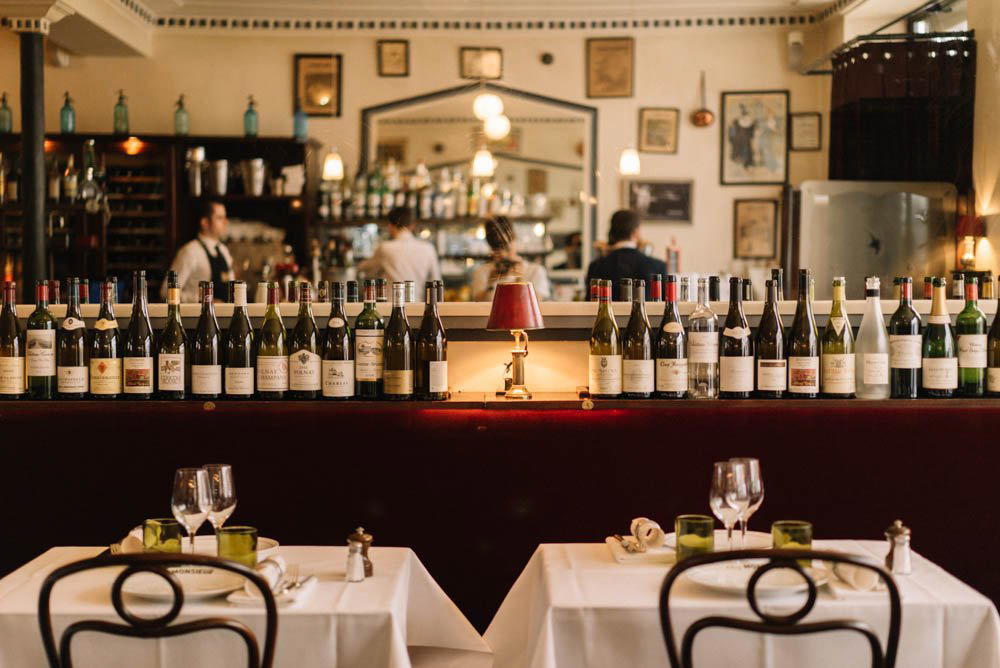
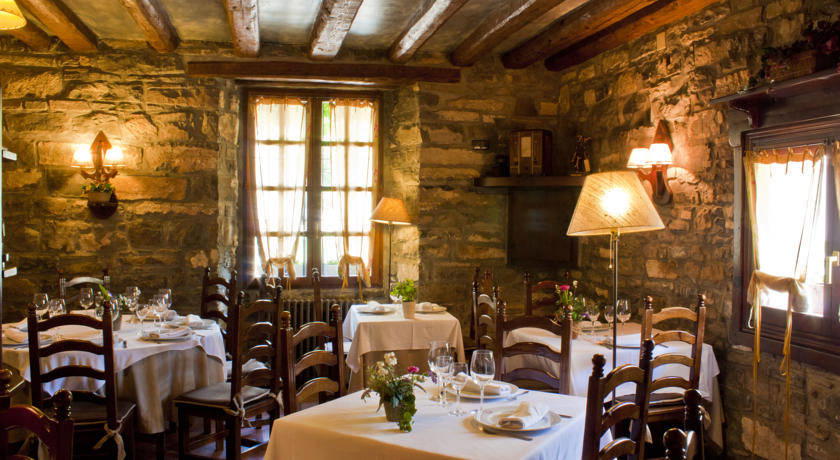
Restaurants in Huesca
Browse all →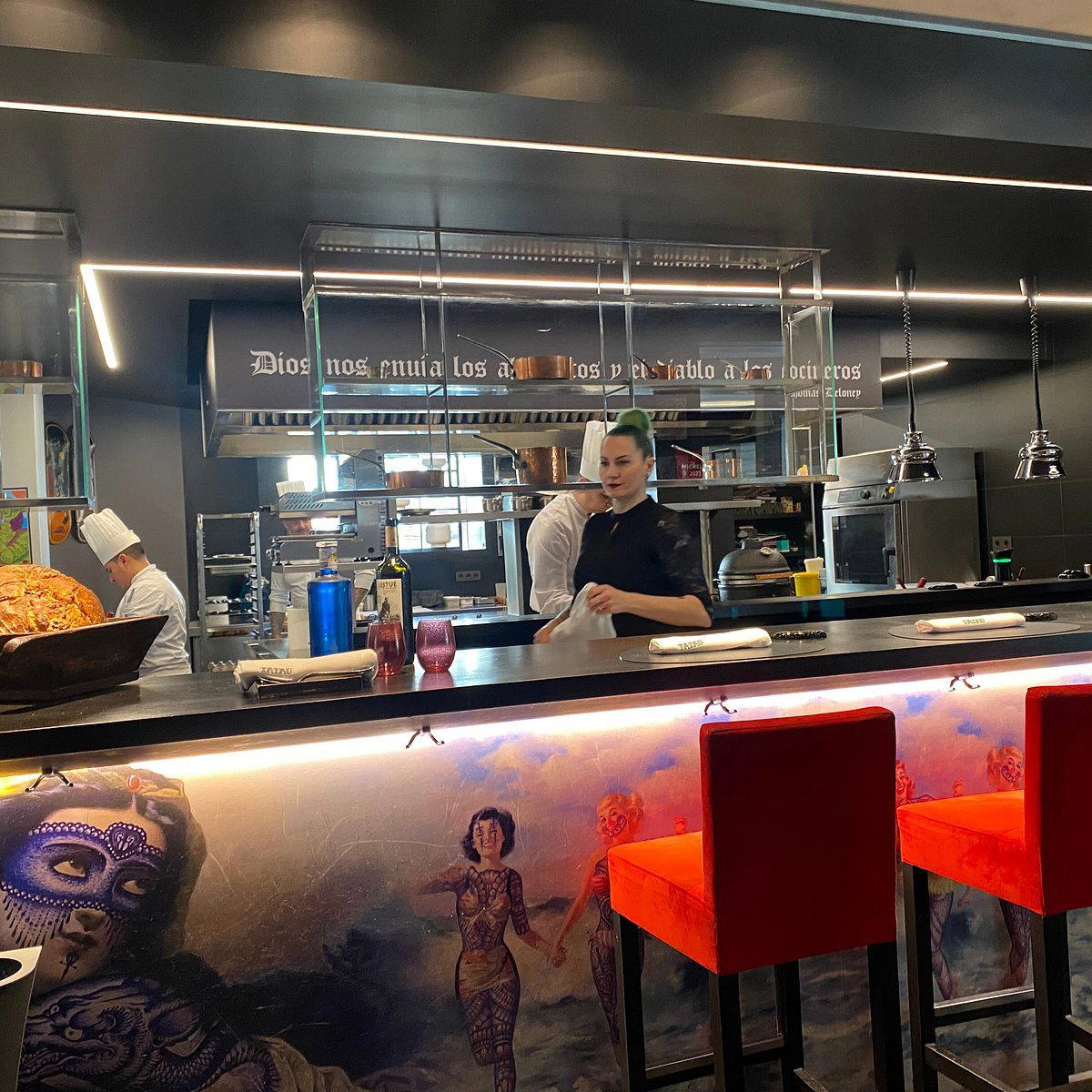
Bars in Huesca
Browse all →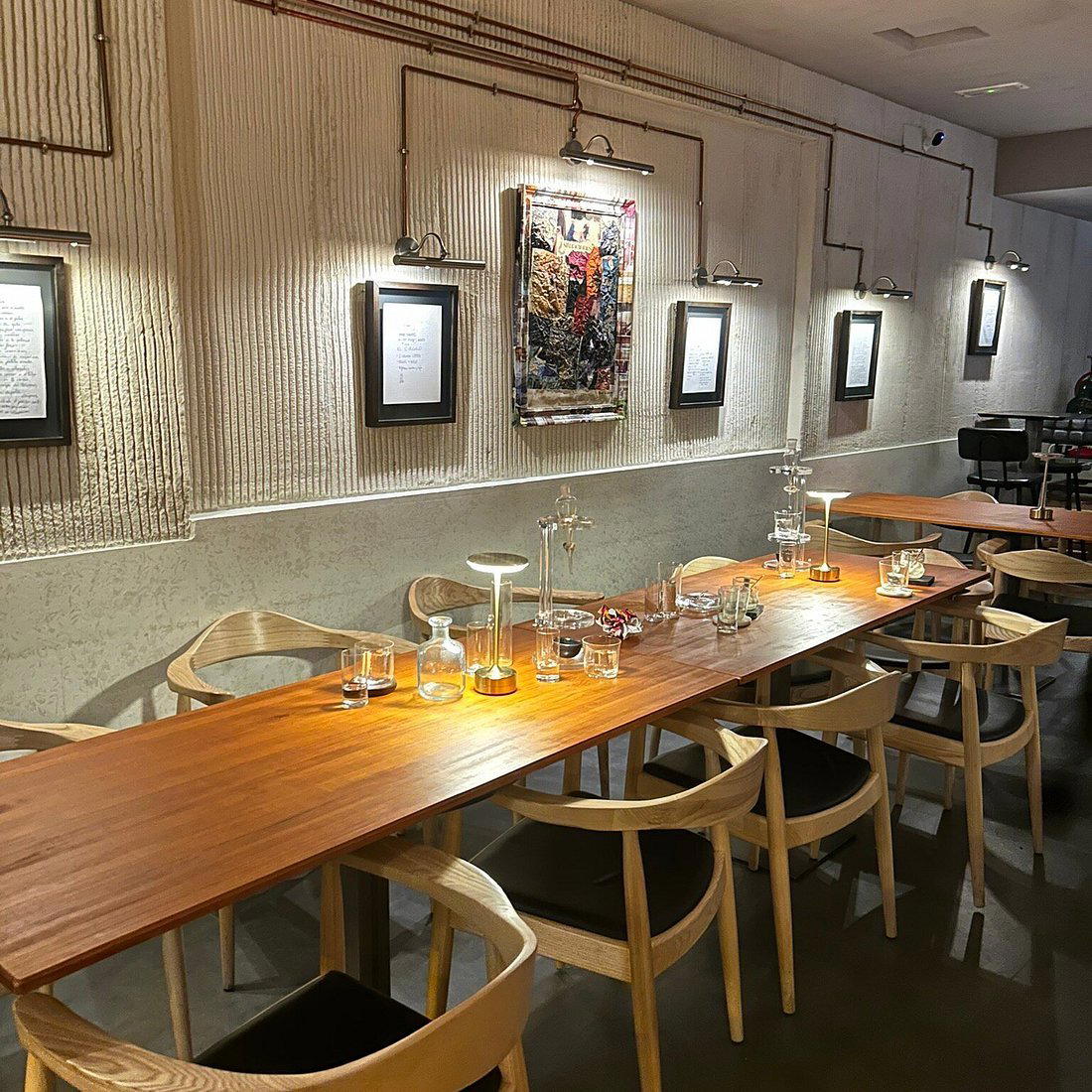
Hotels in Huesca
Browse all →
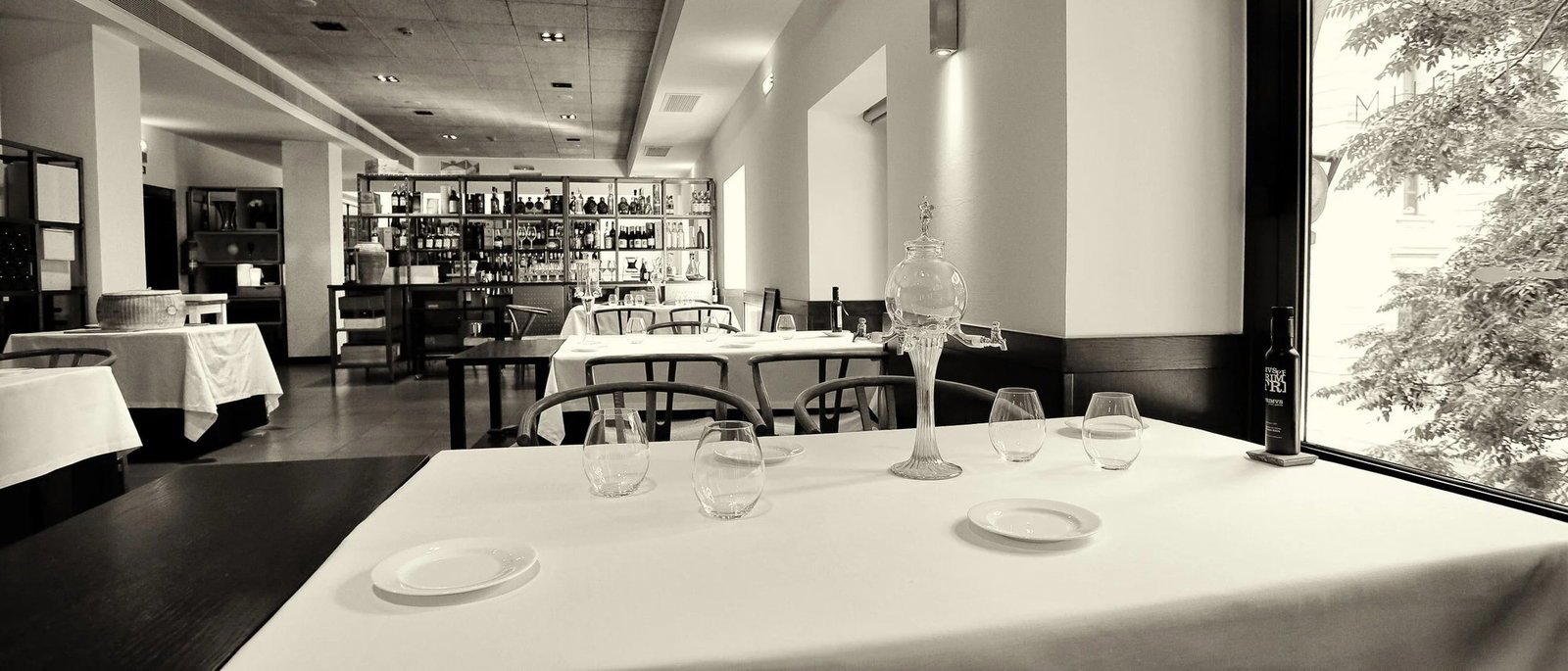
Wineries in Huesca
Browse all →
Details
- Elegant
- Intimate
- Sophisticated
- Classic
- Date Night
- Special Occasion
- Celebration
- Open Kitchen
- Historic Building
- Extensive Wine List
- Local Sourcing
- Tasting Menu
- A La Carte
- Vegetarian Friendly
- Vegan Options
Current opening hours
- Monday
- Closed
- Tuesday
- Closed
- Wednesday
- 1:30–3:30 PM, 9–10:30 PM
- Thursday
- 1:30–3:30 PM, 9–10:30 PM
- Friday
- 1:30–3:30 PM, 9–10:30 PM
- Saturday
- 1:30–3:30 PM, 9–10:30 PM
- Sunday
- 1:30–3:30 PM
Hours can change for holidays and private events. Last verified .
Sleek decor with warm lighting creating an intimate, elegant atmosphere in a striking modernist setting.