L'Apostrophe sits on Rue Maurice Thorez in Nanterre, a address that places it squarely in the working fabric of the Hauts-de-Seine rather than the polished arrondissements across the Seine. Nanterre's dining scene has long operated in the shadow of Paris proper, making restaurants here that take their craft seriously worth tracking. Consult our full guide for broader context on the city's food character.
Pearl is the En Primeur Club membership app — saves, bookings, and concierge access live there. Same editors, same standards.
- Address
- 9 Rue Maurice Thorez, 92000 Nanterre, France
- Phone
- +33147211183
- Website
- bouillonlapostrophe.fr
- Directions
- Get directions
 Saves & bookings on Pearl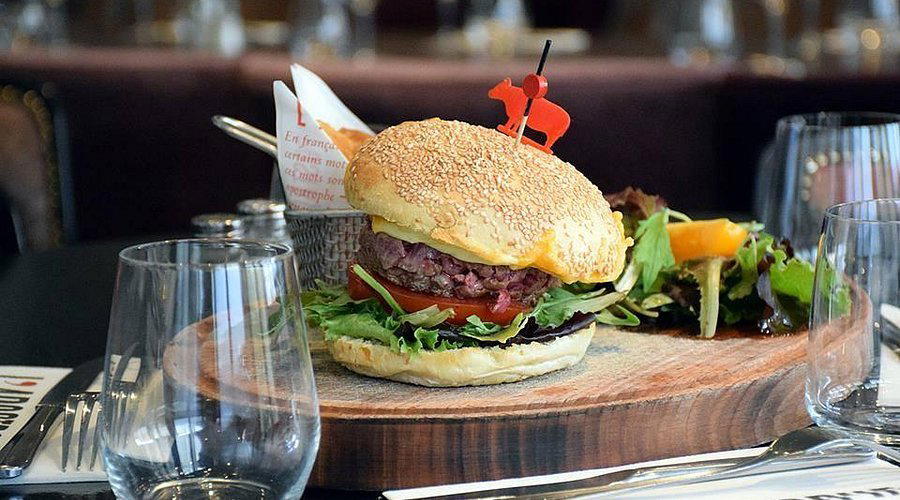
A Nanterre Address in a Paris-Dominated Region
The Hauts-de-Seine department sits immediately west of Paris, separated from the capital by a few kilometres and, in culinary reputation, by considerably more. Nanterre, its prefecture, is a city of universities, administrative offices, and La Défense's corporate sprawl, not a natural destination for serious dining in the way that the 6th or 8th arrondissements are. That context matters when reading any restaurant on Rue Maurice Thorez, the address where L'Apostrophe operates. Streets like this one, running through a mid-density residential and commercial neighbourhood, have historically housed neighbourhood bistros and ethnic canteens rather than destinations that draw diners from across the region. The question worth asking about any ambitious table in this setting is whether its sourcing and cooking justify the trip from Paris, or whether it functions primarily as a local anchor.
Sourcing in the Île-de-France Orbit
Restaurants operating on the western periphery of Paris sit within reach of some of France's most productive agricultural supply chains. The Île-de-France market system, anchored by Rungis, the vast wholesale market that replaced Les Halles in 1969 and now processes roughly 1.5 million tonnes of food annually, gives chefs in Nanterre the same access to Loire Valley vegetables, Brittany seafood, and Normandy dairy as their counterparts in the city centre. The distance between a kitchen on Rue Maurice Thorez and a three-star counter in the 8th is logistically negligible when both are drawing from the same supply network. What differentiates the sourcing story at restaurants in this tier is not geographic access but discipline: the decision to work with smaller-scale producers, to accept seasonal constraints, and to let ingredient quality drive the menu rather than the reverse. This is a pattern visible across French regional dining, from Bras in Laguiole, where the terroir of the Aubrac plateau shapes everything on the plate, to La Marine in Noirmoutier-en-l'île, whose entire identity is built on the particular character of Atlantic coastal produce.
The philosophical commitment to ingredient-led cooking has become a structuring principle for serious French tables at every price point. At the starred end, kitchens like Mirazur in Menton have taken this to an extreme, building menus around a biodynamic kitchen garden. At Christopher Coutanceau in La Rochelle, a sustainable fishing ethos dictates what appears on the menu each service. For a restaurant in Nanterre's mid-tier, the challenge is applying similar rigour within the constraints of a non-destination neighbourhood, without the agricultural estate, the fishing boat, or the three-star marketing pull that attracts producer relationships.
The Competitive Position in the Western Paris Belt
The comparison set for L'Apostrophe is not the grand Parisian addresses. Tables like Alléno Paris au Pavillon Ledoyen, operating at the €€€€ tier with multiple Michelin stars, or the celebrated classicism of Auberge de l'Ill in Illhaeusern represent a different register entirely. The more instructive comparable set is the cluster of serious neighbourhood restaurants across the Hauts-de-Seine and the Seine-Saint-Denis that serve local populations with consistent cooking rather than destination theatre. In this bracket, the markers of quality are less about awards and more about consistency of supply, the ability to hold a regular clientele, and whether the kitchen is making genuine decisions about what to cook based on what is available and good, rather than running a static menu year-round. Georges Blanc in Vonnas built a multi-generational institution in a town of roughly 3,000 people, proof that geography need not determine ceiling, though Vonnas has the advantage of a gastronomic heritage Nanterre does not share.
What the French Bistro Tradition Offers This Address
French cooking at the neighbourhood level draws on a tradition with considerably more depth than most international equivalents. The bistro format, which evolved through the 19th and early 20th centuries as a working-class and petit bourgeois institution, built its identity around a few dishes executed with care, a short wine list, and a relationship between kitchen and regulars that made the menu legible without explanation. Particularly technically accomplished regional French restaurants maintain precisely this structure: Auberge du Vieux Puits in Fontjoncouse operates in a village of under 200 people yet holds three Michelin stars; Assiette Champenoise in Reims built its reputation in an industrial city rather than a scenic one. The lesson from both is that the quality of the sourcing and the seriousness of the cooking matter more than the prestige of the postcode. Nanterre offers no scenic advantage. A restaurant there earns its standing the same way: through the produce it chooses and what the kitchen does with it.
The broader French dining conversation has also been shaped by the influence of kitchens outside the obvious centres. AM par Alexandre Mazzia in Marseille and Au Crocodile in Strasbourg both operate in cities that have historically sat in the second tier of French dining prestige, yet both hold significant Michelin recognition. The decentralisation of serious French cooking over the past two decades has made addresses like Nanterre more plausible as locations for ambitious tables than they would have been in 1990. Globally, this pattern extends further: Le Bernardin in New York City and Atomix in New York City both demonstrate how institutional seriousness about sourcing and technique can anchor a restaurant's identity independent of its neighbourhood's cachet.
Planning a Visit to Rue Maurice Thorez
L'Apostrophe is located at 9 Rue Maurice Thorez, Nanterre (92000). The address is accessible from central Paris via the RER A (Nanterre-Préfecture station) or by road from La Défense. L'Apostrophe's recorded hours are Monday to Saturday from 7 AM to midnight, and Sunday from 9 AM to midnight; reservations are recommended, and the price tier is moderate. Nanterre's restaurant culture does not operate on the assumption of walk-in availability that some inner-Paris bistros maintain, and confirming a table in advance is prudent for any restaurant at this address. For the wider context of where the restaurant sits among Nanterre's food options, the Nanterre restaurants guide covers the full range. Those building a broader French dining itinerary might consider how Nanterre fits alongside regional destinations such as Flocons de Sel in Megève, Troisgros in Ouches, Paul Bocuse in Collonges-au-Mont-d'Or, or L'Oustau de Baumanière in Les Baux.
How It Stacks Up
Comparable venues nearby, for context on price, style, and recognition.
| Venue | Cuisine | Price | Notes |
|---|---|---|---|
| L'ApostropheThis venue — the venue you are viewing | French Brasserie | $$$ | Not listed |
| Le Cardinal | French Brasserie & Seafood | $$$ | 16th Arrondissement |
| Beaucour à la folie | French Brasserie | $$$ | Paris 8 |
| Lipp | Traditional Alsatian Brasserie | $$$ | Saint-Germain-des-Prés |
| La Grivoiserie | French Farm-to-Table Bistro | $$$ | Notre-Dame-des-Champs |
| Hollywood Savoy | Modern French Brasserie | $$$ | 2nd arrondissement (Bourse district) |
Continue exploring
More in Nanterre
Restaurants in Nanterre
Browse all →

Bars in Nanterre
Browse all →
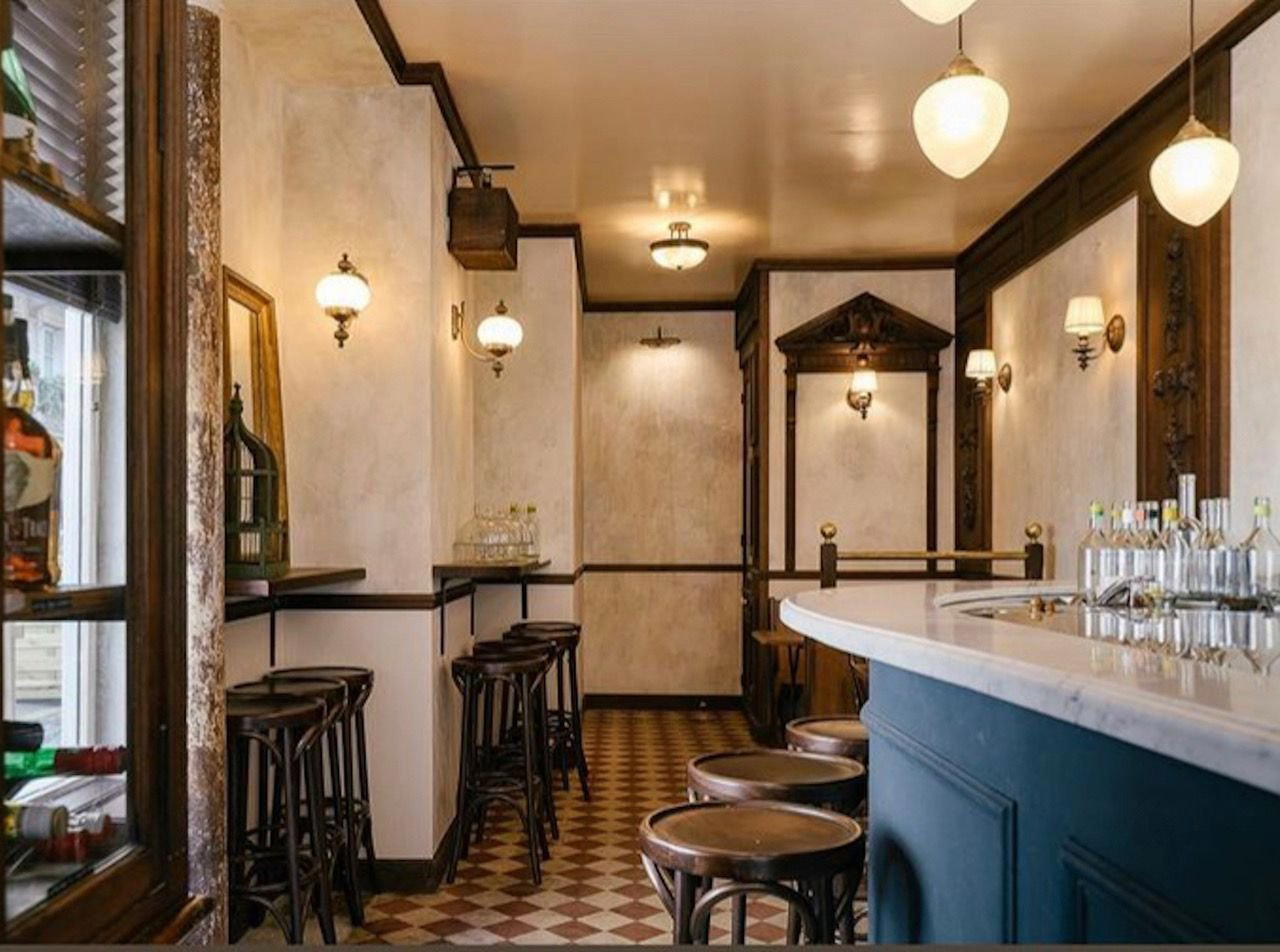
Hotels in Nanterre
Browse all →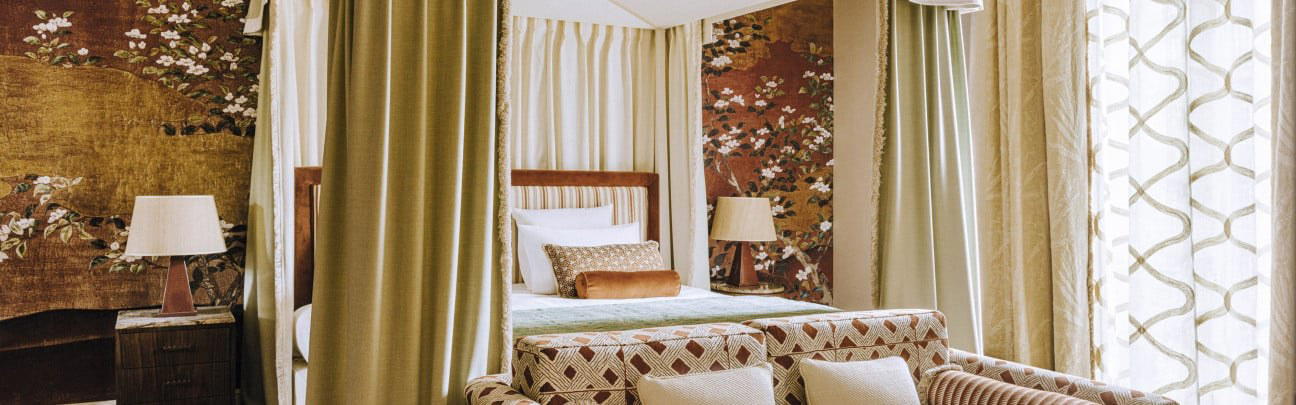
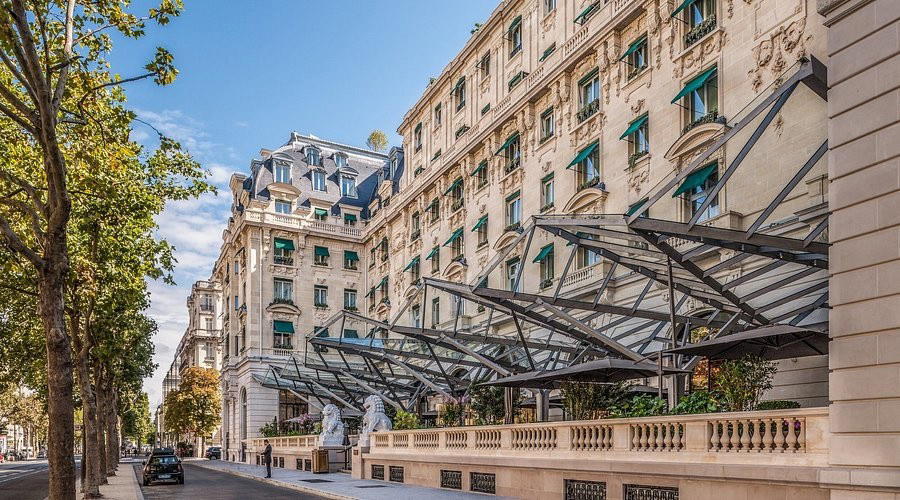
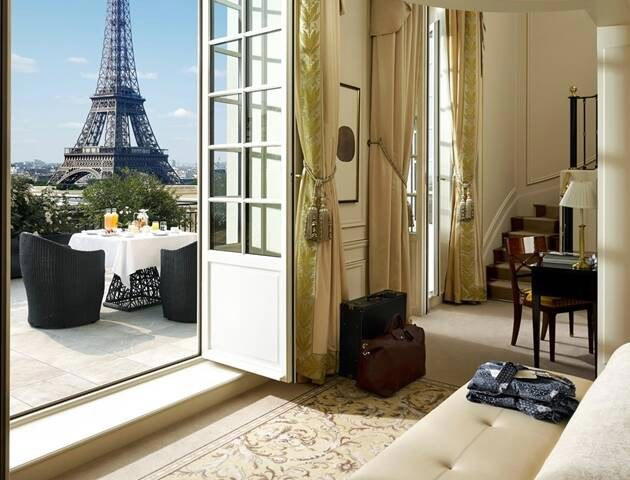

At a Glance
- Lively
- Cozy
- Business Dinner
- Family
- Casual Hangout
- Late Night
- Open Kitchen
Current opening hours
- Monday
- 7 AM–12 AM
- Tuesday
- 7 AM–12 AM
- Wednesday
- 7 AM–12 AM
- Thursday
- 7 AM–12 AM
- Friday
- 7 AM–12 AM
- Saturday
- 7 AM–12 AM
- Sunday
- 9 AM–12 AM
Hours can change for holidays and private events. Last verified .
Warm and inviting atmosphere with friendly service and a convivial bar area.