Lanterna
Lanterna sits in Pjescana Uvala, a small coastal settlement just outside Pula on the Istrian peninsula, where the Adriatic's ingredient culture runs deep. The address places it within one of Croatia's most food-serious regions, where truffle, olive oil, and seafood traditions shape every serious kitchen. For visitors working through Istria's dining circuit, it warrants a place on the itinerary.
Pearl is the En Primeur Club membership app — saves, bookings, and concierge access live there. Same editors, same standards.
- Address
- Ogranak V 1, 52100, Pula, Croatia
- Phone
- +38552397072
- Website
- lanternapula.com
- Directions
- Get directions
 Saves & bookings on Pearl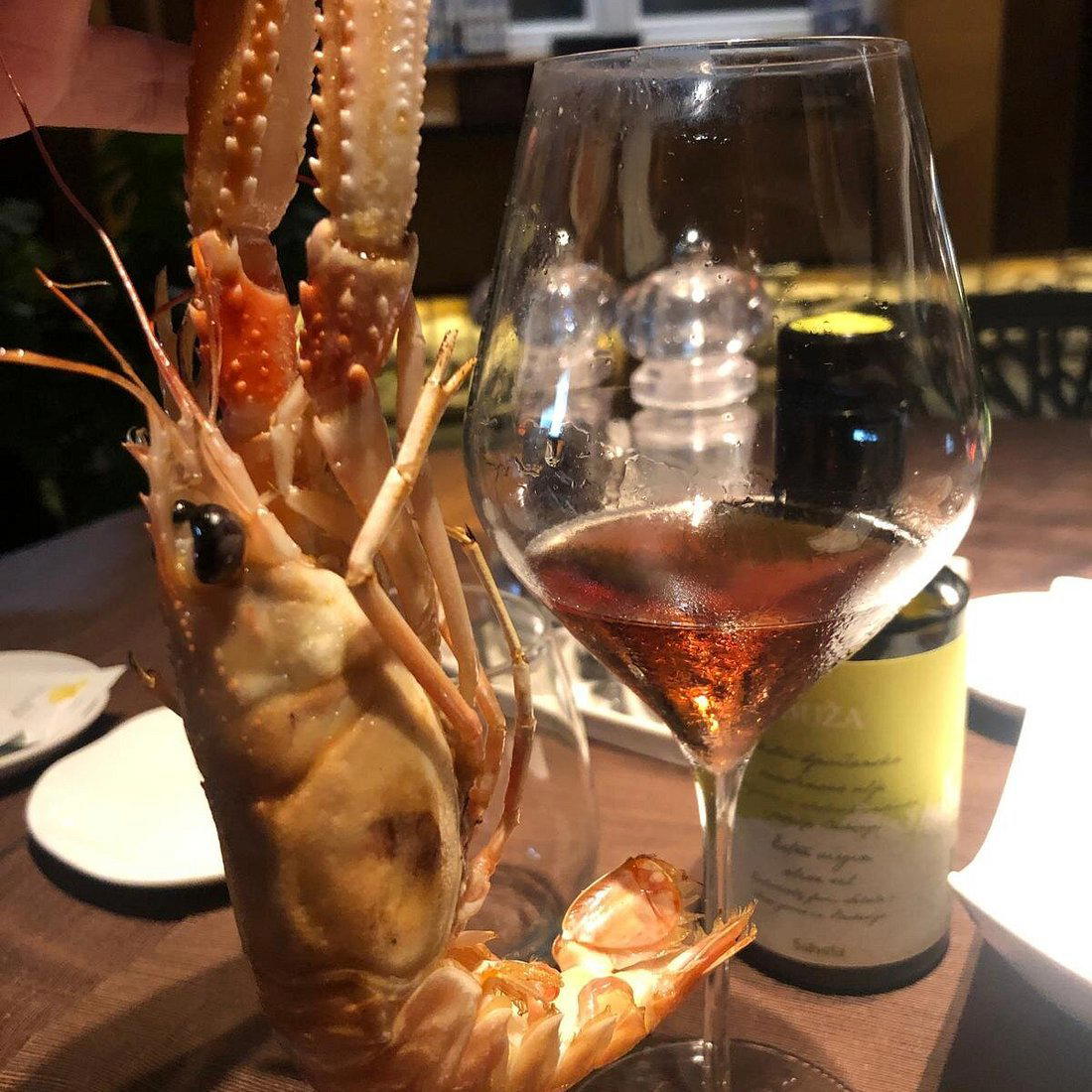
The Istrian Coastline as a Dining Context
Pjescana Uvala sits a short drive from Pula along the western Istrian coast, in a stretch of Croatia where the interaction between land and sea produces some of the country's most ingredient-driven cooking. The peninsula's pine-backed coves and calm Adriatic shallows have long made this a productive zone: local fishing fleets work close to shore, Istrian olive groves produce oil that competes with Tuscany's on quality benchmarks, and the inland forests around Motovun and Buzet yield black and white truffles that have attracted serious culinary attention from across Europe. Lanterna is a restaurant at Ogranak V 1, 52100, Pula, Croatia, serving Traditional Croatian Seafood at about $40 per person. Its address situates it between the Roman-era weight of Pula and the quieter, more residential pace of the peninsula's smaller coastal settlements.
Lanterna occupies the smaller, less trafficked end of that circuit, in a settlement where the dining offer is modest by volume but where proximity to Istrian producers remains an inherent structural advantage.
What Istrian Sourcing Actually Means
To understand what a kitchen in this part of Croatia can draw on, it helps to map the supply lines. The Kvarner Gulf and the waters immediately south of Istria produce scampi, sea bass, bream, and the small oily fish, anchovies and sardines, that have shaped Adriatic cooking for centuries. Inland, Istrian agritourism and small-scale producers have built a regional identity around specific products: Zigante Tartufi and smaller independents have commercialised the truffle trade, while olive oil from Vodnjan and the surrounding area regularly appears in international competition results. Local wines, particularly Malvazija Istarska and the red Teran, come from a wine region that has gained measurable recognition in the past fifteen years.
For any kitchen working in this geography, the sourcing question is less about access, the products are present, and more about selection and relationship. The Istrian food culture prizes freshness and seasonality over architectural complexity. This is a tradition in which a whole grilled fish with local olive oil and a glass of Malvazija constitutes a serious meal, and in which that simplicity is treated as a form of respect for the ingredient rather than a lack of ambition. That regional orientation places Istrian coastal restaurants in a different comparable set from, say, the tasting-menu format operations further down the coast at venues like Pelegrini in Sibenik or the terrace dining of Restaurant 360 in Dubrovnik, both of which operate at the formal, multi-course end of the Croatian dining spectrum.
The Setting and How to Approach It
Pjescana Uvala's character is residential and low-key. This is not a destination with the pedestrianised energy of Rovinj or the old-town density of Pula's centre. The settlement's appeal is its proximity to water and its relative quiet, and any dining experience here is shaped by that surrounding calm. Visitors arriving from Pula, the nearest major hub, should factor in that the area operates at a pace that rewards patience rather than a packed itinerary. The approach from the city takes under fifteen minutes by car, and the coastal road offers the kind of sea view that frames arrival well before any interior space does.
Agli Amici Rovinj on the nearby Rovinj waterfront operates at the Italian-contemporary register, drawing on cross-Adriatic culinary ties that are historically embedded in this part of Croatia. Further north, Nebo by Deni Srdoč in Rijeka represents what happens when Kvarner-region sourcing meets a more technically ambitious kitchen format. Across the wider Croatian dining picture, Boskinac in Novalja on Pag Island and Alfred Keller in Mali Lošinj both demonstrate how island-specific terroir can anchor a distinct culinary identity.
Inland, Zagreb's more urban fine-dining register, represented by kitchens like Dubravkin Put and the focused wine-and-food programming at Korak in Jastrebarsko, shows how Croatian chefs are working with continental as well as coastal sourcing traditions. The contrast with the coastal Istrian mode is instructive: where Zagreb kitchens tend toward formal structure and wine-pairing depth, Istrian coastal cooking often keeps that structure lighter, letting the primary ingredient carry more of the weight.
Other coastal comparisons worth noting include Krug in Split, LD Restaurant in Korčula, and Cubo in Opatija, each operating in a different coastal register along the Adriatic. On Pag Island, Bodulo and its lamb-and-cheese terroir offer a useful point of comparison for how island-specific ingredients generate distinct kitchen identities. On Brač, BioMania Bistro Bol works from an organic sourcing premise that aligns with the direction coastal Croatian kitchens are moving more broadly. For those travelling more widely through the region, Burin in Crikvenica and Cantilly Garden Restaurant in Samobor extend the picture into the Kvarner coast and Samobor hills respectively.
Planning Your Visit
Outside peak summer, the offer narrows but the pace slows further, which suits visitors who want the region's ingredient culture without the August crowd density. Pula functions as one practical base for exploring Pjescana Uvala alongside the wider Istrian circuit, with connections to the rest of the peninsula by road.
At-a-Glance Comparison
Comparable venues nearby, for context on price, style, and recognition.
| Venue | Cuisine | Price | Notes |
|---|---|---|---|
| LanternaThis venue — the venue you are viewing | Traditional Croatian Seafood | $$$ | Not listed |
| Konoba Cigale | Traditional Adriatic Seafood | $$$ | Čikat Cove, Mali Lošinj |
| Fra&Kat | Croatian Seafood Mediterranean | $$ | Premantura |
| Niko | Traditional Adriatic Seafood | $$$ | Puntamika |
| Burin | Fresh Seafood and Mediterranean | $$$ | Crikvenica |
| Najade | Mediterranean Seafood | $$$ | Lovran |
Continue exploring
More in Pjescana Uvala
Restaurants in Pjescana Uvala
Browse all →
Bars in Pjescana Uvala
Browse all →
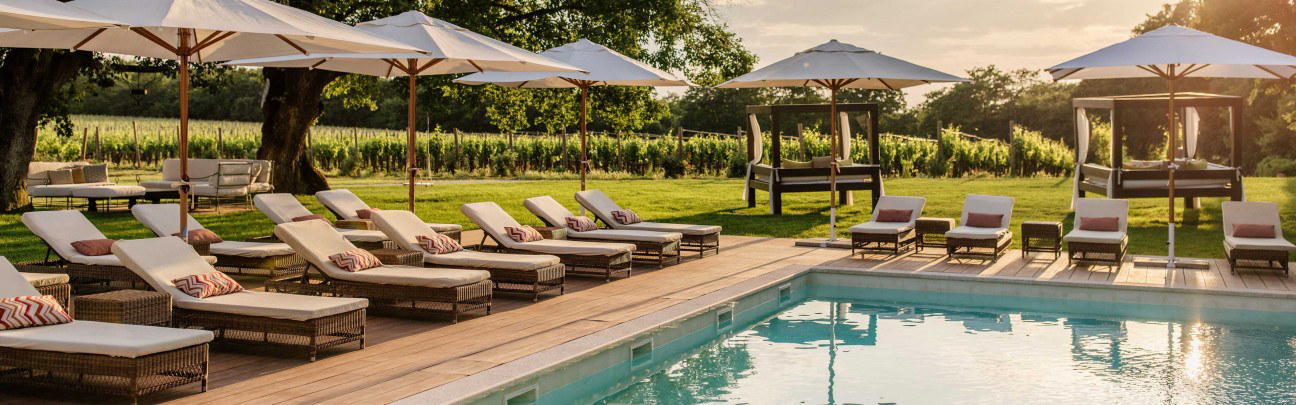
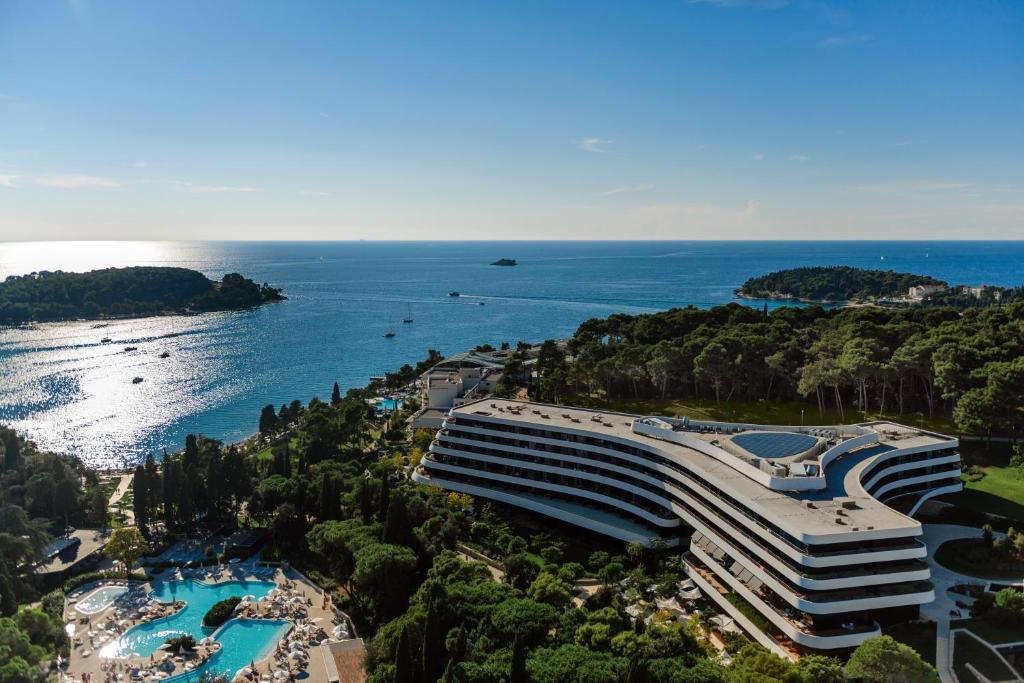
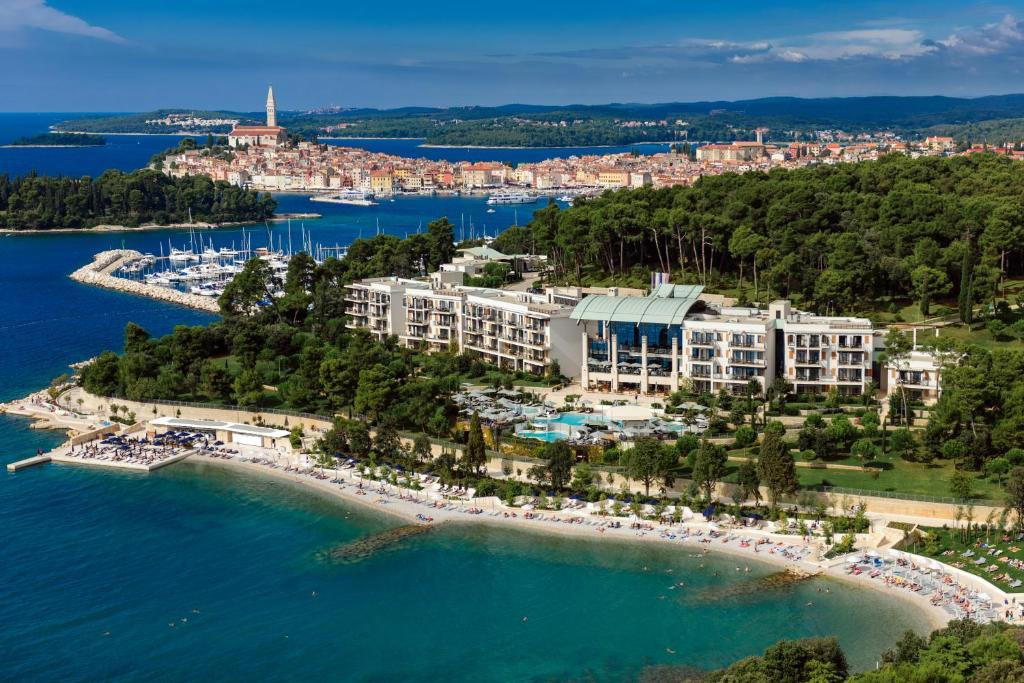
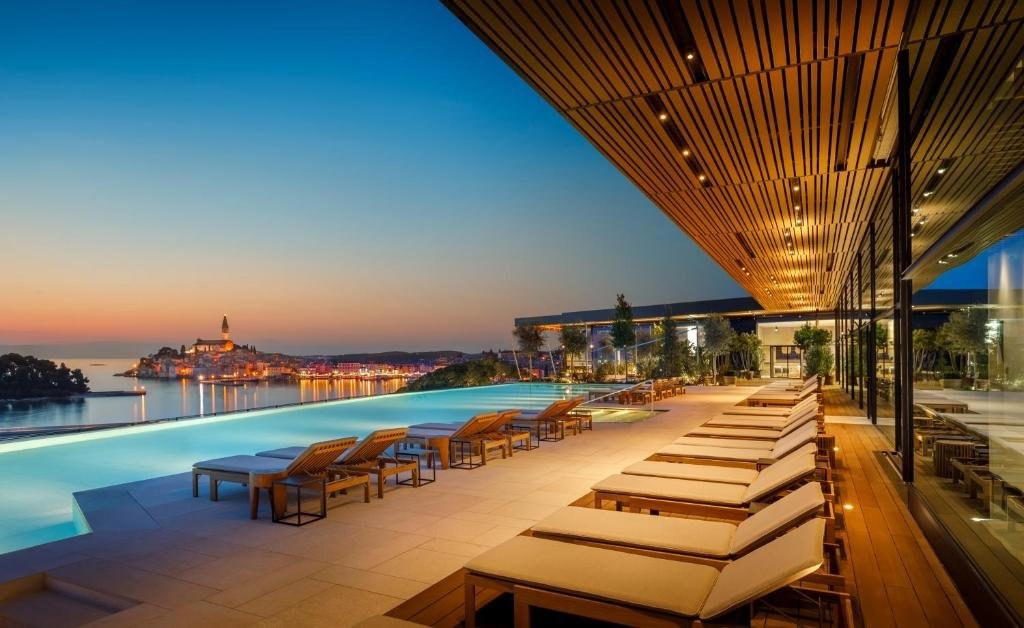
At a Glance
- Cozy
- Classic
- Scenic
- Family
- Special Occasion
- Date Night
- Waterfront
- Terrace
- Extensive Wine List
- Sommelier Led
- Local Sourcing
- Waterfront
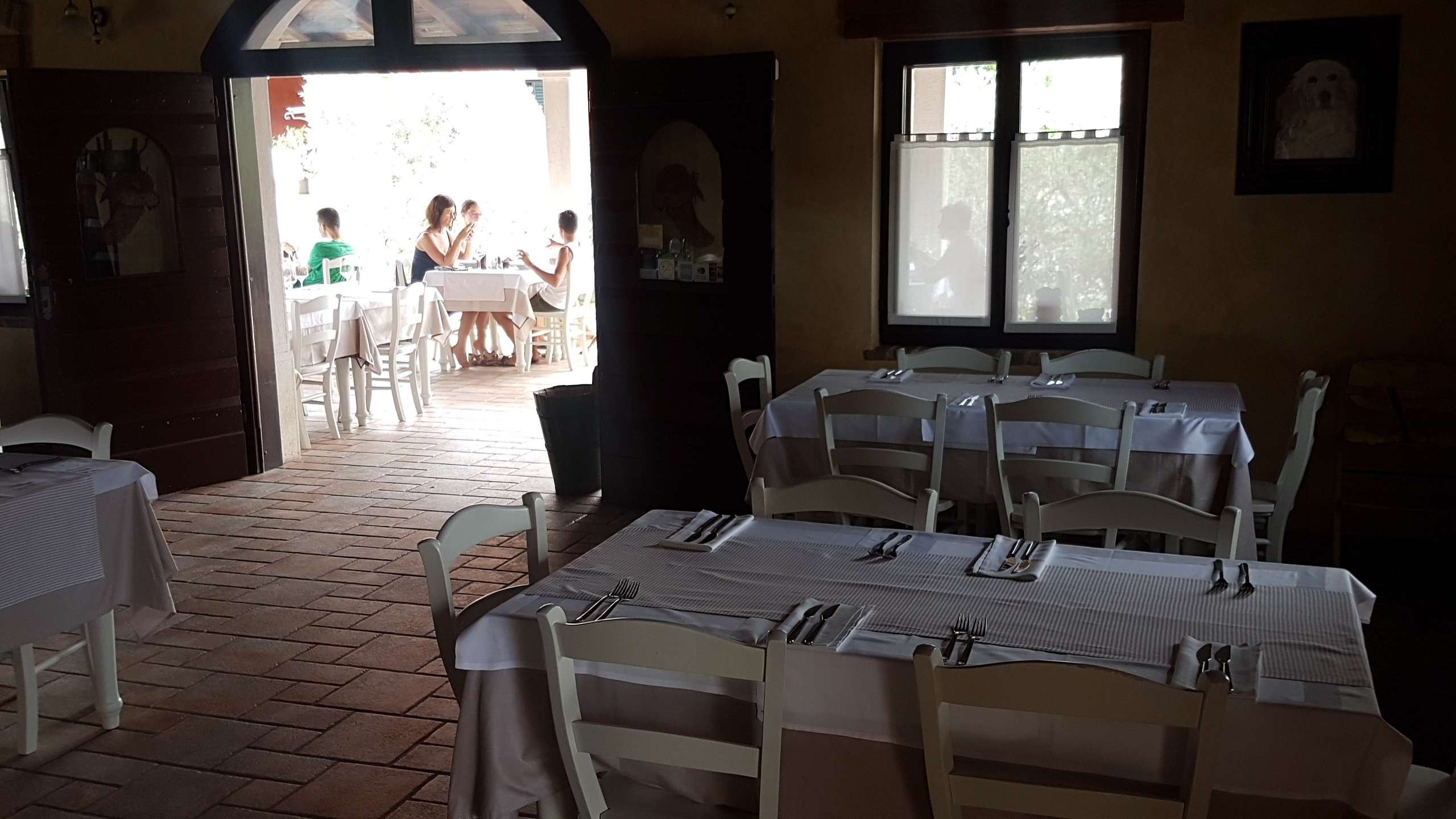
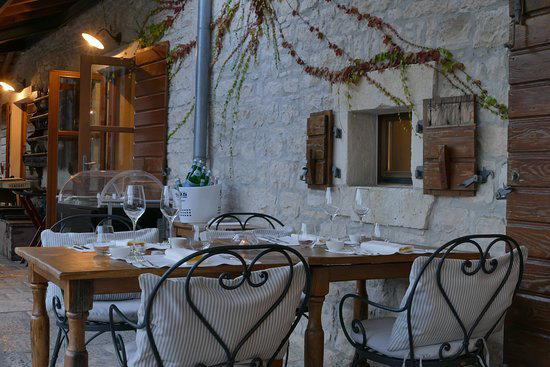
Cozy and relaxing atmosphere with warm, welcoming service that makes guests feel at home.