L'Annexe occupies a quiet address in the 9th arrondissement, where the divide between a measured lunch and a more expansive evening service defines the experience. The rue Chaptal location places it within the neighbourhood bistro tradition of the Pigalle-SoPi corridor, a district that rewards those who look past the main boulevards. For Paris dining at the less theatrical end of the spectrum, it fits a specific and useful niche.
Pearl is the En Primeur Club membership app — saves, bookings, and concierge access live there. Same editors, same standards.
- Address
- 15 Rue Chaptal, 75009 Paris, France
- Phone
- +33148746552
- Website
- lannexe-paris9.fr
- Directions
- Get directions
 Saves & bookings on Pearl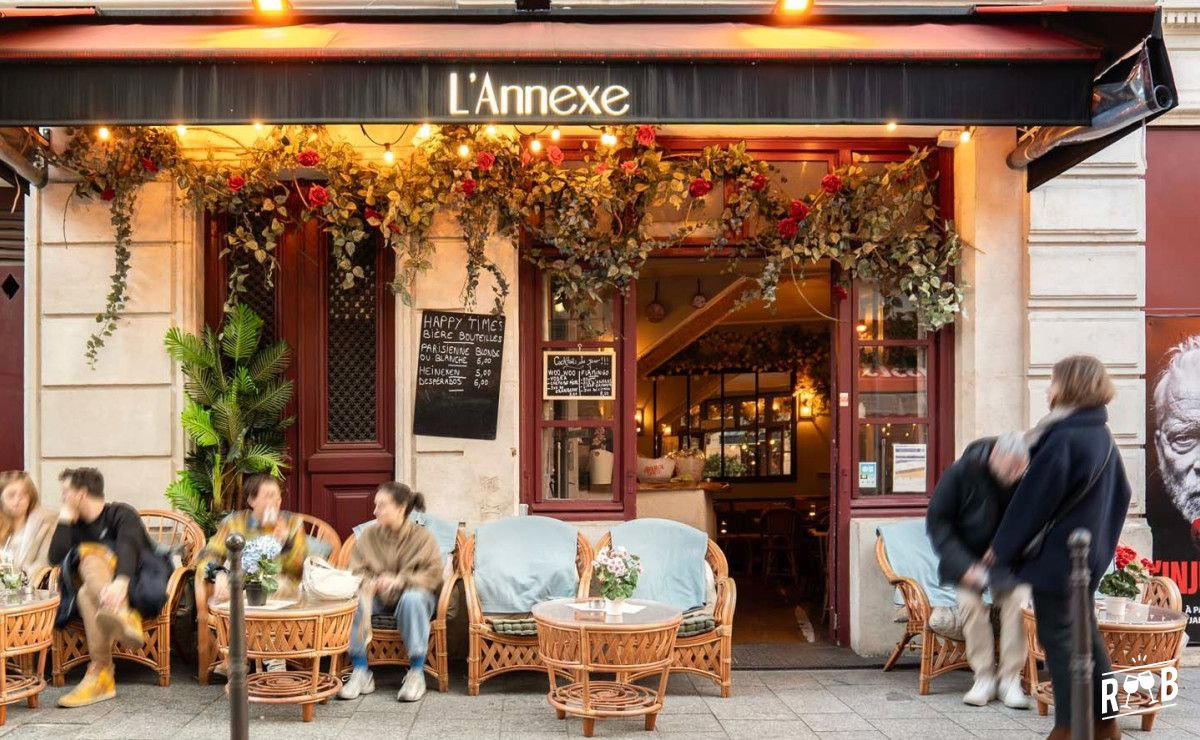
The 9th Arrondissement and the Bistro Corridor It Belongs To
Paris dining has long sorted itself into two broad registers: the grand table, where ceremony and price function as signals of seriousness, and the neighbourhood address, where the room is smaller, the menu shorter, and the logic is repetition rather than occasion. Rue Chaptal, in the 9th arrondissement, sits firmly in the second register. The street runs between the Pigalle-SoPi axis and the quieter residential blocks above the Opéra district, and it has historically attracted the kind of address that serves the same arrondissement locals on a Tuesday as it does visitors on a Saturday. L'Annexe at number 15 belongs to that tradition.
The 9th has been repositioning for over a decade. Where it once read primarily as a transit district between the grands boulevards and Montmartre, it now holds a recognisable cluster of independently run tables that operate outside the formal Michelin tier occupied by Alléno Paris au Pavillon Ledoyen or Le Cinq at the Four Seasons George V. The competitive set here is not three-star Paris. It is the mid-format bistro and cave-à-manger scene that has made the arrondissement genuinely interesting for those who find the 8th too formal and the 11th too crowded.
Lunch vs. Dinner: Where the Real Distinction Lies
In Paris bistro culture, the lunch and dinner divide is not merely a scheduling detail. It determines value calculus, room atmosphere, and often the cooking itself. At the lunch service, the logic is economy and speed: a tighter menu, a lighter room, and a price point calibrated to the working week. Evening service expands that frame, with a longer menu, a different rhythm, and a clientele whose expectations shift accordingly. This is the tension that defines how a neighbourhood address like L'Annexe actually functions across the day.
For visitors to Paris, this distinction matters practically. The French tradition of the formule dejeuner, a set lunch at a fixed price with two or three courses, remains among the more reliable ways to access quality cooking at a fraction of the evening rate. The same kitchen, the same sourcing, a more compressed format. Addresses across the city from Kei in the 1st to L'Ambroisie on the Place des Vosges observe this structural logic, even if at different price ceilings. At the neighbourhood bistro level, the gap between lunch and dinner value is proportionally wider still.
Evening service in the 9th tends to draw a later crowd than the more tourist-facing districts. The room fills from eight-thirty onwards, and the pace slows accordingly. For a table like L'Annexe, that means the evening experience carries a different weight: the expectation is a proper sit-down, not a working lunch. That rhythm suits the neighbourhood, which has neither the urgency of the Marais nor the spectacle of Saint-Germain.
Placing L'Annexe in the French Dining Spectrum
France's most decorated tables set the upper reference points for what serious cooking looks like in the country. Arpège in the 7th, Mirazur in Menton, Troisgros in Ouches, Bras in Laguiole, and Flocons de Sel in Megève each represent a different expression of what French haute cuisine has become across regions. Within Paris itself, institutions like Paul Bocuse's Auberge du Pont de Collonges and the long-running regional tradition visible at Auberge de l'Ill in Illhaeusern remind you how deep the formal dining lineage runs.
The restaurant operates at a different altitude entirely, which is its function rather than its limitation. The addresses that matter in the 9th are not competing with Assiette Champenoise in Reims or Au Crocodile in Strasbourg. They are competing for the neighbourhood dinner, the après-work table, and the visitor who wants Paris cooking without the ceremony. That is a legitimate and well-populated tier, and the 9th does it with enough consistency to draw repeat visits from people who live in other arrondissements.
For context on how French restaurant culture translates internationally, the Paris-trained register is well represented in cities like New York, where Le Bernardin and Atomix each draw on European technique in different ways. The neighbourhood bistro tradition that restaurant represents is harder to export precisely because it depends on the ecosystem around it: the local market sourcing, the regular clientele, the room that doesn't try to impress.
What the Address on Rue Chaptal Signals
Addresses in Paris carry information beyond the obvious. A restaurant on rue Chaptal in the 9th is not announcing itself as a destination address in the way that a table near the Palais-Royal or the Eiffel Tower does. It is signalling something more specific: an intention to serve a neighbourhood, with a cooking style calibrated to that neighbourhood's expectations. That is not a diminishment. Particularly consistent cooking in Paris happens in rooms that would never be described as impressive, on streets that visitors find by recommendation rather than instinct.
The practical implication for planning a visit is that rue Chaptal is easily reached from the major Metro corridors, with Pigalle and Saint-Georges both within a short walk, placing the address accessible from most central Paris hotels without requiring a taxi.
Booking in advance is the default assumption for any Paris table operating in this register, particularly for dinner. Weekend evenings in the 9th fill quickly, and the room size at a bistro-format address means a walk-in on a Friday or Saturday night carries real risk of unavailability. A midweek lunch remains one accessible entry point, combining shorter lead time for reservations with the structural advantages of the French lunch format.
For Those Planning Around the 9th
The broader SoPi (South Pigalle) area has developed enough critical mass that an evening anchored at one address can extend into the neighbourhood's bar and wine bar scene without requiring a long transit. That is part of what makes the 9th a functional choice for a full evening rather than just a dinner stop. The streets between rue des Martyrs and rue Blanche have the density to support a complete evening, and the restaurant on rue Chaptal sits within that walkable radius.
For visitors also considering options at the higher end of the Paris spectrum, the contrast between an address like this and the formal tier represented by Auberge du Vieux Puits in Fontjoncouse or AM par Alexandre Mazzia in Marseille is instructive. Those tables are destination decisions requiring advance planning, specific travel, and a deliberate occasion. The restaurant fits a different use case: the Paris week that needs a reliable neighbourhood dinner on a night when the grand table isn't the point.
A Tight Comparison
Comparable venues nearby, for context on price, style, and recognition.
| Venue | Cuisine | Price | Notes |
|---|---|---|---|
| L'AnnexeThis venue — the venue you are viewing | Montmartre, French Brasserie | $$$ | Not listed |
| Le Bouclard | Not listed | $$$ | 18th Arrondissement, Traditional French Bistro |
| 99 Haussmann | Not listed | $$$ | 8th arrondissement, Modern French Bistronomic |
| Le Truffaut | Batignolles, Modern French Bistro | $$$ | Not listed |
| Cloche Paris | Not listed | $$$ | Les Halles (1st arrondissement), Modern French Brasserie with Wagyu Focus |
| Le Récamier | Not listed | $$$ | 7th Arr., Classic French Soufflé Specialist |
Continue exploring
More in Paris
Restaurants in Paris
Browse all →
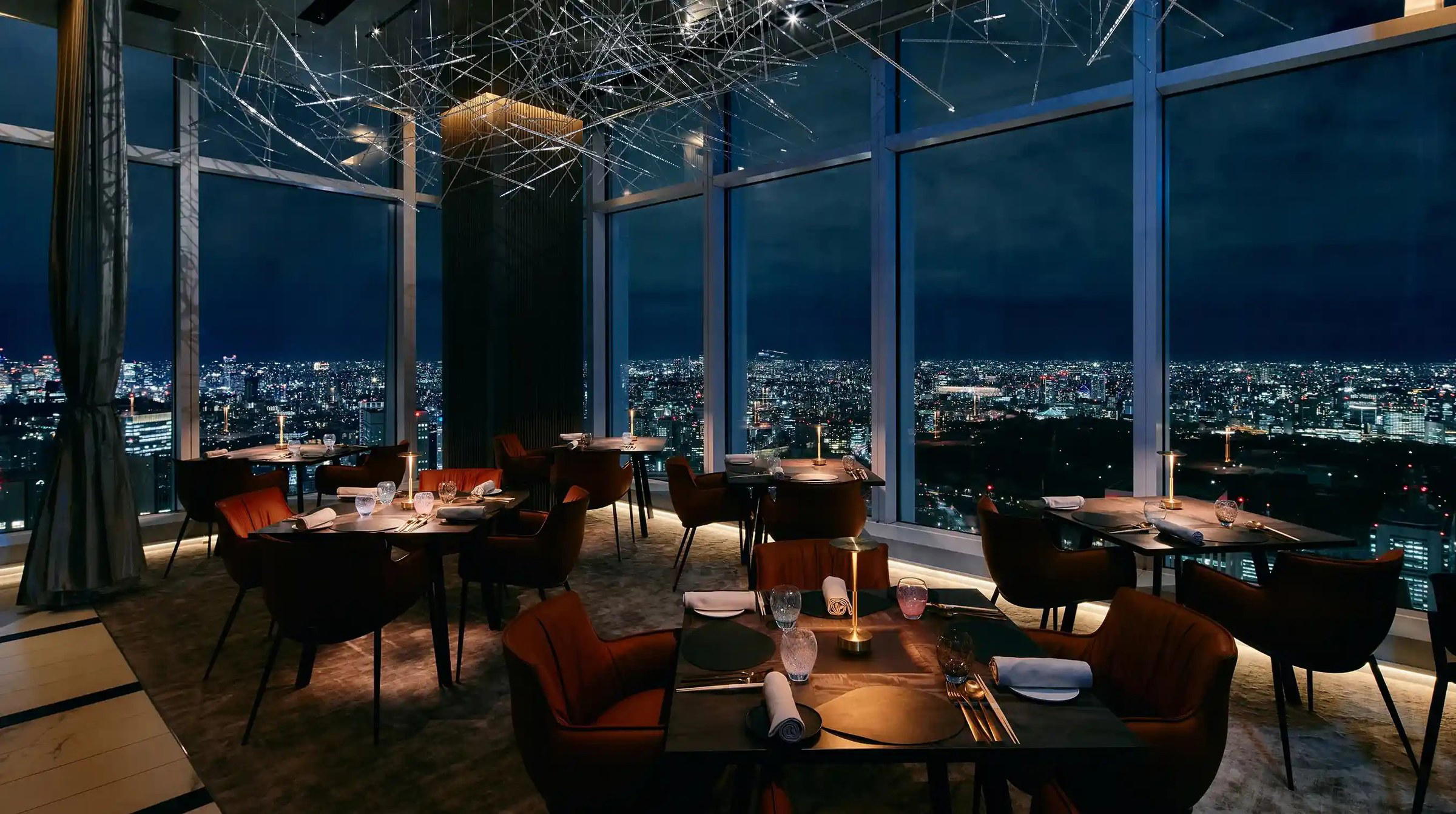
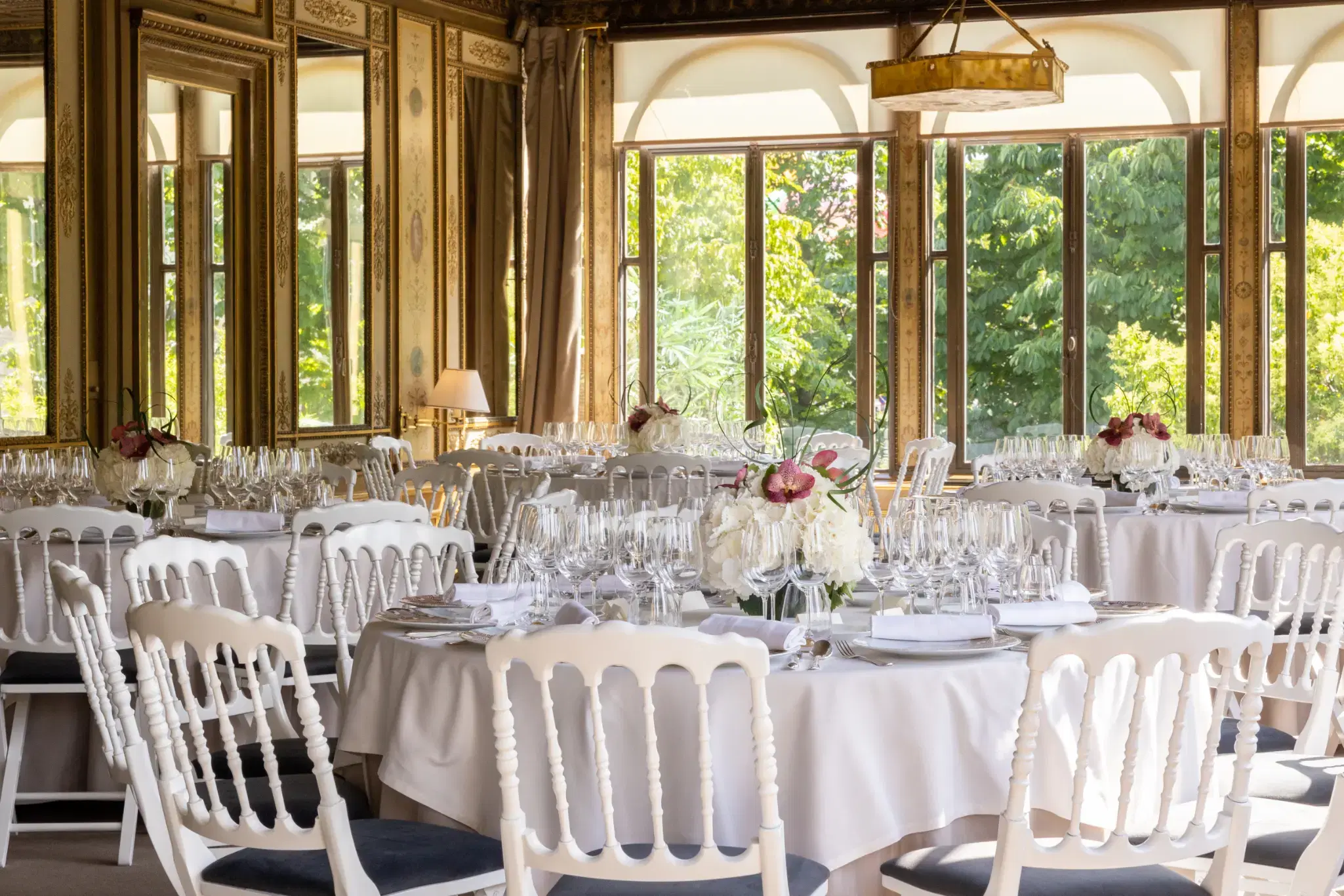
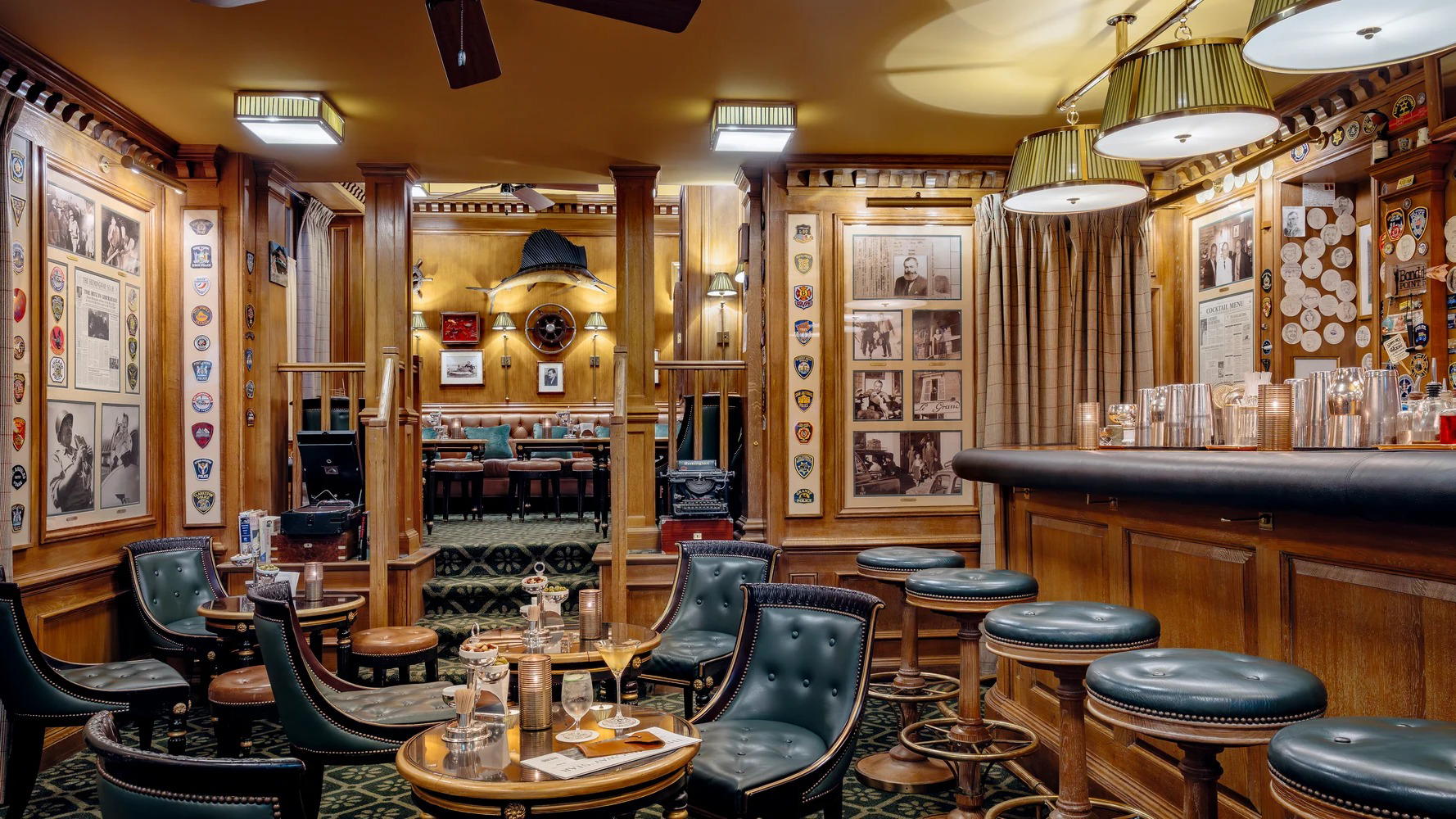
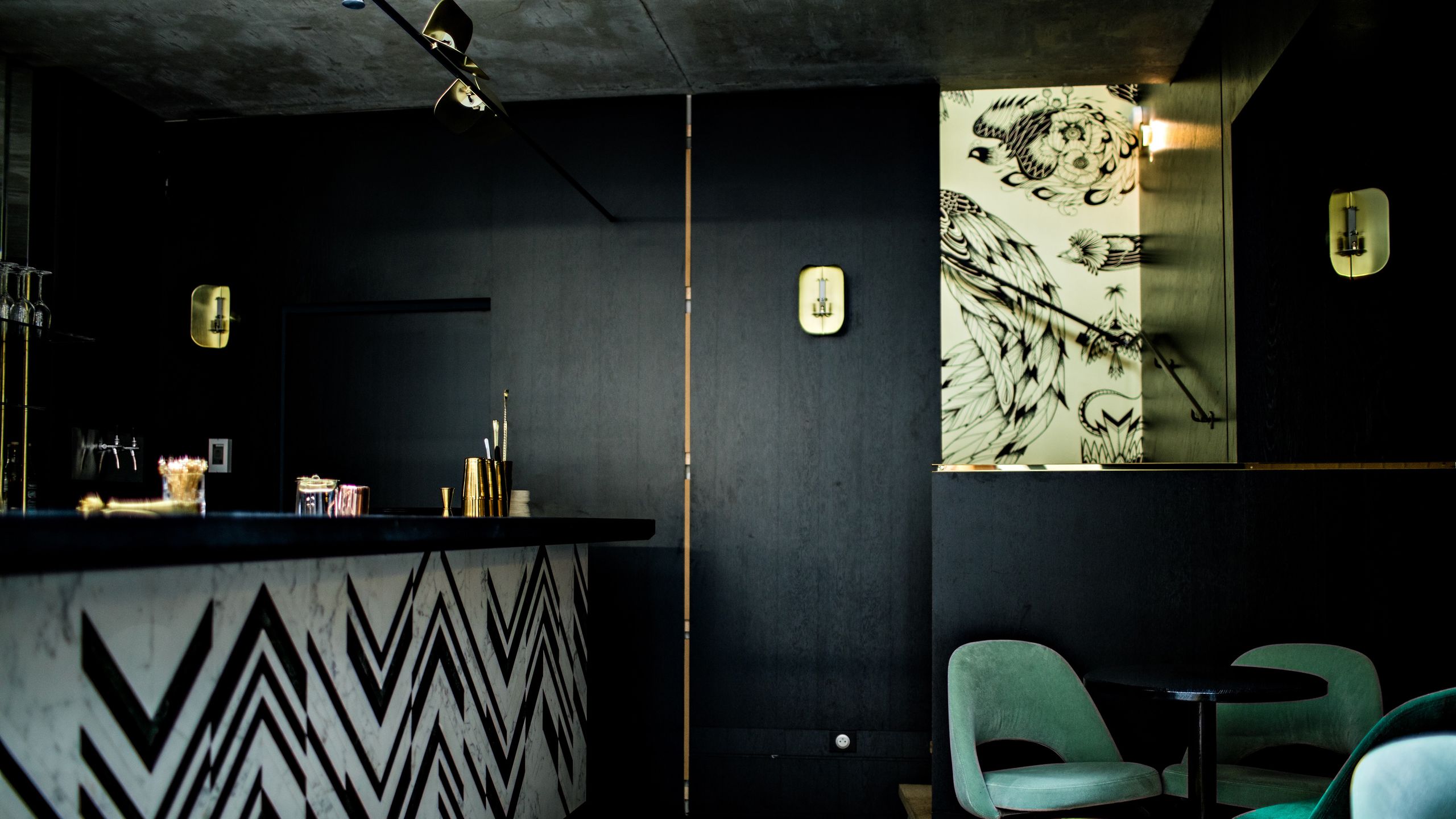
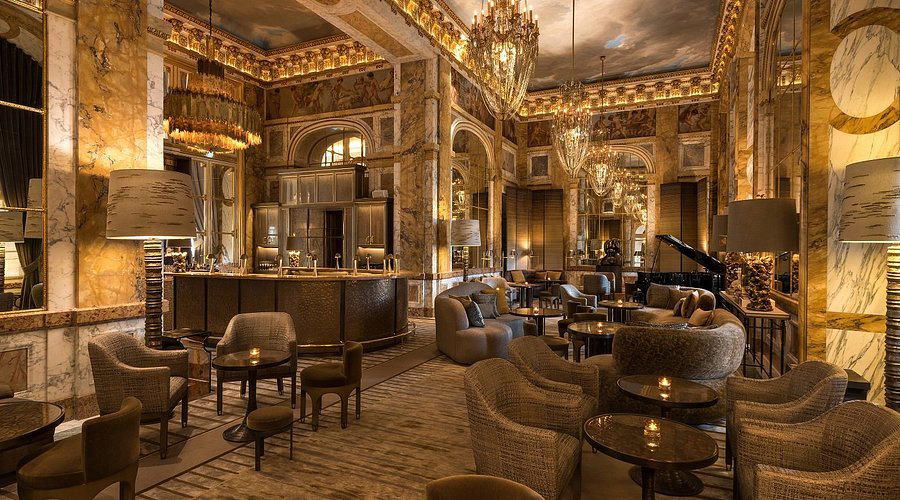
Bars in Paris
Browse all →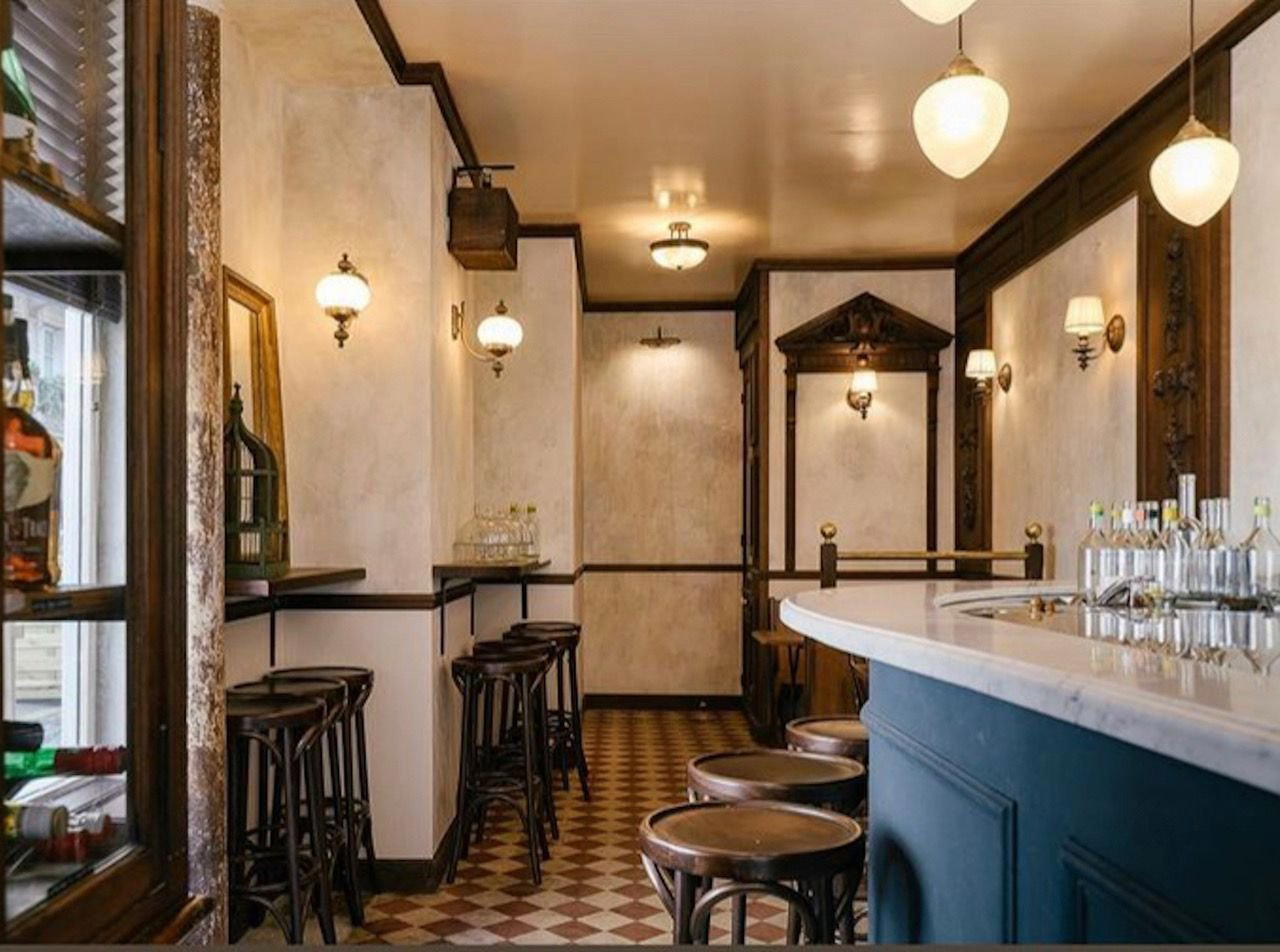
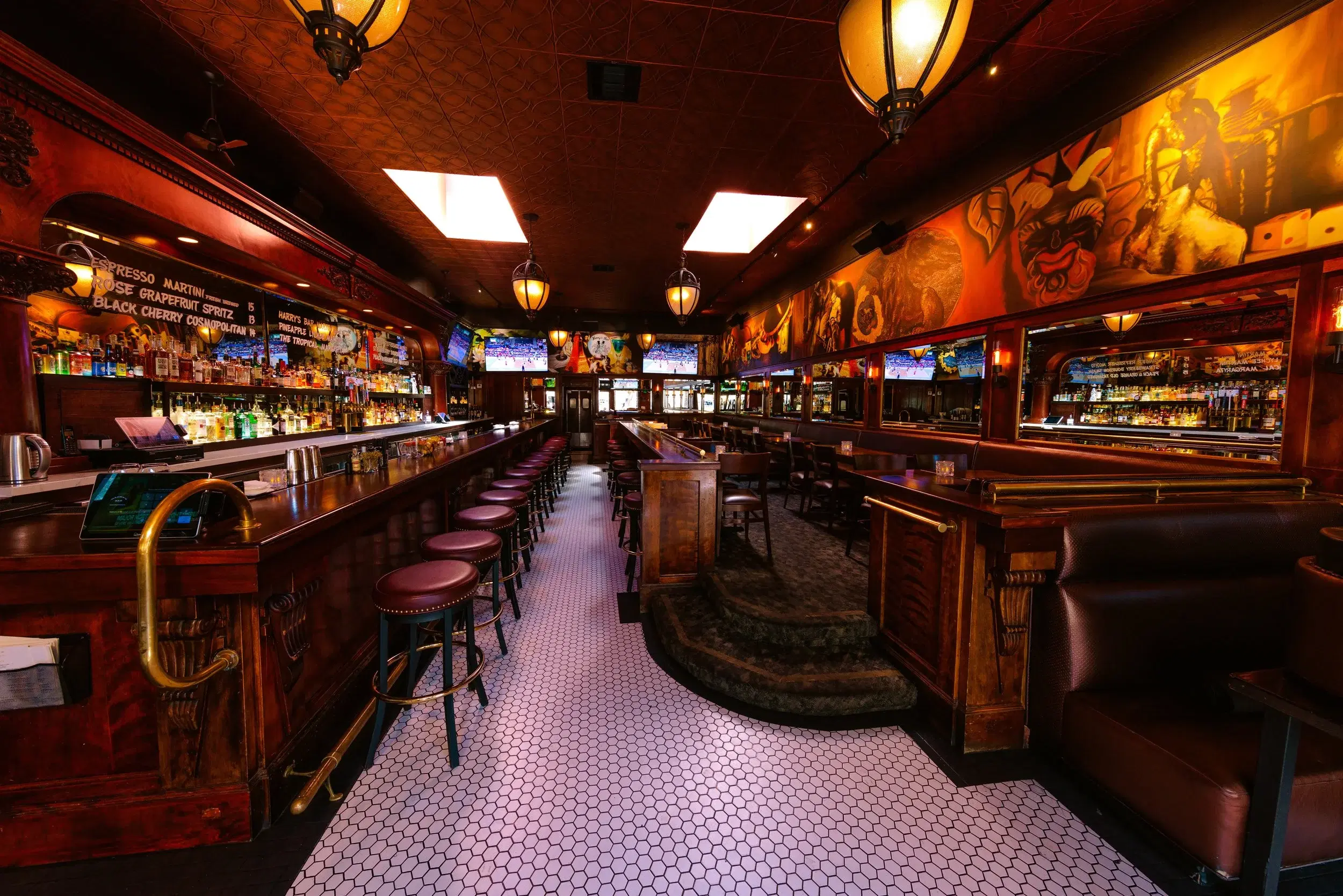
Hotels in Paris
Browse all →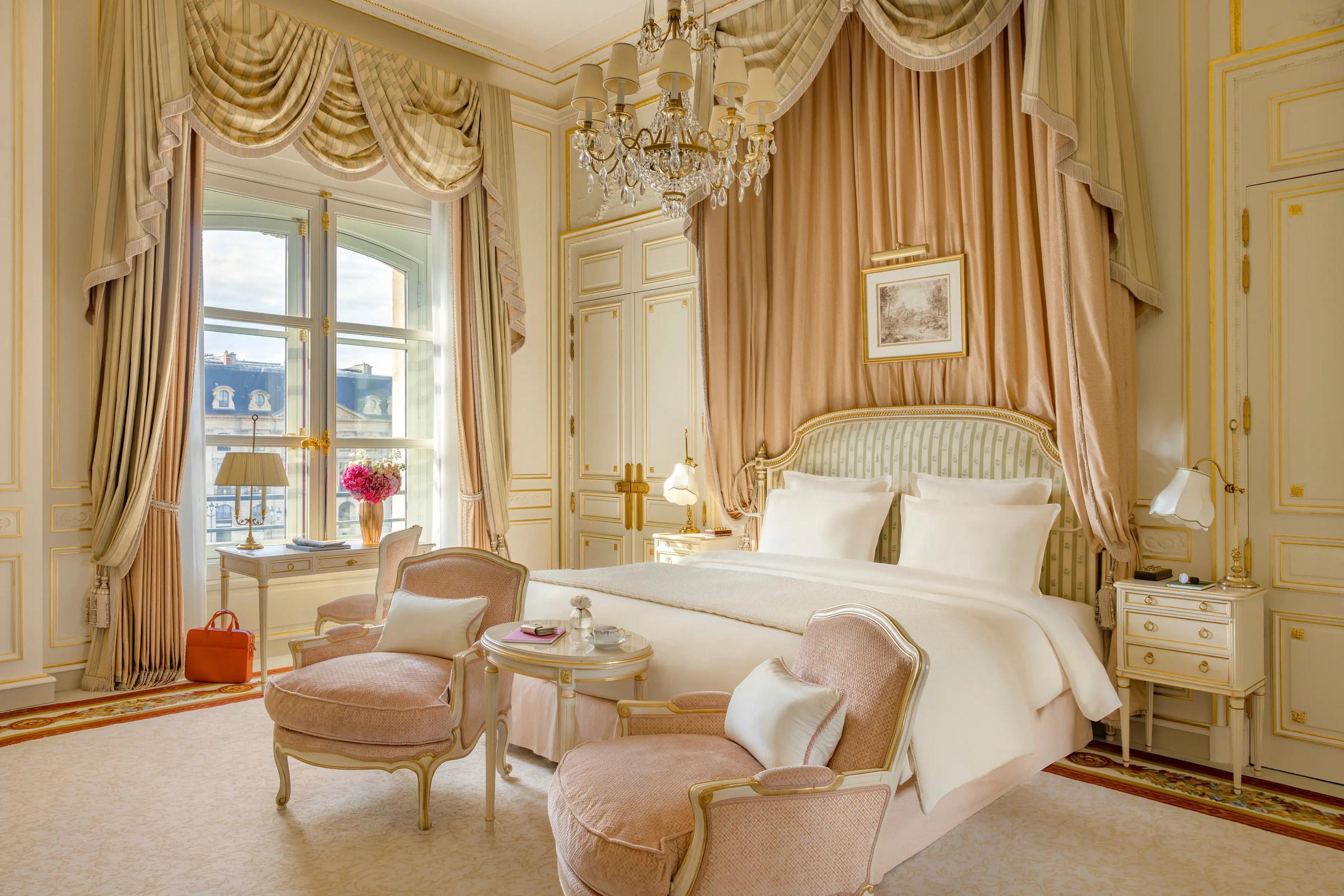
At a Glance
- Cozy
- Classic
- Lively
- Casual Hangout
- Date Night
- Open Kitchen
- Extensive Wine List
- Local Sourcing
- Organic
Current opening hours
- Monday
- 12–3 PM, 7–10:30 PM
- Tuesday
- 12–3 PM, 7–10:30 PM
- Wednesday
- 12–3 PM, 7–10:30 PM
- Thursday
- 12–3 PM, 7–10:30 PM
- Friday
- 12–3 PM, 7–10:30 PM
- Saturday
- 11 AM–10:30 PM
- Sunday
- Closed
Hours can change for holidays and private events. Last verified .
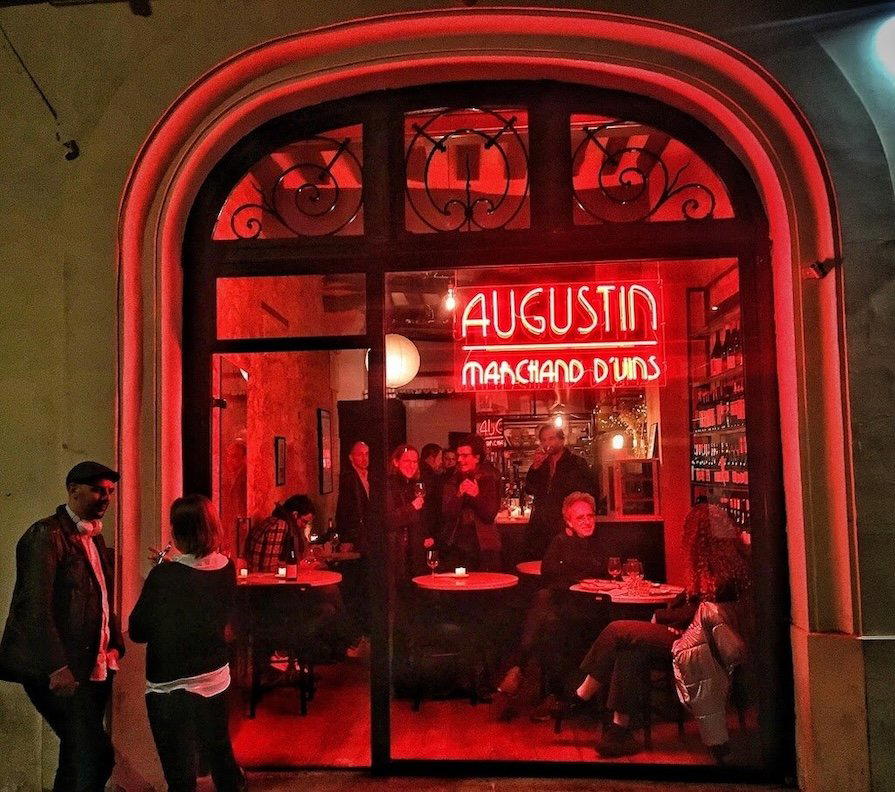
Ambiance chaleureuse et conviviale rappelant les brasseries parisiennes authentiques, avec décor rétro et atmosphère animée.