Our verdict
For visitors willing to move beyond the obvious booking lists, it represents a particular strand of Paris dining: neighbourhood-anchored, unhurried, and operating outside the awards infrastructure that shapes most international itineraries.

Pearl is the En Primeur Club membership app, where members save venues, book tables and use the concierge.

The menu
What to order
- Foie gras terrine
- Crayfish tails gratin
- Braised chicken with tarragon
- Veal breast
The 18th Arrondissement and the Restaurants That Don't Follow the Herd
Paris dining splits more cleanly by arrondissement than most cities admit. The 8th's palace-hotel corridor Le Cinq at the Four Seasons George V, Alléno at Pavillon Ledoyen, operates at one extreme: tasting menus priced above €200, formal codes, and booking lead times measured in months. The 6th and 7th give you Arpège and L'Ambroisie, which sit in the same leading bracket. Then there is a different Paris, less photographed, less circulated on awards shortlists, where restaurants derive their authority from the neighbourhood itself rather than from Michelin citations or international press coverage.
Le Bouclard sits in that second category. For a certain type of traveller, that is precisely the point.
Approaching It: What the Booking Process Tells You
The editorial angle most relevant to Le Bouclard is not what's on the plate but how you get through the door, and what the planning process signals about the kind of place it is. Restaurants at the top of Paris's formal hierarchy, including Kei on Rue Coq Héron, now run digital reservation systems with well-documented release windows, international booking platforms, and waitlists managed with the precision of hotel concierge departments.
Le Bouclard operates at a different register. This is not an anomaly in the 18th; it is a feature of a cohort of Paris bistros that have deliberately not integrated into the digital reservation infrastructure that the formal dining tier now depends on. The friction in booking is, in itself, a piece of information: it tells you this is a room built for regulars and for visitors who have done the groundwork.
The comparison holds when you look at the broader French dining circuit. Properties like Auberge de l'Ill in Illhaeusern or Bras in Laguiole operate with formal booking infrastructure because the destination itself demands it, international visitors are a structural part of the business model. A Paris neighbourhood bistro in the 18th does not need that architecture. Its model depends on proximity, repetition, and word of mouth within a defined local radius.
The 18th's Dining Character and Where Le Bouclard Sits Within It
The 18th arrondissement covers significant internal variety. Montmartre's tourist-facing streets carry a concentration of mediocre restaurants sustained by foot traffic rather than quality. But move away from the Sacré-Coeur perimeter, toward Place de Clichy and the quieter residential grid behind it, and a different set of rooms emerges: smaller, with handwritten menus, wine sourced from small producers, and owners who are present in the dining room rather than managing from a distance. The street itself is short, residential, and not part of any recognised dining corridor. That positioning is not accidental: the restaurants that survive on streets like this do so on repeat business from the quartier, not on guidebook traffic. Compared to the formal French establishment, venues like Paul Bocuse's Auberge du Pont de Collonges or Assiette Champenoise in Reims, which carry the weight of regional culinary identity, Le Bouclard carries no such institutional burden, and is arguably the freer for it.
Planning Around Limited Data
Arriving at a restaurant with minimal advance information requires a different planning posture than booking a three-star with a structured digital system. This is not unusual for bistros of this type in Paris; it is the norm for rooms that have not pursued external visibility as a strategy.
Travellers building a Paris itinerary across multiple dining registers, perhaps combining a grand-hotel dinner at Le Cinq with a more exploratory meal in the 18th, or counterbalancing a visit to Kei with something less produced, will find that the logistics of the two tiers are genuinely different. The formal tier rewards advance planning and digital engagement; the neighbourhood tier rewards flexibility, local knowledge, and the willingness to call ahead.
For context on what's available across the wider French dining circuit, see our full Paris restaurants guide, which covers the range from palace kitchens to arrondissement-level dining. Further afield, Flocons de Sel in Megève, Mirazur in Menton, Troisgros in Ouches, AM par Alexandre Mazzia in Marseille, Au Crocodile in Strasbourg, and Auberge du Vieux Puits in Fontjoncouse represent the breadth of what serious French dining looks like outside the capital. Internationally, Le Bernardin in New York and Atomix in New York illustrate how French-rooted technique and the counter-format tasting menu have translated across contexts.
Practical Comparison
| Venue | Location | Price Tier | Booking Method | Lead Time |
|---|---|---|---|---|
| Le Bouclard | 18th arr. Paris | Not confirmed | Direct contact recommended | Variable |
| Kei | 1st arr. Paris | €€€€ | Online platform | Weeks to months |
| Le Cinq | 8th arr. Paris | €€€€ | Hotel concierge / online | Months |
| Alléno Paris | 8th arr. Paris | €€€€ | Online platform | Months |
Frequently asked questions
Is Le Bouclard a family-friendly restaurant?
That depends on how you define the term in a Paris context. The 18th arrondissement has a neighbourhood dining culture that is broadly relaxed compared to the formal dining rooms of the 8th. If Le Bouclard follows the pattern of comparable bistros in this part of the city, smaller rooms, unhurried pacing, no dress code, it is likely more accommodating of varied party compositions than a tasting-menu restaurant at €€€€ pricing.
Is Le Bouclard better for a quiet night or a lively one? The 18th arrondissement's residential grid, away from the Montmartre tourist corridor, tends to produce smaller, quieter rooms where conversation carries across tables. This is a different proposition from the louder bistro energy of, say, the Canal Saint-Martin corridor. It is not the place to test whether you can hear your companion across a crowded room, which is, by Paris standards, a recommendation in its own right.What should I eat at Le Bouclard?
Generating specific dish recommendations without that data would be speculation. What the address and neighbourhood suggest is alignment with the classic French bistro format: seasonal, market-driven, and relatively uncomplicated in presentation. That mode of cooking has its own rigour, as properties like L'Ambroisie demonstrate at the extreme end, but at the neighbourhood level it means asking the room what's good that day rather than arriving with a fixed order in mind.
Does Le Bouclard have a wine list worth seeking out?
No wine list details are confirmed in available public data, so specific claims cannot be made. What can be said is that bistros of this address type in the 18th arrondissement, small, residential, operating outside the formal awards circuit, tend to source from small producers, natural wine importers, or regional French houses rather than from the prestige Burgundy and Bordeaux lists that anchor the formal dining tier. That is a generalisation from neighbourhood context, not a confirmed statement about this room. Asking the proprietor directly what they're pouring by the glass is the appropriate move here and, in a bistro of this scale, almost always produces a more interesting answer than the written list alone.
Reputation Context
Comparable venues nearby, for context on price, style, and recognition.
| Venue | Cuisine | Price | Awards | Notes |
|---|---|---|---|---|
| Le BouclardThis venue (the venue you are viewing) | Traditional French Bistro | $30–50 | Not listed | Not listed |
| Les Éléphants | French Bistro with Market-Driven Cuisine | $50–100 | Not listed | Batignolles-Monceau |
| Astair | Contemporary French Brasserie | $50–100 | Not listed | 2nd Arrondissement |
| Bistrot Flaubert | Modern French Bistro | $50–100 | Michelin Plate · Relais Chateaux Award | Plaine de Monceaux |
| Joy | Modern French Bistro | $50–100 | Not listed | 8th Arr. |
| Le V | Mediterranean Fusion French | $50–100 | Not listed | Étoile |
Continue exploring
More in Paris
Restaurants in Paris
All restaurants in Paris →

Bars in Paris
All bars in Paris →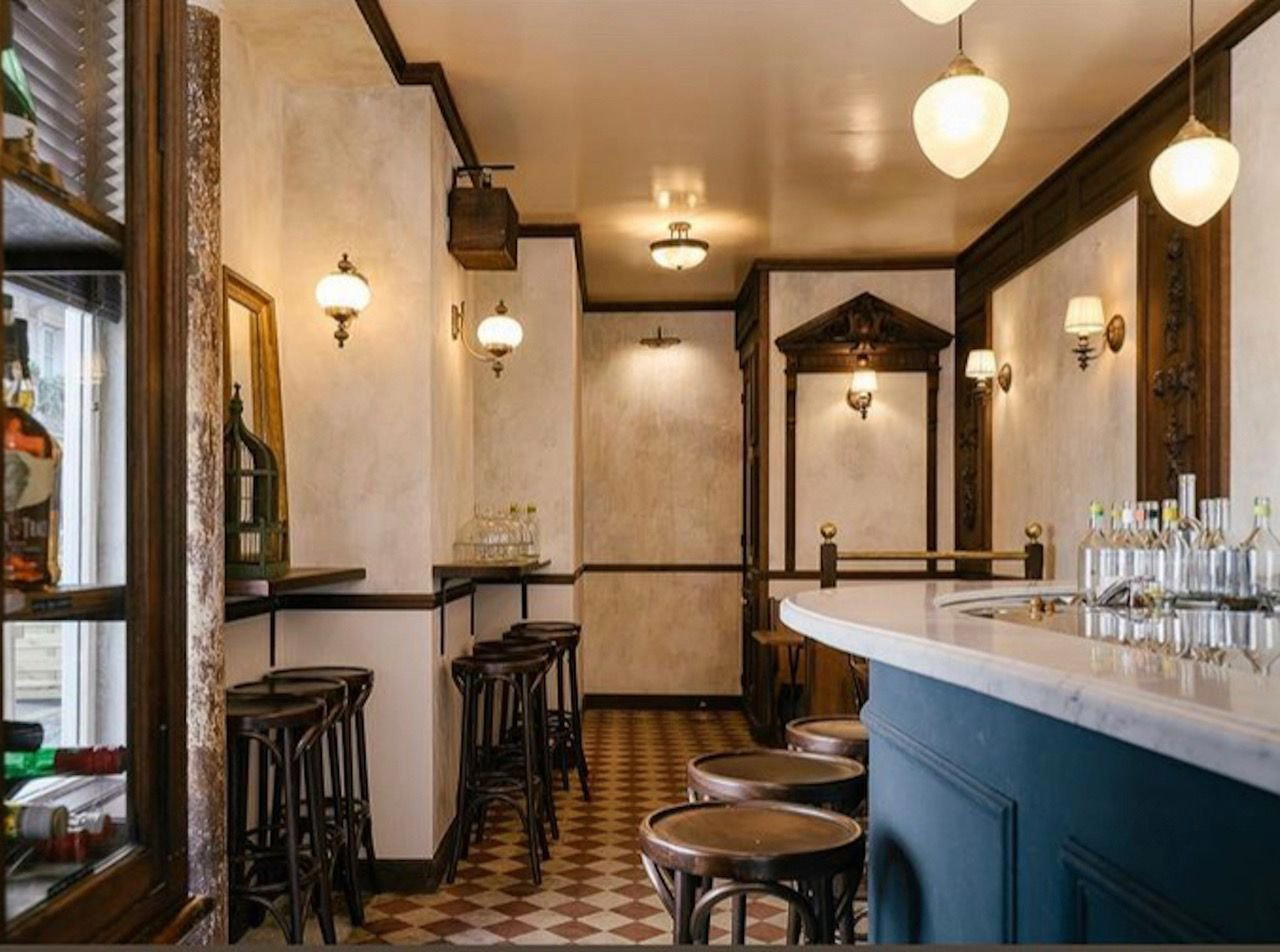
Hotels in Paris
All hotels in Paris →


Details
- Cozy
- Classic
- Intimate
- Elegant
- Date Night
- Special Occasion
- Historic Building
- A La Carte
- Vegetarian Friendly
Current opening hours
- Monday
- Closed
- Tuesday
- 12–2:30 PM, 6:30–10:30 PM
- Wednesday
- 12–2:30 PM, 6:30–10:30 PM
- Thursday
- 12–2:30 PM, 6:30–10:30 PM
- Friday
- 12–2:30 PM, 6:30–10:30 PM
- Saturday
- 6:30–10:30 PM
- Sunday
- Closed
Hours can change for holidays and private events. Hours as of .
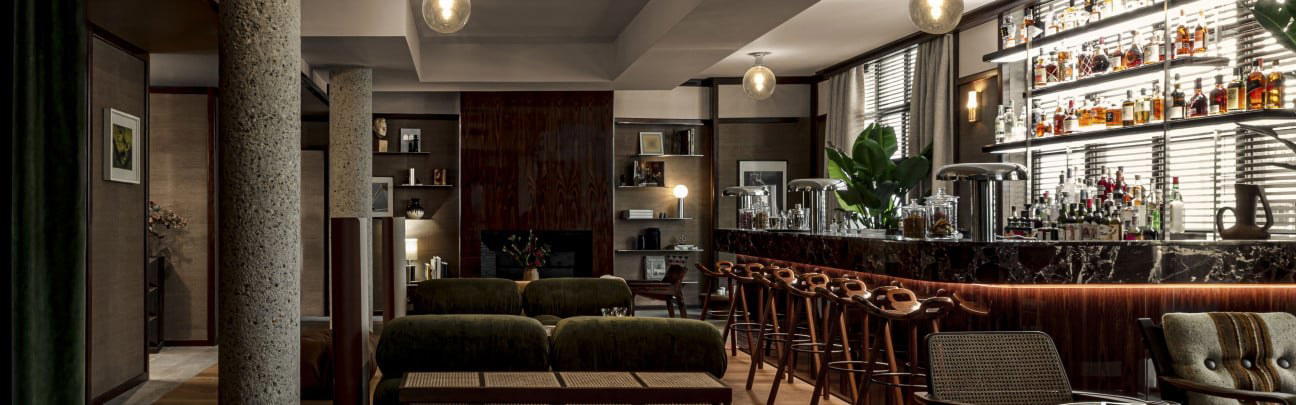
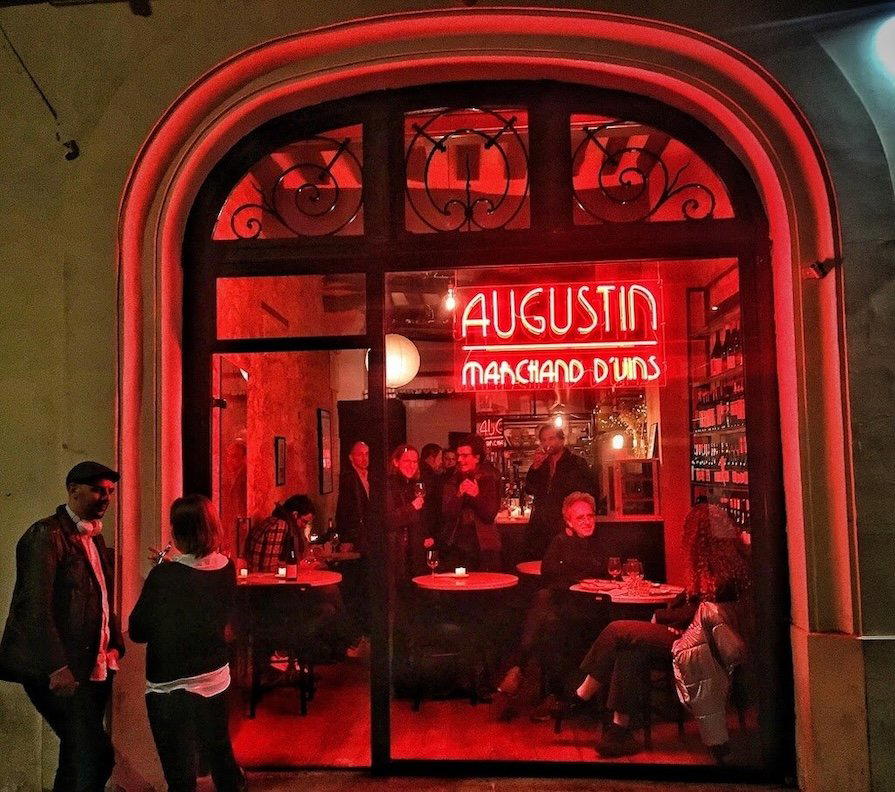
Cozy 1920s décor with welcoming warmth, beautiful decorated bar, and small raised seating area.