Located on Rue Coq Héron in Paris's 1st arrondissement, Cloche Paris sits within one of the city's most historically layered dining neighbourhoods, close to the Palais-Royal and the Louvre. The address places it inside a tier of central Paris restaurants where ethical sourcing and environmental practice have become increasingly central to how kitchens define their identity and compete.
Pearl is the En Primeur Club membership app — saves, bookings, and concierge access live there. Same editors, same standards.
- Address
- 1 Rue Coq Héron, 75001 Paris, France
- Phone
- +33974641934
- Website
- cloche-paris.com
- Directions
- Get directions
 Saves & bookings on Pearl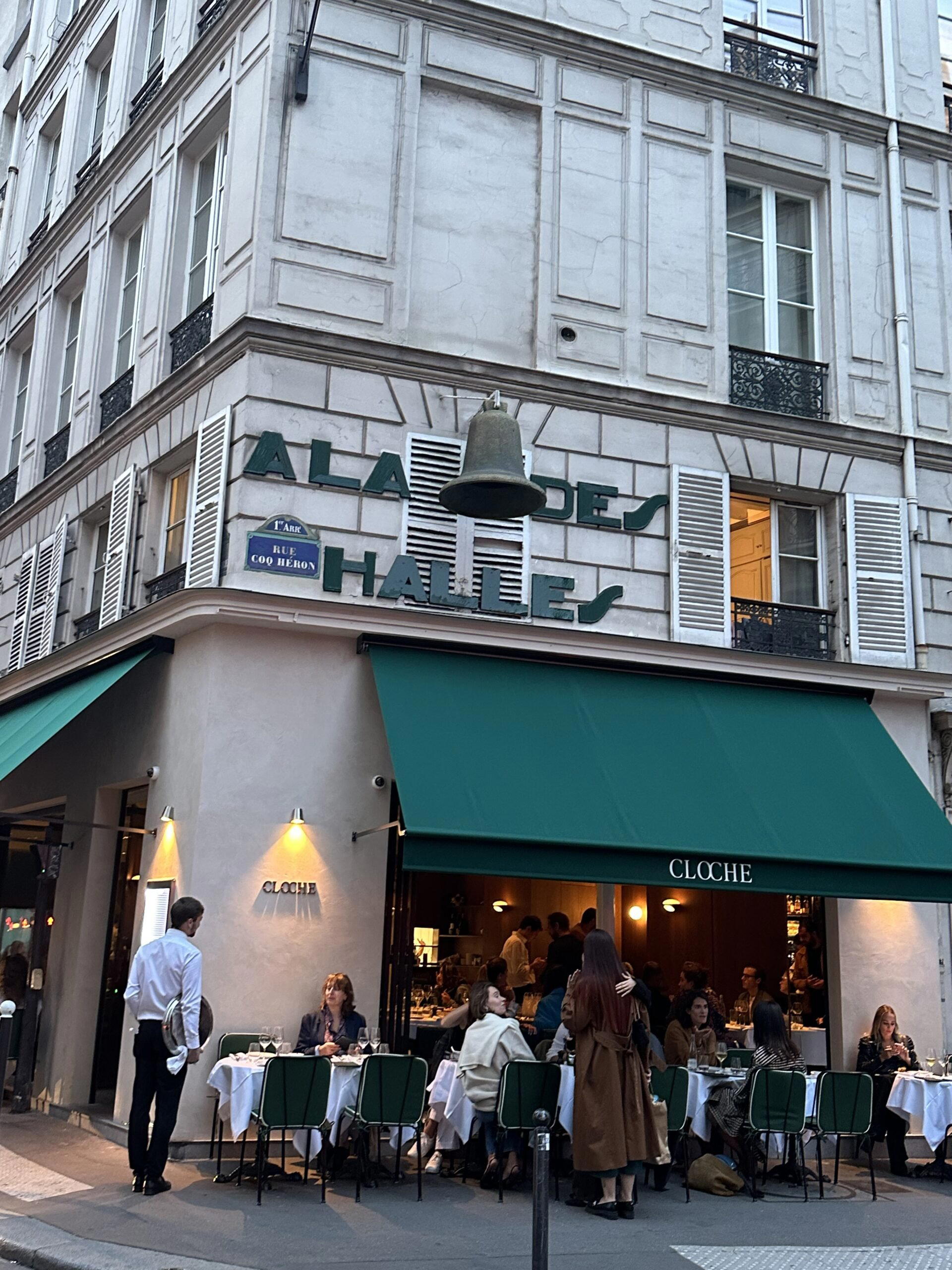
A Street, a Bell, and a Broader Shift in How Paris Dines
Rue Coq Héron runs quietly through the 1st arrondissement, two short blocks from the garden edge of the Palais-Royal and within walking distance of Les Halles, the former wholesale market that once provisioned half the city's restaurants. The street's proximity to that history is not incidental. Cloche Paris, at 1 Rue Coq Héron, 75001 Paris, occupies an address in the 1st arrondissement.
This part of central Paris has never been a single-genre dining district. The 1st arrondissement contains the grand brasserie tradition, several of the city's most formal tasting-menu addresses, and a newer generation of smaller rooms where the procurement story is as central to the identity as the cooking itself. Cloche Paris belongs to that current.
Sustainability as an Editorial Lens, Not a Marketing Layer
The shift toward ethical sourcing in Paris fine dining did not happen uniformly. At the upper end of the market, houses like Arpège spent years building a kitchen-garden model that redefined what a three-star restaurant could look like from an agricultural standpoint. That precedent mattered. It demonstrated that sourcing philosophy and technical ambition were not in competition, and it opened space for a range of addresses to position themselves through the same lens, at different price points and scales.
Further along the French dining circuit, the argument has been made repeatedly. Mirazur in Menton, ranked among the world's most scrutinised restaurants, built much of its identity around biodynamic growing and lunar calendar harvesting. Bras in Laguiole has operated from a philosophy of plateau foraging and local terroir for decades, long before sustainability became a standard section in a restaurant's press materials. Troisgros in Ouches and Flocons de Sel in Megève have each, in different registers, structured their sourcing around regional specificity and waste discipline.
In Paris itself, the conversation runs across price tiers. Alléno Paris au Pavillon Ledoyen has pushed extraction and reduction techniques that minimise material loss at the highest technical level. Kei works within a French-Japanese framework that historically prizes restraint and the full use of ingredient. The city's older formal houses, including L'Ambroisie and Le Cinq at the Four Seasons George V, operate at a scale where procurement volumes force a different kind of accountability. All of this establishes a competitive environment in which a restaurant's environmental position is no longer a soft differentiator but a structural element of its identity.
The 1st Arrondissement as a Context for Conscious Dining
What makes the 1st a particularly charged setting for this discussion is its dual character. It is simultaneously a tourist-heavy district shaped by proximity to the Louvre and the Tuileries, and a neighbourhood with genuine Parisian institutional memory: the Palais-Royal arcades, the covered passages nearby in the 2nd, the old market infrastructure of what was once Les Halles. Restaurants here operate in a context where international visibility is high, which means that sustainability credentials face more scrutiny than in quieter arrondissements. An address on Rue Coq Héron is not operating in obscurity.
That visibility cuts both ways. The ethical sourcing conversation reaches a wider audience in the 1st, but so does the pressure to substantiate claims. Across the broader French restaurant circuit, from Auberge de l'Ill in Illhaeusern to Les Prés d'Eugénie in Eugénie-les-Bains and Paul Bocuse in Collonges-au-Mont-d'Or, the houses with particularly durable reputations have tended to build their identity around a specific, demonstrable relationship to place and ingredient, not around general environmental positioning. That specificity is what separates genuine procurement discipline from surface-level messaging.
For restaurants operating in central Paris without the acreage of a kitchen garden or the regional isolation that makes farm-direct sourcing logistically simple, the challenge is real. Proximity to the old Rungis wholesale market (which replaced Les Halles in 1969) gives Paris kitchens access to one of Europe's most sophisticated produce distribution networks, but traceability at that scale requires active management. The kitchens in the 1st that have built credibility around ethical sourcing have generally done so by building direct supplier relationships alongside Rungis access, not by replacing one with the other.
Where Cloche Paris Sits in This Conversation
What the address itself signals is clear enough: a restaurant at this location, in this tier of the Paris dining scene, is operating in a market where the sustainability argument is central and where peer restaurants have set a high bar for what that argument requires. For readers planning a visit, the address at 1 Rue Coq Héron puts the restaurant within comfortable walking distance of the Louvre and the Palais-Royal.
Auberge du Vieux Puits in Fontjoncouse, Georges Blanc in Vonnas, and La Table du Castellet in Le Castellet. For transatlantic reference points on how the ethical-sourcing conversation plays out at formal restaurants beyond France, Lazy Bear in San Francisco and Le Bernardin in New York City both offer instructive comparisons.
Planning a Visit
The restaurant is located at 1 Rue Coq Héron, 75001 Paris, in the 1st arrondissement. It offers a modern French brasserie with a wagyu focus, with reservations recommended and a smart casual dress code. The nearest major transit connections are Châtelet and Les Halles, both within a short walk of the address.
A Pricing-First Comparison
Comparable venues nearby, for context on price, style, and recognition.
| Venue | Cuisine | Price | Notes |
|---|---|---|---|
| Cloche ParisThis venue — the venue you are viewing | Not listed | $$$ | Not listed |
| Un jour à Peyrassol | Vivienne, Provençal Truffle Bistro | $$$ | Not listed |
| Magdalena | Not listed | $$$ | 8th arrondissement, Traditional French Brasserie |
| L'Annexe | Montmartre, French Brasserie | $$$ | Not listed |
| L'Empire du 8ème | Not listed | $$$ | 8e Arr. – Élysée, Modern French Mediterranean |
| Auberge Bressane | Not listed | $$$ | 7th arrondissement, Traditional French Bourgeois Bistro |
Continue exploring
More in Paris
Restaurants in Paris
Browse all →
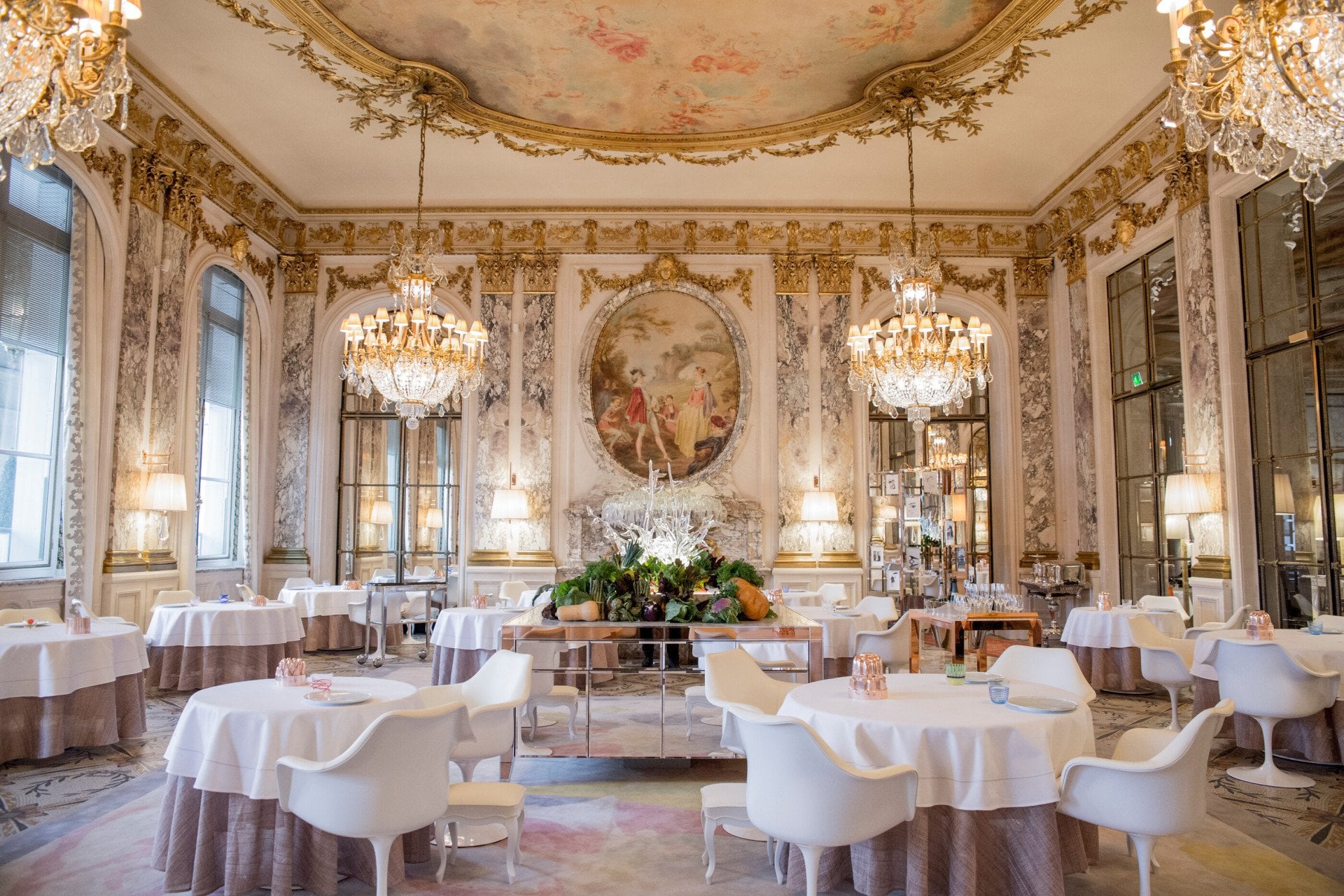
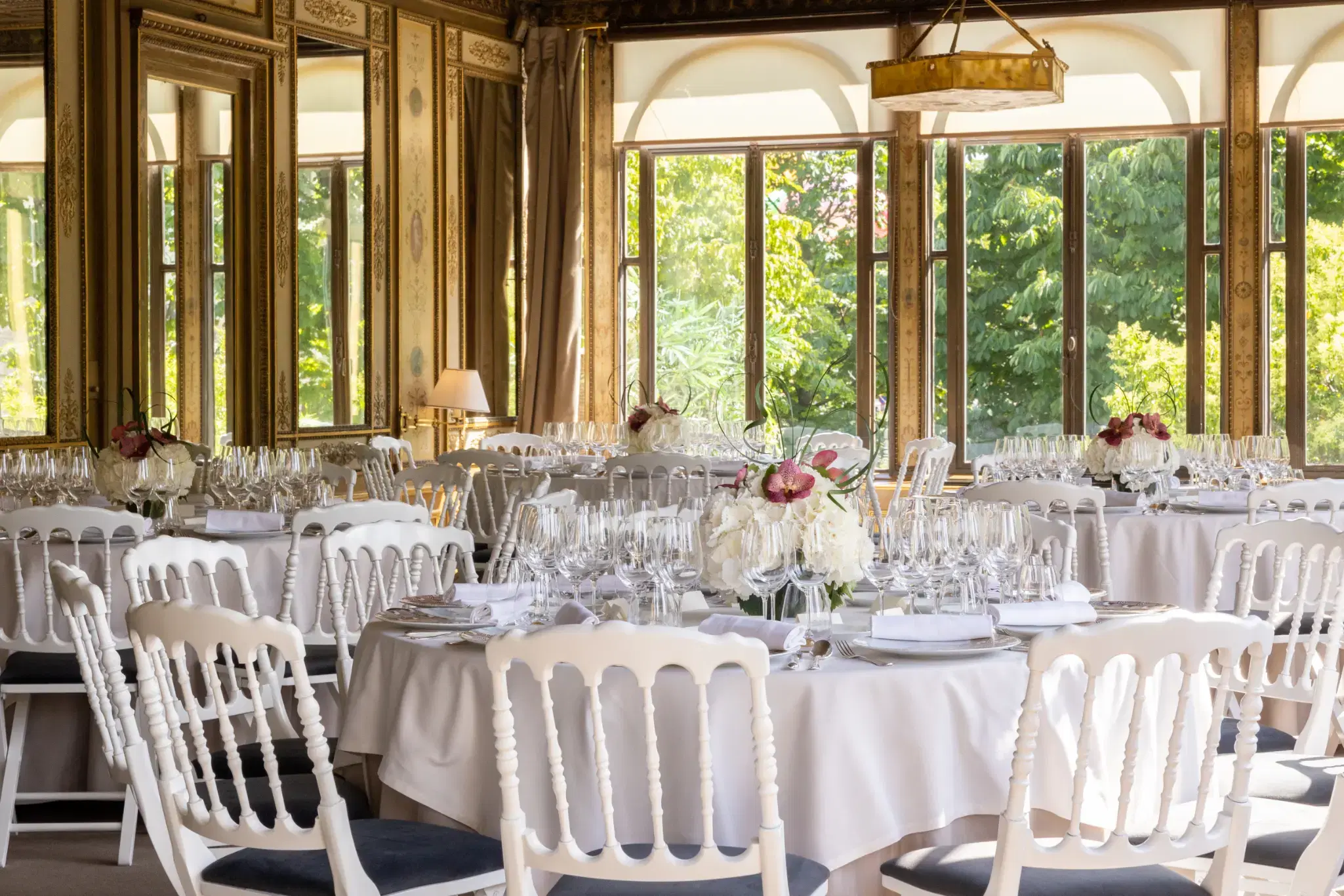
Bars in Paris
Browse all →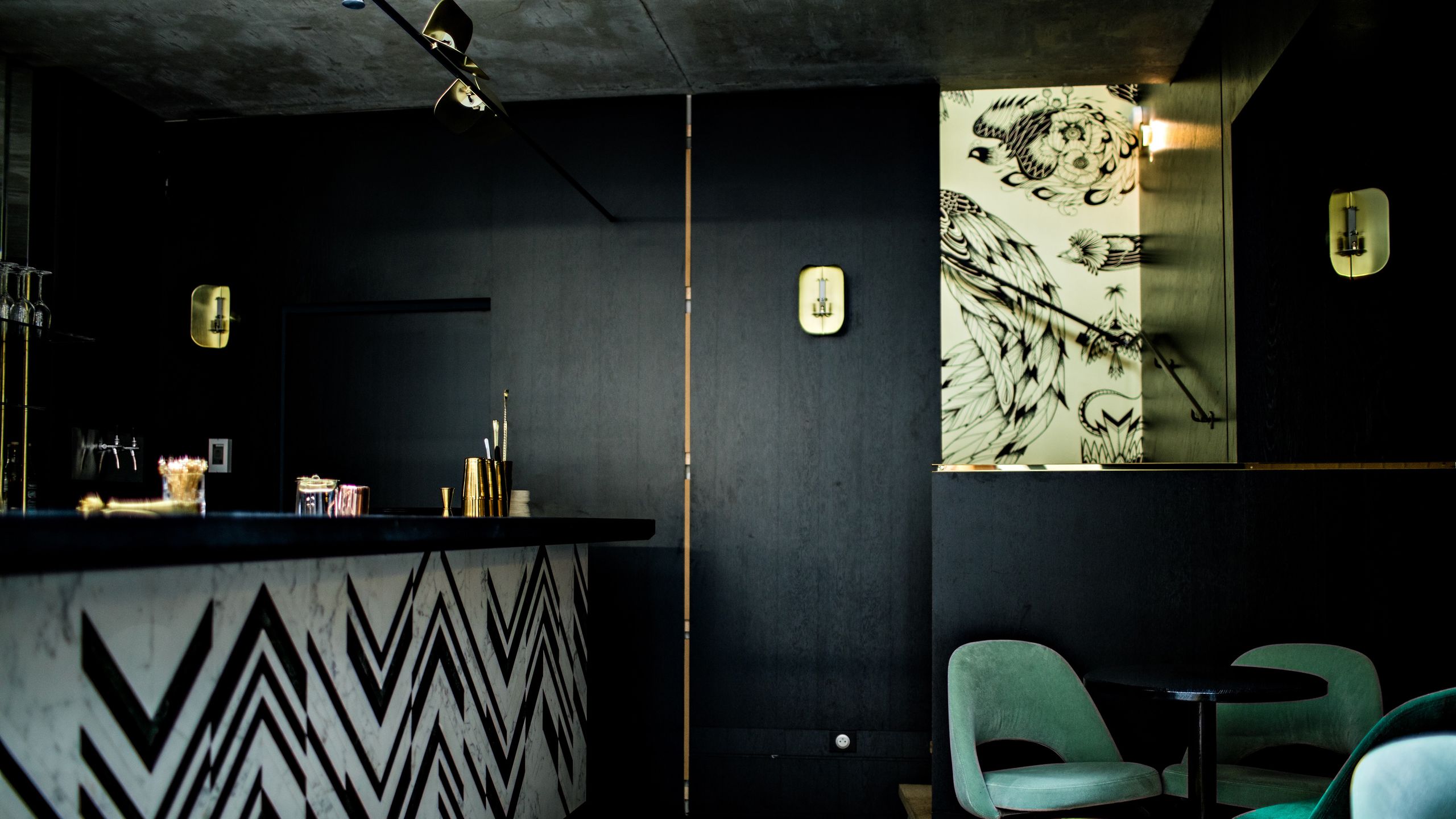
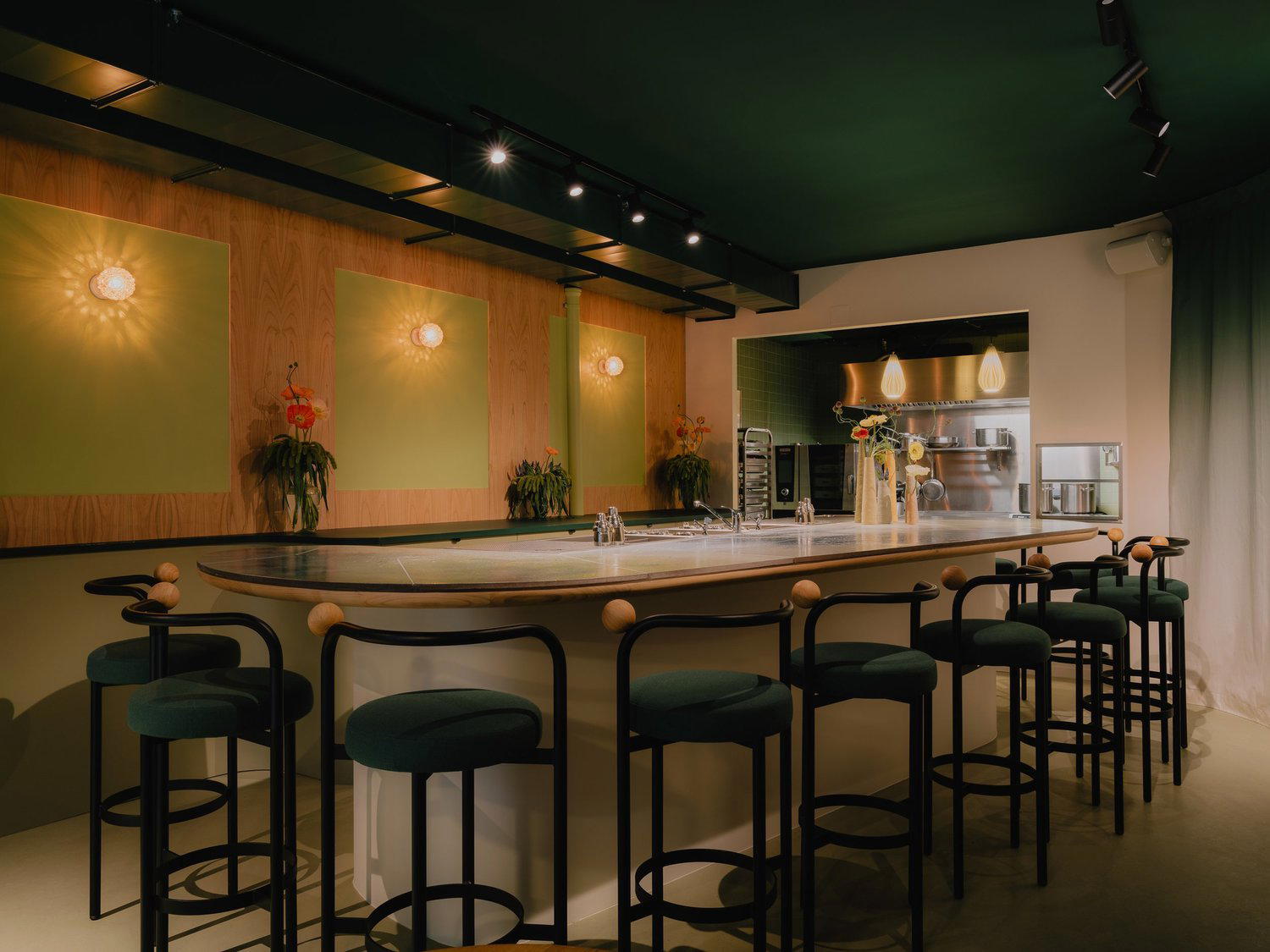
Hotels in Paris
Browse all →

At a Glance
- Elegant
- Sophisticated
- Modern
- Romantic
- Date Night
- Business Dinner
- Group Dining
- Special Occasion
- Historic Building
- Design Destination
- Standalone
- Extensive Wine List
- Craft Cocktails
- Local Sourcing
Current opening hours
- Monday
- Closed
- Tuesday
- 7–11 PM
- Wednesday
- 12–3 PM, 7–11 PM
- Thursday
- 12–3 PM, 7–11 PM
- Friday
- 12–3 PM, 7–11 PM
- Saturday
- 12–3 PM, 7–11 PM
- Sunday
- 12–3 PM, 7–11 PM
Hours can change for holidays and private events. Last verified .
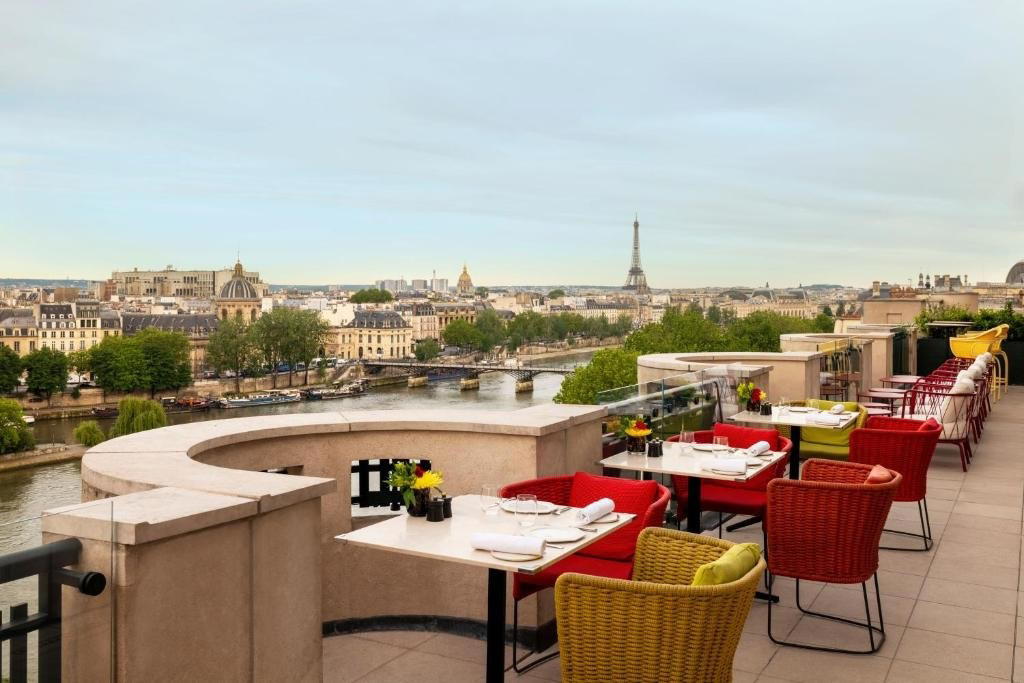
Dimly-lit dining room with white-tablecloth tables, Art Déco green chairs, and a beautiful bar creating a clubby, sophisticated atmosphere.