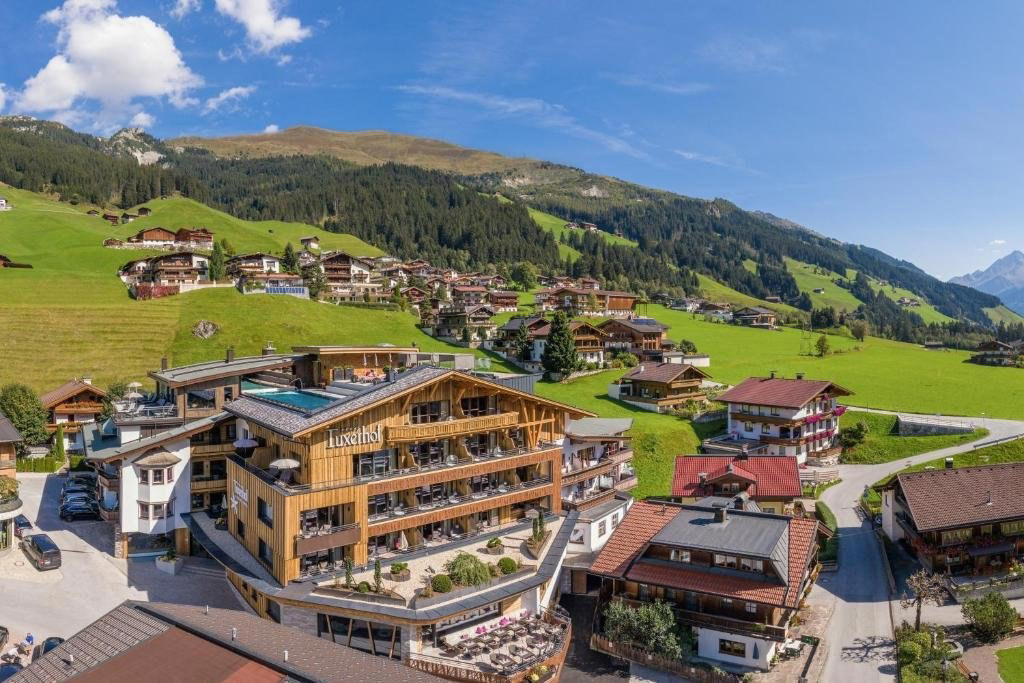
Berghof sits in Hintertux at the head of the Tux valley, where the Zillertal Alps shape both the scenery and the kitchen's relationship with local produce. The dining room reflects the wider Tyrolean tradition of cooking close to the source, mountain herbs, valley dairy, and seasonal game, positioning it within a regional scene where provenance is the guiding principle rather than an afterthought.
Pearl is the En Primeur Club membership app — saves, bookings, and concierge access live there. Same editors, same standards.
- Address
- Hintertux 754, 6294 Tux, Austria
- Phone
- +434352878585
- Website
- berghof.at
- Directions
- Get directions
 Saves & bookings on Pearl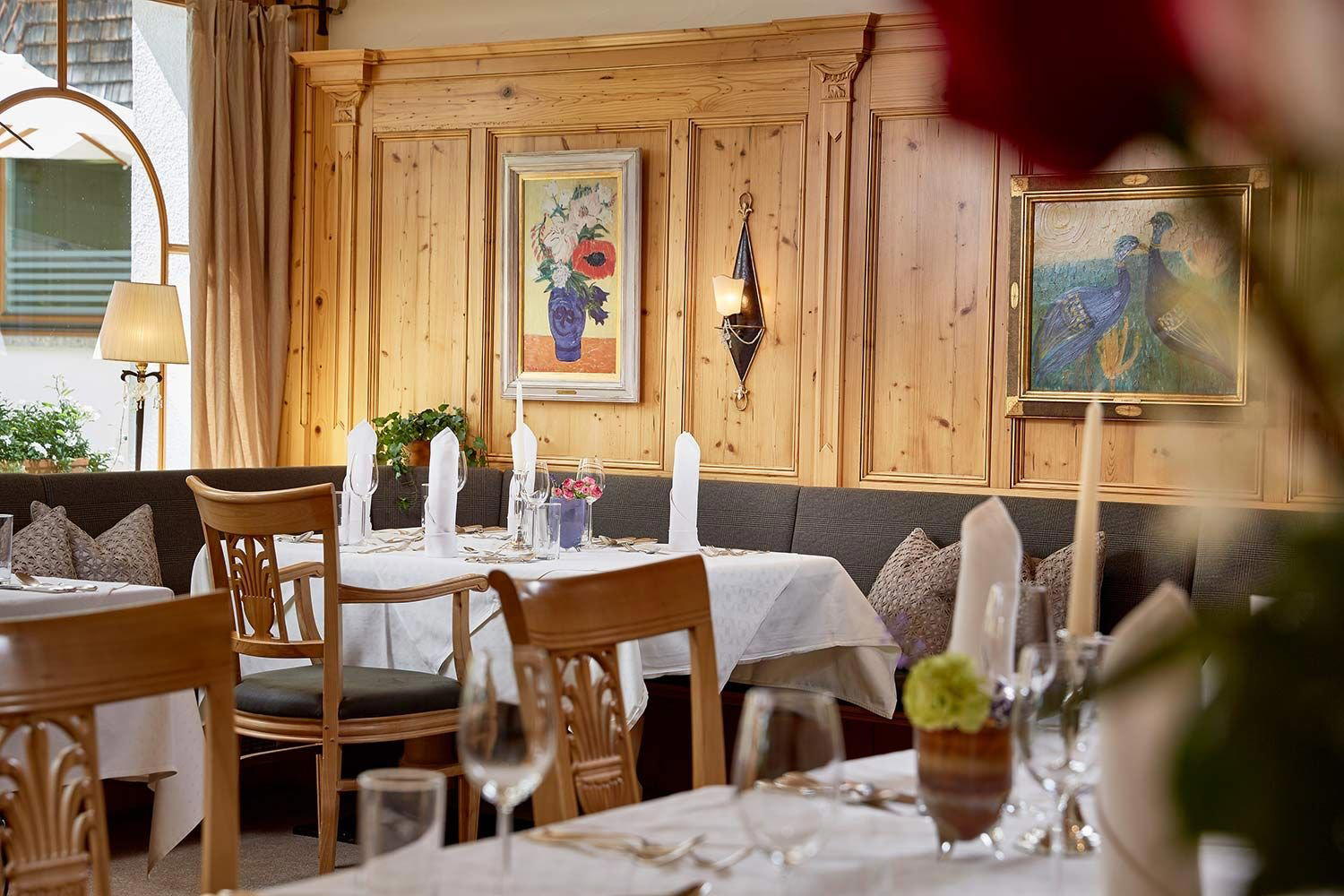
At the Head of the Valley
The road to Hintertux ends at the glacier. Everything that arrives at a kitchen here, every cut of meat, every wheel of cheese, every bundle of mountain herbs, has made a deliberate journey to reach this altitude. The Tux valley runs southeast from the main Zillertal artery, narrowing as it climbs, and the villages along it have developed a hospitality culture shaped by that geographic fact: proximity to raw ingredients is not a marketing point, it is a logistical reality. Berghof is a restaurant at Hintertux 754, 6294 Tux, Austria.
Alpine dining at this end of Tyrol sits in a different register from the resort spectacle of Stüva in Ischgl or the destination gourmet formats that have made Griggeler Stuba in Lech a pilgrimage point for serious diners. What defines this end of the Ziller valley is a quieter, more grounded approach, kitchens that draw on what the surrounding landscape produces rather than importing identity from outside.
The Source Question in Alpine Cooking
Austrian alpine cuisine has spent the past two decades in a productive argument with itself. On one side: the ambitious gourmet houses that treat Tyrolean or Styrian tradition as raw material to be refined, plated with precision, and priced accordingly. Steirereck im Stadtpark in Vienna and Döllerer in Golling an der Salzach represent that current at its most accomplished. On the other: a strand of regional cooking that insists the ingredients themselves are the story, and that refinement means understanding provenance, seasonality, and restraint rather than technique for its own sake.
The Hintertux valley sits firmly in the second camp. At this altitude, summer grazing produces dairy with a fat composition and aromatic profile that lowland milk cannot replicate, a fact that Tyrolean cheesemaking has relied on for centuries. The same short growing season that limits what farmers can cultivate also concentrates flavour in what does thrive: Alpine herbs, wild berries, root vegetables adapted to cold nights. Kitchens that take this seriously are cooking with ingredients that have a specificity most European cuisines can only approximate.
Across the valley, the contrast in approach is visible. Die Geniesserstube im Alpenhof operates at the €€€€ tier with a formal Alpine format, while Bergfried - Chefs Table has positioned itself around modern cuisine at the same price point. Lanersbacher Hof rounds out the local scene. Together they sketch a small but coherent dining map for a valley that receives serious visitors, primarily skiers with access to the Hintertux glacier year-round, rather than day-trippers passing through.
What the Glacier Makes Possible
The Hintertux glacier is open twelve months a year, which gives this corner of Tyrol a hospitality calendar that most Austrian ski destinations cannot match. Winter and summer seasons overlap at the edges rather than alternating cleanly, meaning the valley's restaurants serve a sustained stream of guests rather than emptying in the shoulder months. For a kitchen focused on seasonal sourcing, that continuous operation creates both pressure and opportunity: the menu must track what is actually available from the valley and surrounding farms across a full annual cycle, not simply pivot between two fixed seasonal formats.
Summer at Hintertux brings foragers' territory within walking distance of the village. Wild garlic, mountain sorrel, various species of alpine thyme, and chanterelles in the right conditions all fall within the range of what a committed kitchen can source locally or through nearby suppliers in the Zillertal. Autumn shifts the focus toward game, chamois, deer, and wild boar from Tyrolean hunting grounds, and the preserved and fermented products that mountain communities have used to extend seasonal abundance through winter. This is the culinary rhythm that has defined high-altitude Austrian cooking for generations, and that restaurants at Hintertux, including Berghof, work within.
For context on how the wider Austrian dining scene treats alpine ingredients at its most ambitious level, Kräuterreich by Vitus Winkler in Sankt Veit im Pongau has built a formal programme around herb and plant sourcing that signals where the upper end of this tradition can reach. Obauer in Werfen represents the long-game version of regional Austrian cooking, decades of sustained focus on local ingredients earning it a place among the country's most referenced kitchens. Both offer useful benchmarks for understanding where a valley restaurant like Berghof sits within a broader national conversation about provenance-led cooking.
The Wider Austrian Context
Austria's regional dining scene has become meaningfully more differentiated over the past decade. The Vorarlberg and Tyrol circuits now draw visitors specifically for their food, not just their skiing, with kitchens like Gourmetrestaurant Tannenhof in Sankt Anton am Arlberg anchoring a premium tier. Elsewhere, Taubenkobel in Schützen am Gebirge and Ois in Neufelden have demonstrated that serious cooking is not confined to cities or major resorts. Landhaus Bacher in Mautern an der Donau and Schwarzer Adler in Hall in Tirol extend that picture into different regional registers.
For travellers arriving from further afield with reference points built around destination dining, Le Bernardin in New York City or Lazy Bear in San Francisco represent the kind of ingredient-driven commitment and sourcing rigour that Austrian alpine cooking, at its leading, shares, even if the formats, price points, and cultural contexts are entirely different. The underlying logic of cooking close to the source translates across those distances. Restaurant 141 by Joachim Jaud in Mieming brings that sensibility into a Tyrolean context closer to Berghof's own geography.
Planning a Visit
Berghof is located at Hintertux 754, at the uppermost end of the Tux valley in the Austrian Tyrol. The village of Hintertux is the terminus of the valley road and the base for the glacier lifts, making it direct to reach by car from Mayrhofen (approximately 20 kilometres) or by the regional bus service that runs regularly from Jenbach and the Inn valley. The Hintertux glacier's year-round operation means the village is active outside the peak winter window, and visitors arriving in summer or autumn will find the valley less crowded than during peak ski season.
How It Stacks Up
Comparable venues nearby, for context on price, style, and recognition.
| Venue | Cuisine | Price | Awards | Notes |
|---|---|---|---|---|
| BerghofThis venue — the venue you are viewing | Modern Tyrolean with International Influences | $$$$ | Not listed | Not listed |
| Lanersbacher Hof | Tyrolean Gourmet Cuisine | $$$ | Not listed | Lanersbach |
| Bergfried - Chefs Table | Modern Regional Austrian | $$$$ | Michelin Plate | Lanersbach |
| Die Geniesserstube im Alpenhof | Modern Alpine Fine Dining | $$$$ | Michelin 1 Star | Hintertux |
| HeLeni | Modern Austrian Fine Dining | $$$$ | Not listed | Zell am Ziller |
| Nesslerhof | Modern Alpine Cuisine | $$$$ | Not listed | Grossarl |
Continue exploring
More in Tux
Restaurants in Tux
Browse all →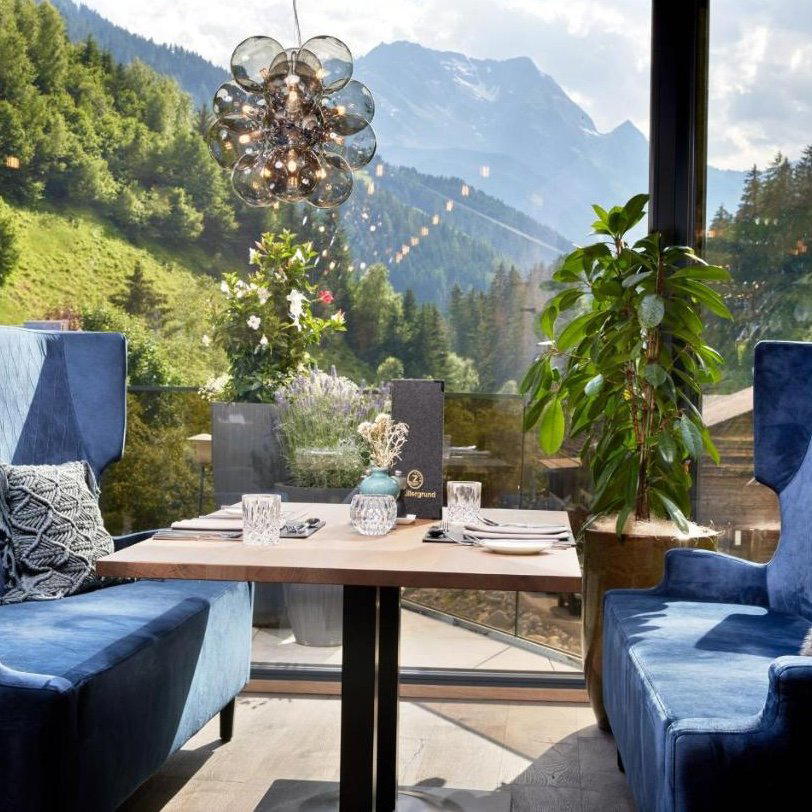
Bars in Tux
Browse all →
Hotels in Tux
Browse all →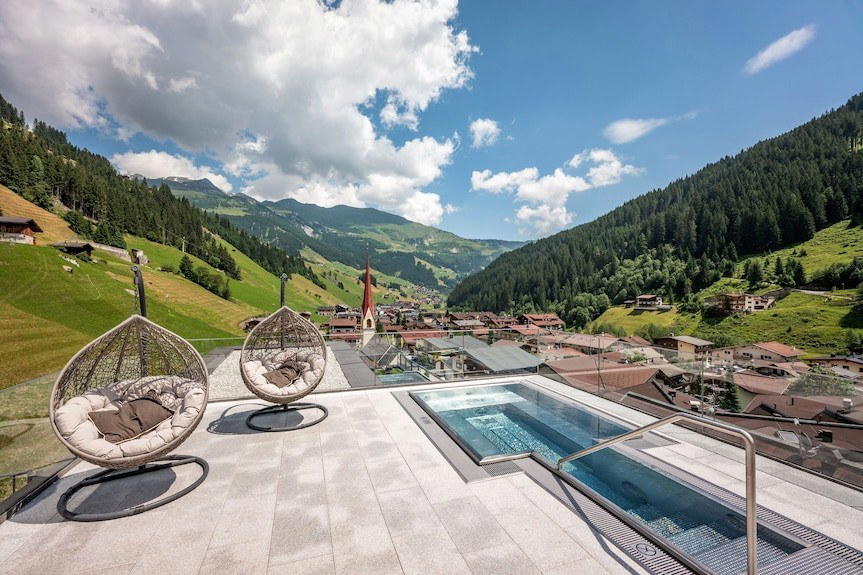

At a Glance
- Cozy
- Elegant
- Rustic
- Scenic
- Sophisticated
- Date Night
- Special Occasion
- Celebration
- Hotel Restaurant
- Panoramic View
- Terrace
- Extensive Wine List
- Local Sourcing
- Mountain
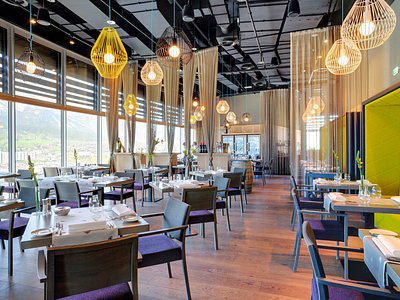
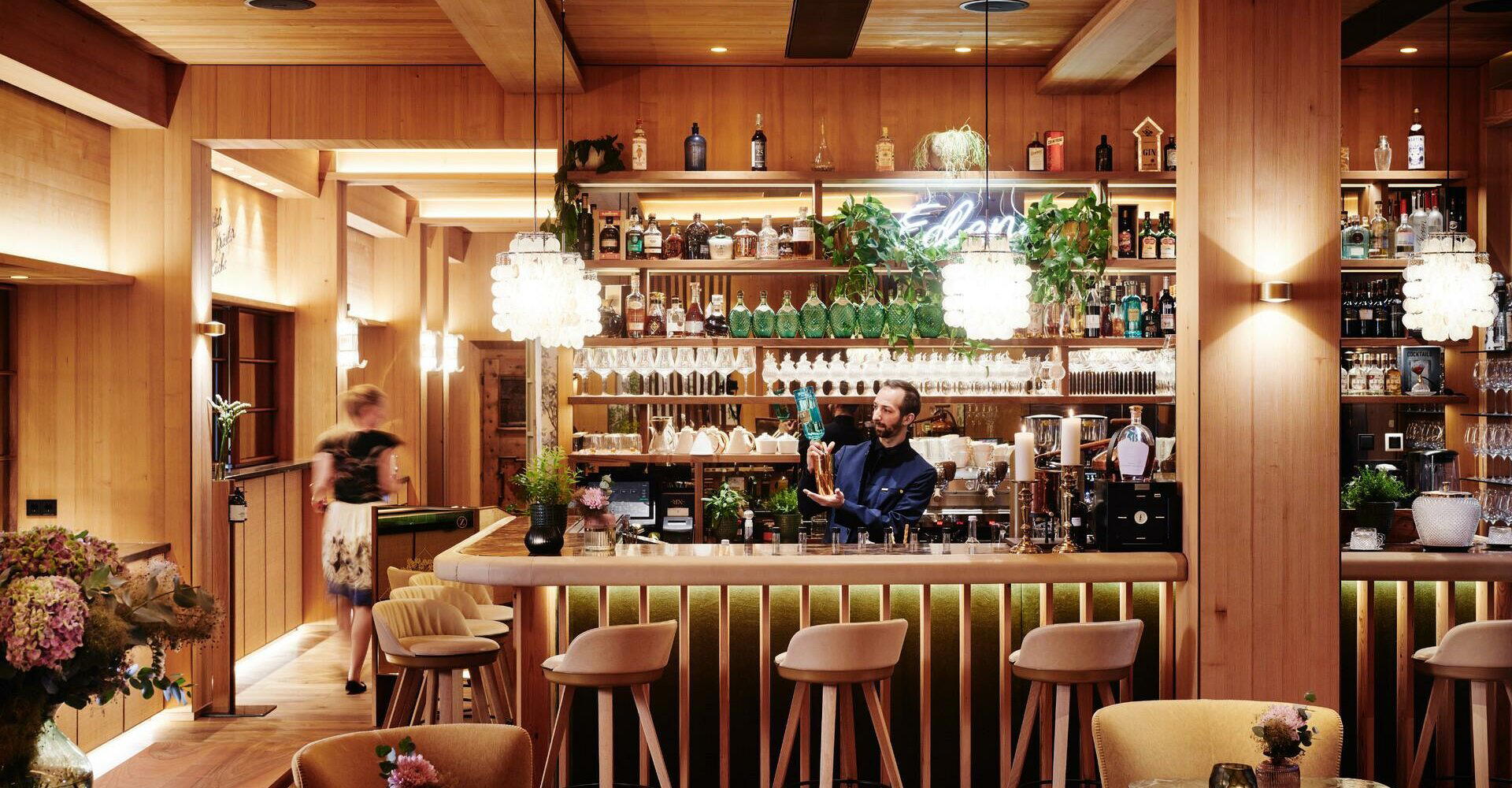
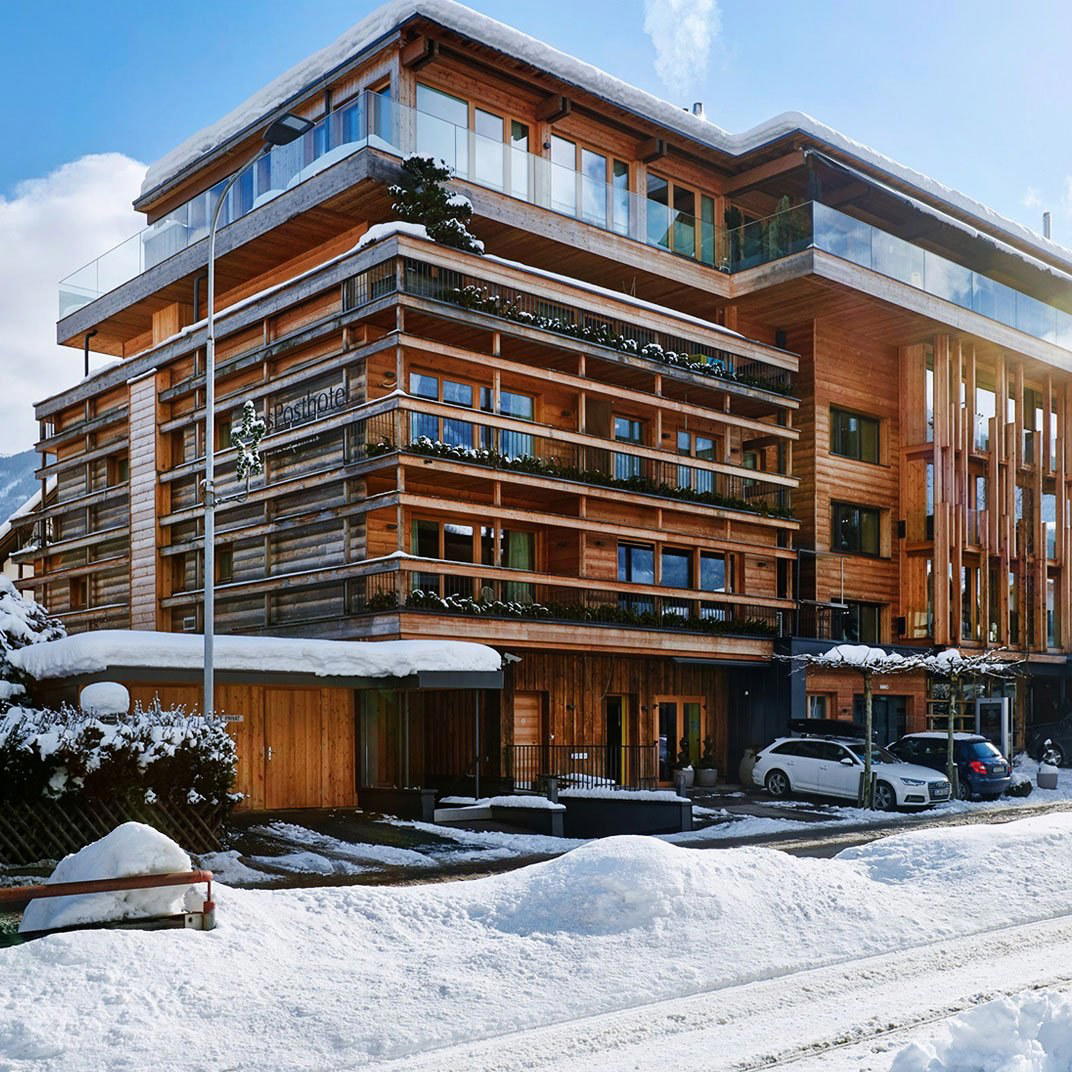
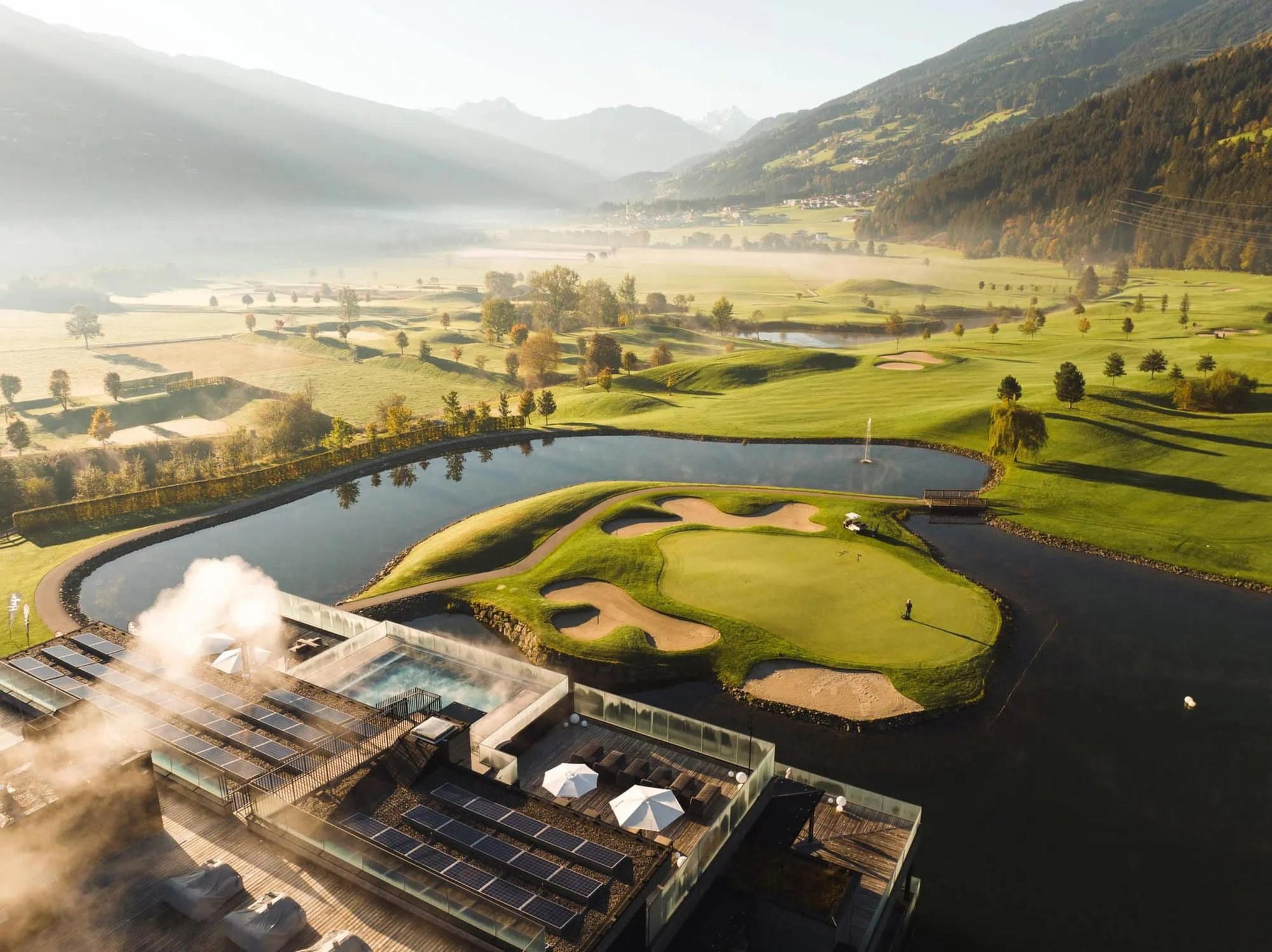
Warm wood-panelled dining rooms with rustic charm yet stylish sophistication; cozy yet refined atmosphere with dramatic mountain vistas from terraces and windows.