
Michelin Plate
Our verdict
Zum weissen Rauchfangkehrer is a traditional Austrian restaurant on Weihburggasse in Vienna's first district, holding a Michelin Plate in both 2024 and 2025. For straightforward Austrian cooking at a mid-range price point in the city centre, it occupies a reliable position in the inner-city dining offer.

Pearl is the En Primeur Club membership app, where members save venues, book tables and use the concierge.
The menu
What to order
- Veal schnitzel with cranberry sauce
- Pork schnitzel
- Kaiserschmarrn
A Room That Explains Itself Before the Menu Arrives
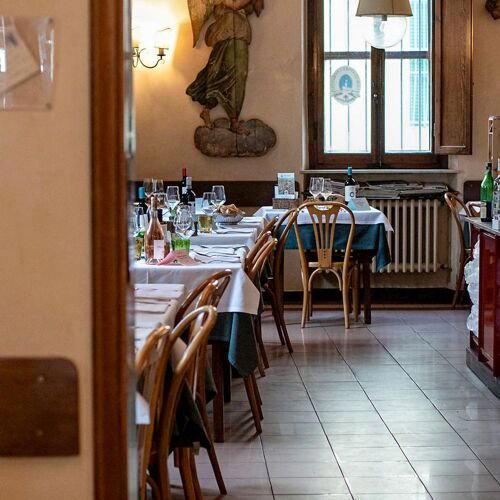
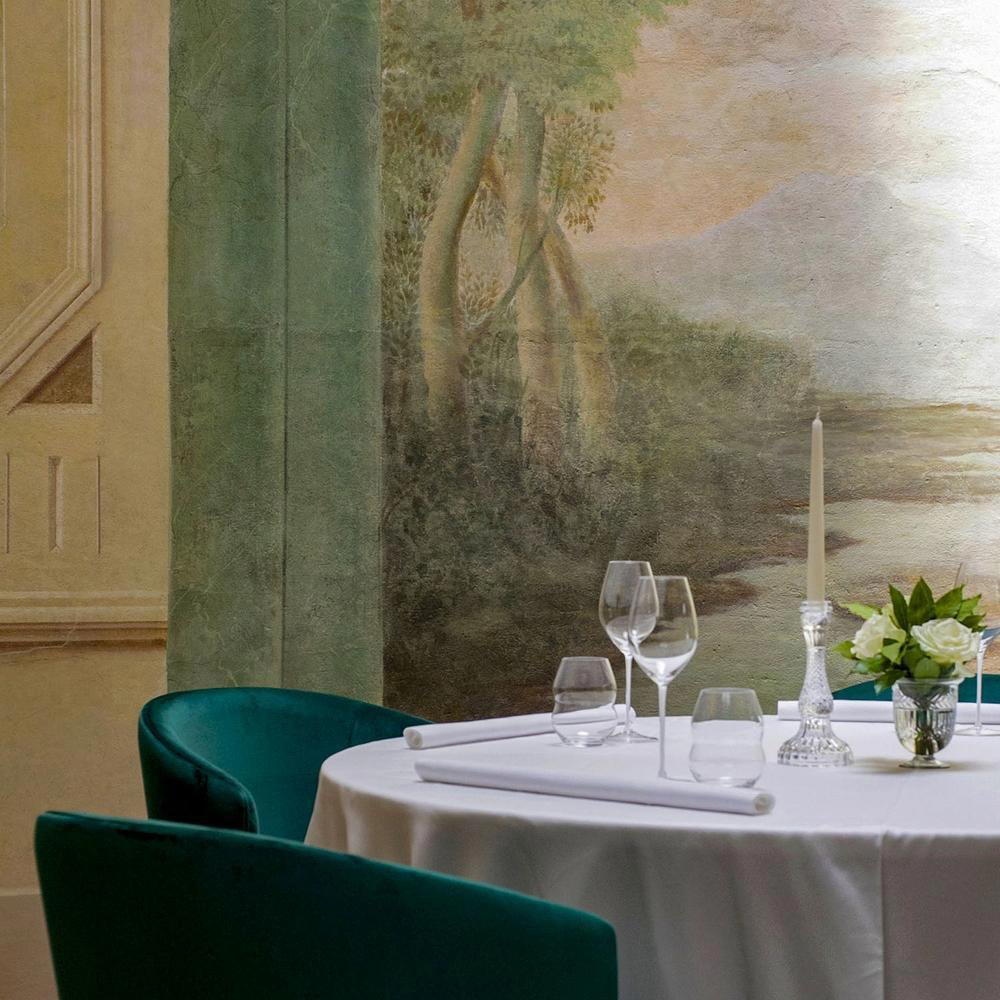
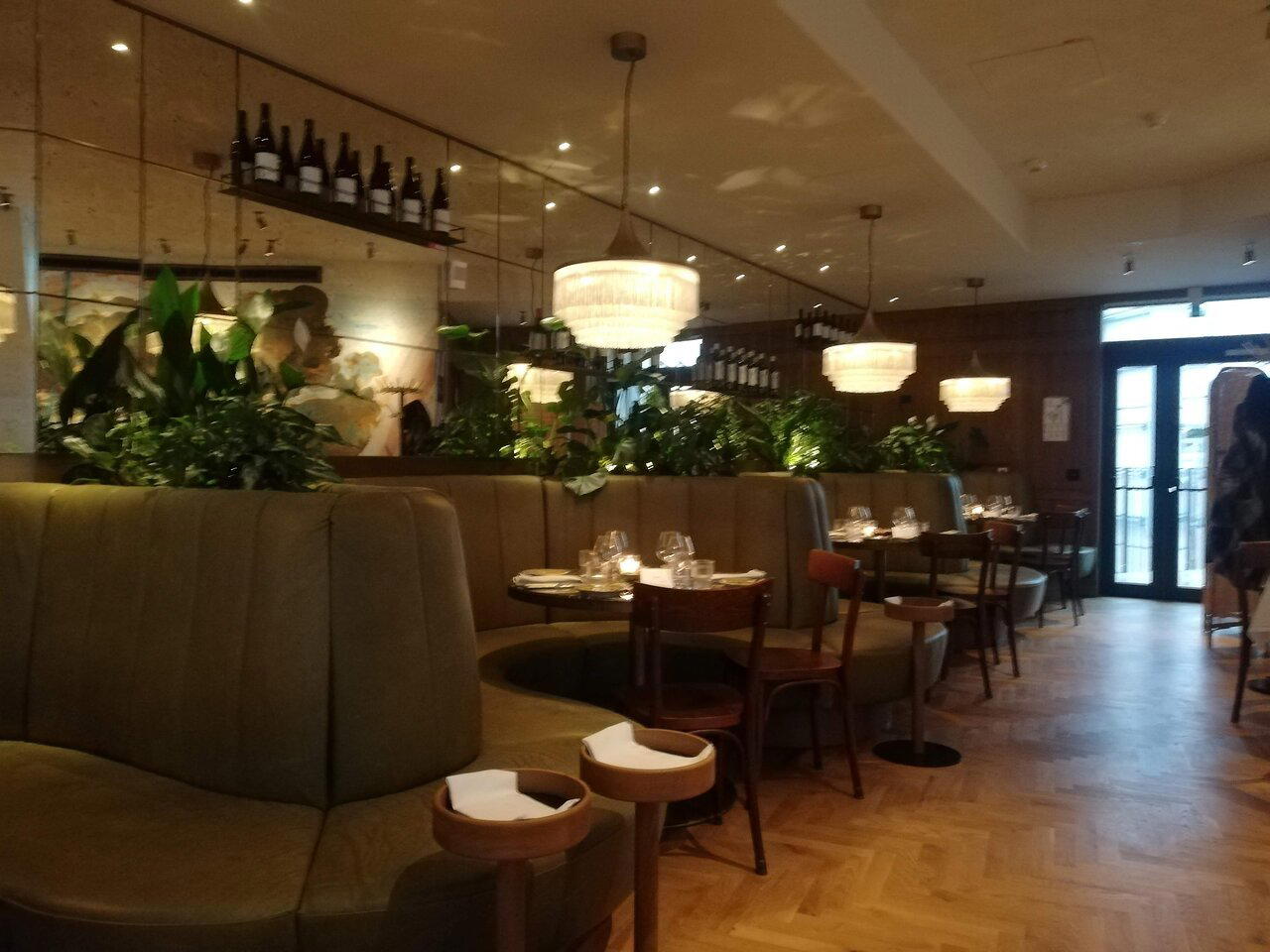
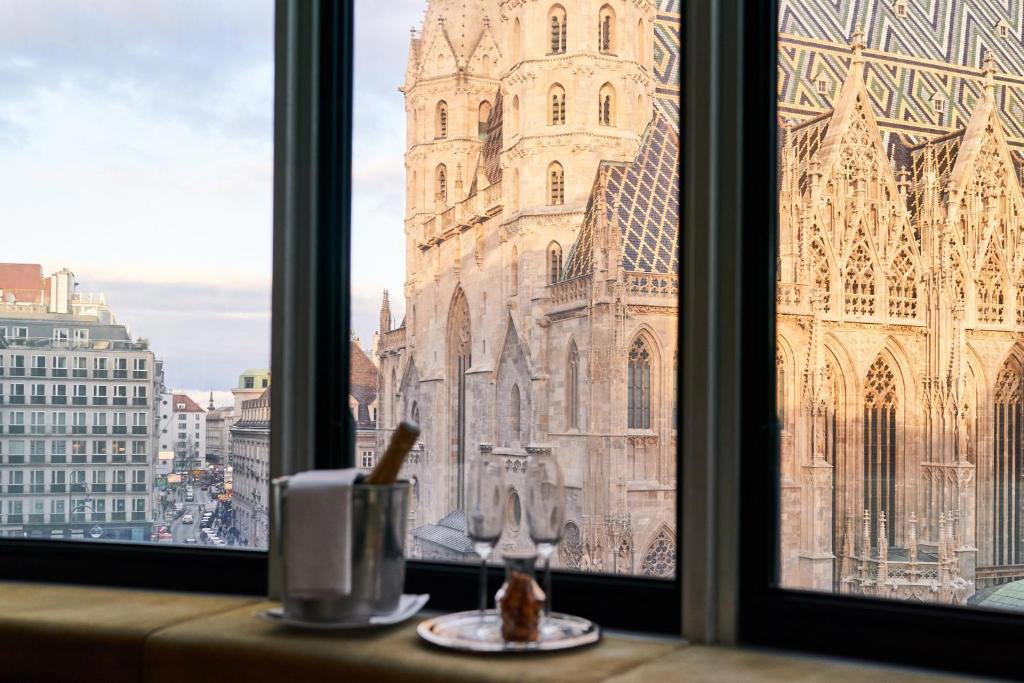
Weihburggasse 4 sits a short walk from Stephansplatz in Vienna's compact first district, where the density of traditional restaurants forces a certain clarity of purpose. In a neighbourhood where every second address makes some claim to Viennese heritage, the interior of Zum weissen Rauchfangkehrer does the work that a press release might otherwise attempt. The name itself, the White Chimney Sweep, signals a specific register of old-city hospitality: the kind of room that was never designed for Instagram, that predates the concept of the Instagram-friendly dining room entirely, and that has remained legible to successive generations of Viennese diners because the physical space and the food it serves have always been in agreement with each other.
Vienna's first district contains the full spectrum of Austrian dining, from the city's most technically ambitious kitchens, such as those running at €€€€ price points with multiple Michelin stars, down through the mid-tier Bürgerküche tier that still anchors everyday civic life. Zum weissen Rauchfangkehrer operates at the €€ price range, placing it in the accessible middle ground where the Michelin Plate, awarded in both 2024 and 2025, functions as a consistency marker rather than a claim of transformation. The Plate recognition in the Guide's current framework means the kitchen is cooking well, maintaining standards, and delivering on a clear culinary brief. That brief, here, is traditional Austrian.
Interior Architecture as Programme
The design logic of traditional Viennese dining rooms like this one is worth understanding on its own terms. These are not spaces conceived around a singular vision imposed by a contemporary designer. They are rooms that accumulated their character across decades, through layers of practical decision-making: panelled walls that absorb noise, seating arrangements built for lingering rather than turning tables quickly, a density of objects, lamps, framed prints, carved wood, that reads as accumulation rather than curation. The effect is a kind of spatial argument: that what is happening here has been happening for a long time, and will continue regardless of what is fashionable in the dining rooms a few streets away.
That physical argument matters in a city where the Beisl and the Gasthaus have been under pressure from two directions simultaneously: from the high-end modernisation represented by kitchens like Meissl & Schadn and Rote Bar, and from the casual international formats that have filled in the mid-price tier across the first district over the past fifteen years. Rooms like this one have survived that pressure partly because the architecture itself resists reinvention. You cannot easily strip a room like this back to bare concrete and call it something new. The physicality is the identity.
What the Cuisine Actually Represents
Austrian cooking at this tier means a kitchen rooted in the Viennese bourgeois tradition: Schnitzel, roasted meats, classic sauces, seasonal vegetable preparation drawn from the surrounding agricultural regions, and a wine list that leans on domestic producers. This is not the reinterpreted Austrian cooking found at restaurants like Fuhrmann or the more formal register of Meierei im Stadtpark. It is the cuisine as it was before anyone needed to justify it with a concept, and as such it answers a different question than the one being asked at the city's creative end.
For comparison, Vienna's most celebrated traditional kitchen in this register is probably Plachutta, which built a city-wide reputation specifically on Tafelspitz and refined the Viennese boiled-beef tradition to a kind of pilgrimage format. Zum weissen Rauchfangkehrer does not compete in that specialised, destination-driven way. That is precisely the social role the traditional Viennese Gasthaus was always meant to play.
Vienna's Traditional Restaurants in a Wider Austrian Frame
The tradition Zum weissen Rauchfangkehrer represents in Vienna has regional counterparts across Austria, some of which have pushed the classical format into considerably more ambitious territory. Döllerer in Golling an der Salzach and Obauer in Werfen are among the Austrian kitchens that took the regional product base seriously enough to earn sustained critical recognition beyond the Michelin Plate tier. In the Alpine segment, Griggeler Stuba in Lech and Gourmetrestaurant Tannenhof in Sankt Anton am Arlberg operate in a luxury resort context that positions Austrian cooking quite differently. Ikarus in Salzburg, Senns, and Kräuterreich by Vitus Winkler each represent how contemporary Austrian kitchens can work with the same ingredient traditions through an entirely different lens. Even 1er Beisl im Lexenhof in Nußdorf am Attersee shows how the Beisl format itself can be reimagined with more deliberate ambition. Understanding where Zum weissen Rauchfangkehrer sits within this spectrum is part of reading it correctly: it is the traditional urban anchor, not the reformer.
For a fuller view of what Vienna is doing across restaurant formats, price tiers, and culinary registers, the EP Club Vienna restaurants guide covers the current field. The city's offer extends well beyond dining, and our Vienna hotels guide, Vienna bars guide, Vienna wineries guide, and Vienna experiences guide map the rest of it.
Know Before You Go
| Address | Weihburggasse 4, 1010 Wien, Austria |
|---|---|
| Cuisine | Traditional Austrian |
| Price Range | €€ (mid-range) |
| Awards | Michelin Plate 2024; Michelin Plate 2025 |
| District | First district (Innere Stadt), central Vienna |
Frequently asked questions
Where exactly is Zum weissen Rauchfangkehrer?
Zum weissen Rauchfangkehrer is located at Weihburggasse 4, 1010 Wien, Austria, Vienna.
Do I need a reservation for Zum weissen Rauchfangkehrer?
The restaurant sits at Weihburggasse 4 in Vienna's first district, a short walk from Stephansplatz, which puts it squarely in the path of both city regulars and visitors. At the €€ price tier with Michelin Plate status, demand runs steady enough that booking ahead is advisable, particularly for evening sittings or weekend visits.
What's the defining dish or idea at Zum weissen Rauchfangkehrer?
The defining idea is the cuisine itself: classical Austrian cooking as a form of civic continuity, rooted in the Viennese bourgeois kitchen rather than in chef-driven reinvention. Schnitzel and roasted meats are the structural pillars, and the Michelin Plate awarded for 2024 and 2025 confirms the kitchen holds that standard with discipline. This is cooking that answers to tradition first.
Cuisine Lens
| Venue | Cuisine | Price | Awards | Notes |
|---|---|---|---|---|
| Zum weissen RauchfangkehrerThis venue (the venue you are viewing) | Traditional Austrian | $50–100 | Michelin Plate | Not listed |
| Steirereck im Stadtpark | Modern Austrian Fine Dining | $200–300 | 3 Michelin Stars · World's 50 Best #33 | Creative |
| Mraz & Sohn | Contemporary Austrian Fusion | $150–200 | 2 Michelin Stars · La Liste Top Restaurants | Modern Austrian, Creative |
| Silvio Nickol Gourmet Restaurant | Modern Austrian Fine Dining | $300–500 | 2 Michelin Stars · La Liste Top Restaurants | Modern Cuisine |
| Konstantin Filippou | Modern Fish-Led Fine Dining | $200–300 | 2 Michelin Stars · La Liste Top Restaurants | Modern European, Modern Cuisine |
| APRON | Modern Austrian Fine Dining | $150–200 | 1 Michelin Star · Falstaff Restaurant - 95 Falstaff Points | Austrian, Creative |
Recognition history
Dated appearances from independent guides and award organizations, with the underlying list record or original source where available.
Michelin Plate
Michelin
Full recognition history (3 entries)
Michelin Plate
Michelin
Michelin Plate
Michelin
Continue exploring
More in Vienna
Restaurants in Vienna
All restaurants in Vienna →
Bars in Vienna
All bars in Vienna →
Details
- Cozy
- Classic
- Romantic
- Intimate
- Date Night
- Special Occasion
- Celebration
- Live Music
- Historic Building
- Extensive Wine List
- Local Sourcing
- A La Carte
- Wine
- Vegetarian Friendly
Current opening hours
- Monday
- 12 PM–12 AM
- Tuesday
- 12 PM–12 AM
- Wednesday
- 12 PM–12 AM
- Thursday
- 12 PM–12 AM
- Friday
- 12 PM–12 AM
- Saturday
- 12 PM–12 AM
- Sunday
- 12 PM–12 AM
Hours can change for holidays and private events. Hours as of .
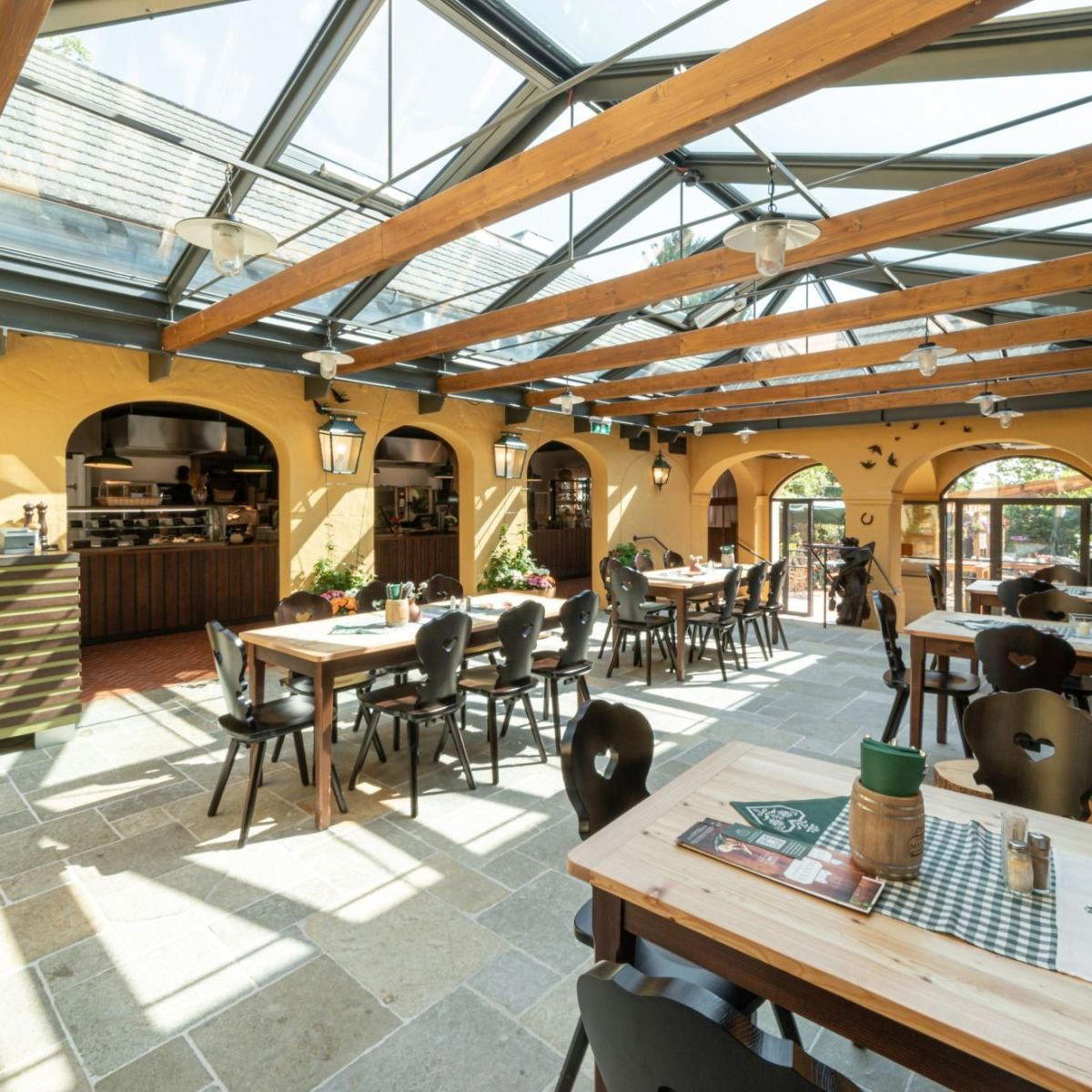
Cozy and traditionally decorated with warm rustic charm, divided into multiple rooms including a piano room with gentle live music, dark wood paneling, and an inviting Austrian atmosphere.